1. Overview
St Joseph's School Kingswood is a Catholic primary school focusing on a values-based education within a supportive, family-like environment. As a Catholic institution, the school blends faith-based learning with core academic programs to help students grow academically, socially, and spiritually. The school typically serves families seeking a nurturing, inclusive setting where students are encouraged to develop strong character alongside foundational literacy and numeracy skills.
Size-wise, the school is generally described as small to medium, which often translates to smaller class sizes and more individualized attention. The atmosphere tends to be welcoming and inclusive, with an emphasis on community, pastoral care, and collaborative learning among students, families, and staff.
⸻
2. Academics & Learning
Academic strengths are built on strong literacy and numeracy foundations, with learning experiences that integrate values-based education and real-world applications. The school commonly emphasizes critical thinking, problem solving, and hands-on learning across the curriculum, including science, humanities, and digital technologies.
Special programs often include a focus on religious education integrated with everyday learning, opportunities for students to engage in leadership and community service, and access to technology-rich learning experiences. Where available, schools of this type may offer gifted and talented pathways or accelerated learning options, depending on enrollment and resources.
NAPLAN trends for this school are not publicly published in a single source, so observable year-to-year trends are best reviewed through the school’s annual reports or Catholic Education SA publications. Public data on this specific school’s NAPLAN trajectory is not provided here. The school typically maintains a constructive learning environment that supports steady growth in student outcomes.
Student-teacher ratios are generally kept on the smaller side to enable more individualized guidance and feedback, helping teachers tailor instruction to diverse learner needs. Support for diverse learners, including EAL (English as an Additional Language) students and those requiring additional academic assistance, is typically a priority with targeted interventions, learning support staff, and inclusive teaching practices.
⸻
3. Sports & Extracurricular Strengths
Sports and extracurriculars are a key focus for many families. The school commonly offers a range of regular sports such as football (soccer), netball, athletics, cricket, and rugby/footy activities appropriate for primary students, with opportunities to participate in inter-school competitions and local district events.
Strong teams or achievements are often highlighted through school sport carnivals, club participation, and representative opportunities within the local Catholic education networks. Music, arts, and drama programs are usually available, supporting performance opportunities and creative development.
Clubs frequently include robotics, coding, chess, and debating, along with science and technology-related activities. The school may also partner with local community academies or clubs for programs in sport, music, and performing arts, as well as participation in regional competitions and showcases.
⸻
4. Wellbeing & Pastoral Care
Wellbeing and pastoral care are priorities, with a focus on building a safe, respectful, and inclusive school culture. The anti-bullying approach typically relies on clear policies, restorative practices, and proactive supervision to promote positive relationships and conflict resolution.
A house system is often used to foster school spirit, teamwork, and healthy competition across year levels. The school typically provides access to counsellors or wellbeing officers who support social and emotional learning, mental health awareness, and individual or small-group support as needed.
Transition support for new students is commonly offered through orientation sessions, buddy programs, and parent-teacher communication plans to help new families settle in, form connections, and understand routines and expectations.
⸻
5. Facilities
Facilities are a major draw for families. Typical features include:
- Sports grounds and outdoor play areas
- Library or learning commons
- Science laboratories or well-equipped science spaces
- Music and performing arts spaces or dedicated rooms
- Tech/innovation labs or makerspace areas
- Canteen or dining facilities
- Updated playgrounds and outdoor learning spaces
- Possible chapel or prayer space for worship and reflection
The layout is designed to be visually inviting and kid-friendly, with flexible spaces to support different learning activities and collaborative work.
⸻
6. School Values & Community Culture
School values and the community culture center on Catholic ethos, character education, and a commitment to inclusive learning. The mission often emphasizes respect, compassion, integrity, service, and resilience, with leadership modeled by staff and student representatives.
The leadership style tends to be collaborative and supportive, encouraging student voice, responsibility, and leadership opportunities across year levels. Behaviour expectations are typically clear, consistent, and applied with fairness and restorative practices to maintain a positive learning environment.
Diversity and inclusion are usually highlighted as strengths, with efforts to welcome families from different backgrounds and to support students with varied needs. The community reputation tends to be that of a close-knit, family-oriented school where faith and learning are integrated into daily life.
⸻
7. School Logistics & Daily Operations
School hours, before/after school care, and daily routines are designed for consistency and accessibility. Typical features include:
- Regular school hours aligned with local education schedules
- Before- and after-school care options (where available)
- Uniform requirements, with clear guidance on daily wear and special events
- Transport options including local bus routes or walking/cycling arrangements
- Canteen or canteen-style facilities offering light meals or snacks
- Fees and payments structured within the Catholic school framework (fee ranges posted by the school; exact figures vary)
Families should check the school’s published timetable and policies for exact start/end times, care availability, uniform specifications, transport arrangements, and current fee schedules.
⸻
8. Enrolment & Admissions
11. What is the enrolment process and timeline?
- Submit an expression of interest or online application.
- Provide required documentation (birth certificate, immunisation records, proof of address, and any school transfer records if applicable).
- Attend any required interviews or information sessions; participate in age-appropriate assessments if requested.
- Receive an offer of enrolment or placement; confirm acceptance and complete the enrolment paperwork.
- Finalise ready-to-start arrangements, including gear, uniform fittings, and orientation steps. Note: Timelines vary by year and the availability of places; early applications are advised.
12. Is there a waiting list, and how does it work?
- Waiting lists are possible when applications exceed available places. Priority may be given to siblings, parish or community affiliations, and readiness considerations.
- Length and management of the waiting list depend on year level, year cohort size, and space availability.
13. Are there any entry requirements, tests, or interviews?
- Entry may involve an enrolment interview and readiness discussion, plus standard documentation. Specific testing requirements vary by year level and school policy; the school can confirm whether any assessments are needed.
14. Does the school accept mid-year transfers?
- Mid-year transfers are sometimes possible if spaces are available. Applicants should contact the school early to discuss availability and the enrolment steps, including any transition supports needed for a smooth arrival.
Note: Enrolment procedures, timelines, and entry requirements vary by year and are best confirmed directly with the school’s admissions team or Catholic Education SA publications.
⸻
9. Frequently Asked Questions
- Why Parents Choose This School?
- A close-knit, faith-based community that emphasizes academic foundations, character development, and pastoral care within a supportive environment.
- What type of student thrives at this school?
- Students who respond well to a values-based education, appreciate strong teacher-student relationships, and enjoy a collaborative, inclusive learning culture.
- What opportunities are available for students to extend their skills (academics, sports, arts)?
- Regular opportunities across literacy, numeracy, science, and humanities; sport programs and inter-school events; music and performing arts, as well as clubs such as robotics, coding, debate, and chess where offered.
- How does the school communicate with parents?
- Regular updates through newsletters, emails, parent-teacher meetings, and school portals; timely notices for events, assessments, and student progress.
- What is the school’s approach to teaching and learning?
- A holistic, student-centered approach that integrates faith-based perspectives with core curriculum, emphasizes critical thinking, collaboration, and practical applications.
- How does the school support students who need extra academic help?
- Targeted learning support, small-group or one-on-one interventions, and access to learning support staff to assist with literacy, numeracy, and other needs.
- What support is available for academic challenges?
- Structured plans, progress monitoring, and collaboration with families to tailor supports; progression reviews to adjust strategies as needed.
- How does the school communicate with parents? (Duplicate Question)
- See above: through multiple channels including parent meetings, newsletters, and digital portals.
- What are the class sizes and how much individual attention do students receive?
- Class sizes are kept on the smaller side to enable teacher-to-student feedback and individualized support, with a responsive approach to student needs.
- What extracurricular and sports opportunities are available?
- A range of sports and physical activities, plus clubs such as robotics, coding, chess, debating, and performing arts programs depending on year and funding.
- What facilities does the school offer (sports, science, arts)?
- Sports grounds, libraries, science labs, music/arts spaces, technology labs, canteen, and updated playgrounds are commonly highlighted facilities.
- What is the school’s approach to technology and digital learning?
- Integration of digital tools within the curriculum, with access to technology labs and ongoing improvement of e-learning skills and responsible use.
- What transport and accessibility options are available?
- Local bus routes, walking or cycling options, and parking arrangements aligned with school policy; families should verify transport details with the school.
- What are the typical school fees or additional costs?
- Fees exist as part of Catholic school arrangements; exact figures and payment schedules are provided by the school and may vary by year level and options chosen.
⸻
10. Short Pros & Cons list
Pros
- Catholic, values-based education with a nurturing, inclusive culture
- Small to medium school size allowing for personalized attention
- Strong focus on literacy, numeracy, and holistic development
- Broad range of extracurriculars including sports, arts, and clubs
- Supportive wellbeing, pastoral care, and transition assistance for new students
Cons
- As a smaller school, some specialized programs or elective options may be more limited than larger campuses
- Specific facilities or programs can vary year to year based on enrolment and funding
- Fee-based model; families should review current fee schedules and any additional costs
- Public data on standardized test trends (e.g., NAPLAN) may not be publicly published in detail; verify with the school for the latest information
Note: This profile is based on common characteristics of Catholic primary schools in the region and publicly available information. For precise details, schedules, and current offerings, please refer to the school’s official communications.
 $40+
$40+









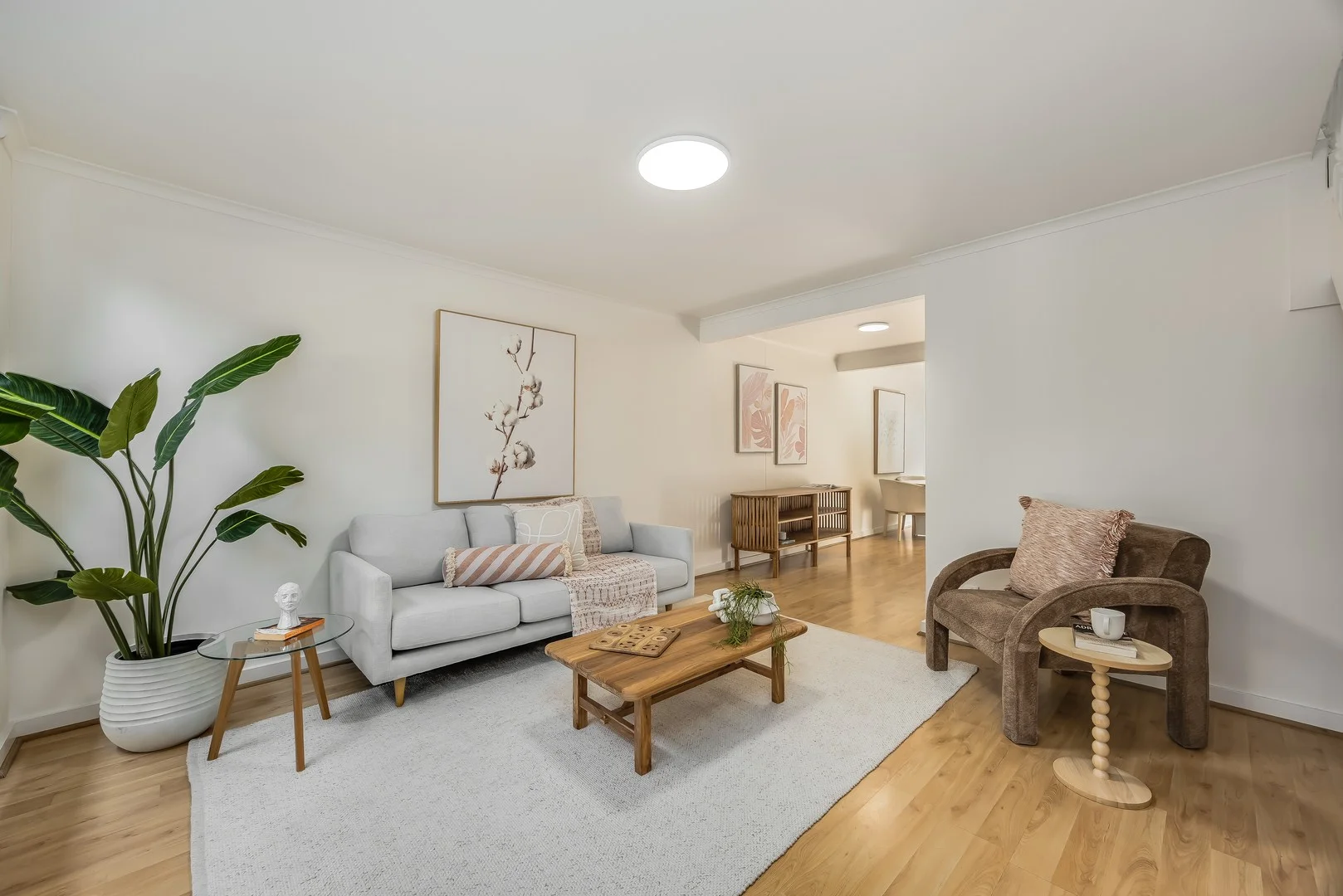 $775,000
House
$775,000
House
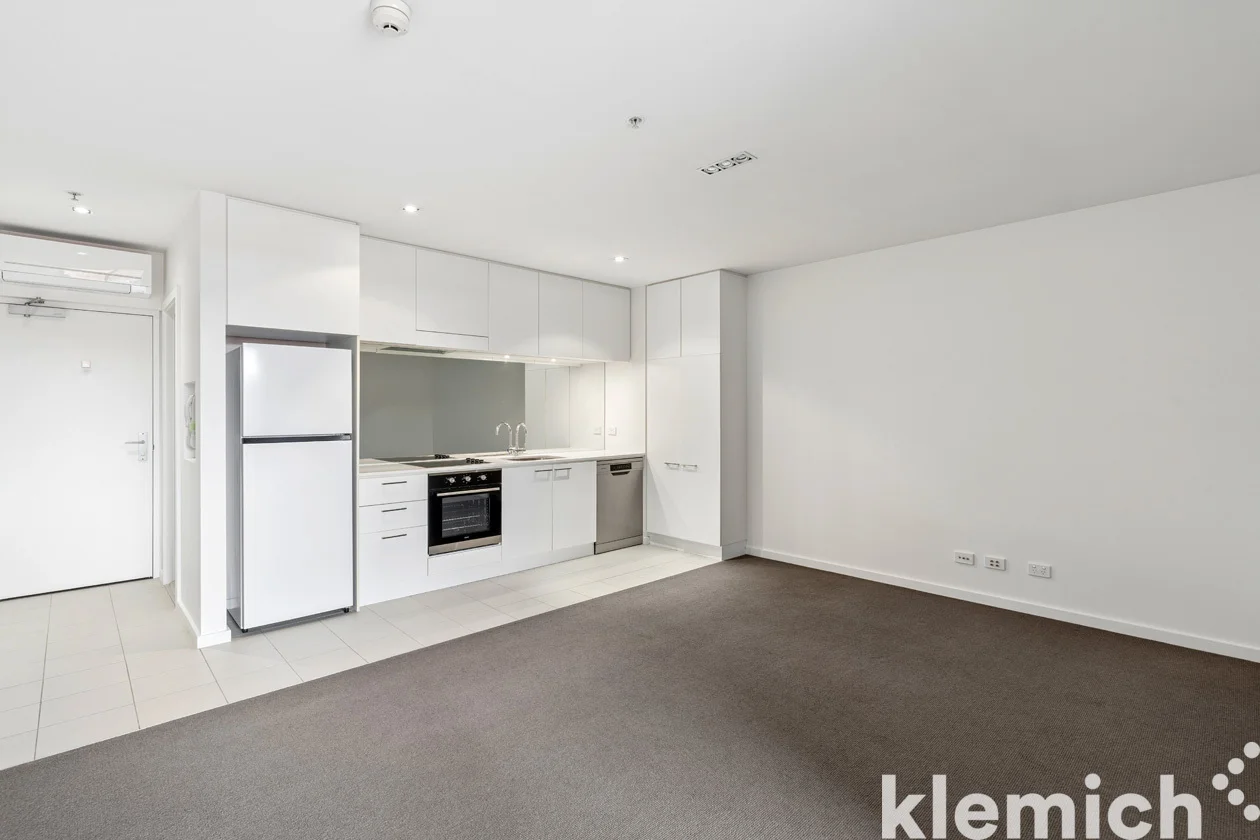 $440,000
Apartment / Unit / Flat
$440,000
Apartment / Unit / Flat
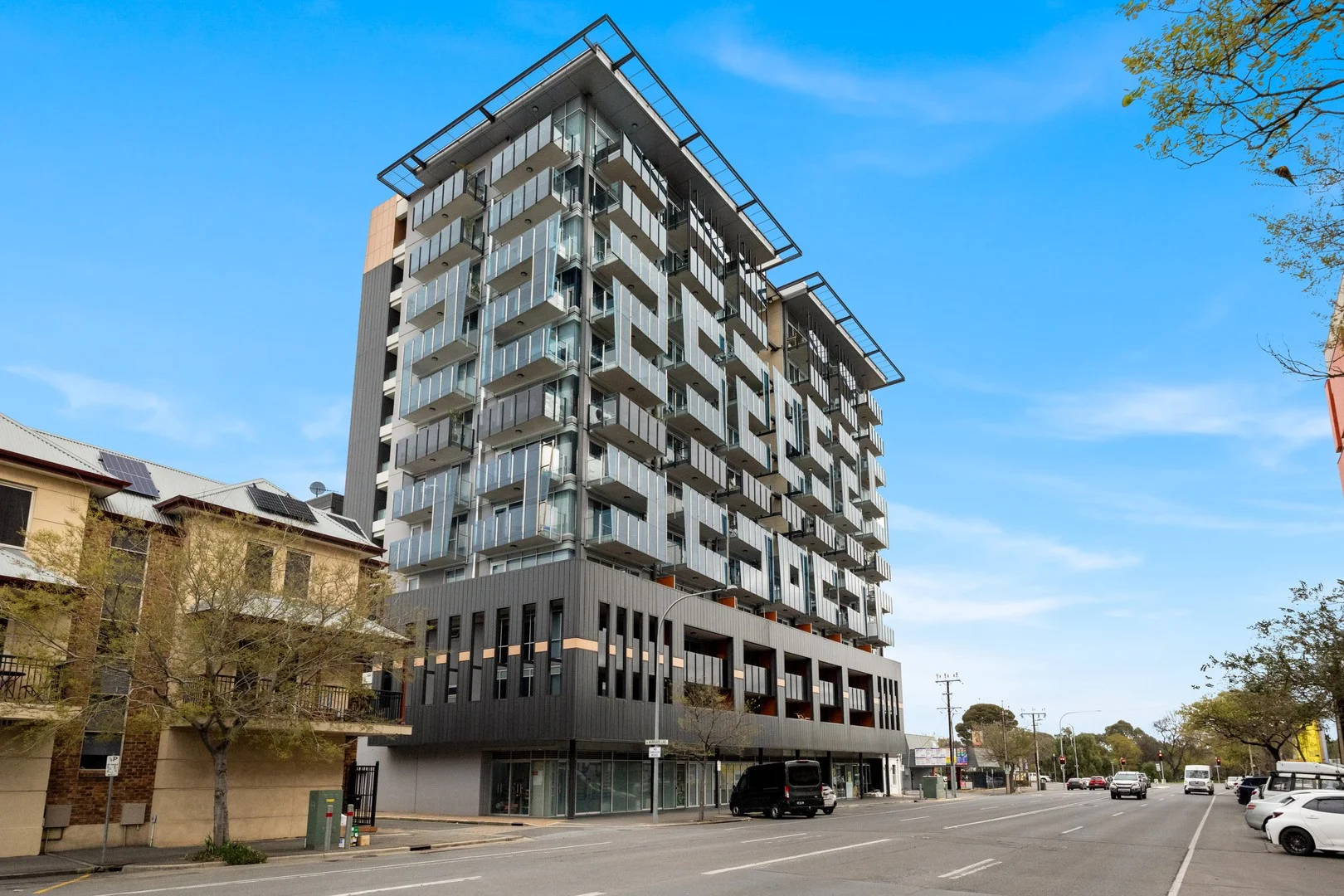 $1,100,000
Apartment / Unit / Flat
$1,100,000
Apartment / Unit / Flat
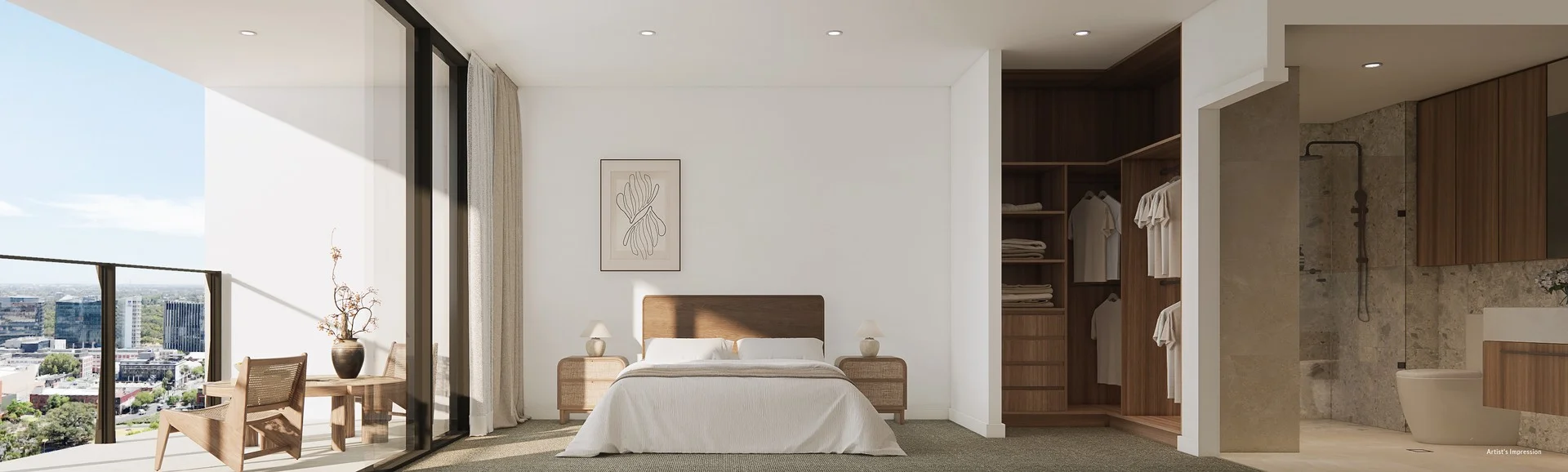 $1,056,000
Apartment / Unit / Flat
$1,056,000
Apartment / Unit / Flat
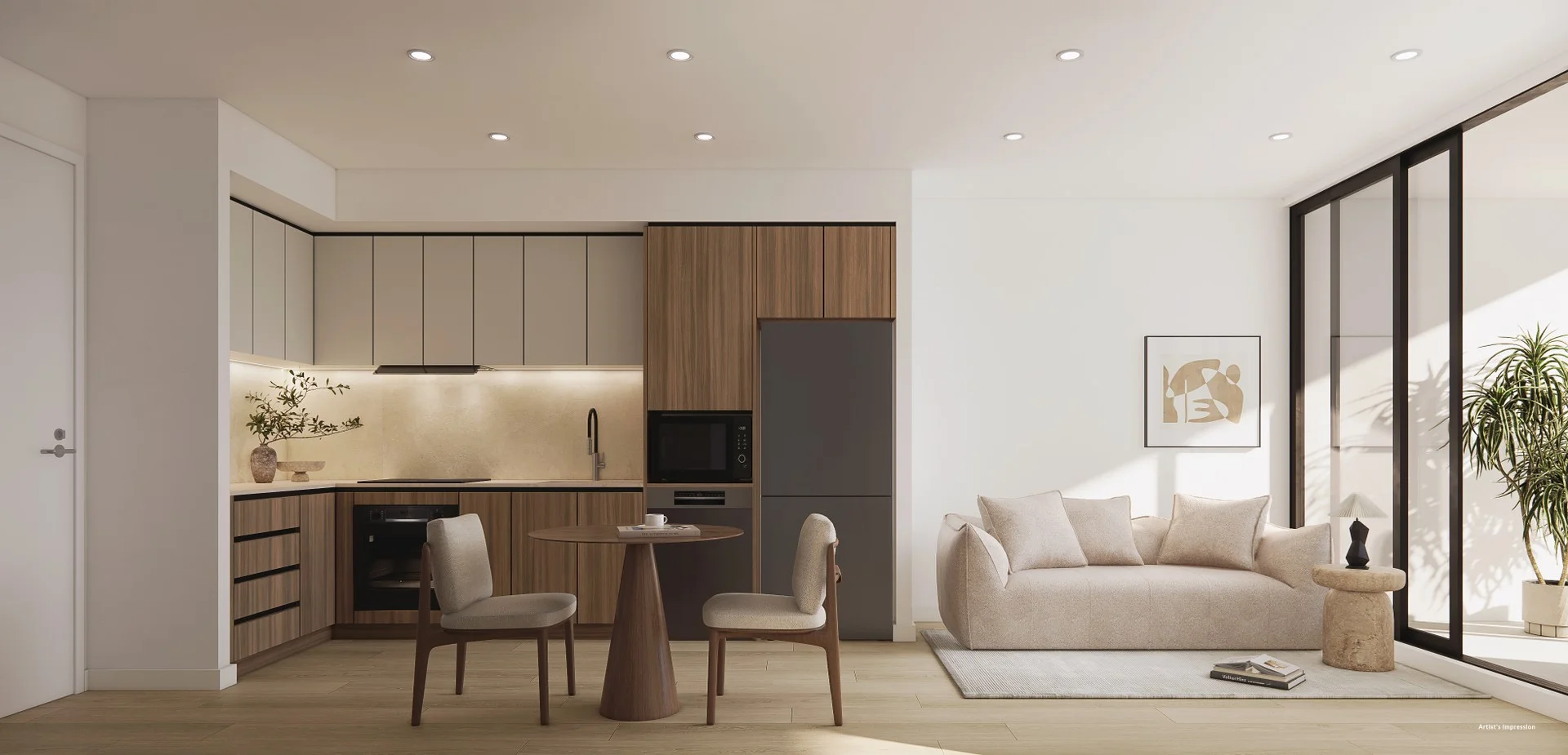 $588,000
Apartment / Unit / Flat
$588,000
Apartment / Unit / Flat
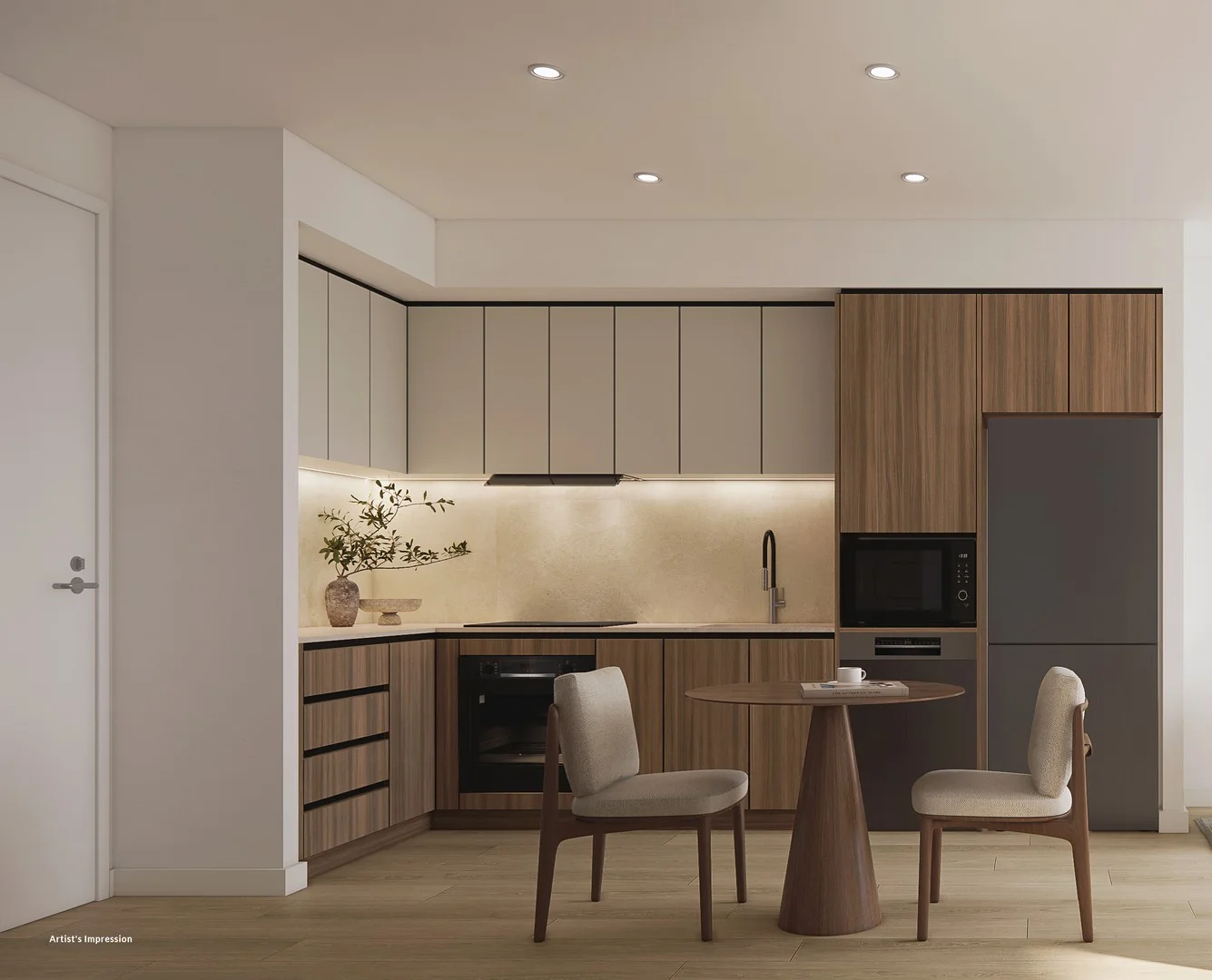 $557,000
Apartment / Unit / Flat
$557,000
Apartment / Unit / Flat
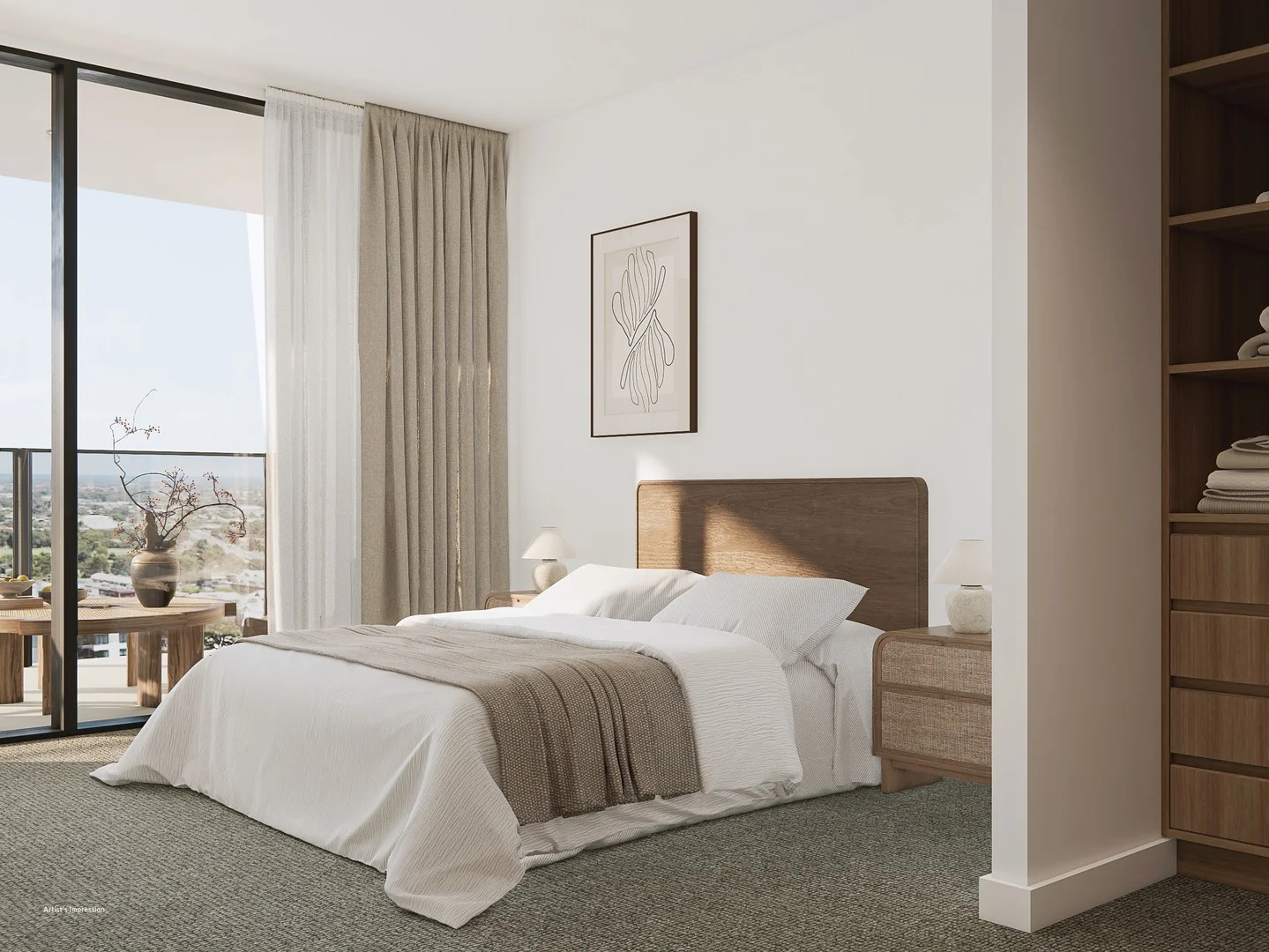 $935,000
Apartment / Unit / Flat
$935,000
Apartment / Unit / Flat
 $545,000
Apartment / Unit / Flat
$545,000
Apartment / Unit / Flat