Overview
Scotch College – Torrens Park Campus is an independent, boys’ school offering a comprehensive education from the preparatory years through to Year 12. It combines a strong academic focus with broad opportunities in sport, arts and leadership, all within a structured, traditional school culture that emphasises character and service.
The school is medium-to-large in size with a reputation for high academic standards, supportive pastoral care, and a vibrant co-curricular program. Class sizes are designed to foster close teacher attention and collaborative learning, contributing to an atmosphere that is both academically rigorous and welcoming.
Academics & Learning
- Academic strengths: The school emphasises excellence across core subjects, with strong tracks in STEM, English, and languages, alongside leadership development and campus-wide expectations of high achievement.
- Special programs: Gifted and talented pathways, accelerated learning options, and leadership opportunities are available to students seeking additional academic challenges.
- Support for diverse learners: Dedicated learning support services, including EAL (English as an Additional Language) assistance and SEN (Special Educational Needs) support, along with targeted tutoring and intervention as needed.
- Sports offered: A wide range of sports including football, cricket, basketball, tennis, swimming, athletics, and rowing, with opportunities to compete at house and inter-school levels.
- Strong teams or achievements: Active participation in inter-school competitions with competitive teams and regional achievements across multiple sports.
- Music, arts, drama programs: Robust performing arts facilities and programs, with school choirs, ensembles, theatre productions, and opportunities to study music and drama at advanced levels.
- Clubs: Robotics, coding, chess, debating and other intellectual pursuits sit alongside sport, arts, and service clubs.
- Partnerships: Engagements with local clubs, associations and national/international competitions to extend opportunities beyond the classroom.
Wellbeing & Pastoral Care
- Anti-bullying approach: Clear policies and proactive wellbeing programs aimed at fostering respectful relationships and safe school environments.
- House system: A house-based structure supports pastoral care, friendships, teamwork and belonging across year levels.
- Counsellors / wellbeing officers: On-site counsellors and wellbeing staff available to support students’ emotional and social development.
- Transition support for new students: Orientation programs, buddy systems and targeted transition support help students settle into the school community.
Facilities
- Sports grounds: Extensive outdoor spaces and playing fields to support a broad sports program.
- Libraries: Well-stocked libraries with resources for study and enrichment.
- Science labs: Modern, well-equipped science laboratories to support practical learning.
- Music/performing arts centers: Dedicated spaces for music, drama and performance.
- Tech/innovation labs: Computer labs and innovation spaces to support digital learning and STEM projects.
- Cafeteria: On-site canteen offering a range of food options.
- Updated playgrounds: Modern recreational spaces for breaks and outdoor activities.
- School values / mission: Emphasis on integrity, respect, excellence and service within a community-focused, boy-friendly environment.
- Leadership style: Collaborative and student-centered leadership that encourages responsibility, initiative and ethical conduct.
- Behaviour expectations: Clear standards for conduct, accountability and mutual respect, aligned with the school’s ethos.
- Community reputation: Strong alumni and parent communities with a history of engagement and support for school initiatives.
- Diversity & inclusion: Commitment to creating an inclusive environment where all students feel a sense of belonging and are supported to reach their potential.
School Logistics & Daily Operations
- School hours: Typical school day runs from morning start to mid-afternoon, with structured routines to support academics, sport and activities.
- Before/after school care: Availability of before- and after-school care or supervision to support families.
- Uniform requirements: Formal uniform policy with seasonal options (and related guidelines) consistent with the school tradition.
- Transport (train/bus routes): Access via bus routes and local public transport; campus is linked to surrounding transport networks.
- Canteen availability: On-site canteen offering healthy options for students.
- Fees (low/medium/high ranges): Fees are positioned in the higher (private) range, reflecting the school’s comprehensive program and facilities.
Enrolment & Admissions
- What is the enrolment process and timeline?
- Parents typically start with an expression of interest or application, followed by submission of required documents (birth certificate, school reports, etc.). The process usually includes assessments or interviews and a formal offer of placement, with timelines often spanning several months to a year depending on year level and space availability.
- Is there a waiting list, and how does it work?
- Yes, there is a waiting list for some year levels. Waiting list placement is generally based on date of application and space availability, with priority given to applicants who meet the school’s criteria.
- Are there any entry requirements, tests, or interviews?
- Entry typically includes an admissions assessment or testing (often in maths and literacy), along with an interview for both the student and parents. Some year levels or programs may have additional auditions (e.g., for performing arts).
- Does the school accept mid-year transfers?
- Mid-year transfers are possible if spaces exist and the student meets entry requirements, with considerations for credit transfer, alignment with the curriculum, and a smooth transition plan.
Frequently Asked Questions
- Why Parents Choose This School?
- A strong combination of academic rigor, supportive pastoral care, wide co-curricular opportunities and a values-driven community.
- What type of student thrives at this school?
- Motivated, curious and collaborative students who participate in academics, sport and the arts and value a community-oriented environment.
- What opportunities are available for students to extend their skills (academics, sports, arts)?
- Extension programs in academics, leadership and gifted pathways; strong sport programs with competitive teams; performing arts ensembles and productions; clubs in robotics, coding, debating and more.
- How does the school communicate with parents?
- Through a mix of email, newsletters, a parent portal, and regular parent-teacher events and briefings.
- What is the school’s approach to teaching and learning?
- A balanced, rigorous approach emphasizing inquiry, critical thinking, collaboration and high expectations, with regular progress monitoring.
- How does the school support students who need extra academic help?
- Targeted learning support, tutoring, EAL and SEN services, and access to dedicated staff for intervention and remediation.
- What support is available for academic challenges?
- Individual and small-group support, learning plans, and coordinated assistance from teachers and specialists.
- What extracurricular and sports opportunities are available?
- A broad array of sports, music and drama programs, alongside robotics, coding, debating and other clubs.
- What facilities does the school offer (sports, science, arts)?
- Modern sports facilities, well-equipped science laboratories, dedicated music/performing arts spaces, and tech/innovation labs.
- What is the school’s approach to technology and digital learning?
- Integrated ICT across the curriculum, access to digital resources, and a framework for safe, effective use of technology in learning.
- What transport and accessibility options are available?
- Convenient access via local bus routes and public transport networks; campus planning supports accessibility.
- What are the typical school fees or additional costs?
- The school operates in the high-fee range typical of private independent schools, with potential additional costs for camps, arts programs, uniforms and activities.
Short Pros & Cons list
- Strong academic culture with breadth in sport, arts and leadership.
- Comprehensive well-being and pastoral care with a supportive House system.
- A wide range of extracurriculars and opportunities to extend skills.
- Modern facilities and dedicated learning support services.
- Engaged parent and alumni communities; values-driven environment.
- Higher tuition and related costs.
- Single-sex (boys) environment may not suit families seeking co-educational experiences.
- Competitive admission and selective processes can mean wait times for some year levels.
 $40+
$40+








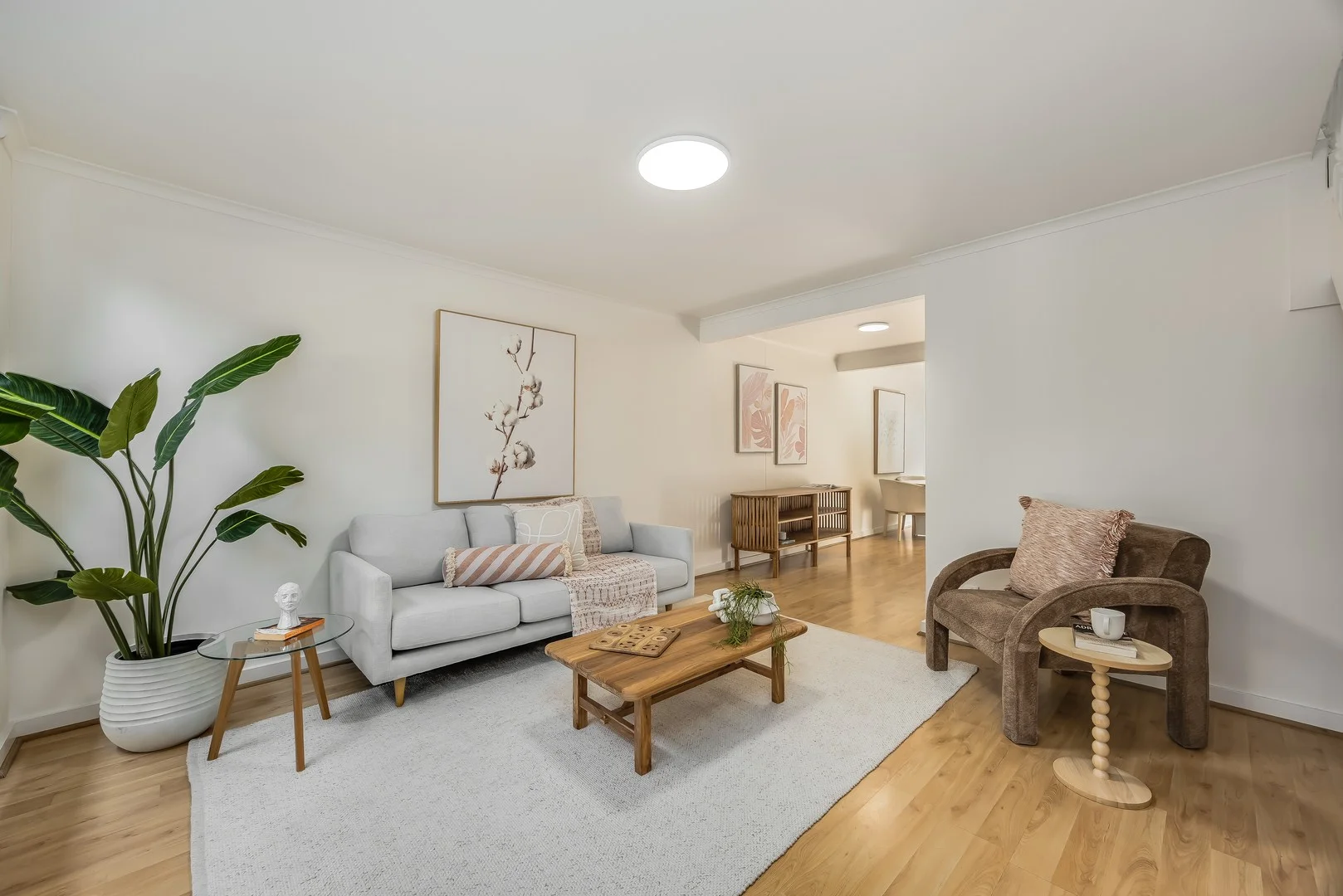 $775,000
House
$775,000
House
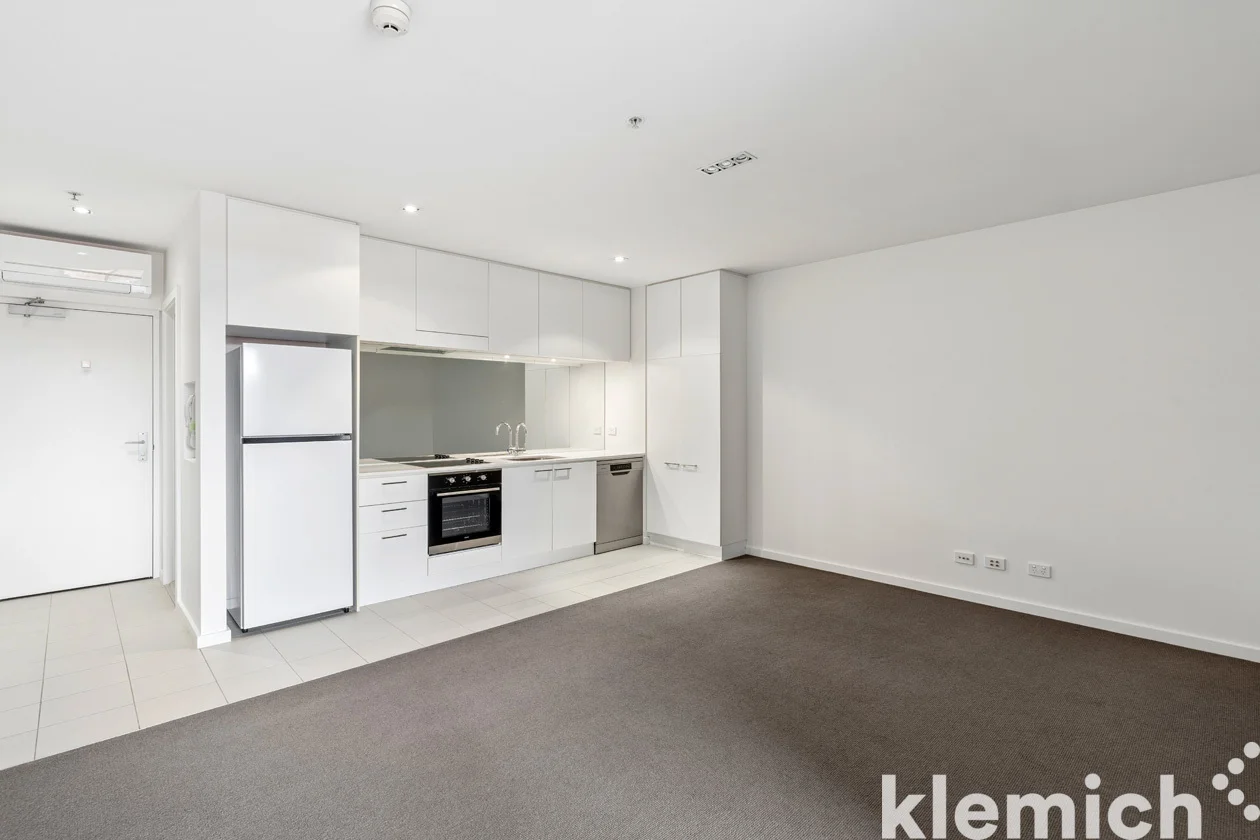 $440,000
Apartment / Unit / Flat
$440,000
Apartment / Unit / Flat
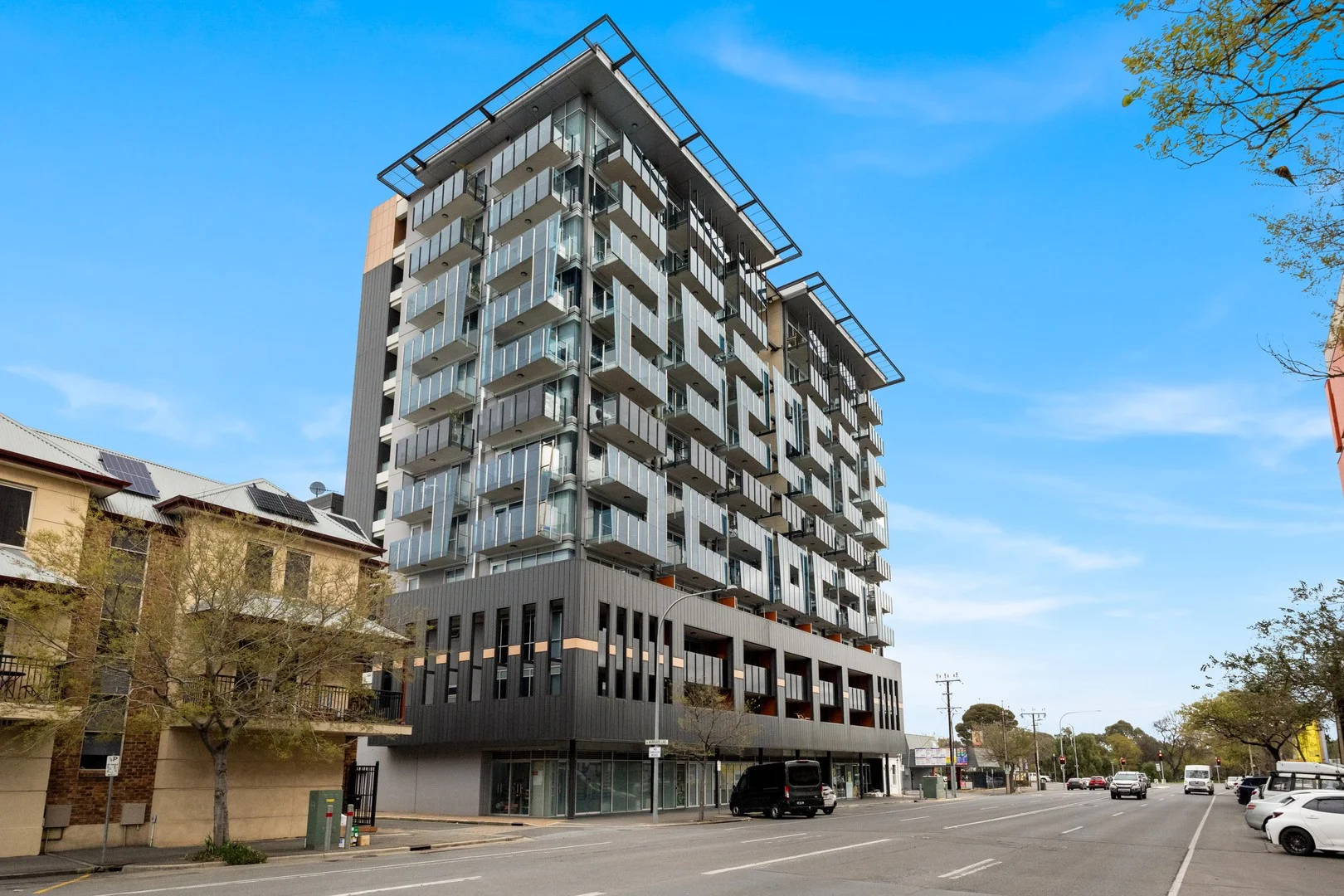 $1,100,000
Apartment / Unit / Flat
$1,100,000
Apartment / Unit / Flat
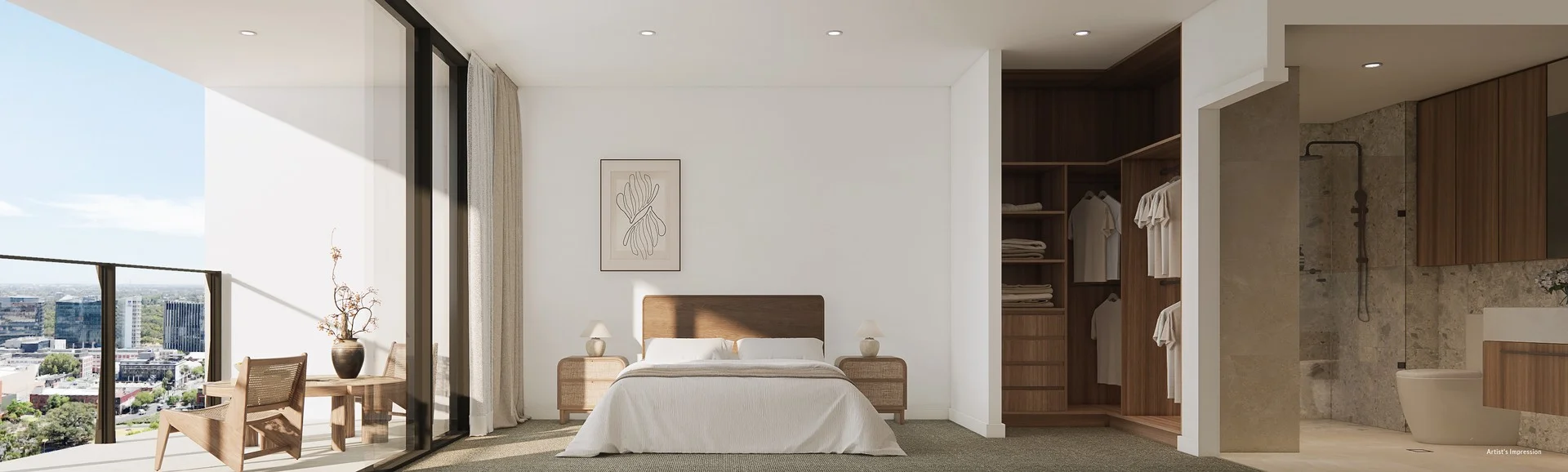 $1,056,000
Apartment / Unit / Flat
$1,056,000
Apartment / Unit / Flat
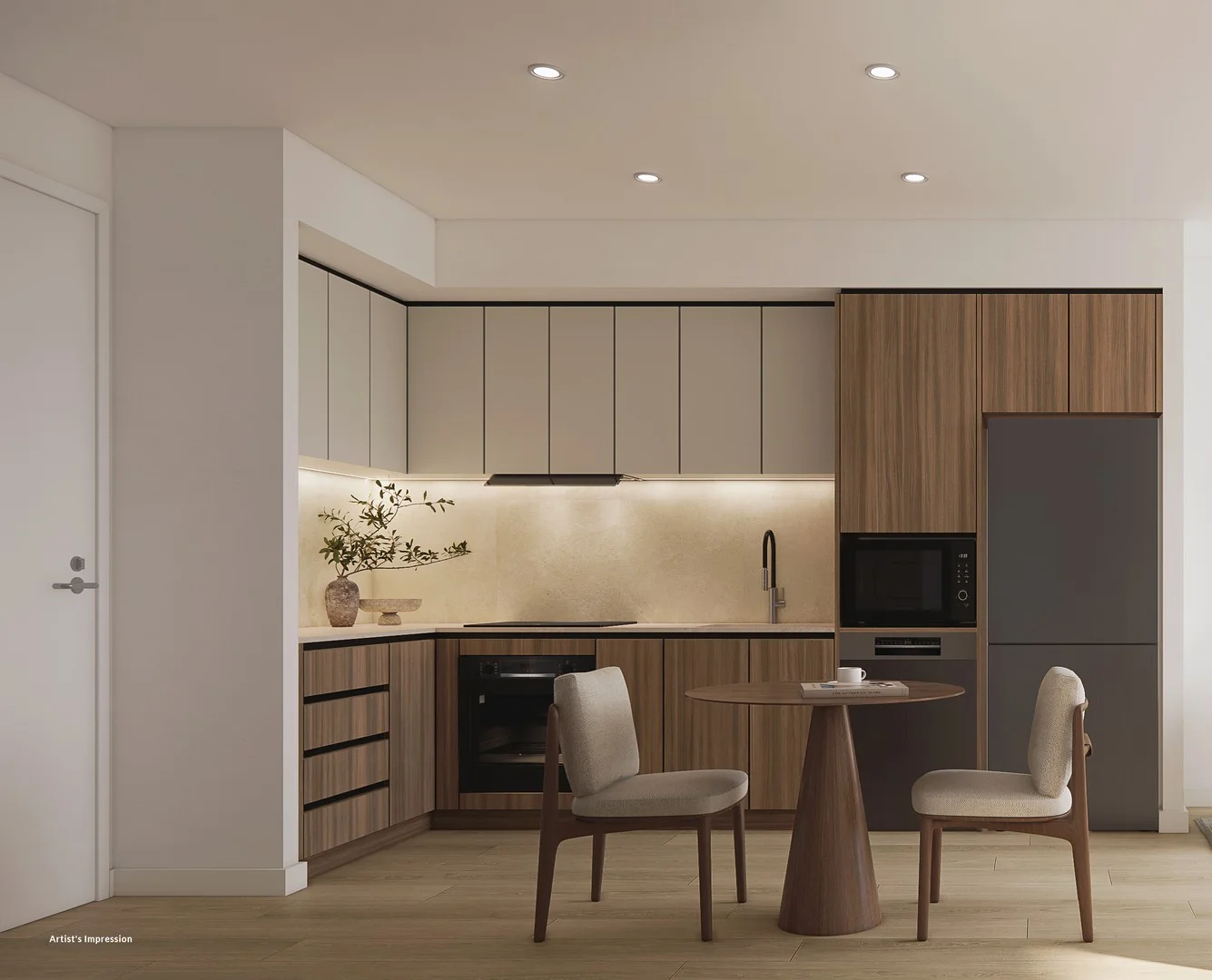 $557,000
Apartment / Unit / Flat
$557,000
Apartment / Unit / Flat
 $588,000
Apartment / Unit / Flat
$588,000
Apartment / Unit / Flat
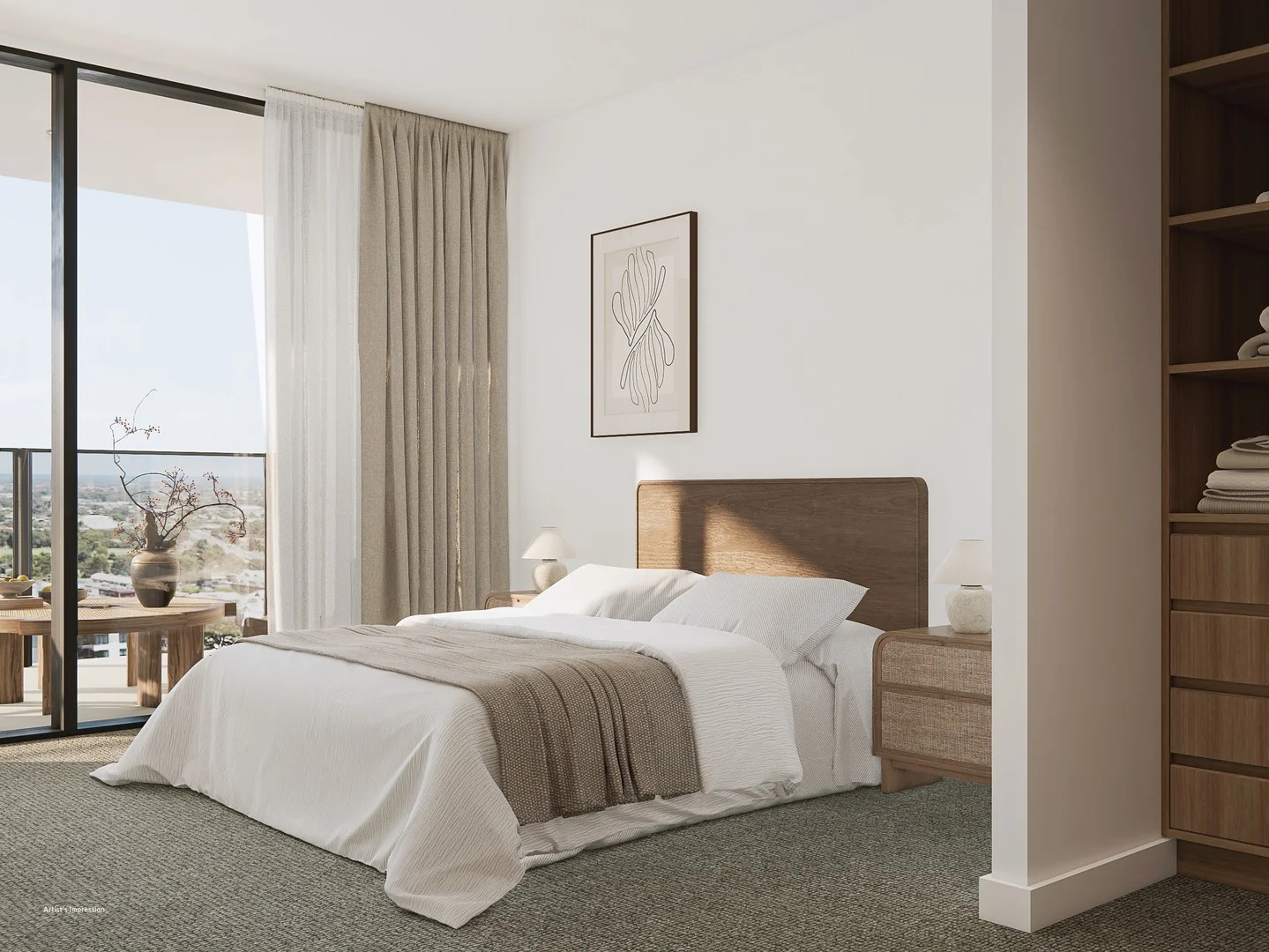 $935,000
Apartment / Unit / Flat
$935,000
Apartment / Unit / Flat
 $545,000
Apartment / Unit / Flat
$545,000
Apartment / Unit / Flat