## 1. Overview
Seaview Downs Primary School is a public, co-educational primary school serving families in Seaview Downs and surrounding areas. The school focuses on creating a supportive, inclusive learning environment where students develop academically, socially and emotionally.
- School type: Public
- School size: Medium
- Class size: Typically around 20–28 students per class (in line with local primary norms)
- Atmosphere/culture: Nurturing, inclusive, values student well-being and active participation in learning
---
## 2. Academics & Learning
Seaview Downs Primary School emphasises solid foundations in literacy and numeracy, with opportunities to engage in STEM-related activities and digital learning. The school supports curious, capable learners through a mix of classroom teaching and targeted programs.
- Academic strengths: Literacy and numeracy foundations; STEM/based learning; digital literacy and creative inquiry
- Special programs: Opportunities for extension and accelerated learning where available; emphasis on differentiated instruction and independent learning skills
- NAPLAN trends: Historically, performance aligns with state averages with year-to-year variation; the school uses NAPLAN data to identify areas for improvement and to tailor teaching
- Student-teacher ratios: Generally aligned with SA primary norms (approx. 1 teacher for 20–25 students in many classes)
- Support for diverse learners: EAL support, inclusive practices for diverse learner needs, and targeted support for students requiring extra help with literacy and numeracy
---
## 3. Sports & Extracurricular Strengths
A strong emphasis on well‑rounded development, with opportunities for sport, arts and clubs that appeal to a broad range of interests.
- Sports offered: A range of school-based and inter-school sports (e.g., soccer, netball, cricket, athletics, general fitness activities)
- Strong teams or achievements: Participation in district and inter-school competitions; emphasis on teamwork and character
- Music, arts, drama programs: School music involvement, performing arts activities and school productions
- Clubs: Robotics, coding, chess, debating, and other after-school clubs
- Partnerships: Connections with local clubs and competitions to broaden opportunities beyond the classroom
Most parents of boys in the 10–14 age range focus on opportunities to compete, learn new skills and participate in team activities. Seaview Downs Primary supports a balanced mix of sport, arts and clubs.
---
## 4. Wellbeing & Pastoral Care
Wellbeing and pastoral care are central to the school’s approach, with systems in place to support positive relationships and student resilience.
- Anti-bullying approach: Whole-school strategies, positive behaviour supports, and restorative practices
- House system: House-based activities and events to foster belonging and healthy competition
- Counsellors / wellbeing officers: Availability of school-based wellbeing staff to support students
- Transition support for new students: Orientation, buddy programs and dedicated transition steps to ease entry for new students
---
## 5. Facilities
The school provides a range of facilities common to modern public primary schools, designed to support a broad curriculum.
- Sports grounds: On-site sports areas for physical education and outdoor activities
- Libraries: A library space to support reading and research
- Science labs: Dedicated spaces for hands-on science learning
- Music/performing arts centers: Areas for music, drama and performance activities
- Tech/innovation labs: Facilities to support digital learning and coding activities
- Cafeteria: On-site canteen or approved lunch facilities
- Updated playgrounds: Well-maintained outdoor play spaces
---
## 6. School Values & Community Culture
Seaview Downs Primary School aims to build a positive, respectful school culture with clear expectations and active student involvement.
- School values / mission: Emphasis on respect, responsibility, resilience and inclusion
- Leadership style: Student leadership opportunities and a collaborative approach to decision-making
- Behaviour expectations: Clear codes of conduct and consistent, positive behaviour management
- Community reputation: Known as a welcoming, supportive school with strong family partnerships
- Diversity & inclusion: Commitment to inclusive practices and support for students from diverse backgrounds
---
## 7. School Logistics & Daily Operations
Practical information to help families plan.
- School hours: Typical primary-day hours (e.g., start in the morning and finish in late afternoon)
- Before/after school care: After-school care or OSHC options commonly available through external providers
- Uniform requirements: School uniform policy consistent with public school guidelines
- Transport: Bus routes and proximity to public transport; convenient access for families within the catchment
- Canteen availability: On-site canteen or bagged lunch options, subject to school policy
- Fees: Public school; no tuition fees for standard instruction; there may be costs for activities, excursions, or materials
---
## 8. Enrolment & Admissions
11. What is the enrolment process and timeline?
12. Is there a waiting list, and how does it work?
13. Are there any entry requirements, tests, or interviews?
14. Does the school accept mid-year transfers?
- Enrolment process and timeline: Enrolments are typically handled through the Department for Education enrollment processes. Start times and timelines are published by the school and the department; you’ll likely need proof of residency and documentation for the enrolment period.
- Waiting list: Some public schools operate waiting lists depending on capacity and local demand; the school can advise on current wait times and process.
- Entry requirements / tests / interviews: Public primary schools generally do not require entrance tests; some schools may conduct brief admissions conversations or information sessions, but this varies by school and year level.
- Mid-year transfers: Mid-year transfers are possible where space permits and subject to department policies; check with the school for availability and the exact process.
Note: For precise enrolment steps, timelines, and any local requirements, contact Seaview Downs Primary School directly or refer to the South Australian Department for Education guidelines.
---
## 9. Frequently Asked Questions
- Why Parents Choose This School?
- A welcoming community, focus on well-being, solid academic program and opportunities across sport, arts and clubs.
- What type of student thrives at this school?
- Students who value inclusive learning, active participation, teamwork and a balanced approach to academics and extra-curriculars.
- What opportunities are available for students to extend their skills (academics, sports, arts)?
- Extension and differentiated learning in core subjects; STEM and digital literacy activities; clubs (robotics, coding, chess, debating); sports and performing arts programs.
- How does the school communicate with parents?
- Regular updates via newsletters, notices, parent-teacher meetings and digital platforms; responsiveness through official channels.
- What is the school’s approach to teaching and learning?
- Student-centred, evidence-informed teaching with emphasis on literacy, numeracy, critical thinking and digital literacy; differentiated instruction to meet diverse needs.
- How does the school support students who need extra academic help?
- Targeted interventions in literacy and numeracy, EAL and SEN support, and use of progress data to tailor instruction.
- What support is available for academic challenges?
- Additional tutoring, small-group support, and access to specialist staff where appropriate.
- How does the school communicate with parents? (reiterated)
- See above: regular updates and meetings through multiple channels.
- What are the class sizes and how much individual attention do students receive?
- Class sizes are typically in the 20–28 range, with teacher planning time and targeted supports to ensure individual attention where needed.
- What extracurricular and sports opportunities are available?
- A range of sports, music and arts, plus clubs such as robotics, coding, chess and debating.
- What facilities does the school offer (sports, science, arts)?
- Sports grounds, library, science labs, music/drama spaces, tech/innovation labs, canteen, updated playgrounds.
- What is the school’s approach to technology and digital learning?
- Integrated digital learning and coding activities; use of appropriate tech to support learning across subjects.
- What transport and accessibility options are available?
- Public transport options and school-provided information on bus routes; accessible entry and parking considerations vary by site.
- What are the typical school fees or additional costs?
- No tuition for standard instruction; some costs may apply for excursions, activities or materials.
---
## 10. Short Pros & Cons
- Pros
- Public, inclusive environment with a focus on well-being and community
- Balanced program across academics, sport, arts and clubs
- Range of supports for diverse learners (EAL, SEN) and transition processes
- Active student involvement and leadership opportunities
- Cons
- Class sizes and resources may vary with enrolment numbers and funding
- Some programs or clubs may have limited slots and rely on after-school availability
- Specific facilities and offerings can vary by year and budget; verify current details with the school
If you’d like, I can tailor this further with more precise, up-to-date details from the school or Department for Education resources.









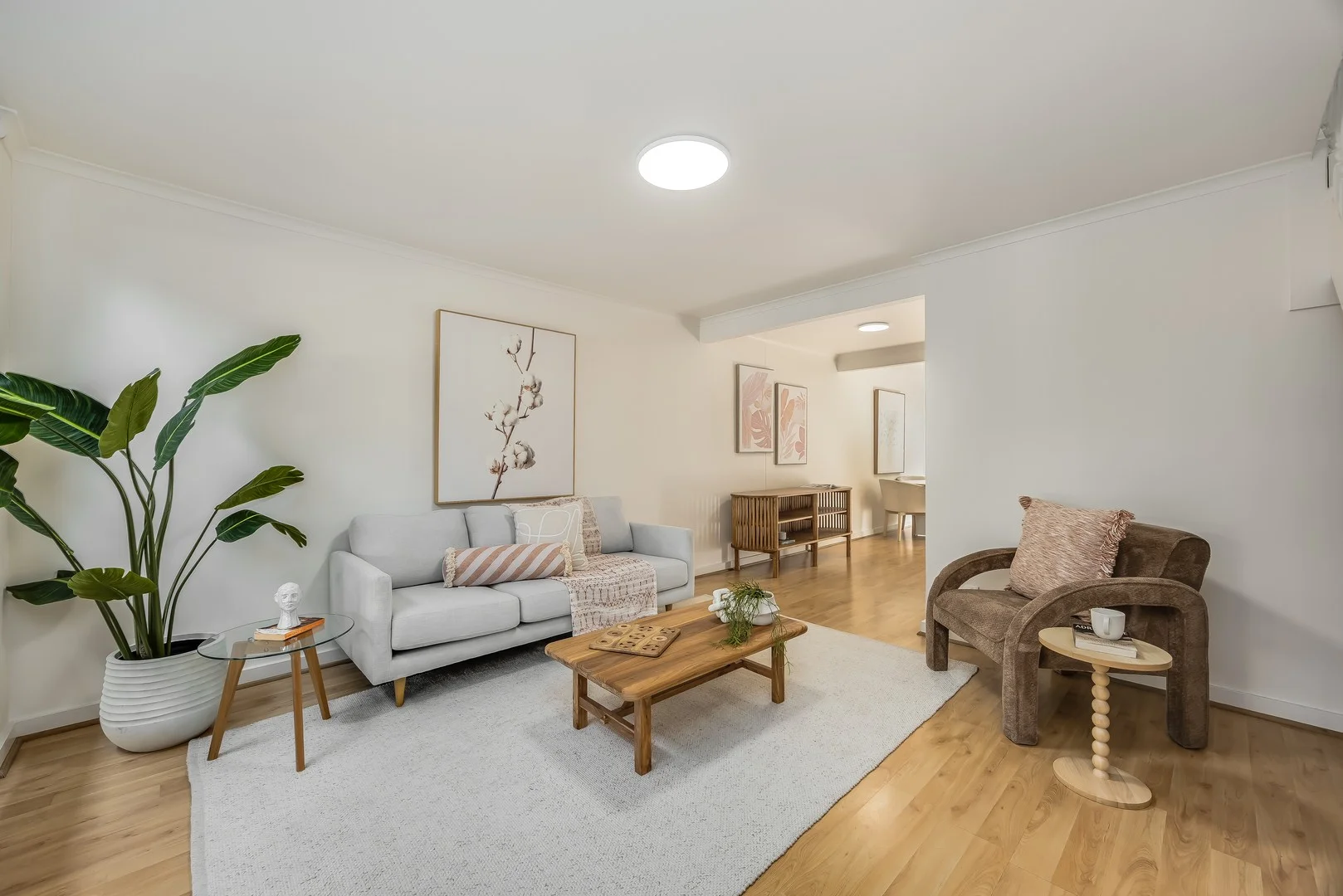 $775,000
House
$775,000
House
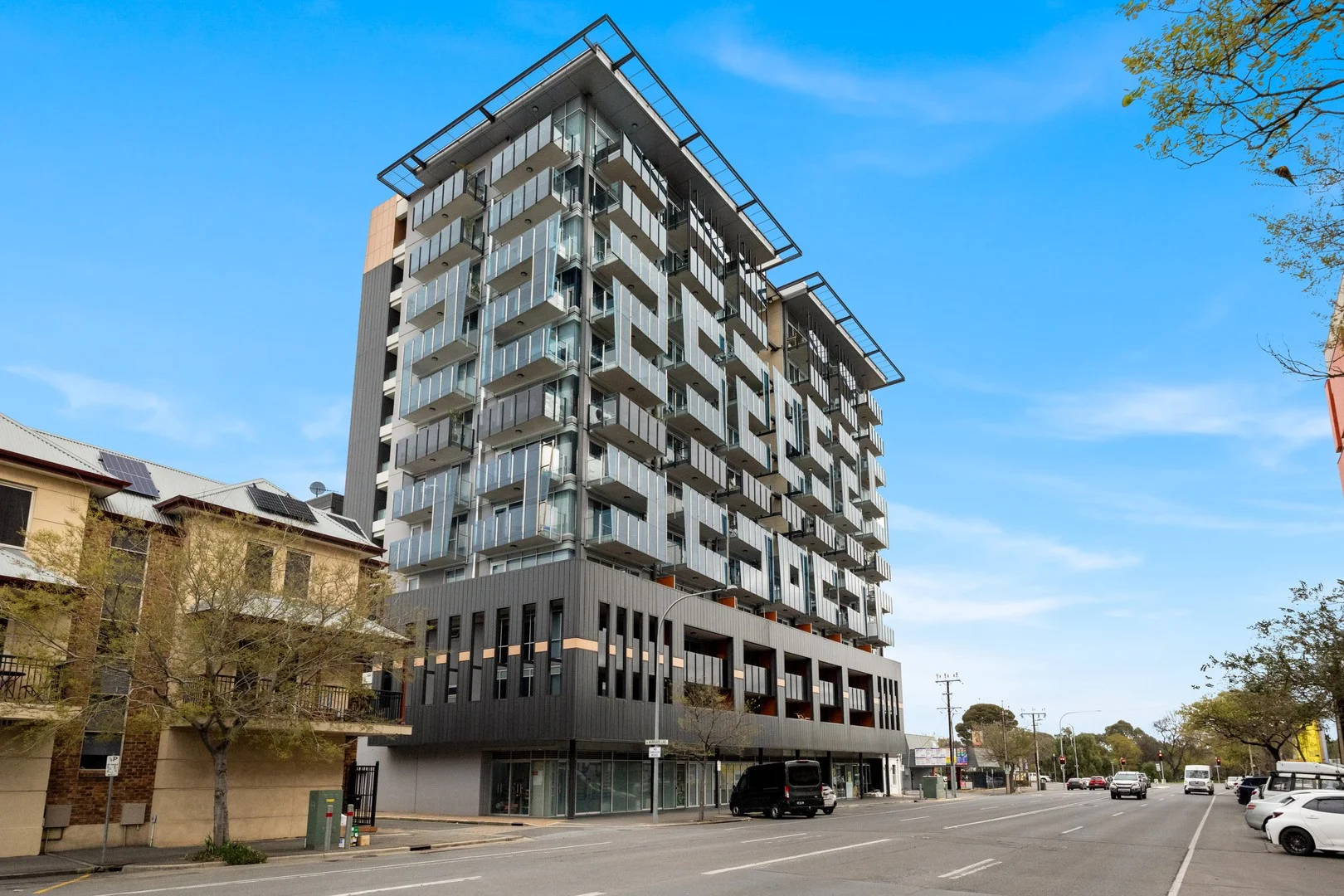 $1,100,000
Apartment / Unit / Flat
$1,100,000
Apartment / Unit / Flat
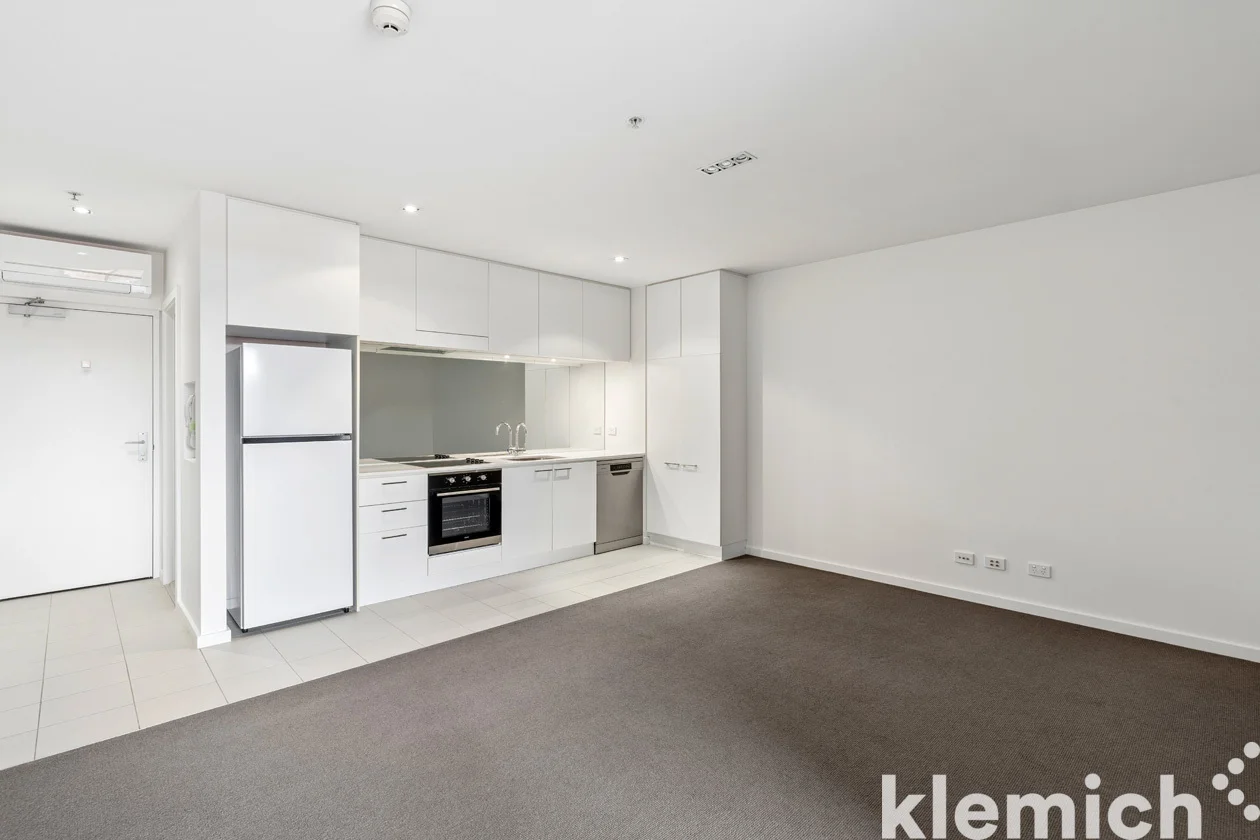 $440,000
Apartment / Unit / Flat
$440,000
Apartment / Unit / Flat
 $557,000
Apartment / Unit / Flat
$557,000
Apartment / Unit / Flat
 $935,000
Apartment / Unit / Flat
$935,000
Apartment / Unit / Flat
 $1,056,000
Apartment / Unit / Flat
$1,056,000
Apartment / Unit / Flat
 $588,000
Apartment / Unit / Flat
$588,000
Apartment / Unit / Flat