1. Overview
Seaview High School is a public secondary school serving students in the Seacombe Heights area. It offers Year 7 to Year 12 education within South Australia’s public school system, with a focus on academic development, personal growth and community involvement. The school aims to provide opportunities across academics, arts, sport and wellbeing in a supportive environment.
- School type: Public
- School size: Large
- Class size: Approximately 25–28 students per class
- Atmosphere/culture: Inclusive, diverse, supportive, with a balanced emphasis on academics and sport/arts
⸻
2. Academics & Learning
Seaview High School supports a broad academic program designed to prepare students for the South Australian Certificate of Education (SACE) and post-school pathways. The school emphasizes critical literacy, numeracy and problem-solving, with opportunities to engage in STEM, English and languages, alongside leadership development and community projects.
- Academic strengths: STEM, English, leadership development, languages; focus on preparing students for SACE and tertiary or vocational pathways
- Special programs: SACE pathways, VET options and potential gifted/talented opportunities; pathways to accelerated learning or targeted support as needed
- NAPLAN trends: Typical public-school trends show stable to gradual improvement in key areas (reading and numeracy) across cohorts; local results can vary by year level
- Student-teacher ratios: Generally around 1:16 to 1:23, depending on year level and subject
- Support for diverse learners: EAL (English as an Additional Language) support, SEN (special educational needs) programs, learning support and targeted intervention where required
⸻
3. Sports & Extracurricular Strengths
A strong emphasis is placed on sport, arts and broad extracurricular opportunities to support well-rounded development. The school participates in inter-school competitions and runs clubs that cater to a range of interests.
- Sports offered: Basketball, netball, cricket, soccer/football, athletics, tennis; opportunities to participate in school and district competitions
- Strong teams or achievements: Active participation in district-level events and SAPSASA activities; success varies by year and cohort
- Music, arts, drama programs: Visible offerings in music, drama and performing arts; opportunities for performance and display
- Clubs: Robotics, chess, coding, debating and other interest-based clubs
- Partnerships: Connections with local community clubs and opportunities to compete or collaborate in regional events and programming
⸻
4. Wellbeing & Pastoral Care
Wellbeing and pastoral support are central to student success, with structures in place to foster a safe and positive school climate.
- Anti-bullying approach: Clear policies and proactive programs; emphasis on respect, inclusion and a trauma-informed approach
- House system: House or mentoring structures are used to promote belonging, teamwork and cross-grade connections (where applicable)
- Counsellors / wellbeing officers: Access to school-based counsellors or wellbeing staff for individual and small-group support
- Transition support for new students: Orientation activities, buddy systems and targeted induction to help new students settle in
⸻
5. Facilities
Facilities are designed to support a variety of learning styles and activities, with spaces for collaboration, hands-on learning and performance.
- Sports grounds
- Libraries
- Science labs
- Music/performing arts centers
- Tech/innovation labs
- Cafeteria / canteen
- Updated playgrounds
⸻
6. School Values & Community Culture
Parents often consider how a school shapes its students beyond academics, including values, leadership and community reputation.
- School values / mission: Focus on respect, resilience, integrity, inclusivity and service to the school and wider community
- Leadership style: Practices that encourage student voice, leadership opportunities and responsible citizenship
- Behaviour expectations: Clear codes of conduct aligned with school values; emphasis on mutual respect and responsibility
- Community reputation: Generally positive, with a commitment to diversity, inclusion and community engagement
- Diversity & inclusion: Active efforts to create an inclusive environment for students from varied backgrounds
⸻
7. School Logistics & Daily Operations
Key day-to-day information helps families plan around school life.
- School hours: Typically a daytime schedule aligned with SA public-school hours; specific start/end times published by the school each year
- Before/after school care: Availability may be managed through on-site or external providers; check current offerings
- Uniform requirements: School uniform is standard; details provided by the school for year level and day vs. sport uniforms
- Transport (train/bus routes): Public transport options available; school bus routes or train access may be relevant depending on location
- Canteen availability: On-site canteen or vending options; meal deals and lunch options often available
- Fees (low/medium/high ranges): Public schools have standard materials and misc. charges; uniforms and some activities may incur costs
⸻
8. Enrolment & Admissions
11. What is the enrolment process and timeline?
- Enrolment generally follows the SA Department for Education process. Applications are typically managed through the school in coordination with the department, with timelines announced annually. Priorities are often determined by catchment status and available places. Parents may need to provide proof of residency, birth details, immunisation records and student progress or school reports as part of the process.
12. Is there a waiting list, and how does it work?
- If the school is oversubscribed, there may be a waiting list or placement process based on catchment, siblings enrolled, and other department guidelines. Placement on a waiting list is not a guarantee of enrolment and depends on openings becoming available.
13. Are there any entry requirements, tests, or interviews?
- Public high schools typically do not require entrance tests for enrolment. Some selective or program-specific placements may involve additional steps (e.g., interviews or program-specific assessments). Most enrolments focus on documentation, residency, and meeting eligibility within the catchment.
14. Does the school accept mid-year transfers?
- Mid-year transfers can be possible if there are available places and the department approves the transfer. Availability varies by year and cohort; families should contact the school as early as possible to discuss options and required documentation.
⸻
9. Frequently Asked Questions
- Why Parents Choose This School?
- Public, inclusive environment with a broad curriculum, stability and established support systems for students’ academic and personal growth.
- What type of student thrives at this school?
- Motivated, curious, collaborative students who engage across academics, sport, arts and community activities.
- What opportunities are available for students to extend their skills (academics, sports, arts)?
- Strong pathways in STEM and English, leadership programs, VET options, sports teams, music and drama, and clubs such as robotics, coding and debating.
- How does the school communicate with parents?
- Regular newsletters, emails, parent portals and phone updates; parent-teacher interviews and annual school reports.
- What is the school’s approach to teaching and learning?
- Student-centered learning within the SACE framework; differentiation, assessment for learning and cross-curricular projects.
- How does the school support students who need extra academic help?
- Targeted learning support, EAL and SEN programs, tutoring and small-group interventions as required.
- What support is available for academic challenges?
- Access to counsellors, learning support staff, adjusted learning plans and timely interventions.
- How does the school communicate with parents?
- See above: newsletters, portals, direct contact from teachers and administration.
- What are the class sizes and how much individual attention do students receive?
- Class sizes typically around 25–28 students; individual attention varies by subject, cohort and available support services.
- What extracurricular and sports opportunities are available?
- A range of sports (basketball, netball, cricket, soccer, athletics, tennis), arts, music, drama and clubs (robotics, chess, coding, debating).
- What facilities does the school offer (sports, science, arts)?
- Sports grounds, libraries, science labs, music/performing arts spaces, tech/innovation labs, canteen, and updated playgrounds.
- What is the school’s approach to technology and digital learning?
- Technology integrated across learning with computer labs and online resources; potential Bring Your Own Device (BYOD) support and digital platforms for assignments and collaboration.
- What transport and accessibility options are available?
- Access to public transport and school-operated or regional bus routes where available; accessibility considerations reflected in campus facilities.
- What are typical school fees or additional costs?
- Public schools typically do not charge tuition; there may be fees for materials, uniforms, excursions and certain elective activities.
⸻
10. Short Pros & Cons List
- Pros
- Public school with broad curriculum and pathways
- Supportive wellbeing and inclusion focus
- Wide range of sports, arts and clubs
- Strong facilities for science, technology and performing arts
- Active opportunities for student leadership and community involvement
- Cons
- Class sizes can be in the mid-20s to upper-20s; some students may prefer smaller cohorts
- Availability of certain programs or spots can depend on year level and demand
- Uniforms and certain elective costs can add to annual expenses
⸻









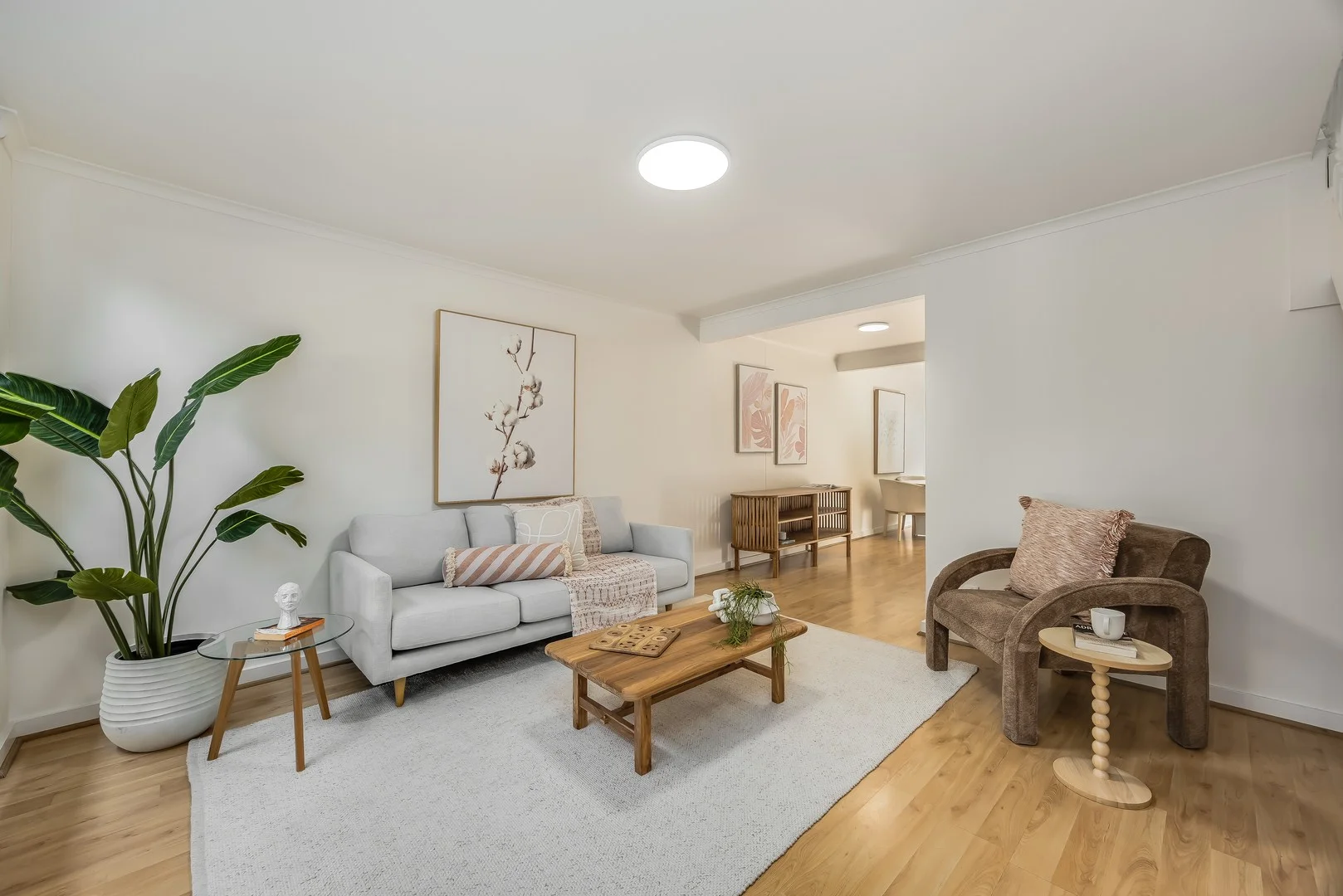 $775,000
House
$775,000
House
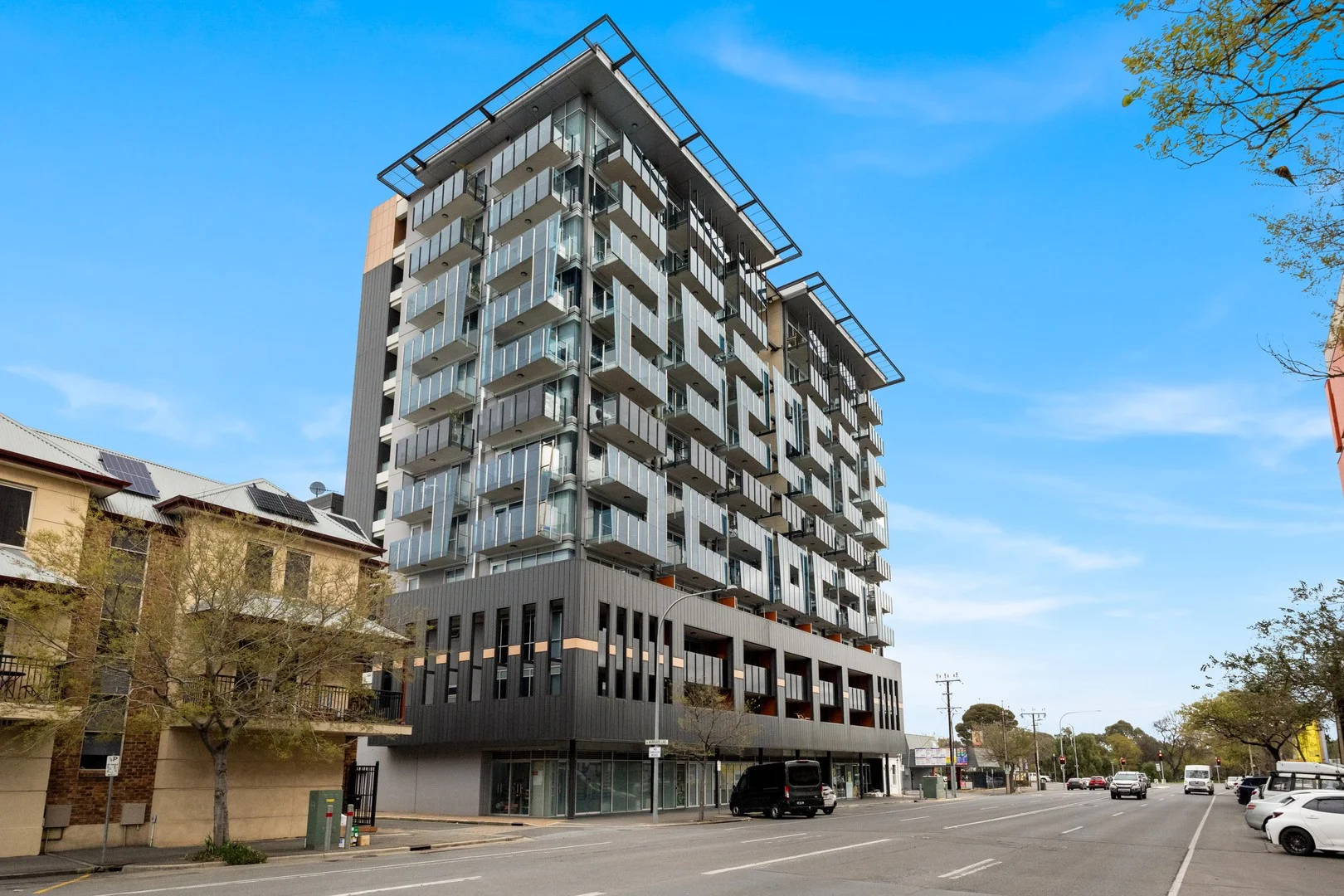 $1,100,000
Apartment / Unit / Flat
$1,100,000
Apartment / Unit / Flat
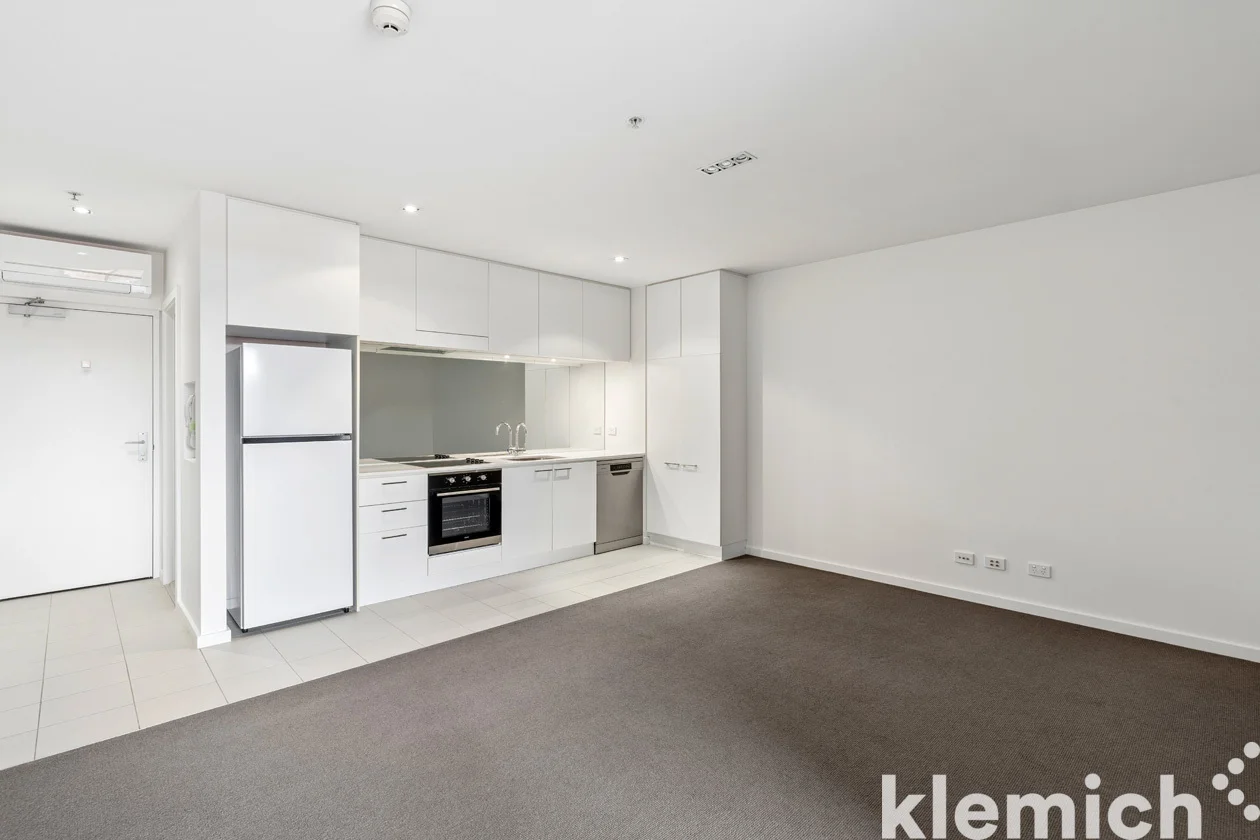 $440,000
Apartment / Unit / Flat
$440,000
Apartment / Unit / Flat
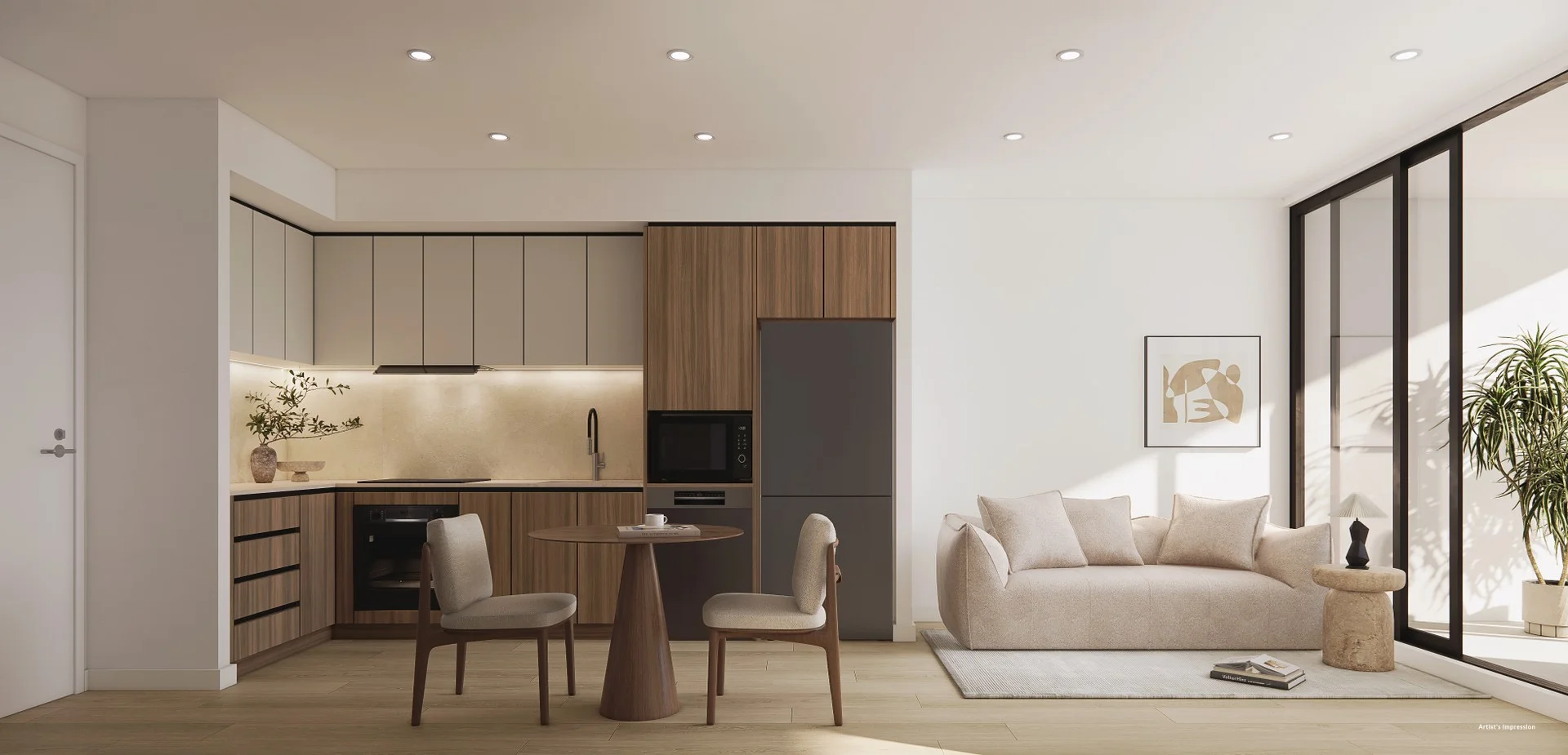 $588,000
Apartment / Unit / Flat
$588,000
Apartment / Unit / Flat
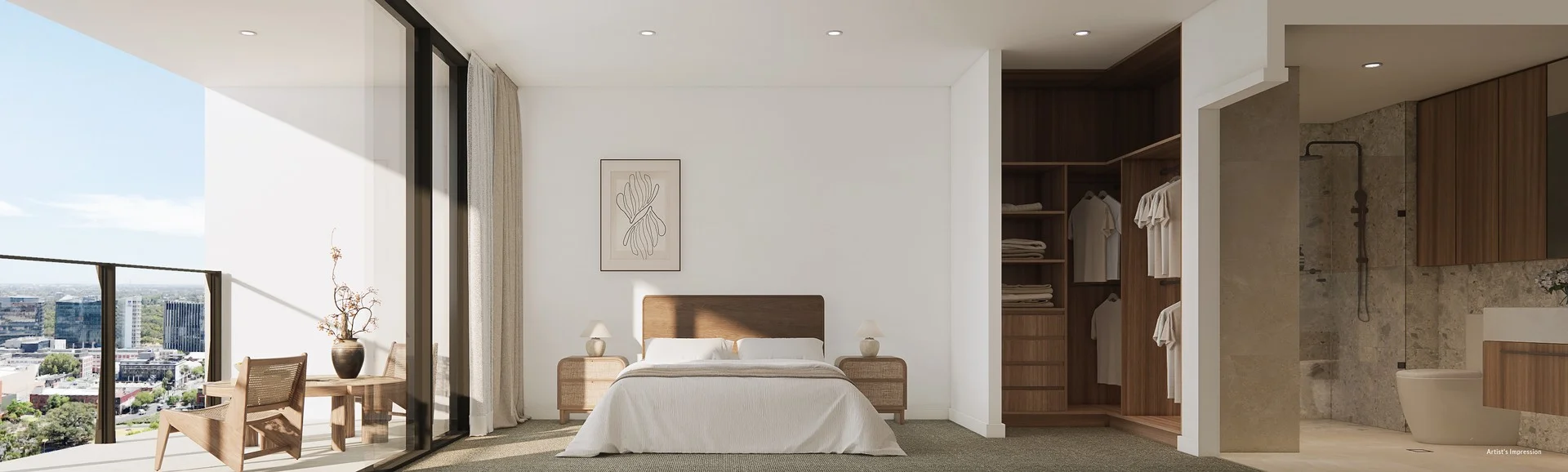 $1,056,000
Apartment / Unit / Flat
$1,056,000
Apartment / Unit / Flat
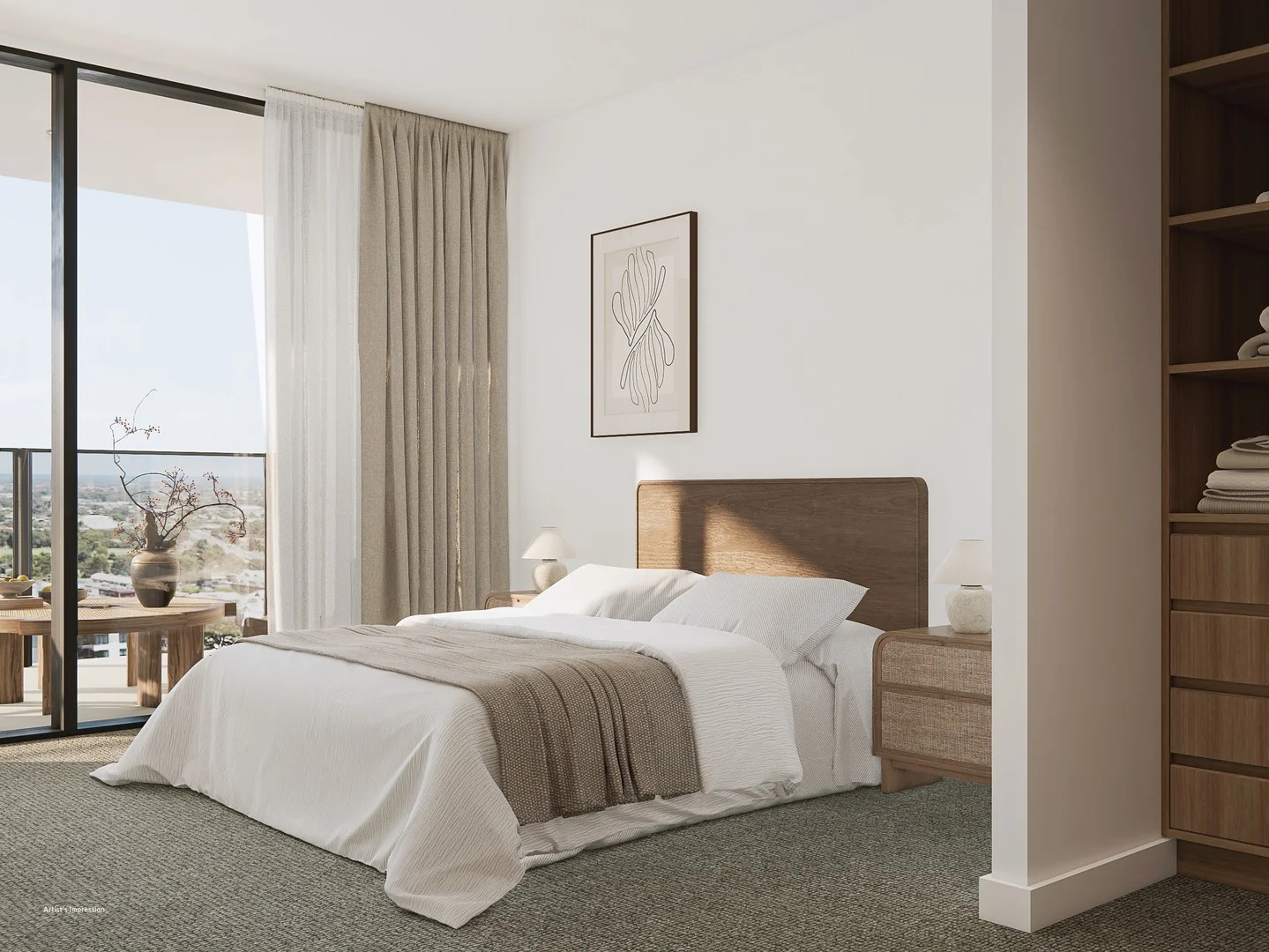 $935,000
Apartment / Unit / Flat
$935,000
Apartment / Unit / Flat
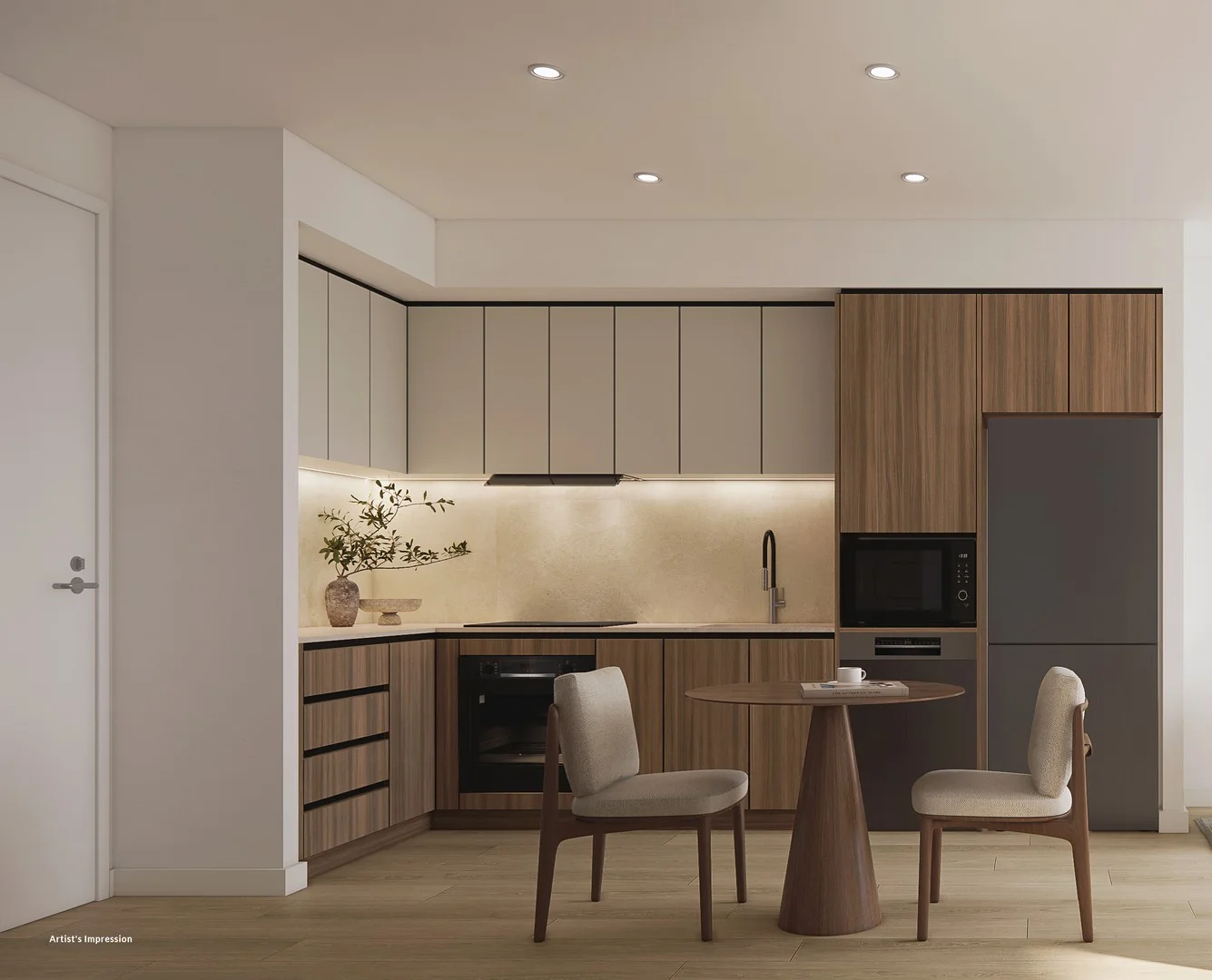 $557,000
Apartment / Unit / Flat
$557,000
Apartment / Unit / Flat
 $545,000
Apartment / Unit / Flat
$545,000
Apartment / Unit / Flat