## 1. Overview
St Teresa's Catholic Primary School, Brighton is a co-educational Catholic primary school that serves families in the local community with a faith-based, values-driven education. The school emphasises care, service, and academic growth in a supportive, faith-filled environment, helping students become confident, compassionate learners.
The school is medium-sized, designed to foster close teacher–student relationships and a sense of belonging. Class sizes are typically around 20–22 students, which supports personalized attention and collaborative learning in a warm, inclusive atmosphere.
---
## 2. Academics & Learning
- Academic strengths: Strong emphasis on literacy and numeracy, with opportunities to explore STEM, creative arts, and language learning within an integrated curriculum. Religious Education is woven throughout the learning program to support values-based education.
- Special programs: Enrichment and gifted/talented opportunities, robotics and coding clubs, and instrumental music or arts activities are offered to extend learning beyond the core curriculum.
- NAPLAN trends: Over recent years, trends show steady year-to-year improvement in literacy and numeracy with consistently strong performance in the school’s cohort.
- Student-teacher ratios: Approximately 1:20, with adjustments by year level and support needs to ensure effective teaching and learning.
- Support for diverse learners: Dedicated learning support, EAL assistance where required, and inclusive practices to help students with diverse needs participate fully in classroom and school life.
---
## 3. Sports & Extracurricular Strengths
- Sports offered: Netball, soccer, basketball, athletics, cricket, swimming programs, and other after-school activities depending on term offerings.
- Strong teams or achievements: Regular participation in local inter-school sporting events with opportunities for leadership and team development.
- Music, arts, drama programs: Active music program, opportunities for choir and drama productions, plus visual arts activities.
- Clubs: Robotics, coding, chess, debating, and other interest-based clubs are available to extend learning beyond the classroom.
- Partnerships: Connections with local clubs and regional competitions to provide pathways for sport, music, and creative arts.
---
## 4. Wellbeing & Pastoral Care
- Anti-bullying approach: Comprehensive anti-bullying policies, social-emotional learning, and restorative practices to support positive relationships and well-being.
- House system: House groups support pastoral care, house-based activities, and leadership opportunities, fostering belonging and healthy competition.
- Counsellors / wellbeing officers: Access to school wellbeing staff or counsellors to support emotional health and resilience.
- Transition support for new students: Orientation sessions, buddy programs, and targeted transition activities to help new students settle in smoothly.
---
## 5. Facilities
- Sports grounds: On-site playing fields and courts for active learning and physical education.
- Libraries: A well-stocked library supporting reading programs and independent literacy development.
- Science labs: Dedicated spaces for hands-on science learning and experiments.
- Music/performing arts centers: Music rooms and spaces for drama and performance activities.
- Tech/innovation labs: Computing and makerspace facilities to foster digital literacy and creative problem solving.
- Cafeteria: On-site canteen offering healthy meal options on designated days.
- Updated playgrounds: Modern, well-maintained outdoor spaces for play and learning.
---
## 6. School Values & Community Culture
- School values / mission: A values-based education grounded in Catholic faith, emphasising compassion, respect, responsibility, service, and excellence.
- Leadership style: Collaborative leadership with student voice opportunities and active teacher, student, and parent engagement.
- Behaviour expectations: Clear behavioural framework with positive reinforcement and restorative approaches to discipline.
- Community reputation: A welcoming, supportive community reputation with strong parent involvement and local connections.
- Diversity & inclusion: Commitment to inclusivity, celebration of diverse backgrounds, and creating an environment where every student feels valued.
---
## 7. School Logistics & Daily Operations
- School hours: Typical day runs from around 8:30 am to 3:15 pm, with variations by year level or activities.
- Before/after school care: Availability of a care program before and/or after school, often run on-site or in partnership with a provider.
- Uniform requirements: Formal uniform policy with summer and winter options; clear guidelines on dress code and presentation.
- Transport (train/bus routes): Accessible by local bus services; families may use public transport or car procedures for drop-off/pick-up.
- Canteen availability: Canteen or lunch facilities operate on certain days, offering a range of healthy choices.
- Fees (low/medium/high ranges): Fees align with typical Catholic primary school offerings; a transparent fee schedule is provided on enquiry and enrolment documents.
---
## 8. Enrolment & Admissions
11. What is the enrolment process and timeline?
- Start with submitting an enrolment application along with required documentation (e.g., birth certificate, immunisation records). Families may be invited to an information session or meeting with staff. An interview or gathering with the student and family often accompanies the process. Offers are made based on vacancies and the enrolment timeline can vary by intake year. Once an offer is accepted, families complete the enrolment confirmation and any necessary onboarding steps.
12. Is there a waiting list, and how does it work?
- There may be a waiting list when year levels are full. Places on the waiting list are typically allocated by date of application and may consider priority factors such as siblings of current students or demonstrated need.
13. Are there any entry requirements, tests, or interviews?
- Most entrants participate in an informal interview or gathering to understand family expectations and student needs. Generally, there are no standard entrance tests for general enrolment. Immunisation status and essential documentation are required; additional assessments may be considered for students with specific needs or EAL considerations.
14. Does the school accept mid-year transfers?
- Mid-year transfers are considered subject to vacancies and the school’s assessment of readiness and fit. Families should contact the school to discuss transfer options and timelines.
---
## 9. Frequently Asked Questions
- Why Parents Choose This School?
- A values-based Catholic education with a strong sense of community, balanced focus on academics, faith, wellbeing, sport, and the arts; supportive staff and positive student outcomes.
- What type of student thrives at this school?
- Students who value community, faith-based learning, and a balanced program across academics, sport, and the arts; those who respond well to small-to-mid sized school settings and strong pastoral care.
- What opportunities are available for students to extend their skills (academics, sports, arts)?
- Enrichment programs in literacy, numeracy, and STEM; clubs in robotics, coding, chess, and debating; music and drama opportunities; inter-school sport and arts activities.
- How does the school communicate with parents?
- Regular newsletters, digital portals or apps, parent-teacher conferences, and notices to keep families informed about learning, events, and school life.
- What is the school’s approach to teaching and learning?
- A pedagogy that blends explicit instruction with inquiry-based learning, literacy and numeracy focus, integration of faith and values, and differentiation to meet diverse learner needs.
- How does the school support students who need extra academic help?
- Targeted learning support, small-group interventions, and access to specialist staff or resources for students requiring additional assistance.
- What support is available for academic challenges?
- Early identification, collaboration between teachers and support staff, and appropriate referrals to specialist services as needed.
- How does the school communicate with parents? (Yes – see above)
- What are the class sizes and how much individual attention do students receive?
- Classes typically around 20–22 students; teachers differentiate instruction and provide targeted support to promote individual learning growth.
- What extracurricular and sports opportunities are available?
- A range of sports, arts, robotics, coding, chess, debating, and other clubs; opportunities to participate in inter-school and community events.
- What facilities does the school offer (sports, science, arts)?
- Sports grounds and courts, library, science labs, music/performing arts spaces, computing/makerspace, canteen, and modern outdoor learning areas.
- What is the school’s approach to technology and digital learning?
- Integrated digital literacy across the curriculum, use of devices and educational software, and a learning management system for communications and resources.
- What transport and accessibility options are available?
- Local transport options (bus routes) and convenient drop-off/pick-up arrangements; information on access and mobility is available from the school.
- What are typical school fees or additional costs?
- Fees are structured for Catholic primary schools with additional costs for uniforms, books, excursions, and activities; a detailed schedule is provided upon enquiry.
---
## 10. Short Pros & Cons list
- Pros
- Faith-based, values-driven education with a caring, inclusive culture
- Strong sense of community and supportive staff
- Balanced focus across academics, sport, arts, and wellbeing
- Small-to-medium class sizes enabling individual attention
- Good facilities for learning and activity
- Cons
- Smaller school may have fewer specialist programs than larger schools
- Enrolment can be selective or have waiting lists in certain year levels
- Transport options may depend on location and may require planning for some families
- Fees are typical for Catholic schools and may be higher than public options
If you’d like, I can tailor any section with more precise wording or add placeholders you can easily replace with current data from the school.









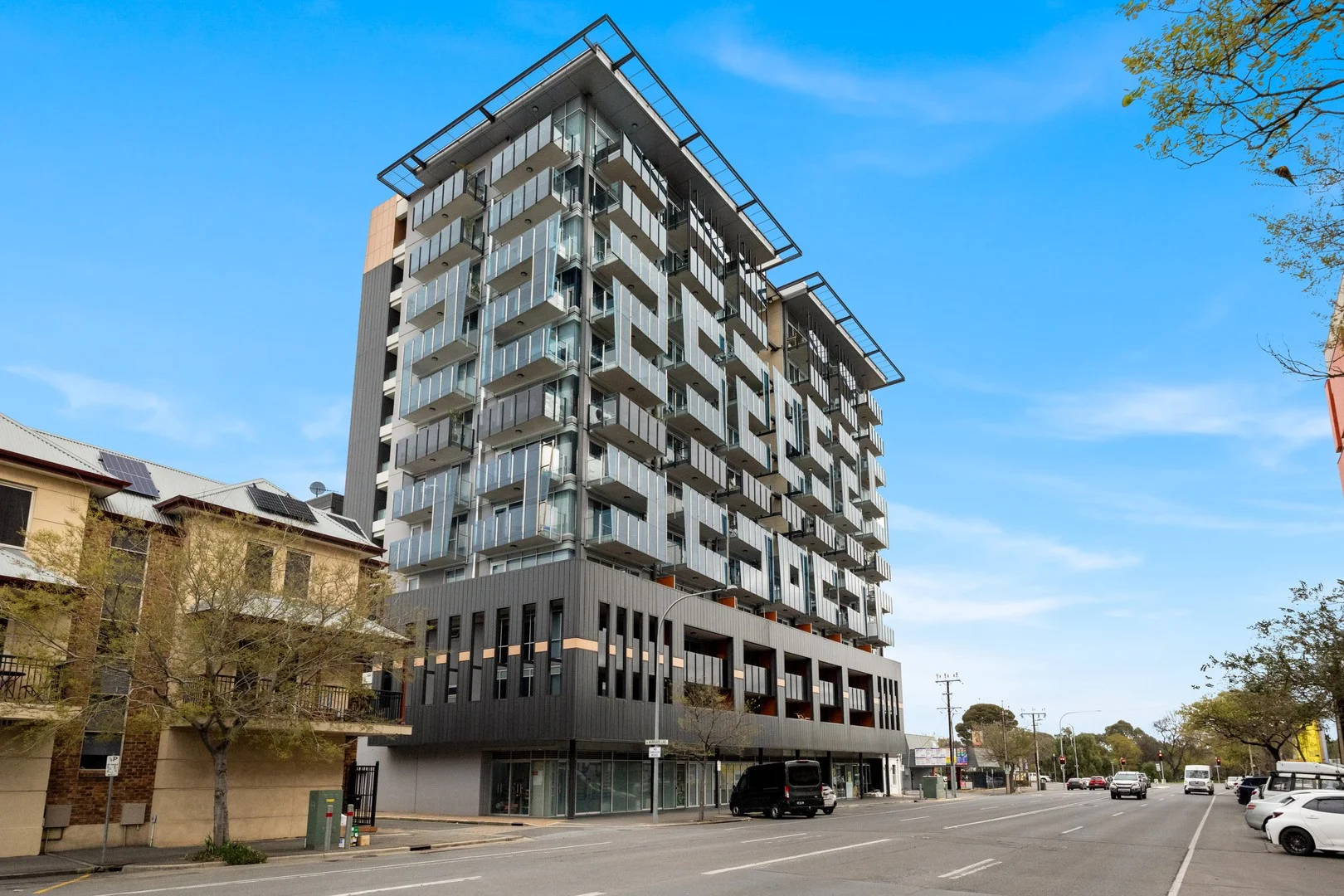 $1,100,000
Apartment / Unit / Flat
$1,100,000
Apartment / Unit / Flat
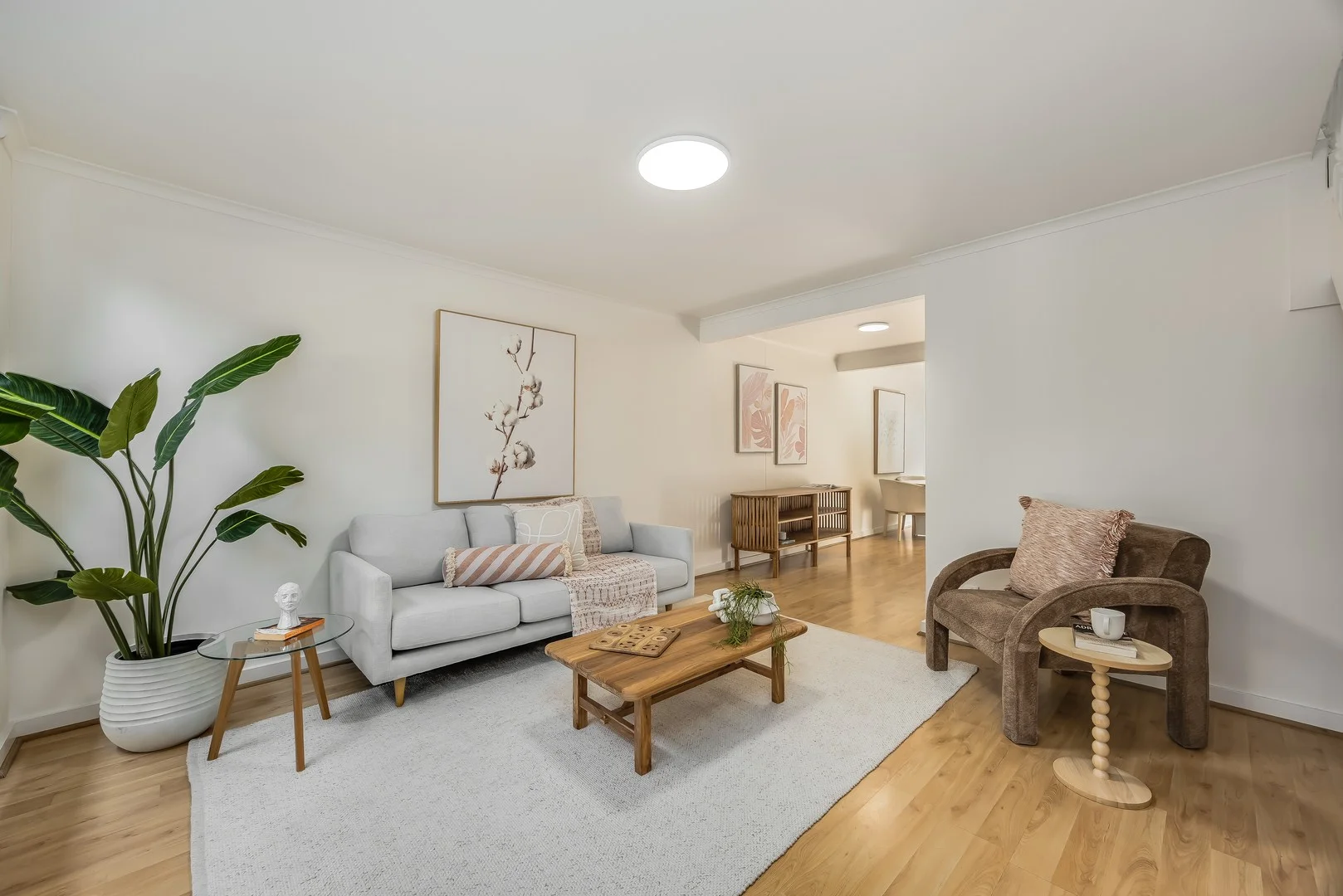 $775,000
House
$775,000
House
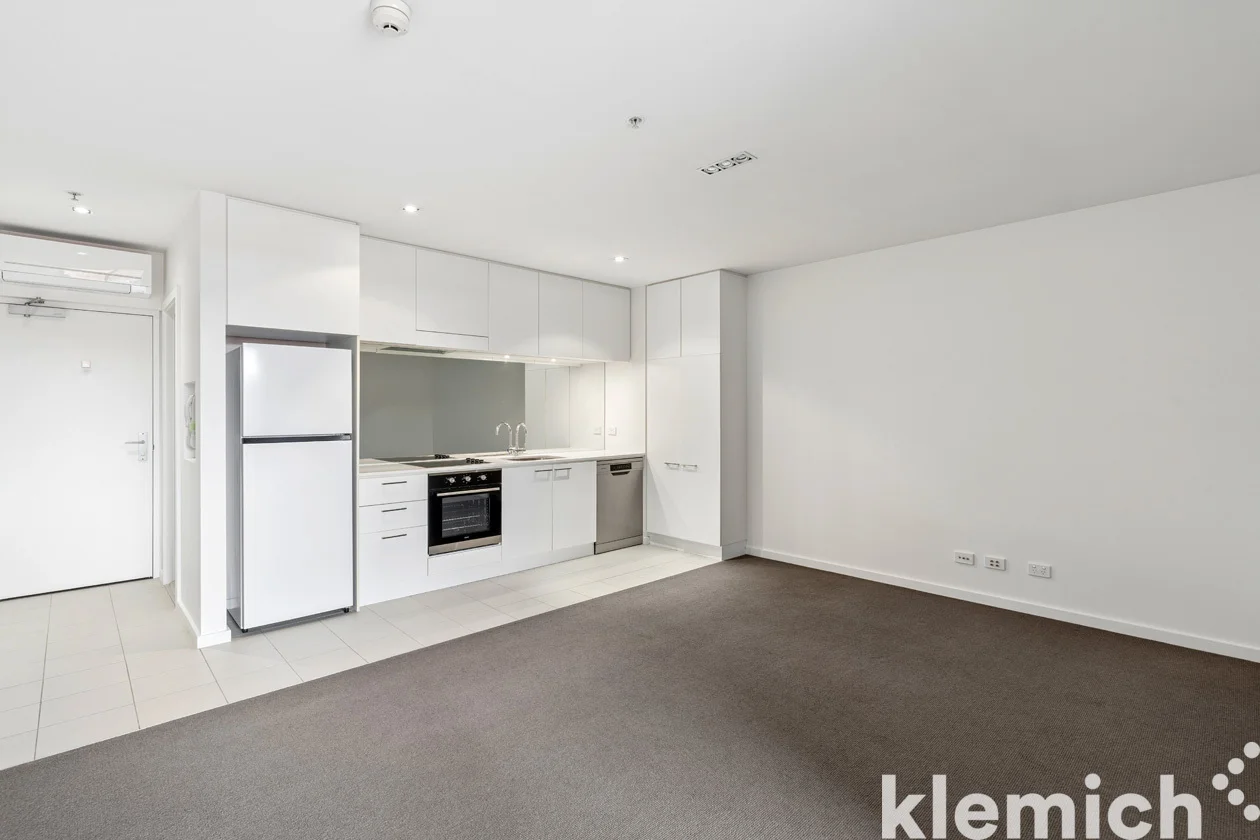 $440,000
Apartment / Unit / Flat
$440,000
Apartment / Unit / Flat
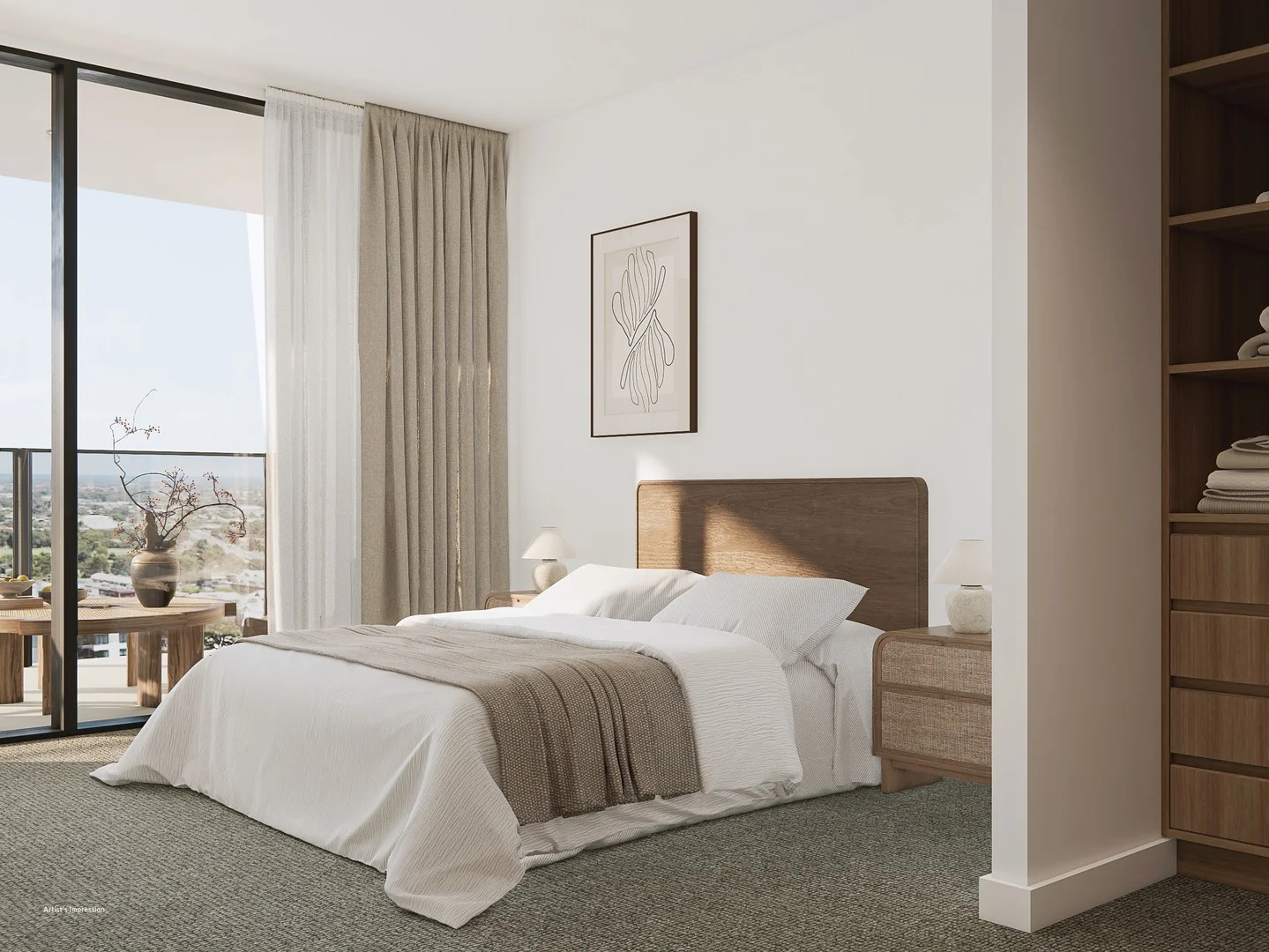 $935,000
Apartment / Unit / Flat
$935,000
Apartment / Unit / Flat
 $588,000
Apartment / Unit / Flat
$588,000
Apartment / Unit / Flat
 $1,056,000
Apartment / Unit / Flat
$1,056,000
Apartment / Unit / Flat
 $557,000
Apartment / Unit / Flat
$557,000
Apartment / Unit / Flat
 $545,000
Apartment / Unit / Flat
$545,000
Apartment / Unit / Flat


