## Overview
Stella Maris Parish School is a Catholic, co-educational primary school serving families in Seacombe Gardens and surrounding areas. As part of the Catholic Education SA network, the school focuses on faith-informed learning within a close-knit community. The school is small-to-medium in size, with year groups that typically feature class cohorts of about 20–24 students, supporting strong teacher–student relationships and tailored support. The atmosphere is nurturing and inclusive, emphasising faith, service, academic growth and personal development.
⸻
## Academics & Learning
- Academic strengths include literacy and numeracy with strong emphasis on reading, writing, mathematical thinking, and foundational STEM literacy. The curriculum supports digital literacy and critical thinking, alongside Catholic Studies and character education.
- Special programs often include enrichment and gifted/talented opportunities, as well as leadership development and inquiry-based learning within a faith-informed framework.
- NAPLAN trends over recent years show steady progress and solid performance in key areas, with a focus on continuous improvement in reading and numeracy.
- Student-teacher ratios are typically in the low-to-mid range for primary schools, commonly around 1:18–1:22, enabling targeted teaching and meaningful feedback.
- Support for diverse learners includes EAL (English as an Additional Language) programs, SEN support, learning assistance, and access to targeted interventions and learning plans aimed at helping every student reach their potential.
⸻
## Sports & Extracurricular Strengths
- Sports offered commonly include soccer, netball, basketball, Australian rules football, cricket, and athletics, with opportunities to participate in inter-school and district competitions.
- Strong teams and participation in local and regional events help build teamwork, discipline and school spirit.
- Music, arts and drama programs typically feature school choirs, ensembles and occasional drama productions or performances.
- Clubs commonly available include robotics, chess, coding and debating, providing opportunities to develop problem-solving and critical thinking outside the classroom.
- Partnerships may include connections with local sports clubs and district or Catholic Education SA programs to widen opportunities for competitions and development.
⸻
## Wellbeing & Pastoral Care
- Anti-bullying approach combines clear policies with a restorative practices framework, promoting respectful relationships and proactive support for students.
- House system (multi-year, team-based groups) fosters belonging, healthy competition and leadership opportunities.
- Counsellors or wellbeing officers are available to support students, families and staff with social-emotional learning, coping strategies and wellbeing planning.
- Transition support for new students includes orientation activities, buddy systems and targeted induction to help students settle into new classes and routines.
⸻
## Facilities
- Sports grounds and multi-use playing spaces for physical education and games.
- Libraries with a range of fiction and non-fiction titles, plus digital resources.
- Science laboratories for hands-on experiments and STEM activities.
- Music and performing arts spaces or centers for ensembles, timetabled music classes and performances.
- Tech/innovation labs or dedicated ICT spaces for digital learning and coding.
- Canteen facilities or lunch ordering options.
- Updated playgrounds and outdoor learning spaces to support active learning and recreation.
⸻
## School Values & Community Culture
- School values and mission are anchored in Catholic ethos, emphasising faith, compassion, service, integrity, respect and responsibility.
- Leadership style tends to be collaborative and inclusive, encouraging student voice and teacher–student partnerships in learning and school life.
- Behaviour expectations are clear, with a positive conduct framework and restorative approaches to discipline.
- The school is known for a family-friendly, supportive community and strong parish connections, contributing to a sense of belonging for families from diverse backgrounds.
- Diversity and inclusion are celebrated, with efforts to ensure all students feel valued, safe and supported.
⸻
## School Logistics & Daily Operations
- School hours are typically aligned with primary school norms (start mid-morning and finish mid-afternoon). Specific times are published by the school each year.
- Before/after school care is available through OSHC or affiliated programs to support working families.
- Uniform requirements are standard with seasonal adjustments (summer and winter uniforms) and clear policies on dress code.
- Transport options include local bus routes, proximity to public transport and safe drop-off/pick-up arrangements.
- Canteen availability varies by school and day; some days may offer lunch orders or in-school canteen service.
- Fees are in the moderate range for Catholic primary schools, with information on levies, book packs, excursions and potential financial assistance available through the school or Diocese.
⸻
## Enrolment & Admissions
11. What is the enrolment process and timeline?
- Families submit an enrolment application with required documents (birth certificate, immunisation records, and other requested information).
- The school may host information sessions or interviews as part of the process.
- Offers are issued in line with vacancies and priority guidelines (including considerations such as siblings).
- Once an offer is accepted, families confirm by the stated deadline and enrolment steps for the new school year proceed.
12. Is there a waiting list, and how does it work?
- A waiting list is common when year levels are full. Applications are placed on the list in order of date received and availability of spaces. Sibling priority may apply in some cases.
13. Are there any entry requirements, tests, or interviews?
- Entry may include an information session or interview to understand the student’s needs and fit with the school environment. There are typically no standardised entrance tests for primary-year admissions. Required documents generally include proof of identity, immunisation records and birth details.
14. Does the school accept mid-year transfers?
- Yes, subject to vacancy. Mid-year transfers require liaison with the admissions team, provision of previous school reports and transcripts, and alignment with year-level availability.
⸻
## Frequently Asked Questions
- Why Parents Choose This School?
- A welcoming Catholic community with strong pastoral care, small class sizes, values-based education and a nurturing environment that supports both academic and personal growth.
- What type of student thrives at this school?
- Students who value community, faith-based learning, supportive relationships and opportunities to develop holistically through small classes and enriched programs.
- What opportunities are available for students to extend their skills (academics, sports, arts)?
- Enrichment and extension tasks, leadership opportunities, sports teams, music ensembles, drama, robotics, coding, chess and debating clubs, plus community partnerships and competitions.
- How does the school communicate with parents?
- Regular updates through newsletters, parent portals or apps, emails and scheduled parent-teacher meetings. Timely notices and event information are shared to keep families informed.
- What is the school’s approach to teaching and learning?
- Student-centered, differentiated instruction that integrates faith-inspired values, inquiry-based learning, collaborative projects and the use of ICT to support learning.
- How does the school support students who need extra academic help?
- Targeted interventions, small-group support, EAL services, SEN support and access to learning plans and specialist staff to address individual needs.
- What support is available for academic challenges?
- Early identification by teachers, targeted remediation, extension opportunities and ongoing monitoring of progress to adapt supports as needed.
- How does the school communicate with parents? (Repeated question)
- See above: regular updates via newsletters, portals, meetings and direct contact as required.
- What are the class sizes and how much individual attention do students receive?
- Classes are small-to-medium, enabling more frequent feedback, better teacher-student connections and tailored instruction.
- What extracurricular and sports opportunities are available?
- A range of sports (soccer, netball, basketball, AFL, cricket, athletics), plus clubs in robotics, coding, chess and debating, and music/arts opportunities.
- What facilities does the school offer (sports, science, arts)?
- Well-equipped facilities including sports grounds, libraries, science labs, music/performing arts spaces, tech/innovation labs and suitable learning environments.
- What is the school’s approach to technology and digital learning?
- Emphasis on digital literacy, safe technology use, and integration of ICT across the curriculum, with appropriate devices and learning platforms.
- What transport and accessibility options are available?
- Access to local bus routes and convenient transport options, with safe drop-off/pick-up arrangements and accessible facilities.
- What are typical school fees or additional costs?
- Fees are moderate for the sector, with information on uniforms, book packs, excursions and potential financial assistance available from the school or diocese.
⸻
## Short Pros & Cons
- Pros
- Small-to-medium, community-focused Catholic environment
- Strong pastoral care and inclusive culture
- Positive student-teacher relationships and individualized attention
- Broad curriculum with enrichment, arts, sport and clubs
- Safe, faith-based values and a welcoming parish connection
- Cons
- May have fewer specialised programs than larger private schools
- Waiting lists can occur in popular year levels
- Uniforms and associated costs are an ongoing consideration
- As a primary school, opportunities beyond compulsory years are naturally limited (younger students have fewer elective tracks than secondary schools)
⸻








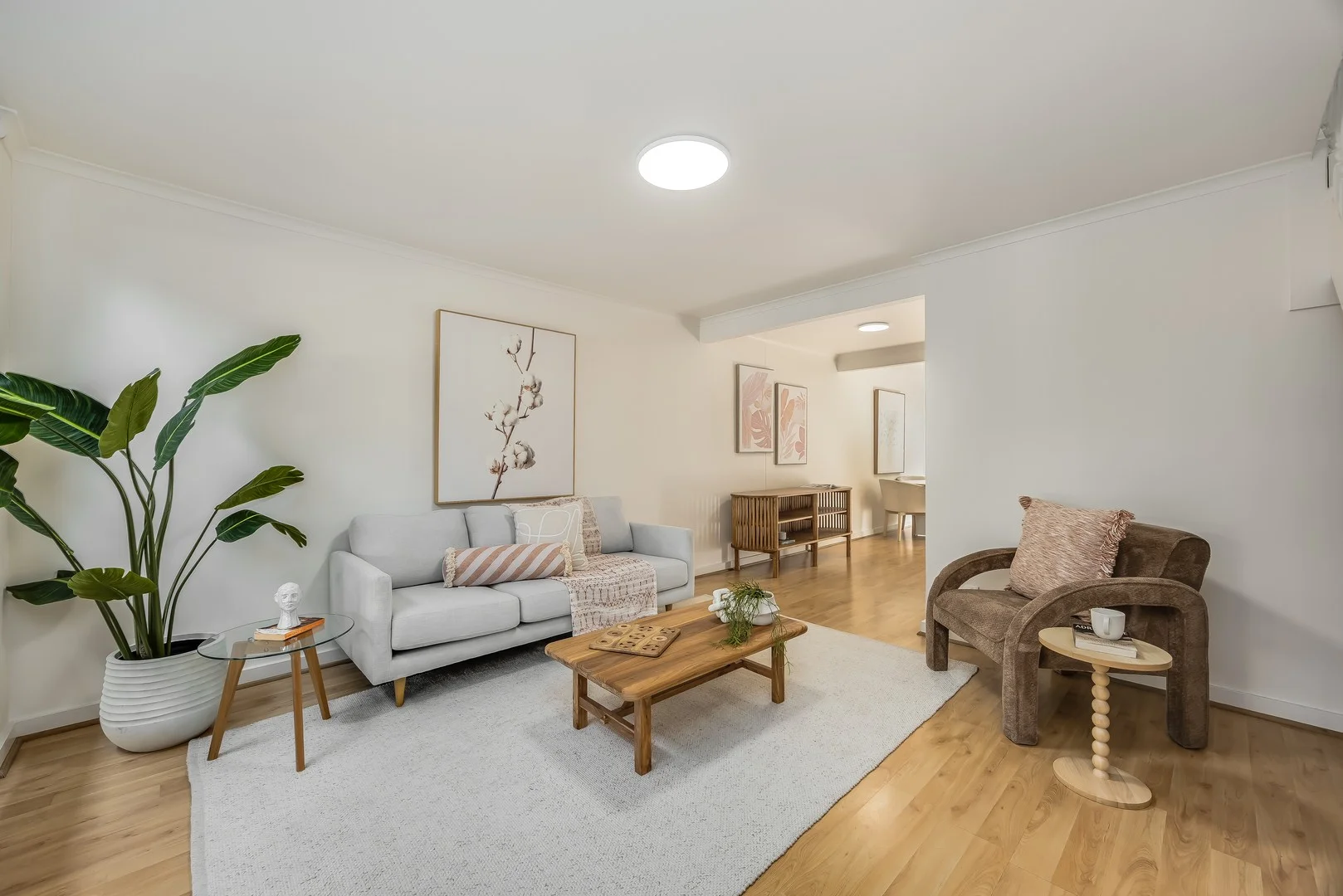 $775,000
House
$775,000
House
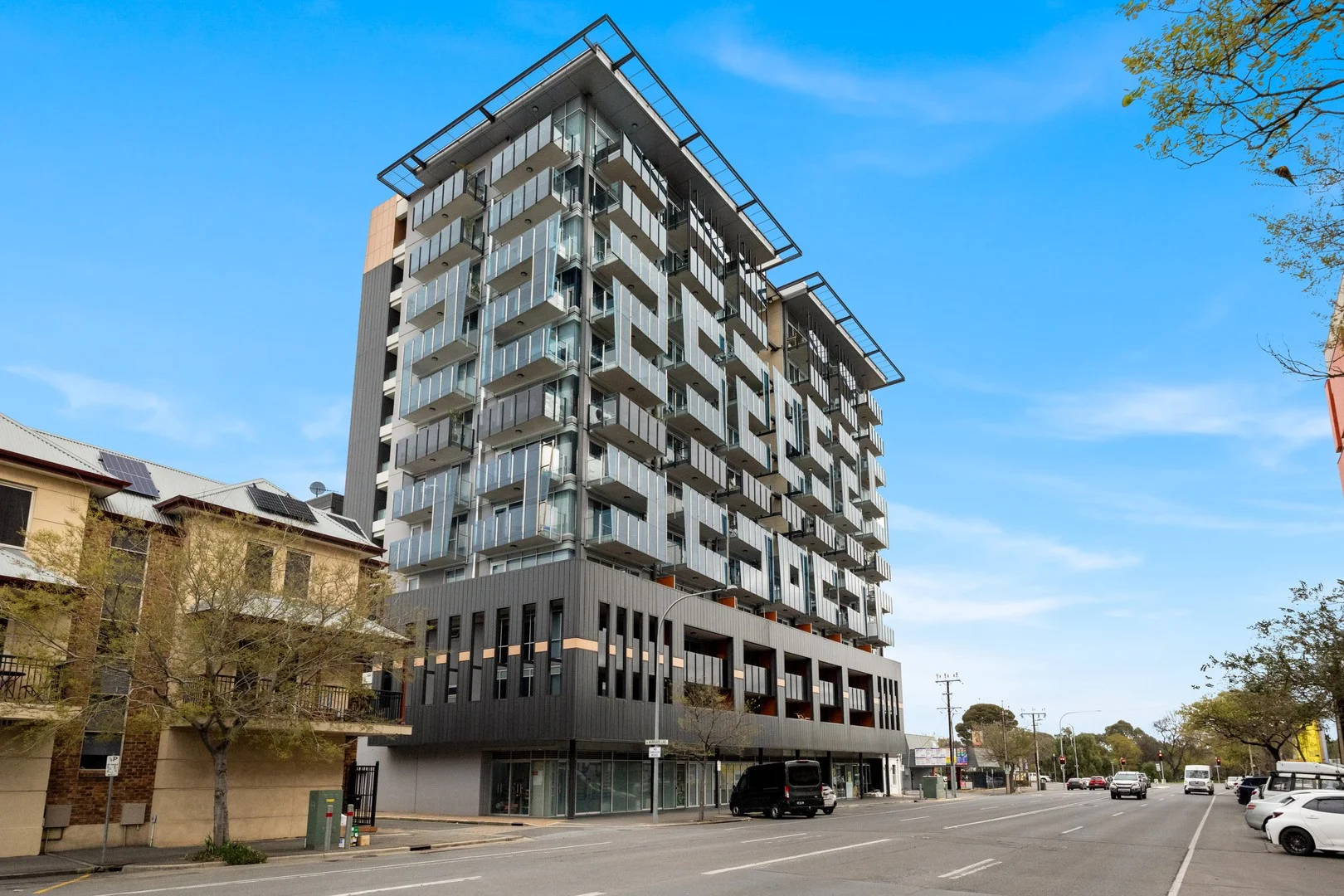 $1,100,000
Apartment / Unit / Flat
$1,100,000
Apartment / Unit / Flat
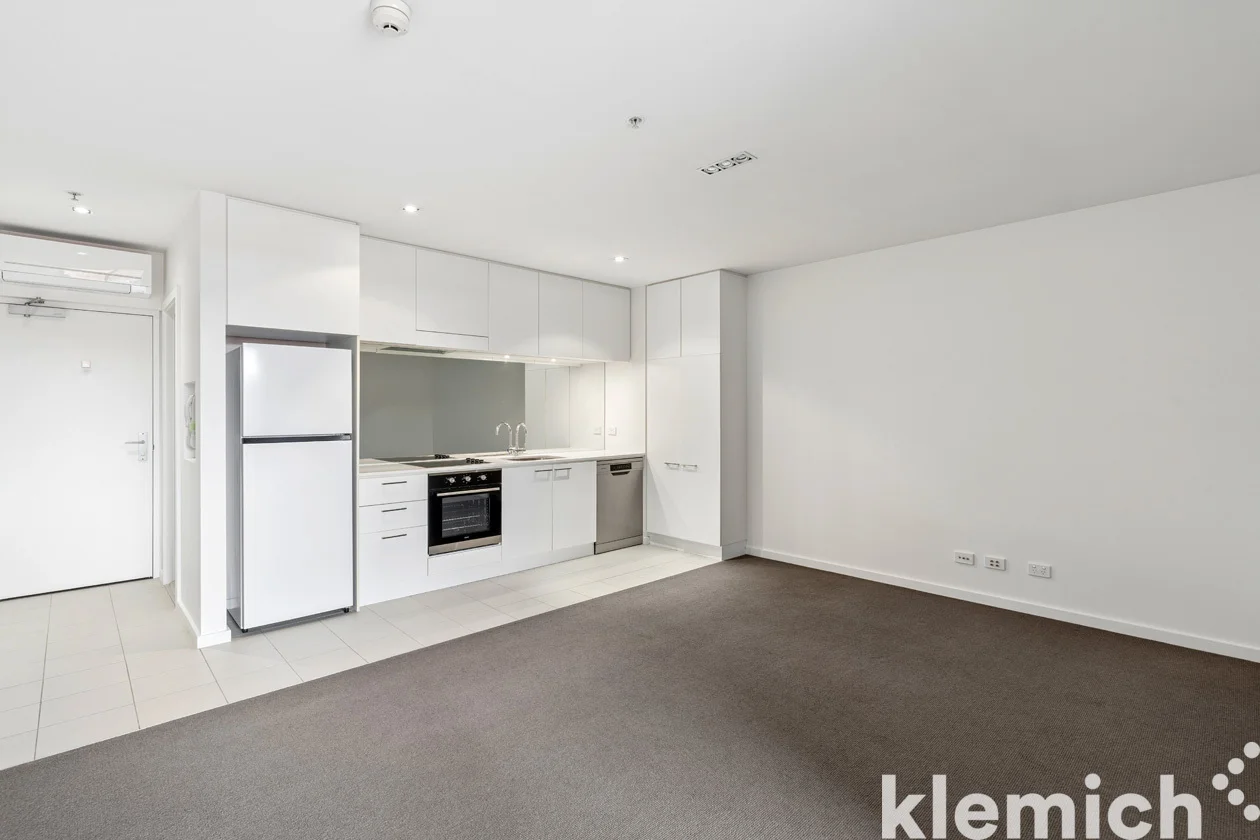 $440,000
Apartment / Unit / Flat
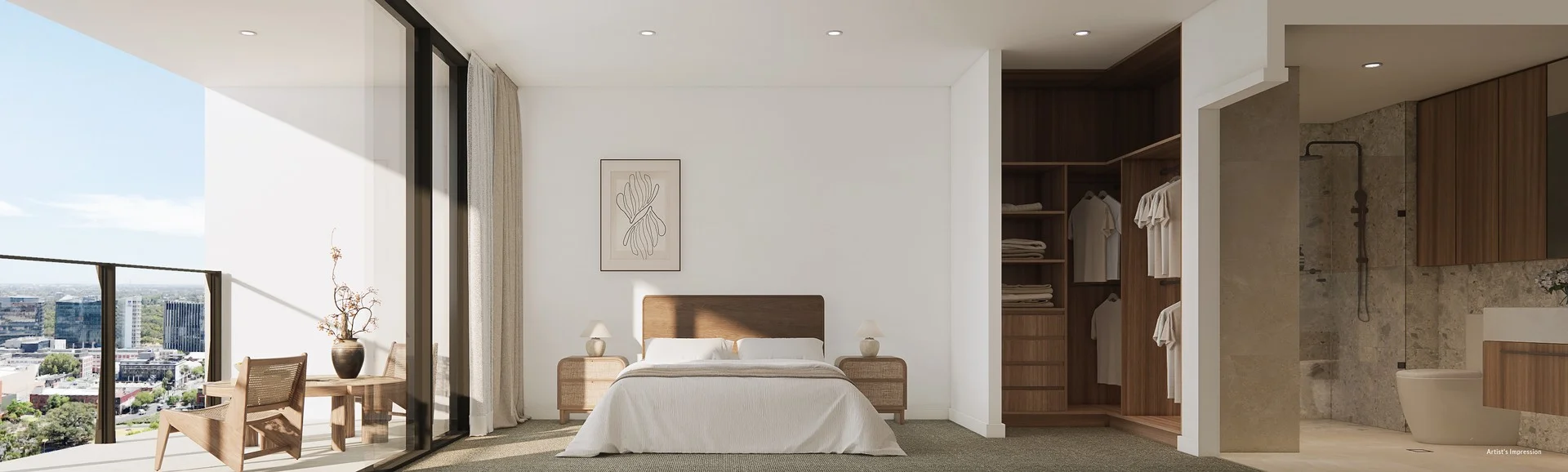
$440,000
Apartment / Unit / Flat
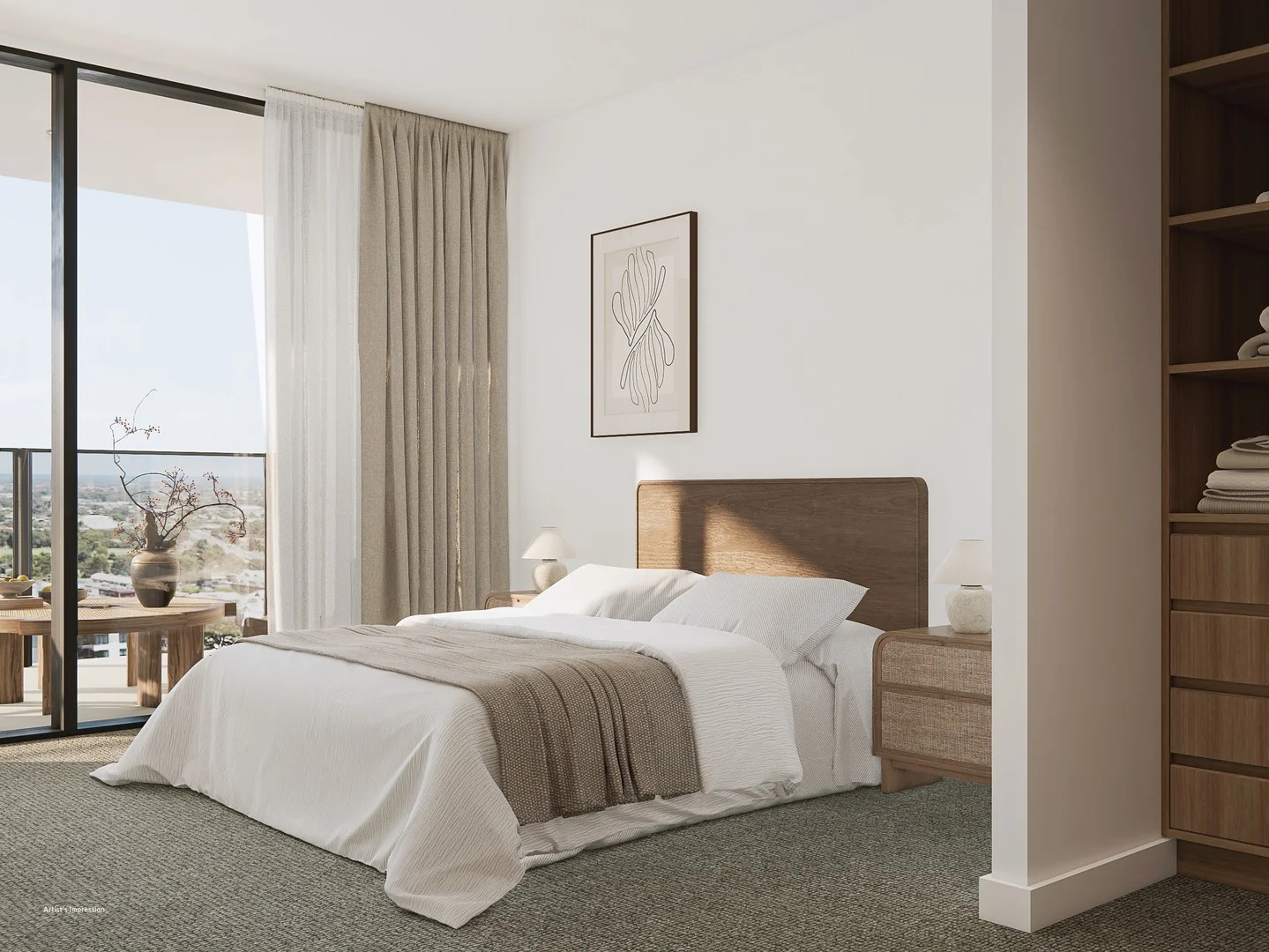
 $1,056,000
Apartment / Unit / Flat
$1,056,000
Apartment / Unit / Flat
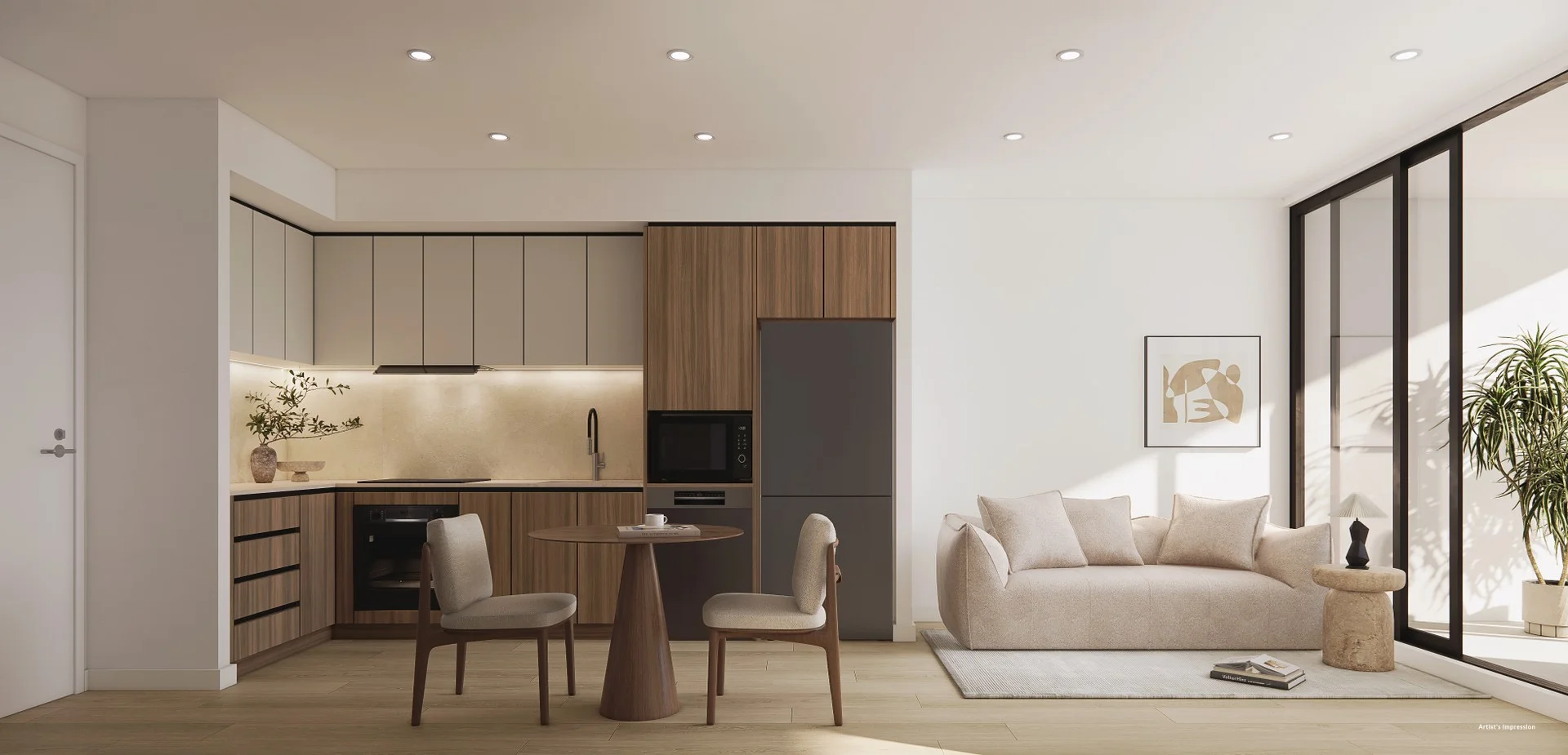
 $935,000
Apartment / Unit / Flat
$935,000
Apartment / Unit / Flat
 $588,000
Apartment / Unit / Flat
$588,000
Apartment / Unit / Flat
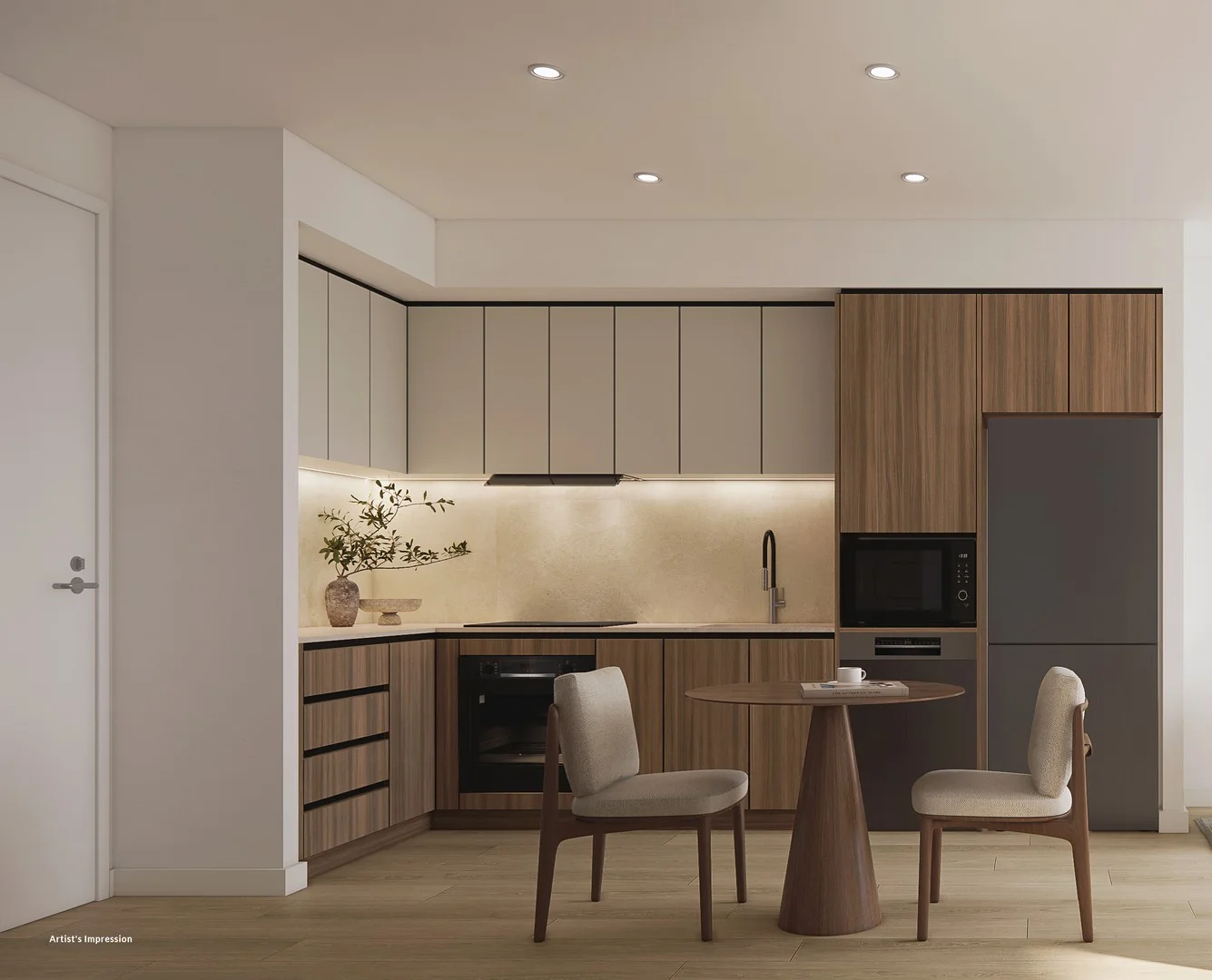 $557,000
Apartment / Unit / Flat
$557,000
Apartment / Unit / Flat
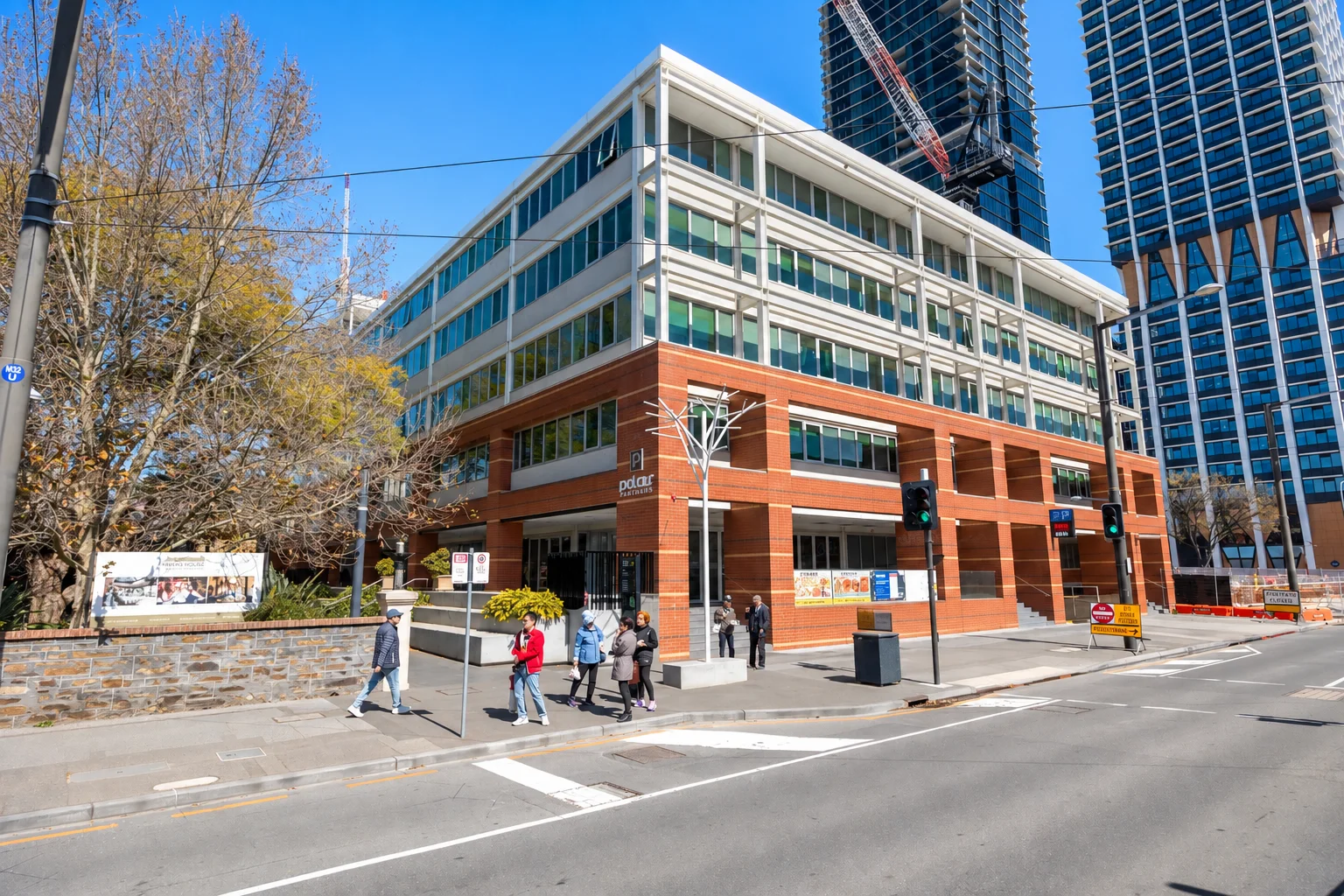 $545,000
Apartment / Unit / Flat
$545,000
Apartment / Unit / Flat