Overview
## 1. Overview
St Clare’s Catholic School, Thomastown West is a Catholic primary school that provides faith-based education in a welcoming, values-driven environment. It is a small-to-medium sized community focused on nurturing every child and building strong partnerships with families and the local parish.
The school emphasises a inclusive, supportive atmosphere where students grow academically while developing social and spiritual resilience. Classrooms aim for warm relationships, collaborative learning, and a sense of belonging that helps students feel confident to try new things.
## 2. Academics & Learning
- Academic strengths: English and numeracy are foundational priorities, with a strong emphasis on literacy development, mathematical reasoning, and a faith-informed approach to learning. There are opportunities to engage in STEM activities and digital skills through integrated learning experiences.
- Special programs: Regular faith formation and sacramental preparation, along with opportunities for gifted and talented learners, targeted learning support, and EAL assistance where needed.
- NAPLAN / Ofsted trends: Performance trends align with state benchmarks with a focus on growth and continuous improvement across year levels, prioritising progress over rankings.
- Student-teacher ratios: Typical primary school ratios in this context are around 1:12–1:22, varying by year level to support small-group instruction and individual feedback.
- Support for diverse learners: Dedicated learning support teams, targeted interventions, and inclusive practices to support students with diverse learning needs, including EAL and SEN considerations.
## 3. Sports & Extracurricular Strengths
- Sports offered: Common primary offerings such as soccer, basketball, athletics, cricket, and general physical education events; opportunities to participate in interschool sport within the local network.
- Strong teams or achievements: Participation in district and interschool events, with focus on teamwork, sportsmanship, and personal bests rather than only results.
- Music, arts, drama programs: School choirs or vocal groups, instrumental tuition options, school assemblies with performances, and occasional whole-school productions.
- Clubs: Robotics, coding, chess, debating, and other STEM/critical-thinking clubs are typical complements to the core curriculum.
- Partnerships: Connections with local clubs, community groups, and regional competitions to broaden opportunities beyond the classroom.
## 4. Wellbeing & Pastoral Care
- Anti-bullying approach: Proactive, school-wide wellbeing programs with clear anti-bullying policies, student-led initiatives, and a respectful learning environment.
- House system: A house-based structure for events and friendly competition to foster belonging and peer support.
- Counsellors / wellbeing officers: Access to school wellbeing staff or counsellors who support social-emotional learning, resilience, and personal development.
- Transition support for new students: Orientation activities, buddy systems, and targeted induction to help new entrants settle in smoothly.
## 5. Facilities
- Sports grounds: Dedicated outdoor play and sport spaces suitable for PE and school-wide events.
- Libraries: A well-stocked library supporting literacy goals and independent reading.
- Science labs: Practical science spaces to support inquiry-based learning.
- Music/performing arts centers: Facilities or rooms for music practice, drama, and performances.
- Tech/innovation labs: Access to digital learning tools and technology-enabled spaces.
- Cafeteria: On-site canteen or lunch service to support daily meal needs.
- Updated playgrounds: Safe, well-maintained play areas and outdoor learning spaces.
## 6. School Values & Community Culture
- School values / mission: A Catholic values-based education emphasising faith, respect, service, and responsibility within a community context.
- Leadership style: Collaborative leadership that encourages student voice, staff teamwork, and active parental involvement.
- Behaviour expectations: Clear expectations around respectful behaviour, responsibility, and resilience; consistent routines and positive reinforcement.
- Community reputation: A community-focused school with strong ties to families and parish, built on trust and ongoing communication.
- Diversity & inclusion: Committed to an inclusive environment that supports students from diverse backgrounds with equitable access to learning opportunities.
## 7. School Logistics & Daily Operations
- School hours: Typical primary school day runs during standard hours with start and finish aligned to Victorian norms; there may be slight variations by year level.
- Before/after school care: Available options often include on-site or affiliated after-school programs, with booking through approved providers.
- Uniform requirements: School uniform required, with guidelines for everyday wear and seasonal adjustments.
- Transport (train/bus routes): Access via local bus routes and rail or tram connections; school travel plans can include drop-off zones and accessible parking.
- Canteen availability: Canteen or lunch-order services available on select days.
- Fees (low/medium/high ranges): Fees generally sit in the mid-range for Catholic primary schools, covering curriculum resources, activities, and essential programs beyond state funding.
## 8. Enrolment & Admissions
11. What is the enrolment process and timeline?
- Start with an expression of interest or enquiry, attend information evenings if offered, complete the enrolment application, submit required documents (including birth certificate and immunisation records if requested), and participate in any interview or readiness discussion. Offers are made subject to capacity and policy, with notification timelines varying by intake year.
12. Is there a waiting list, and how does it work?
- Many Catholic schools have a waitlist when capacity is reached. The waitlist process typically involves an application, priority order based on set criteria (e.g., parish affiliation, sibling attendance, or established policies), and notification when spaces become available.
13. Are there any entry requirements, tests, or interviews?
- Entry usually includes a family interview or information session and may involve readiness conversations for younger children. Some Catholic schools request confirmation of Catholic involvement or parish participation as part of enrolment considerations; specific requirements vary by school and year level.
14. Does the school accept mid-year transfers?
- Mid-year transfers may be possible if there are vacancies, but they depend on capacity and space in the relevant year level. Parents should contact the admissions office as early as possible to discuss options and required documentation.
## 9. Frequently Ask Questions
- Why Parents Choose This School?
- A values-based Catholic education, strong sense of community, supportive staff, and a focus on both academic growth and personal development.
- What type of student thrives at this school?
- Students who engage with others, show curiosity, value service, and respond well to a collaborative, family-like learning environment.
- What opportunities are available for students to extend their skills (academics, sports, arts)?
- A range of opportunities across literacy, numeracy, STEM, arts, music, drama, sport, leadership clubs, and interschool competitions; participation in community service and faith-based activities.
- How does the school communicate with parents?
- Regular newsletters, notices via digital platforms, parent-teacher meetings, and updates through the school website or portal.
- What is the school’s approach to teaching and learning?
- Student-centered, evidence-based teaching with a mix of whole-class, small-group, and individualized learning; integration of technology and faith-informed perspectives.
- How does the school support students who need extra academic help?
- Targeted interventions, learning support staff, reading and numeracy programs, and EAL/SEN assistance as needed.
- What support is available for academic challenges?
- Early identification, personalised plans, small-group teaching, and collaboration with families to track progress and adjust strategies.
- How does the school communicate with parents? (duplicate)
- See above: newsletters, messages, meetings, and portal updates.
- What are the class sizes and how much individual attention do students receive?
- Class sizes are designed to enable meaningful teacher-student interaction, typically with small-group support and regular feedback.
- What extracurricular and sports opportunities are available?
- A mix of sports, arts, music, clubs (robotics, coding, chess, debating), and interschool events.
- What facilities does the school offer (sports, science, arts)?
- Sports grounds, library, science labs, performing arts spaces, technology labs, and a canteen.
- What is the school’s approach to technology and digital learning?
- Integration of digital tools to support learning, with guidance on online safety and responsible use.
- What transport and accessibility options are available?
- Local bus routes and public transport access; parking and drop-off arrangements; supports for accessibility as needed.
- What are the typical school fees or additional costs?
- Fees vary by year level and program; family payment plans and information about uniforms, excursions, and materials are typically provided by the school.
## 10. Short Pros & Cons list
- Pros
- Faith-based, values-driven education with a strong sense of community
- Supportive environment and focus on student well-being
- Small-to-medium class sizes enabling individual attention
- Broad range of extracurriculars (sports, arts, clubs)
- Inclusive practices and support for diverse learners
- Active family and parish connection
- Cons
- Fees are required (mid-range for Catholic primary schools) and may be a consideration for some families
- Language offerings may be limited compared with larger schools
- Campus size may limit some facilities relative to larger comprehensive schools
- Transport options depend on local public transit routes and family commute
Notes
- This content is a draft to help families understand the school’s profile. Please verify all details (enrolment policy, class sizes, facilities, and program offerings) with the school and update the content accordingly before publishing.










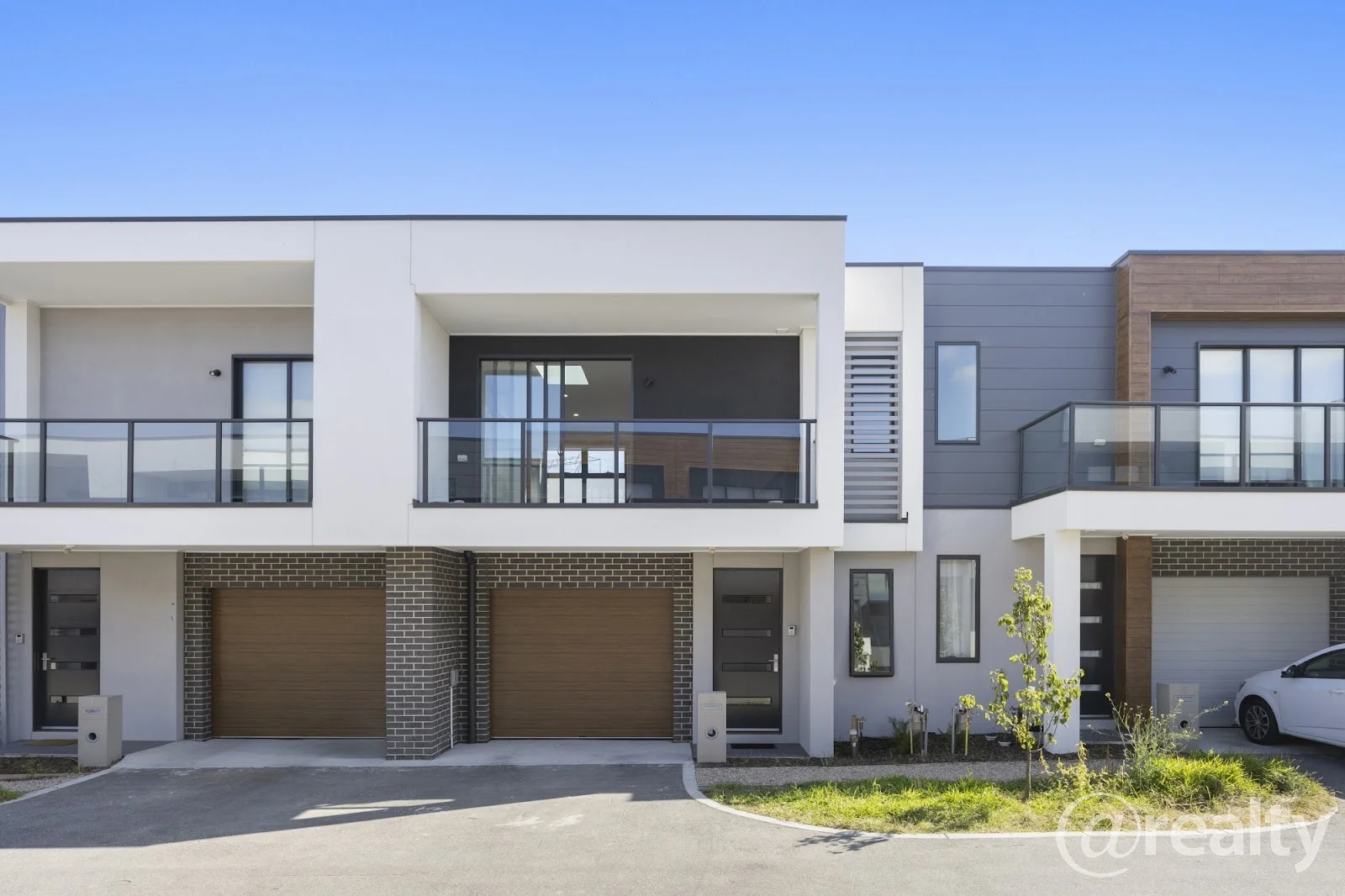 $510
Townhouse
$510
Townhouse
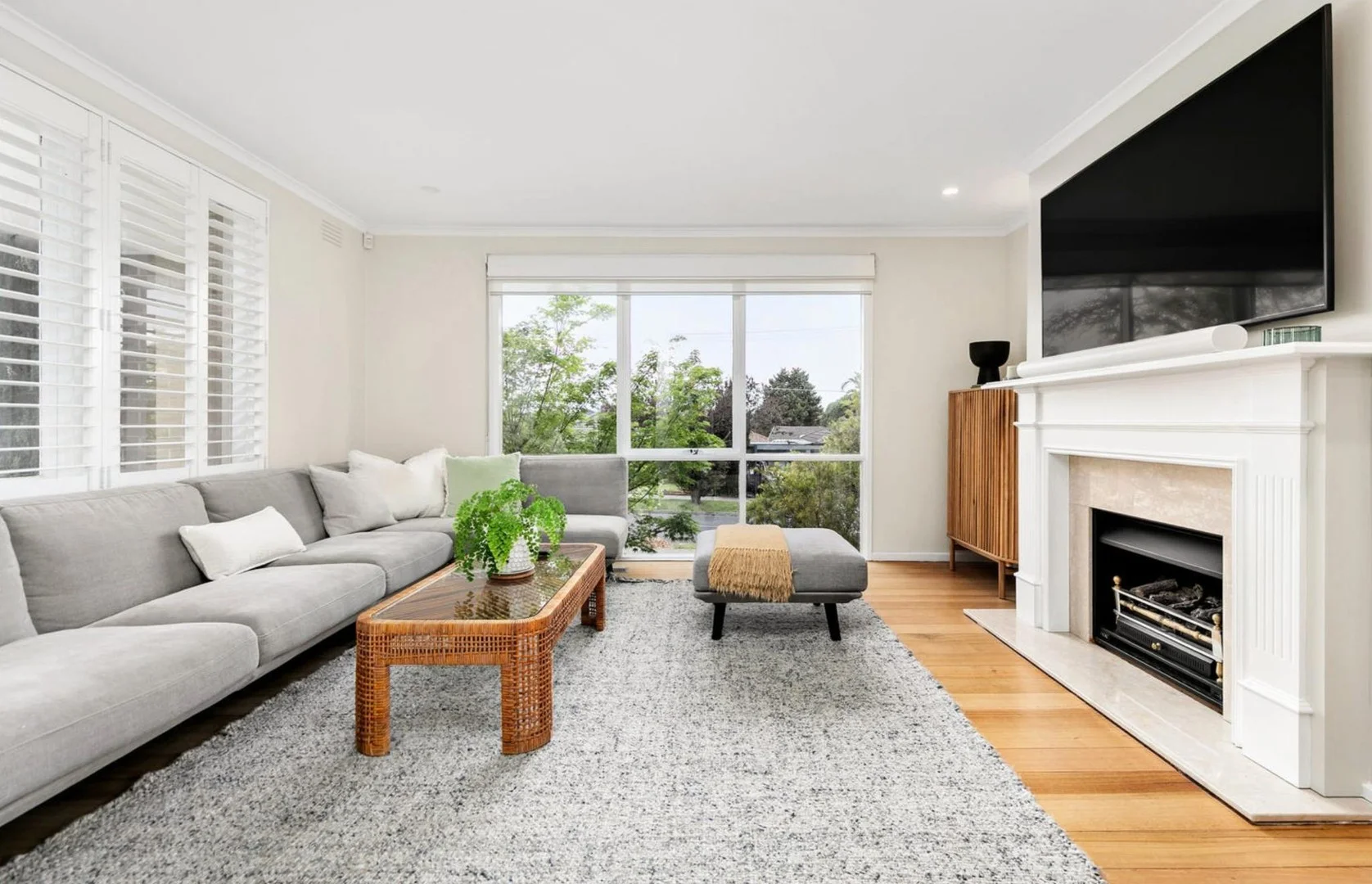 $750
House
$750
House
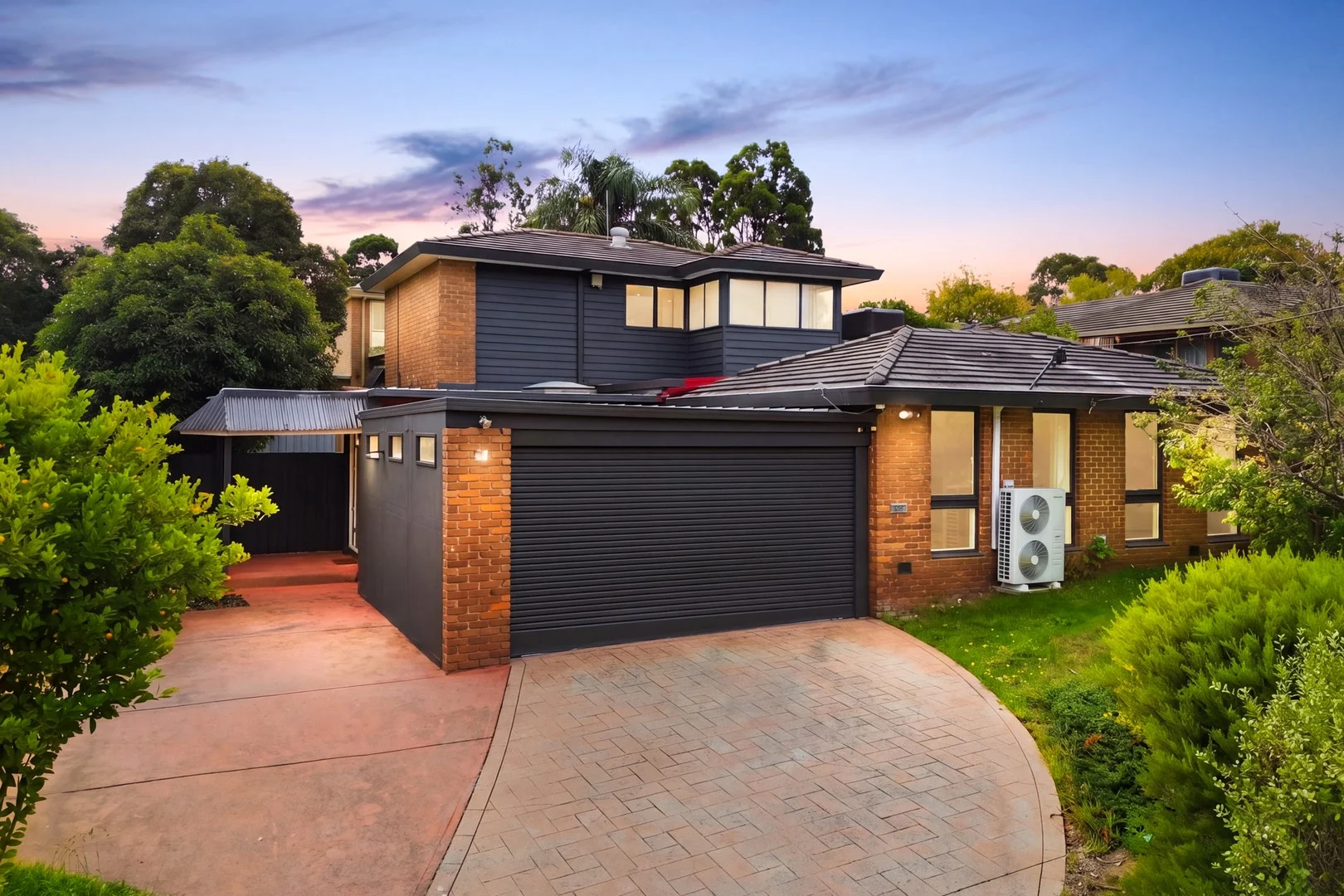 $1,220,000 - $1,320,000
House
$1,220,000 - $1,320,000
House
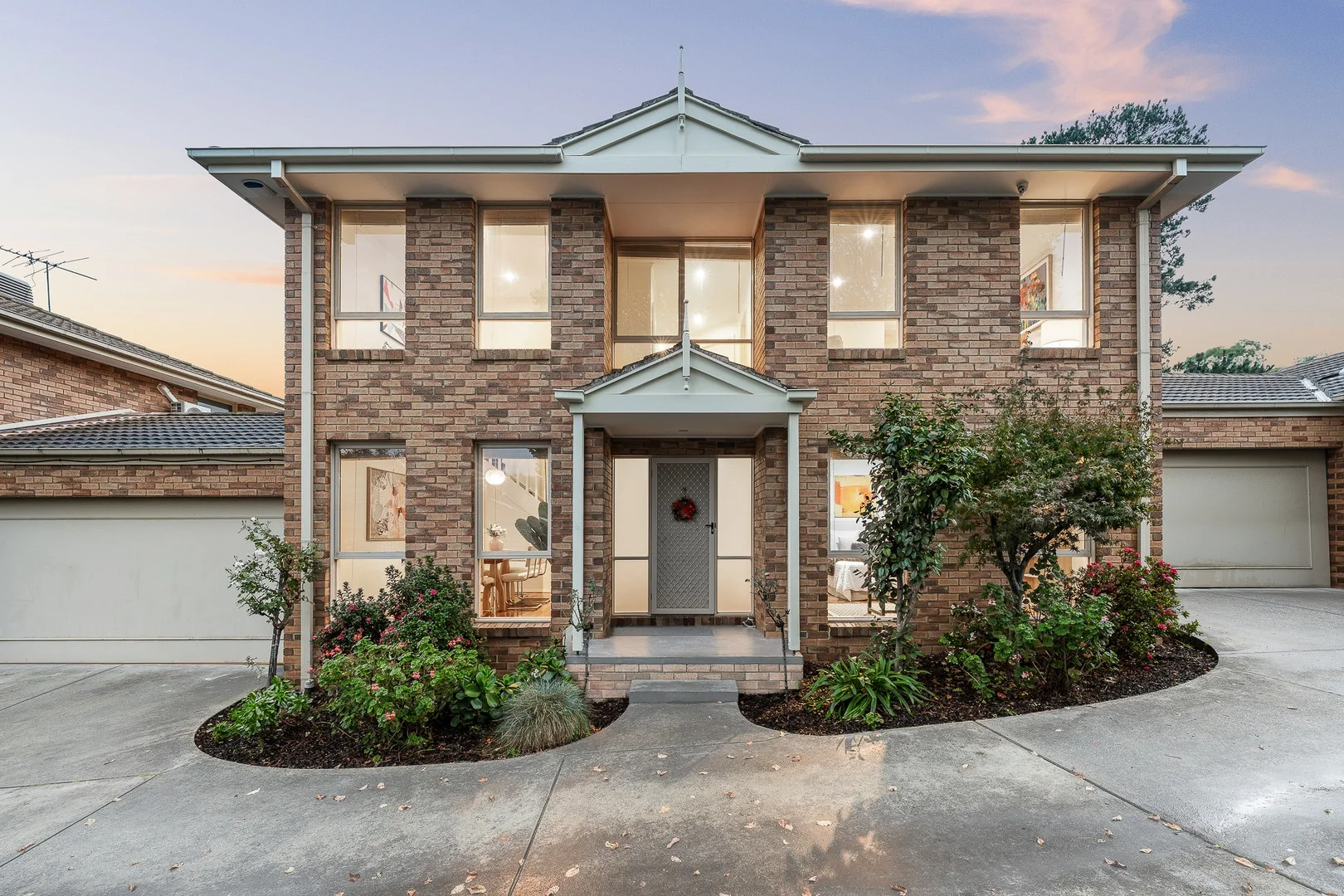 $950,000 - $1,045,000
Apartment / Unit / Flat
$950,000 - $1,045,000
Apartment / Unit / Flat
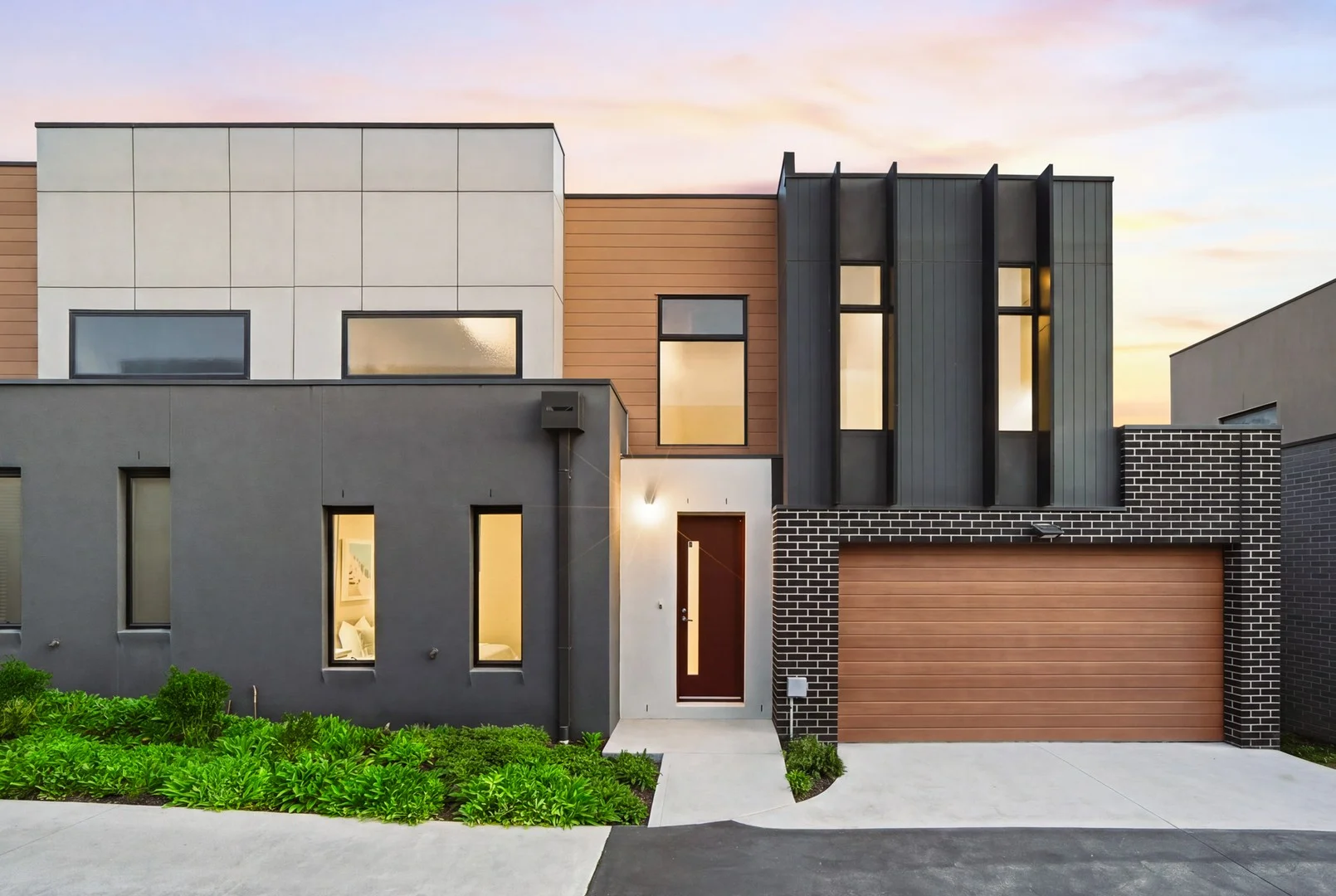 $900,000 - $990,000
Townhouse
$900,000 - $990,000
Townhouse
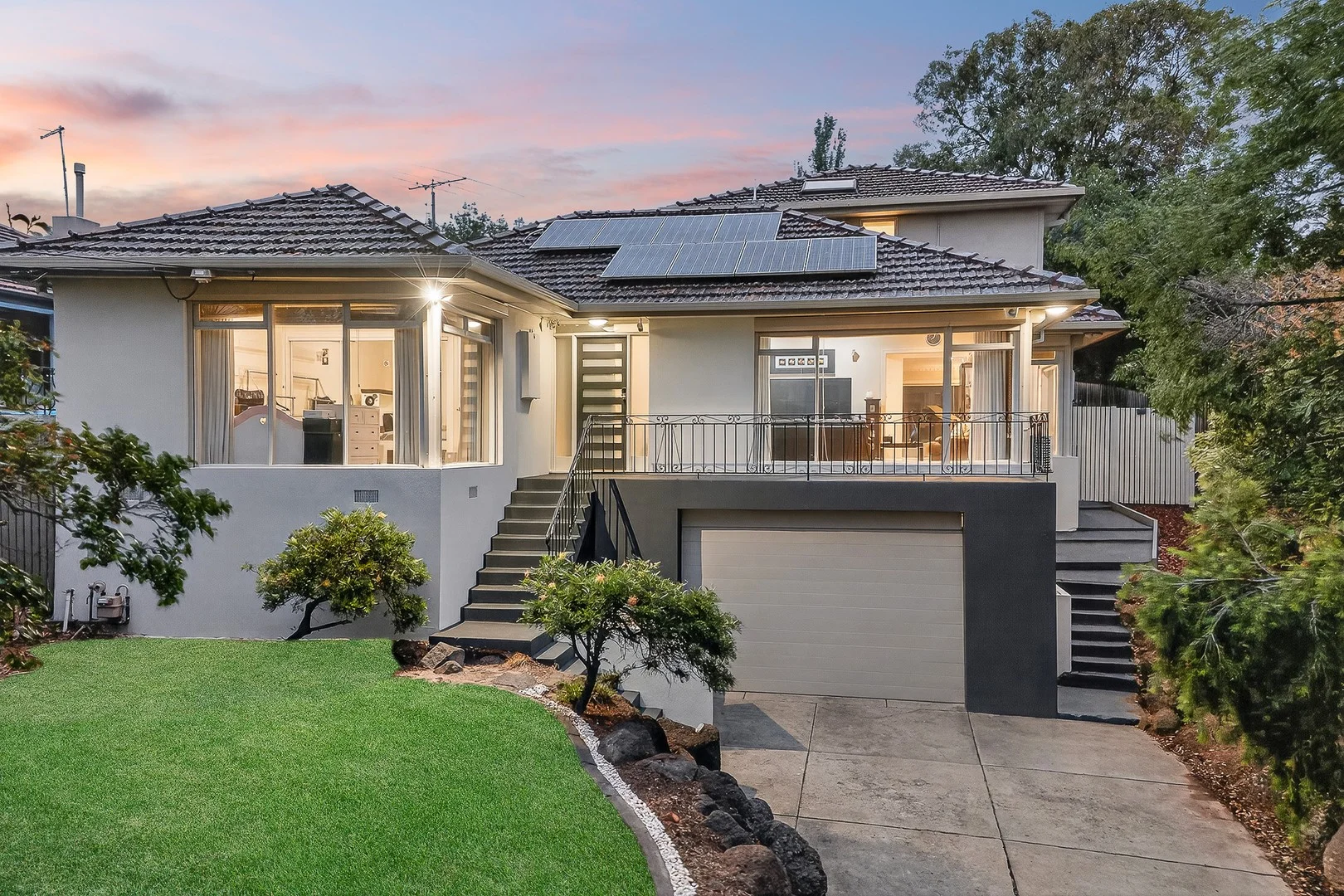 $1,350,000 - $1,450,000
House
$1,350,000 - $1,450,000
House
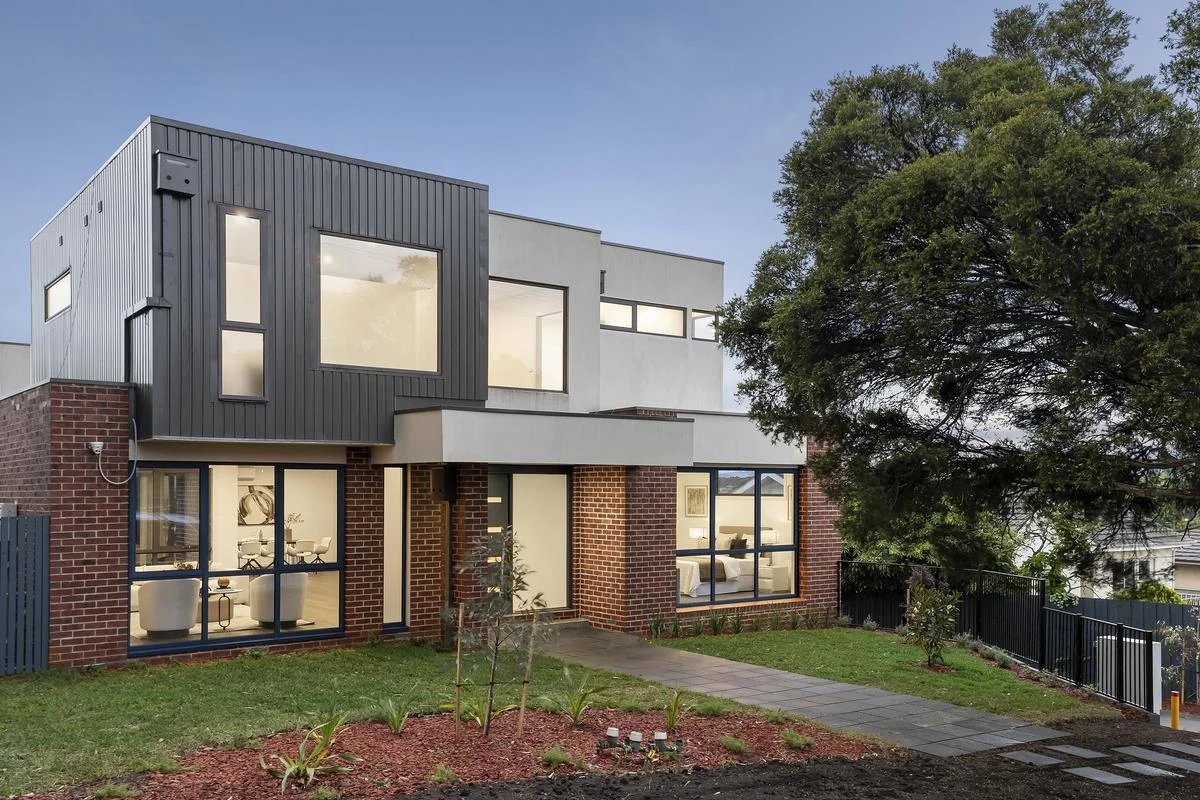 $1,550,000 - $1,650,000
Townhouse
$1,550,000 - $1,650,000
Townhouse
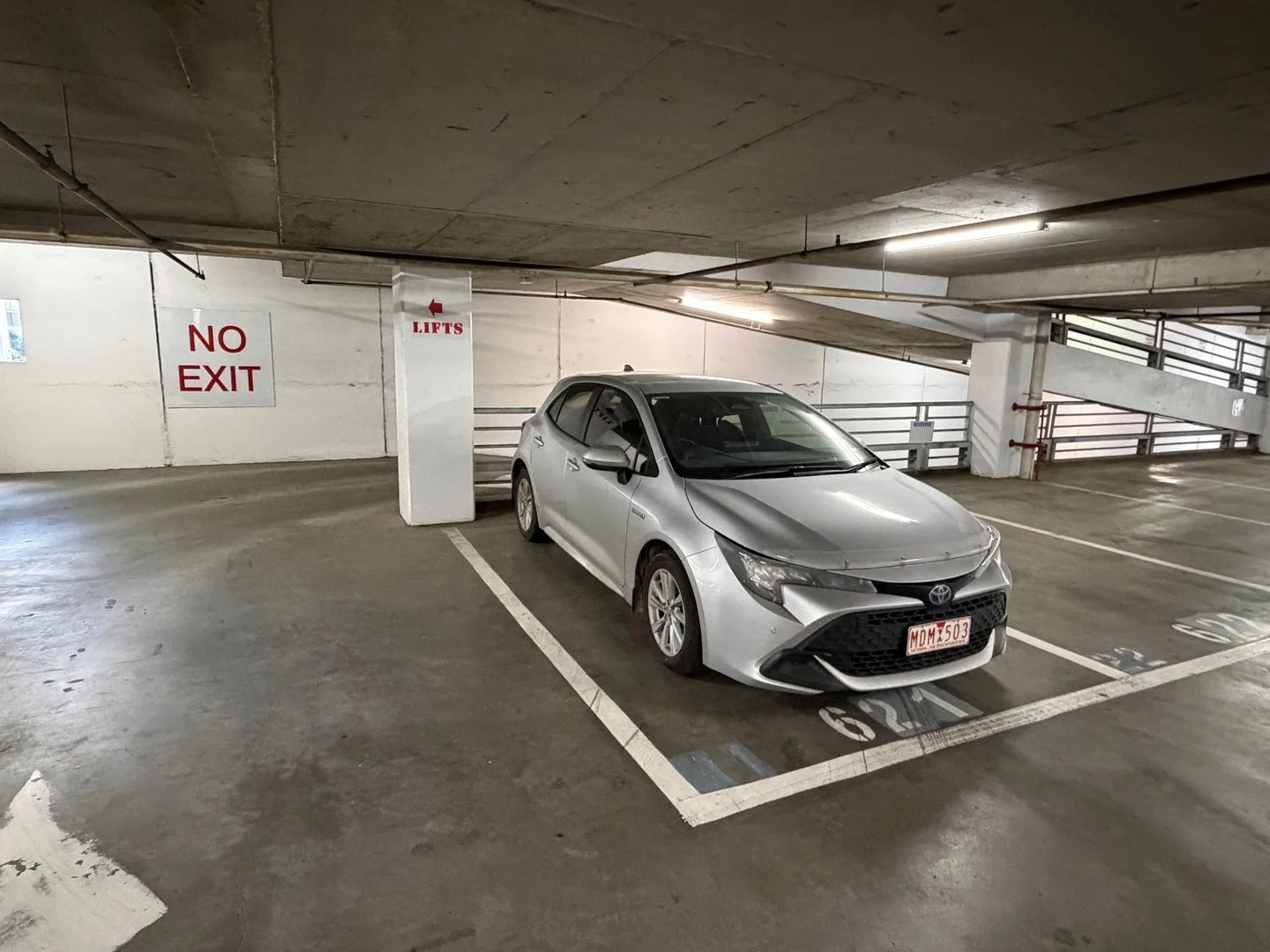 $27,500
propertyType.CAR SPACE
$27,500
propertyType.CAR SPACE