## 1. Overview (1–2 paragraphs max)
Hamilton Public School is a public, co-educational primary school serving students from Kindergarten to Year 6 in Hamilton, NSW. The school emphasises an inclusive, supportive learning environment where every child can thrive. With a medium-sized enrolment, class sizes typically sit around 20–23 students, fostering strong teacher-student connections and active participation.
The atmosphere at Hamilton Public School is nurturing and diverse, valuing respectful relationships, academic curiosity, and student wellbeing. The school community supports collaboration among families and staff to help students develop as confident, responsible learners who contribute positively to their local area.
---
## 2. Academics & Learning
- Academic strengths: literacy and numeracy foundations are a clear focus, with engaging inquiry-based approaches to science and a growing emphasis on STEM skills.
- Special programs: student leadership opportunities, reading recovery and targeted learning support, and inclusive education practices for diverse learners.
- NAPLAN / trends: trends indicate steady improvement in reading and numeracy over recent years, with ongoing monitoring to sustain progress in all areas.
- Student-teacher ratios: typically around 1:18–1:22 in primary classrooms.
- Support for diverse learners: dedicated EAL/D support and Special Education needs (SEN) services, with targeted interventions and smaller-group support where required.
---
## 3. Sports & Extracurricular Strengths
- Sports offered: cricket, soccer, netball, rugby league, athletics, and swimming, with opportunities to participate in district events.
- Strong teams or achievements: regular involvement in local sports carnivals and district-level competitions; emphasis on teamwork and skill development.
- Music, arts, drama programs: school choir, music ensembles, and drama/performing arts activities to showcase talents.
- Clubs: robotics, chess, coding, and debating clubs to build problem-solving and critical-thinking skills.
- Partnerships: connections with local clubs and community groups, plus participation in regional competitions and events.
---
## 4. Wellbeing & Pastoral Care
- Anti-bullying approach: clear policies, restorative practices, and proactive supervision to foster a safe school climate.
- House system: students are organized into houses to promote leadership, teamwork, and healthy competition.
- Counsellors / wellbeing officers: access to school wellbeing staff and a dedicated counsellor to support emotional and social development.
- Transition support for new students: structured orientation activities, buddy systems, and targeted supports to ease transitions between year levels.
---
## 5. Facilities
- Sports grounds: well-maintained fields and courts for a range of physical activities.
- Libraries: inviting spaces for reading and independent learning.
- Science labs: functional labs to support practical, hands-on exploration.
- Music/performing arts centers: spaces for rehearsal and small performances.
- Tech/innovation labs: facilities to support coding, robotics, and digital learning.
- Cafeteria: on-site canteen offering a range of healthy meal options.
- Updated playgrounds: modern play spaces that encourage active play and social interaction.
---
## 6. School Values & Community Culture
- School values / mission: a focus on Respect, Responsibility, Resilience, and Inquiry to guide student choices and learning.
- Leadership style: student voice is encouraged through committees and leadership opportunities; staff model collaborative, inclusive leadership.
- Behaviour expectations: positive behaviour framework emphasising mutual respect, safety, and accountability.
- Community reputation: known for a welcoming, family-friendly environment with strong parent involvement and supportive staff.
- Diversity & inclusion: commitment to an inclusive culture that welcomes families from diverse backgrounds and experiences.
---
## 7. School Logistics & Daily Operations
- School hours: typically 9:00 am–3:00 pm with standard daily structure and breaks.
- Before/after school care: options available through external providers or partner programs to support families.
- Uniform requirements: school uniform expected (top, bottom, hat, and appropriate footwear); details provided by the school.
- Transport (train/bus routes): public transport access via local bus routes and nearby train links; school can provide guidance on options.
- Canteen availability: on-site canteen offering daily lunch and snack options.
- Fees (low/medium/high ranges): fees are generally low to moderate, including uniform costs and optional activities or excursions; government funding covers core schooling.
---
## 8. Enrolment & Admissions
11. What is the enrolment process and timeline?
- Enrolment is managed through the NSW Department of Education process. Submit an application, provide required documentation (birth certificate, proof of address, immunisation records), and complete any school-specific onboarding steps. Placement decisions typically follow the department’s timelines, with consideration given to catchment and available space.
12. Is there a waiting list, and how does it work?
- Depending on demand and space, there may be a waiting list. Placements are generally allocated by order of application and eligibility, with priority given to students within the school’s catchment area. Out-of-area applications may be considered if spaces exist.
13. Are there any entry requirements, tests, or interviews?
- For primary enrolment, there are usually no entrance tests or formal interviews. The process focuses on documentation, immunisation status, and confirming placement. Some schools may request information about special educational needs to tailor support.
14. Does the school accept mid-year transfers?
- Mid-year transfers are considered if there is available space and alignment with the student’s needs. Parents should contact the school promptly to discuss options and required documentation.
---
## 9. Frequently Asked Questions
- Why Parents Choose This School?
- A welcoming, inclusive community with strong literacy and numeracy foundations, supportive staff, and a focus on student wellbeing and leadership.
- What type of student thrives at this school?
- Curious, collaborative learners who enjoy a balanced program of academics, sport, arts, and community involvement.
- What opportunities are available for students to extend their skills (academics, sports, arts)?
- Leadership roles, reading and math support or extension, STEM activities, sports teams, performing arts, and clubs such as robotics, coding, and debating.
- How does the school communicate with parents?
- Regular notices, newsletters, a dedicated parent portal or app, and scheduled information evenings and parent-teacher meetings.
- What is the school’s approach to teaching and learning?
- A student-centered approach with focus on literacy, numeracy, critical thinking, and hands-on inquiry across subjects; emphasis on inclusion and supportive interventions where needed.
- How does the school support students who need extra academic help?
- Targeted small-group support, reading recovery or intervention programs, EAL/D services, and SEN support plans as appropriate.
- What support is available for academic challenges?
- Additional tutoring or differentiated tasks, progress monitoring, and collaboration with families to set individual learning goals.
- How does the school communicate with parents? (Repeated question)
- See above: routine updates, parent portals, meetings, and clear channels for urgent communications.
- What are the class sizes and how much individual attention do students receive?
- Class sizes are typically around 20–23 students, with teachers providing targeted instruction and opportunities for individual support within the class.
- What extracurricular and sports opportunities are available?
- A range of sports (cricket, soccer, netball, rugby league, athletics, swimming) plus clubs in robotics, chess, coding, debating, and performing arts activities.
- What facilities does the school offer (sports, science, arts)?
- Modern sports grounds, libraries, science labs, music/performing arts centers, tech/innovation labs, a canteen, and updated playgrounds.
- What is the school’s approach to technology and digital learning?
- Integration of coding, digital literacy, and age-appropriate technology across the curriculum to enhance learning and problem-solving.
- What transport and accessibility options are available?
- Access to local bus routes and nearby train services; staff can assist families with transport planning and school access.
- What are the typical school fees or additional costs?
- Fees are generally modest, covering uniform costs, optional activities, and excursions; core schooling is funded through the public system.
---
## 10. Short Pros & Cons list
- Pros
- Public, inclusive, and supportive learning environment
- Focus on literacy, numeracy, and STEM with hands-on learning
- Strong wellbeing, anti-bullying culture, and house system
- Wide range of sports, arts, and clubs
- Active parent involvement and community connections
- Cons
- Class sizes can vary; peak times may see larger groups
- Some programs rely on external providers for before/after care
- Mid-year transfers depend on space availability
- Uniform and excursion costs can add to overall expenses








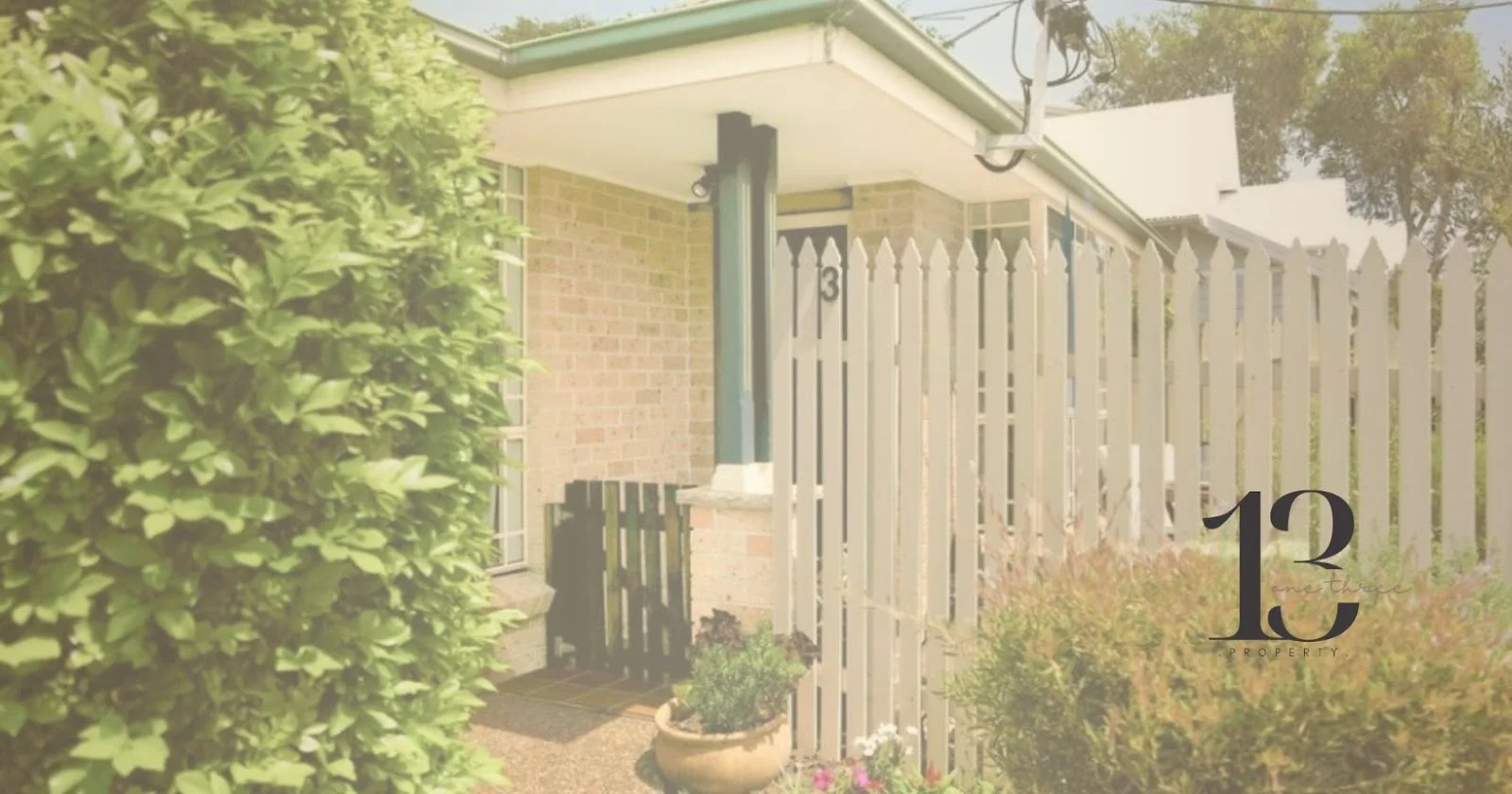 $795,000
Townhouse
$795,000
Townhouse
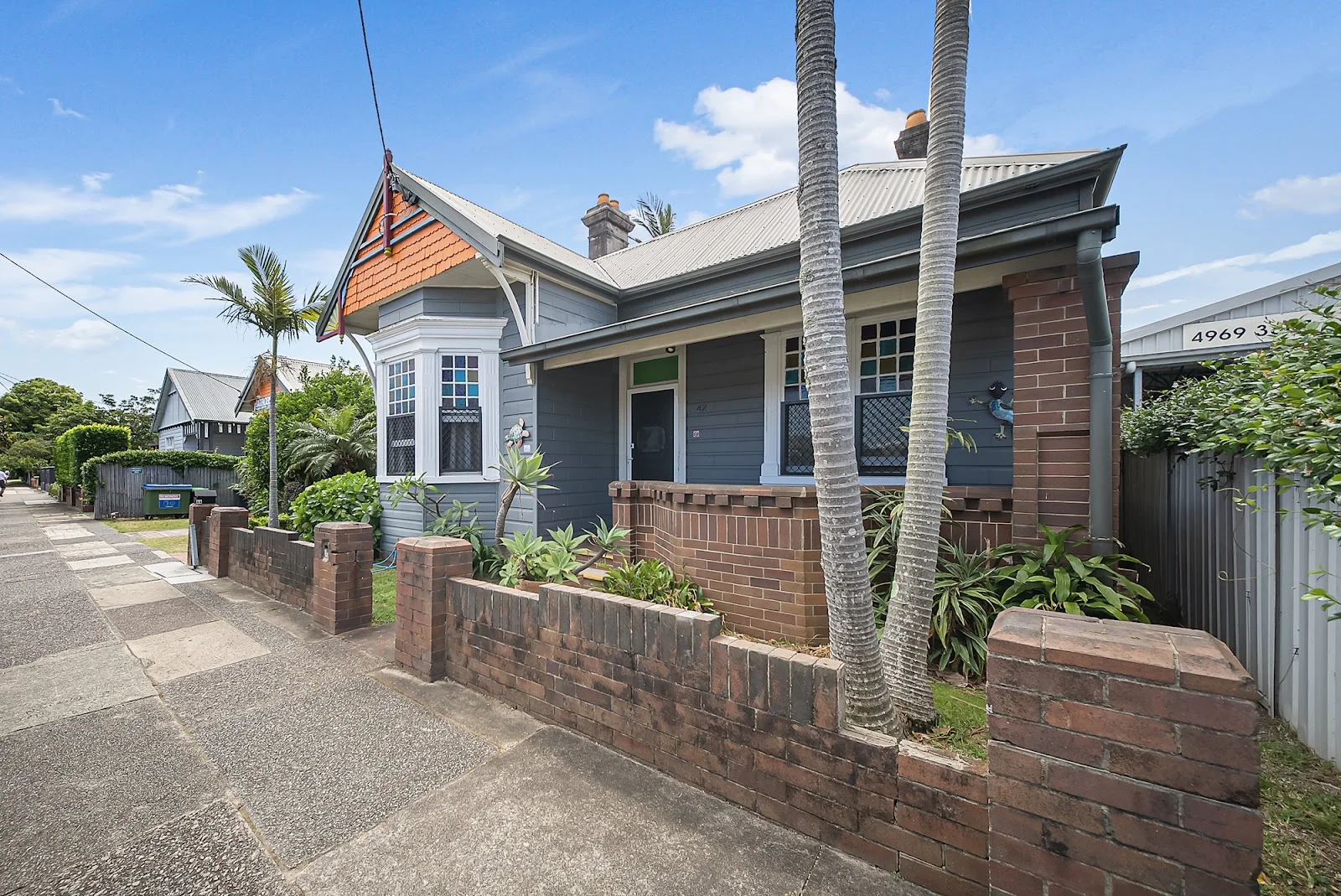 $2,000,000
propertyType.BLOCK OF UNITS
$2,000,000
propertyType.BLOCK OF UNITS
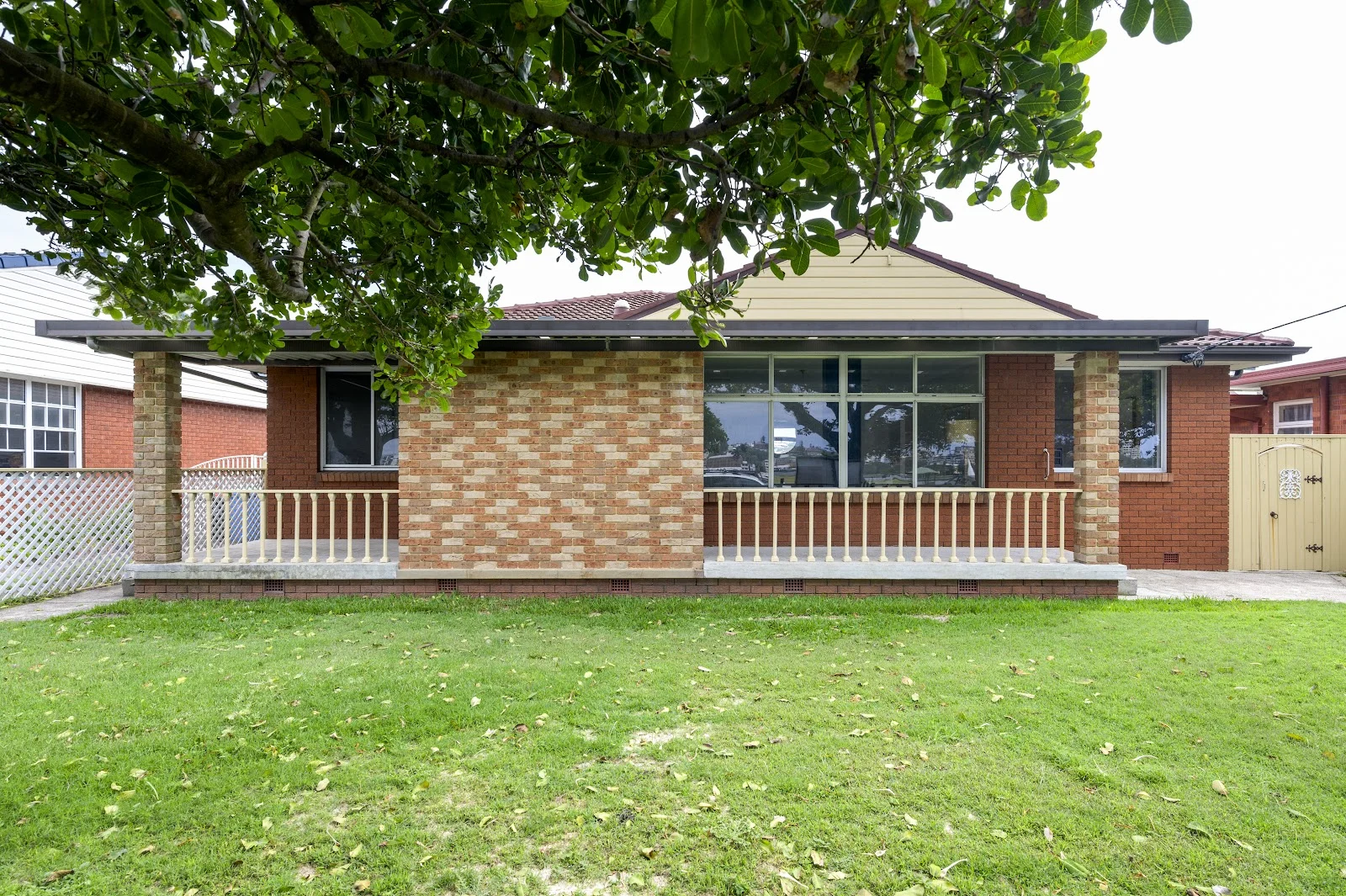 $2,500,000
House
$2,500,000
House
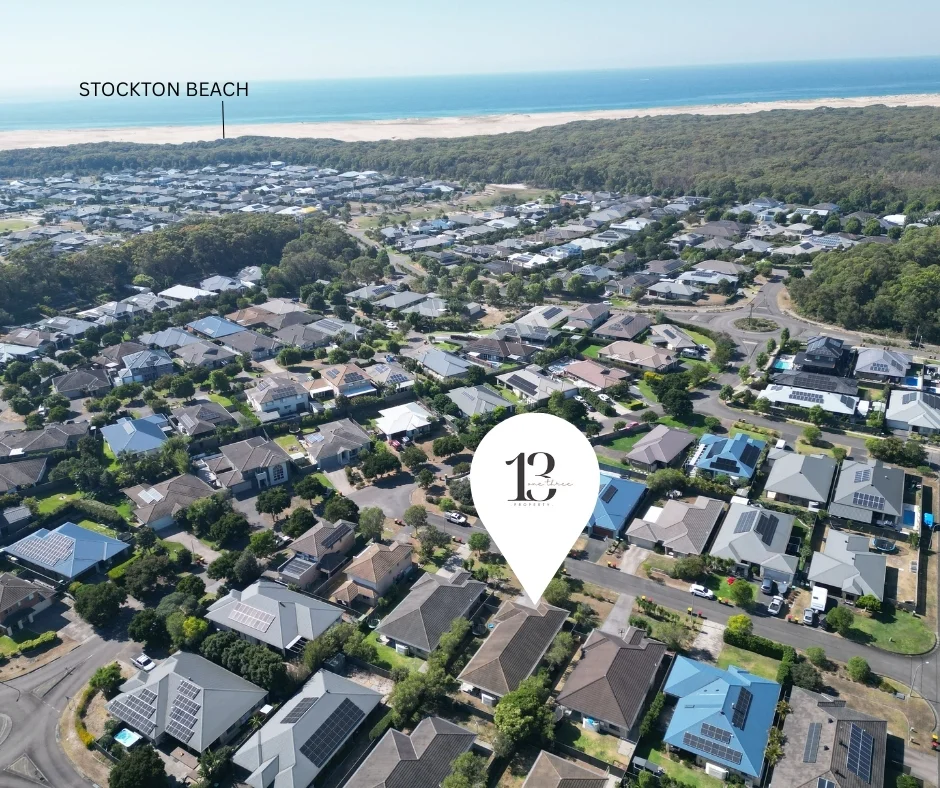 $900,000 - $990,000
House
$900,000 - $990,000
House


