1. Overview
Newcastle High School Hamilton is a public, co-educational secondary school serving students from Year 7 to 12. The school combines solid academic expectations with a broad range of sporting and arts opportunities, fostering a supportive and inclusive learning community.
- School type: Public
- School size: Medium–large
- Class size: Approximately 22–28 students per class
- Atmosphere/culture: Inclusive, collaborative, academically oriented with active sports and arts programs
⸻
2. Academics & Learning
Newcastle High School Hamilton focuses on delivering a well-rounded curriculum with opportunities to excel across core subjects and electives.
- Academic strengths: STEM, English, languages, leadership development
- Special programs: Gifted and Talented, accelerated learning, STEM extension, EAL/D support, leadership programs
- NAPLAN trends: Recent years show stable to improving trends in reading and numeracy; targeted initiatives help close gaps for EAL and SEN students
- Student-teacher ratios: Class sizes and ratios typically around 1:15–1:22, depending on year and subject
- Support for diverse learners: Comprehensive support for diverse learners including EAL/D, SEN coordination, learning support staff, and targeted interventions
⸻
3. Sports & Extracurricular Strengths
A strong focus on holistic development means many students participate in sports and a wide range of clubs and arts activities.
- Sports offered: Rugby, soccer, cricket, netball, basketball, athletics, swimming, tennis, among others
- Strong teams or achievements: Active participation in regional inter-school competitions with teams reaching knockout rounds and final stages
- Music, arts, drama programs: Instrumental music program, choir, drama productions, and regular arts showcases
- Clubs: Robotics, coding, chess, debating, environmental/climate action, and other interest-based clubs
- Partnerships: Local clubs and associations, regional competitions, and opportunities through community and university outreach
⸻
4. Wellbeing & Pastoral Care
Wellbeing and pastoral support are central to the school’s approach, helping students feel secure and valued.
- Anti-bullying approach: Whole-school anti-bullying policy with clear procedures, student wellbeing teams, and restorative practices
- House system: House groups for events, mentoring, and sense of belonging
- Counsellors / wellbeing officers: Access to school counsellors and wellbeing coordinators
- Transition support for new students: Orientation programs, buddy systems, and targeted transitions support
⸻
5. Facilities
The campus offers a range of facilities designed to support learning, creativity, and physical activity.
- Sports grounds
- Libraries
- Science labs
- Music/performing arts centers
- Tech/innovation labs
- Cafeteria
- Updated playgrounds
⸻
6. School Values & Community Culture
The school emphasizes respectful, responsible engagement and a welcoming community culture.
- School values / mission: Respect, Responsibility, Excellence, Inclusion
- Leadership style: Collaborative, student voice encouraged; opportunities for student leadership
- Behaviour expectations: Clear code of conduct with positive behaviour supports and restorative approaches
- Community reputation: Known for a supportive, family-friendly atmosphere with active parent involvement
- Diversity & inclusion: Strong commitment to diversity, inclusion of students from varied backgrounds, and robust support for language and cultural needs
⸻
7. School Logistics & Daily Operations
Practical information that helps families plan around school life.
- School hours: Typical day roughly 8:30 am–3:10 pm (subject to timetable variations)
- Before/after school care: OSHC or other local options may be available
- Uniform requirements: School uniform required (details issued by the school; sports uniform for PE)
- Transport (train/bus routes): Multiple local bus routes; proximity to public transport options; information on travel arrangements provided by school
- Canteen availability: On-site canteen offering healthy options
- Fees (low/medium/high ranges): Public school with low compulsory contributions; some costs for excursions, activities, and optional items
⸻
8. Enrolment & Admissions
11. What is the enrolment process and timeline?
- Check catchment eligibility, then complete the NSW public school enrolment form
- Gather required documents (proof of identity, proof of address, immunisation records, previous school report)
- Submit to the school by the designated deadline; reasonably prompt processing with notification of placement and orientation details
- Attend any information sessions or interviews as part of program intake and begin transition activities
12. Is there a waiting list, and how does it work?
- Waiting lists can occur when demand exceeds places; offers are made based on space, with proximity within the catchment often prioritized
13. Are there any entry requirements, tests, or interviews?
- For non-selective public high schools, there is generally no entrance exam; some programs may involve brief interviews or information sessions. Selective or specialty programs may have auditions or tests
14. Does the school accept mid-year transfers?
- Yes, mid-year transfers are possible if space is available; requires enrolment documents, transcripts, immunisation records, and coordination with the school administration
⸻
9. Frequently Asked Questions
- Why do parents choose this school?
Families value the inclusive culture, balanced academics, broad extracurriculars, and supportive staff that help students grow academically and personally.
- What type of student thrives here?
Students who are motivated, participate in a range of activities, and value a collaborative, respectful school community tend to thrive.
- What opportunities are available to extend skills (academics, sports, arts)?
There are advanced coursework options, leadership programs, STEM extension, strong sports teams, music ensembles, drama productions, robotics, debating clubs, and other clubs.
- How does the school communicate with parents?
Through newsletters, email updates, a school app/portal, parent-teacher meetings, and the school website.
- What is the school’s approach to teaching and learning?
A mix of direct instruction and inquiry-based learning, with differentiation to meet diverse learner needs and integrated use of technology.
- How does the school support students who need extra academic help?
Learning support staff, EAL/D resources, SEN coordination, tutoring or booster sessions, and targeted intervention plans.
- What support is available for academic challenges?
Counsellors, learning support staff, mentoring and catch-up programs are available to help students overcome difficulties.
- How does the school communicate with parents? (duplicate)
See above: newsletters, emails, app/portal, meetings.
- What are the class sizes and how much individual attention do students receive?
Class sizes typically range from 22–28 students; teachers provide targeted support during class time and via advisory/periods dedicated to student needs.
- What extracurricular and sports opportunities are available?
A broad mix of sports teams and clubs including robotics, coding, chess, debating, music and drama, environmental groups, and more.
- What facilities does the school offer (sports, science, arts)?
The campus features sports grounds, libraries, science labs, music/performing arts centers, tech/innovation labs, a canteen, and updated playgrounds.
- What is the school’s approach to technology and digital learning?
Integrated ICT across the curriculum, potential Bring Your Own Device (BYOD) arrangements, computer labs, and coding/technology clubs.
- What transport and accessibility options are available?
Accessible public transport connections, multiple bus routes, and campus accessibility features; information on travel options is provided by the school.
- What are the typical school fees or additional costs?
Public schools have low compulsory contributions; some costs may apply for excursions, activities, and optional programs.
⸻
10. Short Pros & Cons list
Pros
- Inclusive, supportive school culture with strong emphasis on wellbeing
- Broad range of academic, sports, arts, and leadership opportunities
- Active extracurricular scene (robotics, coding, debating, music, drama)
- Modern facilities and dedicated staff across subjects
- Clear communication channels with families and robust transition support
Cons
- Larger school environment can mean busier campuses and busier schedules
- Some uniform and excursion costs; additional fees for optional activities
- Transport times during peak periods depending on location
- Availability of certain programs may vary by year or cohort
Note: Content reflects common features of NSW public high schools and is intended to help families understand what to ask about Newcastle High School Hamilton. For current specifics, please verify with the school directly.







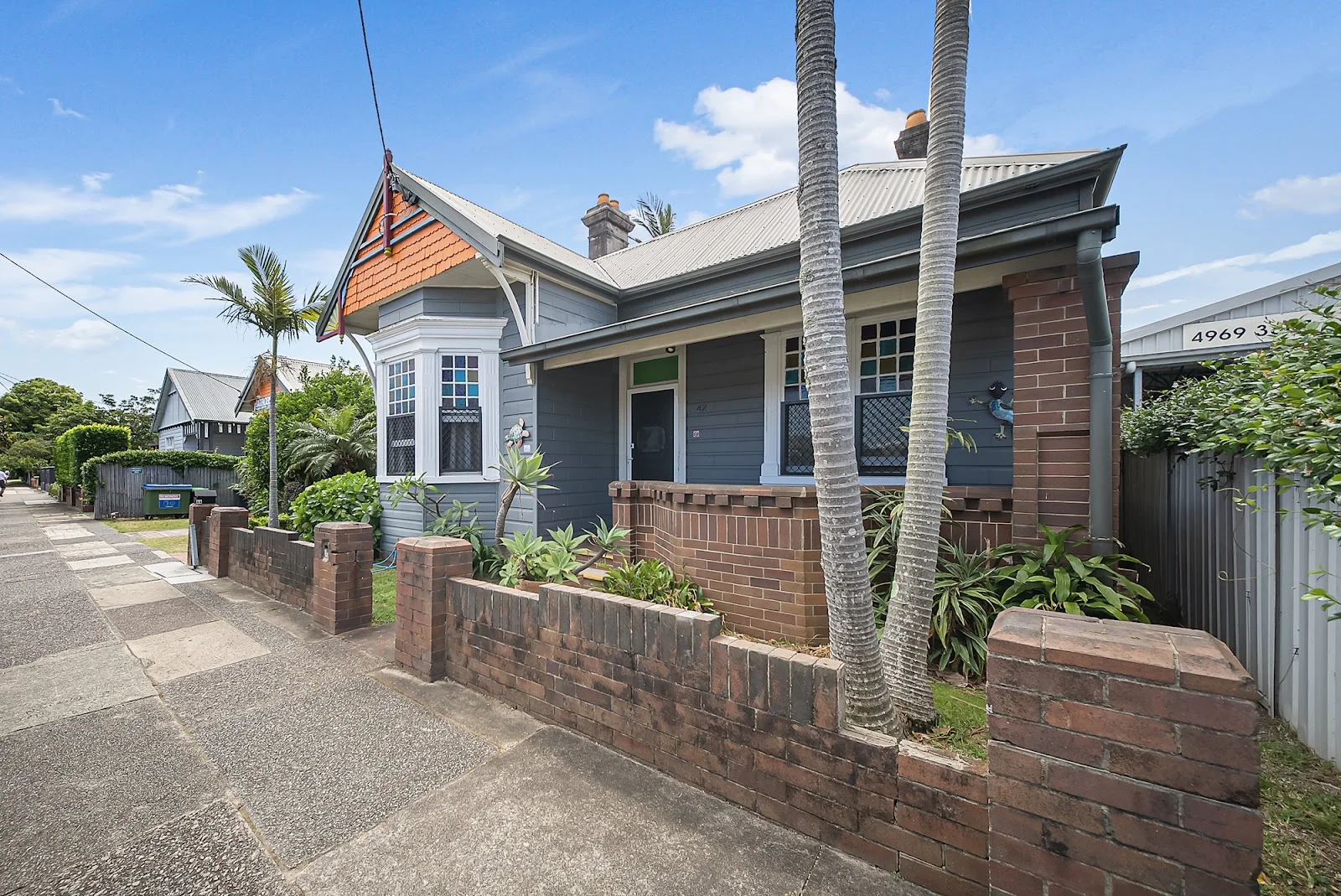 $2,000,000
propertyType.BLOCK OF UNITS
$2,000,000
propertyType.BLOCK OF UNITS
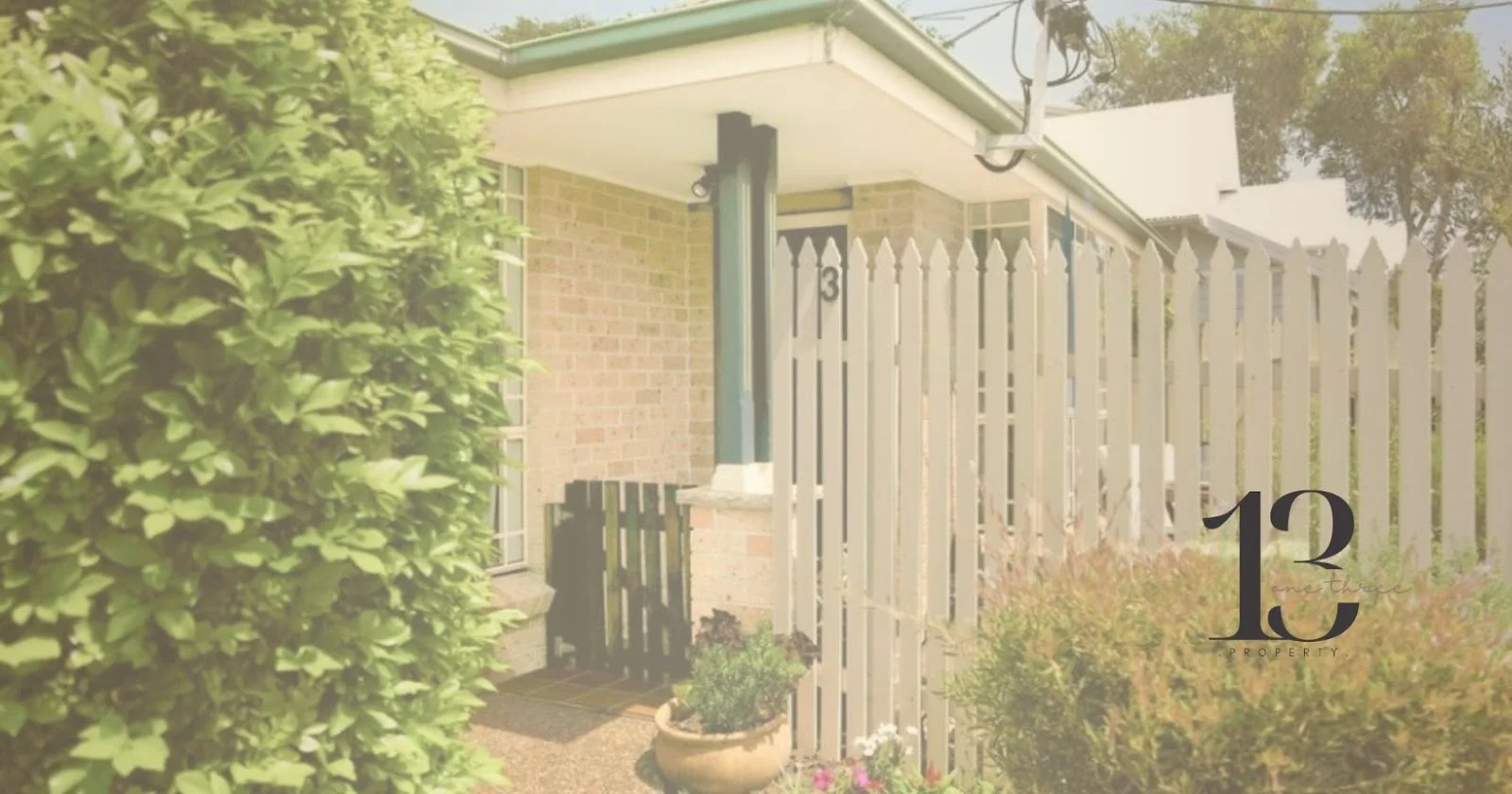 $795,000
Townhouse
$795,000
Townhouse
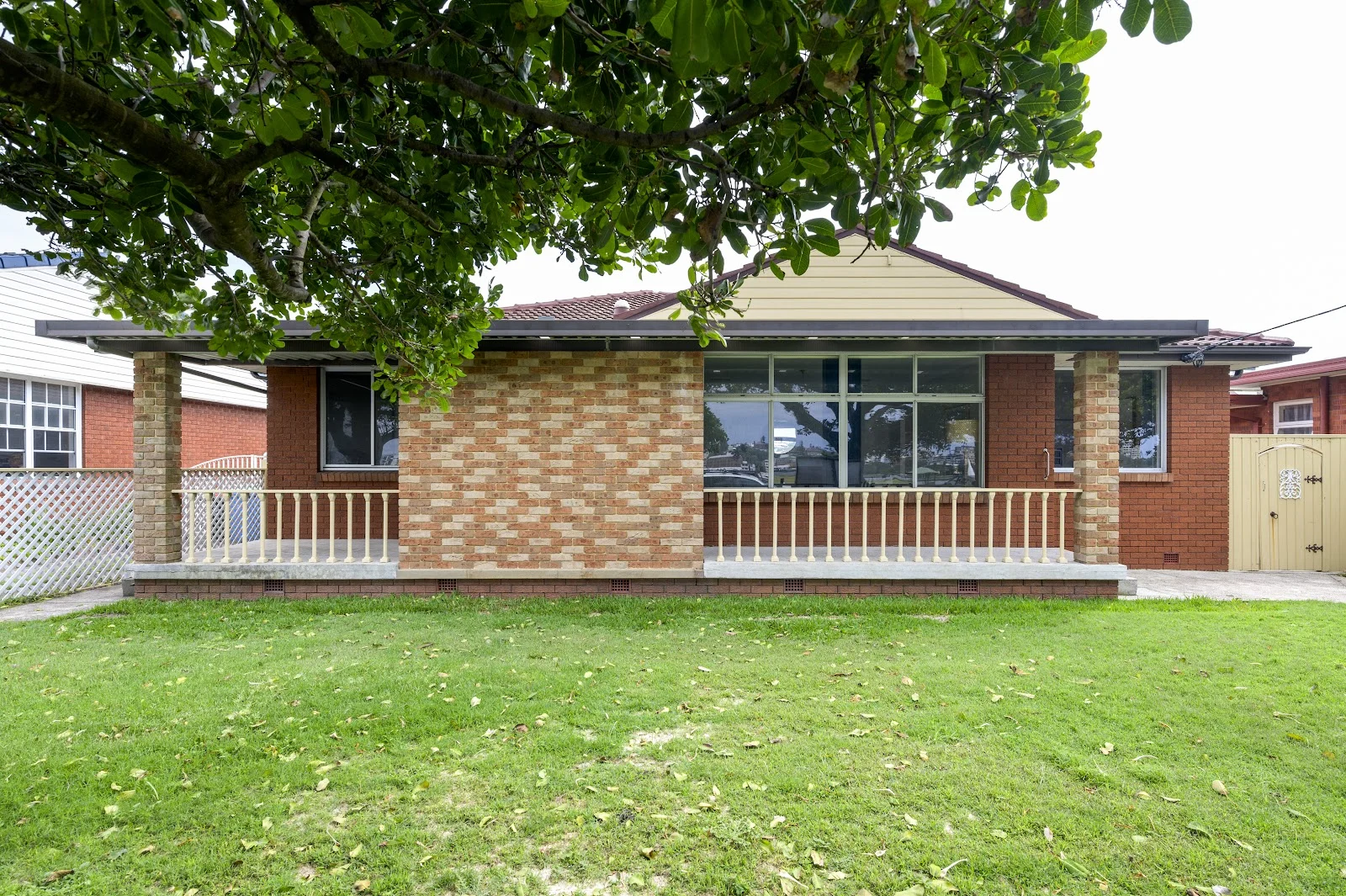 $2,500,000
House
$2,500,000
House
 $900,000 - $990,000
House
$900,000 - $990,000
House


