## 1. Overview
Sussex Inlet Public School is a public, co-educational primary school serving the Sussex Inlet community. It is a small-to-medium NSW public school that supports students from Kindergarten to Year 6, with a strong emphasis on a welcoming, nurturing culture and active participation in school life.
- School type: Public
- School size: Small–medium
- Class size: Mid-20s per class
- Atmosphere/culture: Nurturing, inclusive, community-minded with a focus on student wellbeing and participation in sport and hands-on learning
⸻
## 2. Academics & Learning
- Academic strengths: Strong focus on literacy and numeracy with pathways for STEM and creative arts; emphasis on practical, inquiry-based learning and digital literacy.
- Special programs: Leadership opportunities for students; targeted literacy and numeracy support; Gifted and Talented (GT) pathways available where applicable; inclusive education supports for diverse learners.
- NAPLAN / trends: NSW public primary schools typically show steady improvement with targeted interventions; Sussex Inlet Public School aims for continued growth in reading, writing, and numeracy year over year.
- Student-teacher ratios: Classrooms generally in the mid-20s with support staff; school aims to provide accessible teacher contact and small-group support where needed.
- Support for diverse learners: EAL and SEN support available; inclusive education team and targeted intervention programs to assist students with additional learning needs.
⸻
## 3. Sports & Extracurricular Strengths
- Sports offered: Soccer, cricket, athletics, swimming, and other rhythm of school sport; opportunities for inter-school sport and district events.
- Strong teams or achievements: Regular participation in local inter-school events; focus on student participation, teamwork, and fair play.
- Music, arts, drama programs: School ensembles, performances, and opportunities to participate in choir or musical activities; arts and drama integrated into the curriculum.
- Clubs: Robotics, coding, chess, debating, and other interest clubs available; opportunities to explore STEM and critical thinking outside class.
- Partnerships: Local community clubs and regional inter-school competitions provide pathways for extended learning and competition.
⸻
## 4. Wellbeing & Pastoral Care
- Anti-bullying approach: Proactive wellbeing programs, clear anti-bullying policies, and a positive behaviour framework to foster respectful interactions.
- House system: House-based activities and competitions to promote belonging and leadership opportunities.
- Counsellors / wellbeing officers: Access to a school counsellor or wellbeing support staff to assist with social-emotional learning and transitions.
- Transition support for new students: Orientation activities, buddy programs, and targeted support to ease transitions between year levels and from enrolment to classroom life.
⸻
## 5. Facilities
- Sports grounds: Outdoor playing fields and courts suitable for a range of activities.
- Libraries: School library for independent reading and research.
- Science labs: Dedicated spaces for practical science experiments.
- Music/performing arts centers: Music room and spaces for performances and rehearsals.
- Tech/innovation labs: Computer or IT labs supporting digital learning and coding activities.
- Cafeteria: On-site canteen or lunch facilities (operates on selected days).
- Updated playgrounds: Well-maintained play areas that support active play and safety.
⸻
## 6. School Values & Community Culture
- School values / mission: Emphasis on respect, responsibility, resilience, inclusivity, and a growth mindset.
- Leadership style: Student voice through leadership roles and a collaborative approach between students, families, and staff.
- Behaviour expectations: Clear conduct policies with consistent expectations and positive reinforcement.
- Community reputation: Known as a welcoming, supportive local school with strong family involvement.
- Diversity & inclusion: Practices that welcome families from diverse backgrounds and promote inclusive learning environments.
⸻
## 7. School Logistics & Daily Operations
- School hours: Typical day from morning start to afternoon finish (e.g., 9:00am–3:00pm), with occasional adjustments for events.
- Before/after school care: OSHC or equivalent arrangements available for before/after school care.
- Uniform requirements: Standard school uniform; clear guidelines for daily wear and sport uniform on appropriate days.
- Transport (train/bus routes): Local bus routes and school transport options available; public transport accessibility may vary by location.
- Canteen availability: Canteen or lunch program offered on designated days.
- Fees (low/medium/high ranges): As a public school, there are no tuition fees; there may be voluntary contributions and small charges for excursions and extra activities.
⸻
## 8. Enrolment & Admissions
- 11. What is the enrolment process and timeline?
- Enrolment is handled through NSW Department of Education processes. Prepare documents such as proof of identity, immunisation records, and proof of residence. Submit the application to the school or via the DoE portal; allow time for processing, correspondence, and any required supplementary information or interviews.
- 12. Is there a waiting list, and how does it work?
- Waiting lists can occur if there are more applicants than places, particularly outside the immediate catchment. Availability and priority are determined by DoE rules and the school's enrolment policy; inquire early to understand current expectations.
- 13. Are there any entry requirements, tests, or interviews?
- Generally, NSW public primary schools do not require entrance examinations. Some schools may request information to understand special support needs or to place students appropriately, but there is no standard entrance-test requirement.
- 14. Does the school accept mid-year transfers?
- Mid-year transfers are possible subject to space and placement considerations. Submit a transfer request through the school and DoE processes; ensure enrolment documentation and, if applicable, records from the previous school are provided.
⸻
## 9. Frequently Asked Questions
- Why Parents Choose This School?
- A welcoming community, dedicated staff, emphasis on student wellbeing, strong literacy/numeracy focus, and opportunities for participation in sport and arts.
- What type of student thrives at this school?
- Curious, cooperative, active learners who value belonging, participation in activities, and supportive relationships with teachers and peers.
- What opportunities are available for students to extend their skills (academics, sports, arts)?
- Leadership roles, sports teams, music/arts programs, robotics and coding clubs, debating, and opportunities to participate in district/inter-school events.
- How does the school communicate with parents?
- Regular newsletters, a school portal or calendar, notices via email/text, and updates through the school’s social channels or community notices.
- What is the school’s approach to teaching and learning?
- A balanced, evidence-informed approach with emphasis on literacy and numeracy, differentiated instruction, hands-on learning, and digital literacy.
- How does the school support students who need extra academic help?
- In-class supports, targeted intervention, access to SEN and EAL supports, and small-group teaching or individual plans as needed.
- What support is available for academic challenges?
- Additional tutoring, learning plans, and collaboration with families to create effective support strategies.
- How does the school communicate with parents? (Repeated)
- See above: regular updates via newsletters, portals, and direct contact as needed.
- What are the class sizes and how much individual attention do students receive?
- Class sizes are in the mid-20s, with teachers providing targeted support in small groups and through intervention programs.
- What extracurricular and sports opportunities are available?
- A range of sports (e.g., soccer, athletics, cricket), music/arts programs, and clubs such as robotics, coding, chess, and debating.
- What facilities does the school offer (sports, science, arts)?
- Sports grounds, library, science labs, music/performing arts spaces, tech/innovation labs, canteen, and updated playgrounds.
- What is the school’s approach to technology and digital learning?
- Emphasis on digital literacy, use of computer labs or devices in learning, and integration of technology to support teaching and student projects.
- What transport and accessibility options are available?
- Local bus routes and access to public transport where available; arrangement for drop-off/pick-up supports families.
- What are the typical school fees or additional costs?
- No tuition fees as a public school; possible charges for excursions, extra-curricular activities, and uniforms or consumables.
⸻
## 10. Short Pros & Cons list
- Pros
- Public, community-focused setting with a nurturing, inclusive culture
- Strong emphasis on literacy and numeracy with STEM and digital learning
- Active involvement in sport, arts, and clubs; diverse extracurricular options
- Supportive wellbeing programs and transition assistance
- Practical facilities for science, technology, and performing arts
- Cons
- Smaller or rural setting may mean fewer specialist programs than larger urban schools
- Availability of some programs can vary by year and cohort; some opportunities may have eligibility implications
- Transport options depend on local routes and may require planning for families outside catchment
If you’d like, I can tailor this further with any specific details you have from Sussex Inlet Public School or adjust the tone for a particular audience (e.g., families with new movers, international families, or Grade 5–6 transition parents).



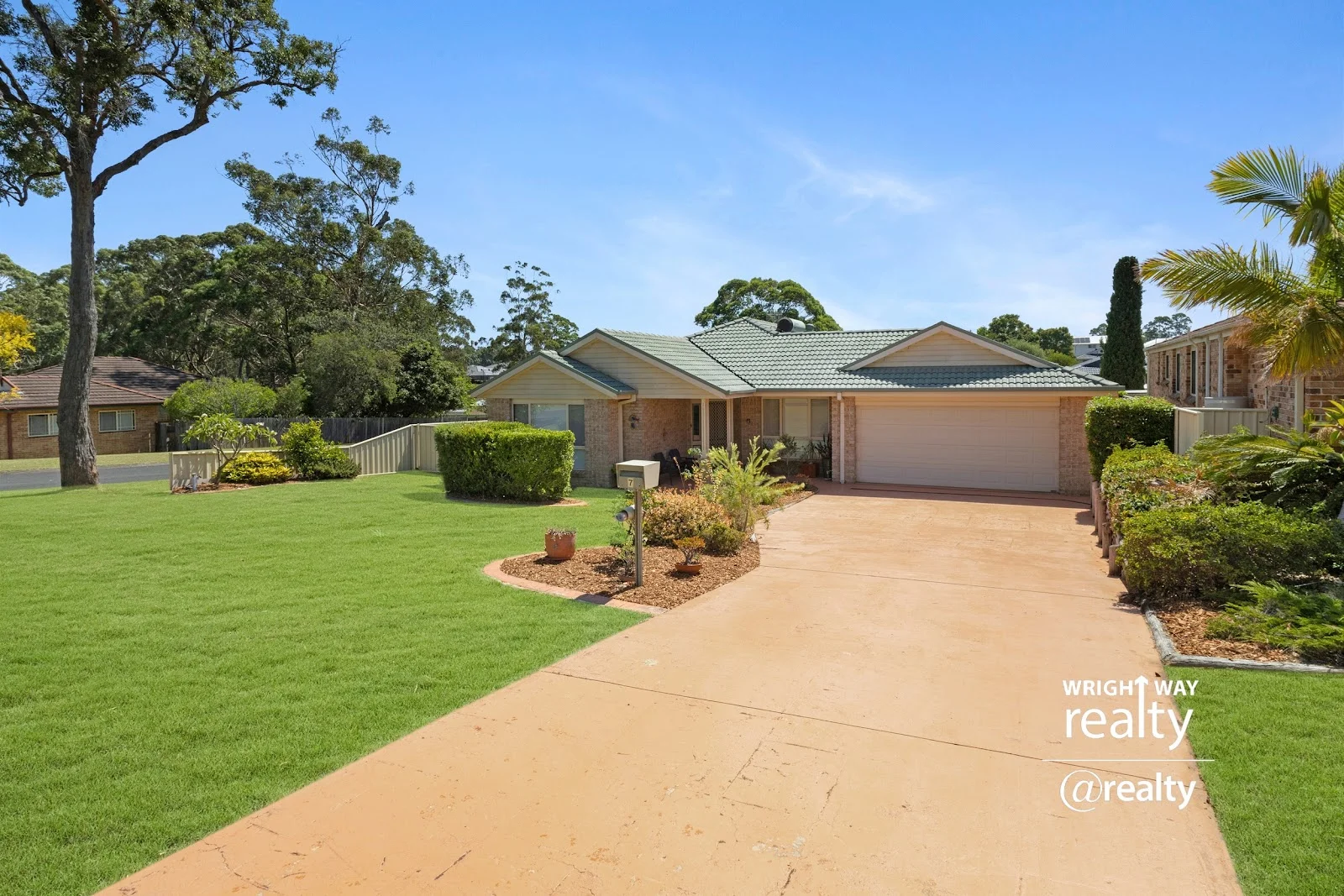 $850,000 - $900,000
House
$850,000 - $900,000
House
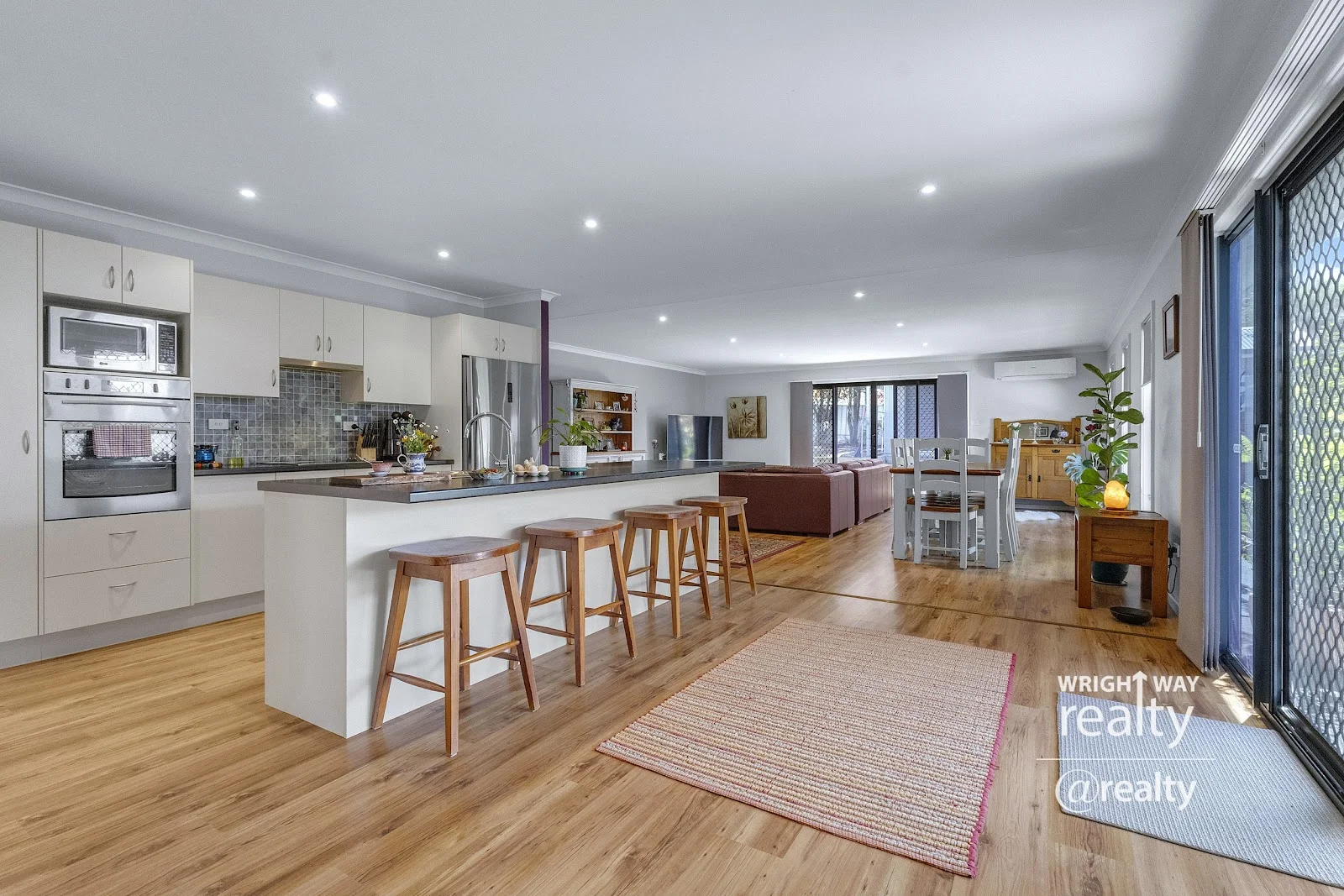 $1,100,000
House
$1,100,000
House
 $2,200,000 - $2,400,000
House
$2,200,000 - $2,400,000
House
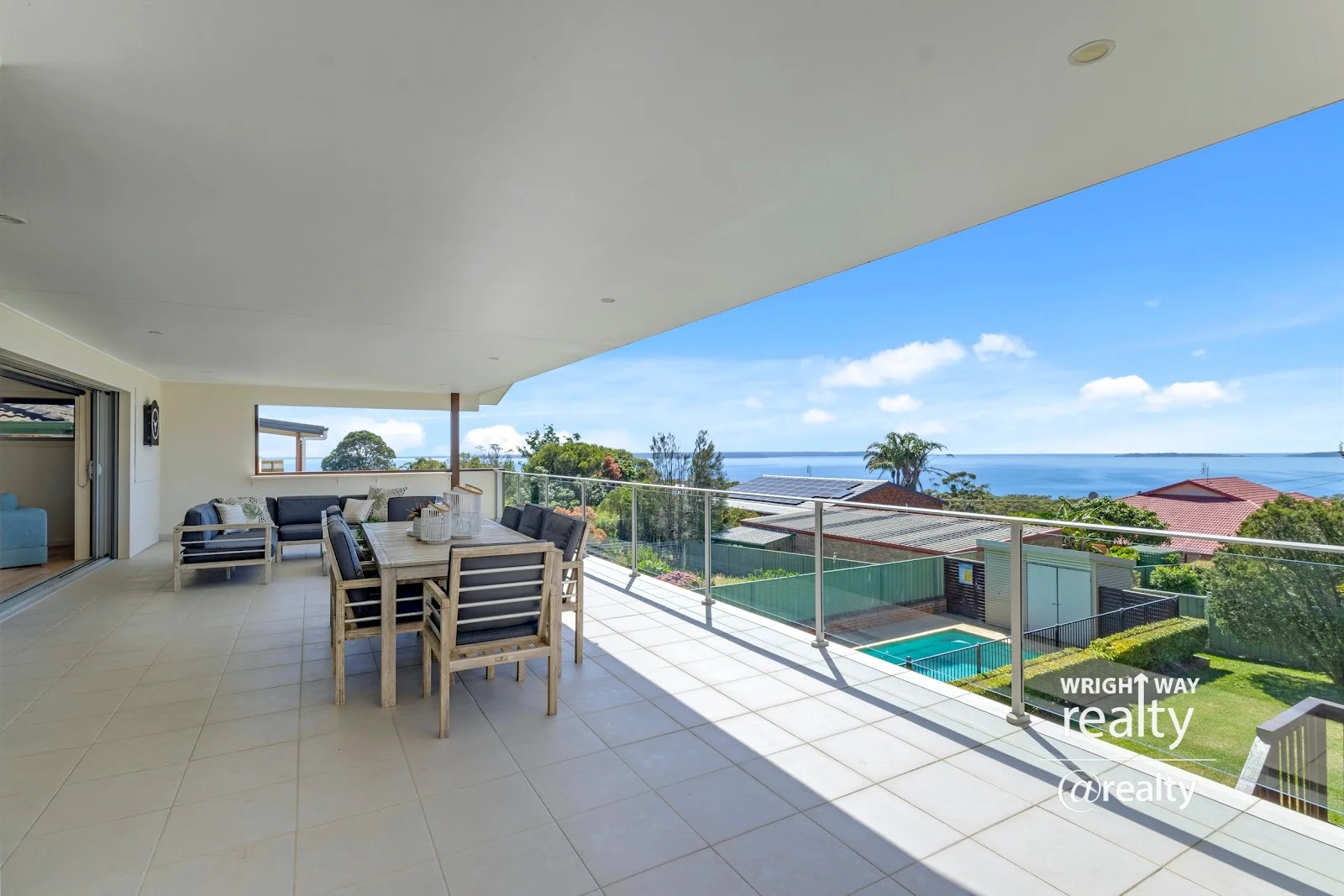 $2,750,000
House
$2,750,000
House


