## 1. Overview
St Joachim's Catholic Primary School is a Catholic, co-educational primary school in Lidcombe that provides a faith-centred education within the NSW curriculum framework. The school aims to nurture each child’s spiritual, academic and personal growth within a supportive parish community. Class sizes are typically in the small-to-medium range, with most cohorts averaging around 20–25 students per class, contributing to a warm, inclusive learning environment.
The atmosphere is generally described as nurturing and values-driven, with an emphasis on respect, responsibility and service. The school seeks to foster a sense of belonging and belonging within a diverse community, while maintaining a focus on academic achievement and holistic development.
⸻
## 2. Academics & Learning
St Joachim's focuses on delivering a well-rounded curriculum that integrates faith with core learning. Academic strengths commonly highlighted include reading, writing and numeracy, strong literacy and numeracy instruction, and a solid foundation in STEM concepts through hands-on activities. The school also places importance on the development of leadership and communication skills, and may offer opportunities in music and the arts as part of the broader curriculum.
Special programs often include religious education as a core component, student leadership opportunities, and differentiated approaches to meet diverse learner needs. Schools in this sector typically monitor progress through ongoing assessments and provide targeted support where needed. NAPLAN trends in NSW Catholic primary schools generally show stable performance with year-to-year consistency; for precise trends, refer to the school’s annual report or NSW Department guidance. Student–teacher ratios are typically in the range of about 1:20 to 1:25 in primary settings. Support for diverse learners includes EAL (English as an Additional Language) and SEN (Special Educational Needs) provisions, with adjustments and targeted support as required.
⸻
## 3. Sports & Extracurricular Strengths
- Sports offered: Soccer, basketball, cricket, rugby league or football, and athletics are commonly available, with participation encouraged across year levels.
- Strong teams or achievements: There is typically active involvement in inter-school and diocesan events, with opportunities to contribute to school teams and represent the school in approved competitions.
- Music, arts, drama: Music programs, choir and opportunities in performing arts are often available to build confidence and creative expression.
- Clubs: Robotics, chess, coding and debating are typical offerings to develop critical thinking and teamwork.
- Partnerships: Schools commonly connect with local clubs, diocesan programs and inter-school competitions to broaden opportunities beyond the classroom.
⸻
## 4. Wellbeing & Pastoral Care
- Anti-bullying approach: A clear anti-bullying policy with restorative practices and a focus on building respectful relationships.
- House system: A house or pastoral grouping structure commonly supports student belonging, competitions and team-building.
- Counsellors / wellbeing officers: Access to wellbeing staff or school counsellors is typically part of the pastoral care framework.
- Transition support for new students: Orientation activities and targeted supports help new students adjust to the school community and routines.
⸻
## 5. Facilities
- Sports grounds: On-site sports fields or courts for outdoor activities.
- Libraries: A school library supporting literacy and independent learning.
- Science labs: Dedicated spaces for hands-on science learning.
- Music/performing arts centers: Areas for music education and drama activities.
- Tech/innovation labs: Spaces to support coding, robotics and digital learning.
- Cafeteria: A canteen or cafe-style area for meals and snacks.
- Updated playgrounds: Safe, well-maintained play spaces for recess and lunch.
⸻
## 6. School Values & Community Culture
- School values / mission: A faith-informed mission emphasizing Christian values such as faith, respect, service, inclusion and integrity.
- Leadership style: A collaborative and inclusive leadership approach that encourages student voice and parental involvement.
- Behaviour expectations: Clear expectations around respect, safety, responsibility and community-minded behavior.
- Community reputation: Strong ties with the parish and local community, with emphasis on outreach and service.
- Diversity & inclusion: An inclusive culture that welcomes families from diverse backgrounds and supports equity in learning.
⸻
## 7. School Logistics & Daily Operations
- School hours: Generally aligned with typical NSW primary day schedules (start and finish times may vary by year level).
- Before/after school care: OSHC or similar arrangements are often available to support working families.
- Uniform requirements: A specified school uniform, with options for summer and winter wear.
- Transport: Access to local transport routes, with proximity to bus services and/or train stations; route planning may depend on catchment and year level.
- Canteen availability: Canteen services are commonly available on designated days.
- Fees: Fees typically fall in the mid-range for NSW Catholic primary schools and vary by year level and family circumstances.
⸻
## 8. Enrolment & Admissions
11. What is the enrolment process and timeline?
- Check eligibility and catchment requirements with the school.
- Submit an enrolment application during the school’s intake period (often aligned with the start of the school year).
- Provide required documents (e.g., birth certificate, immunisation records, certification of baptism (where applicable), proof of address, and any parish or Catholic Education documentation).
- Attend any school-specific interviews or information sessions as requested.
- Receive an offer of placement if applicable and complete enrolment verification by the given deadline.
- Confirm start date and complete any additional onboarding steps.
12. Is there a waiting list, and how does it work?
- Yes, there may be a waiting list when applications exceed available places.
- Waiting lists are typically prioritised by year of entry, sibling connections, and parish/catchment considerations.
- You’ll usually be notified if a place becomes available and the timeline will depend on vacancies and enrolment priorities.
13. Are there any entry requirements, tests, or interviews?
- Primary school entries rarely require formal academic testing; more often there may be an information or interview meeting with parents and sometimes a brief orientation with the child.
- Depending on parish and school policy, baptism or Catholic community involvement may influence certain admissions considerations.
- Specific documents or references may be requested as part of the enrolment process.
14. Does the school accept mid-year transfers?
- Mid-year transfers are often possible if spaces are available; approval depends on class size and alignment with enrolment priorities.
- If space allows, you’ll typically need to provide academic records, immunisation details and other standard enrolment documents, along with any transfer paperwork required by the school.
⸻
## 9. Frequently Asked Questions
- Why Parents Choose This School?
- A faith-centered education within a supportive Catholic community, combined with a balanced focus on academics, wellbeing and character development.
- What type of student thrives at this school?
- Students who value community, faith-based learning, collaboration, kindness, and participation in both academics and a range of extracurriculars.
- What opportunities are available for students to extend their skills (academics, sports, arts)?
- Strong literacy and numeracy programs, opportunities in STEM activities, music and performing arts, sports teams, coding and robotics clubs, and debate or public-speaking activities.
- How does the school communicate with parents?
- Regular updates through newsletters, emails, parent portals, and face-to-face meetings. Open channels for feedback and involvement in school activities.
- What is the school’s approach to teaching and learning?
- A holistic approach combining faith formation with evidence-based teaching practices, differentiation to meet diverse needs, and a focus on critical thinking and real-world applications.
- How does the school support students who need extra academic help?
- Targeted interventions, reading and numeracy support, EAL/SEN accommodations, and ongoing progress monitoring.
- What support is available for academic challenges?
- Additional tutoring, small-group or one-on-one support, and targeted classroom strategies to address gaps in understanding.
- How does the school communicate with parents?
- See above: newsletters, emails, portals, and parent-teacher meetings; multiple channels to ensure timely information.
- What are the class sizes and how much individual attention do students receive?
- Class sizes are typically in the 20–25 student range, with teachers able to provide differentiated instruction and targeted feedback to individual students.
- What extracurricular and sports opportunities are available?
- A range of sports (e.g., soccer, basketball, cricket), music and performing arts, and clubs such as robotics, chess, coding, and debating.
- What facilities does the school offer (sports, science, arts)?
- Sports grounds, library, science labs, music/arts facilities, technology/innovation spaces, and a canteen, with updated play areas.
- What is the school’s approach to technology and digital learning?
- Integration of digital tools to enhance learning, safe online practices, and opportunities for students to engage in coding, robotics and media creation.
- What transport and accessibility options are available?
- Access to nearby public transport routes and parking; school coordination with families on drop-off/pick-up; accessible facilities where applicable.
- What are the typical school fees or additional costs?
- Fees are in the mid-range for NSW Catholic primary schools and may vary by year level and family circumstances; contact the school for a current fee schedule.
⸻
## 10. Short Pros & Cons List
- Pros
- Catholic, faith-centered education with a values-based approach
- Nurturing, inclusive atmosphere and supportive community
- Balanced focus on academics, wellbeing and character development
- Wide range of extracurriculars including sports, arts and STEM clubs
- Opportunities for student leadership and involvement in community activities
- Cons
- Fees can be a consideration for some families (variable by year and program)
- Class sizes, while typical for NSW primary schools, may still feel large for some students
- Availability of certain programs or facilities can vary year to year depending on funding and enrolments









 $36,000,000 - $39,500,000
Vacant Land
$36,000,000 - $39,500,000
Vacant Land
 $1,525,000
Apartment / Unit / Flat
$1,525,000
Apartment / Unit / Flat
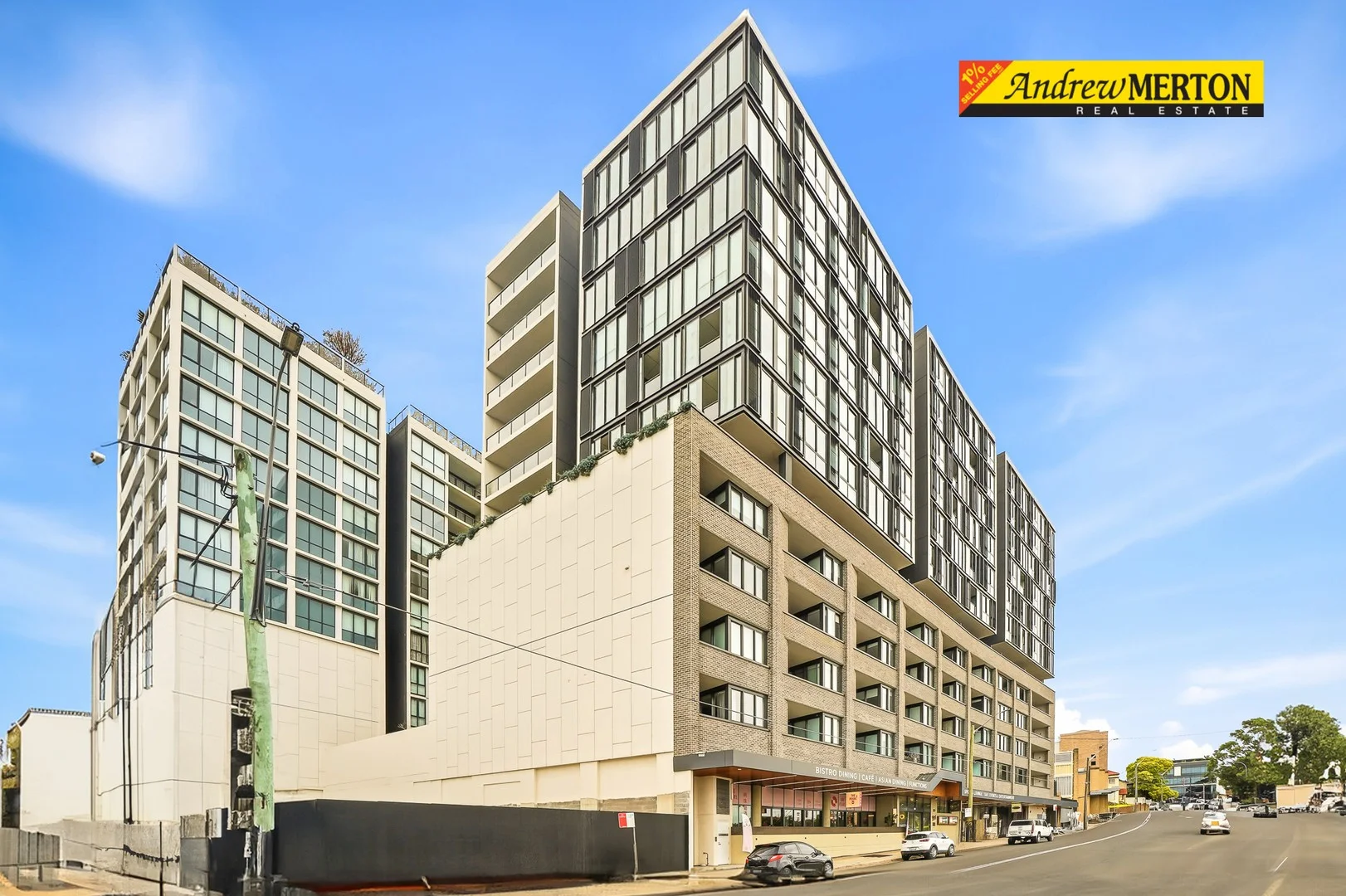 $665,000
Apartment / Unit / Flat
$665,000
Apartment / Unit / Flat
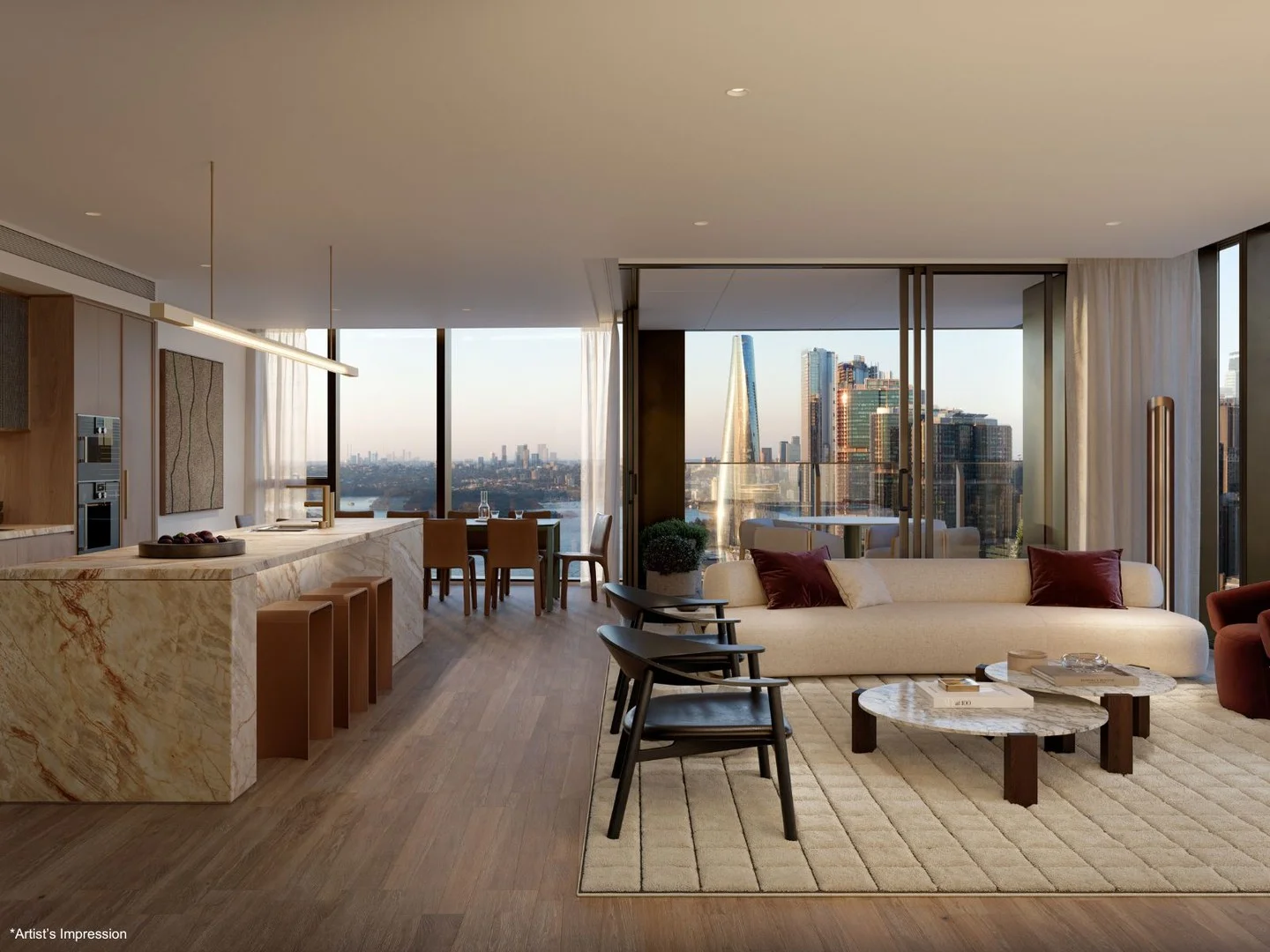 $12,980,000
propertyType.NEW APARTMENTS / OFF THE PLAN
$12,980,000
propertyType.NEW APARTMENTS / OFF THE PLAN
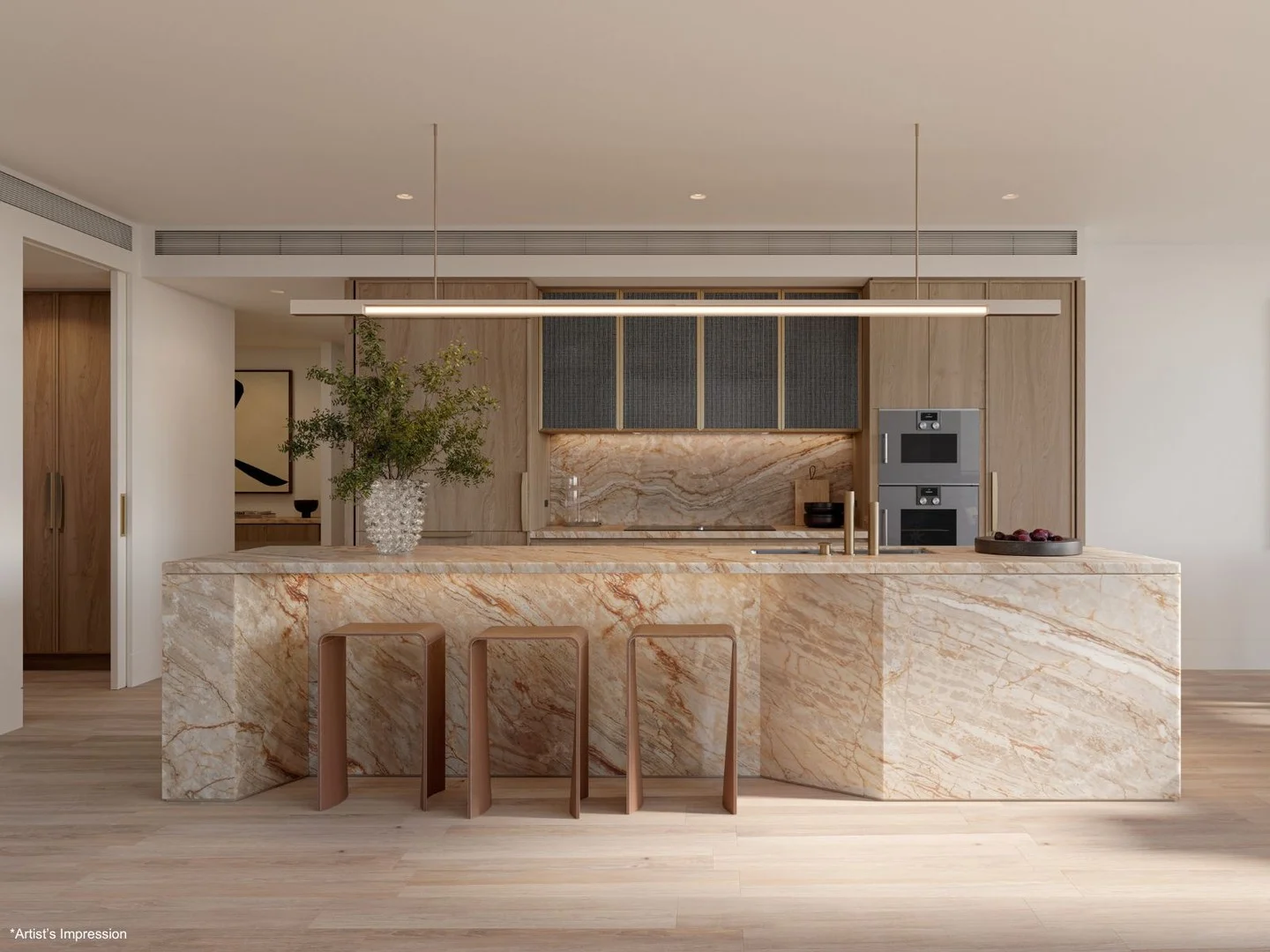 $6,225,000
propertyType.NEW APARTMENTS / OFF THE PLAN
$6,225,000
propertyType.NEW APARTMENTS / OFF THE PLAN
 $8,630,000
propertyType.NEW APARTMENTS / OFF THE PLAN
$8,630,000
propertyType.NEW APARTMENTS / OFF THE PLAN
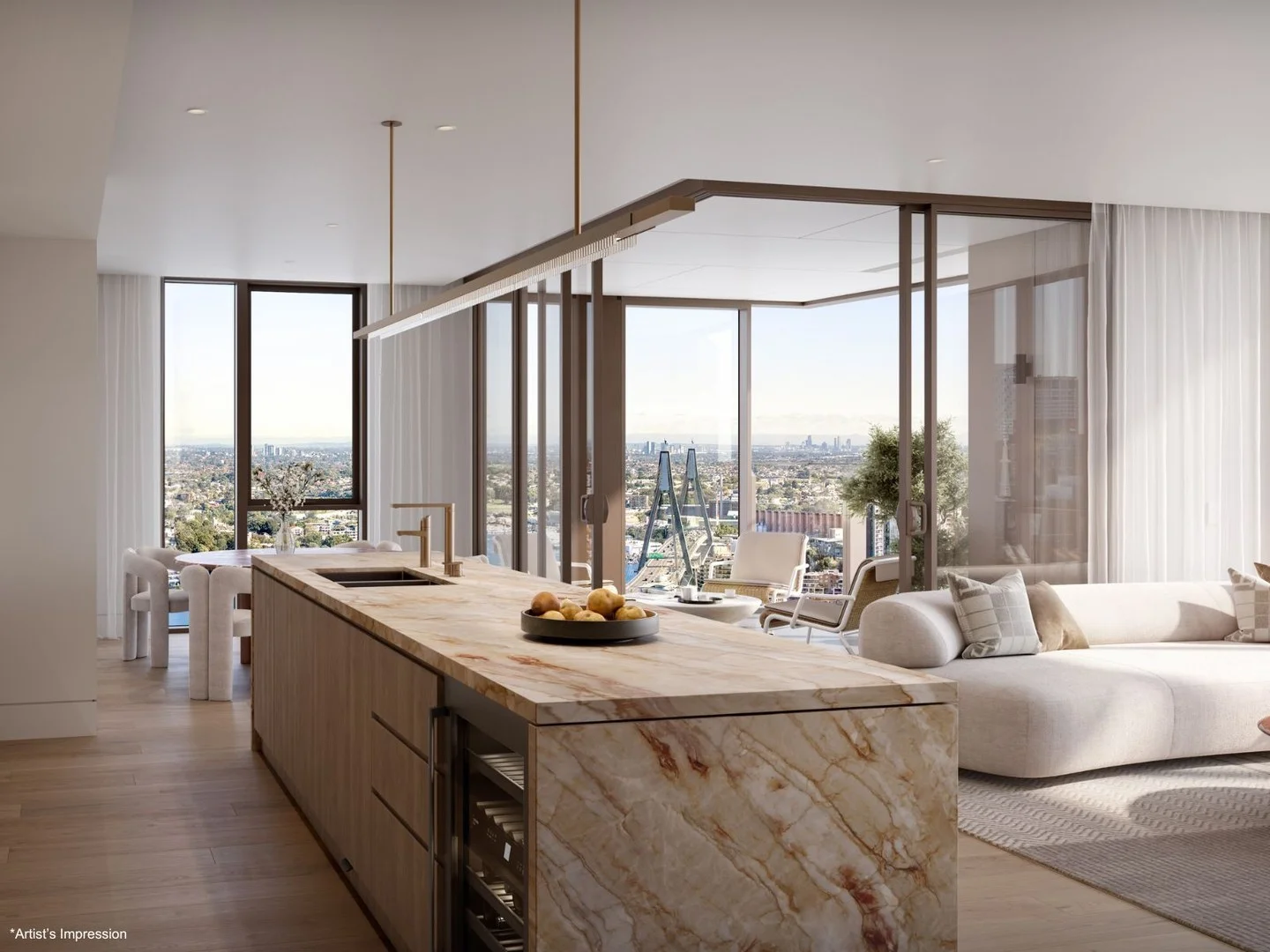 $9,020,000
propertyType.NEW APARTMENTS / OFF THE PLAN
$9,020,000
propertyType.NEW APARTMENTS / OFF THE PLAN
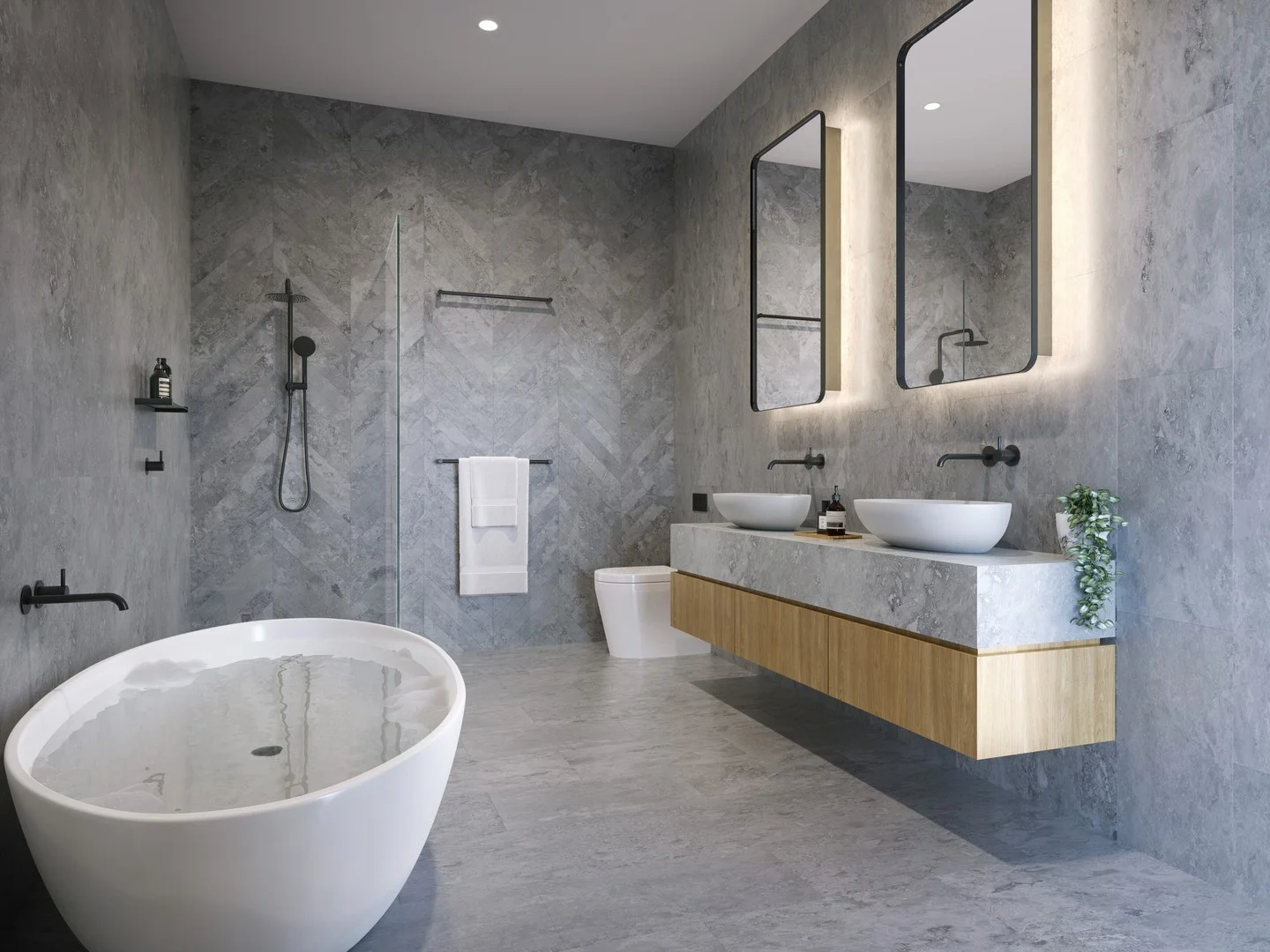 $2,824,000
Apartment / Unit / Flat
$2,824,000
Apartment / Unit / Flat
 $3,900,000
House
$3,900,000
House


