## 1. Overview
- School type: Catholic independent school for girls (secondary).
- School size: Medium (roughly in the several hundreds to around a thousand students across Years 7–12).
- Class size: Typically around 20–25 students per class.
- Atmosphere/culture: Nurturing and academically focused, with an inclusive Catholic ethos that supports faith, service and personal growth.
## 2. Academics & Learning
- Academic strengths: English and the humanities, STEM pathways, leadership programs and language study.
- Special programs: ATAR-focused senior studies; opportunities for accelerated learning and gifted/talented programs.
- NAPLAN trends: In recent years, performance has generally tracked around or above state averages with stable to improving trends in key domains (reading, writing, numeracy).
- Student-teacher ratios: About 1:15 to 1:18, supporting some level of individual attention within classes.
- Support for diverse learners: EAL support and SEN coordination; inclusive education approaches to help students with varying needs.
## 3. Sports & Extracurricular Strengths
- Sports offered: Netball, basketball, soccer, hockey, tennis, swimming, athletics, cross-country, and more.
- Strong teams or achievements: Competitive in local and regional competitions; active participation in school and inter-school events.
- Music, arts, drama programs: Strong performing arts culture with choirs, ensembles, drama productions and related opportunities.
- Clubs: Robotics, chess, coding, debating, and other STEM/academic or interest-based clubs.
- Partnerships: Participation in local and regional competitions and partnerships with community clubs or organizations for extended opportunities in sport, STEM and the arts.
## 4. Wellbeing & Pastoral Care
- Anti-bullying approach: Proactive policies and clear channels for reporting and support, focusing on a safe, respectful culture.
- House system: Pastoral house structure with regular activities and healthy competition to build belonging.
- Counsellors / wellbeing officers: Access to qualified school counsellors or wellbeing coordinators for students and families.
- Transition support for new students: Orientation programs, buddy systems and targeted transition support to help new students settle in.
## 5. Facilities
- Sports grounds: On-site sports facilities including fields and gym spaces.
- Libraries: Well-equipped library with study spaces.
- Science labs: Modern science laboratories for Biology, Chemistry and Physics.
- Music/performing arts centers: Dedicated music rooms and performing arts spaces.
- Tech/innovation labs: Computing/tech labs and STEM-focused facilities.
- Cafeteria: On-site canteen with meal options.
- Updated playgrounds: Well-maintained outdoor spaces and courtyards for breaks and social time.
## 6. School Values & Community Culture
- School values/mission: Catholic ethos centered on service, compassion, integrity and respect.
- Leadership style: Collaborative, with opportunities for student leadership and voice in school life.
- Behaviour expectations: Clear standards for conduct, responsibility and mutual respect.
- Community reputation: Strong, supportive reputation within the Northern Beaches community and broader Catholic education networks.
- Diversity & inclusion: Inclusive environment that welcomes students from diverse backgrounds and perspectives.
## 7. School Logistics & Daily Operations
- School hours: Typical day approximately 9:00 am–3:15 pm (subject to NSW timetable variations).
- Before/after school care: Available on campus or through affiliated programs.
- Uniform requirements: Full school uniform with sports uniform on designated days; seasonal adjustments as per policy.
- Transport (train/bus routes): Accessible by local bus services and convenient to Manly transport links; some families use ferries and city connections as part of their commute.
- Canteen availability: On-site canteen providing daily meal options.
- Fees (low/medium/high ranges): Fees apply as a private Catholic school; current figures are best obtained from the school prospectus or admissions office (generally in the private-school range for NSW, with variation by year level and program).
## 8. Enrolment & Admissions
- 11. What is the enrolment process and timeline?
- Submit an application with required documentation (birth certificate, last two years of school reports, etc.).
- Pay any application fee and complete any screening or supplemental tasks as specified.
- Attend an interview (and possibly a brief assessment or tasks) and meet with families.
- Receive a provisional offer or waitlist status; final placement follows space availability and meeting of criteria.
- Complete any enrolment paperwork and confirm acceptance by the stated deadline.
- 12. Is there a waiting list, and how does it work?
- Yes, waiting lists can apply depending on year level and space. Offers are made as positions become available and may consider factors such as sibling priority, Catholic identity alignment, and capacity.
- 13. Are there any entry requirements, tests, or interviews?
- Interviews are commonly part of the process. Some year levels may include brief assessments or tasks; documentation and references are typically requested. Catholic identity considerations may be part of the process, depending on school policy.
- 14. Does the school accept mid-year transfers?
- Mid-year transfers are considered when spaces exist and admissions processes can accommodate a new start. Applications for mid-year intake are handled by the admissions team and contingent on space and alignment with entry requirements.
## 9. Frequently Asked Questions
- Why Parents Choose This School?
- Strong Catholic values, supportive pastoral care, solid academic pathways, and a nurturing environment tailored to girls’ education.
- What type of student thrives at this school?
- Motivated learners who value community, faith-informed education, academic effort and participation in co-curricular life.
- What opportunities are available for students to extend their skills (academics, sports, arts)?
- Advanced/ATAR pathways in senior years, leadership opportunities, diverse sports, music, drama, debate and STEM/clubs.
- How does the school communicate with parents?
- Regular communications through newsletters, parent portals, email, and scheduled information evenings; ongoing channels with pastoral and academic staff.
- What is the school’s approach to teaching and learning?
- Balanced approach combining strong core academics with pastoral care, student wellbeing, and opportunities for enrichment in arts, sport and leadership.
- How does the school support students who need extra academic help?
- Access to learning support staff, EAL support where needed, and targeted intervention within the classroom or via a learning support plan.
- What support is available for academic challenges?
- Individual or small-group assistance, study skills programs, and guidance from teachers and college counsellors.
- How does the school communicate with parents? (Repeated)
- See above: newsletters, portals, emails, meetings.
- What are the class sizes and how much individual attention do students receive?
- Classes typically in the 20–25 student range, with teacher access and support designed to provide meaningful feedback and guidance.
- What extracurricular and sports opportunities are available?
- A wide range including netball, basketball, soccer, hockey, tennis, swimming, athletics, cross-country, plus music, drama, debate and STEM clubs.
- What facilities does the school offer (sports, science, arts)?
- Sports grounds, libraries, science labs, music/performing arts spaces, tech/innovation labs, canteen and outdoor play areas.
- What is the school’s approach to technology and digital learning?
- Integrated digital learning across the curriculum with computing/tech labs and appropriate e-learning tools to support modern classroom practice.
- What transport and accessibility options are available?
- Local bus routes and regional transport options; connections to Manly and city areas; school coordination may assist with travel planning.
- What are the typical school fees or additional costs?
- Fees apply for private schooling; exact figures vary by year level and program. Check the current prospectus or admissions office for precise costs.
## 10. Short Pros & Cons list
- Pros
- Catholic, values-driven education with strong pastoral care.
- Medium-size community offering personalized attention and a sense of belonging.
- Broad academic pathways (including ATAR/accelerated options) and diverse co-curriculars.
- Active sports, arts and STEM clubs with opportunities to excel.
- Supportive facilities and resources designed for student wellbeing and growth.
- Cons
- As a private Catholic school, fees apply and can be a consideration for families.
- Spaces and admissions can be competitive, leading to waitlists for some year levels.
- Specific program offerings and entry requirements may vary; always verify current details with the school.









 $2,824,000
Apartment / Unit / Flat
$2,824,000
Apartment / Unit / Flat
 $26,550,000
propertyType.NEW APARTMENTS / OFF THE PLAN
$26,550,000
propertyType.NEW APARTMENTS / OFF THE PLAN
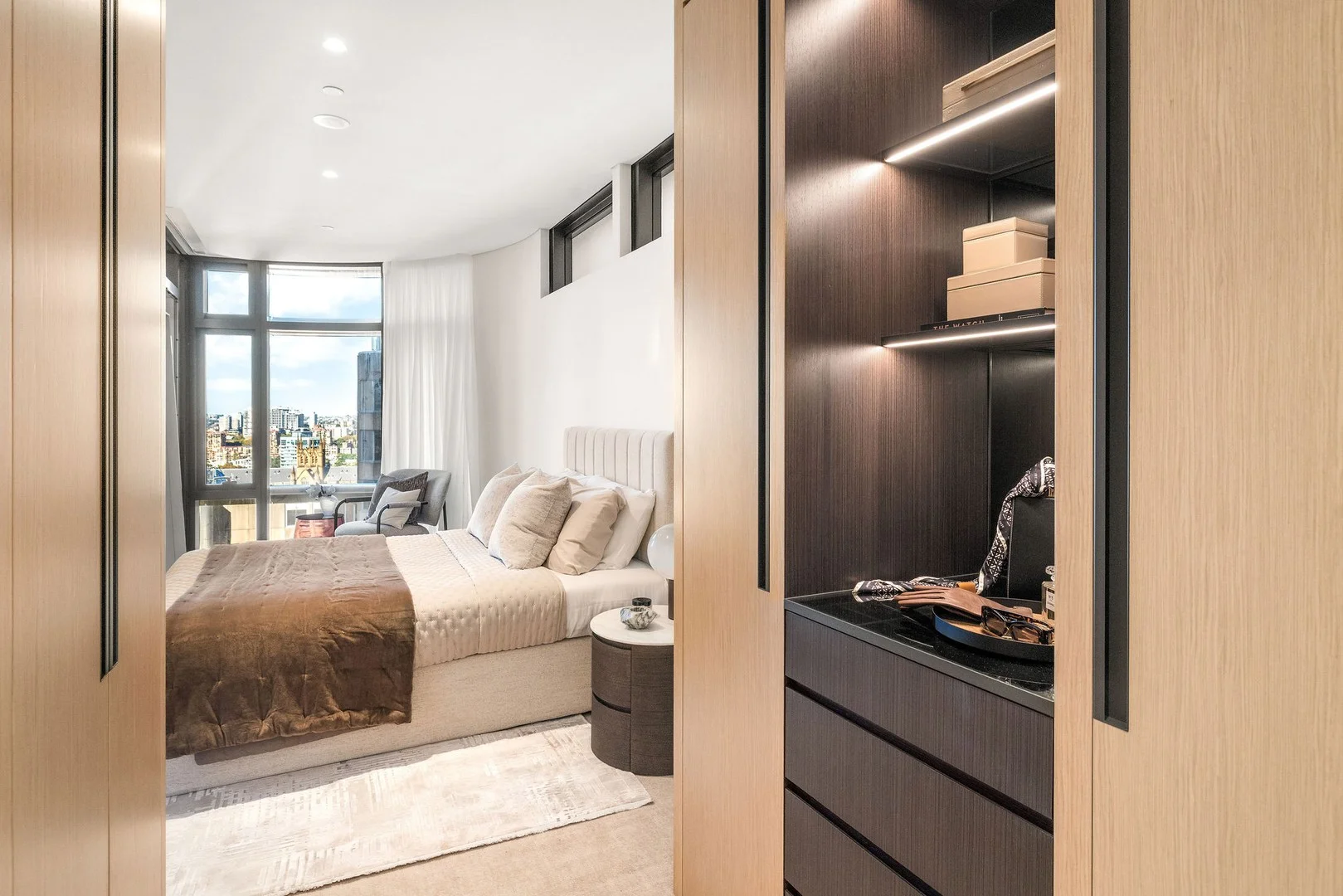 $2,745,000
propertyType.NEW APARTMENTS / OFF THE PLAN
$2,745,000
propertyType.NEW APARTMENTS / OFF THE PLAN
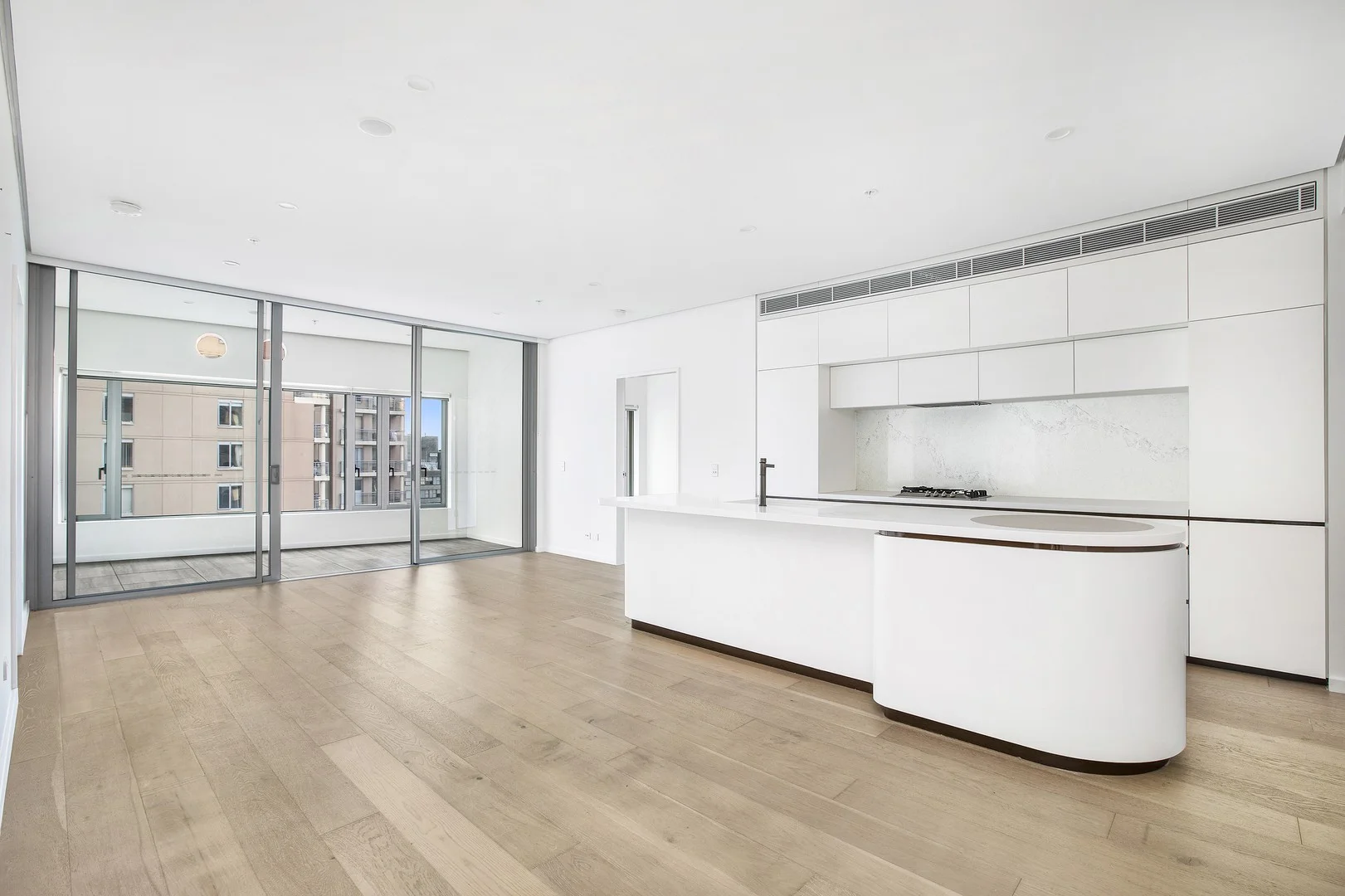 $2,250,000
Apartment / Unit / Flat
$2,250,000
Apartment / Unit / Flat
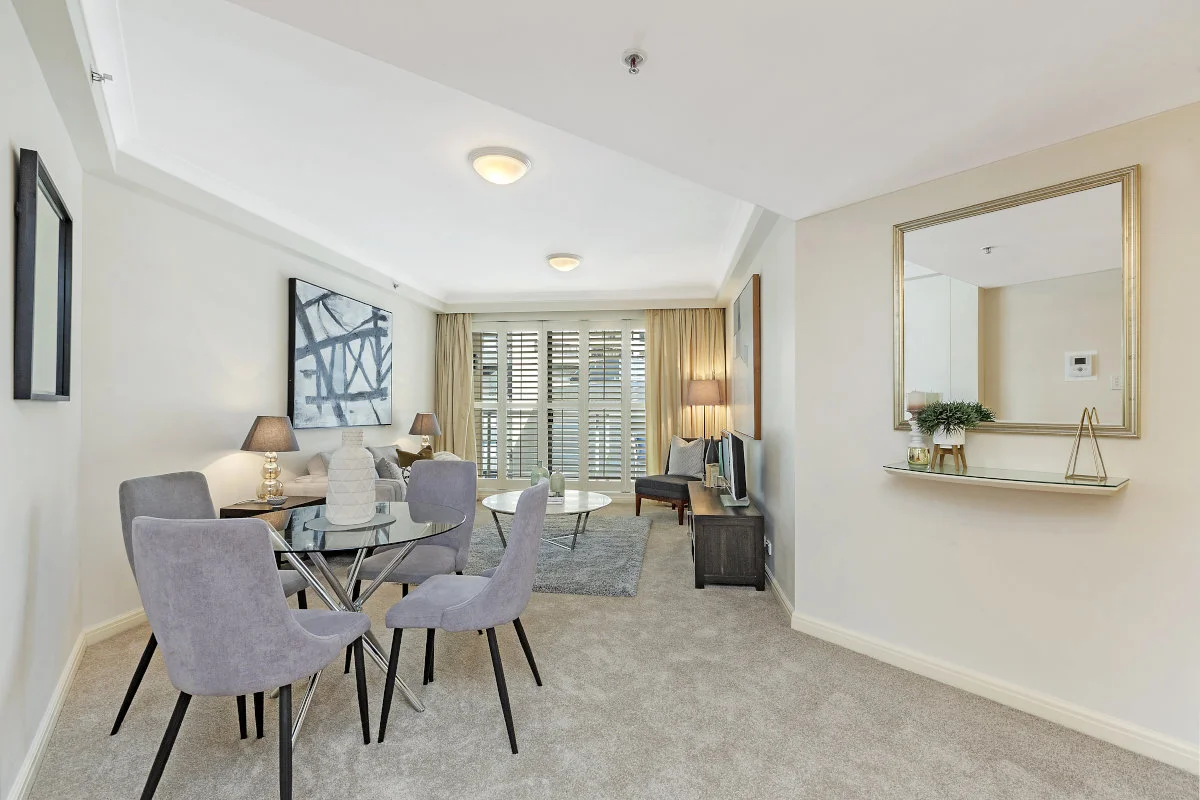 $660,000 - $725,000
Apartment / Unit / Flat
$660,000 - $725,000
Apartment / Unit / Flat
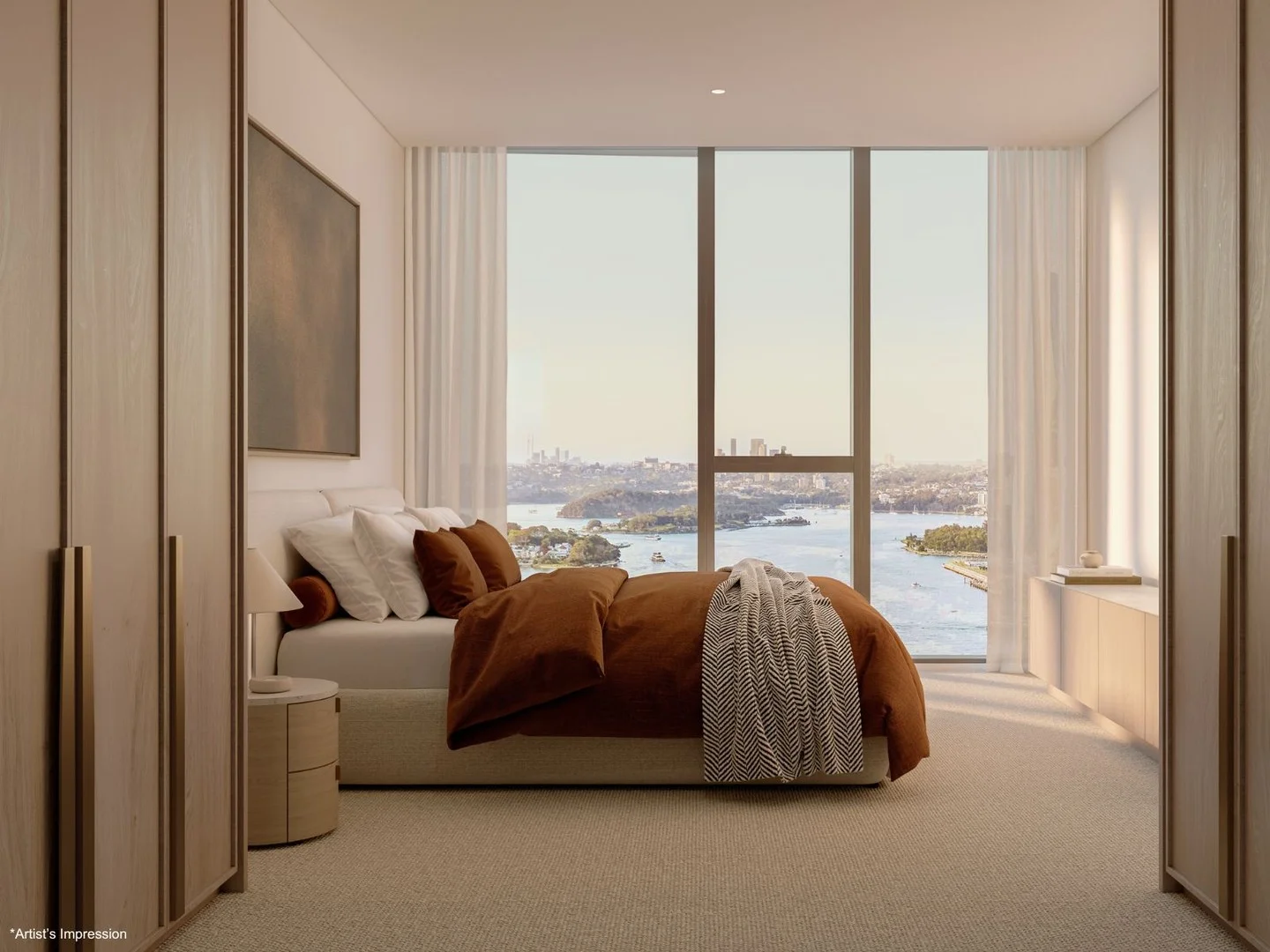 $8,630,000
propertyType.NEW APARTMENTS / OFF THE PLAN
$8,630,000
propertyType.NEW APARTMENTS / OFF THE PLAN
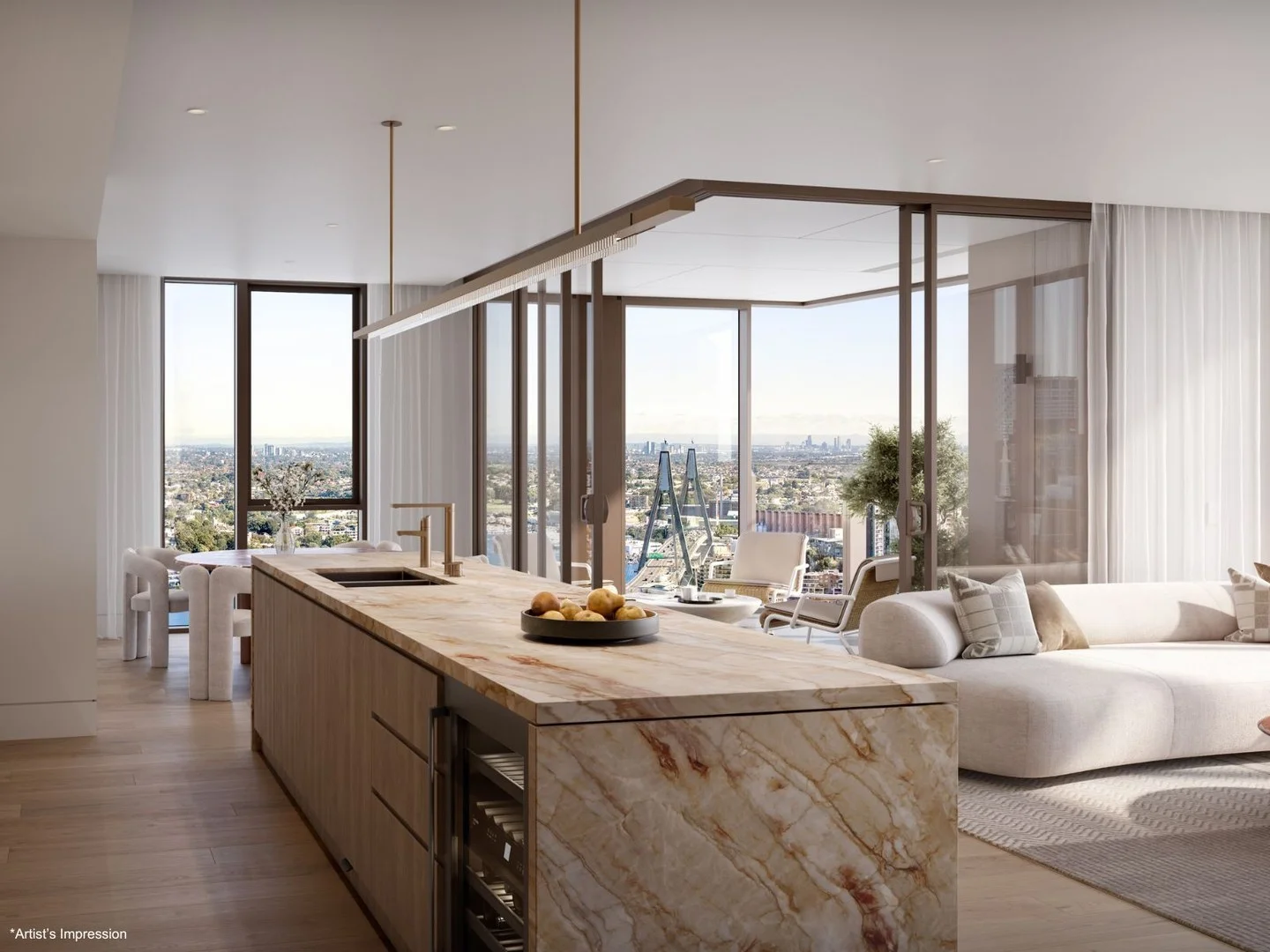 $9,020,000
propertyType.NEW APARTMENTS / OFF THE PLAN
$9,020,000
propertyType.NEW APARTMENTS / OFF THE PLAN
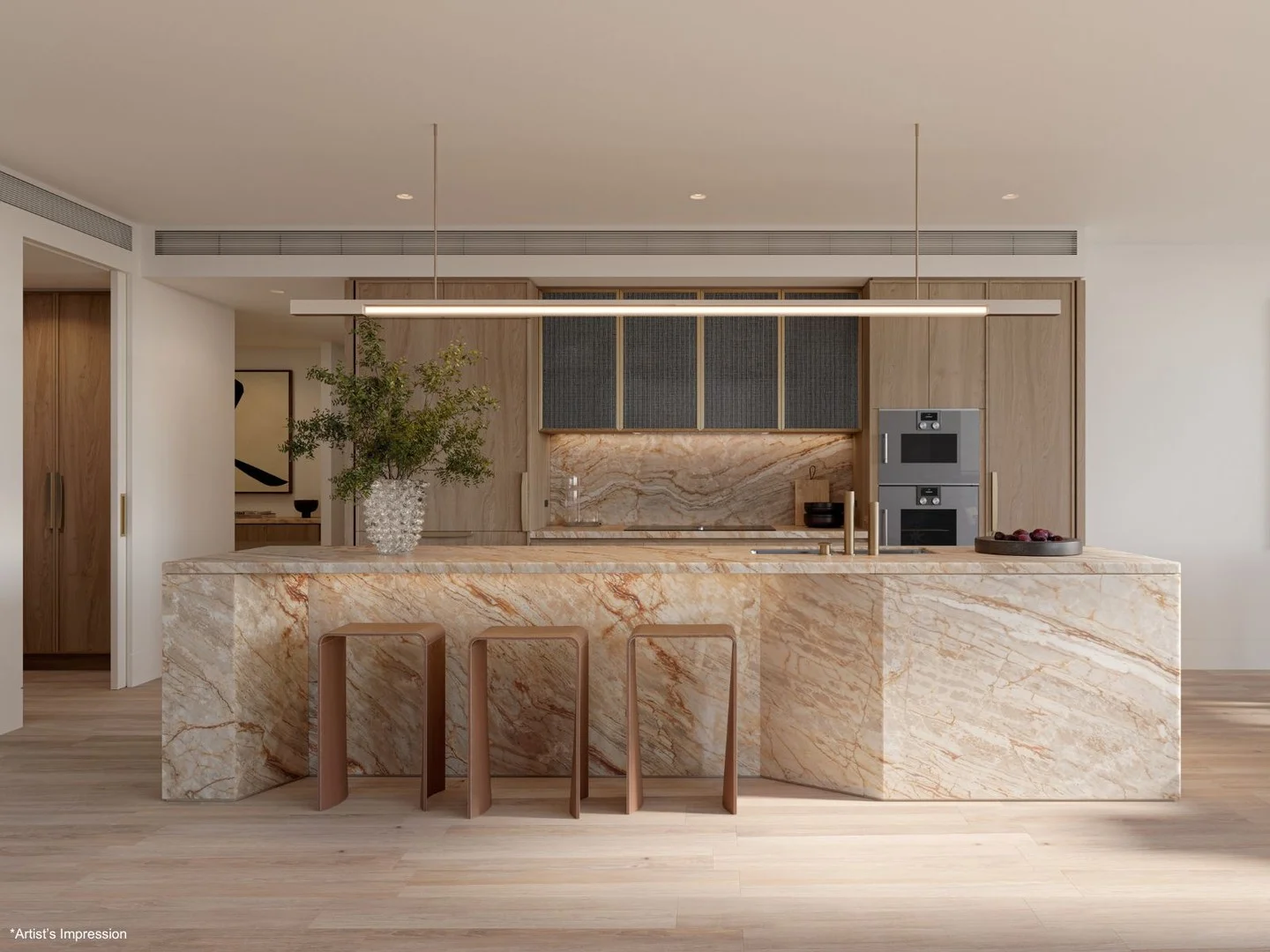 $6,225,000
propertyType.NEW APARTMENTS / OFF THE PLAN
$6,225,000
propertyType.NEW APARTMENTS / OFF THE PLAN
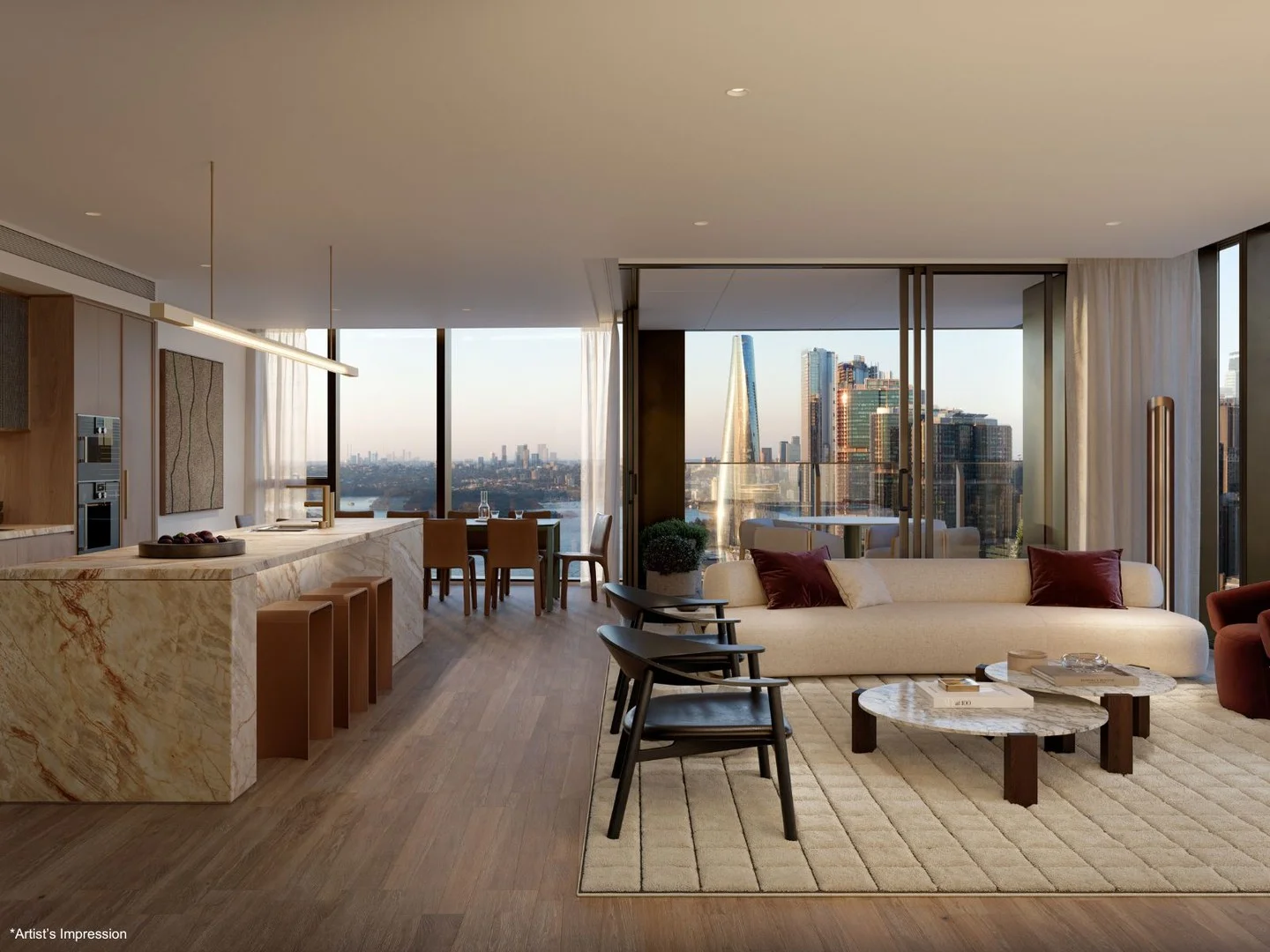 $12,980,000
propertyType.NEW APARTMENTS / OFF THE PLAN
$12,980,000
propertyType.NEW APARTMENTS / OFF THE PLAN


