# Overview
St John’s Primary School Scarborough is a Catholic, co-educational private primary school that serves families in the Scarborough area and surrounding suburbs. The school maintains a small-to-medium size community, with class sizes typically in the low-to-mid 20s. The atmosphere is nurturing and inclusive, emphasising faith-based values alongside a broad, engaging curriculum. The school aims to cultivate a supportive culture where students feel cared for, challenged, and part of a positive, faith-centered community.
As part of its Catholic identity, the school emphasises spiritual formation, service, and community connection while delivering a comprehensive learning program. The environment is designed to balance academic growth with pastoral care, helping students develop resilience, integrity, and a sense of belonging.
# Academics & Learning
- Academic strengths: Strong emphasis on literacy and numeracy, with a focus on STEM concepts, critical thinking, and a broad core curriculum. The school also promotes leadership development and engages students in inquiry-based learning.
- Special programs: Religious education is integrated throughout the curriculum, with opportunities for enrichment and, where available, targeted extension activities for gifted and talented students.
- NAPLAN trends: Over recent years, core areas have shown stable to improving performance, reflecting continued focus on foundational skills and higher-order thinking.
- Student-teacher ratios: Class sizes are designed to support individual attention, typically around 1:15 to 1:20, depending on year level.
- Support for diverse learners: Programs and supports for diverse learners are in place, including EAL (English as an Additional Language) support and targeted SEN (Special Educational Needs) support where needed.
# Sports & Extracurricular Strengths
- Sports offered: Football (soccer), basketball, netball, athletics, cross-country, swimming, and other age-appropriate team activities.
- Strong teams or achievements: The school participates in local interschool competitions and fosters school-level teams and programs that encourage participation and achievement.
- Music, arts, drama programs: Active music and performing arts programs, including choir or band opportunities and school productions.
- Clubs: Robotics, coding, chess, debating, and other enrichment clubs support a well-rounded program.
- Partnerships: Engagements with local clubs and regional competitions provide additional opportunities for competition and performance.
# Wellbeing & Pastoral Care
- Anti-bullying approach: Proactive, values-based approach with clear policies and programs to promote respectful behaviour and a safe school environment.
- House system: A house-based structure is used to foster community, belonging, and healthy competition through school events and activities.
- Counsellors / wellbeing officers: Access to school counsellors or wellbeing staff to support student emotional and social development.
- Transition support for new students: Orientation programs, buddy systems, and targeted support help students settle into the school environment and new year levels.
# Facilities
- Sports grounds: Dedicated outdoor spaces for PE, sport, and play.
- Libraries: Well-stocked library supporting literacy and research.
- Science labs: Dedicated spaces for science experiments and practical investigations.
- Music/performing arts centers: Facilities supportive of music, drama, and performance.
- Tech/innovation labs: Resources for technology, coding, and creative projects.
- Cafeteria: On-site dining facilities or canteen services.
- Updated playgrounds: Modern, age-appropriate play areas.
# School Values & Community Culture
- School values / mission: A faith-informed mission with core values such as respect, responsibility, compassion, and resilience.
- Leadership style: Student leadership opportunities paired with supportive teacher guidance; emphasis on active student voice and involvement.
- Behaviour expectations: Clear guidelines aligned with the school’s values, with consistent reinforcement and positive behaviour supports.
- Community reputation: Recognised for a caring, family-friendly environment and strong community partnerships.
- Diversity & inclusion: Committed to an inclusive culture that welcomes students from diverse backgrounds and abilities.
# School Logistics & Daily Operations
- School hours: Typically around 8:30am–3:00pm, with possible variations by year level.
- Before/after school care: Availability of before- and after-school care or supervision.
- Uniform requirements: School uniform policy in place, with guidelines for everyday and formal wear.
- Transport (train/bus routes): Access to transport options and local bus routes suitable for families in the area.
- Canteen availability: On-site canteen or meal provisions for students.
- Fees (low/medium/high ranges): Fees are in the mid-range for independent Catholic primary schools, with additional costs for excursions, camps, and elective activities as applicable.
# Enrolment & Admissions
11. What is the enrolment process and timeline?
- Applications are typically invited ahead of the start of each academic year, with information sessions for prospective families. The process generally includes submitting a completed enrolment form, providing required documentation (birth certificate, immunisation records, proof of address), and completing any school-specific steps or interviews as part of the admissions process. Timelines vary by intake year and level of entry.
12. Is there a waiting list, and how does it work?
- Some year levels may have waiting lists depending on capacity. When applicable, families are placed on a waiting list and notified about availability as spaces open. The school typically provides guidance on the process and expected timelines.
13. Are there any entry requirements, tests, or interviews?
- Entry usually involves a formal application and may include an information session or interview. Some schools may conduct a brief assessment or discussion to understand the student’s needs and fit with the program.
14. Does the school accept mid-year transfers?
- Mid-year transfers are sometimes possible, subject to space and alignment with the school’s enrolment policies. Prospective families should contact the admissions team promptly to discuss availability and requirements.
# Frequently Ask Questions
- Why Parents Choose This School?
- Families often choose this school for its strong sense of community, faith-based values, supportive staff, small-to-medium class sizes, and a well-rounded program that supports academic and spiritual growth.
- What type of student thrives at this school?
- Students who value a close-knit, values-driven environment, who are engaged in learning across academics, arts, sport, and service, and who respond well to personalised attention and collaborative learning.
- What opportunities are available for students to extend their skills (academics, sports, arts)?
- Extended opportunities include enrichment in literacy and numeracy, STEM/tech activities, music and performing arts, sport and physical education, robotics/coding, debating, and opportunities to participate in local competitions and community events.
- How does the school communicate with parents?
- Communication typically includes regular newsletters, a parent portal or online platform, progress updates from teachers, student reports, and parent-teacher meetings. Communications are designed to keep families informed about learning, events, and wellbeing.
- What is the school’s approach to teaching and learning?
- The approach is student-centered and inquiry-led, with an emphasis on core skills in literacy and numeracy, integrated technology, and a Catholic worldview that supports values-based education and holistic development.
- How does the school support students who need extra academic help?
- Support may include targeted interventions, small-group or one-on-one instruction, learning support staff, EAL programs, and collaboration with families to tailor strategies for improved progress.
- What support is available for academic challenges?
- Ongoing assessment and progress monitoring inform targeted supports, including remediation and accommodations, where appropriate, to help students overcome challenges and stay on track.
- How does the school communicate with parents? (Note: repeated)
- See above: regular newsletters, online platforms, meetings, and formal reports to maintain open dialogue with families.
- What are the class sizes and how much individual attention do students receive?
- Class sizes are designed to be small-to-medium, typically around 20–25 students, enabling teachers to provide more individualized feedback and support within the learning program.
- What extracurricular and sports opportunities are available?
- A range of sports, arts, and clubs are offered, including team sports, music and drama activities, robotics, coding, chess, and debating to support diverse interests and talents.
- What facilities does the school offer (sports, science, arts)?
- Facilities include sports grounds, libraries, science labs, a music/performing arts area, tech/innovation labs, a canteen, and updated outdoor play spaces.
- What is the school’s approach to technology and digital learning?
- Emphasis on responsible, integrated use of technology to enhance learning, including digital resources, learning platforms, and age-appropriate tech projects aligned with curriculum goals.
- What transport and accessibility options are available?
- Access to local transport options and bus routes, with considerations for families in the area and parking and accessibility on campus.
- What are the typical school fees or additional costs?
- Fees are in the mid-range for private Catholic primary schools, with additional costs for excursions, camps, uniforms, and certain extra-curricular activities.
# Short Pros & Cons list
- Pros
- Strong sense of community and faith-based values
- Small-to-medium class sizes enabling personalized attention
- Broad program across academics, arts, sport, and wellbeing
- Comprehensive pastoral care and wellbeing supports
- Modern facilities and dedicated learning spaces
- Cons
- As a private Catholic school, religious affiliation is a key characteristic (not ideal for non-Catholic families)
- Fees may be higher than public options, with additional costs for some activities
- Availability can vary by year level, with potential waiting lists
- The emphasis on uniform and school routines may feel restrictive to some families











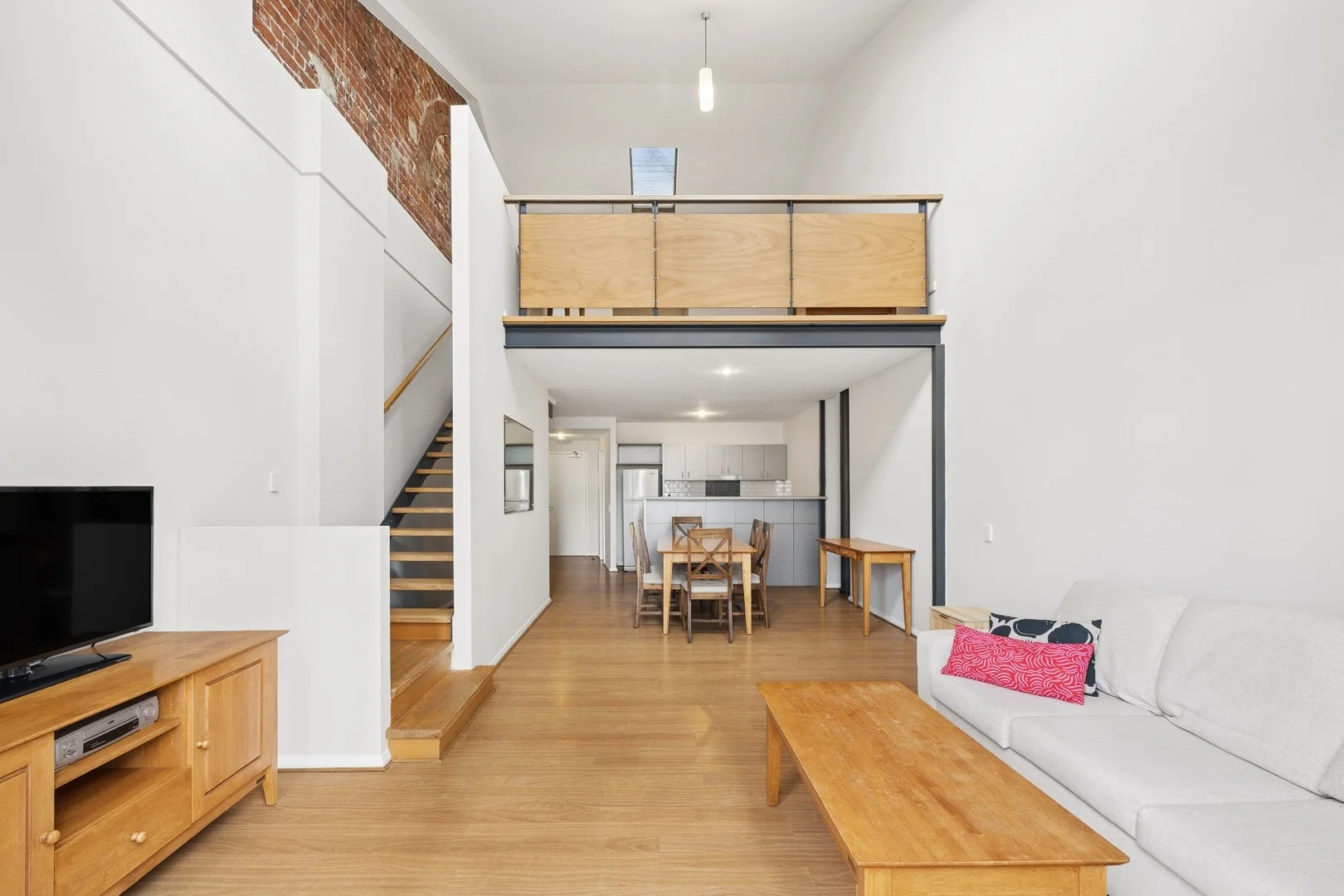 $549,000
Apartment / Unit / Flat
$549,000
Apartment / Unit / Flat
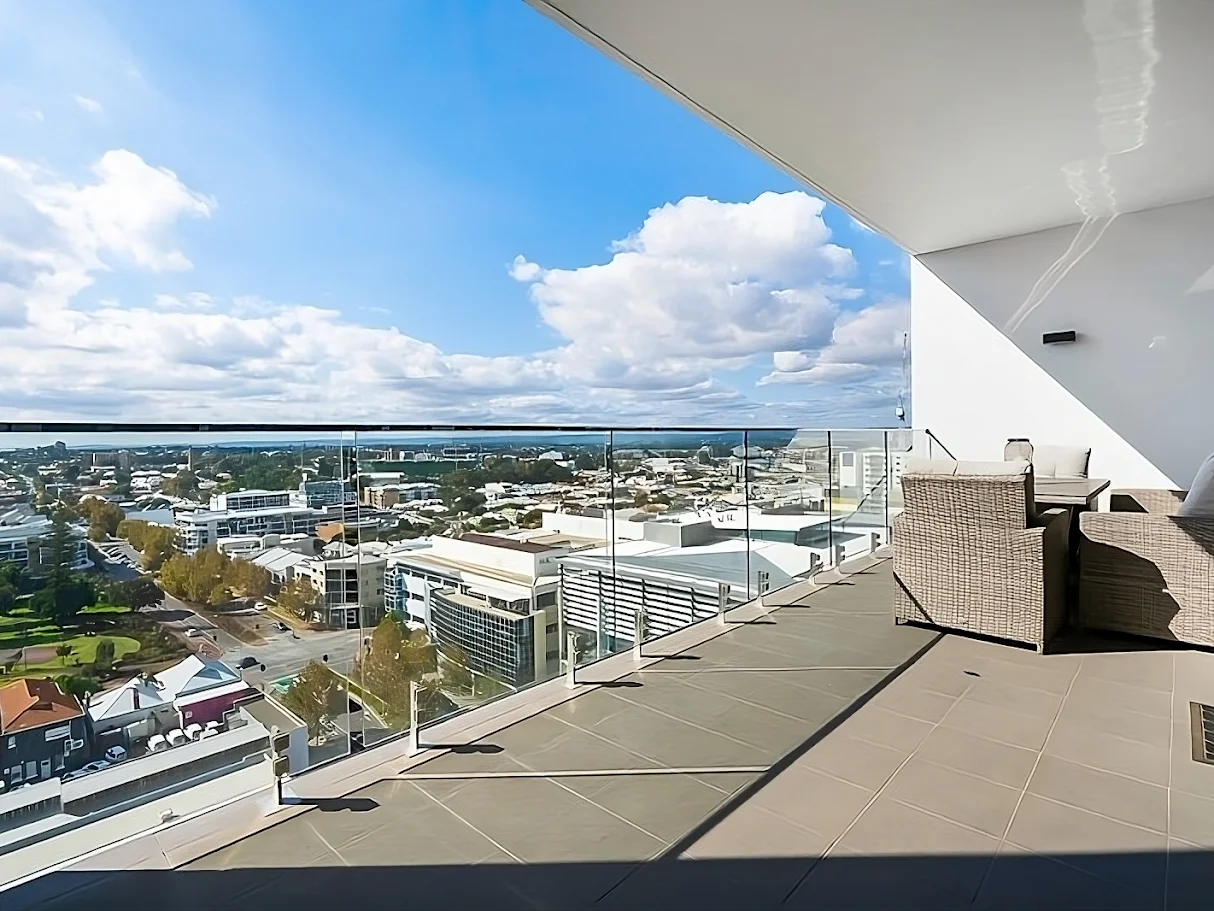 $580,000
Apartment / Unit / Flat
$580,000
Apartment / Unit / Flat
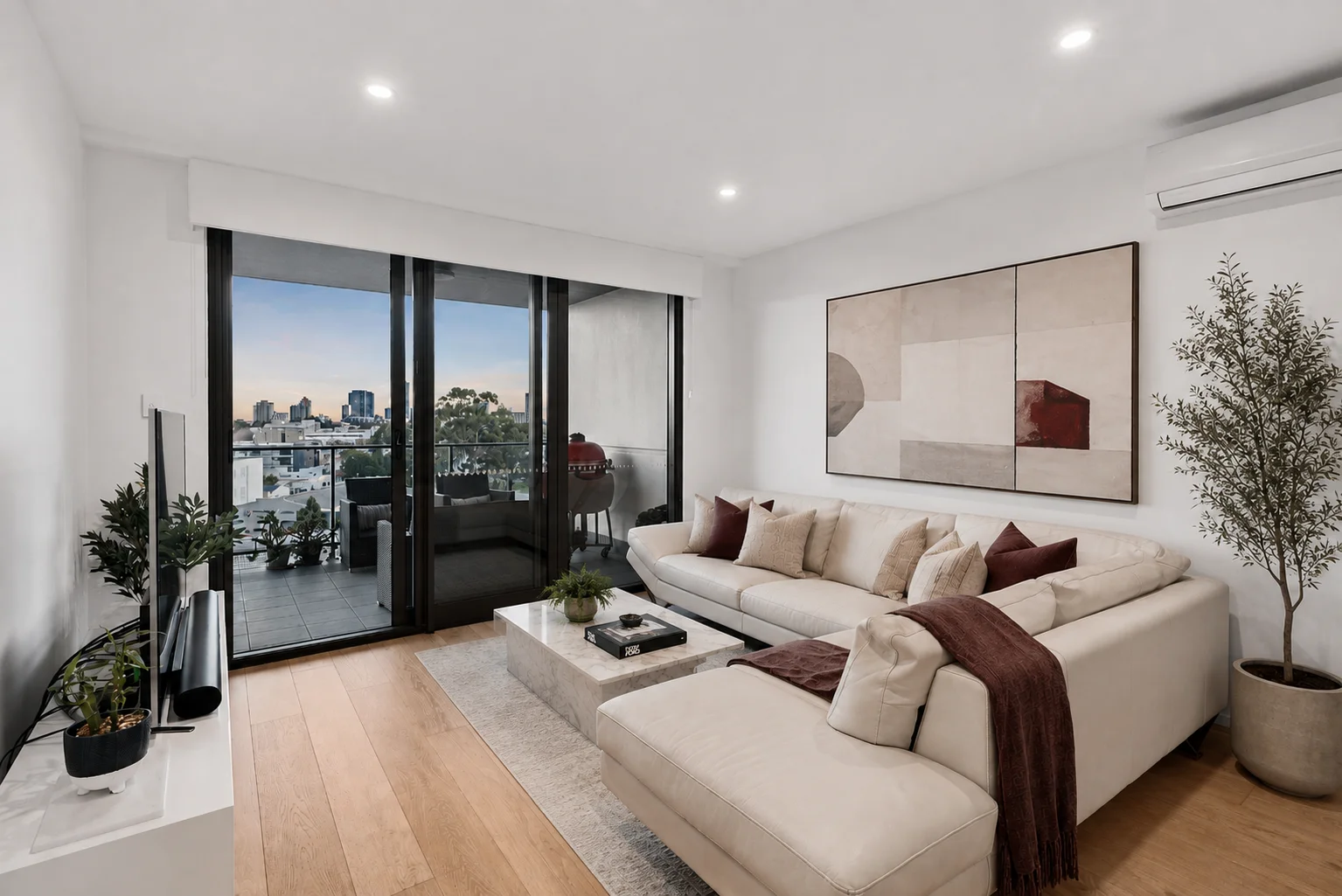 $700,000
Apartment / Unit / Flat
$700,000
Apartment / Unit / Flat


