## 1. Overview
St Joseph's College Ferntree Gully is a Catholic school serving families in Melbourne's eastern suburbs. The school emphasises a values-based education within a supportive, inclusive community, aiming to nurture academic success alongside faith, service and character.
- School type: Catholic
- School size: medium
- Class size: typically in the low-to-mid 20s
- Atmosphere/culture: nurturing, inclusive, academically focused
## 2. Academics & Learning
- Academic strengths: solid English and mathematics foundations, strong engagement in STEM, leadership development and modern language offerings.
- Special programs: gifted/talented pathways, accelerated learning options where available, and Catholic Education programs to support every learner.
- NAPLAN trends: generally steady performance with gradual improvements across key areas over recent years; emphasis on sustaining reading, writing and numeracy growth.
- Student-teacher ratios: balanced classroom environments with ratios approximately in the low teens to mid-teens for individual attention, while class sizes sit in the low-to-mid 20s.
- Support for diverse learners: dedicated EAL and SEN support, with targeted interventions and inclusive practices to help students reach their potential.
## 3. Sports & Extracurricular Strengths
- Sports offered: football (soccer), basketball, cricket, netball, athletics, swimming and other school-based programs.
- Strong teams or achievements: competitive teams in local and district competitions with a focus on teamwork and sportsmanship.
- Music, arts, drama programs: active music ensembles, choirs and annual drama productions; opportunities to participate in arts across disciplines.
- Clubs: robotics, chess, coding, debating and other co-curricular clubs supporting a well-rounded student experience.
- Partnerships: connections with local clubs, inter-school competitions, and external programs to extend opportunities outside the classroom.
This section is designed to appeal to parents of boys aged 10–14, highlighting practical, results-oriented programs alongside broad extracurricular options.
## 4. Wellbeing & Pastoral Care
- Anti-bullying approach: proactive wellbeing programs and clear policies promoting respect, safety and inclusion.
- House system: house-based structure providing mentorship, community events and friendly competition to foster belonging.
- Counsellors / wellbeing officers: access to school-based counsellors and wellbeing staff to support mental health, resilience and transition.
- Transition support for new students: orientation activities, buddy systems and targeted support during key entry periods to ease adjustment.
## 5. Facilities
- Sports grounds: on-site facilities for outdoor sport and physical education.
- Libraries: well-stocked library with study spaces and resources for learning.
- Science labs: dedicated science facilities to support practical experiments and inquiry.
- Music/performing arts centers: performance spaces and practice rooms for music and drama.
- Tech/innovation labs: areas for technology, coding and hands-on projects.
- Cafeteria: on-site canteen with meals and snacks.
- Updated playgrounds: functional outdoor spaces designed for safe play and recreation.
## 6. School Values & Community Culture
- School values / mission: faith-informed education emphasising compassion, integrity, service and excellence.
- Leadership style: student-centred and collaborative, with opportunities for student voice and leadership roles.
- Behaviour expectations: clear codes of conduct prioritising respect, responsibility and safety.
- Community reputation: known for a welcoming Catholic school culture and active family involvement.
- Diversity & inclusion: commitment to inclusive practice and respect for diverse backgrounds and abilities.
## 7. School Logistics & Daily Operations
- School hours: typical Victorian school day with start and finish times aligned to standard arrangements.
- Before/after school care: available via in-school or partner arrangements to support families.
- Uniform requirements: school uniform required, with guidelines covering daily wear and approved accessories.
- Transport (train/bus routes): accessible by regional transport options; information on public transport and school pickup/drop-off can be provided on request.
- Canteen availability: canteen or food service during the day to support student needs.
- Fees (low/medium/high ranges): fees generally sit in the mid-range for private Catholic education in the area, with variations by year level and program.
## 8. Enrolment & Admissions
- 11. What is the enrolment process and timeline?
- Typically, families submit an application/expression of interest, attend open/introductory sessions, and complete any required documentation. Processing times and intake years (often Year 7, with some spaces in other years) are advised by the school each year.
- 12. Is there a waiting list, and how does it work?
- Waiting lists may apply when demand exceeds places. Priority can be given to siblings, Catholic families, and other criteria set by the school. Waiting list timings are communicated at application.
- 13. Are there any entry requirements, tests, or interviews?
- Some entry pathways may require confirmation of Catholic affiliation or baptism, and schools may conduct interviews or use in-house assessments for selective programs. Academic records and previous schooling information are often requested.
- 14. Does the school accept mid-year transfers?
- Mid-year transfers may be possible if places are available and the school can accommodate the student’s needs; approval depends on space and alignment with curriculum and year level requirements.
## 9. Frequently Asked Questions
- Why Parents Choose This School?
- A values-based Catholic education, supportive community, focus on holistic development and accessible pathways for academic growth.
- What type of student thrives at this school?
- Students who value a balanced approach to academics, faith, wellbeing and sport/arts, and who respond well to a supportive, collaborative environment.
- What opportunities are available for students to extend their skills (academics, sports, arts)?
- Strong core academics, leadership development, STEM and language options, diverse co-curriculars (sports, music, drama, robotics, debating).
- How does the school communicate with parents?
- Regular updates via newsletters, events, meetings, and digital platforms; clear channels through pastoral care and administration.
- What is the school’s approach to teaching and learning?
- Faith-informed, student-centred learning with emphasis on critical thinking, collaboration, and real-world projects.
- How does the school support students who need extra academic help?
- Targeted intervention, EAL/SEN support, small-group tutoring and personalised learning plans where appropriate.
- What support is available for academic challenges?
- Academic mentoring, access to teachers and support staff, and referral to appropriate specialists or programs.
- How does the school communicate with parents?
- See above: regular updates, meetings, and digital communication tools.
- What are the class sizes and how much individual attention do students receive?
- Class sizes in the low-to-mid 20s with teacher time and targeted support designed to maximize each student’s learning.
- What extracurricular and sports opportunities are available?
- A broad mix including sports, music, drama, robotics, coding, chess, debating and other clubs.
- What facilities does the school offer (sports, science, arts)?
- Modern sports facilities, libraries, science labs, performing arts spaces, technology and innovation labs, and catering facilities.
- What is the school’s approach to technology and digital learning?
- Integrated digital learning with appropriate tech tools, coding and information literacy embedded in the curriculum.
- What transport and accessibility options are available?
- Public transport access and likely school-arranged arrangements; specifics provided on request.
- What are the typical school fees or additional costs?
- Fees are in the mid-range for private Catholic schools in the area, with variations by year level and program; ask for a current fee schedule.
## 10. Short Pros & Cons list
- Pros
- Catholic, values-based education in a supportive community
- Balanced class sizes and opportunities for individual attention
- Broad range of academic, sport and arts programs
- Strong wellbeing and pastoral support
- Active co-curricular scene with clubs and competitions
- Cons
- Fees applicable (typical for private Catholic schools)
- Place availability may be limited depending on year and programs
- Some specialty programs may have selective entry or wait lists
If you’d like, I can tailor this content further with more precise details you provide (such as current enrolment numbers, specific facilities, or the school’s latest programs).

 Free
Free












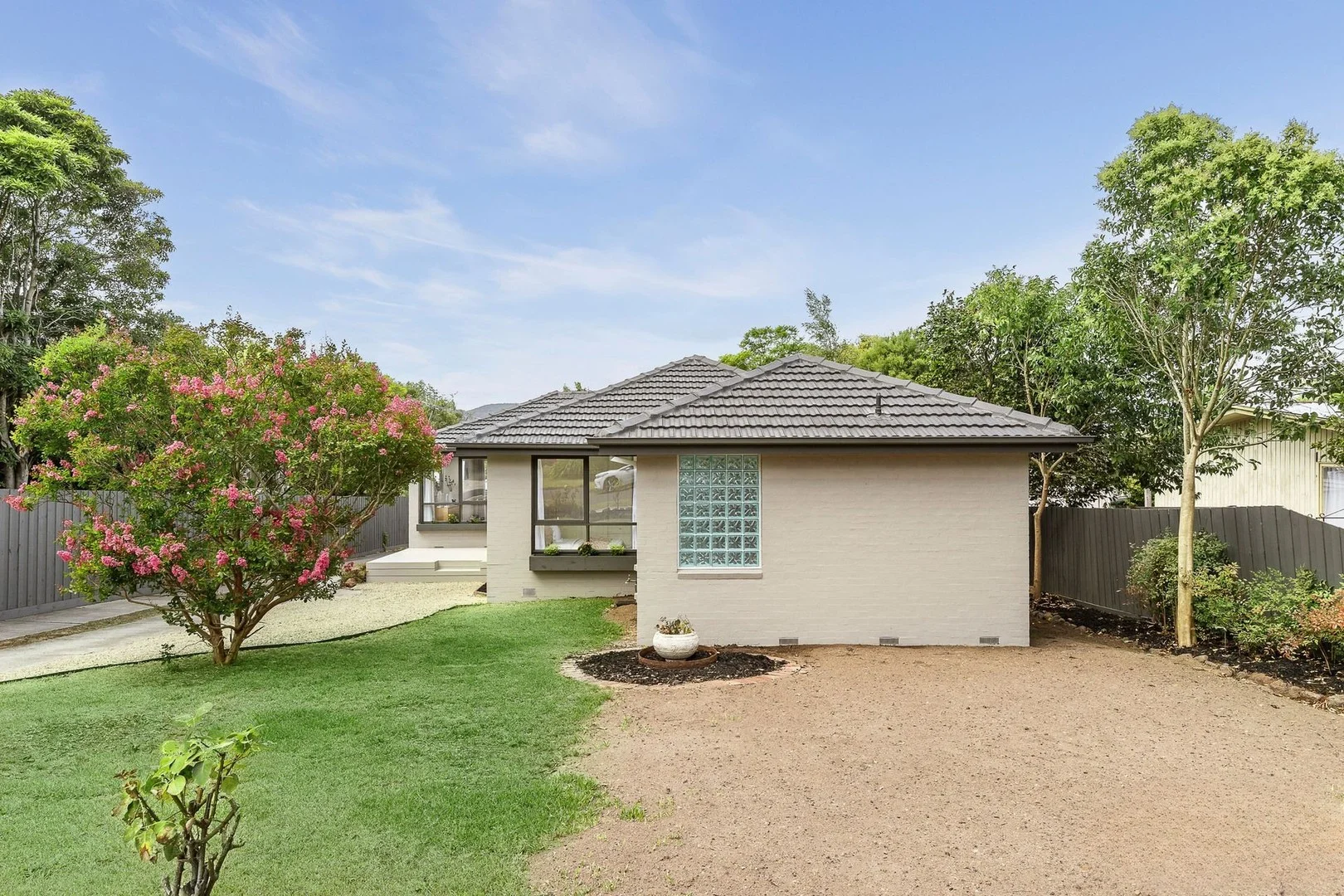 $700
Apartment / Unit / Flat
$700
Apartment / Unit / Flat
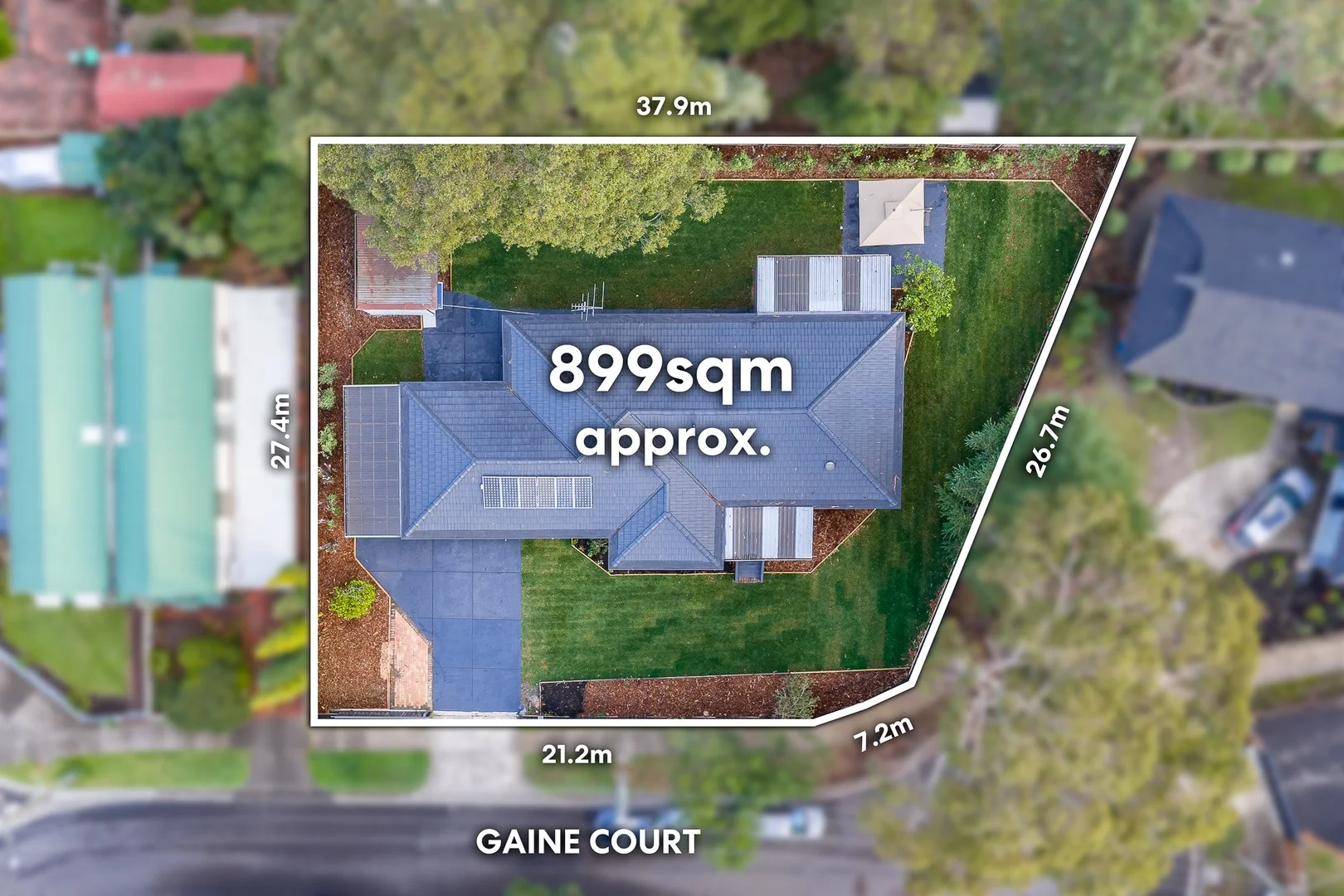 $990,000 - $1,080,000
House
$990,000 - $1,080,000
House
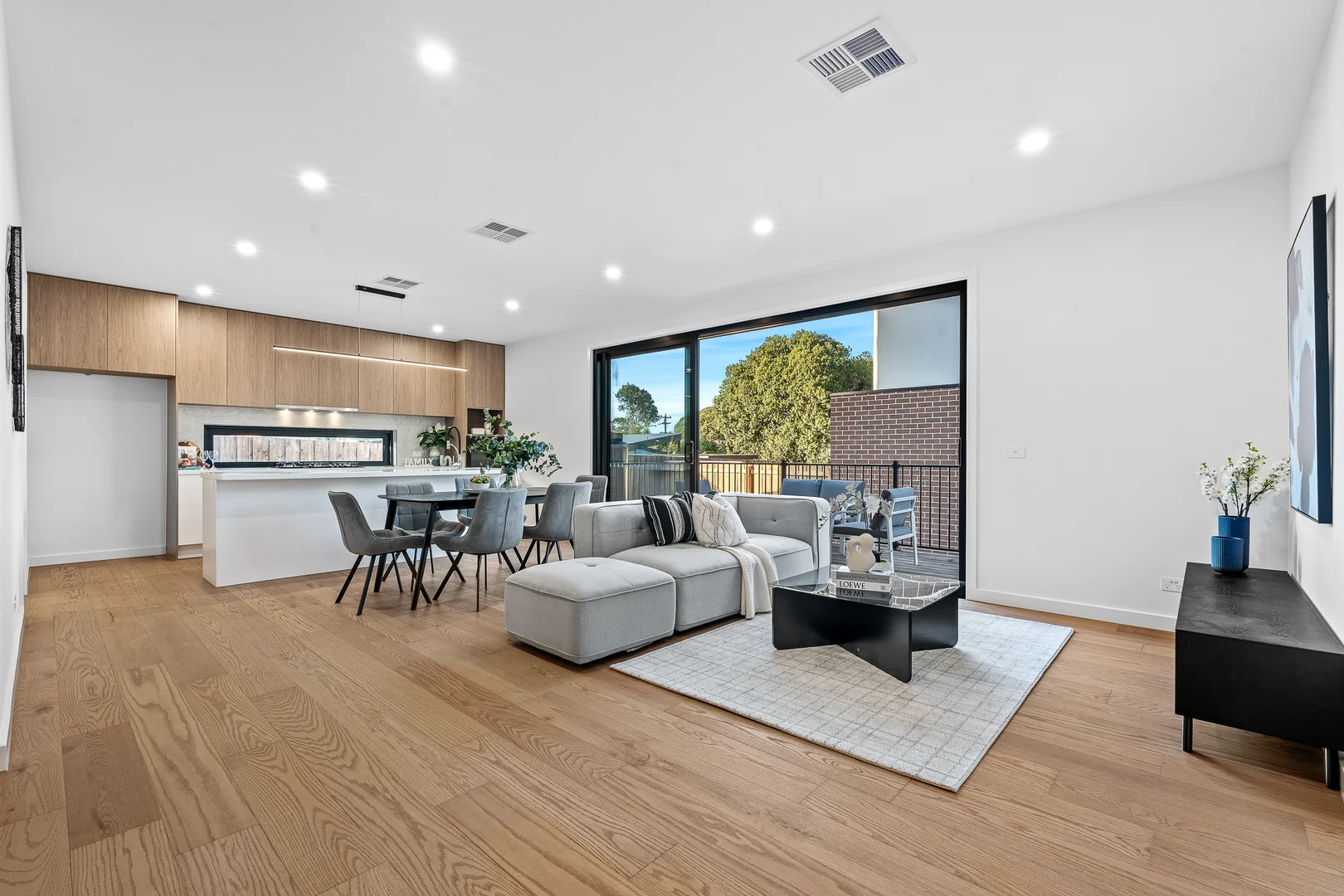 $990,000 - $1,080,000
Townhouse
$990,000 - $1,080,000
Townhouse
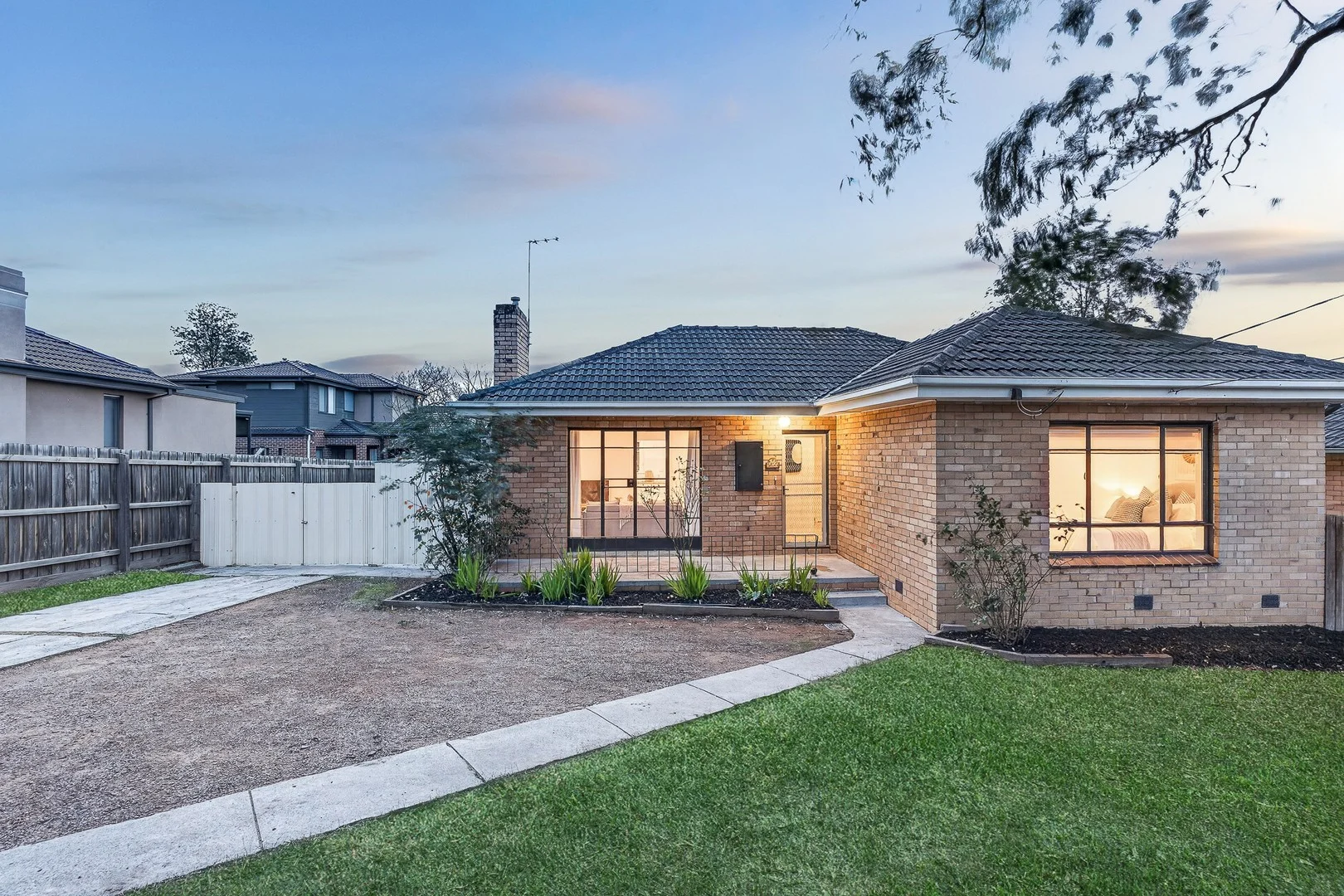 $720,000 - $780,000
House
$720,000 - $780,000
House
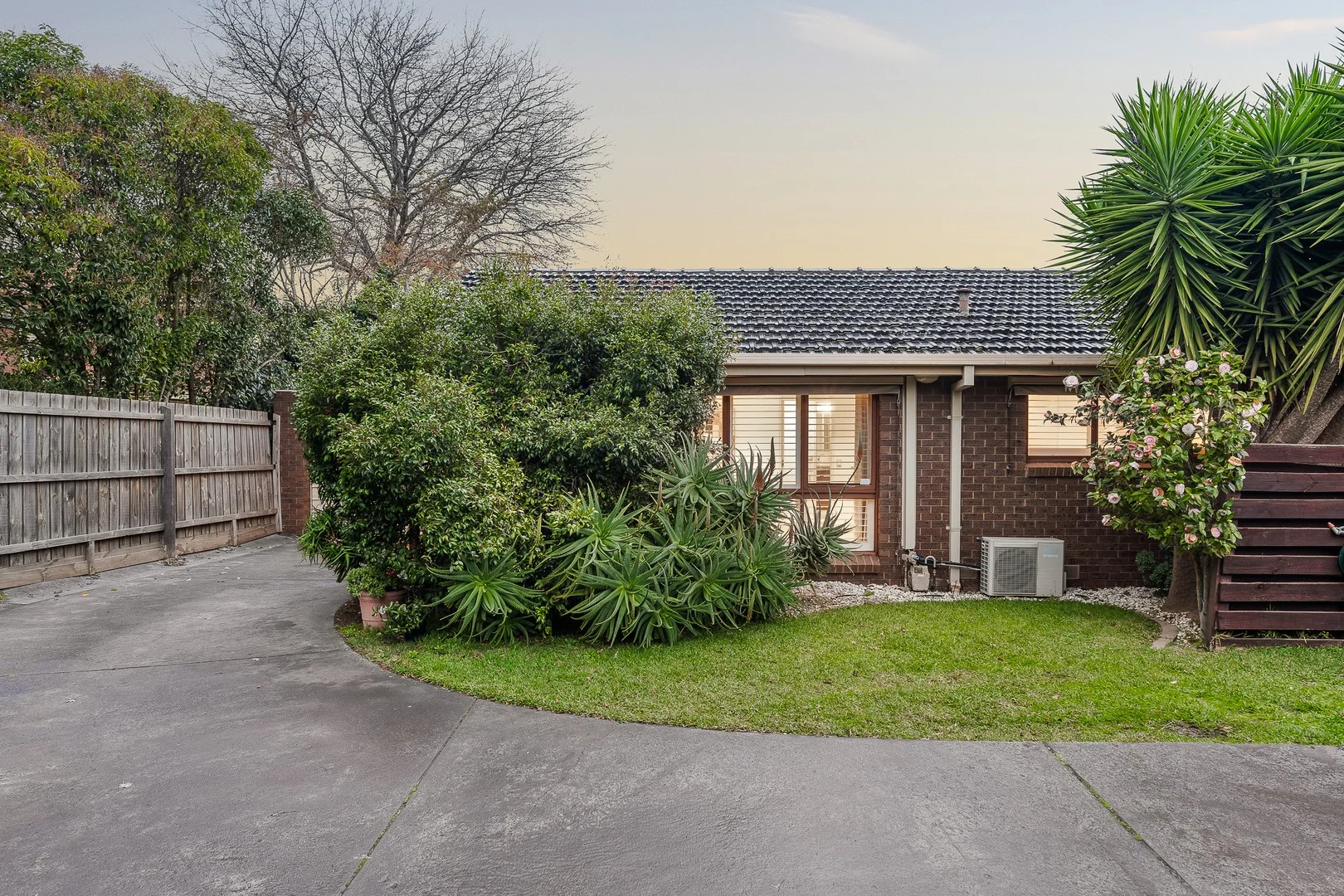 $770,000 - $820,000
Apartment / Unit / Flat
$770,000 - $820,000
Apartment / Unit / Flat
 $1,300,000
House
$1,300,000
House


