## Overview
St Joseph’s Primary School Boronia is a Catholic, co-educational primary school serving families in Boronia, VIC. The school emphasises faith-based learning within a nurturing, inclusive community, balancing strong academic foundations with pastoral care and character development. It is a medium-sized school that supports a supportive atmosphere where students are known by name and encouraged to participate in school life.
Class sizes are typically in the 20–25 range, fostering close teacher-student relationships and opportunities for individualized attention. The environment aims to be welcoming to families from diverse backgrounds, with a focus on values, respect, and community involvement.
⸻
## Academics & Learning
- Academic strengths: Literacy and numeracy foundations are prioritized, with opportunities for growth in inquiry-based learning, collaboration, and digital literacy. The school also emphasises faith-based values that support character development alongside academic work.
- Special programs: Religious education and faith formation sit at the core, with classroom programs designed to integrate spiritual development, as well as opportunities for student leadership, library literacy initiatives, and technology integration. Gifted and Talented opportunities are provided where available.
- NAPLAN trends: Over recent years, the school has shown steady progress with strengths in reading and numeracy. Trends typically reflect solid performance relative to state averages, with continued focus on literacy, numeracy, and writing improvement.
- Student-teacher ratios: Class sizes around 20–25 students, with a typical student-teacher ratio in the vicinity of 1:12 to 1:20 depending on year level and staffing.
- Support for diverse learners: Inclusive education supports students with diverse learning needs, including targeted support within the classroom and access to additional learning support staff. EAL and SEN considerations are addressed through structured supports and referrals as needed.
⸻
## Sports & Extracurricular Strengths
- Sports offered: A range of team and individual sports are available, including netball, basketball, soccer, AFL-style programs, cricket, athletics, and swimming activities through the school calendar.
- Strong teams or achievements: The school participates in local district and Catholic school sporting events, with opportunities for students to contribute to school teams and representative pathways.
- Music, arts, drama programs: Regular music and performing arts opportunities, choir, school productions, and opportunities to showcase talents through assemblies and events.
- Clubs: Robotics, chess, coding, debating, and various hobby/interest clubs are available to broaden student skills beyond the core curriculum.
- Partnerships: Connections with local community clubs and district competitions provide additional pathways for sport, arts, and STEM activities, enriching students’ experiences beyond the classroom.
⸻
## Wellbeing & Pastoral Care
- Anti-bullying approach: A proactive anti-bullying framework with clear policies, age-appropriate education, and reporting pathways to keep the school community safe and respectful.
- House system: A house-based structure promotes belonging, teamwork, and healthy, friendly competition across age groups.
- Counsellors / wellbeing officers: A dedicated wellbeing team supports social and emotional learning, with access to school chaplaincy or pastoral care as part of the supportive environment.
- Transition support for new students: Orientation activities, buddy systems, and family information sessions help new students settle in smoothly and build confidence in their transition.
⸻
## Facilities
- Sports grounds
- Libraries
- Science labs
- Music/performing arts centers
- Tech/innovation labs
- Cafeteria
- Updated playgrounds
Facilities are presented in a visually simple way to help families picture everyday school life and opportunities for exploration and learning.
⸻
## School Values & Community Culture
- School values / mission: A strong Catholic foundation informs daily life, with emphasis on respect, responsibility, compassion, and service to others.
- Leadership style: A collaborative, student-centred approach that encourages student voice, leadership opportunities, and active parent involvement.
- Behaviour expectations: Clear, consistently applied expectations and a positive behaviour support approach across all year levels.
- Community reputation: The school is generally viewed as a supportive, engaged community with active parent involvement and community partnerships.
- Diversity & inclusion: A welcoming, inclusive environment that respects and supports students from diverse backgrounds and abilities.
⸻
## School Logistics & Daily Operations
- School hours: Typical daily schedule aligns with standard primary hours, with start and finish times designed to fit families’ routines.
- Before/after school care: After-school care arrangements are available, with options to suit families’ needs; some services may be provided on site or through partnerships.
- Uniform requirements: Uniforms are required, with seasonal variations (summer/winter) and sports uniforms; hats and sun protection are part of the dress code.
- Transport (train/bus routes): Access via local bus routes and nearby rail options; proximity to public transport supports ease of commuting for families.
- Canteen availability: A canteen and/or lunch provision is available on designated days to support student needs.
- Fees (low/medium/high ranges): Fees are typically in the mid-range for primary Catholic schools, with information on additional costs or voluntary contributions provided by the school.
⸻
## Enrolment & Admissions
11. What is the enrolment process and timeline?
- Families typically attend an information session or open day, submit an application, and provide required documentation. The school outlines a timeline for application, interview (if applicable), and a decision notification. The timeline can vary by year and intake.
12. Is there a waiting list, and how does it work?
- Waiting lists may apply if vacancies are limited. Applications can be placed on a waiting list, and priority is often given based on enrolment policies, sibling criteria, and available space.
13. Are there any entry requirements, tests, or interviews?
- Most Catholic primary schools in Victoria do not require standardised entrance tests. An information session and family interview or meet-and-greet with students may occur to discuss fit, faith formation, and support needs.
14. Does the school accept mid-year transfers?
- Mid-year transfers are considered subject to vacancy and meeting documentation requirements. Families should contact the school for availability and transfer procedures.
⸻
## Frequently Ask Questions
- Why Parents Choose This School?
- Families value the Catholic ethos, supportive community, and emphasis on holistic development, with attentive pastoral care and a welcoming culture for children and families.
- What type of student thrives at this school?
- Students who enjoy a faith-informed, inclusive learning environment, who engage well with both academic tasks and extracurricular opportunities, and who benefit from strong pastoral support.
- What opportunities are available for students to extend their skills (academics, sports, arts)?
- Access to diverse clubs (robotics, chess, coding, debating), sports teams, performing arts, and leadership roles, alongside quality literacy and numeracy programs.
- How does the school communicate with parents?
- Regular updates through newsletters, dashboards, parent-teacher conferences, and digital platforms that share progress, events, and upcoming activities.
- What is the school’s approach to teaching and learning?
- A balanced approach that integrates faith-based values with evidence-based pedagogy, focus on literacy and numeracy, inquiry-based learning, and inclusive practices to support all learners.
- How does the school support students who need extra academic help?
- Targeted in-class support, learning plans, access to learning support staff, and referrals to additional services as needed.
- What support is available for academic challenges?
- Early identification, tailored interventions, and ongoing monitoring to help students catch up or progress with peers.
- How does the school communicate with parents?
- See above; multiple channels are used to keep families informed and engaged in their child’s education.
- What are the class sizes and how much individual attention do students receive?
- Class sizes around 20–25 with a student-teacher ratio approx. 1:12 to 1:20, enabling relatively high levels of teacher interaction.
- What extracurricular and sports opportunities are available?
- A variety of sports, music and arts programs, robotics, chess, coding, debating, and opportunities to participate in district and community competitions.
- What facilities does the school offer (sports, science, arts)?
- Sports grounds, libraries, science labs, music/performing arts centers, tech/innovation labs, a cafeteria, and updated playgrounds.
- What is the school’s approach to technology and digital learning?
- Technology is integrated into learning with appropriate digital tools and resources to support modern literacy, numeracy, and inquiry-based activities.
- What transport and accessibility options are available?
- Access via local bus routes and nearby train stations; provisions to support families with transportation needs where possible.
- What are typical school fees or additional costs?
- Fees are in the mid-range for the sector, with information on additional costs for activities and resources provided by the school.
⸻
## Short Pros & Cons list
- Pros
- Strong Catholic ethos and values-based education
- Nurturing, inclusive community with pastoral care
- Solid literacy and numeracy foundations
- Broad range of extracurriculars (sports, arts, clubs)
- Supportive environment for diverse learners
- Cons
- Moderate class sizes may not suit families seeking very large school environments
- As a faith-based school, emphasis on Catholic education may be a key consideration for some families
- Availability of some programs may vary by year or cohort, with limited spaces for highly selective clubs or teams
- Fees are moderate; families seeking very low-cost options may prefer different settings
⸻
 Free
Free










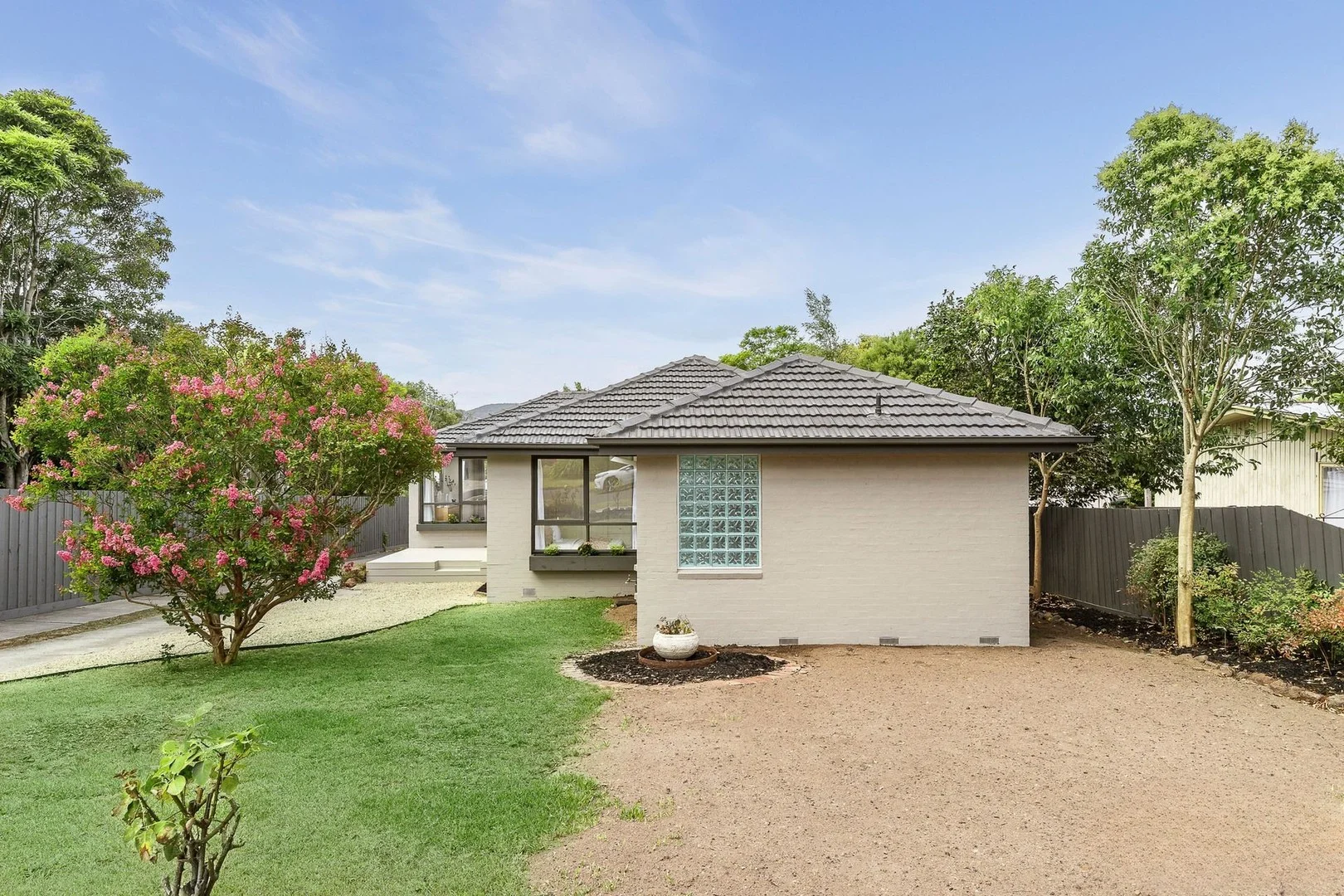 $700
Apartment / Unit / Flat
$700
Apartment / Unit / Flat
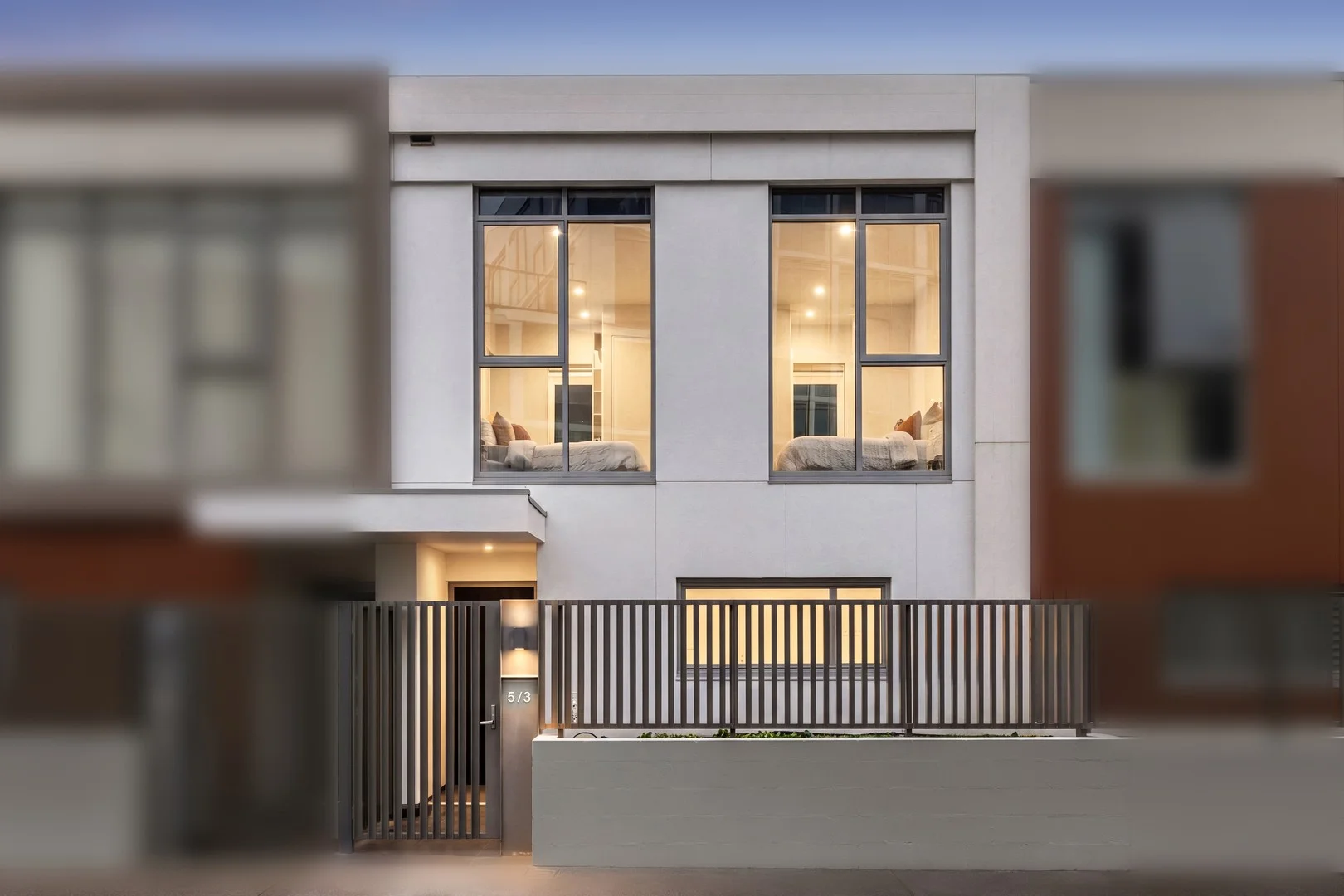 $620,000 - $680,000
Townhouse
$620,000 - $680,000
Townhouse
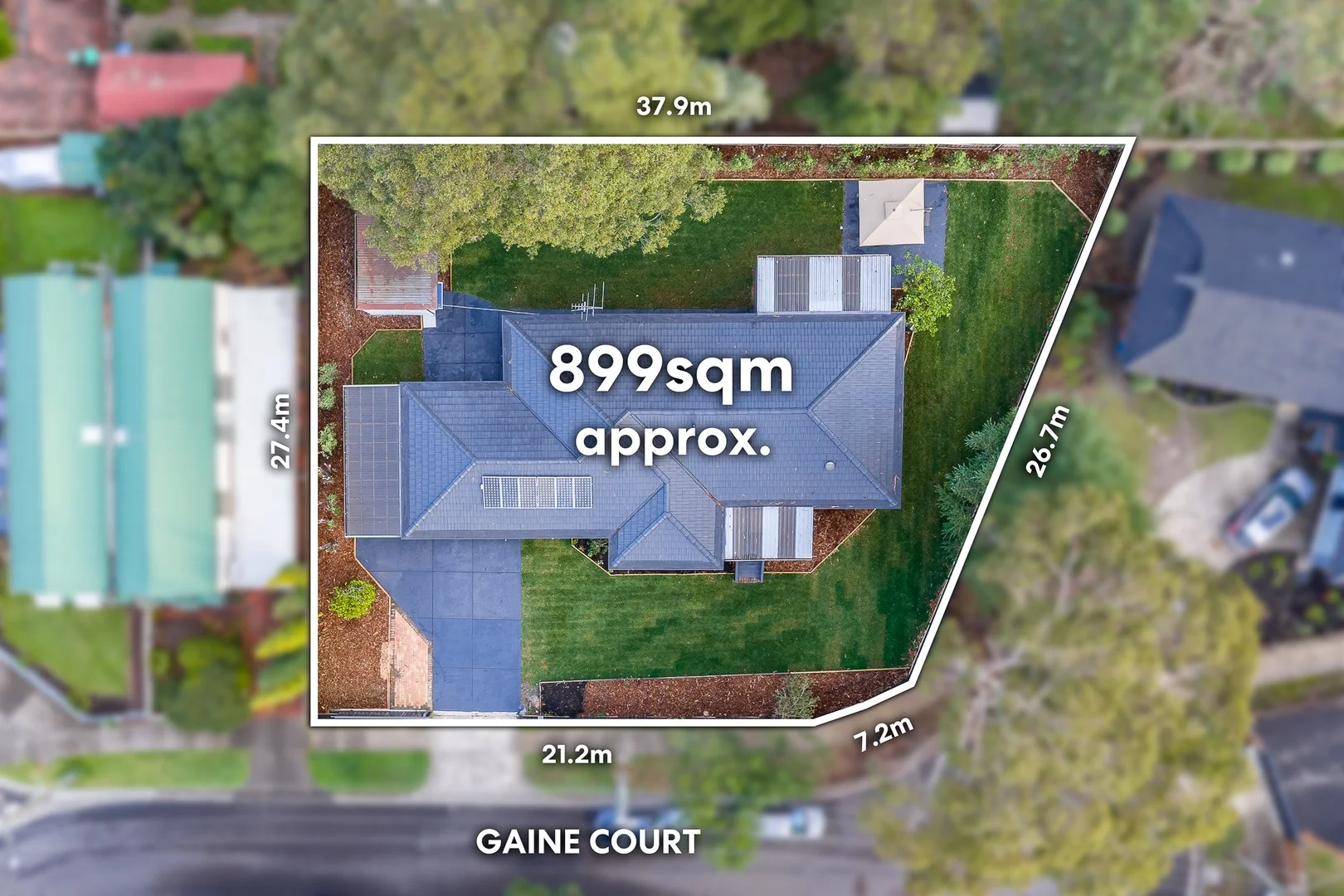 $990,000 - $1,080,000
House
$990,000 - $1,080,000
House
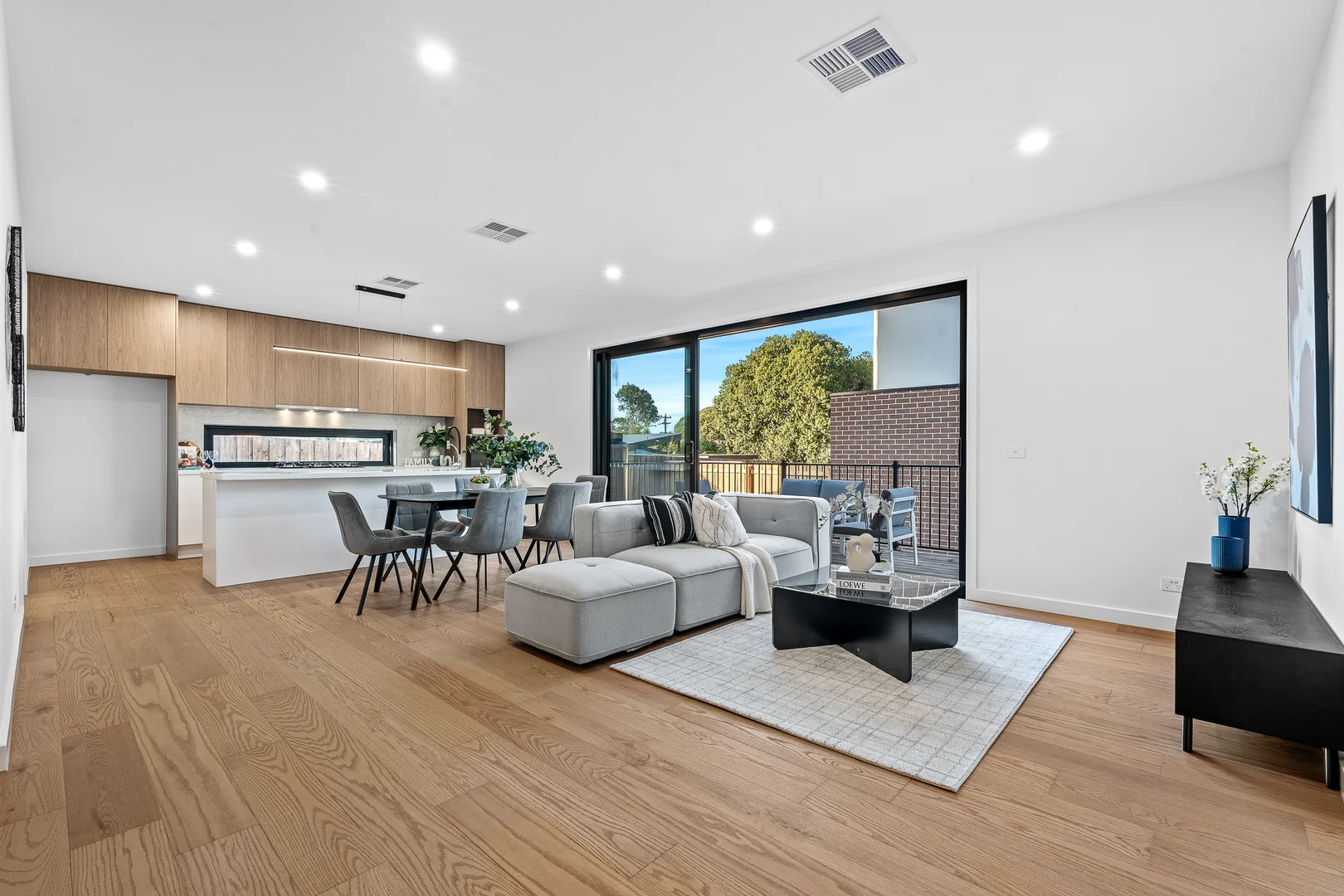 $990,000 - $1,080,000
Townhouse
$990,000 - $1,080,000
Townhouse
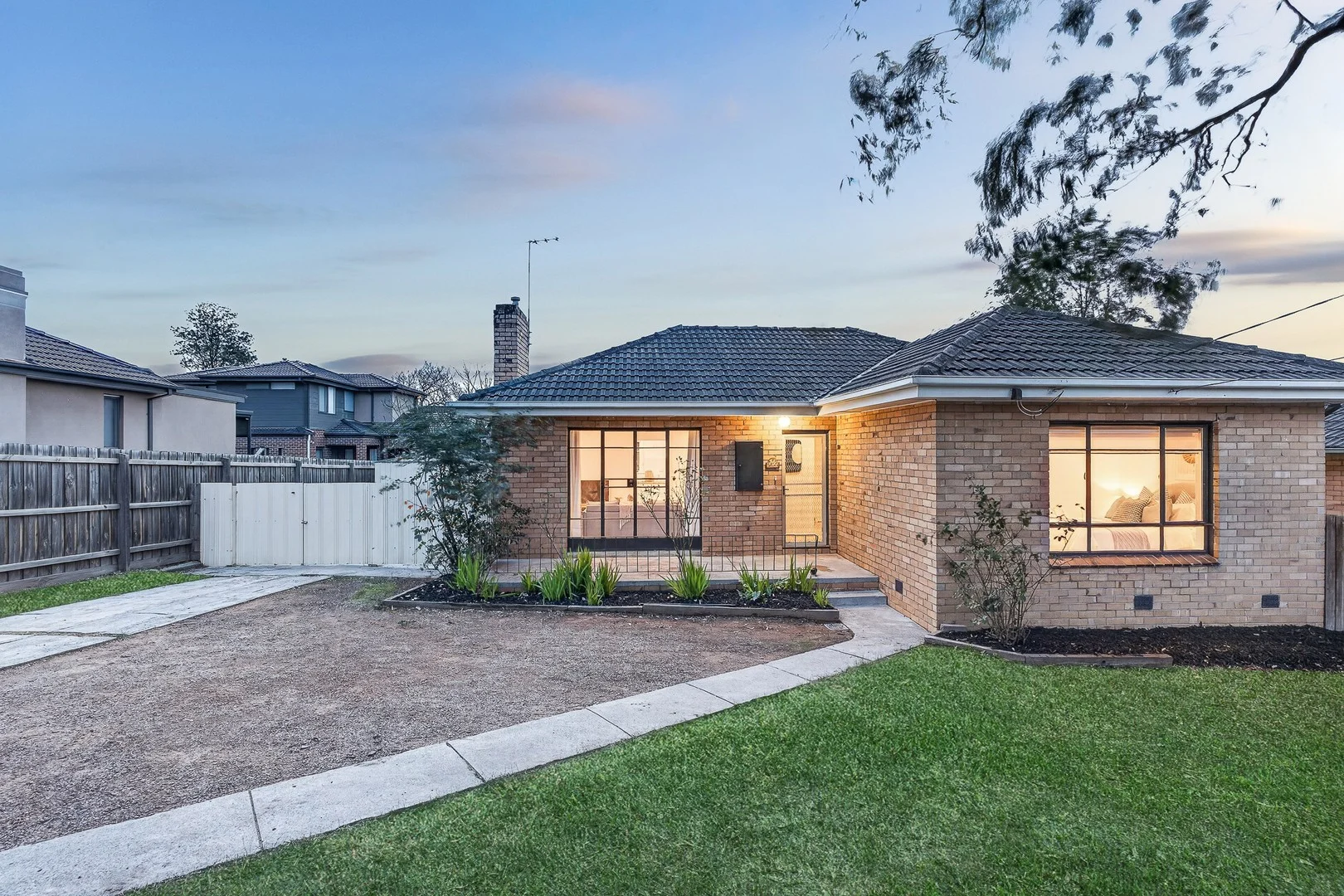 $720,000 - $780,000
House
$720,000 - $780,000
House
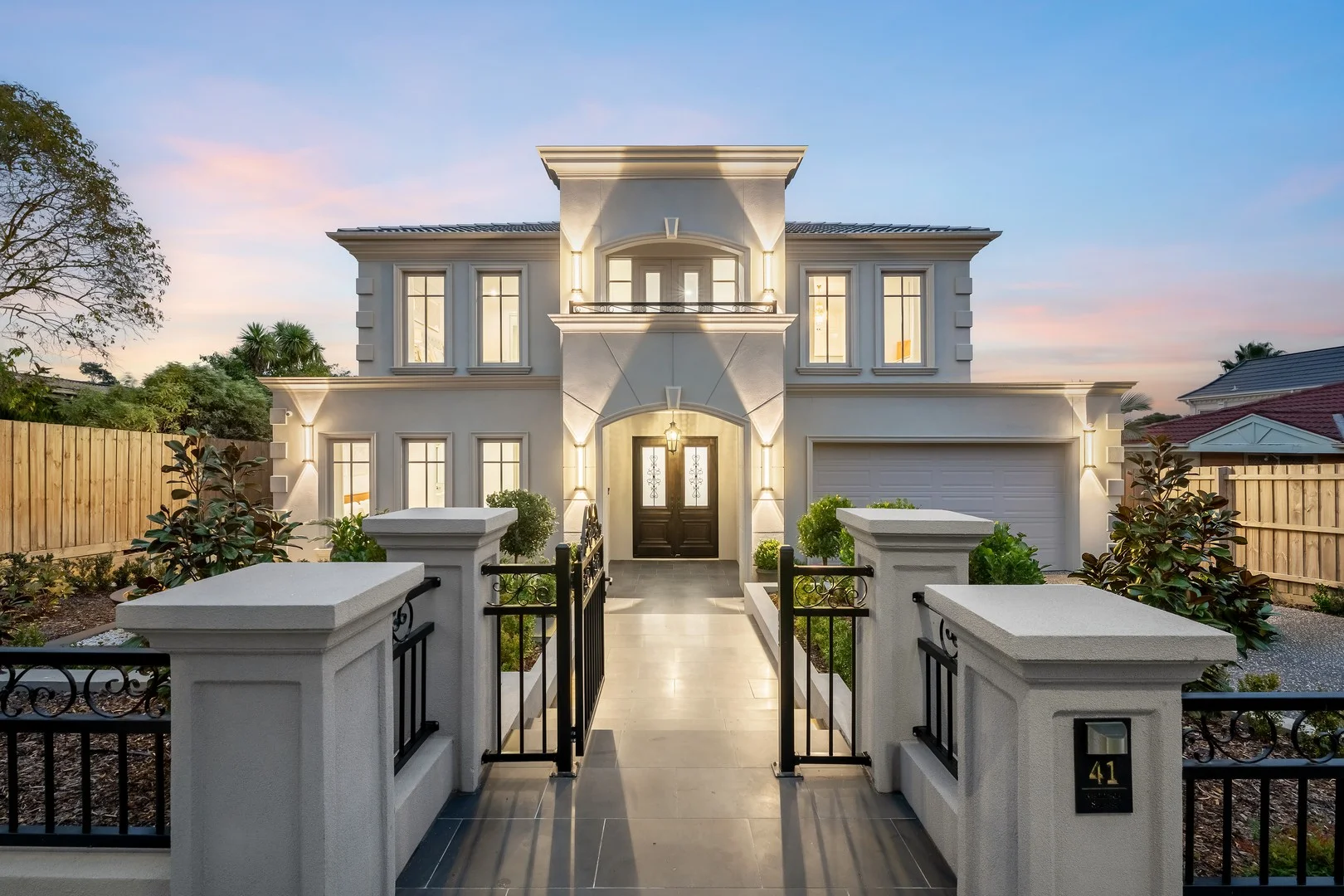 $4,000,000
House
$4,000,000
House
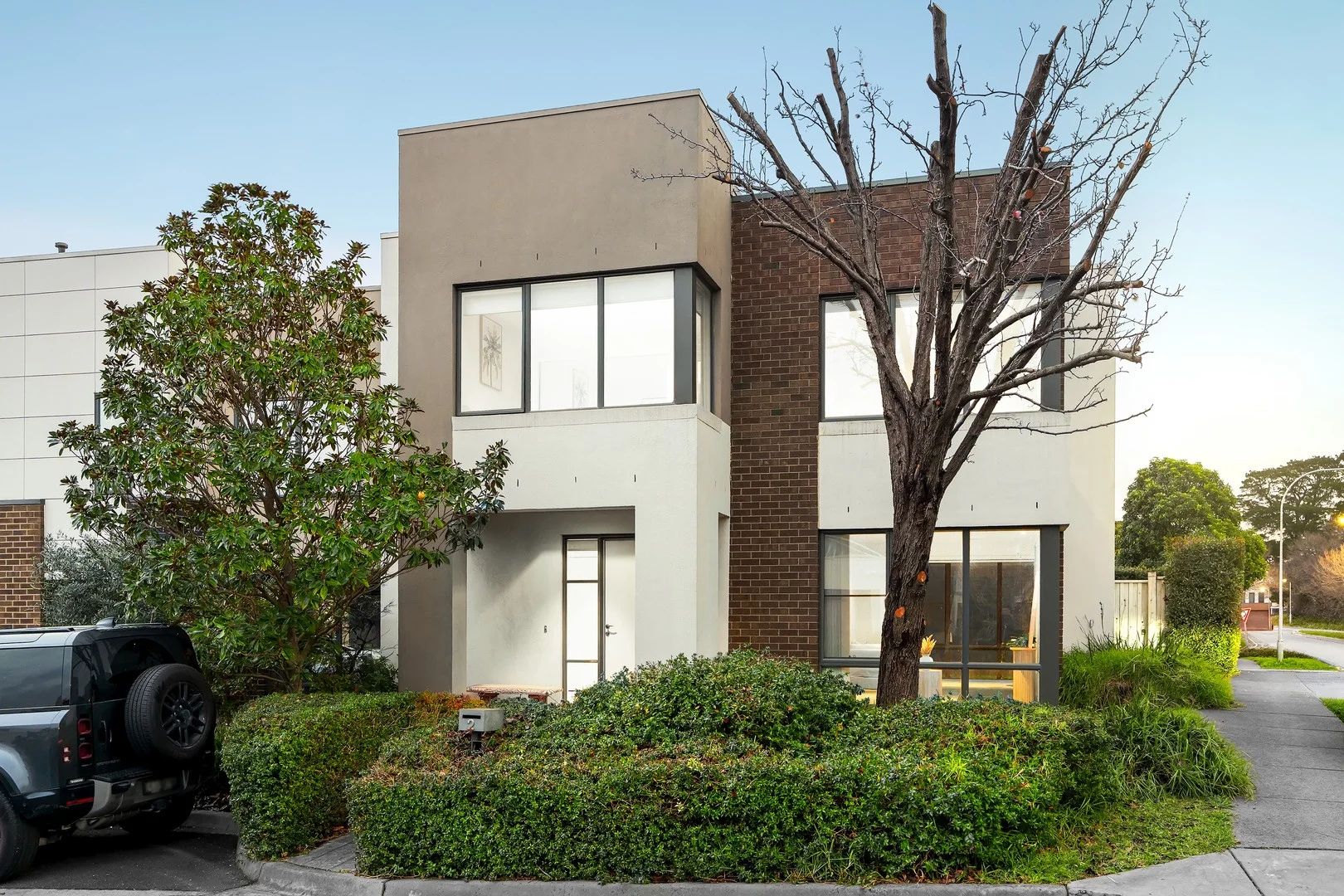 $900,000
House
$900,000
House
 $1,300,000
House
$1,300,000
House
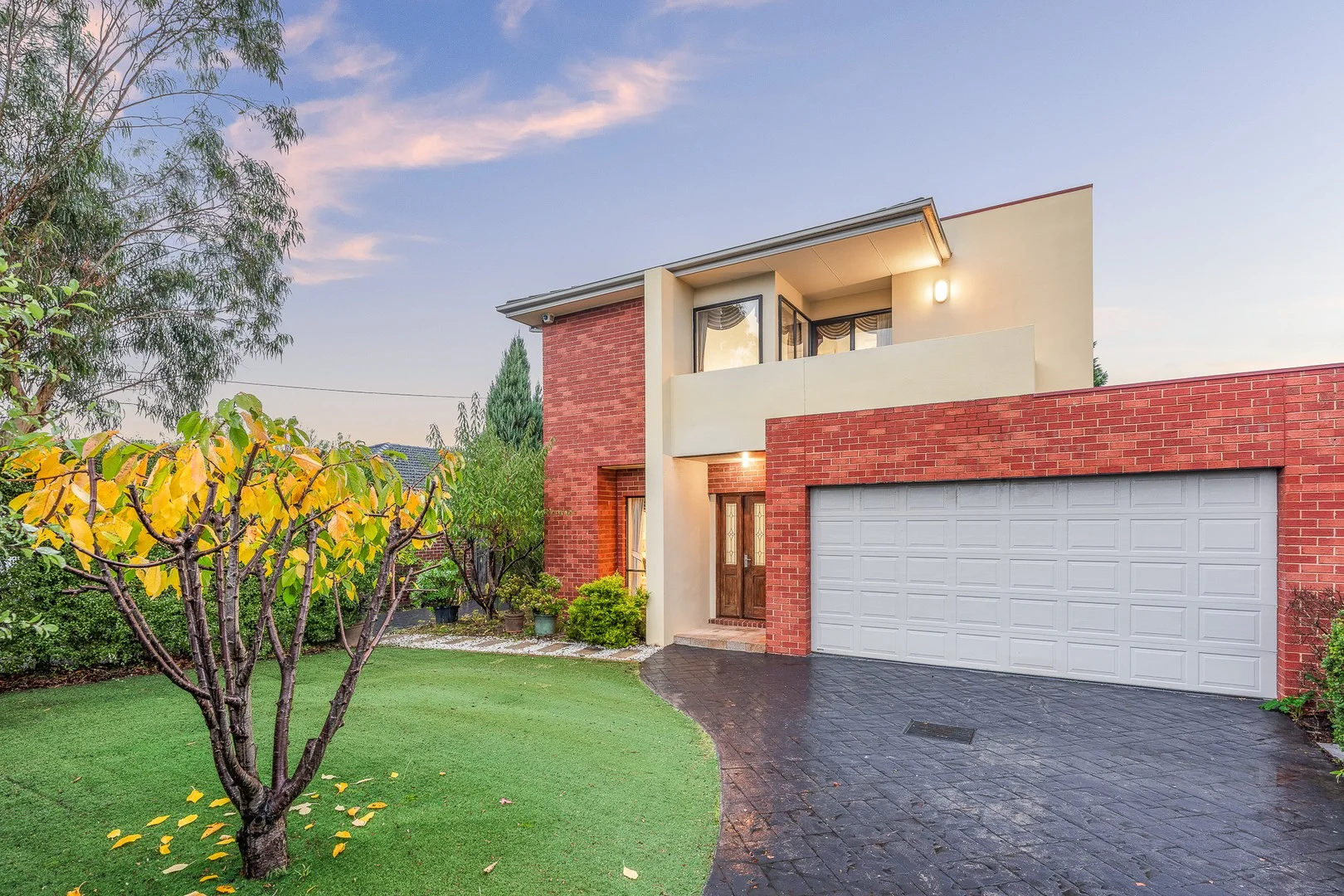 $1,150,000 - $1,250,000
Townhouse
$1,150,000 - $1,250,000
Townhouse


