## 1. Overview
St Philip Neri Catholic Primary School is a Catholic, co-educational primary school that emphasises a faith-based, nurturing community. The school tends to be small to medium in size, fostering close relationships among students, staff, and families. Class sizes are typically in the low 20s, supporting individual attention and a supportive classroom environment where students are encouraged to be curious, respectful, and engaged.
Atmosphere at the school blends warm pastoral care with strong academic expectations. The culture aims to be inclusive and welcoming, with a focus on developing values-driven learners who contribute positively to the school and broader community.
⸻
## 2. Academics & Learning
Academic strengths revolve around solid literacy and numeracy foundations aligned with the NSW curriculum, with emphasis on English, mathematical thinking, and critical thinking. The school integrates STEM activities and hands-on learning to spark curiosity, alongside opportunities for leadership and collaborative projects. Language and ICT skills are woven into everyday learning to prepare students for the digital era.
Special programs may include gifted and talented pathways and ICT/language-integrated activities, with a commitment to extending capable learners while supporting others to reach their potential. NAPLAN trends are monitored to identify areas for ongoing improvement, with the aim of steady progress in reading, writing, and numeracy over time. The student-teacher ratio supports small-group instruction and targeted support when needed. The school provides strong support for diverse learners, including EAL/D programs and SEN assistance through a dedicated learning support team.
⸻
## 3. Sports & Extracurricular Strengths
Sports offered typically cover core NSW primary activities such as soccer, basketball, cricket, athletics, and swimming, with opportunities for competitive inter-school participation. The school often participates in local inter-school events and championships, helping students develop teamwork and competitive spirit.
In addition to sports, there are music, arts, and drama programs, including choir or ensemble activities and school productions. Clubs commonly available include robotics, coding, chess, and debating, giving students practical ways to explore interests beyond the classroom. Partnerships with local clubs, parish activities, and community competitions can provide extended opportunities for students to showcase talents and stay engaged after school.
⸻
## 4. Wellbeing & Pastoral Care
Wellbeing and pastoral care are central priorities, with an emphasis on a positive school climate and respectful relationships. The school typically implements a clear anti-bullying approach, supported by restorative practices and consistent behaviour expectations.
A house system (or similar pastoral grouping) supports team-building, events, and sense of belonging. Access to a school counsellor or wellbeing officer helps students manage social-emotional needs, while structured transition support assists new students to settle in smoothly. Programs such as buddy systems, peer mentoring, and regular wellbeing activities contribute to a secure, caring environment.
⸻
## 5. Facilities
- Sports grounds and outdoor play spaces
- Library and reading areas
- Science laboratories or dedicated science spaces
- Music and performing arts spaces
- Tech/innovation labs or computer suites
- Cafeteria or canteen facilities
- Updated playgrounds and outdoor learning areas
The school’s facilities are designed to be visually engaging and easy to navigate, supporting a range of learning activities from hands-on experiments to creative performances. The focus is on functional, modern spaces that enhance teaching and student enjoyment.
⸻
## 6. School Values & Community Culture
Values and community culture are shaped around core beliefs such as faith, respect, responsibility, compassion, and excellence. Leadership tends to be collaborative, with opportunities for student voice through councils or representative roles. Behaviour expectations are clear, with a focus on positive conduct, restorative approaches, and accountability.
The school enjoys a strong community reputation built on partnerships with families and the parish, and it prioritises diversity and inclusion, ensuring all students feel valued and supported. The culture aims to nurture well-rounded individuals who contribute positively to their peers and the wider community.
⸻
## 7. School Logistics & Daily Operations
- School hours typically run from start of day to mid-afternoon (often around 9:00 am–3:00 pm); exact times may vary by year and term.
- Before/after school care is usually available through OSHC programs or on-site providers.
- Uniform requirements include specified daily wear and sports uniforms, with expectations for hats and other approved attire.
- Transport options commonly include access to local public transport routes and convenient drop-off/pick-up arrangements near the school.
- Canteen or canteen-like services offer healthy meal and snack options.
- Fees are typically moderate, with itemised costs for levies, excursions, uniforms, and optional activities; detailed fee schedules are provided on enrolment information.
⸻
## 8. Enrolment & Admissions
11) What is the enrolment process and timeline?
- Families submit an expression of interest or complete the official enrolment application.
- Documentation (birth certificate, immunisation records, parish details, and supporting materials) is gathered.
- The school may invite families to information sessions or interviews to share the school ethos and determine fit with Catholic values and learning needs.
- Offers are made as spaces become available, with timelines varying by year level and demand. Processing can span several months depending on the intake period.
12) Is there a waiting list, and how does it work?
- Waiting lists are common; priority often given to siblings and families within the parish catchment, with placement determined by space availability and enrolment policies.
13) Are there any entry requirements, tests, or interviews?
- Interviews or information sessions are typical, with emphasis on alignment with the Catholic ethos and readiness for year-level expectations. Formal tests are not always required for primary entry but may be used in some circumstances.
14) Does the school accept mid-year transfers?
- Mid-year transfers may be possible if vacancies exist; families should contact the school early to discuss available space and any transition assessments or accommodations needed.
⸻
## 9. Frequently Asked Questions
- Why Parents Choose This School?
A welcoming, faith-based community with a focus on holistic development, strong literacy and numeracy, and a supportive staff that values each student.
- What type of student thrives at this school?
Students who are engaged, respectful, curious, and enjoy being part of a caring, faith-informed community.
- What opportunities are available for students to extend their skills (academics, sports, arts)?
A range of programs across academics, sports, music, drama, robotics, coding, and debating, with opportunities to participate in competitions and performances.
- How does the school communicate with parents?
Regular newsletters, emails, a school app or learning portal, parent-teacher meetings, and timely updates on events and student progress.
- What is the school’s approach to teaching and learning?
An Australia-wide curriculum approach (ACARA) with a focus on literacy, numeracy, inquiry-based learning, and inclusive education that supports diverse learners.
- How does the school support students who need extra academic help?
Targeted interventions through a Learning Support Team, EAL/D support, small-group tutoring, and collaboration with families to set personalised goals.
- What support is available for academic challenges?
Additional tutoring, modified tasks or accommodations where appropriate, and ongoing progress monitoring to adjust supports as needed.
- How does the school communicate with parents? (duplicate question)
See above: newsletters, digital platforms, meetings, and direct contact with teachers and leadership.
- What are the class sizes and how much individual attention do students receive?
Class sizes are typically in the low 20s, allowing for regular, targeted teacher support and opportunities for individual feedback.
- What extracurricular and sports opportunities are available?
Wide-ranging options across sports, music, arts, clubs (robotics, coding, chess, debating), and local inter-school activities.
- What facilities does the school offer (sports, science, arts)?
Well-equipped spaces for sports, library, science labs, performing arts, and technology/ICT learning.
- What is the school’s approach to technology and digital learning?
Integrated ICT across the curriculum, with digital literacy, coding, and responsible use of technology in daily learning.
- What transport and accessibility options are available?
Access to public transport and convenient drop-off/pick-up arrangements; considerations for accessibility are incorporated into site planning.
- What are typical school fees or additional costs?
Fees are moderate and itemised (uniforms, excursions, activities, and materials); exact amounts are provided in the enrolment pack.
⸻
## 10. Short Pros & Cons list
- Pros
- Strong sense of community and faith-based values
- Supportive, collaborative staff and small-to-mid class sizes
- Focus on literacy and numeracy with varied enrichment programs
- Access to a range of clubs, sports, and arts activities
- Inclusive approach with EAL/D and SEN support
- Clear wellbeing, anti-bullying strategies and pastoral care
- Cons
- Limited to moderate number of specialist programs compared with larger schools
- Availability of places may be subject to waiting lists and parish/catchment considerations
- Year-to-year variations in intake can affect class composition and resource allocation
⸻










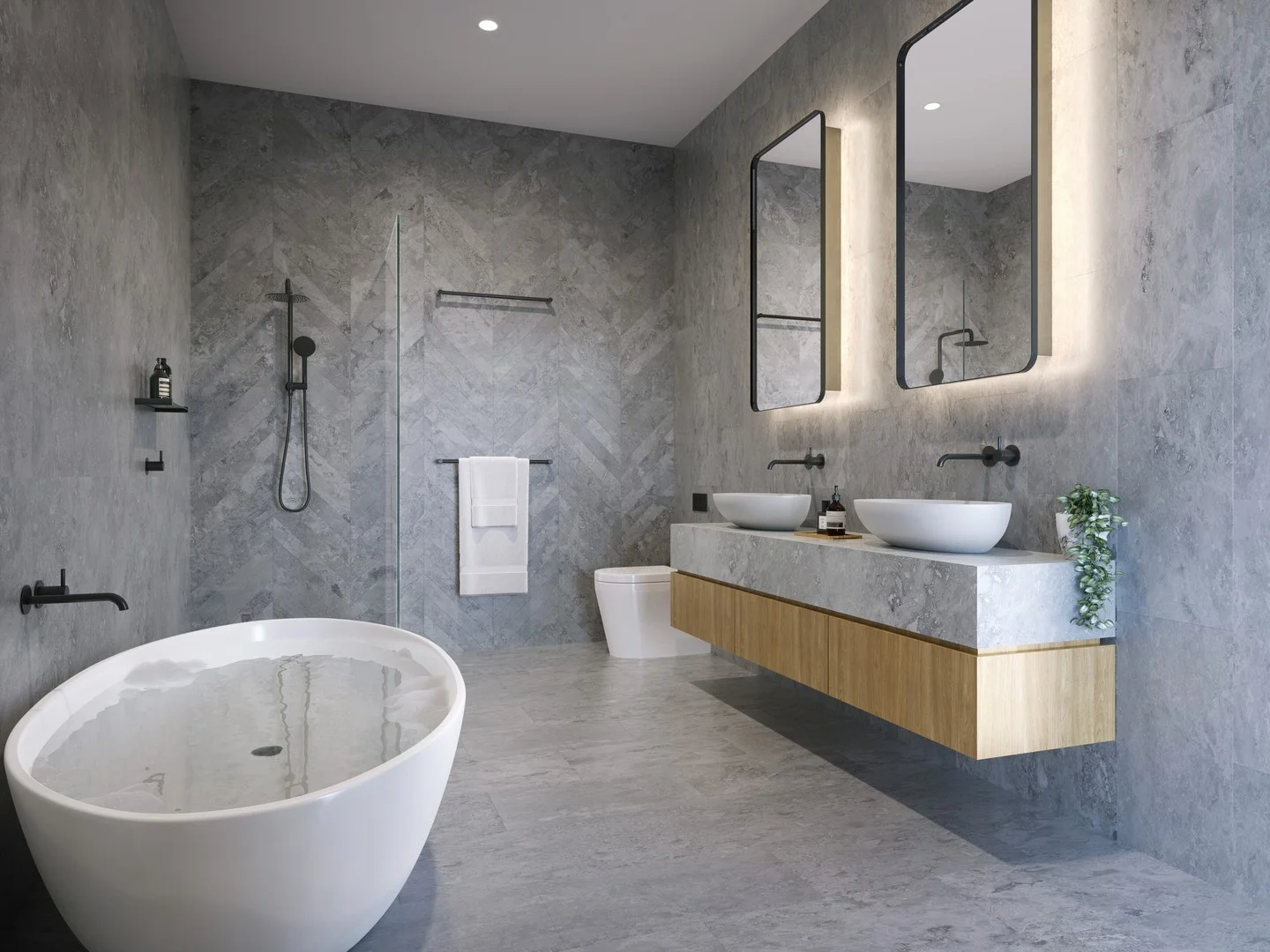 $2,824,000
Apartment / Unit / Flat
$2,824,000
Apartment / Unit / Flat
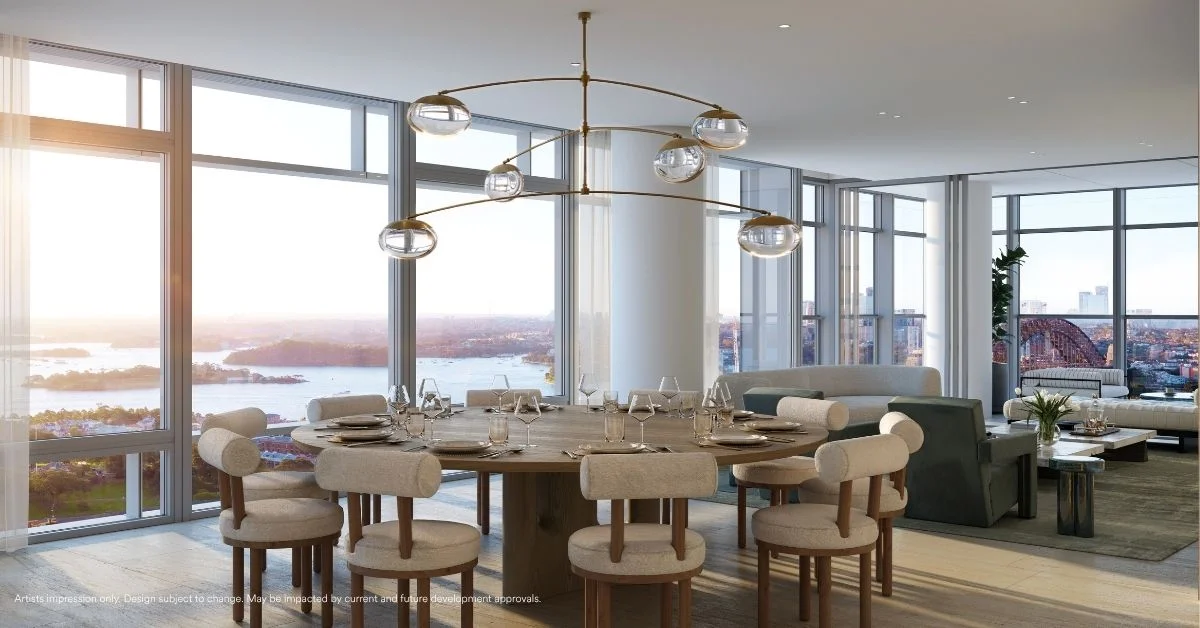 $26,550,000
propertyType.NEW APARTMENTS / OFF THE PLAN
$26,550,000
propertyType.NEW APARTMENTS / OFF THE PLAN
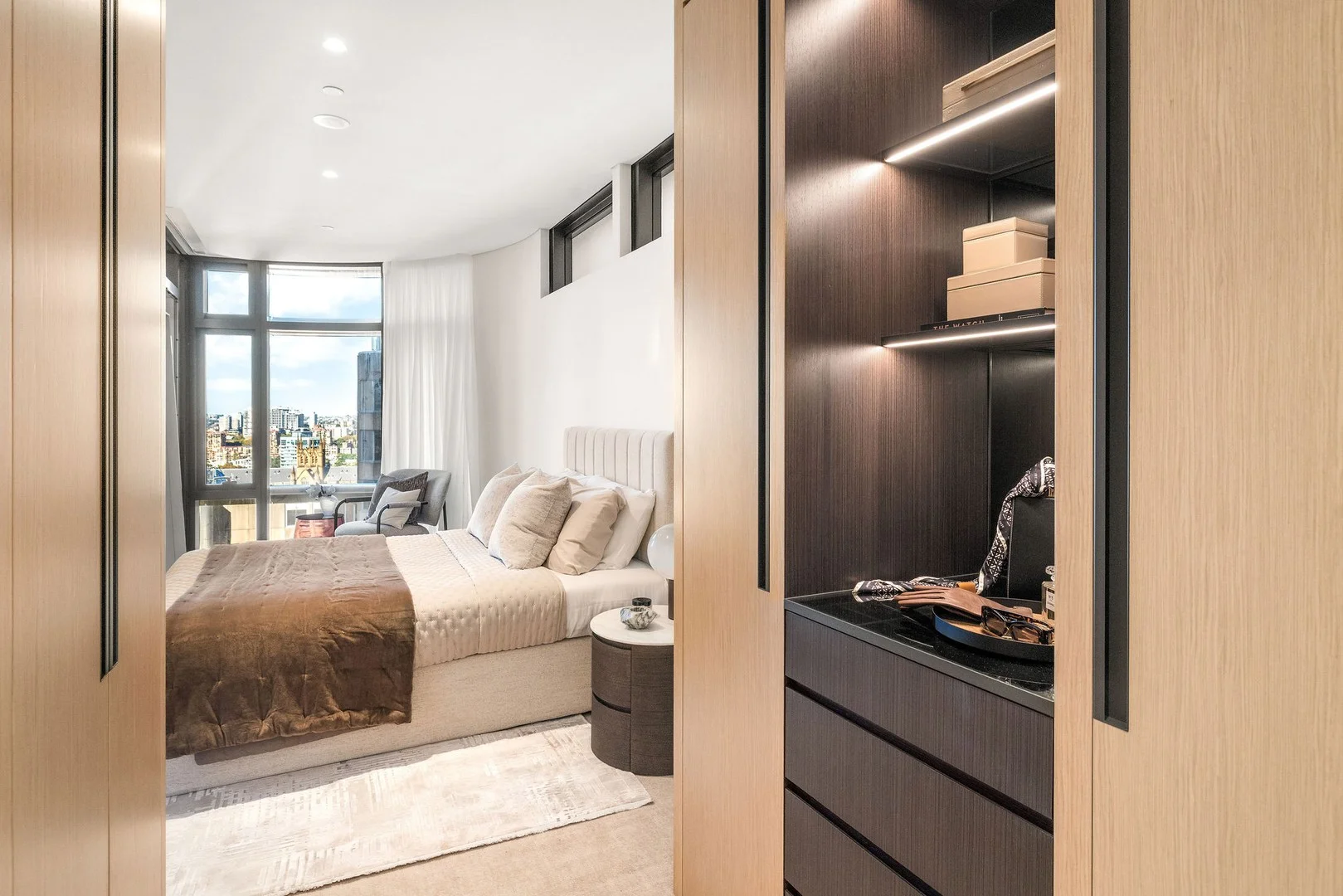 $2,745,000
propertyType.NEW APARTMENTS / OFF THE PLAN
$2,745,000
propertyType.NEW APARTMENTS / OFF THE PLAN
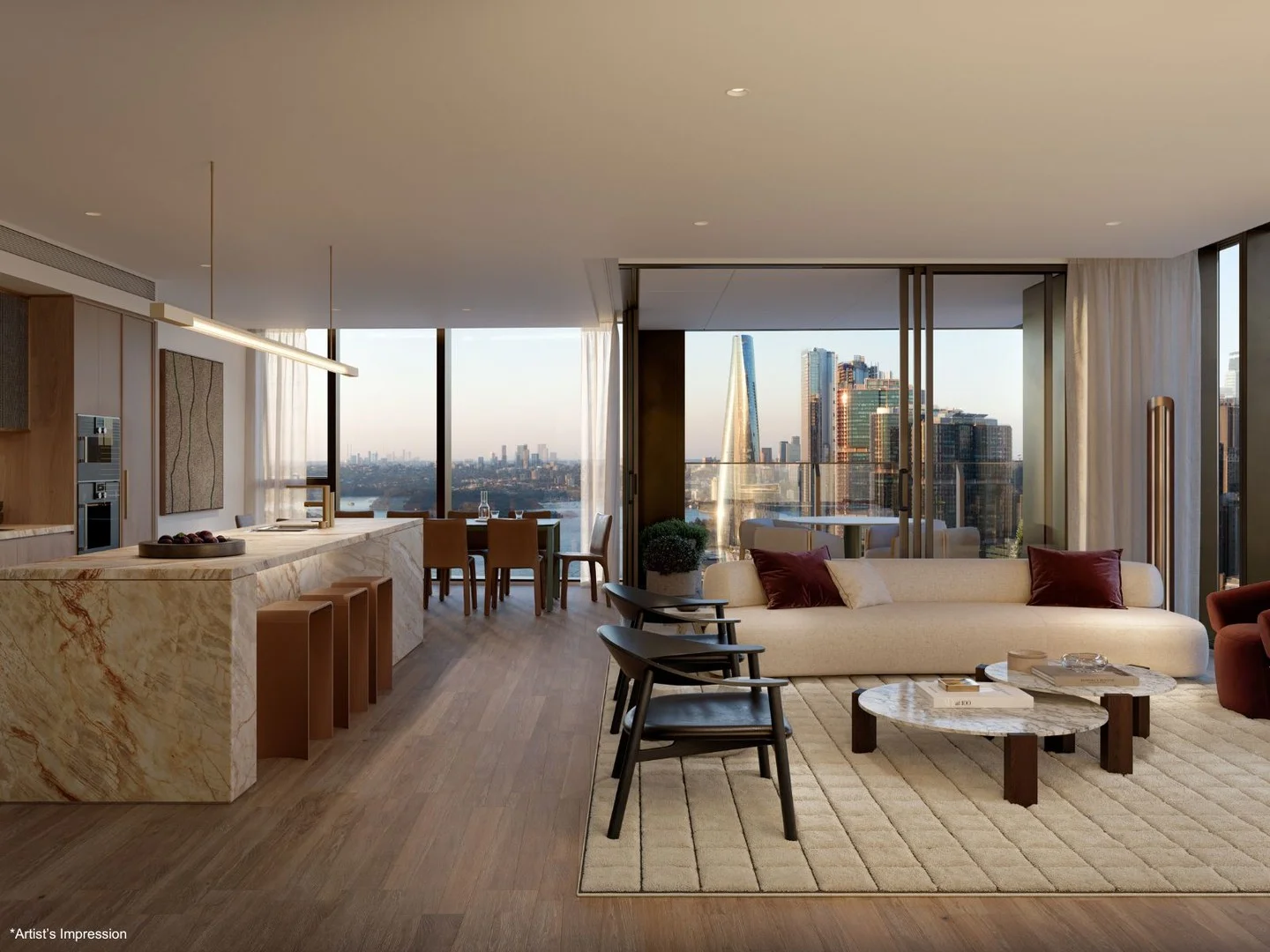 $12,980,000
propertyType.NEW APARTMENTS / OFF THE PLAN
$12,980,000
propertyType.NEW APARTMENTS / OFF THE PLAN
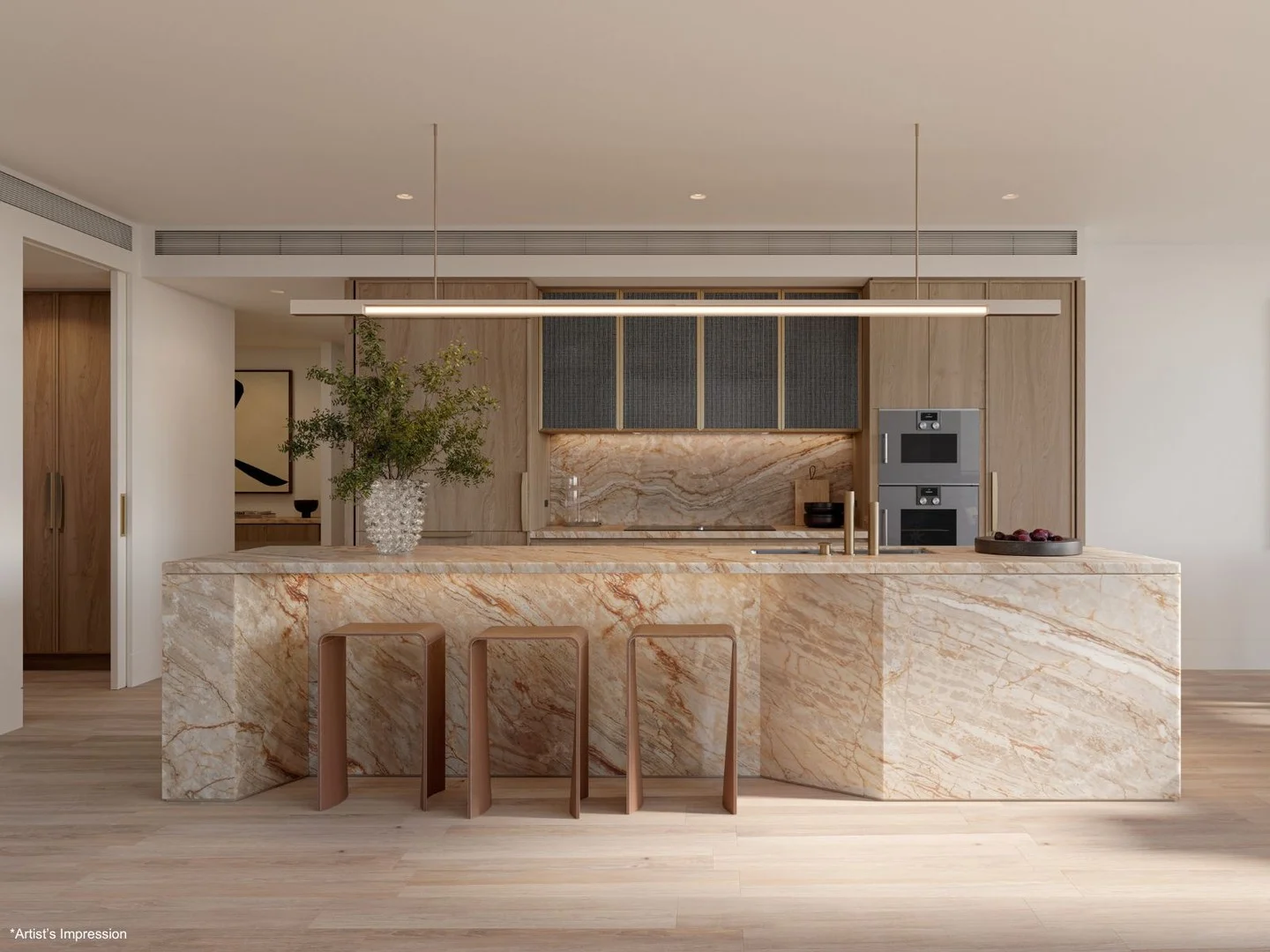 $6,225,000
propertyType.NEW APARTMENTS / OFF THE PLAN
$6,225,000
propertyType.NEW APARTMENTS / OFF THE PLAN
 $8,630,000
propertyType.NEW APARTMENTS / OFF THE PLAN
$8,630,000
propertyType.NEW APARTMENTS / OFF THE PLAN
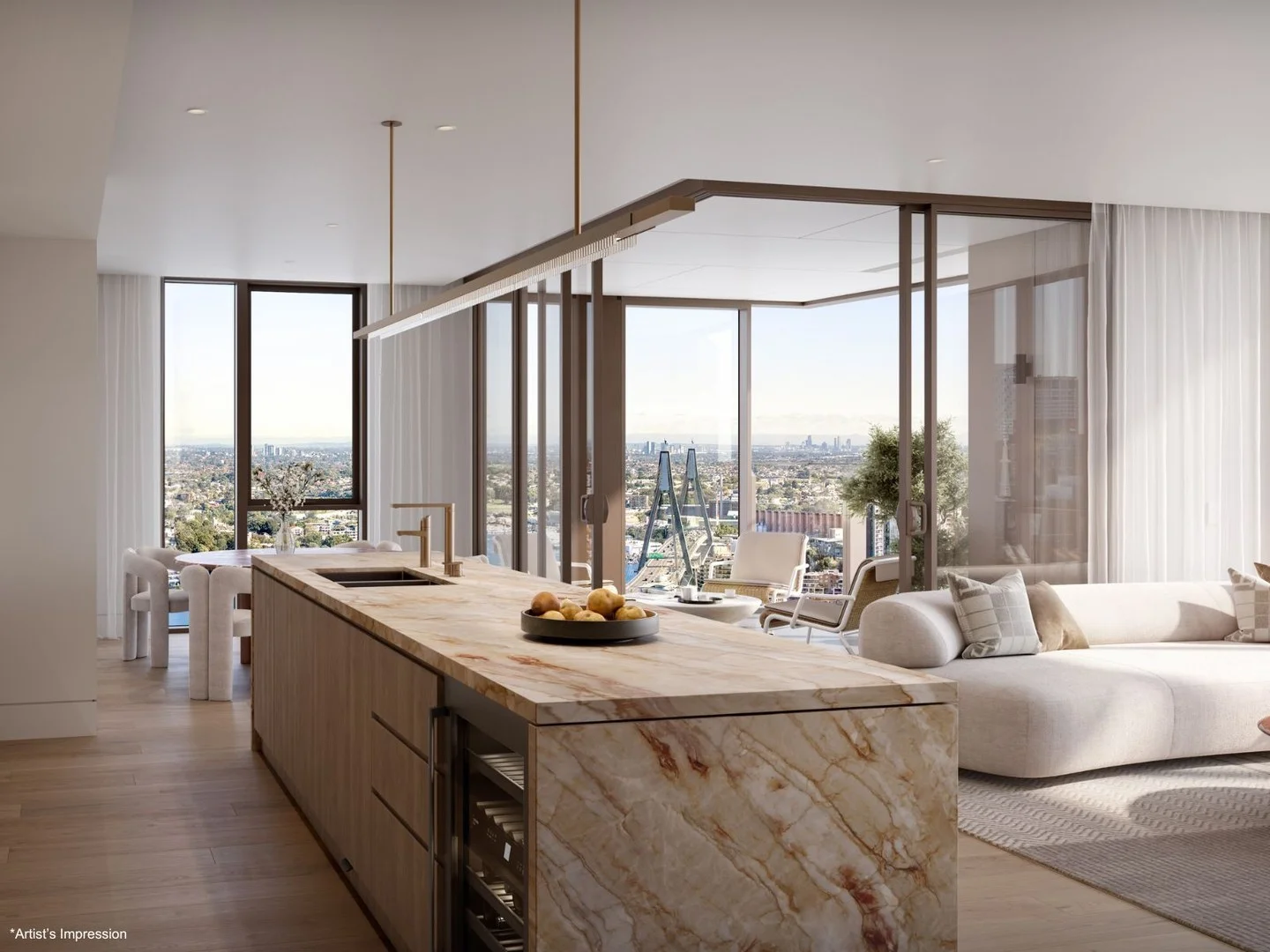 $9,020,000
propertyType.NEW APARTMENTS / OFF THE PLAN
$9,020,000
propertyType.NEW APARTMENTS / OFF THE PLAN
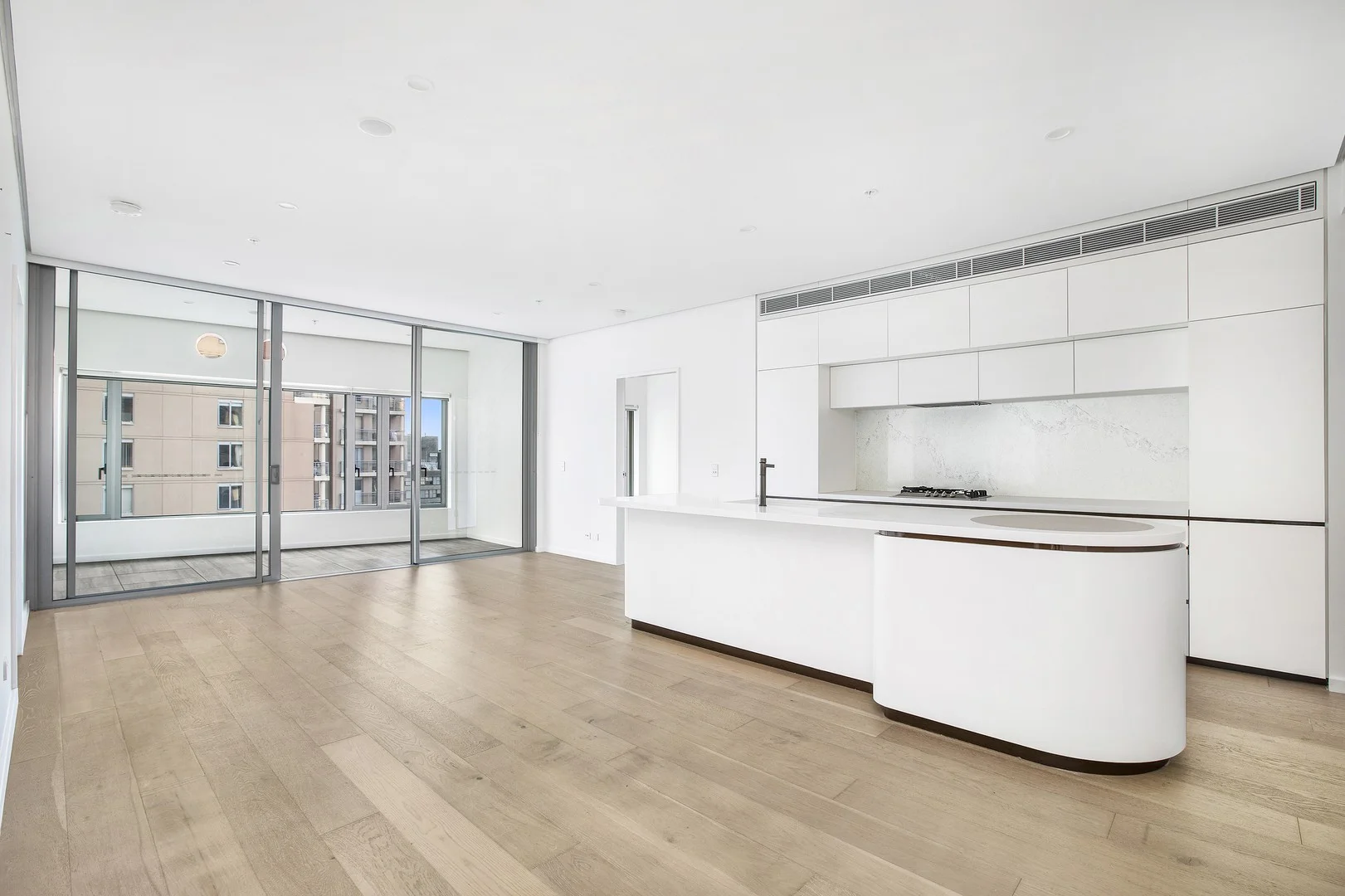 $2,250,000
Apartment / Unit / Flat
$2,250,000
Apartment / Unit / Flat
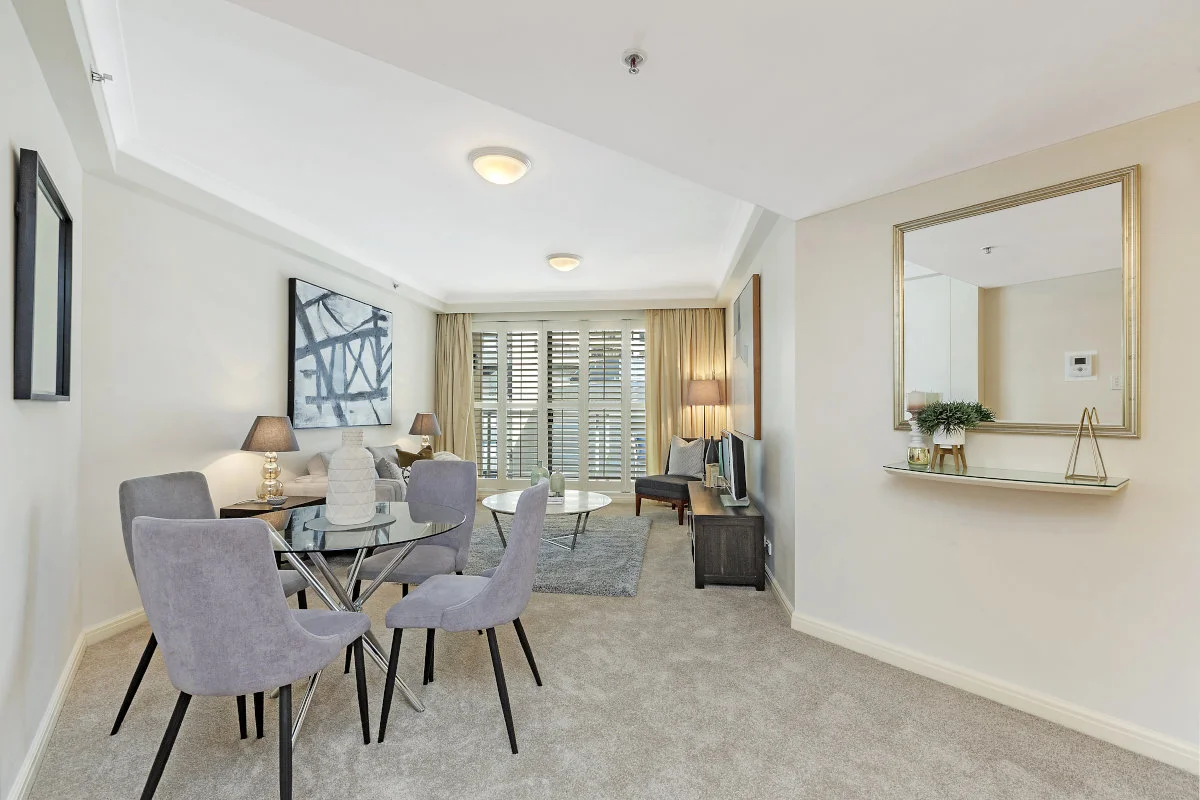 $660,000 - $725,000
Apartment / Unit / Flat
$660,000 - $725,000
Apartment / Unit / Flat


