Overview
1. Overview
St Richard’s Primary School, Kilsyth is a Catholic, co-educational primary school that serves families in Kilsyth and surrounding suburbs. The school focuses on faith-based learning within a nurturing, inclusive community. With a medium-sized cohort and classroom environments designed to support every learner, it aims to balance academic achievement with strong pastoral care and community involvement.
- School type: Catholic
- School size: Medium
- Class size: Typically around 20–25 students per class
- Atmosphere/culture: Nurturing, inclusive, academically focused, with a strong sense of community
⸻
2. Academics & Learning
St Richard’s emphasises solid literacy and numeracy foundations alongside faith-informed learning and personal development.
- Academic strengths: Literacy and numeracy excellence, faith-based education, opportunities for leadership development, and involvement in school-wide learning initiatives.
- Special programs: Catholic faith formation and regular liturgical celebrations; options for accelerated learning and gifted/talented pathways where available.
- NAPLAN / trends: Recent years show stable to improving performance in core areas such as reading and writing, with continued focus on numeracy growth.
- Student-teacher ratios: Roughly 1:12 to 1:18 in primary classrooms, supporting targeted instruction and individual attention.
- Support for diverse learners: EAL and SEN supports are available, with inclusive education practices and targeted learning assistance as needed.
⸻
3. Sports & Extracurricular Strengths
A strong area for parents looking for well-rounded development, boys and girls can participate in a range of activities beyond the classroom.
- Sports offered: Netball, basketball, soccer/football, AFL activities, athletics, cricket, and other school-based programs.
- Strong teams or achievements: Regular participation in inter-school and local district events; opportunities to contribute to school-level teams and development programs.
- Music, arts, drama programs: Choir and music groups, school productions, and opportunities to engage in performing arts.
- Clubs: Robotics, coding, chess, debating, and other student-led clubs.
- Partnerships: Connections with local clubs and associations for competitions and additional development opportunities.
⸻
4. Wellbeing & Pastoral Care
Wellbeing is a top priority, with systems in place to support students' emotional and social development.
- Anti-bullying approach: Whole-school anti-bullying initiatives with restorative practices and student-led initiatives to promote respect and kindness.
- House system: House-based activities and competitions to foster teamwork and belonging.
- Counsellors / wellbeing officers: Access to on-site wellbeing staff or trained personnel to support mental health and social-emotional learning.
- Transition support for new students: Buddy programs, orientation activities, and transition planning to help new families settle in.
⸻
5. Facilities
The school offers a range of facilities designed to support learning, creativity, and physical activity.
- Sports grounds: On-site fields or courts for physical education and games.
- Libraries: Well-stocked library with reading programs and research support.
- Science labs: Dedicated spaces for hands-on science learning.
- Music/performing arts centers: Areas for music rehearsal and theatre activities.
- Tech/innovation labs: Access to classroom technology and project-based learning spaces.
- Cafeteria: On-site canteen or lunch facilities supporting healthy eating.
- Updated playgrounds: Modern play areas and equipment for break and recreation.
⸻
6. School Values & Community Culture
Parents want to know the ethos and daily climate of the school.
- School values / mission: A faith-centered mission prioritising respect, responsibility, compassion, and excellence.
- Leadership style: Distributed and collaborative leadership with staff and student input in learning and school life.
- Behaviour expectations: Clear codes of conduct and positive behaviour supports to promote a safe learning environment.
- Community reputation: Known for a welcoming parish connection, strong family involvement, and supportive community relationships.
- Diversity & inclusion: Committed to inclusion and welcoming families from diverse backgrounds.
⸻
7. School Logistics & Daily Operations
Key practicalities for daily life at school.
- School hours: Typically around 9:00 am–3:10 pm each school day (with variations by year level and term).
- Before/after school care: On-site programs or partnerships available for before and after school care.
- Uniform requirements: Clear uniform policy, with appropriate school wear for regular days and sports uniform for physical education.
- Transport (train/bus routes): Access via local bus services and student drop-off/pick-up zones; details depend on residence and route availability.
- Canteen availability: On-site canteen or lunch program supporting available meal options.
- Fees (low/medium/high ranges): Catholic primary schools generally charge moderate fees with additional costs for excursions or activities; specific fees vary by year level and program.
⸻
8. Enrolment & Admissions
11. What is the enrolment process and timeline?
- Submit an application through the school's enrolment process (often via the school or diocese portal) with required documents. After assessment, families are notified of intake timing and next steps. There is typically a planning window for enrolments in the year prior to starting.
12. Is there a waiting list, and how does it work?
- Yes, there may be a waiting list for popular year levels or for non-catchment applicants. The process generally prioritises catchment eligibility and available space, with positions allocated as spaces become available.
13. Are there any entry requirements, tests, or interviews?
- Most Catholic primary schools do not require formal academic tests for entry. Families may be invited to an information session or brief interview to discuss fitting the school’s program and values. Documentation such as birth certificates, immunisation records, and proof of address are typically requested.
14. Does the school accept mid-year transfers?
- Mid-year transfers are sometimes possible if spaces are available. Applicants may need to complete standard enrolment paperwork and meet with the principal or enrolment coordinator to discuss transition planning.
⸻
9. Frequently Asked Questions
- Why Parents Choose This School?
- A welcoming Catholic environment with strong pastoral care, emphasis on values-based education, and opportunities for students to grow academically, socially, and spiritually.
- What type of student thrives at this school?
- Students who respond well to a faith-informed, inclusive community with a structured learning environment and opportunities to participate in sports, arts, and leadership activities.
- What opportunities are available for students to extend their skills (academics, sports, arts)?
- Strong foundations in literacy and numeracy, leadership opportunities, inter-school sports, music and drama programs, and clubs such as robotics, coding, chess, and debating.
- How does the school communicate with parents?
- Regular updates through newsletters, parent portal or app, notices for events and meetings, and open channels with teachers and administration.
- What is the school’s approach to teaching and learning?
- A balanced approach combining core academic skills with faith formation, wellbeing support, and inclusive practices to meet diverse learner needs.
- How does the school support students who need extra academic help?
- Targeted interventions within the classroom, additional learning support, and access to SEN or EAL resources as required.
- What support is available for academic challenges?
- In-class differentiation, small-group support, and access to specialist staff to assist students in need.
- How does the school communicate with parents?
- See above; ongoing, transparent communication channels for timely information.
- What are the class sizes and how much individual attention do students receive?
- Typical class sizes are around 20–25 students, with teacher focus on individual needs through targeted instruction and small-group support.
- What extracurricular and sports opportunities are available?
- A range of sports (netball, basketball, soccer, AFL activities, athletics), performing arts programs, and clubs such as robotics, coding, chess, and debating.
- What facilities does the school offer (sports, science, arts)?
- Sports grounds, libraries, science labs, music/drama facilities, technology/innovation spaces, a canteen, and updated playgrounds.
- What is the school’s approach to technology and digital learning?
- Integration of classroom technology to support learning, with emphasis on digital literacy, safe online practices, and responsible use of devices.
- What transport and accessibility options are available?
- Local bus routes and supportive drop-off/pick-up arrangements; accessible facilities designed to accommodate diverse needs.
- What are the typical school fees or additional costs?
- Fees are moderate, with typical additional costs for excursions, activities, or specific programs. Exact amounts vary by year level and program.
⸻
10. Short Pros & Cons list
Pros
- Catholic, values-based education with strong pastoral care
- Medium-sized, family-friendly community
- Solid focus on literacy and numeracy with diverse learning supports
- Broad range of extracurriculars: sports, arts, and clubs
- Positive, inclusive school culture and student wellbeing
Cons
- As a medium-sized school, some specialized programs may have limited capacity or waitlists
- Fees are moderate and may require budgeting for excursions and activities
- Transport options depend on local routes and may require planning for some families
⸻







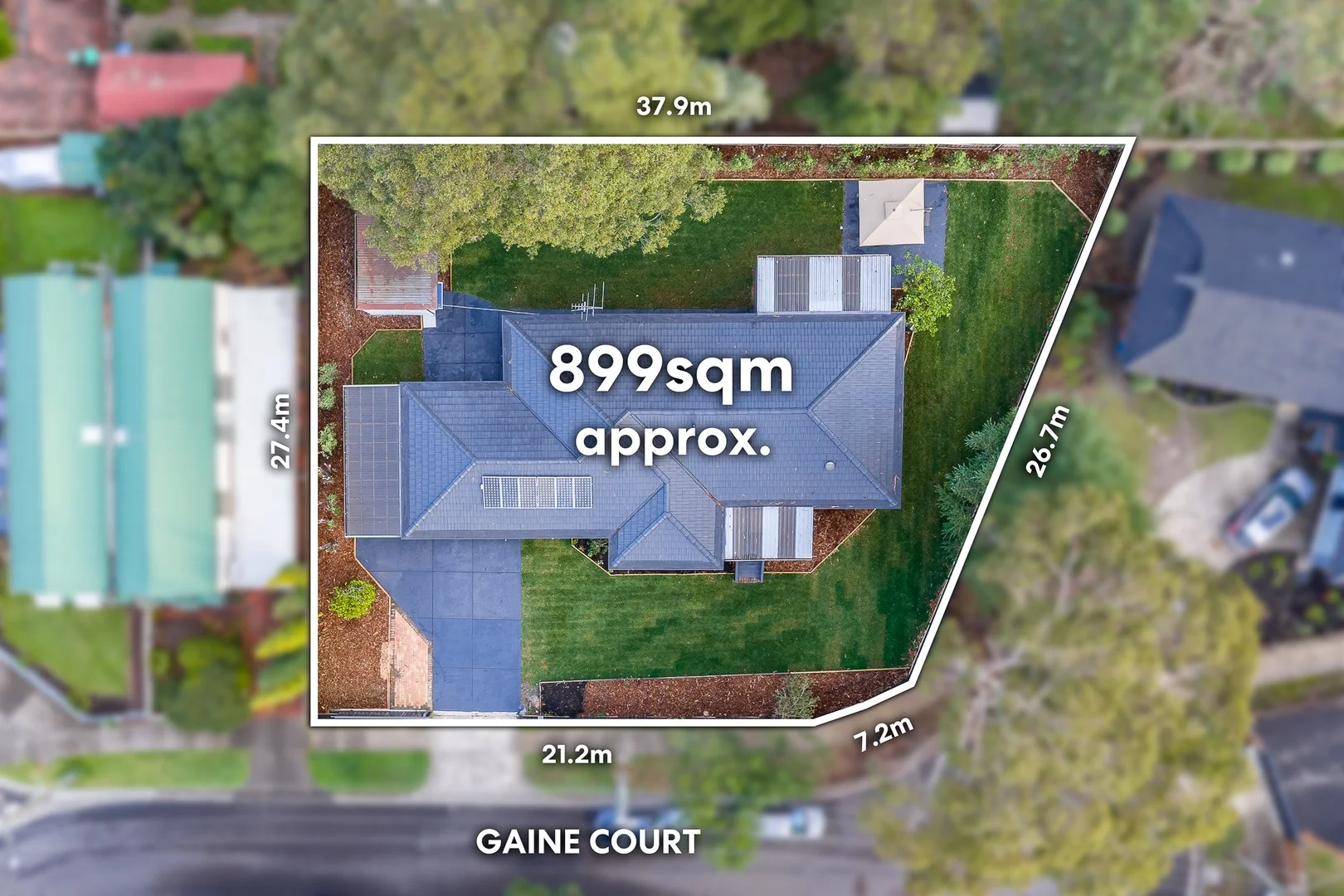 $990,000 - $1,080,000
House
$990,000 - $1,080,000
House
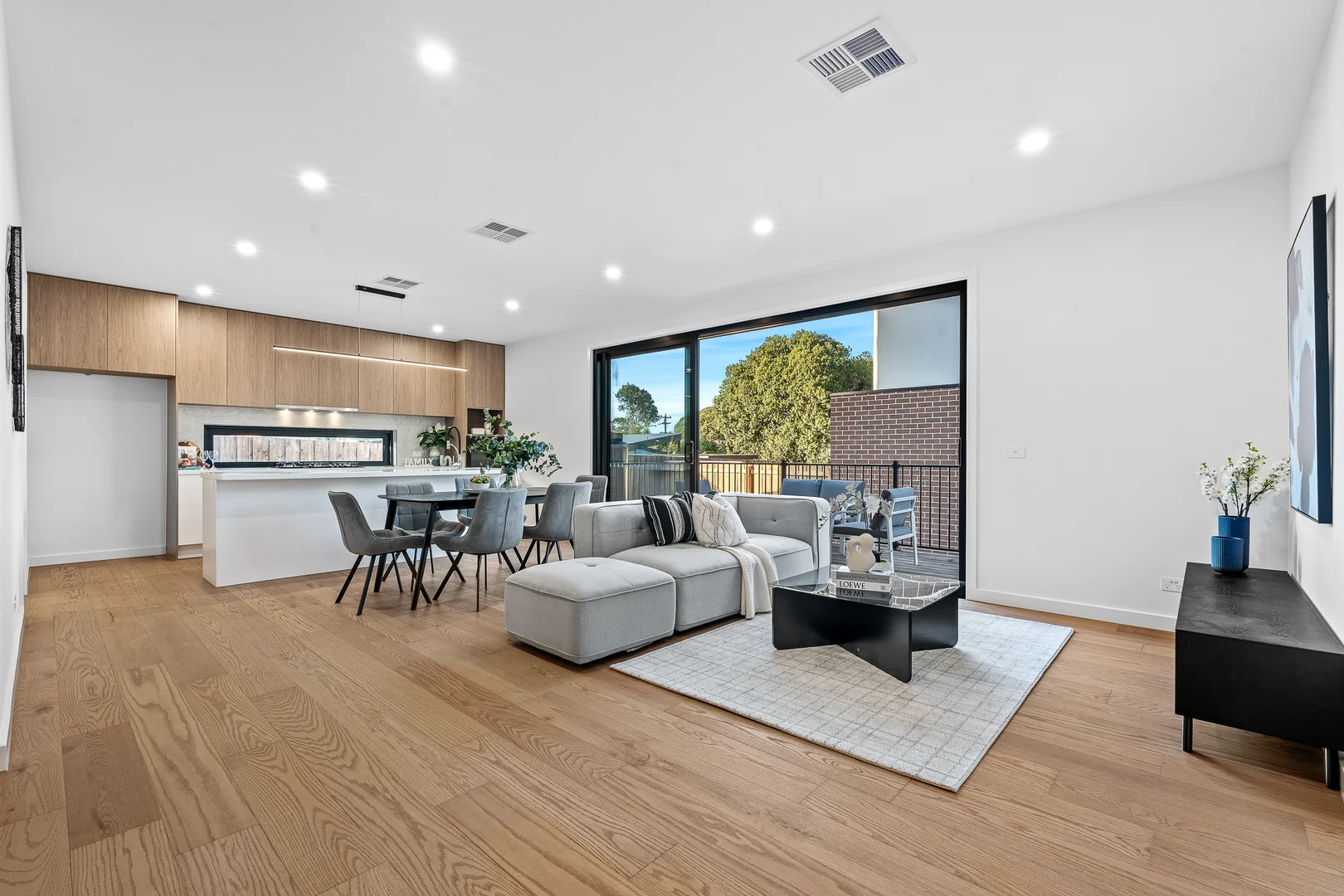 $990,000 - $1,080,000
Townhouse
$990,000 - $1,080,000
Townhouse
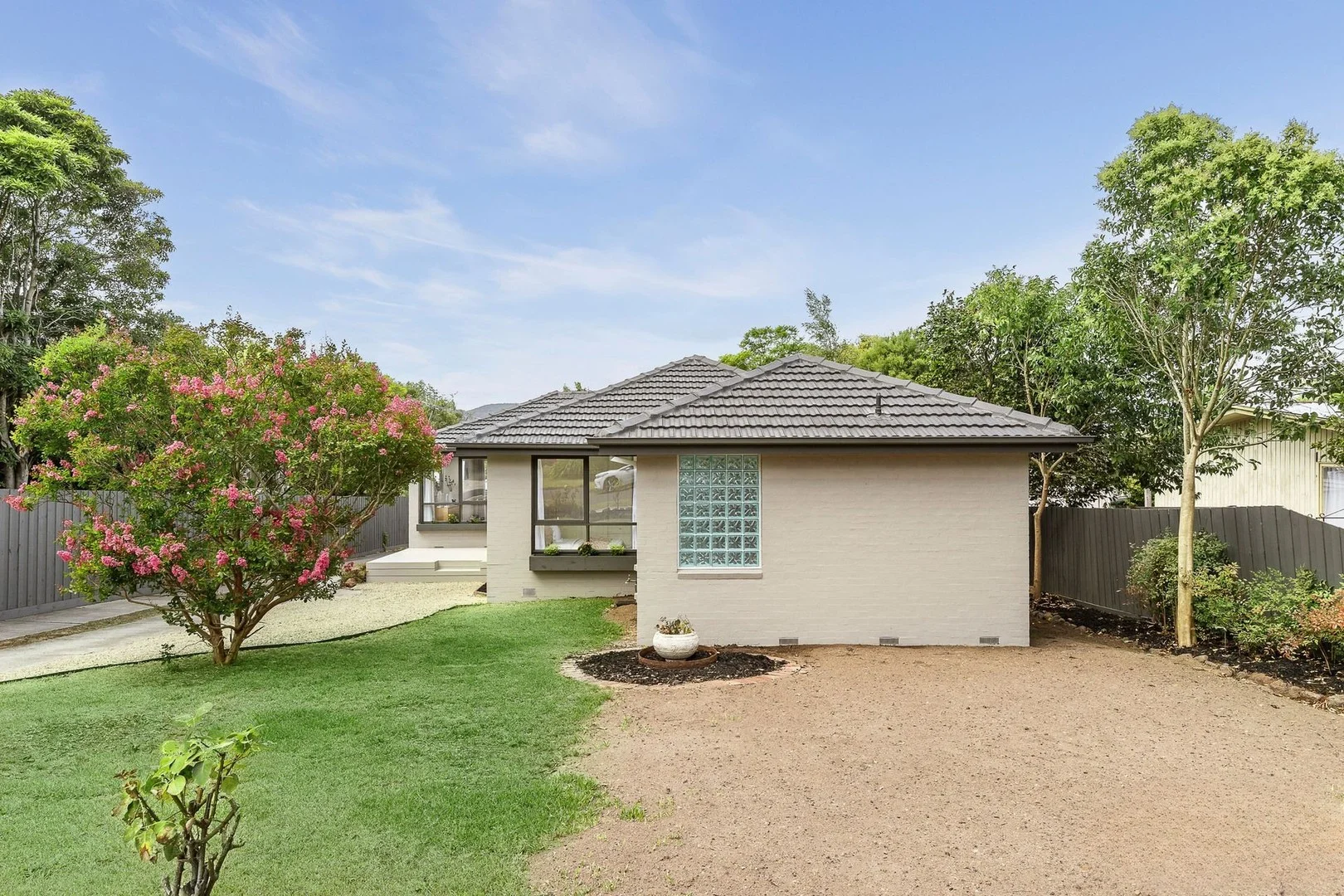 $700
Apartment / Unit / Flat
$700
Apartment / Unit / Flat
 $1,300,000
House
$1,300,000
House
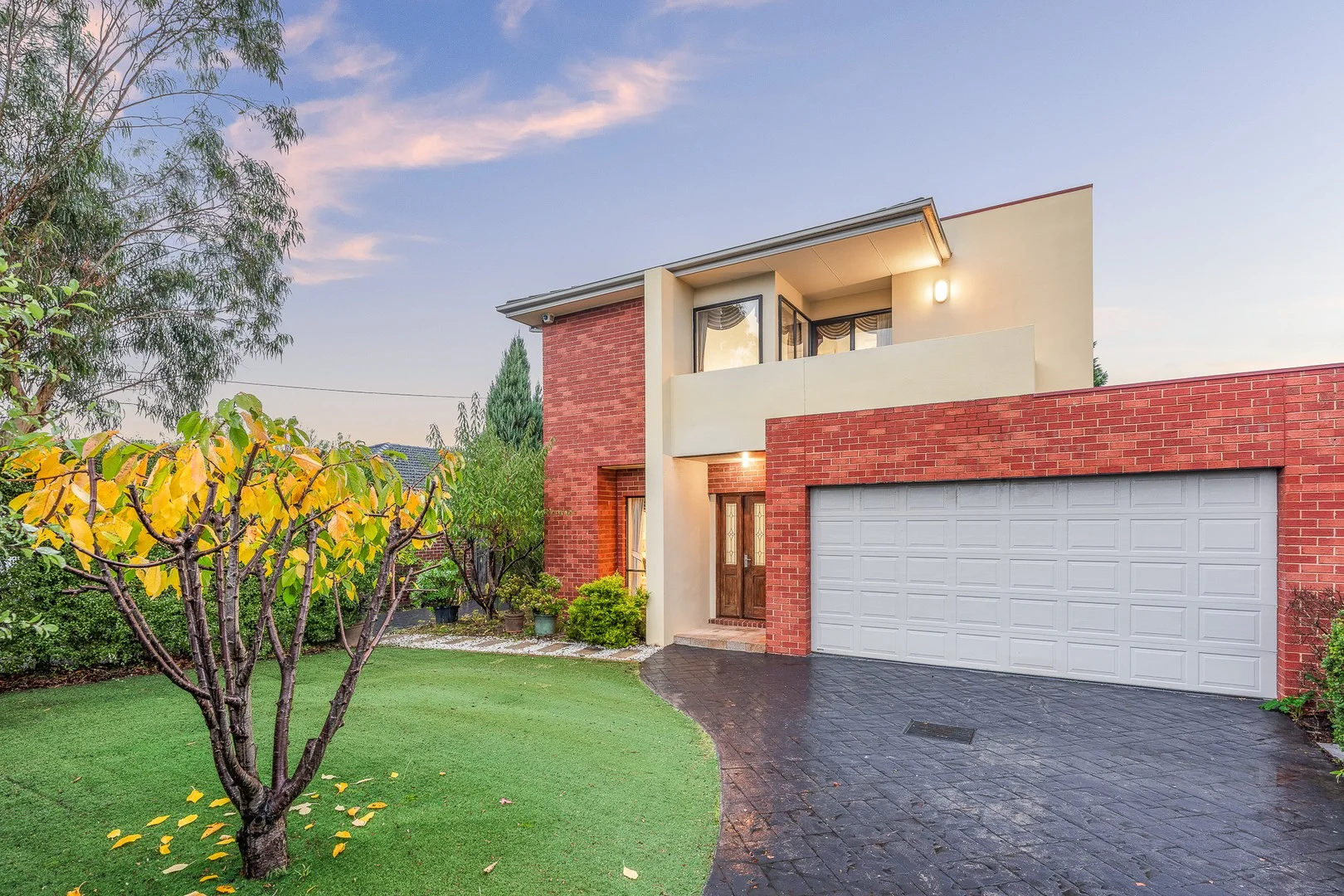 $1,150,000 - $1,250,000
Townhouse
$1,150,000 - $1,250,000
Townhouse
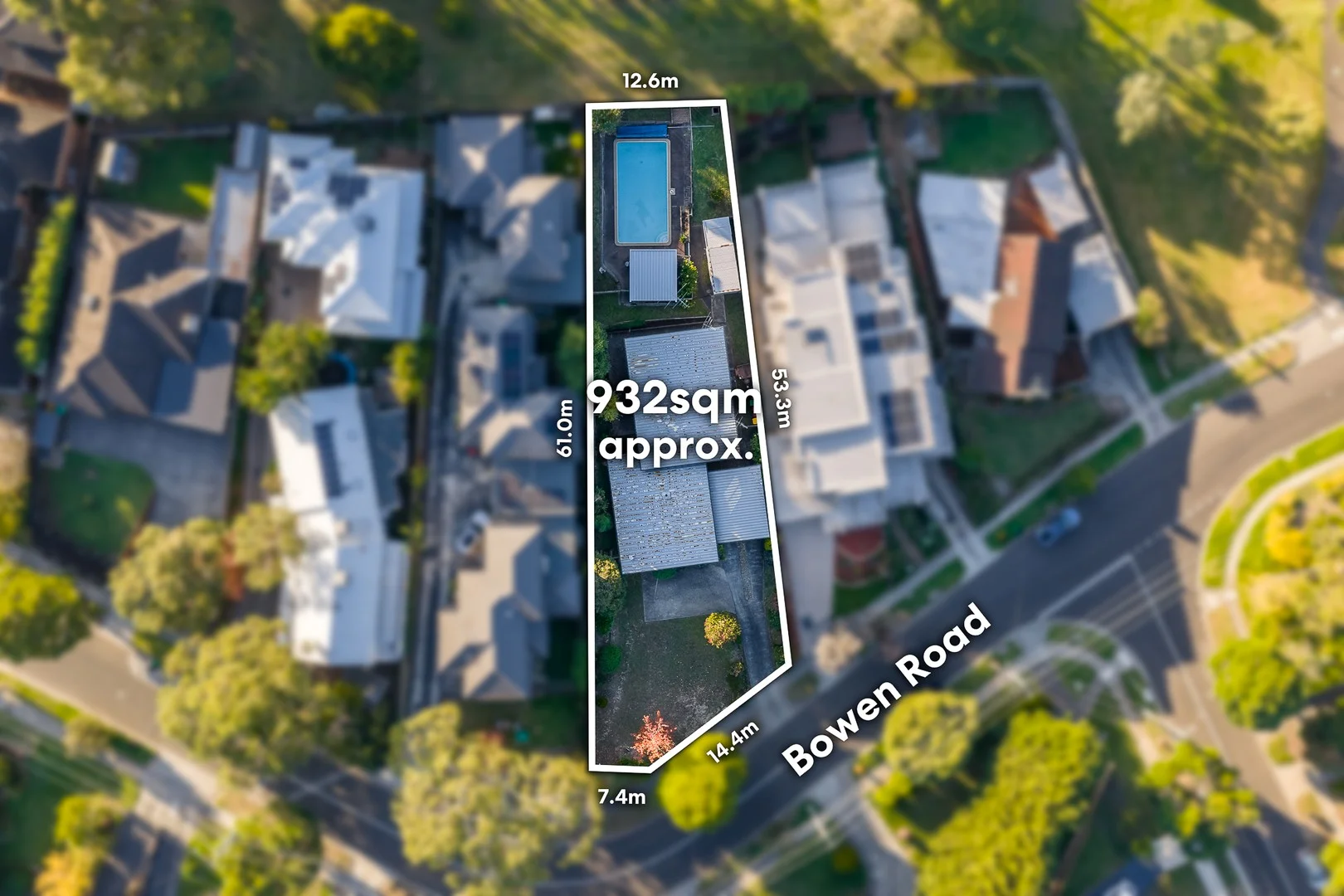 $1,300,000 - $1,400,000
House
$1,300,000 - $1,400,000
House
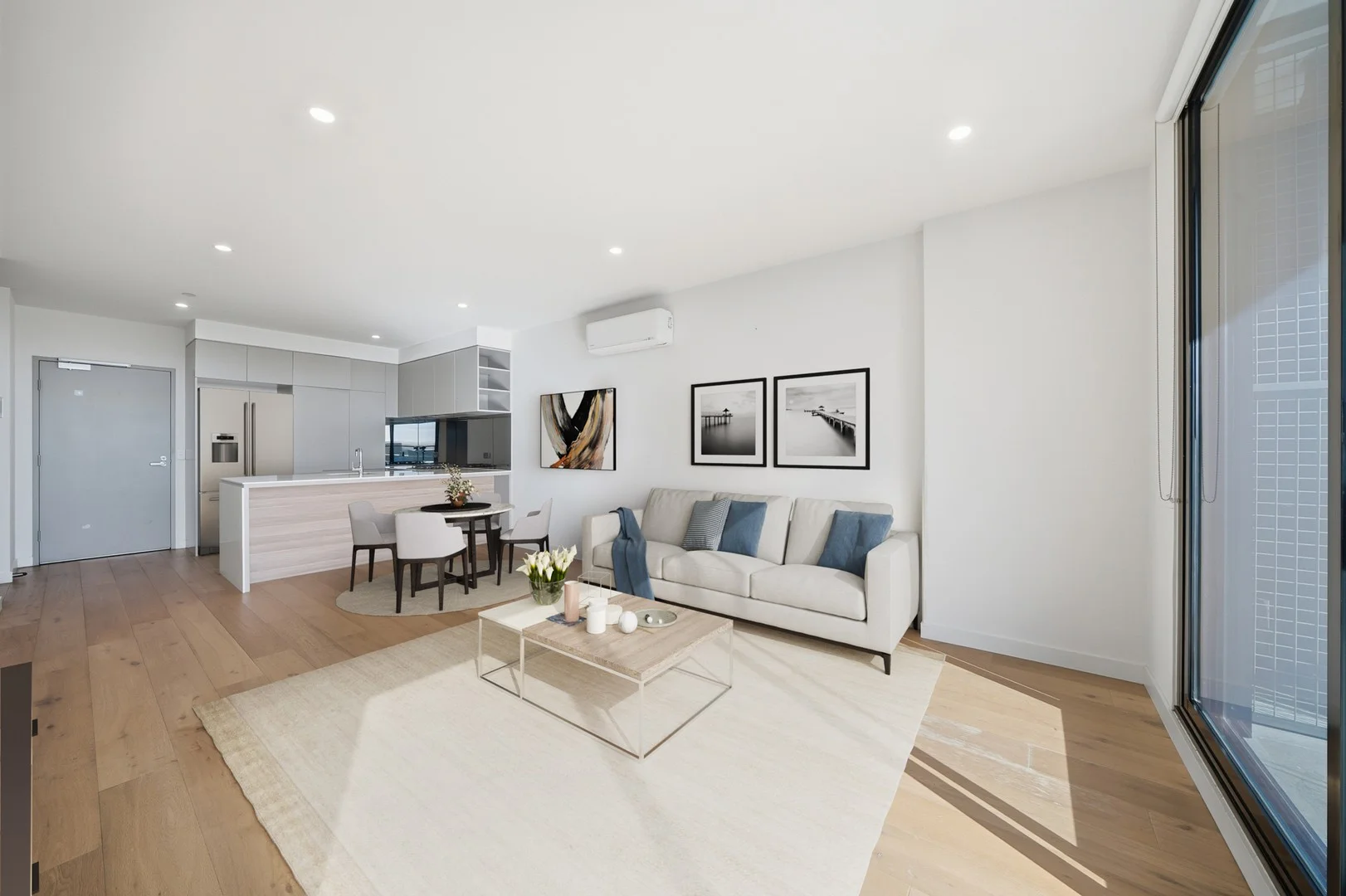 $500,000 - $550,000
Apartment / Unit / Flat
$500,000 - $550,000
Apartment / Unit / Flat
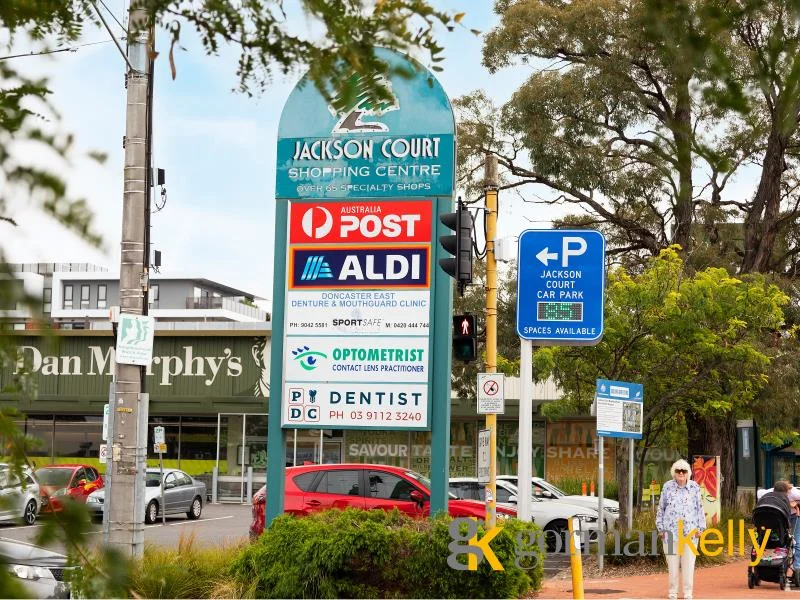 $1,500,000
House
$1,500,000
House
 $1,730,000 - $1,830,000
House
$1,730,000 - $1,830,000
House