- Overview
St Therese's School is a Catholic, co-educational primary school serving families in Colonel Light Gardens and the surrounding Adelaide area. It operates within the Catholic education system, offering a faith-based, values-driven learning environment. The school is medium-sized, with class sizes typically around 20–25 students, which supports individual attention while maintaining a strong sense of community. The atmosphere is nurturing and inclusive, emphasising respect, collaboration, and service to others.
The school fosters a warm, parish-linked culture where faith formation sits alongside academic growth. Students are encouraged to participate in community activities, leadership opportunities, and service projects, helping build a strong sense of belonging and responsibility.
- Academics & Learning
- Academic strengths: The school places a strong foundation in literacy and numeracy, with opportunities to integrate STEM, humanities, and the arts. Religious education is integrated throughout the curriculum to reinforce values and character development.
- Special programs: Includes a Catholic identity program, sacramental preparation as appropriate, and targeted learning extensions. Gifted and talented options are offered within year-level groups, with differentiation to suit individual needs. There is also emphasis on digital literacy and project-based learning.
- Support for diverse learners: Dedicated learning support, inclusive education practices, EAL support where needed, and access to assistive technologies and small-group interventions.
- Sports & Extracurricular Strengths
- Sports offered: Soccer, netball, basketball, cricket, AFL/footy activities, athletics, and swimming programs are commonly available.
- Strong teams or achievements: Participation in local inter-school sporting events with opportunities for recognition across age groups; a focus on teamwork, discipline, and school pride.
- Music, arts, drama programs: School choir, instrumental opportunities (e.g., keyboard or percussion), and regular drama or production performances.
- Clubs: Robotics, coding, chess, debating, science club, and other enrichment activities are typically offered.
- Partnerships: Collaboration with local clubs and community organisations for tournaments, clinics, and extra-curricular opportunities; engagement with Catholic Education SA programs and regional events.
- Wellbeing & Pastoral Care
- Anti-bullying approach: Clear anti-bullying policies with restorative practices and ongoing student education to promote a respectful school culture.
- House system: A house structure (with names reflecting values such as Courage, Compassion, Respect, Responsibility) supports friendly competition, buddying, and celebration of achievement.
- Counsellors / wellbeing officers: Accessible counselling and wellbeing support, with a focus on emotional literacy, resilience, and peer support.
- Transition support for new students: Orientation activities, a buddy system, teacher/parent introductions, and resources to ease transition for new enrolments.
- Facilities
- Sports grounds: On-site play spaces and access to outdoor courts for physical activity and sports.
- Libraries: A well-equipped library for reading, research, and quiet study.
- Science labs: Dedicated science spaces to support hands-on experiments and inquiry-based learning.
- Music/performing arts centers: Space for music instruction, rehearsals, and performances.
- Tech/innovation labs: Access to digital devices and learning technology to support ICT and STEAM activities.
- Cafeteria: On-site dining facilities or a canteen offering healthy options.
- Updated playgrounds: Age-appropriate and safe play areas with modern equipment.
- School Values & Community Culture
- School values / mission: Grounded in Catholic values such as faith, service, respect, and excellence; mission to develop the whole child academically, spiritually, and socially.
- Leadership style: Collaborative leadership with a focus on student voice, teacher collaboration, and parent partnerships.
- Behaviour expectations: Clear codes of conduct emphasizing respect, responsibility, kindness, and integrity.
- Community reputation: Known for a supportive, family-friendly environment with active parental involvement and a welcoming culture.
- Diversity & inclusion: Inclusive practices, welcoming families from diverse backgrounds, and programs to celebrate and respect differences.
- School Logistics & Daily Operations
- School hours: Typical primary school hours (start around 8:30–8:45am, finish around 3:00–3:15pm), with flexibility for early arrivals and after-school care.
- Before/after school care: OSHC or similar programs are commonly available to support families.
- Uniform requirements: Official school uniform with seasonal options; clear guidelines for sports uniforms on game days.
- Transport (train/bus routes): Accessibility via local bus routes and proximity to public transport; school may coordinate with regional transport services for families.
- Canteen availability: On-site canteen or lunch orders available with healthy meal options.
- Fees (low/medium/high ranges): Fees are typically moderate for Catholic primary schools, with additional costs for excursions, special programs, and uniform purchases. Exact amounts vary by year and program.
- Enrolment & Admissions
- What is the enrolment process and timeline?
- Submit an enrolment application with required documents (birth certificate, baptism certificate if applicable, immunisation records, and any school reports). Attend any information sessions or tours as offered. There is often a processing period, after which families are advised of enrolment status.
- Is there a waiting list, and how does it work?
- Many Catholic primary schools maintain waiting lists. Priority may be given to siblings and parish-based considerations. If a place is not immediately available, families are typically kept informed about waiting times and expected release dates.
- Are there any entry requirements, tests, or interviews?
- Primary-school entry generally does not require formal academic testing; there may be an informal interview or discussion with families to understand needs and fit. Religious alignment and understanding of the school’s values are often considered.
- Does the school accept mid-year transfers?
- Mid-year transfers are possible subject to vacancies and completing the enrolment process, with transitional support planned to integrate the student smoothly.
- Frequently Asked Questions
- Why Parents Choose This School?
- Parents choose for a values-based Catholic education, a caring community, strong literacy and numeracy foundations, and opportunities for faith formation and service.
- What type of student thrives at this school?
- Students who are engaged, respectful, curious, and value community involvement; families seeking a faith-based, inclusive learning environment.
- What opportunities are available for students to extend their skills (academics, sports, arts)?
- Extended literacy and numeracy programs, STEM and digital literacy, leadership roles, choir and performing arts, robotics and coding clubs, and competitive sports teams.
- How does the school communicate with parents?
- Regular newsletters, a school app or portal, parent-teacher meetings, email, and updates from the principal and teachers.
- What is the school’s approach to teaching and learning?
- Differentiated instruction, inquiry-based learning, and a balanced approach combining faith formation with academic rigor and real-world application.
- How does the school support students who need extra academic help?
- Targeted small-group interventions, learning support staff, EAL assistance, and access to assistive technologies and adapted resources.
- What support is available for academic challenges?
- Early identification, in-class adjustments, and referral to specialist support where needed; ongoing collaboration with families.
- How does the school communicate with parents?
- See above: multiple channels including newsletters, apps/portals, and scheduled parent meetings.
- What extracurricular and sports opportunities are available?
- A range of sports (soccer, netball, basketball, cricket, AFL, athletics), music and drama programs, and clubs like robotics, coding, chess, and debating.
- What facilities does the school offer (sports, science, arts)?
- Sports grounds, libraries, science labs, music/performing arts spaces, tech/innovation labs, canteen, and updated playgrounds.
- What is the school’s approach to technology and digital learning?
- Emphasis on digital literacy within a safe, structured environment; use of devices and online platforms to support learning; digital citizenship and IT skills are taught.
- What transport and accessibility options are available?
- Access to local bus routes and public transport; student safety and accessibility considerations are accommodated where possible.
- What are typical school fees or additional costs?
- Fees are in the moderate range for Catholic primary education; additional costs include uniform, excursions, and optional programs. Exact amounts vary by year and activity; contact the school for a current breakdown.
- Short Pros & Cons list
Pros
- Strong values-based Catholic education with a nurturing community
- Solid literacy and numeracy foundations and inclusive support
- Balanced focus on faith formation, academics, and wellbeing
- Wide range of extracurriculars, sports, and arts opportunities
- Moderate fees with transparent communication
Cons
- As a medium-sized Catholic school, the total number of elective offerings may be smaller than larger institutions
- Specific programs or offerings can vary by year; check current availability
- Enrolment may involve waitlists during peak intake periods
If you’d like, I can tailor this draft further with more precise details if you can share updated information from the school (current enrolment numbers, exact programs, uniform specifics, and any recent facilities).
 $40+
$40+








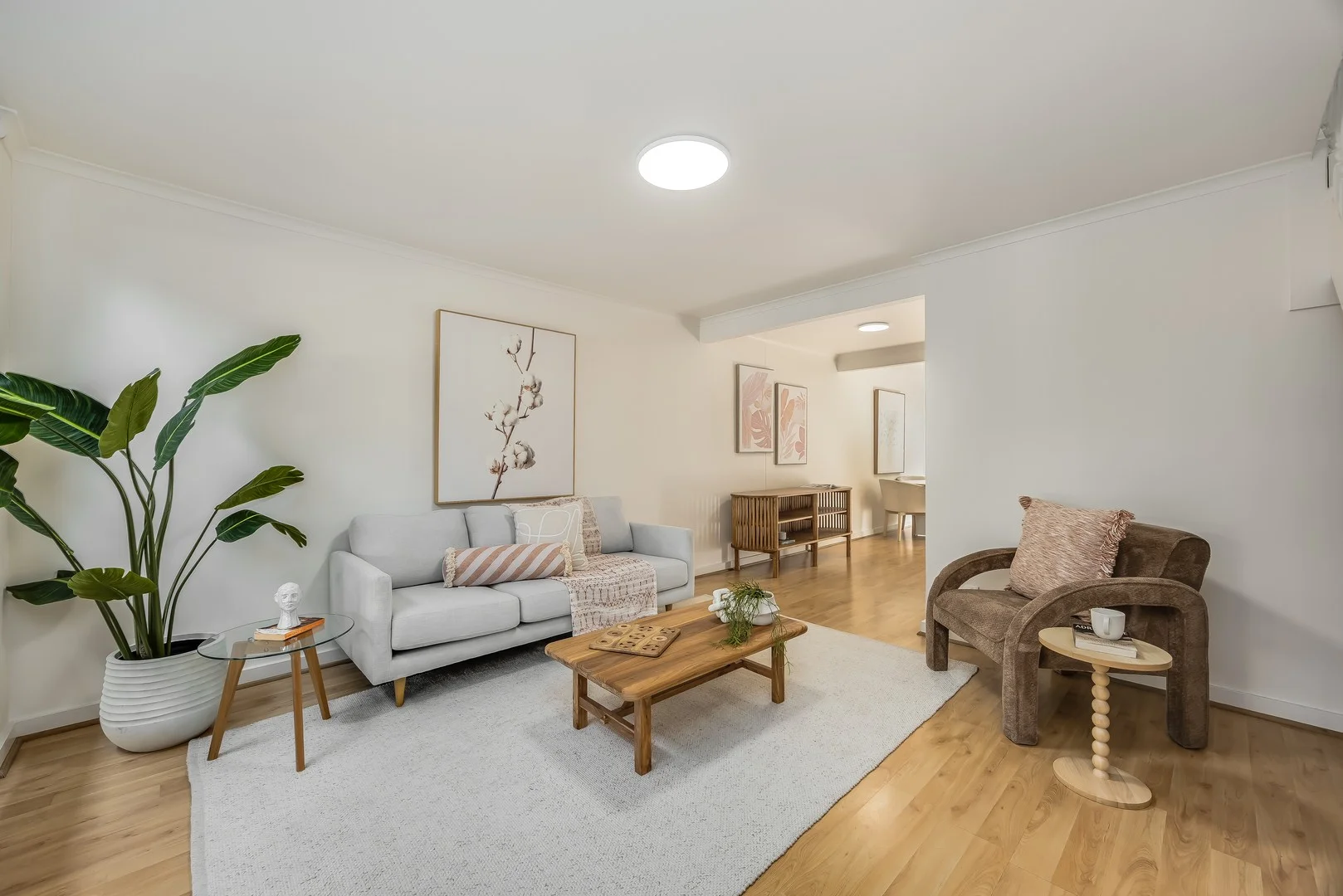 $775,000
House
$775,000
House
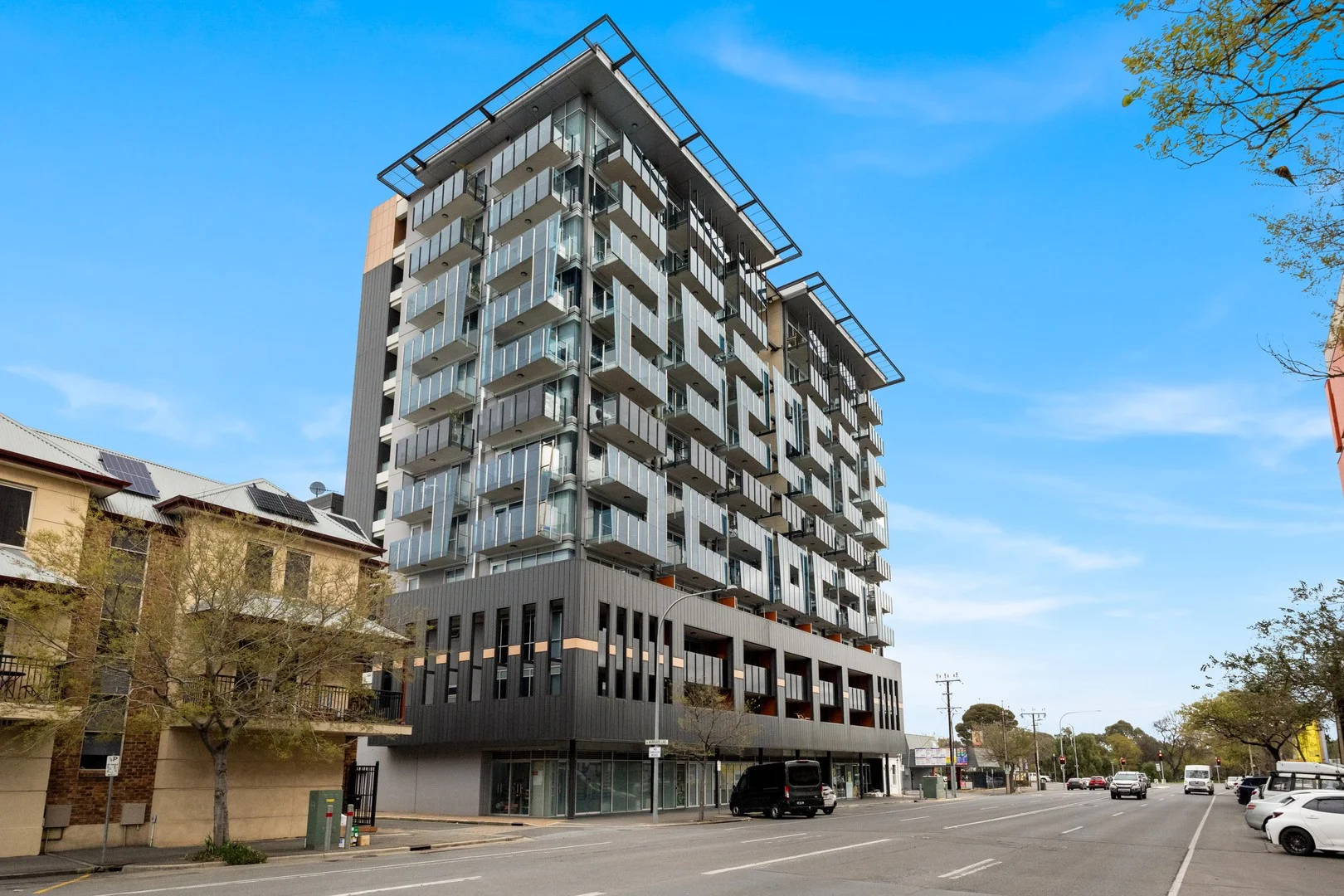 $1,100,000
Apartment / Unit / Flat
$1,100,000
Apartment / Unit / Flat
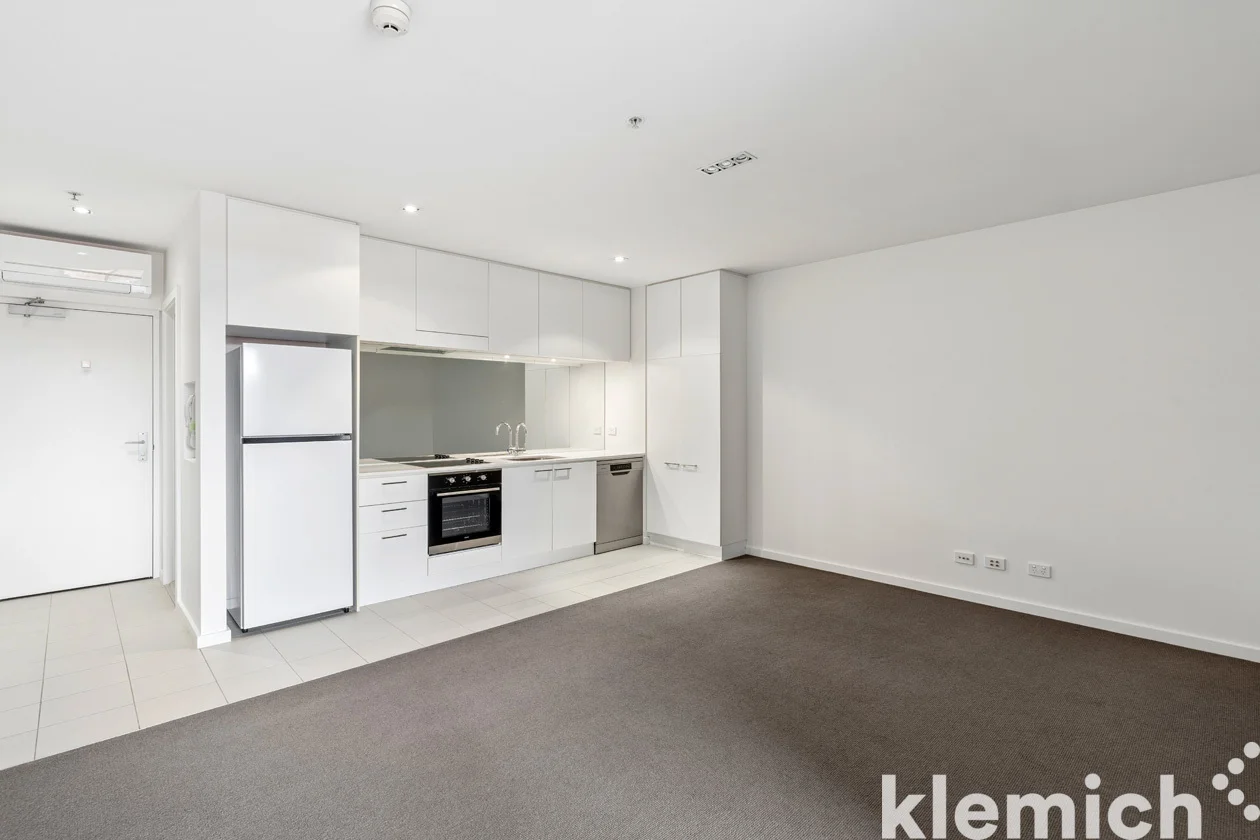 $440,000
Apartment / Unit / Flat
$440,000
Apartment / Unit / Flat
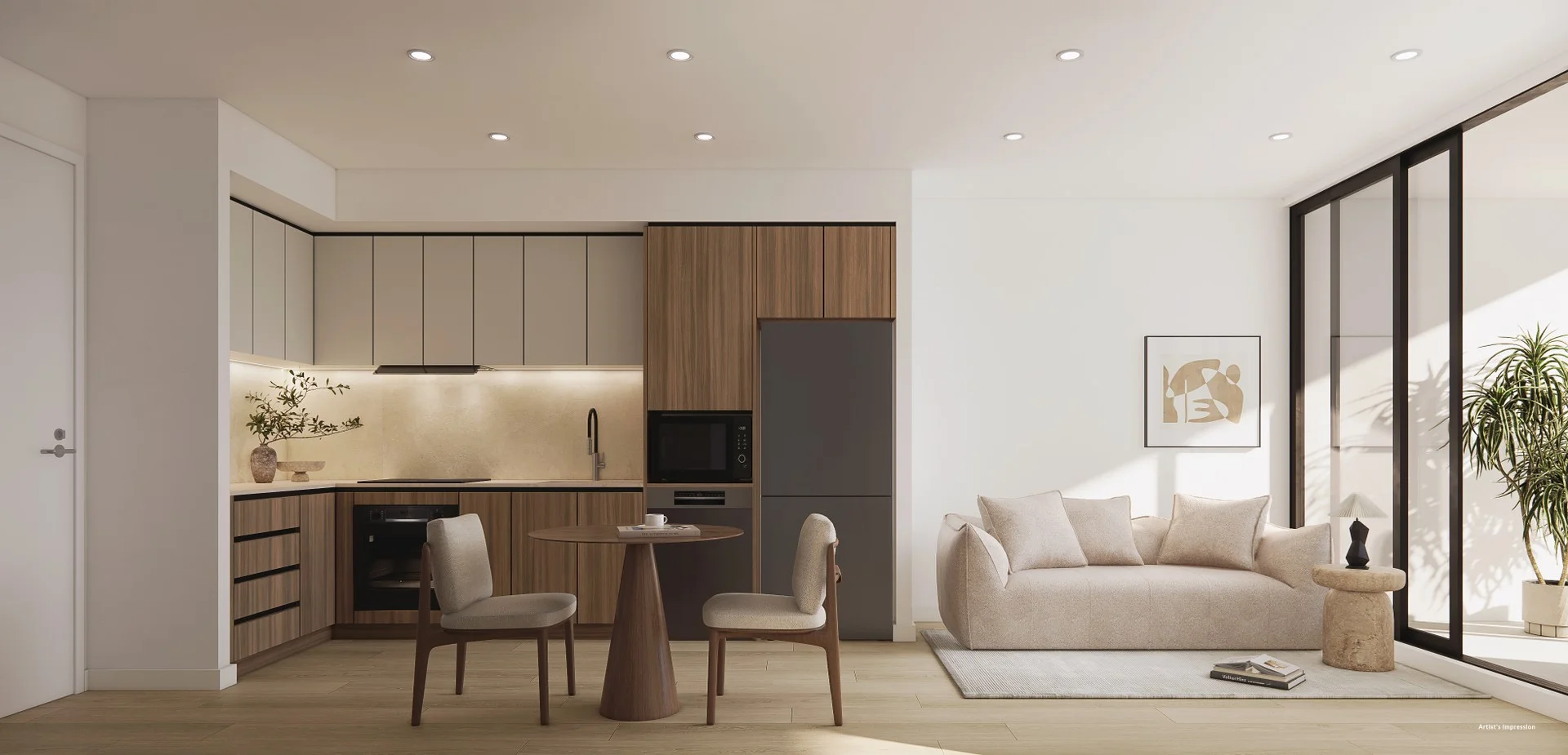 $588,000
Apartment / Unit / Flat
$588,000
Apartment / Unit / Flat
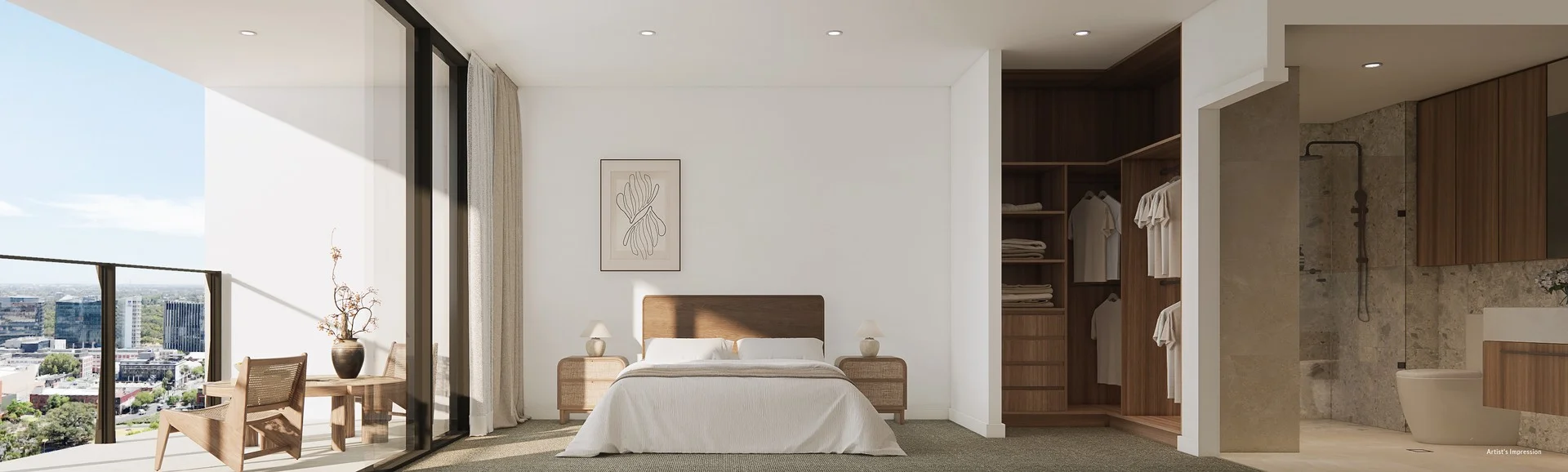 $1,056,000
Apartment / Unit / Flat
$1,056,000
Apartment / Unit / Flat
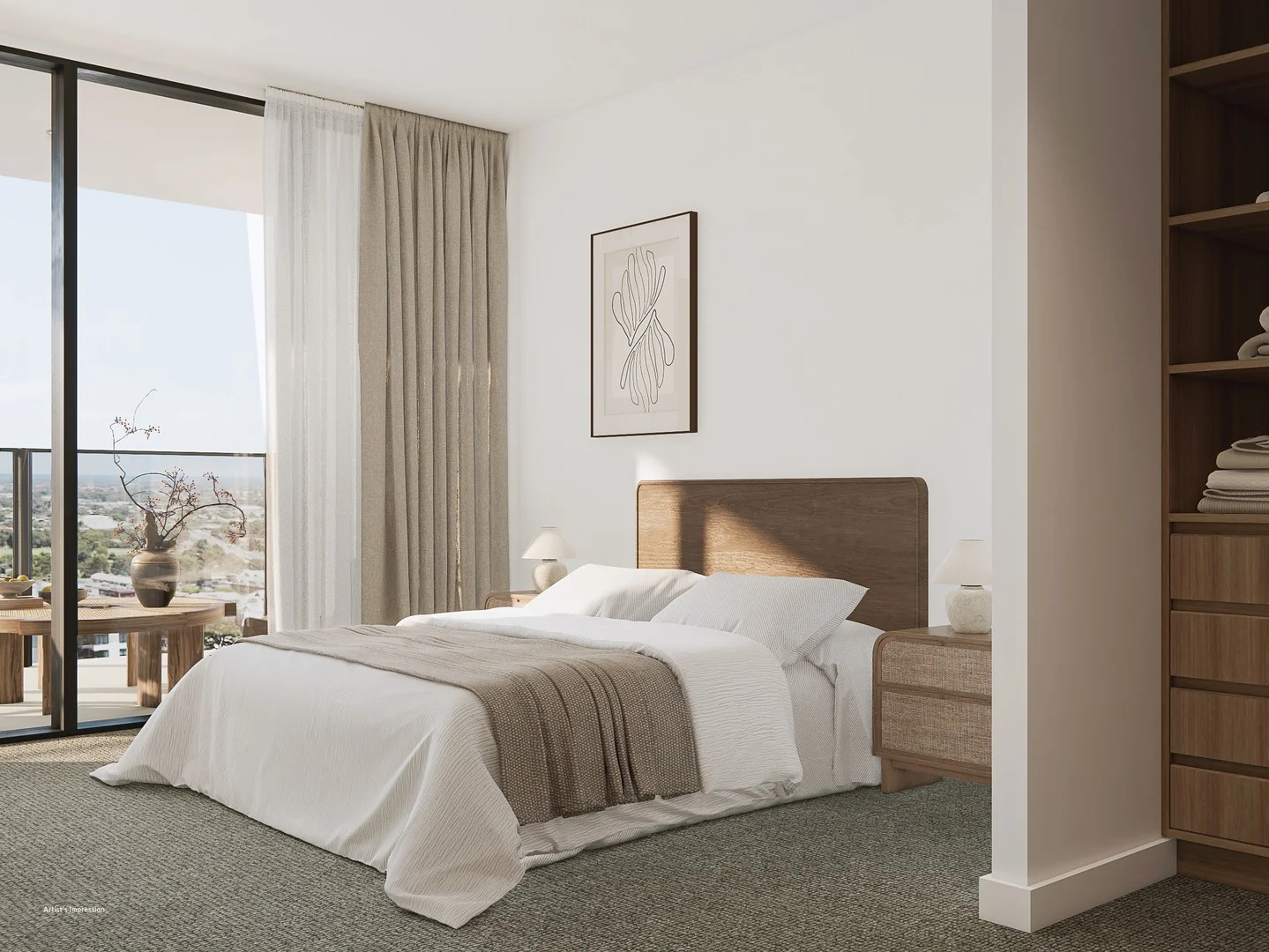 $935,000
Apartment / Unit / Flat
$935,000
Apartment / Unit / Flat
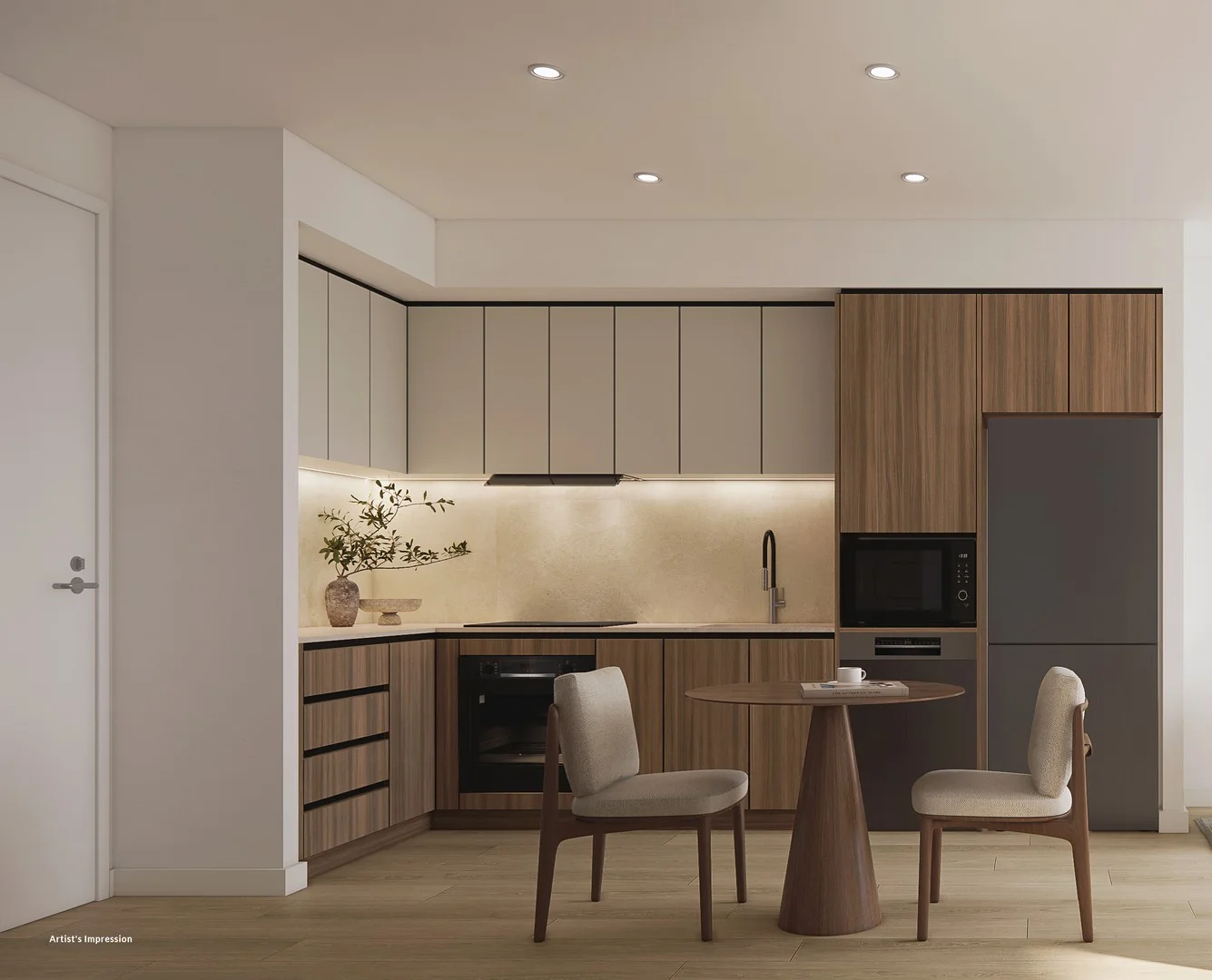 $557,000
Apartment / Unit / Flat
$557,000
Apartment / Unit / Flat
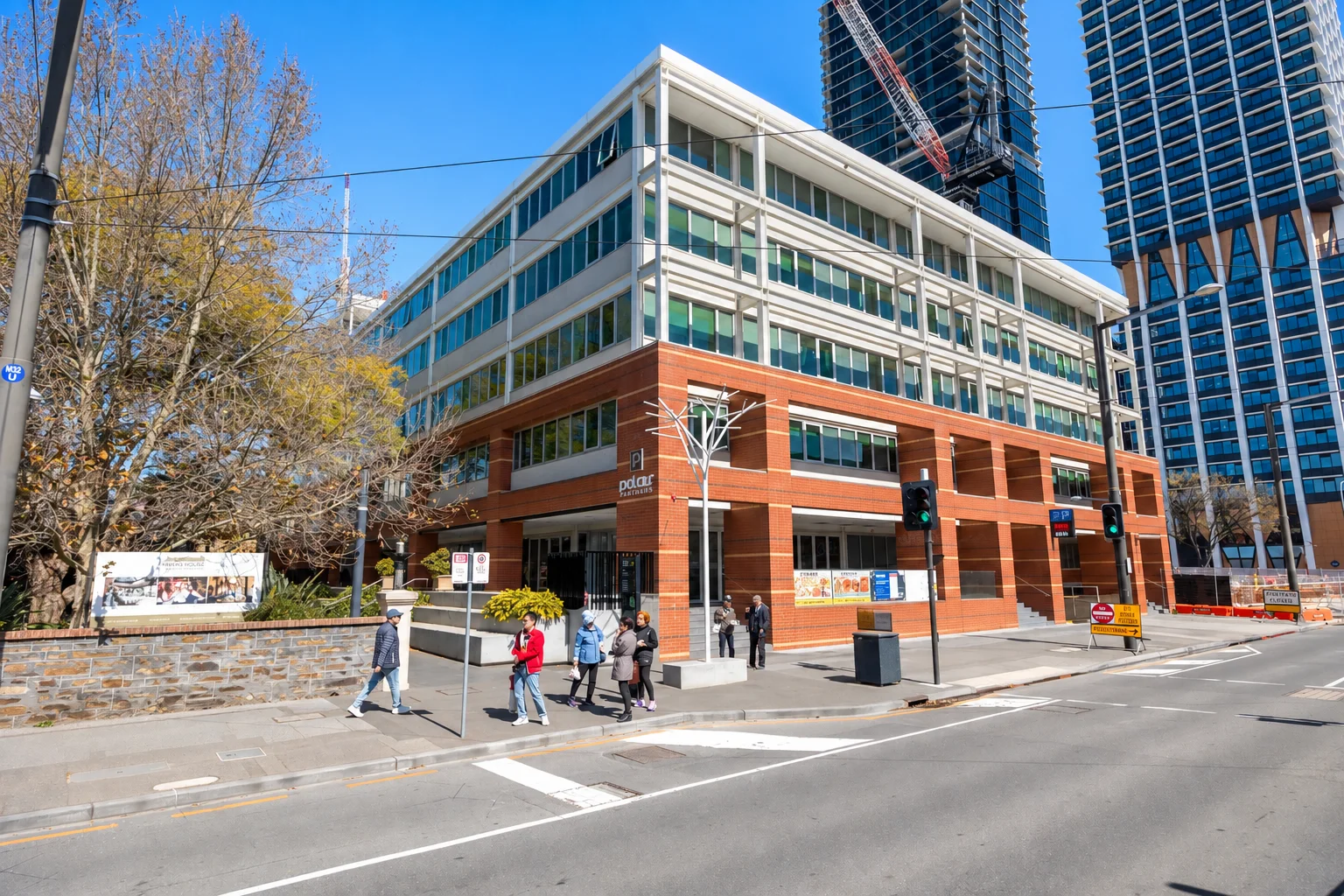 $545,000
Apartment / Unit / Flat
$545,000
Apartment / Unit / Flat