# 1. Overview
Springbank Secondary College in Pasadena is a public, co-educational high school serving families in South Australia’s southern suburbs. The school offers a medium-sized community where students are supported to balance academics with a broad range of extra-curricular opportunities. The environment tends to be inclusive and collaborative, with a strong emphasis on student well-being and positive relationships between staff and students.
Key characteristics:
- School type: Public
- School size: Medium
- Class size: Typically 22–28 students per class
- Atmosphere/culture: Inclusive, supportive, diverse, and student-focused
# 2. Academics & Learning
Springbank Secondary College provides a broad curriculum designed to prepare students for the South Australian Certificate of Education (SACE) pathway, with opportunities for VET studies and valued leadership development.
Highlights:
- Academic strengths: English, STEM, leadership development, and languages; strong emphasis on literacy and numeracy improvement
- Special programs: Gifted and Talented pathways, VET/industry-specific options, SACE preparation; opportunities for accelerated learning where available
- NAPLAN / trends: Positive trends in reading and numeracy over recent years, with ongoing focus on maintaining steady improvement
- Student-teacher ratios: Class sizes around 22–28; overall student-teacher ratios typically in the mid-teens to low twenties per teacher
- Support for diverse learners: EAL support, learning support staff, and inclusive education programs for SEN
# 3. Sports & Extracurricular Strengths
Sports and extracurriculars are a core part of student life, with options designed to appeal to a wide range of interests.
- Sports offered: Football (AFL)/soccer, netball, basketball, cricket, athletics, swimming, and other school-level code-based activities
- Strong teams or achievements: Active participation in regional competitions with a focus on skill development, teamwork, and school spirit
- Music, arts, drama programs: On-site music programs, choir and band opportunities, drama productions and performing arts activities
- Clubs: Robotics, coding, chess, debating, and various student-led clubs
- Partnerships: Local clubs and regional competitions that provide opportunities beyond the school gates
# 4. Wellbeing & Pastoral Care
Wellbeing and pastoral care are central to student success, with programs designed to create a safe and supportive learning environment.
- Anti-bullying approach: Clear anti-bullying strategies and positive behaviour programs; emphasis on respectful peer interactions
- House system: House-based engagement to foster belonging and healthy competition
- Counsellors / wellbeing officers: Access to school counsellors and wellbeing staff to support emotional, social, and mental health needs
- Transition support for new students: Orientation activities, buddy systems, and targeted support for students starting mid-year or joining from other schools
# 5. Facilities
The school’s facilities support a wide range of learning and development activities.
- Sports grounds: Adequate outdoor spaces for physical education and sports
- Libraries: School library resources for research, reading, and study
- Science labs: Equipped laboratories for biology, chemistry, and physics
- Music/performing arts centers: Dedicated spaces for music practice, ensembles, and drama
- Tech/innovation labs: Computer and technology resources to support digital learning and coding
- Cafeteria: On-site canteen offering a range of healthy options
- Updated playgrounds: Modern outdoor areas for recreation and socialising
# 6. School Values & Community Culture
Springbank Secondary College fosters a values-led culture with an emphasis on student growth, community engagement, and inclusion.
- School values / mission: Respect, responsibility, resilience, and inclusion are central themes guiding daily life
- Leadership style: Collaborative, student-centered leadership with opportunities for student voice and leadership roles
- Behaviour expectations: Clear positive-behaviour framework applied consistently across the school
- Community reputation: Known for a welcoming, supportive atmosphere and active parent engagement
- Diversity & inclusion: Commitment to embracing and celebrating diverse backgrounds and abilities
# 7. School Logistics & Daily Operations
Important practical details help families plan around school life.
- School hours: Typical school day runs from morning start to mid-afternoon; exact times vary by year level
- Before/after school care: Often arranged via external providers beyond school hours; check with administration for options
- Uniform requirements: School uniform is compulsory
- Transport: Bus routes and public transport options accessible in the area; convenient for many families
- Canteen availability: On-site canteen or lunch facilities with healthy options
- Fees: Public schools have low to modest fees for materials and activities; additional costs may apply for specific trips, programs, or resources
# 8. Enrolment & Admissions
11. What is the enrolment process and timeline?
- Submitting an application or expression of interest through the school or Department for Education processes
- Required documentation: birth certificate or identity documents, proof of address, and any school records
- Timeline: Enrollment periods follow the SA education system calendar; timelines can vary by catchment and space availability
- Orientation and transition: New students may participate in orientation days and receive information about the school
12. Is there a waiting list, and how does it work?
- Waiting lists can apply if the school is over-subscribed
- Priorities typically follow in-catchment eligibility; out-of-area enrollments may be considered based on vacancies and policy
- Notification timelines depend on vacancy status and the official enrollment period
13. Are there any entry requirements, tests, or interviews?
- Generally, there are no entrance exams; some schools may conduct brief interviews or discussions to understand student needs
- In special cases (e.g., EAL or SEN considerations), assessments or documentation may be requested to tailor support
- Mid-year intake may involve intake conversations to ensure appropriate placement and support
14. Does the school accept mid-year transfers?
- Yes, where space permits and after completion of required documentation
- Transfer process typically includes providing student records, current academic history, and arrival at a suitable placement within the timetable
# 9. Frequently Asked Questions
- Why Parents Choose This School?
- A welcoming public secondary option with broad academic and extra-curricular offerings, strong student support, and a clear focus on wellbeing and inclusion.
- What type of student thrives at this school?
- Students who enjoy a balanced program, value community and support, and want access to a range of academic, sports, arts, and leadership opportunities.
- What opportunities are available for students to extend their skills (academics, sports, arts)?
- Advanced coursework and SACE preparation; VET pathways; STEM and coding clubs; debating and public speaking; performing arts; competitive sports teams.
- How does the school communicate with parents?
- Through emails, newsletters, parent portals, and meetings; regular updates on learning progress and school events.
- What is the school’s approach to teaching and learning?
- Student-centered and differentiated instruction with emphasis on core skills, collaboration, and critical thinking; focus on literacy and numeracy development.
- How does the school support students who need extra academic help?
- Targeted learning support, EAL assistance, SEN services, tutoring or small-group interventions, and tailored learning plans.
- What support is available for academic challenges?
- Access to dedicated support staff, extensions or modifications where appropriate, and guidance on study skills and time management.
- How does the school communicate with parents?
- See above; multi-channel communications and opportunities to engage with teachers and leaders.
- What are the class sizes and how much individual attention do students receive?
- Typical class sizes are 22–28 students; teachers provide differentiation, targeted feedback, and opportunities for small-group support.
- What extracurricular and sports opportunities are available?
- A wide range of sports, music and drama programs, robotics, coding, chess, debating, and other clubs; opportunities to compete in regional events.
- What facilities does the school offer (sports, science, arts)?
- Sports grounds, libraries, science labs, performing arts/music spaces, technology labs, canteen, and well-maintained outdoor areas.
- What is the school’s approach to technology and digital learning?
- Emphasis on digital literacy, use of devices and online resources to support learning, and integration of technology across subjects.
- What transport and accessibility options are available?
- Nearby bus routes and public transport; clear guidance for students commuting to and from school.
- What are the typical school fees or additional costs?
- Low with public funding; possible additional costs for trips, activities, or materials not covered by the school.
# 10. Short Pros & Cons list
- Pros
- Inclusive, supportive culture with a focus on well-being
- Broad academic and co-curricular opportunities (STEM, arts, sports, leadership)
- Strong emphasis on student support and transition for newcomers
- Balanced class sizes and opportunities for differentiation
- Access to VET pathways and SACE preparation
- Cons
- As a medium-sized public school, demand can lead to waitlists in peak intake periods
- Uniforms and some extra-curricular costs may be a consideration for families
- Mid-year transfers depend on space and may require additional transition support









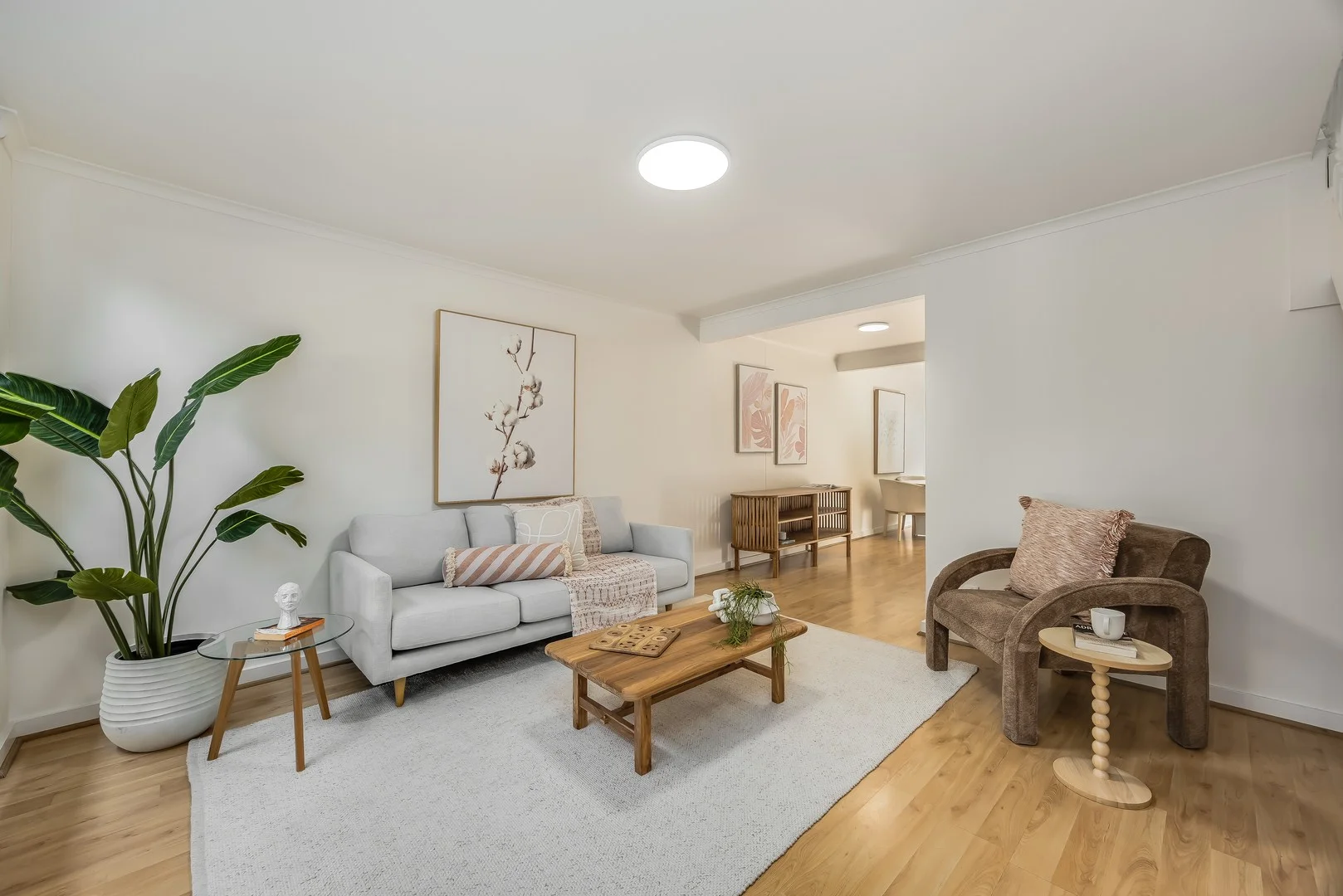 $775,000
House
$775,000
House
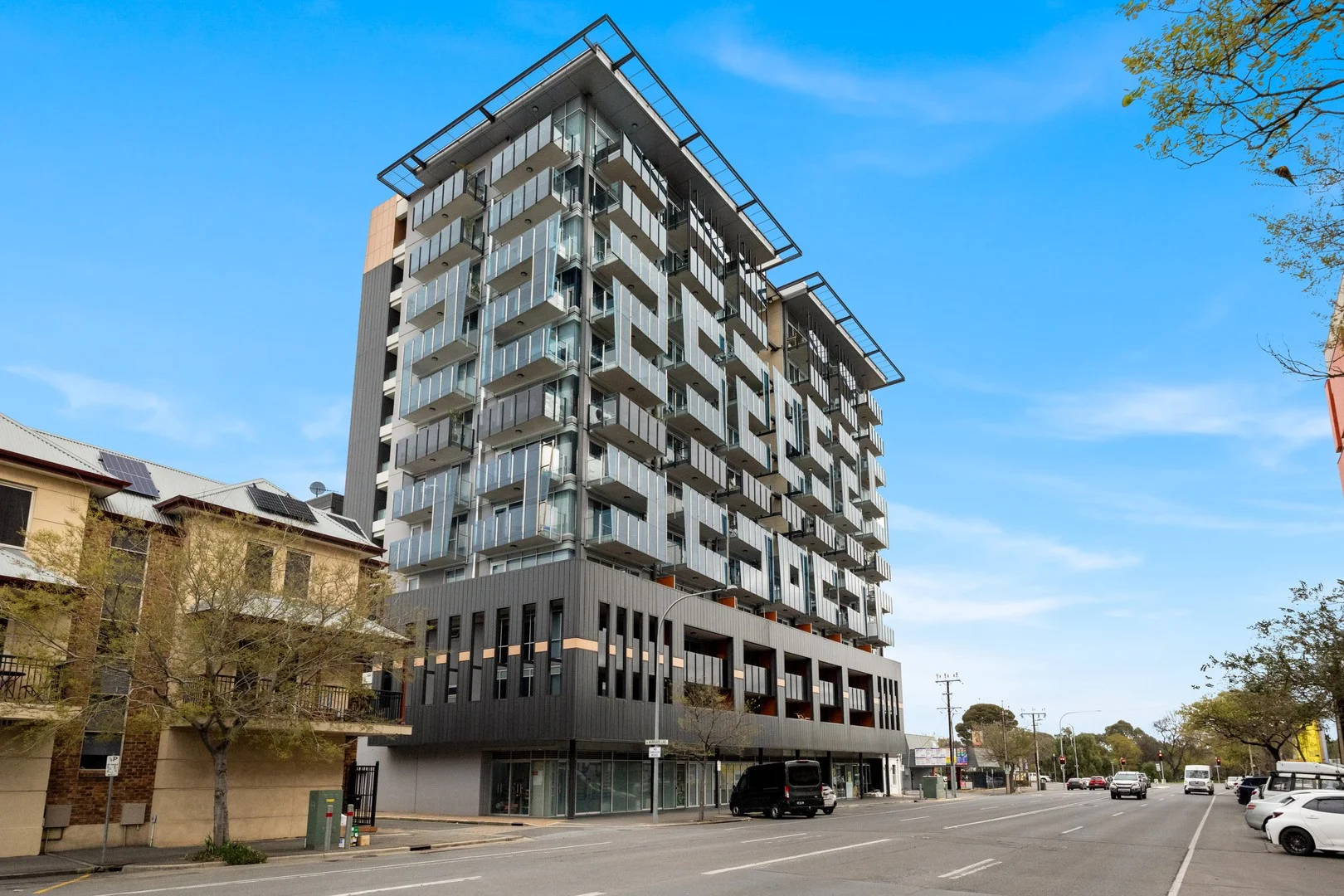 $1,100,000
Apartment / Unit / Flat
$1,100,000
Apartment / Unit / Flat
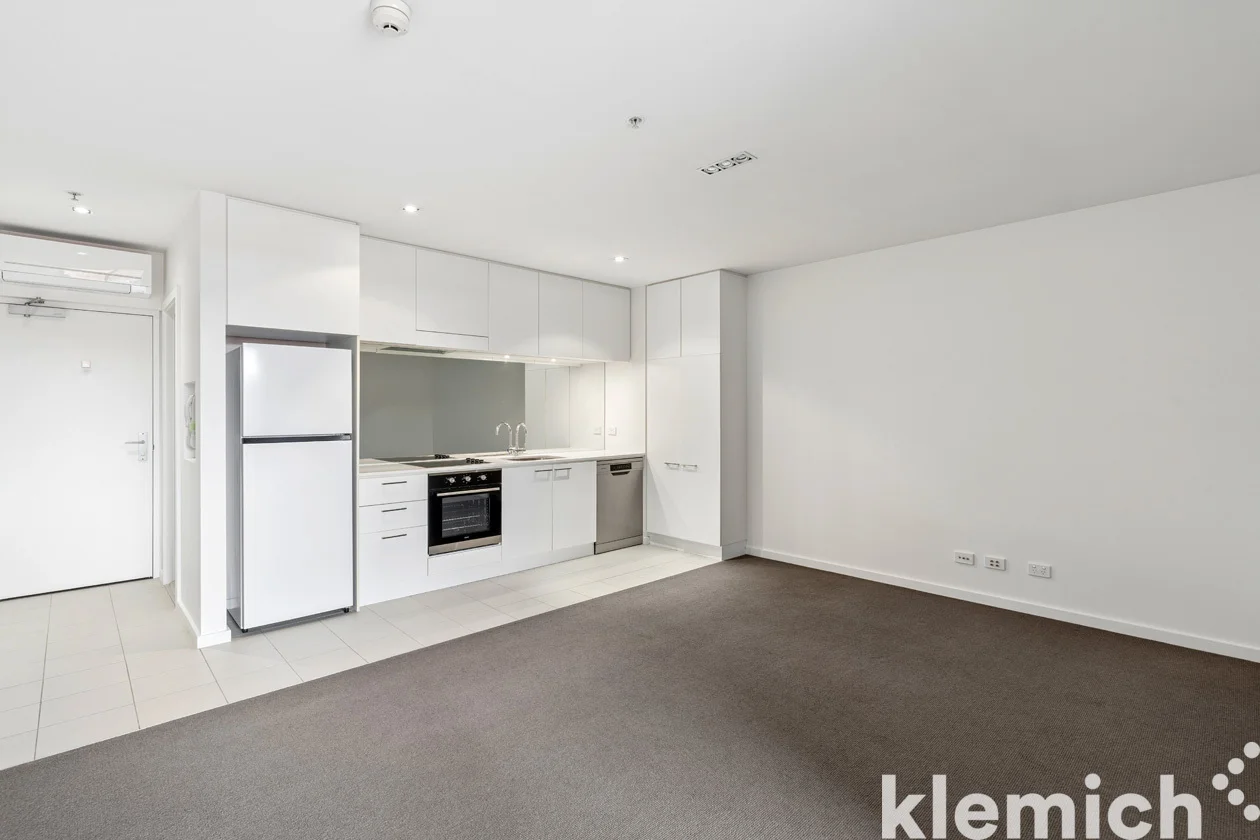 $440,000
Apartment / Unit / Flat
$440,000
Apartment / Unit / Flat
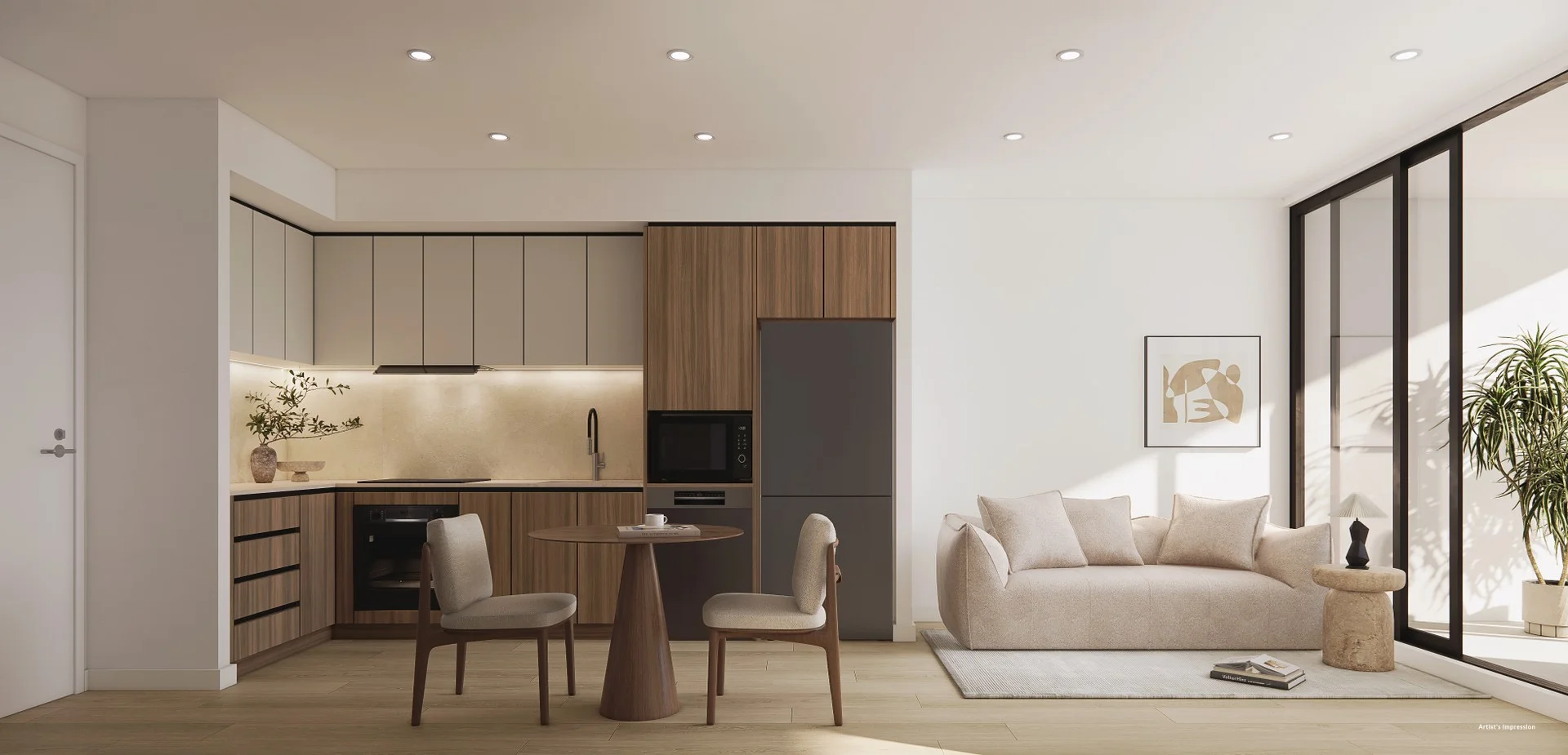 $588,000
Apartment / Unit / Flat
$588,000
Apartment / Unit / Flat
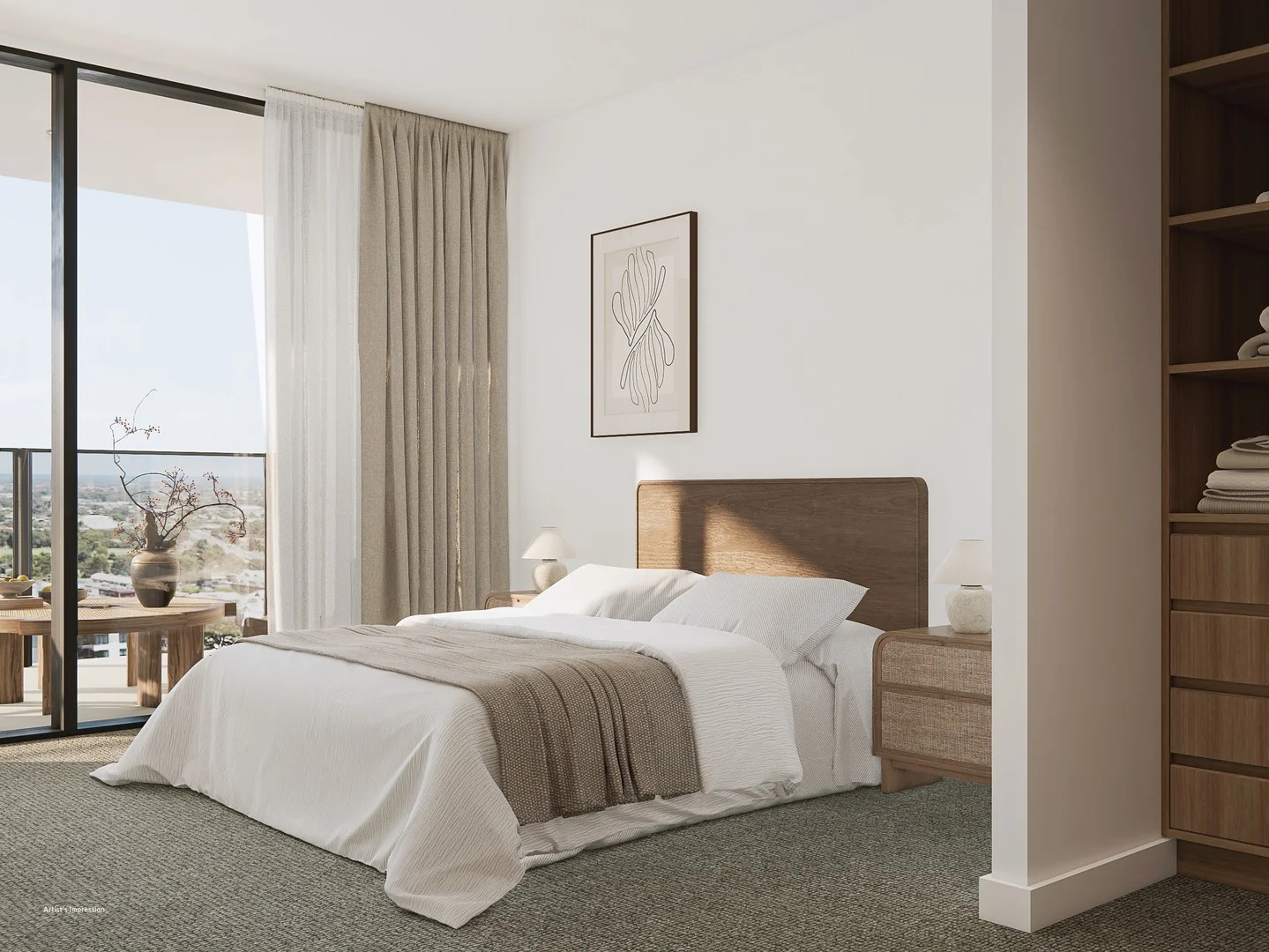 $935,000
Apartment / Unit / Flat
$935,000
Apartment / Unit / Flat
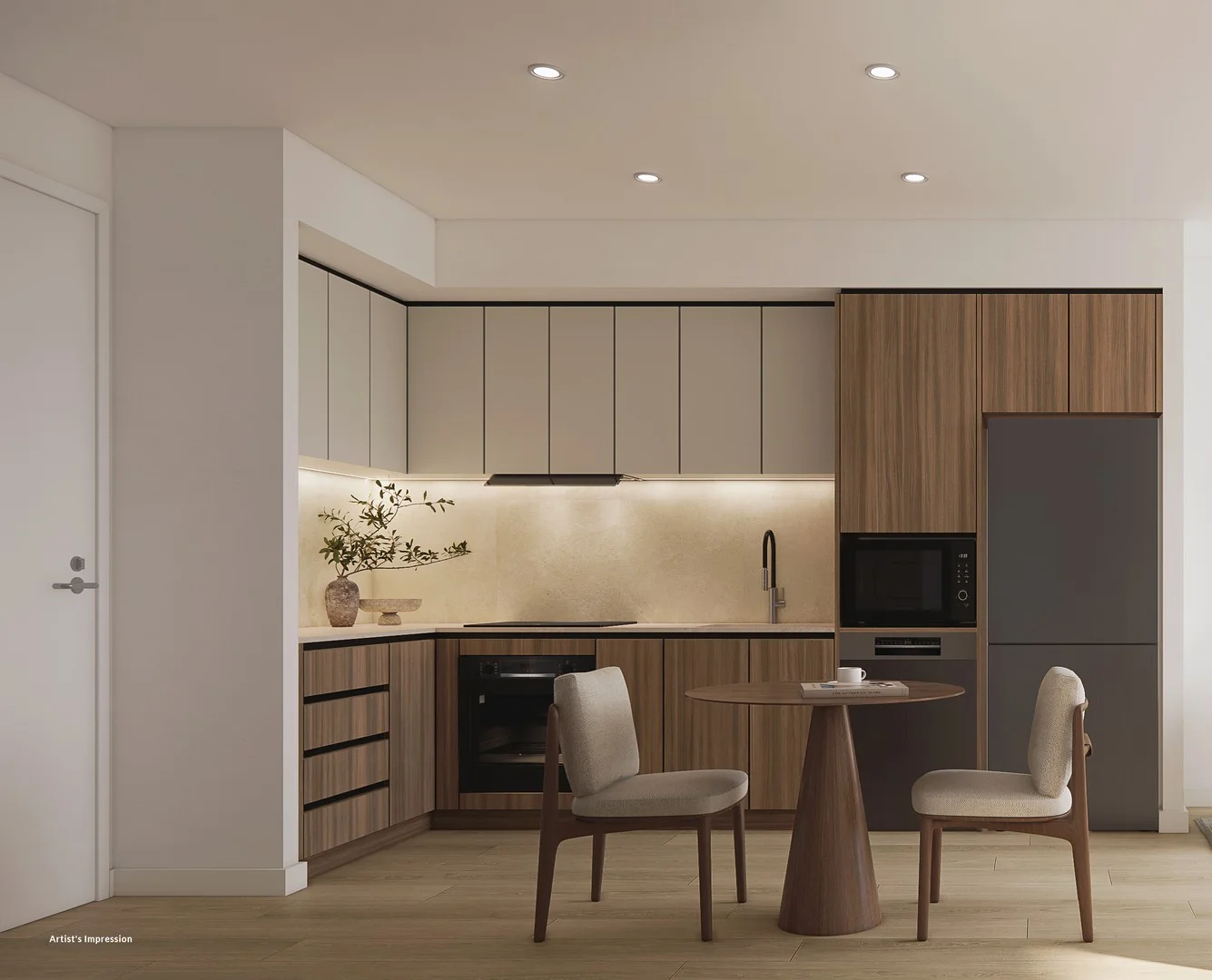 $557,000
Apartment / Unit / Flat
$557,000
Apartment / Unit / Flat
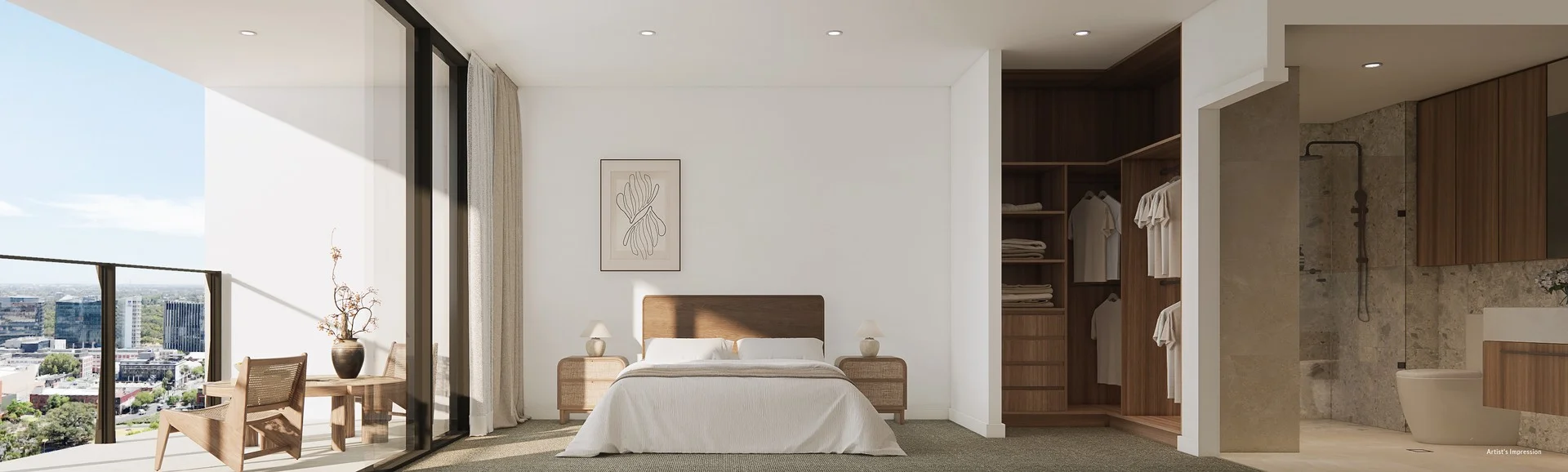 $1,056,000
Apartment / Unit / Flat
$1,056,000
Apartment / Unit / Flat
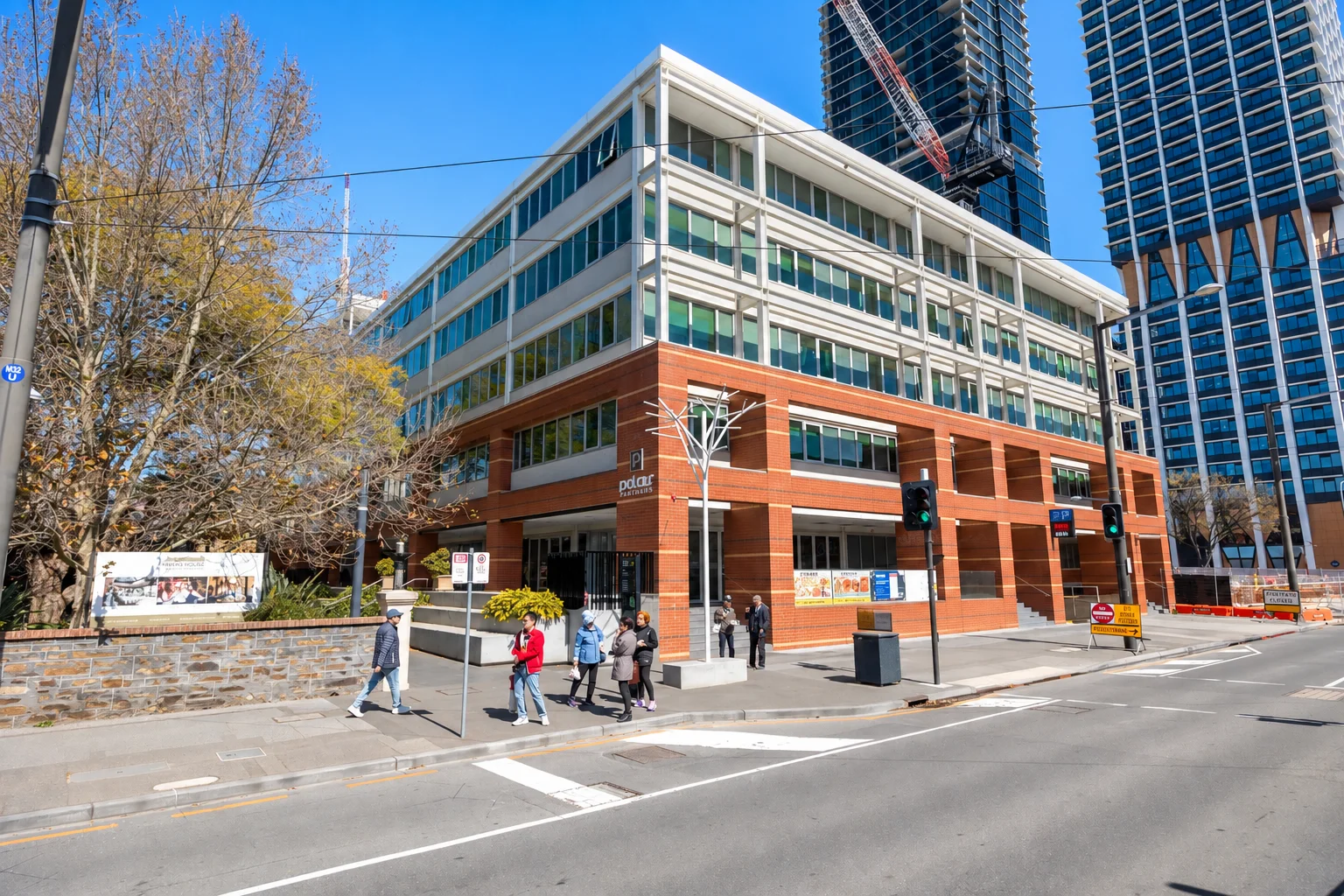 $545,000
Apartment / Unit / Flat
$545,000
Apartment / Unit / Flat


