## 1. Overview
Clapham Primary School is a public (government) primary school serving the local Clapham community. It is a medium-sized school that aims to provide a welcoming, inclusive environment where students are supported to grow academically, socially and personally.
Classrooms typically run with around 20–25 students per class, helping teachers give more individual attention while maintaining a strong sense of classroom community. The atmosphere is nurturing and family-friendly, with a focus on fostering resilience, collaboration and positive relationships among students, families and staff.
⸻
## 2. Academics & Learning
- Academic strengths: Emphasis on literacy and numeracy with a solid foundation in English, mathematics and integrated STEM learning; commitment to well-rounded development through the arts and digital literacy.
- Special programs: Support for Gifted and Talented learners where available, targeted literacy and numeracy interventions, and English as an Additional Language (EAL) support to help diverse learners access the curriculum.
- NAPLAN / trends: Consistent groundwork across key learning areas with ongoing efforts to improve reading and numeracy outcomes; school-wide focus on measurable literacy and numeracy progress.
- Student-teacher ratios: Class sizes typically around 20–25 students; teacher-to-student ratios in classrooms generally in the low teens to mid-teens, varying by year level.
- Support for diverse learners: Inclusive education approaches with targeted supports (EAL/D, learning support plans, and additional assistance for students with diverse learning needs).
⸻
## 3. Sports & Extracurricular Strengths
- Sports offered: Common primary programs include soccer (football), netball, basketball, cricket, athletics, and cross-country; some years may include swimming and other activities.
- Strong teams or achievements: Participation in inter-school and district-level competitions with opportunities for student athletes to contribute to teams across age groups.
- Music, arts, drama programs: Regular opportunities for music groups, school choirs, performing arts activities and end-of-year performances.
- Clubs: Robotics, coding, chess, debating and other STEM or academic clubs commonly available; maker-space activities may be offered.
- Partnerships: Connections with local community clubs and regional competitions to extend learning beyond the classroom.
⸻
## 4. Wellbeing & Pastoral Care
- Anti-bullying approach: Clear anti-bullying policies, student wellbeing programs and restorative practices to address conflicts and promote respectful behaviour.
- House system: House-based activities and events to foster belonging, leadership and teamwork.
- Counsellors / wellbeing officers: Access to school-based wellbeing staff or counselors to support student emotional health and resilience.
- Transition support for new students: Buddy programs, orientation sessions and dedicated transitions support to help new students settle in smoothly.
⸻
## 5. Facilities
- Sports grounds: On-site sporting fields or courts for ongoing physical education and games.
- Libraries: A well-equipped library supporting reading and research.
- Science labs: Access to science education spaces for hands-on experiments.
- Music/performing arts centers: Dedicated spaces for music and drama activities and performances.
- Tech/innovation labs: Availability of technology-enabled learning spaces or STEM-focused areas.
- Cafeteria: On-site canteen or lunch facilities supporting healthy eating.
- Updated playgrounds: Safe and inviting outdoor play areas and equipment.
⸻
## 6. School Values & Community Culture
- School values / mission: Emphasis on respect, responsibility, resilience, inclusion and a positive learning culture.
- Leadership style: Collaborative approach with distributed leadership among staff and student representatives where appropriate.
- Behaviour expectations: Clear, consistently enforced expectations with a focus on positive behaviour supports and restorative practices.
- Community reputation: Active engagement with families and the local community; welcomes parent involvement and feedback.
- Diversity & inclusion: Commitment to a diverse and inclusive environment that supports students from different backgrounds and learning needs.
⸻
## 7. School Logistics & Daily Operations
- School hours: Typical day runs from around 8:45 am to 3:15 pm, with variations by year level.
- Before/after school care: OSHC or similar after-school care arrangements may be available through external providers or school programs.
- Uniform requirements: School uniform is required (including appropriate tops, bottoms, and hats as per policy).
- Transport (train/bus routes): Access to local bus services and public transport options; proximity to bus routes or train stations as applicable.
- Canteen availability: On-site canteen or lunch program supporting convenient meal options.
- Fees (low/medium/high ranges): Public schools generally have low to moderate family contributions for activities and supplies; exact costs vary by year and program.
⸻
## 8. Enrolment & Admissions
### 11. What is the enrolment process and timeline?
- Enrolment is managed through the school and/or the state Department of Education. Families typically need to provide proof of residency (address), birth certificate, immunisation records and enrolment forms. Timelines are usually aligned with school year start dates; spaces are allocated based on in-zone eligibility with consideration for applications from outside the zone where space permits.
### 12. Is there a waiting list, and how does it work?
- Waiting lists can occur when demand exceeds available places. In-zone enrolments are prioritised; waitlists may be used for out-of-zone applications. Availability depends on current enrolments and space.
### 13. Are there any entry requirements, tests, or interviews?
- Public primary schools generally do not require entrance tests. Some schools may conduct informal interviews or information sessions for out-of-area applicants or for students requiring additional supports, but there is no standard entrance exam for general enrolment.
### 14. Does the school accept mid-year transfers?
- Mid-year transfers may be possible if there is space, subject to administration and placement considerations. Parents should contact the school early to discuss options and required documentation.
⸻
## 9. Frequently Asked Questions
- Why Parents Choose This School?
- Public, community-focused primary education with a nurturing environment, broad learning opportunities and active wellbeing supports.
- What type of student thrives at this school?
- Students who value a balanced, inclusive, hands-on learning approach and enjoy participating in both academics and extracurricular activities.
- What opportunities are available for students to extend their skills (academics, sports, arts)?
- Strong emphasis on literacy and numeracy with STEM and digital learning; clubs such as robotics, coding and chess; music and drama programs; regular sports and inter-school activities.
- How does the school communicate with parents?
- Regular updates through newsletters, emails and the school’s communication platforms; parent meetings and events are common.
- What is the school’s approach to teaching and learning?
- Student-centered, evidence-based practices with a mix of direct instruction, collaborative learning and targeted supports for diverse learners.
- How does the school support students who need extra academic help?
- Targeted interventions in literacy and numeracy, EAL/D support and access to learning support staff or programs.
- What support is available for academic challenges?
- Additional tutoring or small-group support, adjusted tasks, and ongoing monitoring of progress through a structured intervention framework.
- How does the school communicate with parents? (Note: duplicate question included in prompt)
- See above: regular channels and scheduled meetings.
- What are the class sizes and how much individual attention do students receive?
- Class sizes around 20–25 students, with teachers providing a reasonable level of individual attention within the classroom setting.
- What extracurricular and sports opportunities are available?
- A range of sports (e.g., soccer, netball, basketball, cricket, athletics), plus clubs in robotics, coding, chess and debating, and performing arts activities.
- What facilities does the school offer (sports, science, arts)?
- Sports grounds, library, science labs, music/performing arts spaces, technology/innovation labs, canteen, and updated playgrounds.
- What is the school’s approach to technology and digital learning?
- Integration of digital literacy across the curriculum, with access to devices and age-appropriate software to support learning.
- What transport and accessibility options are available?
- Local bus services and public transport; information available through the school on current routes and accessibility options.
- What are the typical school fees or additional costs?
- Public primary schools have low to moderate costs for materials and activities; exact amounts vary by year level and program.
⸻
## 10. Short Pros & Cons list
- Pros
- Public, community-focused setting with inclusive practices.
- Medium-sized school with manageable class sizes and supportive learning environment.
- Strong emphasis on literacy, numeracy and wellbeing.
- Wide range of extracurriculars, including sports, music, arts and clubs.
- Clear anti-bullying and positive behaviour framework; robust transition and wellbeing supports.
- Cons
- As a public school, resources and program availability can vary by year and space; some specialist programs may be limited.
- Transport and commute depend on local routes and zone eligibility; some families may rely on external transport options.
- Mid-year transfers depend on space; waiting lists can occur during peak intake periods.
⸻
If you’d like, I can tailor any of these sections with exact figures, program names, or policy details from Clapham Primary School’s official materials once you provide or confirm them.








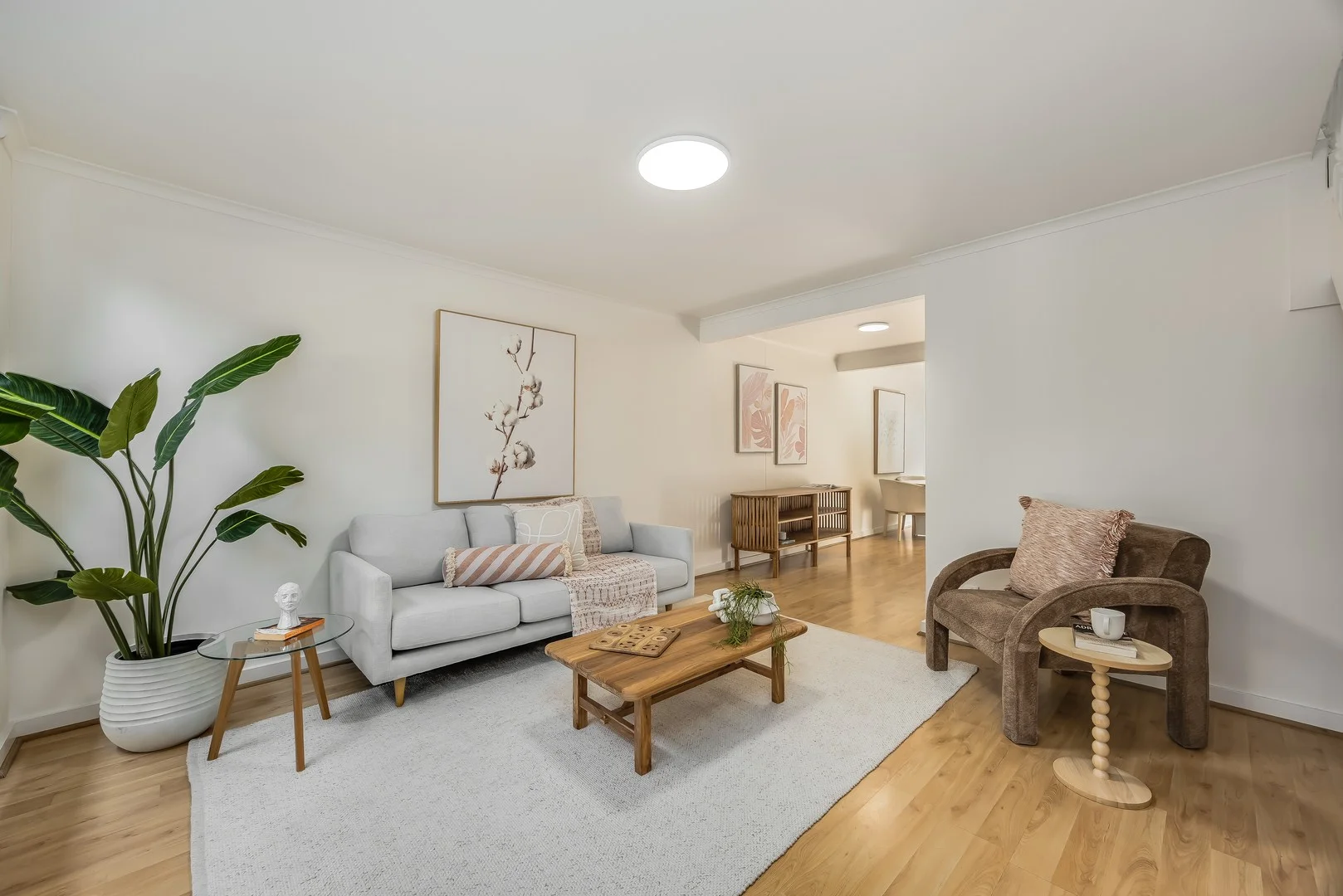 $775,000
House
$775,000
House
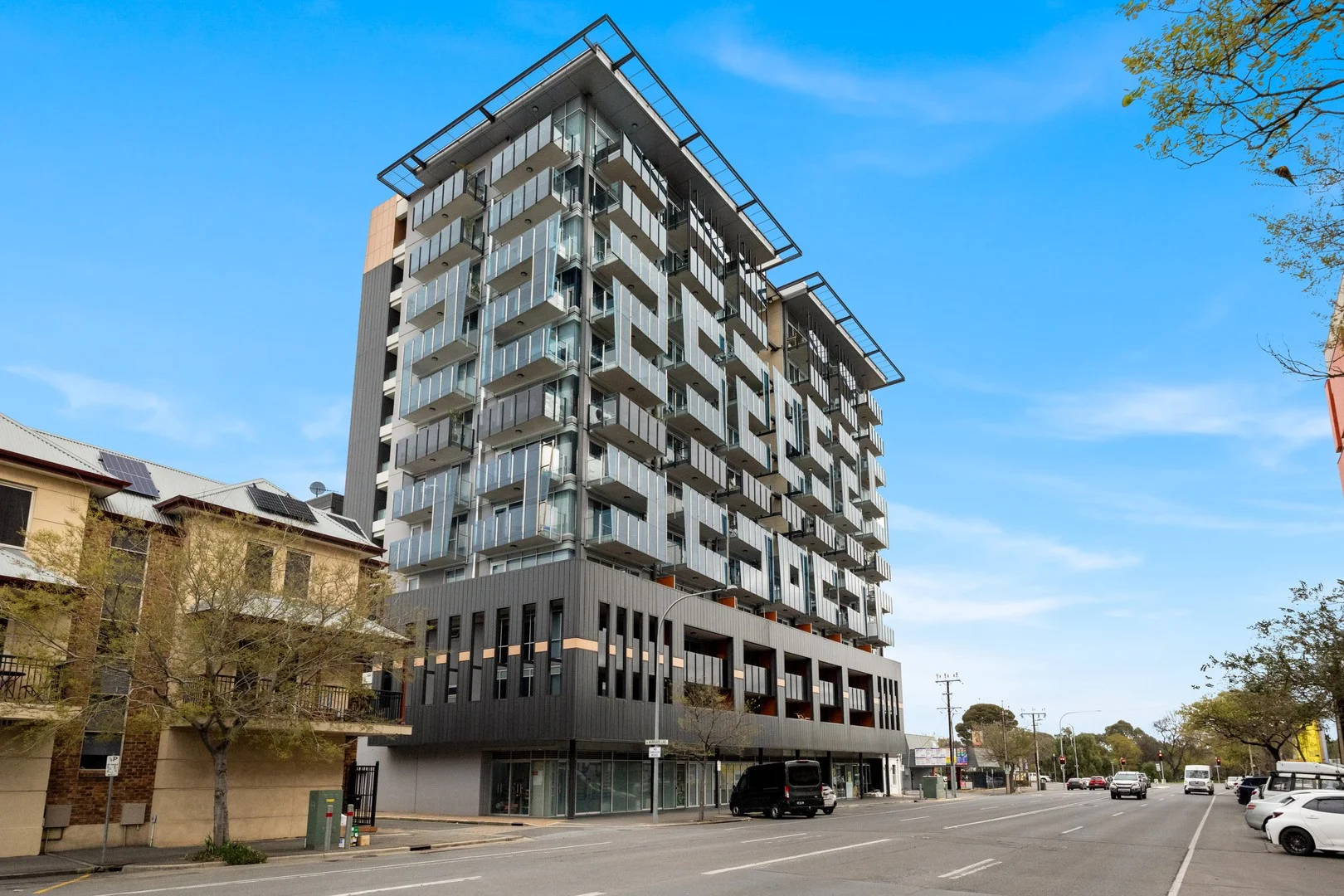 $1,100,000
Apartment / Unit / Flat
$1,100,000
Apartment / Unit / Flat
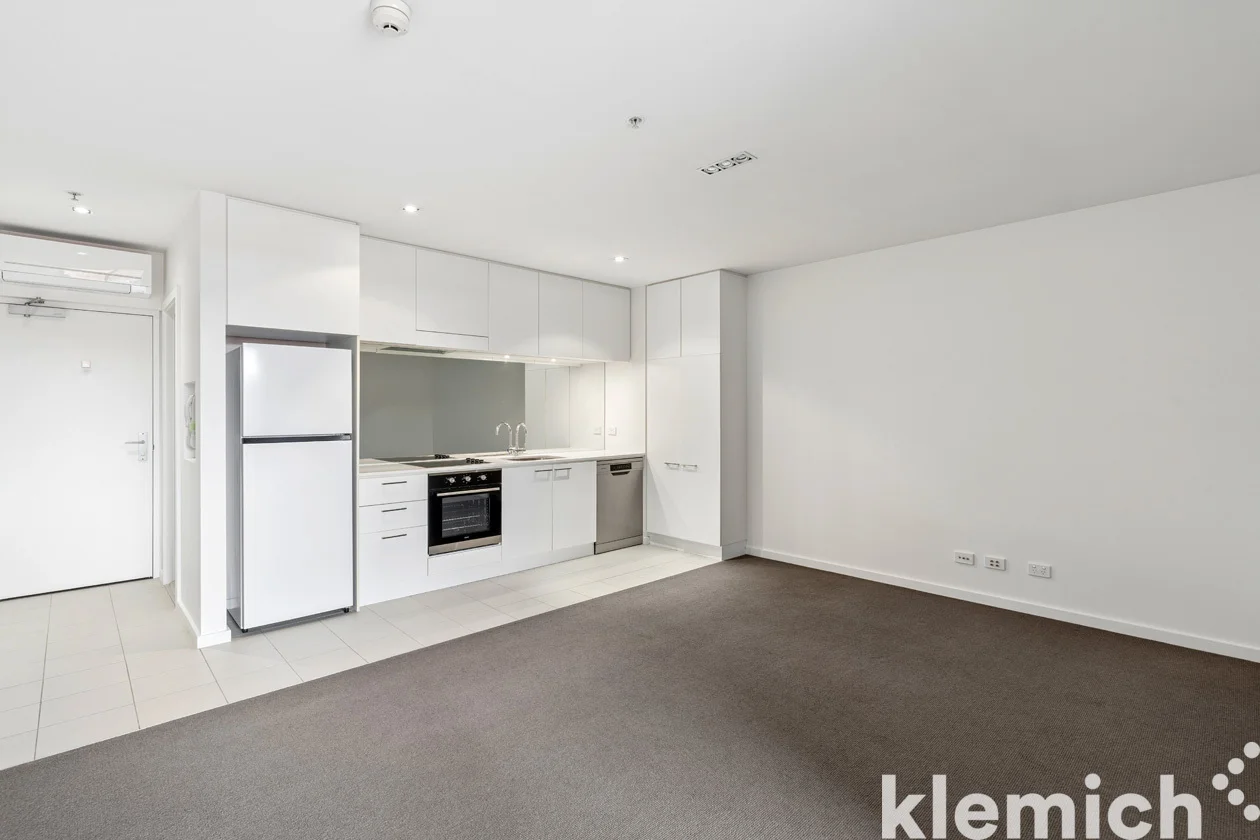 $440,000
Apartment / Unit / Flat
$440,000
Apartment / Unit / Flat
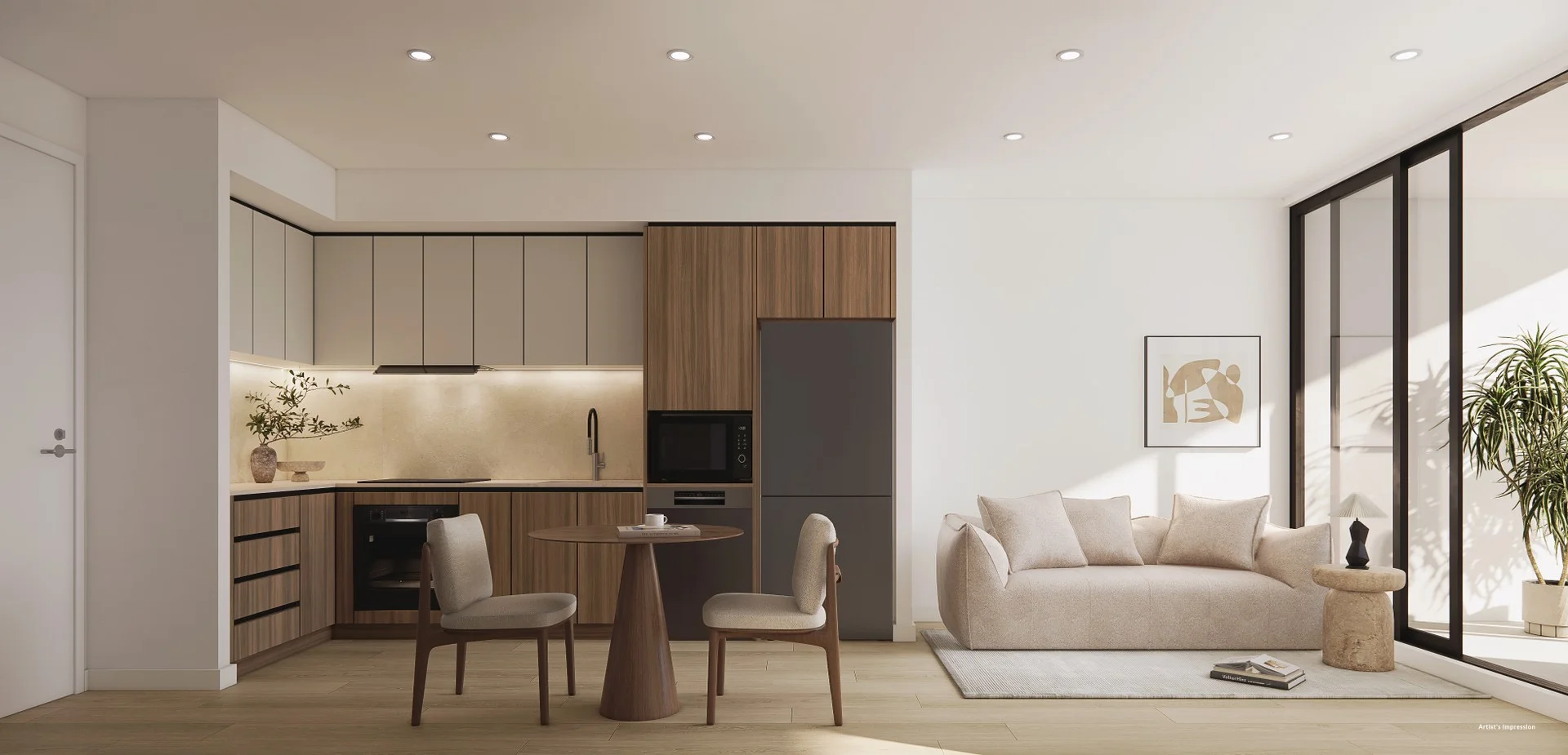 $588,000
Apartment / Unit / Flat
$588,000
Apartment / Unit / Flat
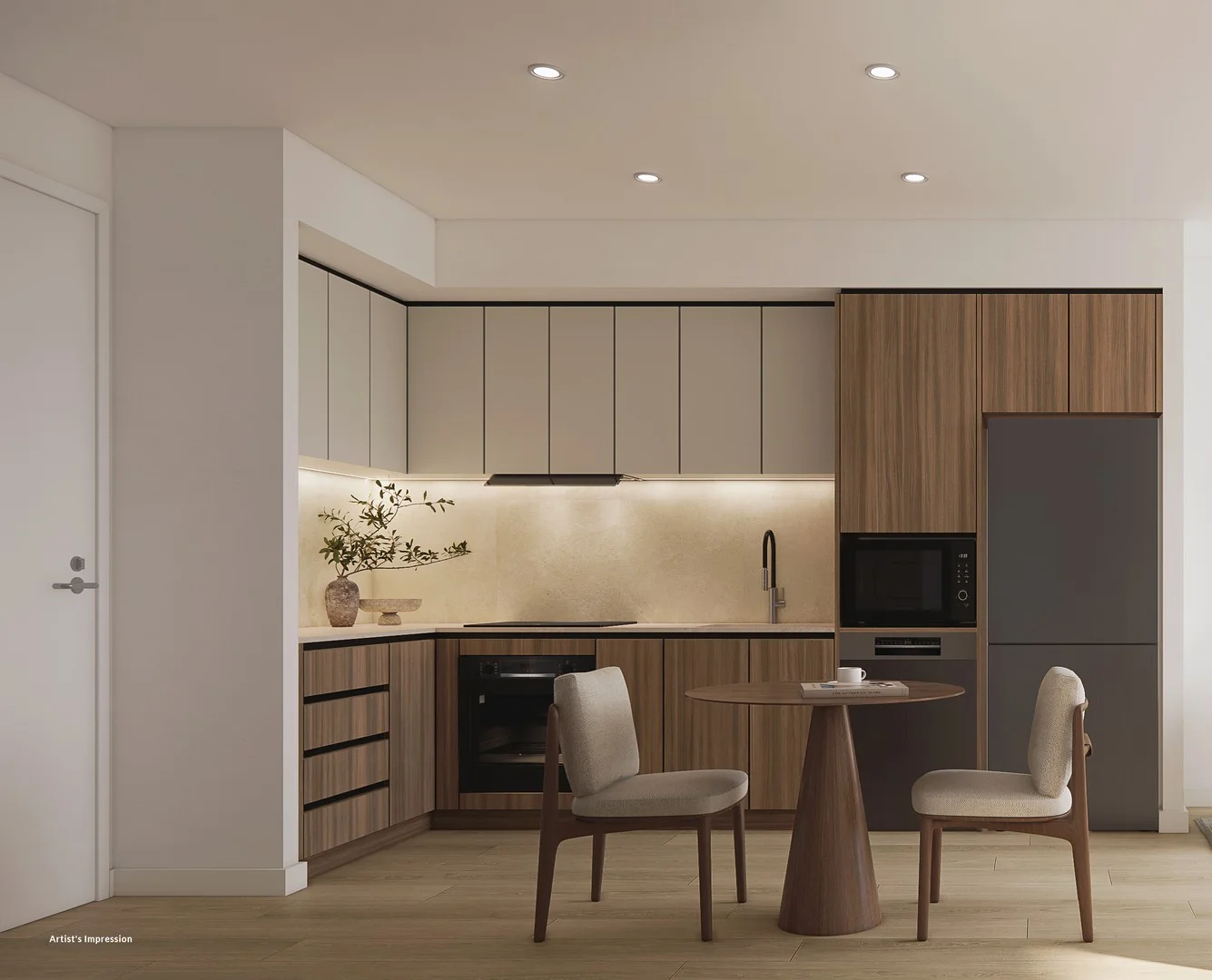 $557,000
Apartment / Unit / Flat
$557,000
Apartment / Unit / Flat
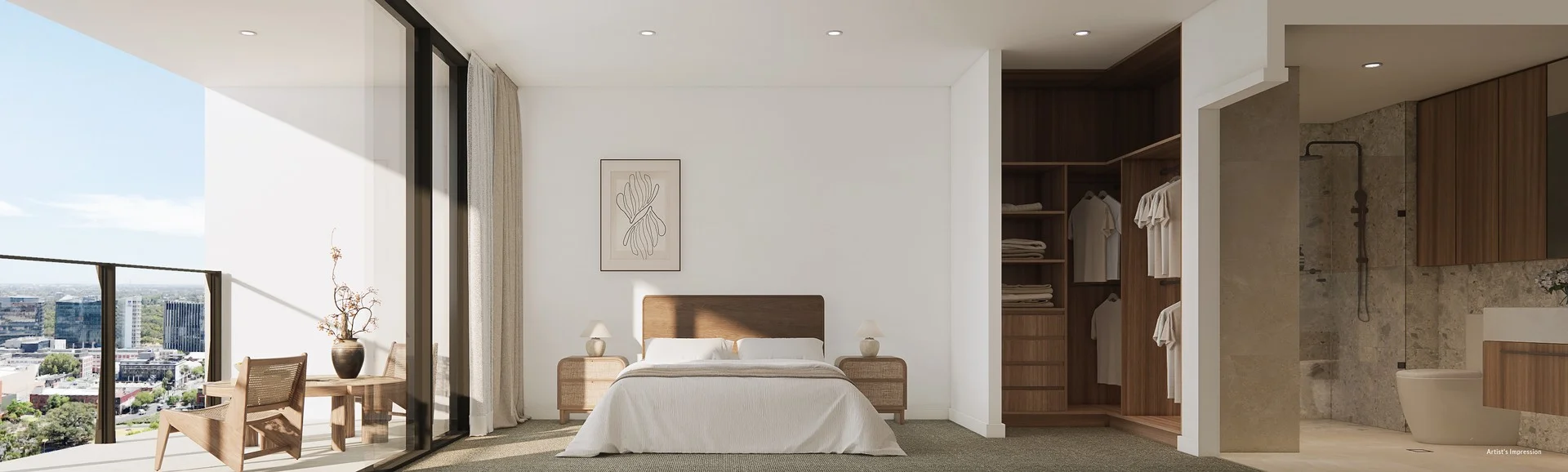 $1,056,000
Apartment / Unit / Flat
$1,056,000
Apartment / Unit / Flat
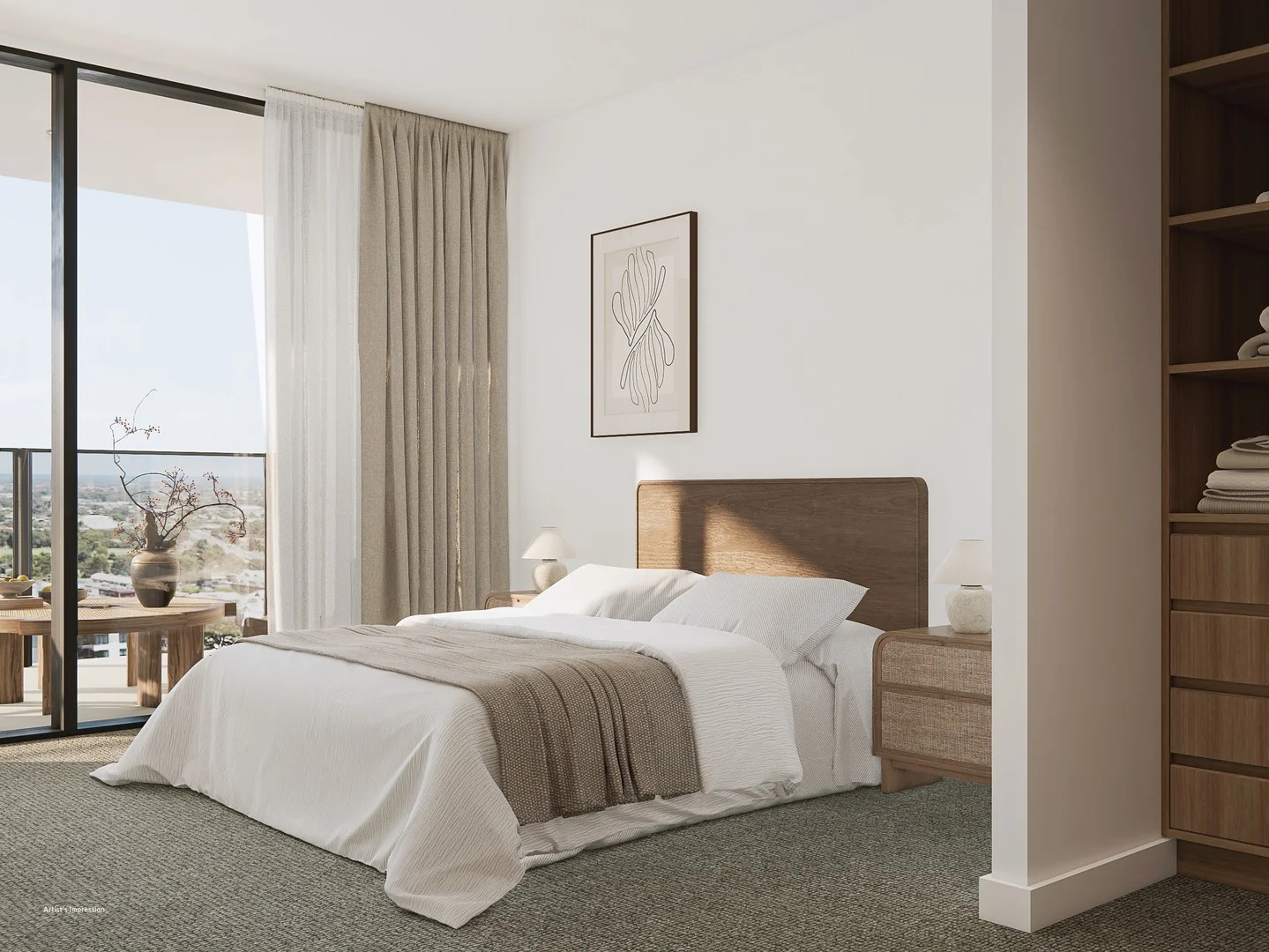 $935,000
Apartment / Unit / Flat
$935,000
Apartment / Unit / Flat
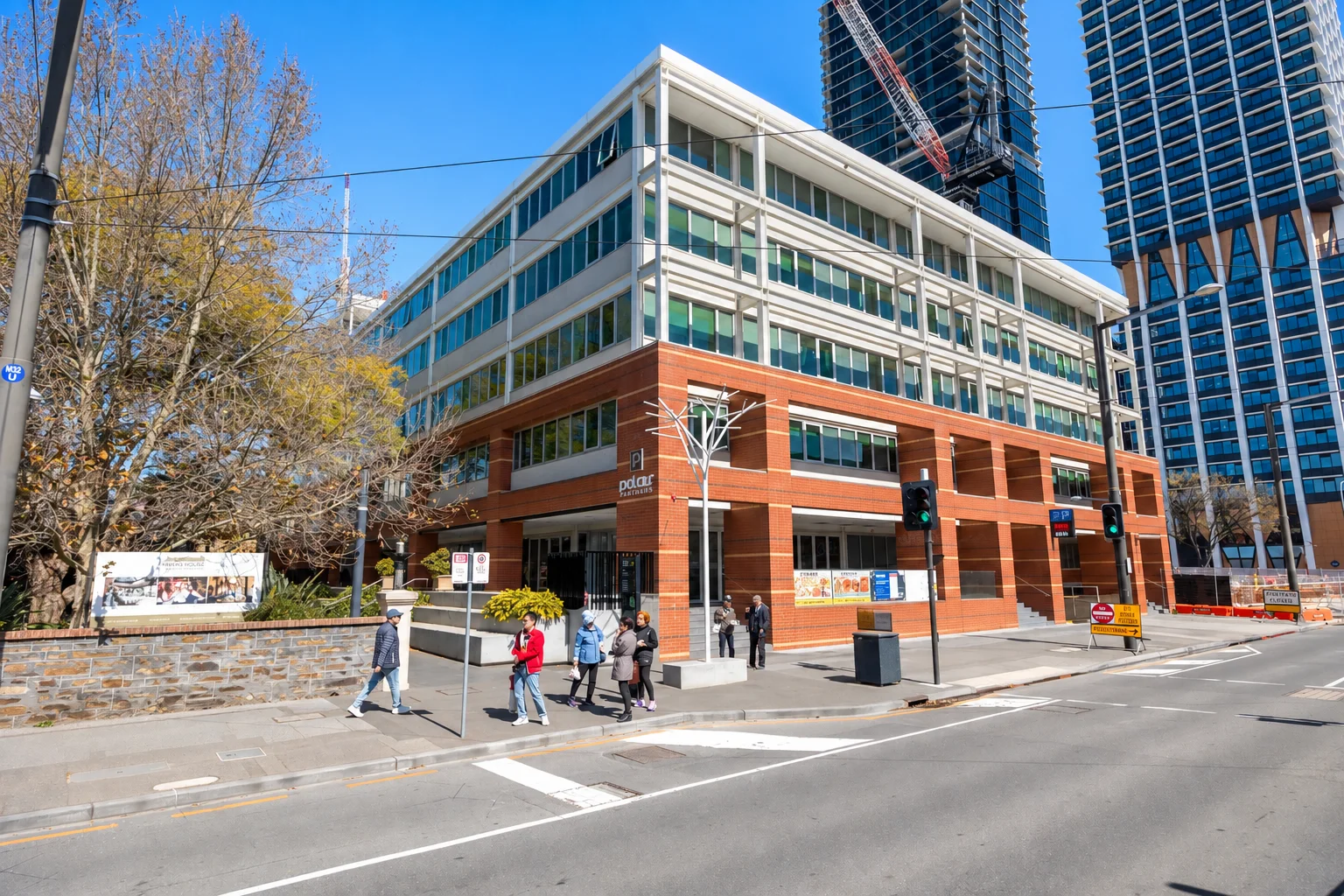 $545,000
Apartment / Unit / Flat
$545,000
Apartment / Unit / Flat