## 1. Overview
Stanwell State School is a public primary school serving the Stanwell community. As a small, community-focused school, it emphasises inclusivity and hands-on learning in a supportive environment.
- School type: Public
- School size: Small
- Class size: Approximately 20–25 students per class
- Atmosphere/culture: Nurturing, inclusive, community-focused
## 2. Academics & Learning
- Academic strengths: Strong emphasis on literacy and numeracy, with active STEM and technology integration; leadership opportunities through student programs; fundamental focus on developing strong reading, writing and numeracy skills.
- Special programs: Gifted and Talented (where offered), targeted reading and numeracy support, and school-based extensions; opportunities for accelerated learning where appropriate.
- NAPLAN / trends: NAPLAN data is tracked over time to monitor literacy and numeracy progress; trends are typically shared in school reports and via the My School data portal for those who want to review year-to-year progress.
- Student-teacher ratios: Class sizes and teacher-to-student ratios align with typical Queensland primary settings (approximately 1:20–1:24 in many classes, with support staff available as needed).
- Support for diverse learners: English as an Additional Language/Dialect (EAL/D) support, and targeted assistance for students with additional learning needs (SEN) through liaising with specialist staff.
## 3. Sports & Extracurricular Strengths
- Sports offered: A range of sports common to Queensland primary schools, including athletics, cricket, soccer, rugby league, and basketball; opportunities for school and inter-school events.
- Strong teams or achievements: Active participation in district-level events with teams and individuals achieving solid results; emphasis on teamwork, sportsmanship and personal bests.
- Music, arts, drama programs: School-based music and performing arts activities; opportunities to participate in choirs, ensembles or school productions.
- Clubs: Robotics, coding, chess, debating, and eco/climate clubs; opportunities to explore STEM, strategy and communication skills.
- Partnerships: Local community clubs and district competitions participate in, offering broader exposure to sport, coding, robotics and arts.
## 4. Wellbeing & Pastoral Care
- Anti-bullying approach: Whole-school anti-bullying framework, with clear expectations, student education, and reporting pathways for concerns.
- House system: Yes, a house system to foster belonging, friendly competition and teamwork.
- Counsellors / wellbeing officers: Access to school wellbeing staff or guidance counsellors to support students’ social-emotional development.
- Transition support for new students: Buddy programs, orientation activities and transition supports to help new students settle in smoothly.
## 5. Facilities
- Sports grounds: On-site sports fields and playground spaces.
- Libraries: School library with regular reading and research activities.
- Science labs: Dedicated science space or labs for hands-on experiments.
- Music/performing arts centers: Music room or spaces for music and drama activities.
- Tech/innovation labs: ICT/computer facilities and opportunities to engage with technology and coding.
- Cafeteria: On-site canteen or lunch facilities.
- Updated playgrounds: Modern and safe playground equipment and play spaces.
## 6. School Values & Community Culture
- School values / mission: Focus on respect, responsibility, resilience and achievement; emphasis on creating a welcoming, inclusive community.
- Leadership style: Distributed leadership with opportunities for student voice and teacher collaboration; staff open to parent input.
- Behaviour expectations: Clear, positive behaviour framework with consistent expectations and recognition for respectful conduct.
- Community reputation: Known as a friendly, supportive school that engages families and local community.
- Diversity & inclusion: Commitment to equitable access and celebrating diverse backgrounds within the school community.
## 7. School Logistics & Daily Operations
- School hours: Typically aligns with standard Queensland primary schedules (morning lessons, breaks, and a 3:00 pm finish; check local term dates).
- Before/after school care: OSHC or similar arrangements available to families.
- Uniform requirements: School uniform required; details provided by the school on the official uniform policy.
- Transport (bus routes): Local transport options (bus routes) servicing the Stanwell area; plan with the school for specific routes.
- Canteen availability: On-site canteen or meal provisions available during the day.
- Fees (low/medium/high ranges): Fees and contributions typically fall into low to moderate ranges for public primary schools; additional costs may apply for certain activities or programs.
## 8. Enrolment & Admissions
11. What is the enrolment process and timeline?
- Enrolment is managed through the school in coordination with the Department of Education. Start by confirming your family’s catchment eligibility, then complete the school enrolment form with required documents (proof of identity, birth certificate, immunisation records, proof of address). Timelines typically align with the school year, with applications processed ahead of term start; mid-term enrollments are possible subject to capacity and procedure.
12. Is there a waiting list, and how does it work?
- If the school reaches capacity, a waiting list may be established. Priority generally follows catchment eligibility, followed by date of application. Availability can vary by term and year.
13. Are there any entry requirements, tests, or interviews?
- Primary school enrolments generally do not require entrance tests or interviews. The process focuses on eligibility, residency (catchment), and documentation. Some cases (e.g., for students with additional learning needs) may involve coordination with support staff, but routine testing or interviews are not typical.
14. Does the school accept mid-year transfers?
- Yes, mid-year transfers are possible if there is capacity. Parents should contact the school early to discuss available places and the transition plan, including documentation and start dates.
## 9. Frequently Asked Questions
- Why Parents Choose This School?
- A welcoming, community-focused environment with small class sizes, dedicated staff, and strong emphasis on student wellbeing and foundational skills.
- What type of student thrives at this school?
- Students who respond well to a supportive, inclusive setting, with a willingness to participate in classroom learning, school events and clubs.
- What opportunities are available for students to extend their skills (academics, sports, arts)?
- Core academic programs with opportunities for enrichment in STEM, literacy and numeracy; clubs in robotics, coding, chess and debating; music and performing arts; district sports; leadership and student-representation activities.
- How does the school communicate with parents?
- Regular updates through newsletters, notices, and digital communications; parent-teacher meetings; opportunity to engage via the P&C or school events.
- What is the school’s approach to teaching and learning?
- Student-centered learning with a focus on literacy, numeracy, inquiry-based STEM activities, and inclusive practices to support diverse learners.
- How does the school support students who need extra academic help?
- Targeted literacy and numeracy support, EAL/D assistance, and access to specialist staff and learning support programs.
- What support is available for academic challenges?
- Additional tutoring and small-group interventions through dedicated learning support staff; collaboration with teachers to adapt instruction.
- How does the school communicate with parents? (Duplicate question)
- See above: regular updates, meetings, and digital communications.
- What are the class sizes and how much individual attention do students receive?
- Class sizes are designed to be small to medium (roughly 20–25 students per class), enabling more individual attention within the classroom.
- What extracurricular and sports opportunities are available?
- A range of sports and physical activities, plus clubs in robotics, coding, chess, debating, music and arts programs.
- What facilities does the school offer (sports, science, arts)?
- Sports grounds, library, science labs, music/arts spaces, ICT/technology labs, canteen, and modern playgrounds.
- What is the school’s approach to technology and digital learning?
- Access to computer labs and digital learning resources integrated into the curriculum to build technology literacy and problem-solving skills.
- What transport and accessibility options are available?
- Local transport options, including bus routes servicing the area; school accessibility reflects standard transport arrangements for the community.
- What are the typical school fees or additional costs?
- Public primary schools have low to moderate contributions; additional costs may apply for activities, camps, or specific programs.
## 10. Short Pros & Cons list
- Pros
- Small, supportive community with a focus on inclusive learning
- Strong emphasis on literacy and numeracy foundations
- Wide range of clubs and extracurricular activities
- Positive wellbeing and pastoral care framework
- Accessible facilities for core learning, arts and STEM
- Cons
- Smaller school may have fewer specialist programs or elective options compared with larger schools
- Transport options may depend on local routes; plan ahead for after-school activities
- Some programs may be contingent on funding and capacity; verify current offerings
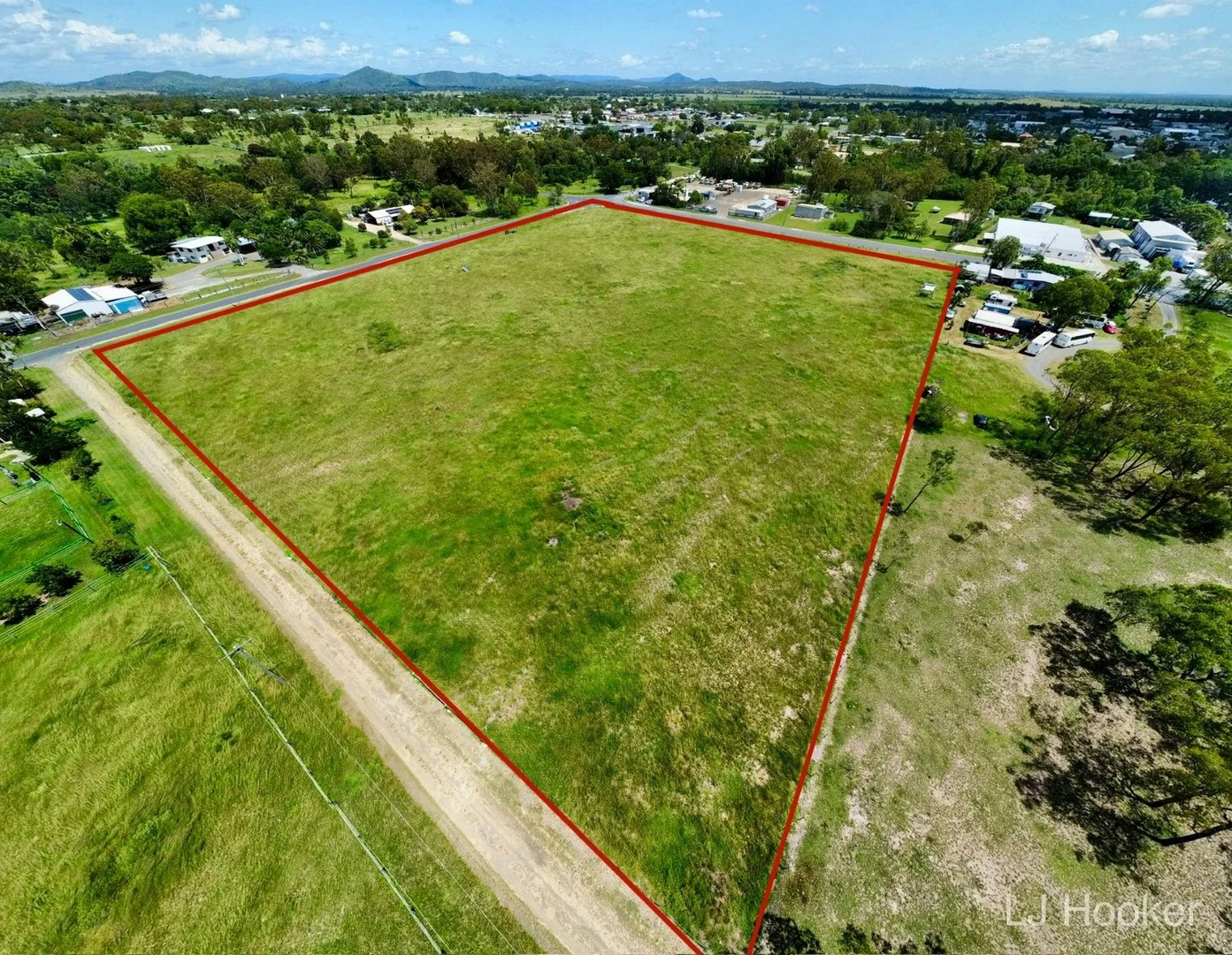 $680,000
Vacant Land
$680,000
Vacant Land
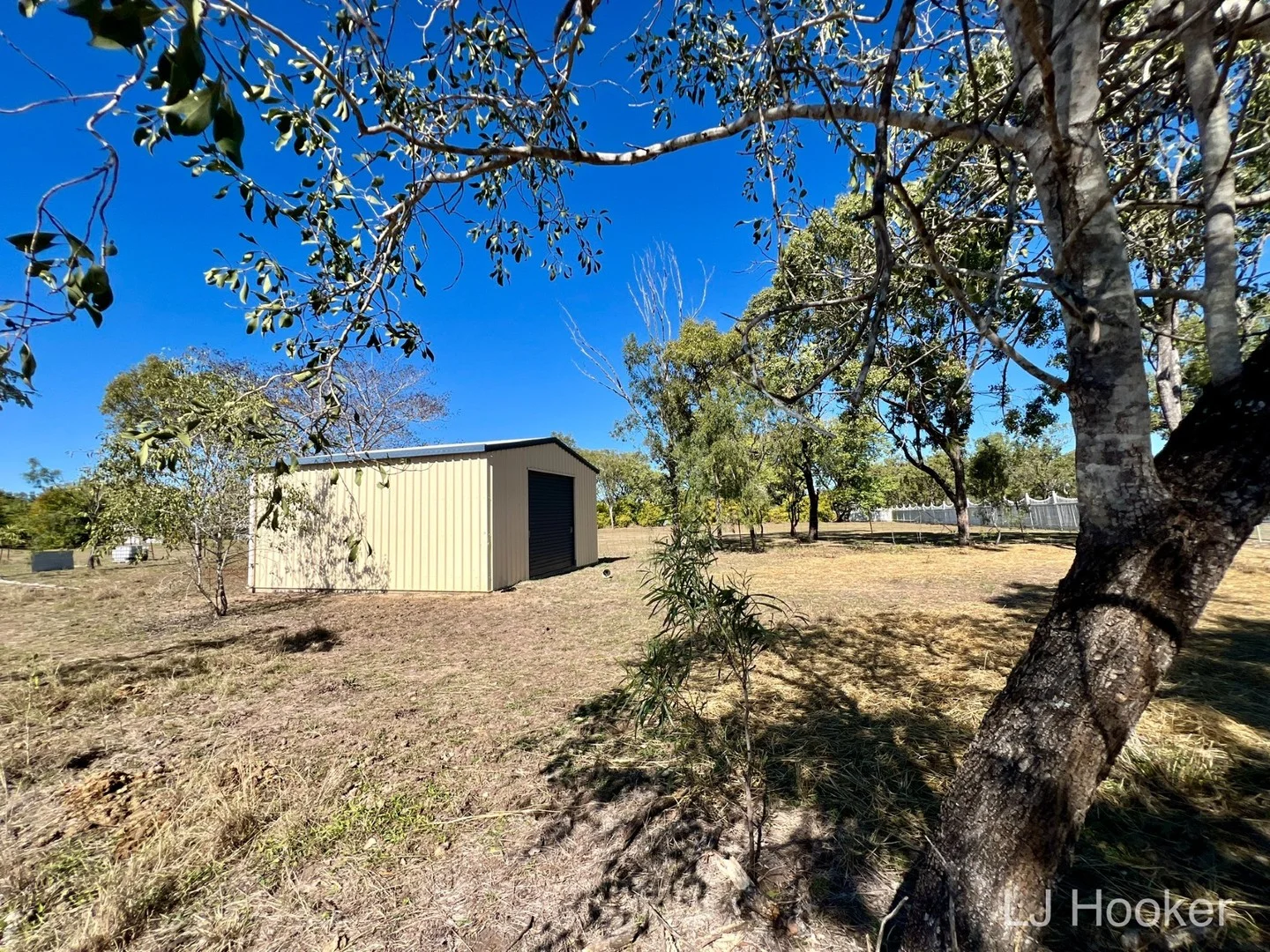 $565,250
Vacant Land
$565,250
Vacant Land
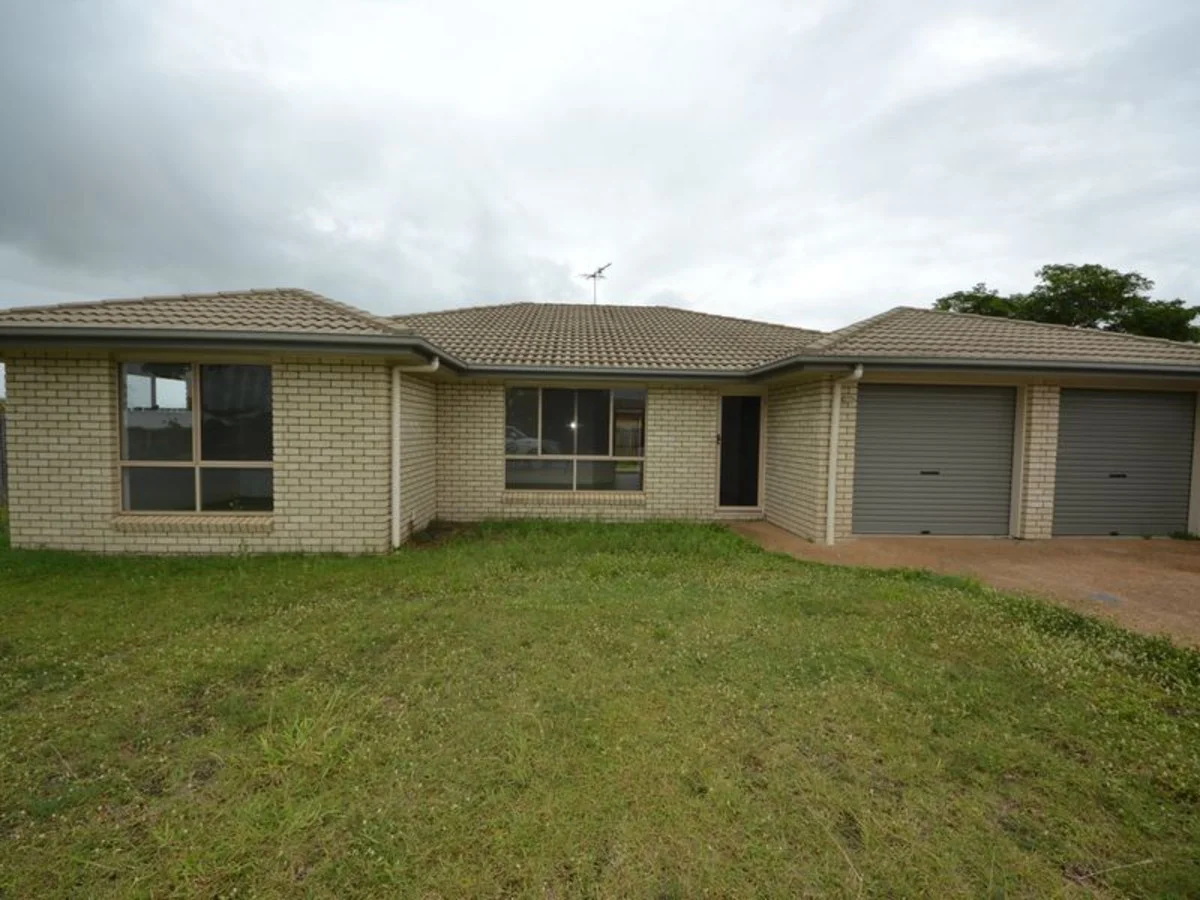 $640
House
$640
House
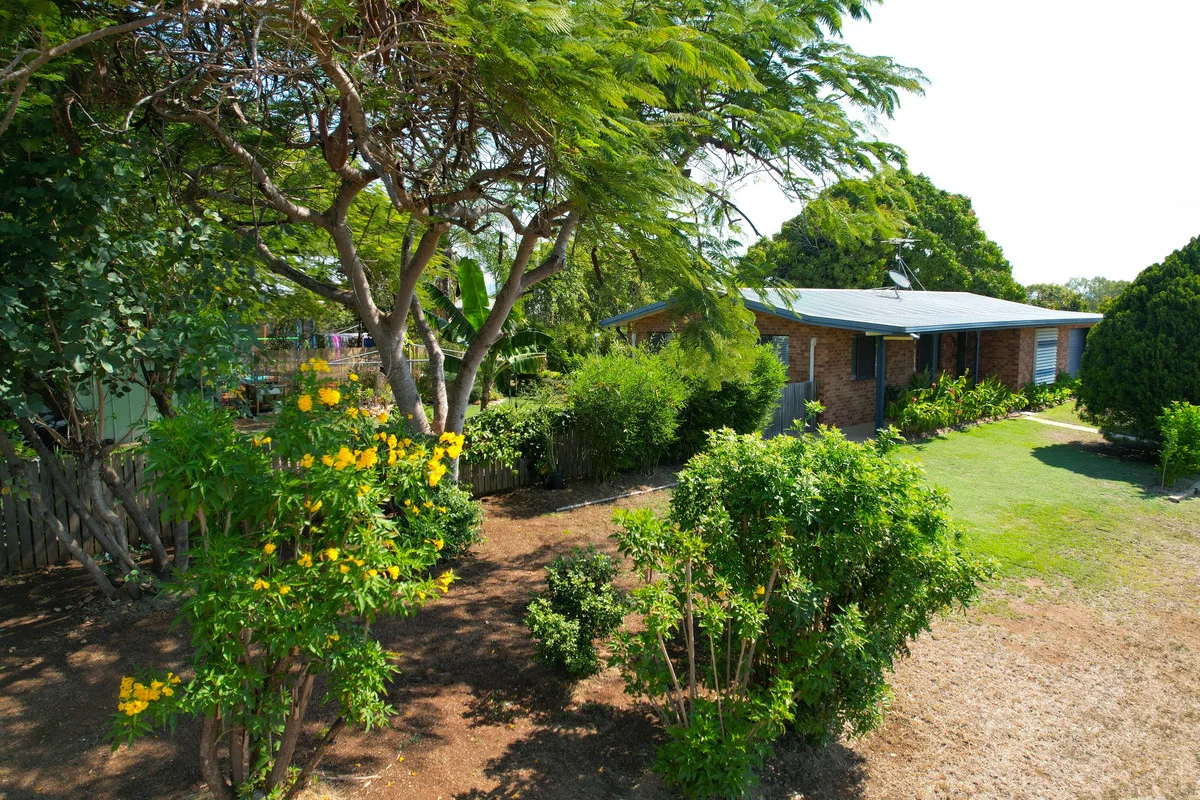 $550,000 - $577,500
House
$550,000 - $577,500
House
 $550
House
$550
House
 $680
House
$680
House


