Overview
## 1. Overview
The Japanese School of Melbourne is an independent/private school in Melbourne’s Caulfield South area that serves families seeking bilingual education and a strong connection to Japanese language and culture. The school typically combines elements of Japanese curriculum alignment with Australian education standards, aiming to support Japanese expatriate families as well as local families interested in bilingual learning experiences.
With a small-to-medium student body and comparatively intimate class sizes, the atmosphere tends to be nurturing and inclusive. The school emphasises student welfare, respectful conduct, and a culture of high expectations, while encouraging curiosity and cross-cultural understanding.
⭑ School type: Independent/private
⭑ School size: Small to medium
⭑ Class size: Generally smaller classes
⭑ Atmosphere/culture: Nurturing, inclusive, bilingual, culturally diverse
---
## 2. Academics & Learning
- Academic strengths: Bilingual literacy (Japanese and English) and cross-cultural communication; emphasis on language development and sustained academic foundations across core subjects.
- Special programs: Japanese language immersion and culture-focused components; curriculum designed to balance language proficiency with Australian standards; opportunities for extended learning in language and cross-disciplinary projects.
- NAPLAN / Ofsted trends: As a private international school, public reporting of NAPLAN trends is not typically published; families should request school-provided performance snapshots or progress data.
- Student-teacher ratios: Class sizes tend to be small, supporting closer teacher attention and tailored feedback.
- Support for diverse learners: EAL (English as an Additional Language) support and targeted learning accommodation; individualized learning plans and clinical/SEN support options where available.
---
## 3. Sports & Extracurricular Strengths
- Sports offered: A range of after-school and school-based team/club activities; typical offerings include common Australian school sports such as basketball, football (soccer), and tennis, with participation depends on facilities and student interest.
- Strong teams or achievements: Participation in local and regional events; achievements vary by year and cohort.
- Music, arts, drama programs: Active music and arts opportunities, with performances and showcases that celebrate both Australian and Japanese cultural elements.
- Clubs: Robotics, coding, chess, debating, language clubs, and other interest-based groups are commonly available as part of a broad extracurricular program.
- Partnerships: Potential collaborations with local academies, community groups, and cultural competitions to broaden experience and exposure.
---
## 4. Wellbeing & Pastoral Care
- Anti-bullying approach: Clear wellbeing and anti-bullying policies with a focus on creating a respectful and safe school environment.
- House system: Not universally applicable; emphasis is placed on pastoral care and social-emotional support rather than a formal house structure.
- Counsellors / wellbeing officers: Access to school counsellors or wellbeing staff to support student welfare, mental health, and resilience.
- Transition support for new students: Orientation programs, buddy systems, and transitional support to help newcomers settle in smoothly.
---
## 5. Facilities
- Sports grounds
- Libraries
- Science labs
- Music/performing arts centers
- Tech/innovation labs
- Cafeteria
- Updated playgrounds
Visual, practical spaces are typically highlighted to support language programs, inquiry-based learning, and performing arts.
---
## 6. School Values & Community Culture
- School values / mission: Emphasis on respect, curiosity, integrity, and inclusivity; a mission that blends bilingual education with cross-cultural understanding.
- Leadership style: Collaborative and student-centered, with a focus on developing leadership and responsible citizenship.
- Behaviour expectations: Clear codes of conduct and positive-behaviour policies designed to reinforce respectful interaction and high standards.
- Community reputation: Generally positive within Melbourne’s bilingual/international education circles; emphasis on a welcoming environment for families from diverse backgrounds.
- Diversity & inclusion: Strong focus on inclusion and respect for different cultures and languages; supportive community for both local and international families.
---
## 7. School Logistics & Daily Operations
- School hours: Typically a daytime schedule with start and finish times aligned to the school’s timetable; check the current term schedule for exact times.
- Before/after school care: Availability varies; inquire with the admissions team about any wraparound care options.
- Uniform requirements: Uniforms are commonly required; specifics are provided by the school’s official handbook.
- Transport (train/bus routes): Accessible via local public transport routes; families should confirm current bus/train options and any school-arranged transport.
- Canteen availability: On-site canteen or available catering options for snacks and meals; check with the school for details.
- Fees (low/medium/high ranges): Fee levels are in the mid-to-upper range for private schools in Melbourne; exact costs and payment plans are provided by the school.
---
## 8. Enrolment & Admissions
11. What is the enrolment process and timeline?
- Initial inquiry and information session.
- Submission of an application with required documents (birth certificate, immunisation records, prior school reports, and any language background information).
- Language and academic assessments (to gauge English and Japanese language proficiency and core academic readiness).
- Interview with admissions staff or school leadership.
- Offer, acceptance, and payment of enrolment fee/seat deposit.
- Orientation and transition activities prior to start.
12. Is there a waiting list, and how does it work?
- Waiting lists are common when spaces are limited. You can join the list by submitting an application and paying any applicable fees.
- Priority often given to siblings and to families meeting specific criteria; exact policy depends on the school’s current capacity.
- Updates are provided as spaces become available; timelines vary.
13. Are there any entry requirements, tests, or interviews?
- Yes. Applicants typically undergo language assessments (English and/or Japanese) and an academic review or interview.
- Documentation includes prior school records, immunisation status, and, where relevant, language background information.
- Some programs may require parent/guardian interviews to share expectations and support needs.
14. Does the school accept mid-year transfers?
- Mid-year transfers are possible if there is space and the applicant can meet entry criteria.
- Transfer requires submission of transcripts, evidence of language proficiency, and sometimes a brief transition plan or assessment.
- Administrative timelines and notice periods apply; contact admissions for specifics.
---
## 9. Frequently Asked Questions
- Why Parents Choose This School?
- Parents value bilingual nurture and cultural education, small class sizes, personalized attention, and a learning environment that supports language development alongside core academics.
- What type of student thrives at this school?
- Students who are curious about languages and cultures, who enjoy collaborative learning, and who are motivated to participate in clubs and intercultural activities tend to thrive in this setting.
- What opportunities are available for students to extend their skills (academics, sports, arts)?
- Opportunities across languages, cross-cultural projects, and broader academic enrichment; sports, music, arts, and clubs such as robotics, coding, chess, and debating provide multiple avenues to extend skills.
- How does the school communicate with parents?
- Regular newsletters, parent-teacher meetings, and digital portals or communications platforms are commonly used to keep families informed about progress, events, and policies.
- What is the school’s approach to teaching and learning?
- A student-centered, language-rich approach that blends bilingual instruction with Australian educational standards, emphasizing inquiry, collaboration, and real-world application.
- How does the school support students who need extra academic help?
- Additional tutoring or targeted support, English as an Additional Language services, and individualized learning plans are available to support diverse learner needs.
- What support is available for academic challenges?
- Structured interventions, progress monitoring, and access to specialist staff to help students address academic challenges and stay on track.
- What are the class sizes and how much individual attention do students receive?
- Class sizes are generally small, enabling more individualized feedback and closer teacher-student interaction.
- What extracurricular and sports opportunities are available?
- A range of clubs (robotics, coding, chess, debating, language clubs) plus sports and performing arts opportunities, with activities varying by year and cohort.
- What facilities does the school offer (sports, science, arts)?
- Libraries, science labs, music/performing arts facilities, tech/innovation spaces, sports areas, a cafeteria, and updated playgrounds.
- What is the school’s approach to technology and digital learning?
- Integration of digital tools to support learning, online resources for collaboration, and emphasis on digital citizenship and safe technology use.
- What transport and accessibility options are available?
- Access to local public transport and optional school-arranged transport where available; families should verify current routes and accessibility with the school.
- What are the typical school fees or additional costs?
- Fees are in the mid-to-upper range for private schools in Melbourne; there may be ancillary costs for books, excursions, uniforms, and activities; exact figures are provided by the admissions team.
---
## 10. Short Pros & Cons list
- Pros
- Bilingual education with Japanese language emphasis
- Small-to-medium class sizes for personalized attention
- Nurturing, inclusive culture with a cross-cultural focus
- Broad extracurricular options (clubs, arts, competitions)
- Support for English/Japanese language development and transitioning families
- Cons
- Private international schools can have higher tuition and fees
- Sports and facilities scope may be more limited than larger district schools
- Availability of certain programs or clubs may depend on cohort size and year
- Mid-year transfers depend on space and admission criteria
If you’d like, I can tailor this further with more precise details from the school’s official enrolment materials or recent prospectuses.










 $1,280
House
$1,280
House
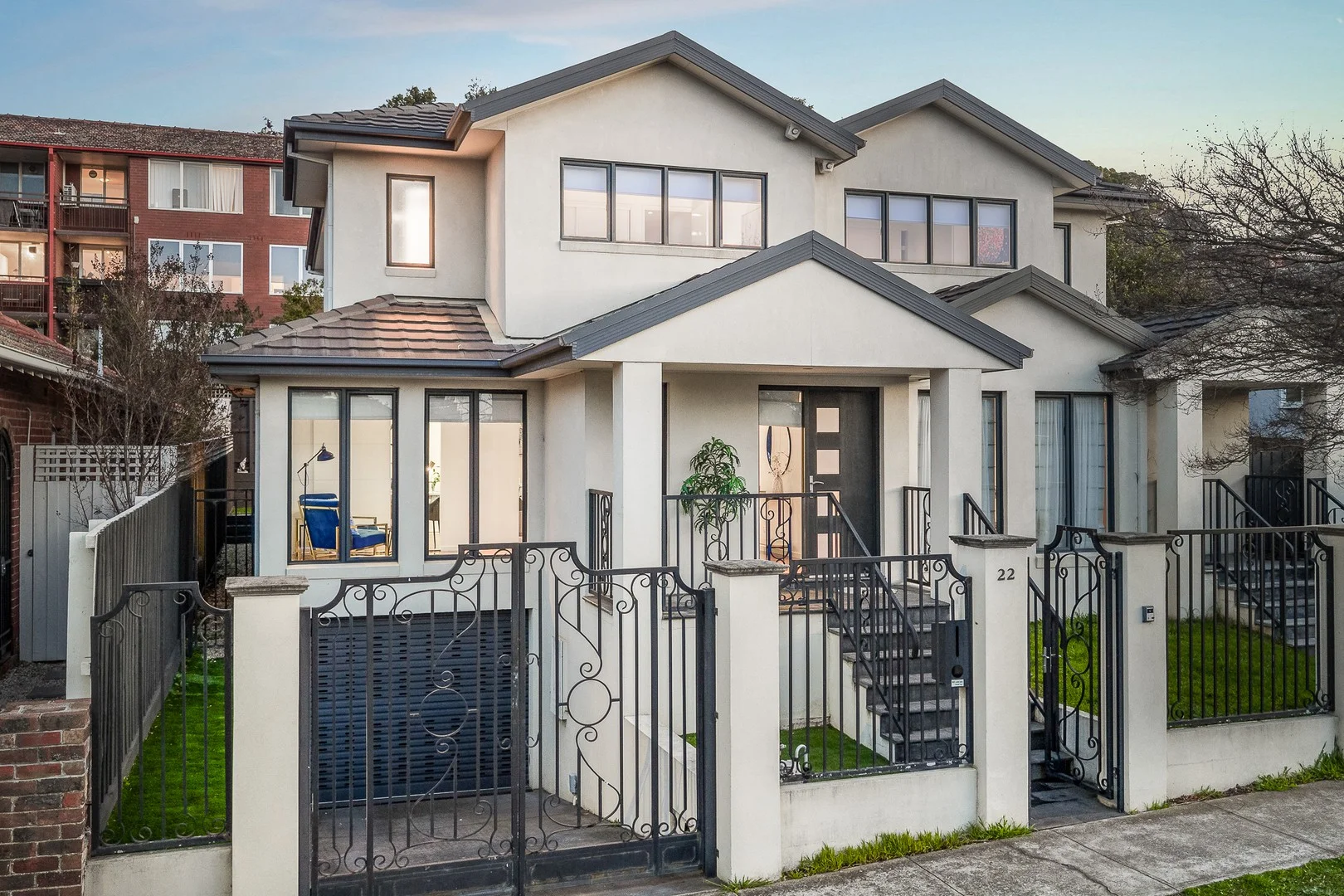 $2,390,000
Townhouse
$2,390,000
Townhouse
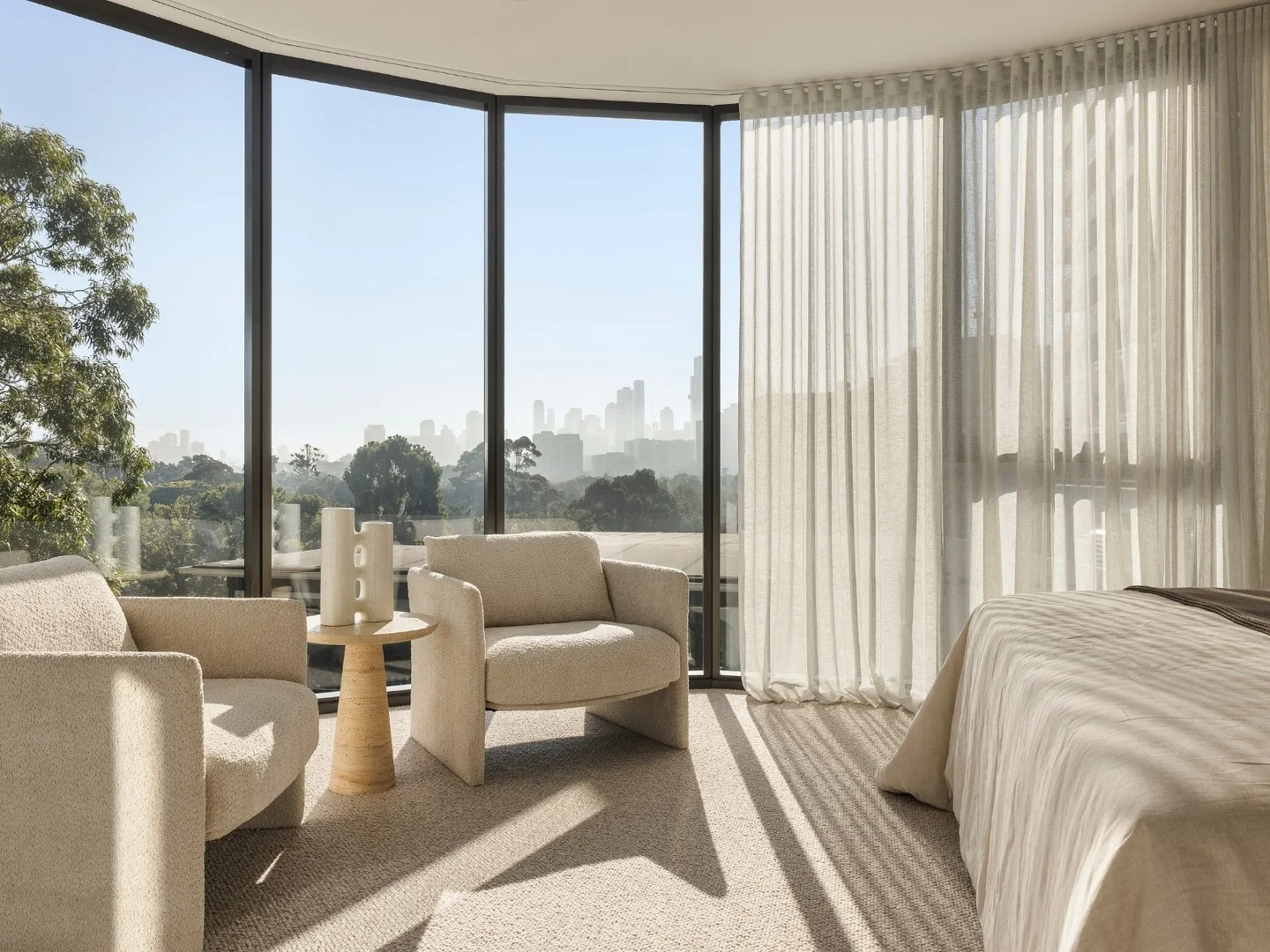 $2,750,000
Apartment / Unit / Flat
$2,750,000
Apartment / Unit / Flat
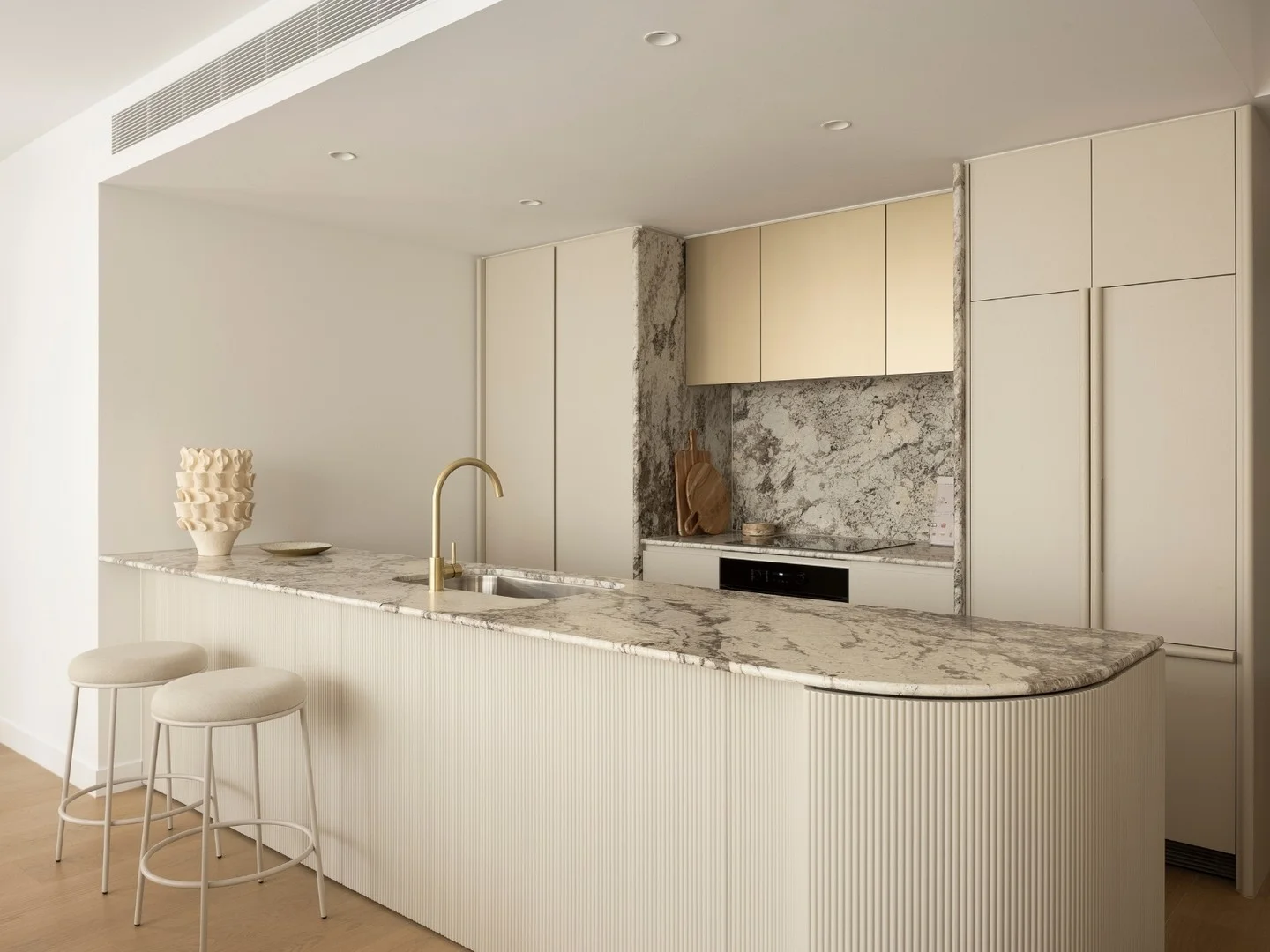 $1,345,000
Apartment / Unit / Flat
$1,345,000
Apartment / Unit / Flat
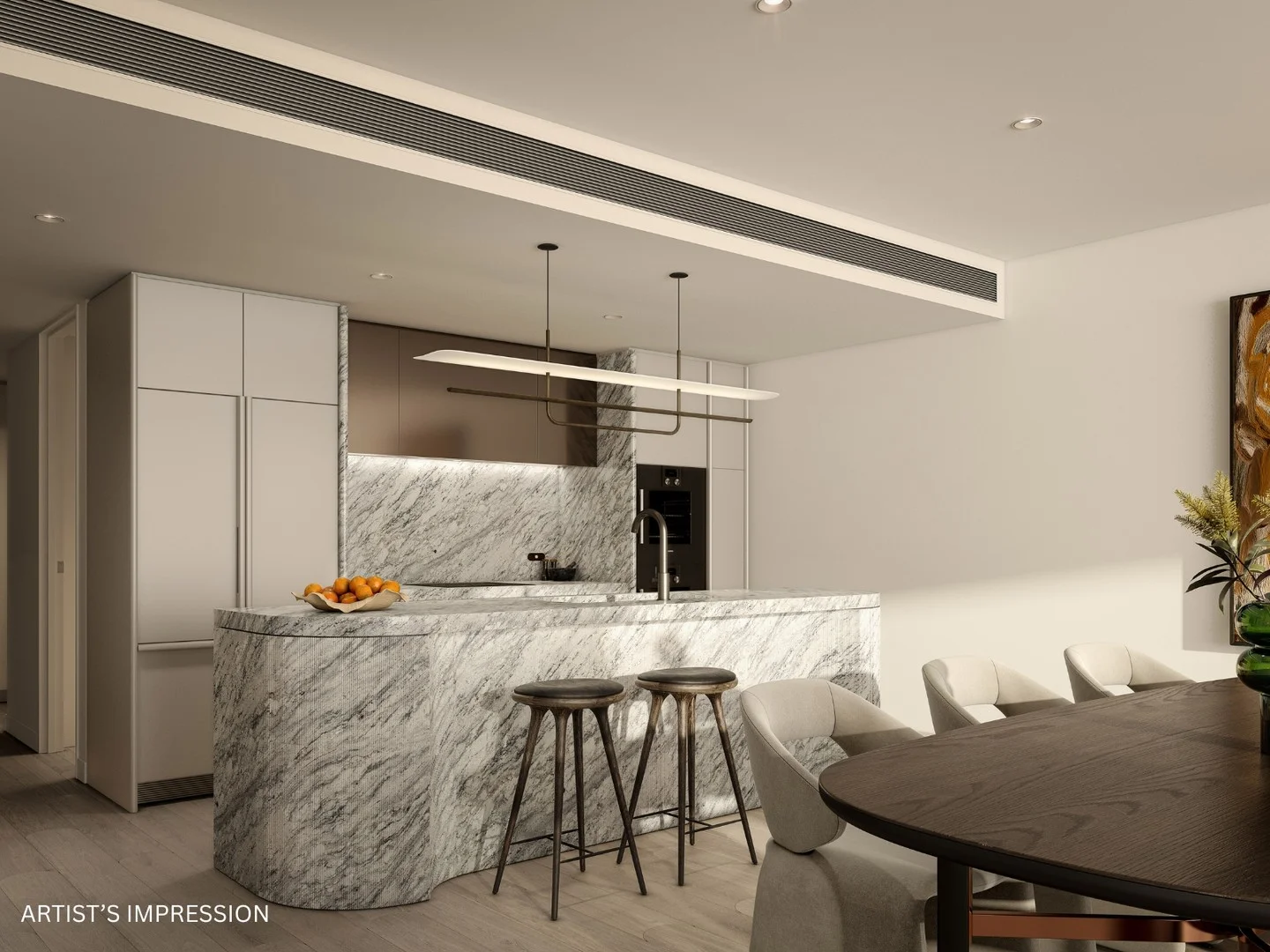 $2,900,000
Apartment / Unit / Flat
$2,900,000
Apartment / Unit / Flat
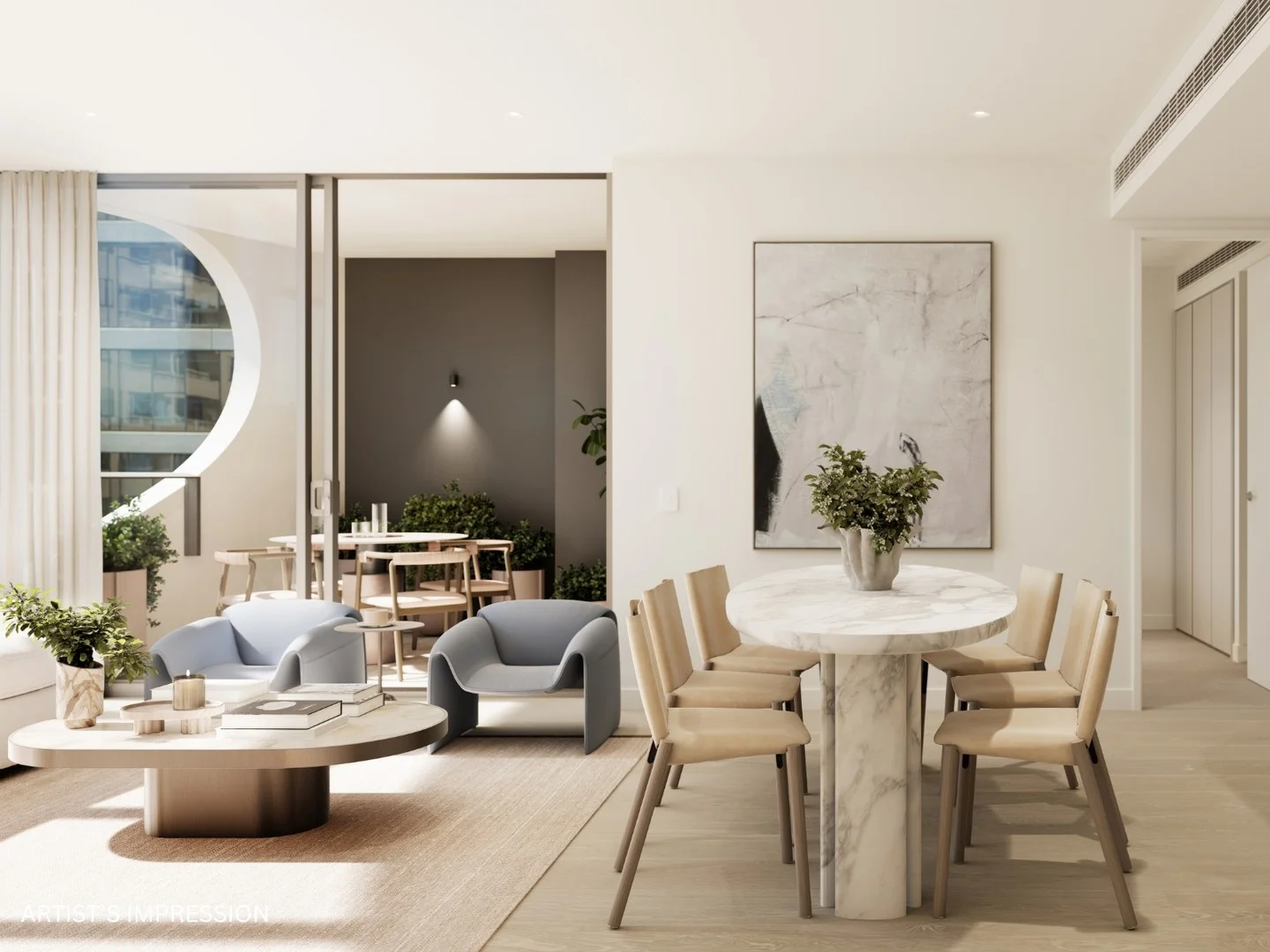 $1,640,000
Apartment / Unit / Flat
$1,640,000
Apartment / Unit / Flat
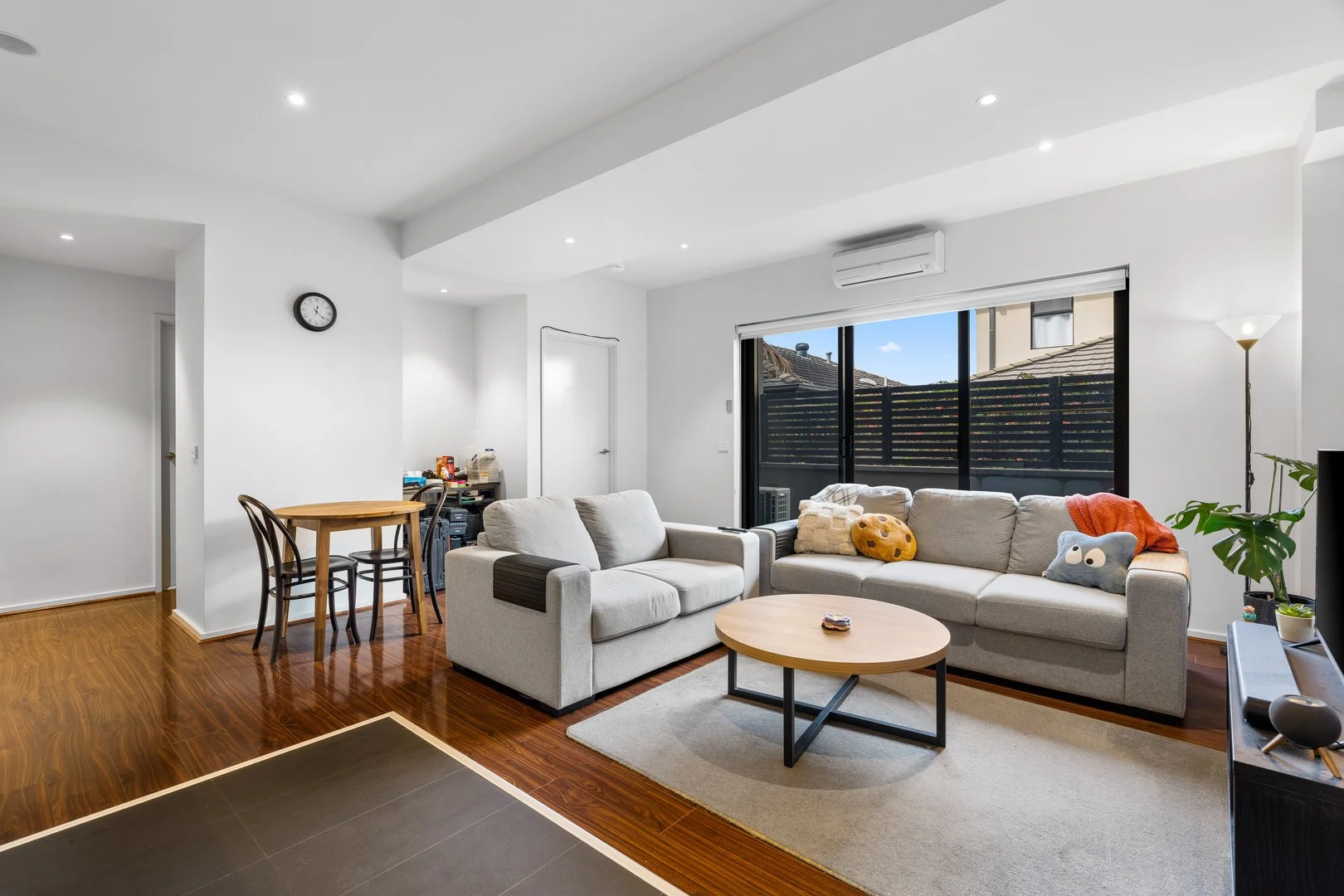 $385,000 - $410,000
Apartment / Unit / Flat
$385,000 - $410,000
Apartment / Unit / Flat
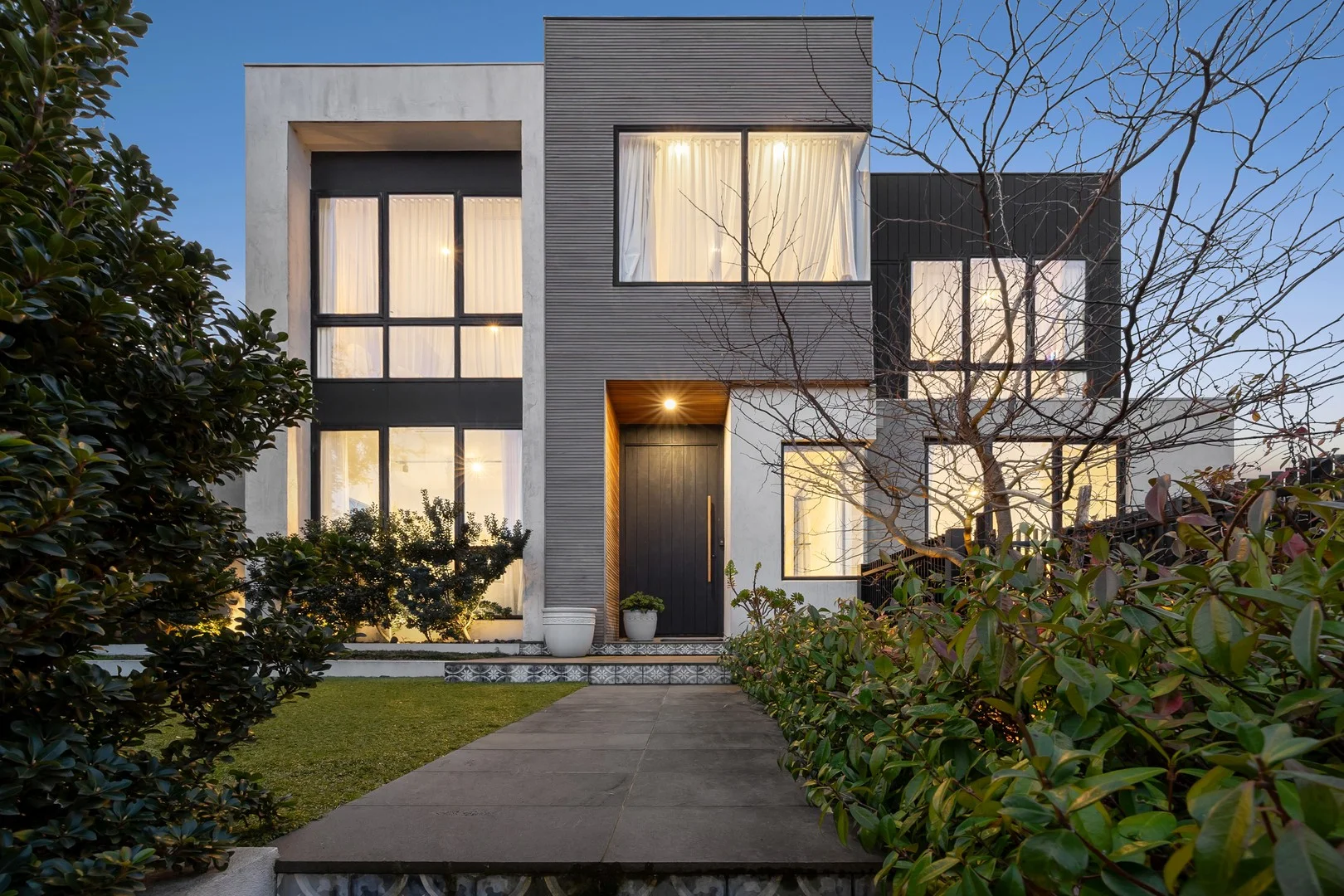 $4,200,000
House
$4,200,000
House
 $820,000
propertyType.NEW APARTMENTS / OFF THE PLAN
$820,000
propertyType.NEW APARTMENTS / OFF THE PLAN