## 1. Overview
The Japanese School of Melbourne is a private international school that serves families seeking a Japanese-focused education within Australia. It is designed to support students who plan to return to Japan or continue a Japanese-language curriculum while living in Melbourne. The school typically operates as a small-to-medium community, with class sizes kept deliberately smaller to enable more individual attention. The environment is generally nurturing and respectful, with an emphasis on discipline, academic focus, and a strong sense of culture and community.
Overall, the atmosphere leans toward an academically oriented, inclusive culture that blends Japanese language and cultural education with opportunities to engage in broader school life. Students often come from Japanese families or international backgrounds seeking continuity with Japan’s education system during their time in Melbourne.
---
## 2. Academics & Learning
- Academic strengths: Strong emphasis on Japanese language and culture, literacy in Japanese, and a curriculum aligned to Japanese standards. There is also attention to STEM, English language development as part of bilingual readiness, and opportunities to build leadership and cross-cultural skills.
- Special programs: Curriculum generally mirrors the Japanese Ministry of Education framework, with supports aimed at students transitioning between Japan and Australia. There may be pathways or activities that support gifted or talented students within the Japanese curriculum context.
- NAPLAN / Ofsted trends: NAPLAN testing is not typically used to assess performance for this school, as it follows a Japanese-based curriculum. Any evaluation or progress reporting is aligned with the school’s own standards and the Japanese curriculum framework.
- Student-teacher ratios: Class sizes are kept small to support individualized attention and stronger student-teacher interactions.
- Support for diverse learners: English language learning support and targeted learning assistance are available to help students adapt to bilingual or Japanese-language instruction, depending on individual needs and enrollment profiles.
---
## 3. Sports & Extracurricular Strengths
- Sports offered: General physical education and school-based athletic activities are provided; emphasis is often on participation, fitness, and team collaboration rather than a large trophy-focused program.
- Strong teams or achievements: As a smaller international school, focus tends to be on holistic development and participation in events rather than large-scale interschool competition.
- Music, arts, drama programs: Music and performing arts opportunities are typically available, with a focus on cultural expression and likely collaboration with Japanese arts programs.
- Clubs: Robotics, chess, coding, and debating are commonly supported clubs, alongside other culturally or academically oriented activities.
- Partnerships: The school may engage with local community groups and Japanese cultural organizations to provide authentic experiences, competitions, and cultural exchange opportunities.
---
## 4. Wellbeing & Pastoral Care
- Anti-bullying approach: A proactive, respectful-school culture is promoted, with clear policies and procedures to prevent and address bullying and to foster a safe learning environment.
- House system: The school utilizes a house-style framework to support pastoral care, social connection, and student belonging through competitions and activities.
- Counsellors / wellbeing officers: A wellbeing team or designated staff members provide support for student wellbeing, with access to guidance and counseling as needed.
- Transition support for new students: Orientation programs, buddy systems, and transition supports help new students settle in, adapt to routines, and build peer connections.
---
## 5. Facilities
- Sports grounds: Dedicated outdoor play and sports spaces suitable for PE and recreation.
- Libraries: School library resources to support reading and learning across languages.
- Science labs: Accessible science facilities for experiments and hands-on learning.
- Music/performing arts centers: Spaces for music, drama, and performance activities.
- Tech/innovation labs: Makerspace or technology-focused areas to support coding, robotics, and digital projects.
- Cafeteria: On-site dining or canteen facilities for students.
- Updated playgrounds: Modern play spaces and outdoor areas for break times and informal activities.
---
## 6. School Values & Community Culture
- School values / mission: Emphasis on respect, responsibility, perseverance, and cross-cultural understanding within a Japanese-language education context.
- Leadership style: Supportive, guidance-oriented approach that emphasizes student growth, discipline, and community belonging.
- Behaviour expectations: Clear standards for conduct, courtesy, and engagement in learning, aligned with the school’s cultural and language context.
- Community reputation: Strong ties to the Japanese and broader Melbourne communities; recognition as a place that supports students during international transitions and return-to-Japan planning.
- Diversity & inclusion: While the core focus is Japanese-language education, the school generally welcomes families from various backgrounds and seeks to create an inclusive environment.
---
## 7. School Logistics & Daily Operations
- School hours: Standard daytime schedule with start and finish times typical of a primary/early secondary setting; may include after-school programs.
- Before/after school care: Availability varies; families can inquire about before/after care or supervised study options.
- Uniform requirements: Likely a specified uniform policy, with guidelines for daily wear and school events.
- Transport (train/bus routes): Public transport options and access via local train or bus routes; families often rely on nearby public transit for commuting.
- Canteen availability: Canteen or snack services may be available, depending on the campus.
- Fees (low/medium/high ranges): As a private international school, fees may be on the higher side relative to local government schools; precise figures vary by program and year.
---
## 8. Enrolment & Admissions
11. What is the enrolment process and timeline?
- The process typically starts with an inquiry and submission of an application, followed by confirmation of eligibility and required documentation. There may be timelines aligned with term starts, with applications reviewed on a rolling or quarterly basis depending on space and demand. An interview or language assessment may be part of the process.
12. Is there a waiting list, and how does it work?
- Waiting lists are common in private international and niche international schools. If spaces are full, applicants may be placed on a waitlist; priority may be given to eligible families or those with specific ties to the school’s language or cultural focus.
13. Are there any entry requirements, tests, or interviews?
- Entry typically involves documentation (birth certificate, passport, visa status), and an interview or language assessment to gauge readiness for the Japanese-language curriculum. Some families may be asked to provide school records or references.
14. Does the school accept mid-year transfers?
- Mid-year transfers can be possible if there is space and alignment with the curriculum; timing and enrollment decisions depend on current class composition and space availability.
---
## 9. Frequently Asked Questions
- Why Parents Choose This School?
- Parents often choose for continuity with Japanese education, bilingual language development, and a community-oriented environment that supports international families.
- What type of student thrives at this school?
- Students who are motivated by a Japanese-language curriculum, value discipline, culture, and community, and who benefit from smaller class sizes and strong teacher-student relationships.
- What opportunities are available for students to extend their skills (academics, sports, arts)?
- Opportunities span language development, STEM activities, arts and music programs, and clubs such as robotics, chess, coding, and debating, along with culturally focused activities.
- How does the school communicate with parents?
- Communication typically occurs through newsletters, emails, parent-teacher meetings, and online portals. Clear channels are maintained to keep families informed about events and student progress.
- What is the school’s approach to teaching and learning?
- The approach centers on a Japanese-language curriculum framework, with emphasis on literacy, discipline, and holistic development, while incorporating opportunities for cross-cultural learning and English language development as appropriate.
- How does the school support students who need extra academic help?
- Targeted support within the classroom, and additional assistance or resources through the school’s learning support and language programs, are available as needed.
- What support is available for academic challenges?
- Access to tutoring, differentiated instruction, and guidance from teachers or a wellbeing team to address academic challenges and maintain engagement.
- How does the school communicate with parents? (Repeated in prompt)
- See above: regular updates via newsletters, email, meetings, and online portals.
- What are the class sizes and how much individual attention do students receive?
- Class sizes are kept small to facilitate individual attention and strong teacher-student relationships.
- What extracurricular and sports opportunities are available?
- Robotics, chess, coding, debating, and other clubs, along with music and arts programs and general PE activities.
- What facilities does the school offer (sports, science, arts)?
- Sports grounds, libraries, science labs, music/performing arts spaces, tech/innovation labs, cafeteria, and updated playgrounds.
- What is the school’s approach to technology and digital learning?
- Technology and digital learning are integrated through coding, robotics, and age-appropriate digital literacy activities within the curriculum.
- What transport and accessibility options are available?
- Access via local public transport (train/bus routes) and other community mobility options; specifics depend on the campus location and current services.
- What are the typical school fees or additional costs?
- Private international schools generally have higher fees; exact amounts vary by program, year, and additional activities.
---
## 10. Short Pros & Cons list
- Pros
- Private international environment with a Japanese-language focus
- Small class sizes and individualized attention
- Strong emphasis on culture, discipline, and community
- Relevant clubs and activities (robotics, chess, coding, debating)
- Support for students transitioning to or from Japan
- Cons
- Curriculum and language focus may be less familiar to families seeking a strictly Australian curriculum
- Fees are typically higher than public schools
- Availability of spots can be limited due to the specialized program and smaller size
- English-language support may vary depending on student needs and enrolment profile
 $25+
$25+










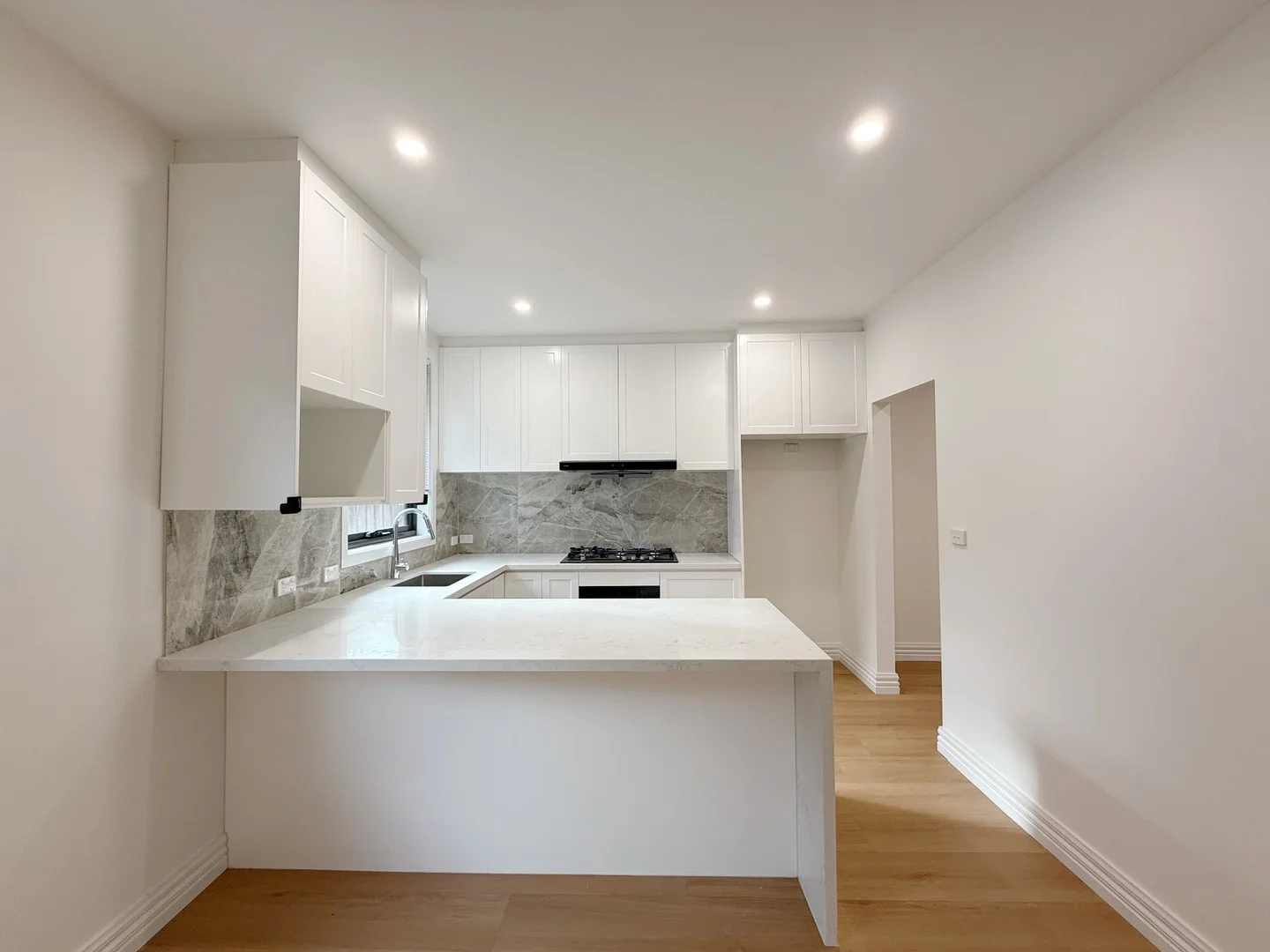 $1,280
House
$1,280
House
 $2,100,000
Townhouse
$2,100,000
Townhouse
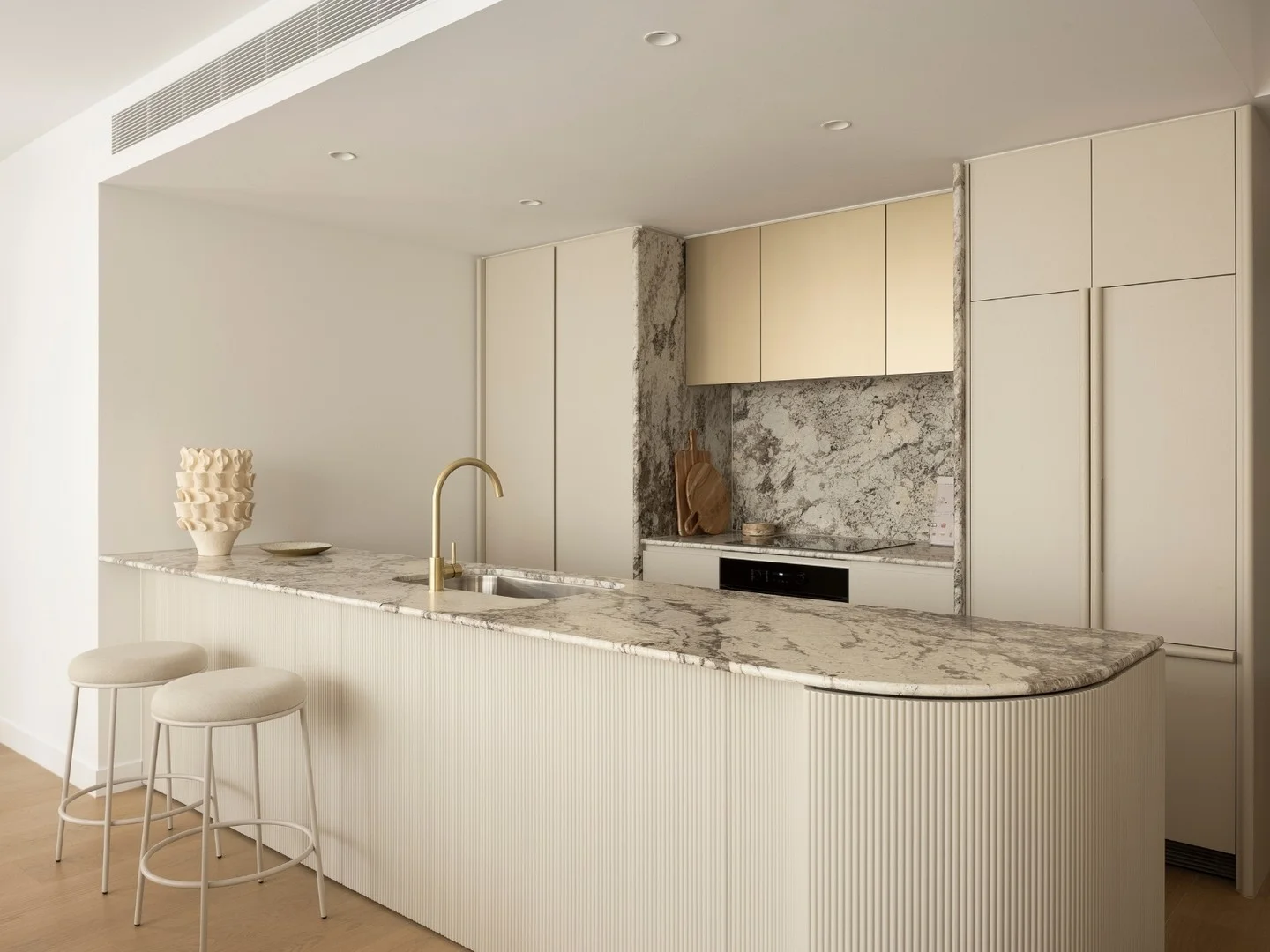 $1,345,000
Apartment / Unit / Flat
$1,345,000
Apartment / Unit / Flat
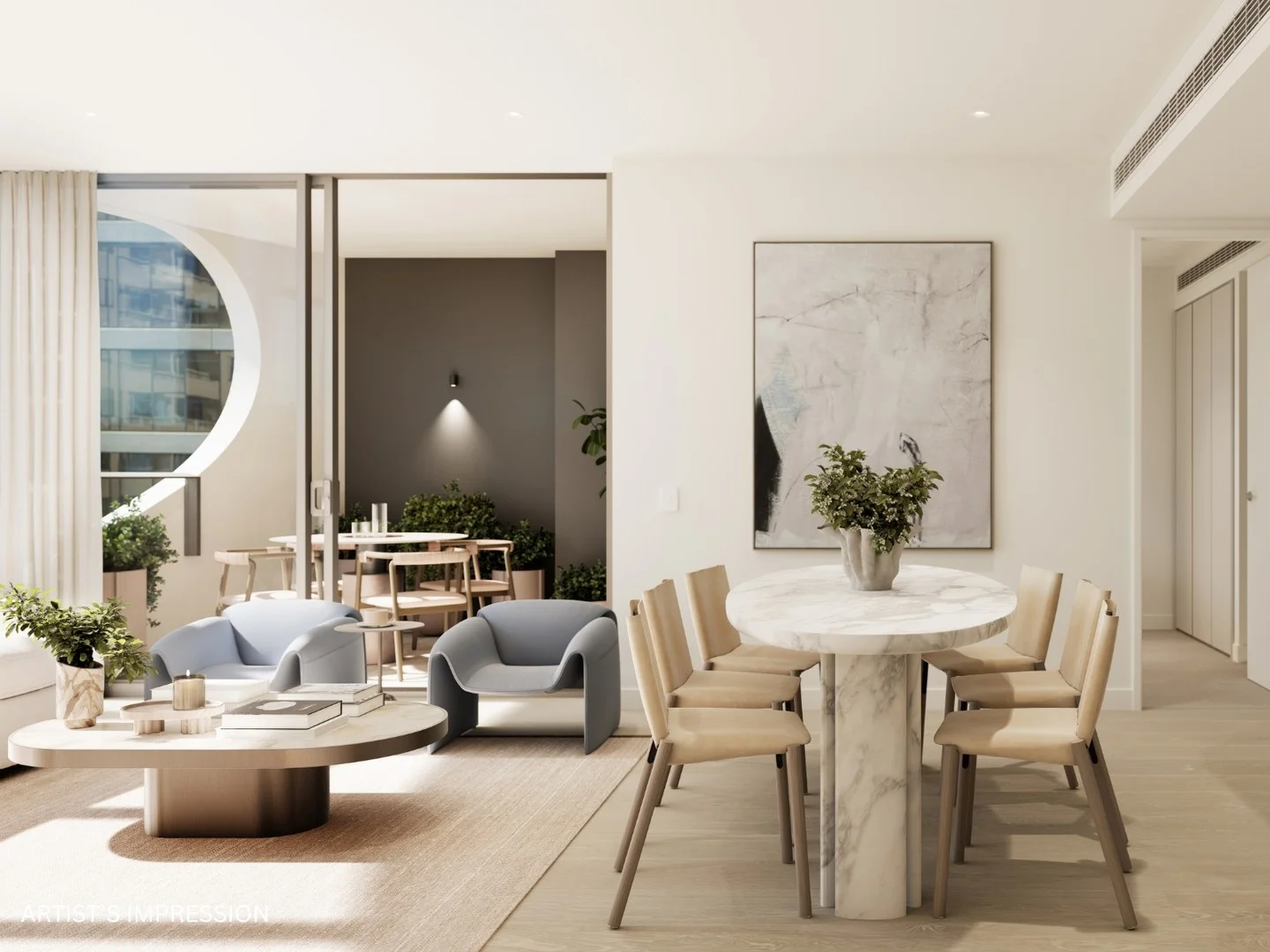 $1,640,000
Apartment / Unit / Flat
$1,640,000
Apartment / Unit / Flat
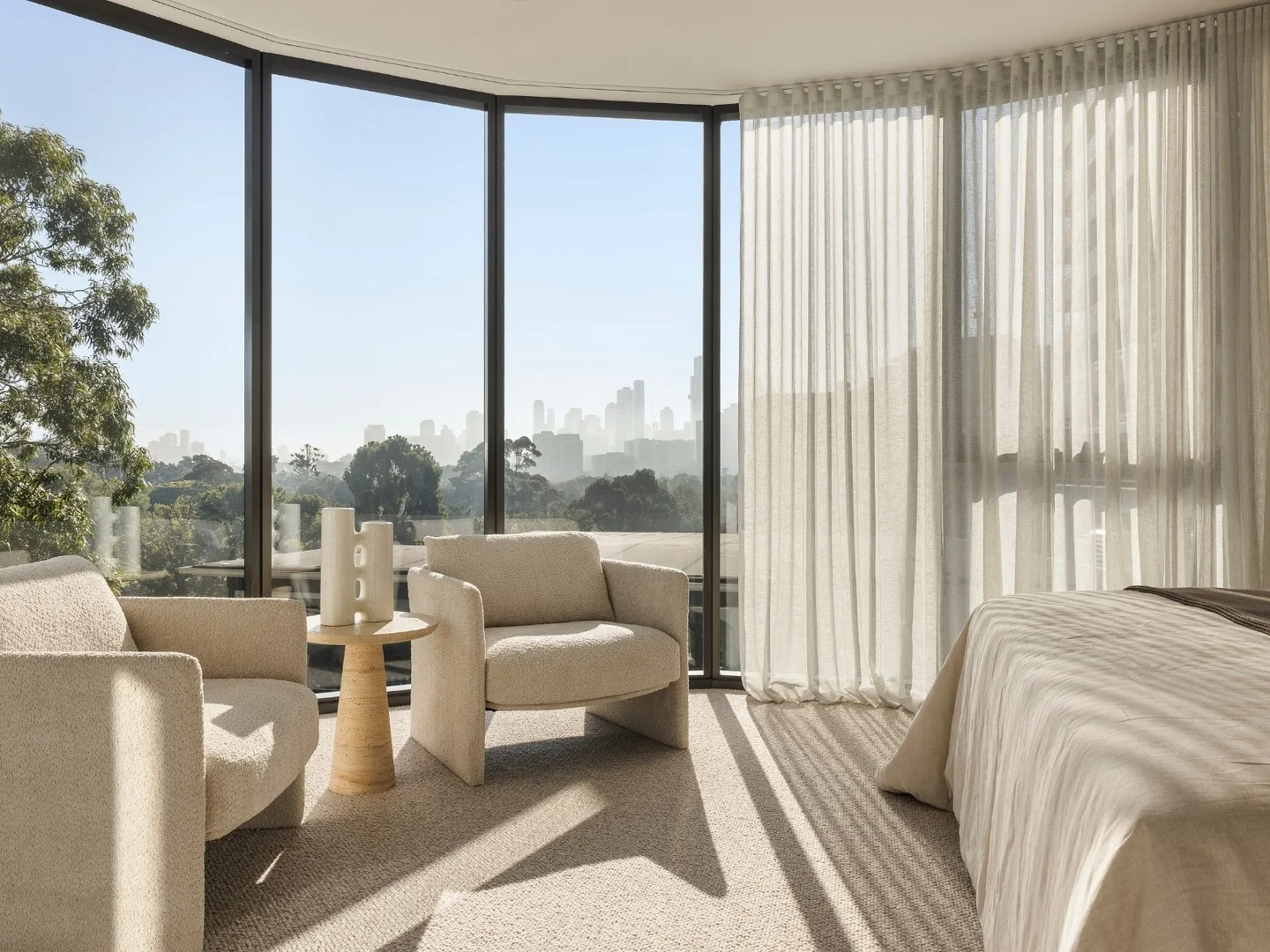 $2,750,000
Apartment / Unit / Flat
$2,750,000
Apartment / Unit / Flat
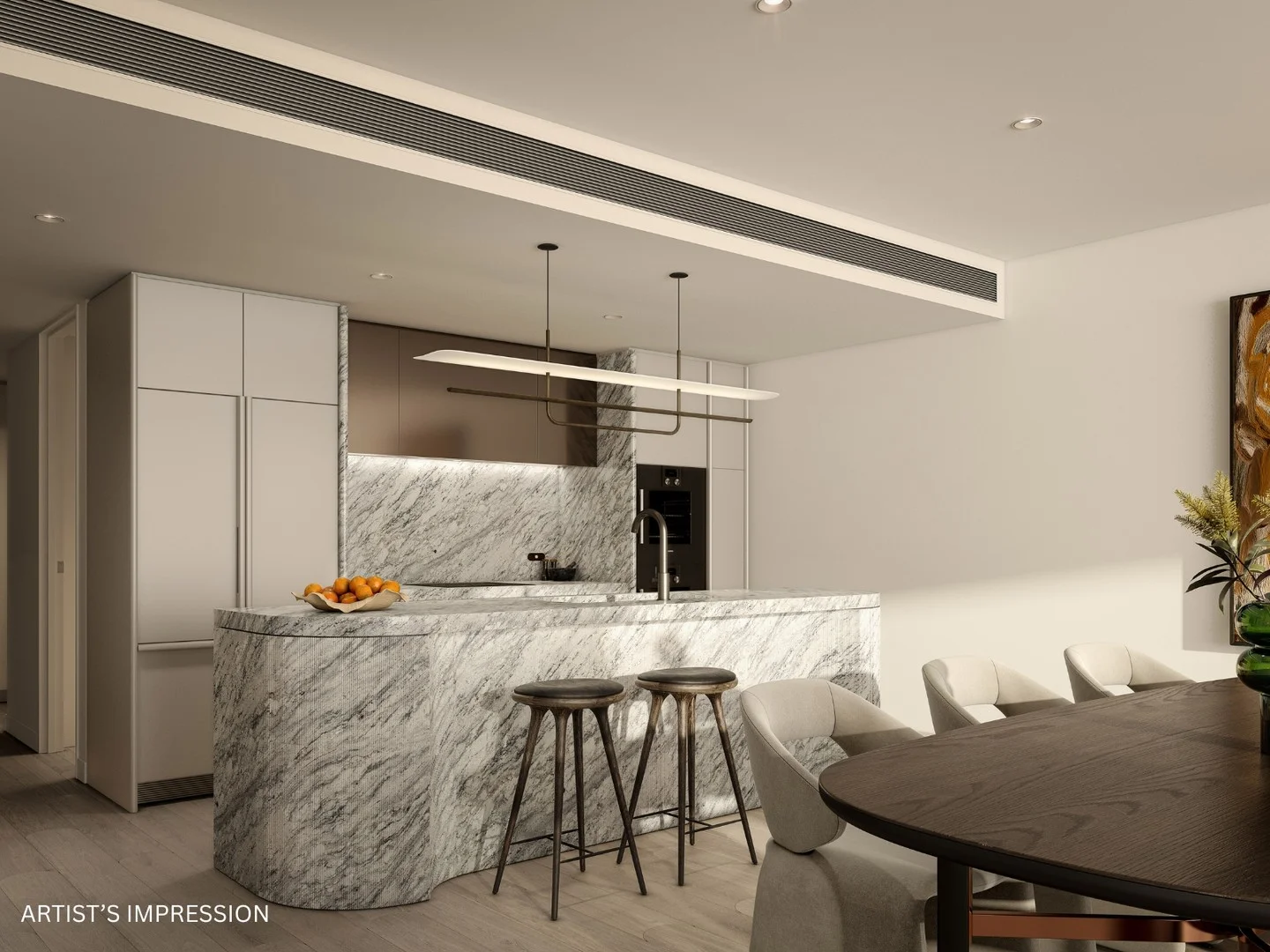 $2,900,000
Apartment / Unit / Flat
$2,900,000
Apartment / Unit / Flat
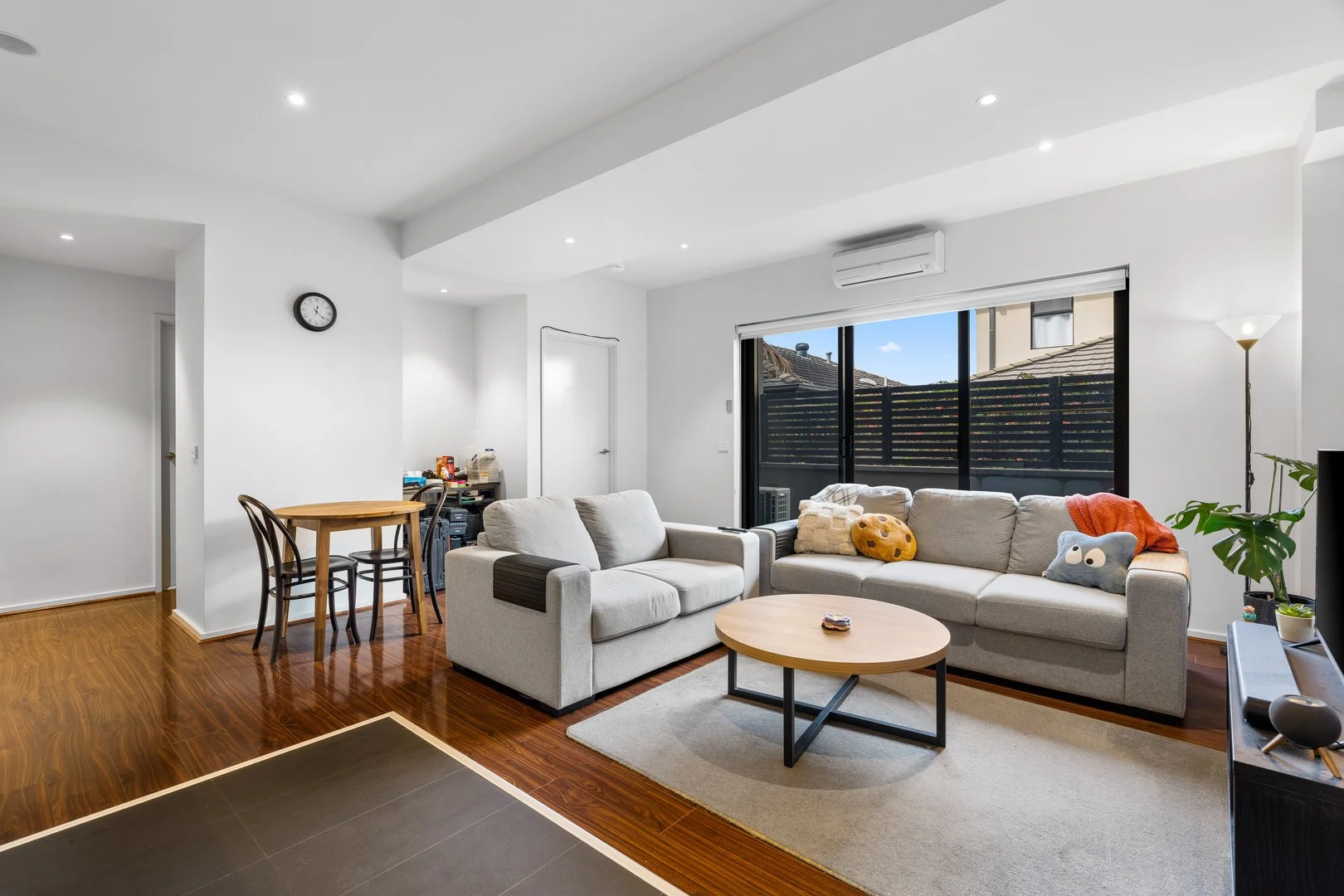 $385,000 - $410,000
Apartment / Unit / Flat
$385,000 - $410,000
Apartment / Unit / Flat
 $1,000,000
Townhouse
$1,000,000
Townhouse
 $2,680,000
House
$2,680,000
House


