- Overview
The Knox School VIC Wantirna South is an independent, private day school in Melbourne’s eastern suburbs, offering a broad K–12 program in a co-educational setting. The school aims to nurture confident, curious learners who engage deeply with academics, arts, sport and community life.
With a medium-sized school community and class sizes designed to support individual attention, The Knox School emphasises a welcoming, inclusive atmosphere where students are encouraged to participate, lead and contribute. The culture blends academic rigour with pastoral support, helping students develop resilience, teamwork and a sense of responsibility.
- Academics & Learning
- Academic strengths: The Knox School focuses on core disciplines with emphasis on literacy, numeracy, STEM, English and language learning, along with leadership development and study skills to prepare students for post-school pathways.
- Special programs: The school offers pathways and opportunities for accelerated learning and gifted/talented students, with support for diverse interests and talents across the curriculum.
- Support for diverse learners: Strong support for diverse learners, including English as an Additional Language (EAL) and learning support services (SEN) to help all students access the curriculum.
- Sports & Extracurricular Strengths
- Sports offered: A wide range of team and individual sports are available, including basketball, cricket, football (soccer), hockey, tennis, swimming, athletics and AFL-style activities, with opportunities to compete in interschool events.
- Strong teams or achievements: The school fields competitive teams across key sports and participates in regional competitions, with emphasis on development, teamwork and sportsmanship.
- Music, arts, drama programs: A robust arts program includes music ensembles, drama productions and performing arts opportunities to showcase creativity and performance skills.
- Clubs: Robotics, chess, coding, debating and other interest clubs provide avenues for student leadership and inquiry beyond the classroom.
- Partnerships: The school engages with local clubs, associations and inter-school competitions to extend learning and competition opportunities for students.
- Wellbeing & Pastoral Care
- Anti-bullying approach: A proactive, school-wide approach to wellbeing with clear anti-bullying policies, restorative practices and student support structures.
- House system: A house-based pastoral framework supports belonging, competition and peer mentoring, alongside regular wellbeing activities.
- Counsellors / wellbeing officers: Access to dedicated wellbeing staff and counselling services to support mental health, resilience and school-life balance.
- Transition support for new students: Orientation programs, buddy systems and targeted transitions support help new students settle in smoothly.
- Facilities
- Sports grounds: Modern sports facilities and fields support a wide range of physical education and team sports.
- Libraries: Well-stocked libraries with study spaces and resources to support reading and research.
- Science labs: Equipped science laboratories to support experiments and hands-on learning across disciplines.
- Music/performing arts centers: Dedicated spaces for music rehearsal, ensembles and drama productions.
- Tech/innovation labs: Dedicated spaces for coding, robotics and technology-driven projects.
- Cafeteria: On-site canteen or dining facility offering healthy meal options and catering for events.
- Updated playgrounds: Safe, well-maintained outdoor spaces and play areas for younger students and recreation.
- School Values & Community Culture
- School values / mission: A mission centered on respect, responsibility, resilience and integrity, guiding teaching, behaviour and community engagement.
- Leadership style: A collaborative leadership approach that encourages student voice, leadership opportunities and constructive feedback between students, staff and families.
- Behaviour expectations: Clear expectations around respectful conduct, positive relationships and accountability, supported by consistent routines and supports.
- Community reputation: A positive local reputation for a welcoming, inclusive atmosphere with a focus on holistic development.
- Diversity & inclusion: Active commitment to diversity and inclusion, with programs and practices that support students from varied backgrounds and abilities.
- School Logistics & Daily Operations
- School hours: Typical day starts in the morning with a structured timetable and ends in the early afternoon, with variations by year level.
- Before/after school care: Available to families needing flexible start or finish times around the core day.
- Uniform requirements: Uniform policy in place with specified attire for different year levels and occasions.
- Transport (train/bus routes): Access to local transport options and school-arranged bus services serving common commuter routes.
- Canteen availability: On-site canteen or dining facilities offering meals and snacks during the school day.
- Fees (low/medium/high ranges): Fees are in the mid-to-high range for independent schools; prospective families should consult the current fee schedule for exact figures and any additional costs.
- Enrolment & Admissions
- What is the enrolment process and timeline?
- Begin with an inquiry and application, followed by submission of required documents, attendance at interviews or assessments if applicable, and receipt of an offer. Upon acceptance, families complete enrolment paperwork and payment of any initial fees.
- Is there a waiting list, and how does it work?
- Some year levels may have waiting lists depending on capacity; priority is often given to siblings and ongoing enrolment demand. The school will inform families about their position and estimated wait times.
- Are there any entry requirements, tests, or interviews?
- Entry may involve an interview and/or assessment to understand academic readiness, learning needs and fit with the school program.
- Does the school accept mid-year transfers?
- Mid-year transfers are considered based on space, assessment results and readiness to integrate into the current cohort.
- Frequently Asked Questions
- Why Parents Choose This School?
- The Knox School offers a balanced, holistic education in a supportive community with opportunities across academics, arts and sport, plus strong wellbeing support and small-to-medium class experiences.
- What type of student thrives at this school?
- Students who are curious, engaged, collaborative and eager to contribute to school life often thrive here, especially those who value a well-rounded program and supportive relationships with teachers.
- What opportunities are available for students to extend their skills (academics, sports, arts)?
- Opportunities include advanced or accelerated academic pathways, a range of sports teams and clubs, music ensembles, drama productions and robotics/coding/debating clubs.
- How does the school communicate with parents?
- Regular updates via newsletters, emails, parent portals and information evenings help keep families connected with school life and student progress.
- What is the school’s approach to teaching and learning?
- A student-centred, differentiated approach emphasizing critical thinking, collaboration, real-world connection and ongoing feedback.
- How does the school support students who need extra academic help?
- Learning support, EAL services and targeted tutoring or accommodation plans are available to assist students needing extra help.
- What support is available for academic challenges?
- Dedicated teachers, counselling and learning support teams work with students and families to address challenges and build strategies for improvement.
- How does the school communicate with parents? (reiterated)
- See above: newsletters, emails, parent portal and official events.
- What extracurricular and sports opportunities are available?
- A broad range of sports, music, drama and clubs (robotics, chess, coding, debating) are available to suit diverse interests and talents.
- What facilities does the school offer (sports, science, arts)?
- Comprehensive facilities include sports grounds, libraries, science labs, music/performing arts centers and tech/innovation labs, plus dining and outdoor spaces.
- What is the school’s approach to technology and digital learning?
- Emphasis on digital literacy, safe online practices and integrated technology across the curriculum to support learning and collaboration.
- What transport and accessibility options are available?
- Bus services and public transport access, with considerations for accessibility and convenient on-site parking where applicable.
- What are the typical school fees or additional costs?
- Fees reflect an independent school model with standard charges for tuition, uniforms, and optional activities; exact figures are available in the current fee schedule.
- Short Pros & Cons list
Pros
- Independent, private school with a holistic focus across academics, arts and sport
- Strong wellbeing and pastoral care with a clear anti-bullying approach
- Broad range of extracurriculars, including clubs and competitive sport
- Active sense of community and inclusive culture
Cons
- Fees are higher than public options; some families may consider affordability
- Space and capacity can influence availability for popular year levels
- Availability of certain niche programs may vary year to year
- Mid-year transfers depend on space and assessment outcomes

 $22+
$22+








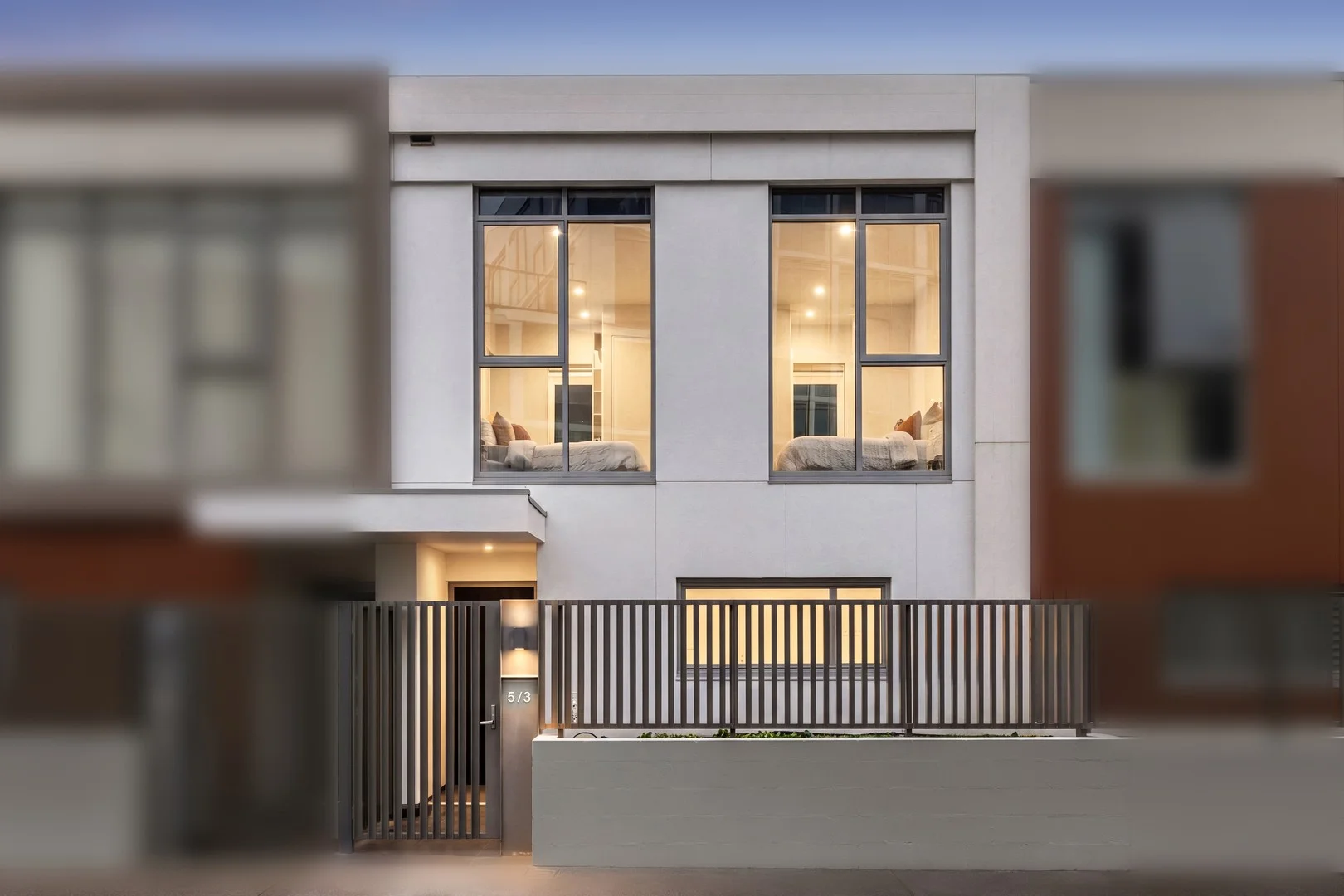 $620,000 - $680,000
Townhouse
$620,000 - $680,000
Townhouse
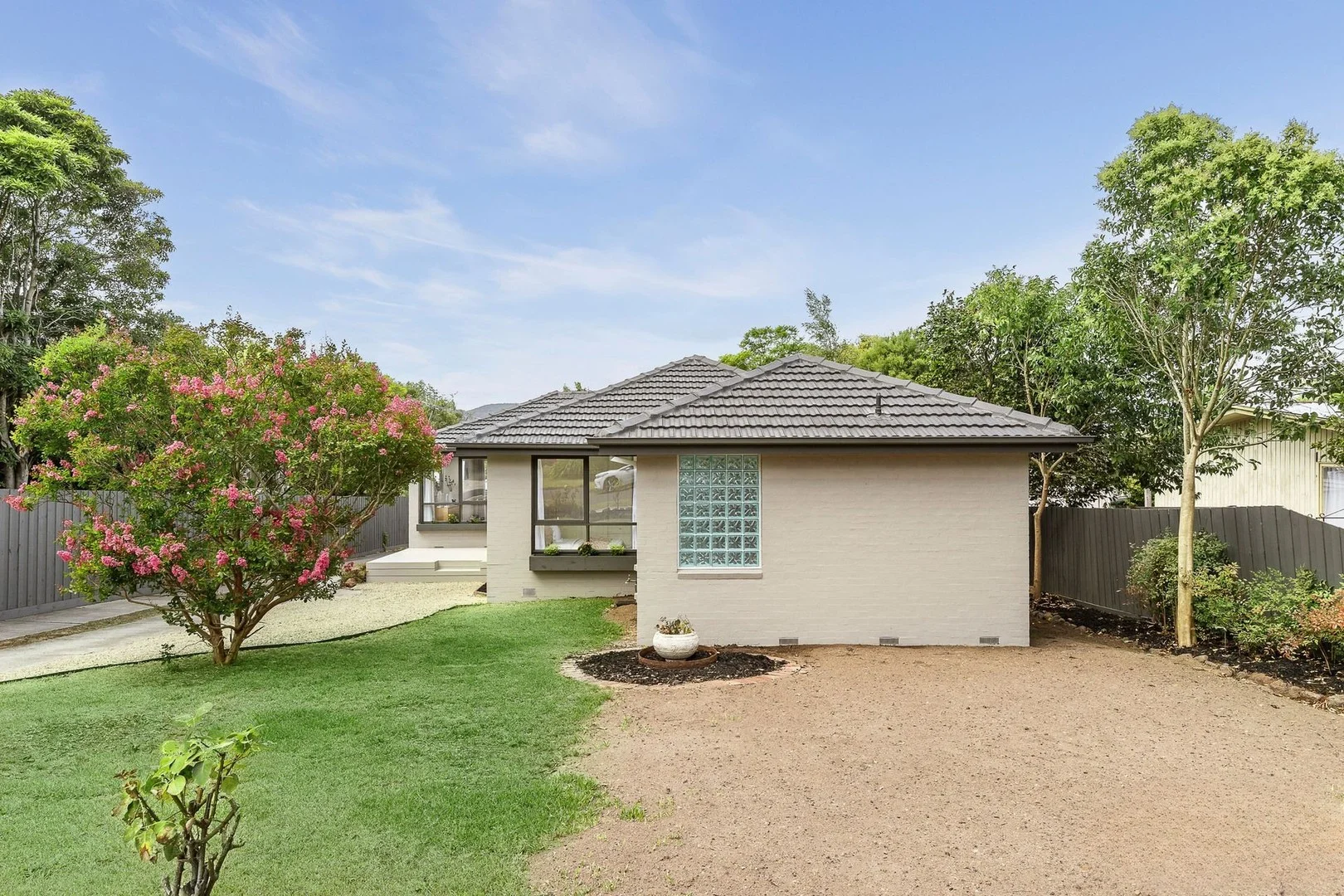 $700
Apartment / Unit / Flat
$700
Apartment / Unit / Flat
 $4,000,000
House
$4,000,000
House
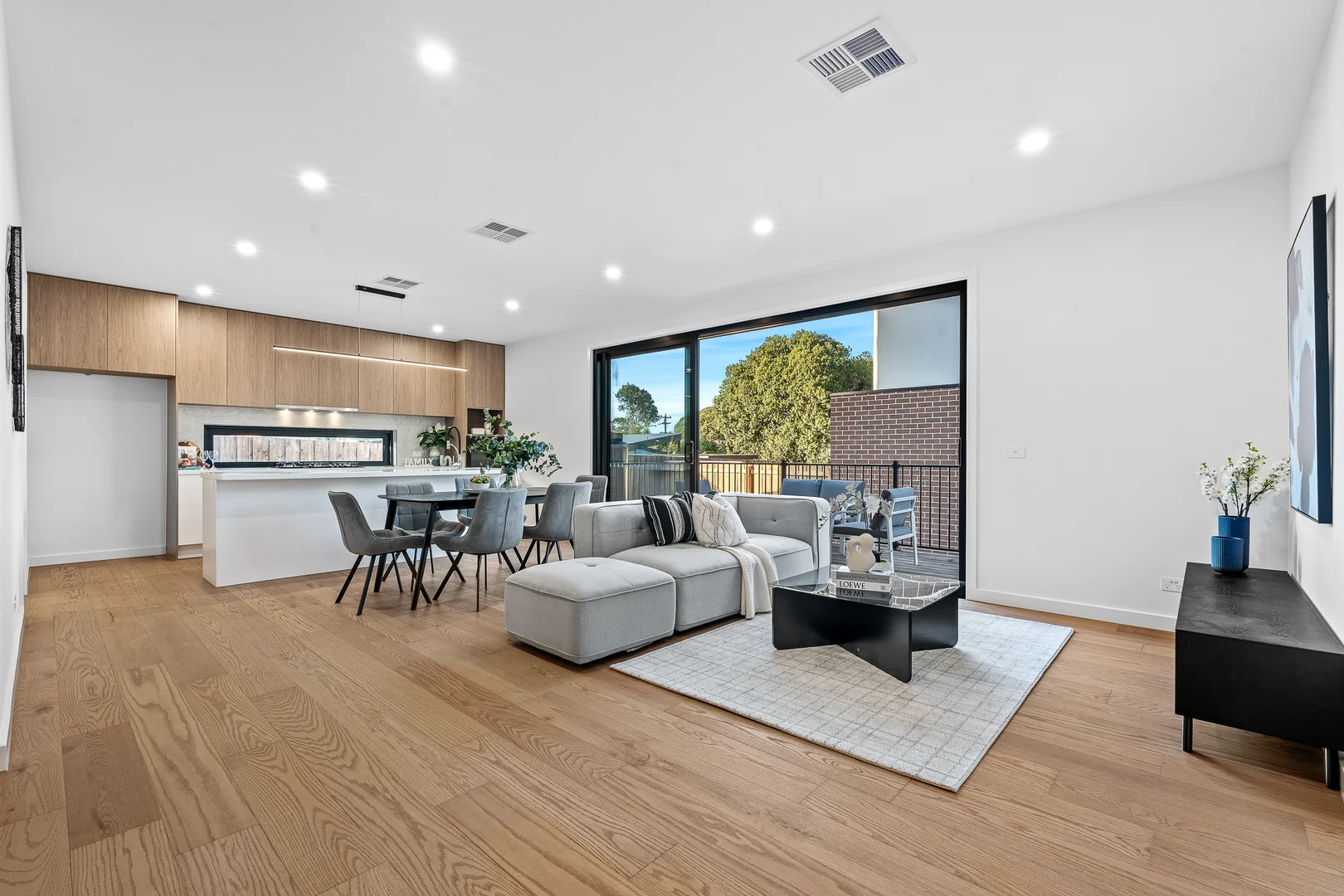 $990,000 - $1,080,000
Townhouse
$990,000 - $1,080,000
Townhouse
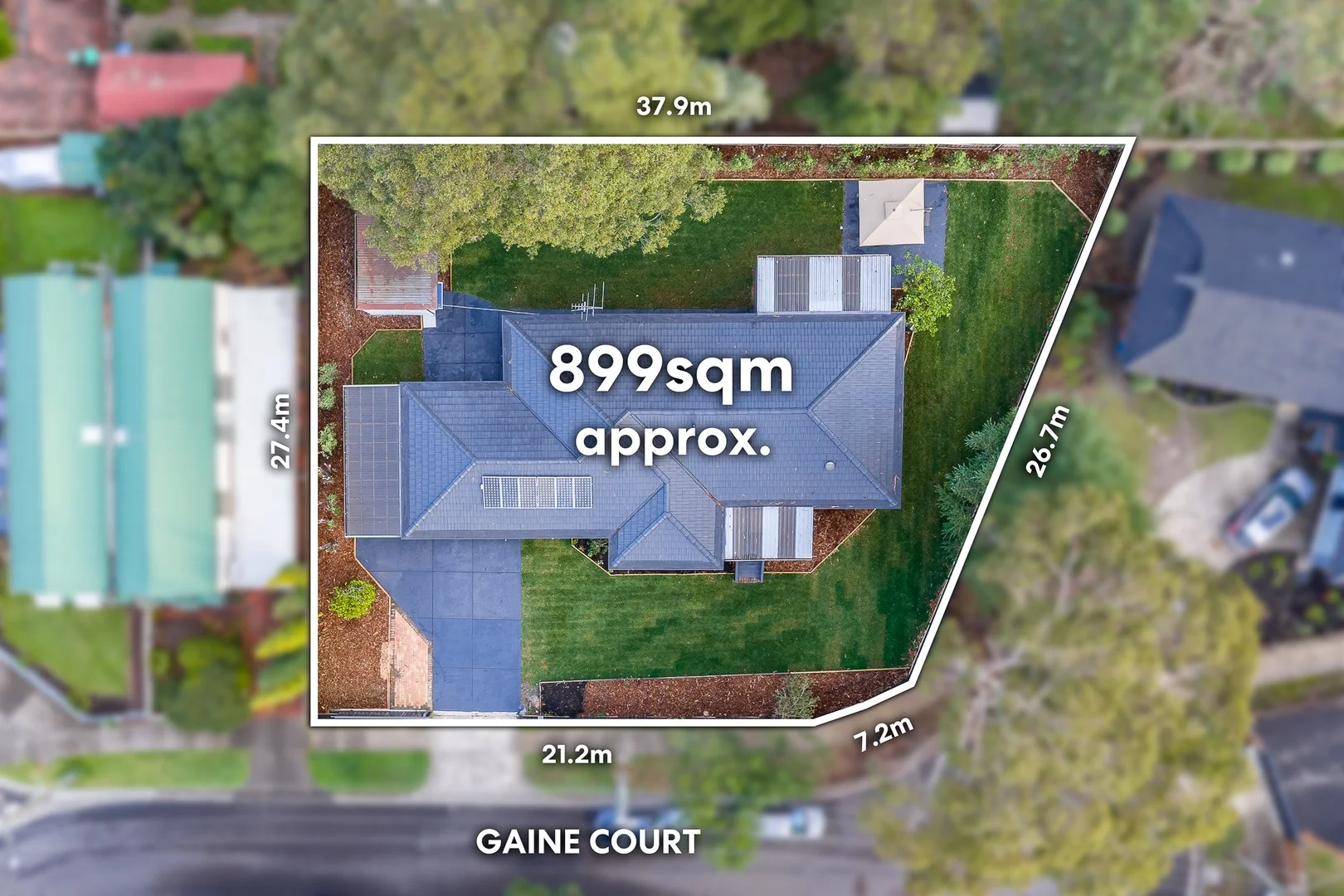 $990,000 - $1,080,000
House
$990,000 - $1,080,000
House
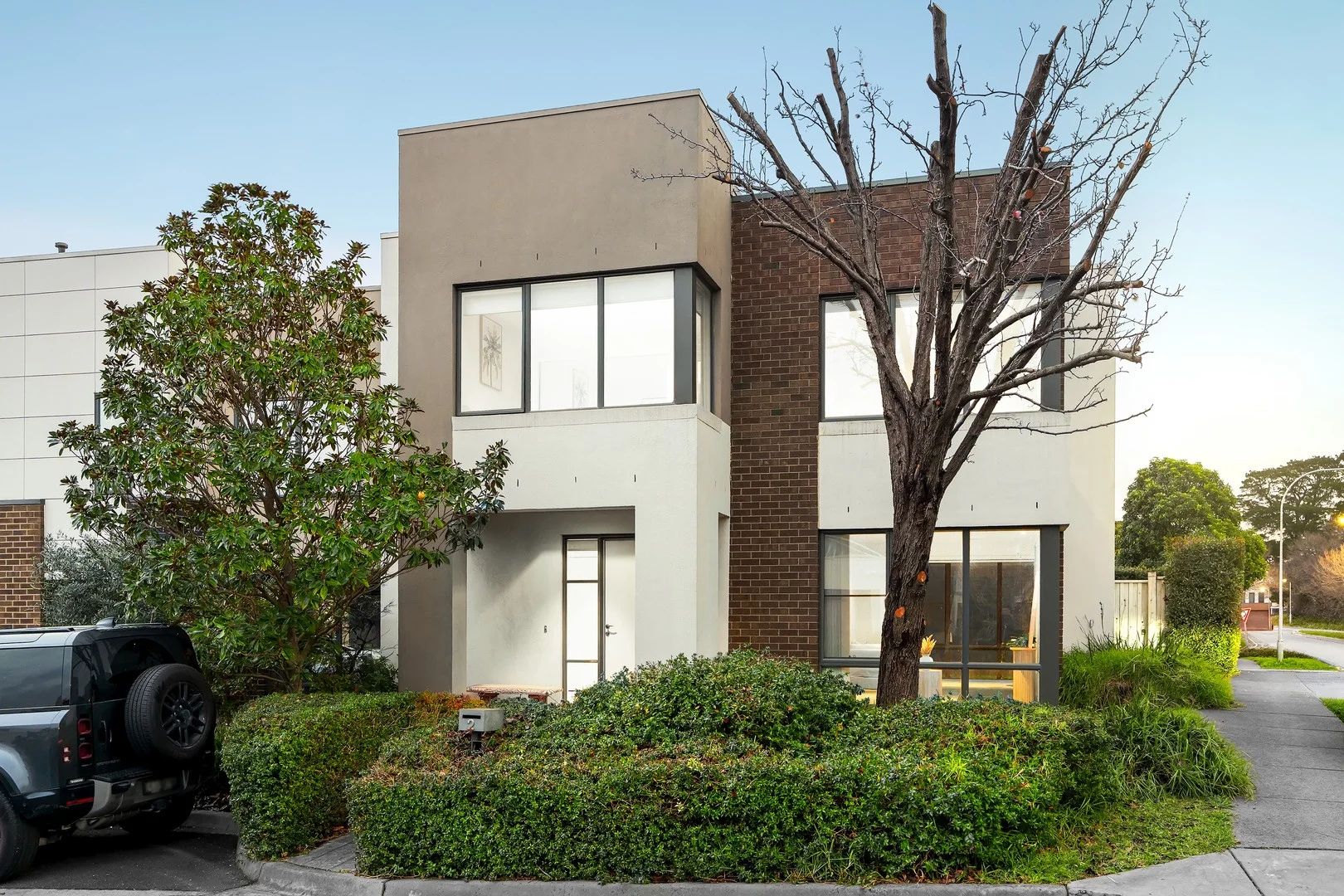 $900,000
House
$900,000
House
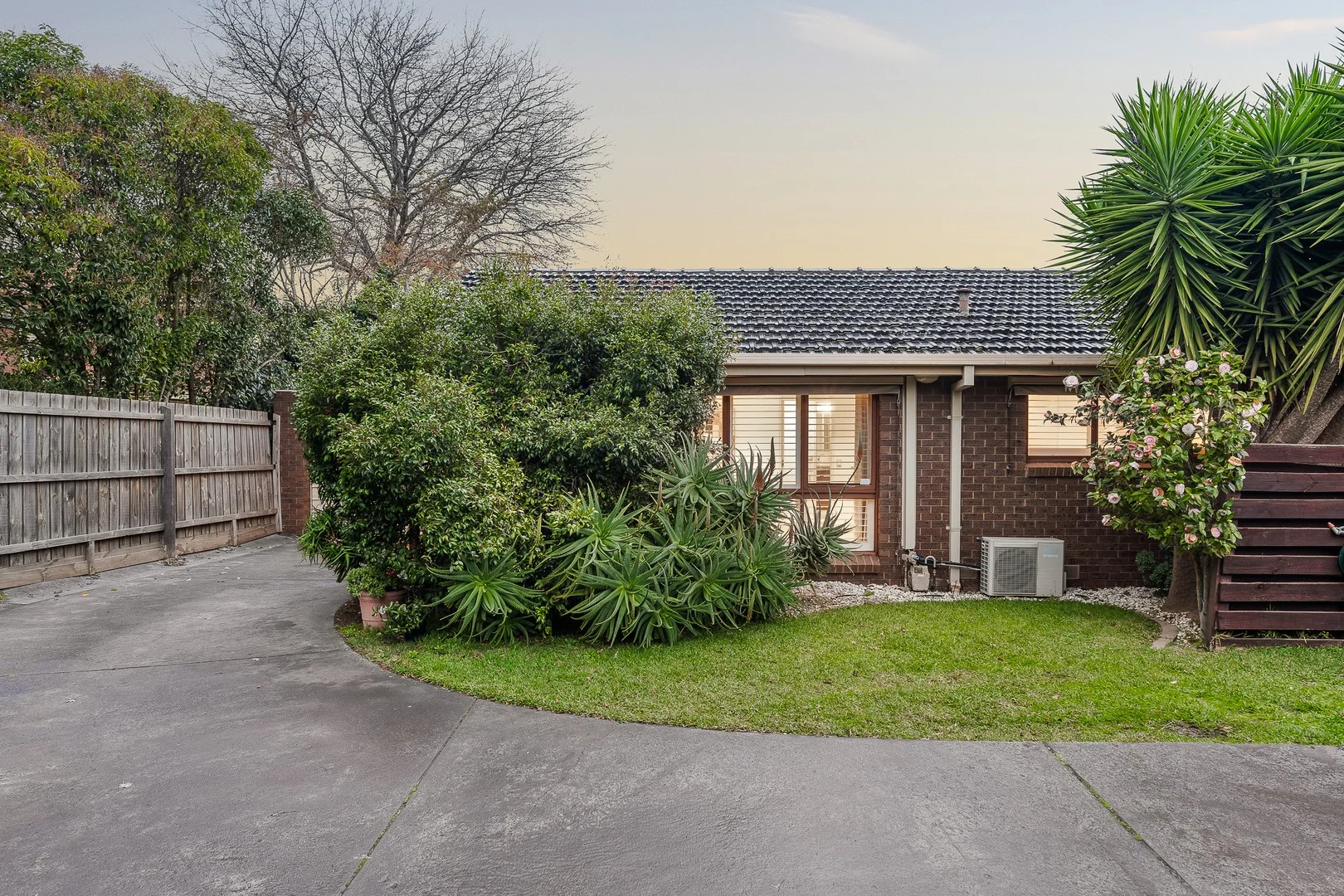 $770,000 - $820,000
Apartment / Unit / Flat
$770,000 - $820,000
Apartment / Unit / Flat
 $1,300,000
House
$1,300,000
House
 $1,300,000 - $1,400,000
House
$1,300,000 - $1,400,000
House


