## 1. Overview
Hawthorndene Primary School is a public, co-educational primary school serving students in the local Hawthorndene community. The school focuses on delivering a well-rounded, inclusive education aligned with the South Australian curriculum, with an emphasis on student wellbeing and community involvement. The school operates as a small-to-medium sized campus, with class sizes typically around 20–25 students, fostering a supportive and family-like atmosphere. The culture is nurturing and inclusive, balancing academic engagement with opportunities for sport, creativity, and personal growth.
### Quick snapshot
- School type: Public
- School size: Small to medium
- Class size: ~20–25 students
- Atmosphere/culture: Nurturing, inclusive, student-focused
---
## 2. Academics & Learning
Hawthorndene Primary provides a strong foundation in core curriculum areas while also offering programs that promote inquiry, creativity, and leadership. The school places emphasis on literacy and numeracy as building blocks for broader learning and seeks to develop capable, confident learners across all year levels.
### Highlights
- Academic strengths: Literacy and numeracy; emphasis on STEM foundations, English development, and opportunities for student leadership.
- Special programs: Gifted and talented pathways, accelerated learning options where appropriate, and curriculum extensions aligned with the Australian Curriculum.
- NAPLAN trends: Steady year-to-year progress in reading and numeracy, with targeted school programs designed to sustain improvements and close any learning gaps.
- Student-teacher ratios: Approximately 1:20 (typical for primary settings), enabling meaningful classroom instruction and student support.
- Support for diverse learners: Dedicated support for EAL (English as an Additional Language) students and individualized SEN (Special Educational Needs) planning where required.
---
## 3. Sports & Extracurricular Strengths
A strong focus on physical activity, creativity, and intellectual curiosity runs through Hawthorndene Primary’s extracurricular program. The school encourages participation in a range of activities to develop teamwork, resilience, and diverse talents.
### Offerings and strengths
- Sports offered: Netball, soccer, cricket, athletics, swimming programs, and junior cross-country activities.
- Strong teams/achievements: Participation in local inter-school events and district competitions; emphasis on fair play and personal bests.
- Arts and performing programs: Music ensembles, drama activities, and visual arts competitions.
- Clubs: Robotics, coding clubs, chess, debating, and science/STEAM clubs.
- Partnerships: Local sports clubs and regional competitions that provide additional opportunities for skill development and competitive experience.
---
## 4. Wellbeing & Pastoral Care
Wellbeing sits at the heart of the school experience, with structures in place to support every student’s emotional and social development.
### What’s on offer
- Anti-bullying approach: Whole-school programs and a clear anti-bullying policy, with proactive education and strong reporting pathways.
- House system: A house-based structure that fosters belonging, teamwork, and friendly competition.
- Counsellors / wellbeing officers: Access to school-based wellbeing staff to support students’ mental health and resilience.
- Transition support: Comprehensive plans for new students, including buddy systems and orientation activities to ease transitions between year levels or from other schools.
---
## 5. Facilities
The school’s facilities are designed to support a broad curriculum and engaging learning experiences.
### Visual snapshot
- Sports grounds: Inclusive outdoor spaces for PE, recess, and play.
- Libraries: Welcoming learning spaces with age-appropriate resources.
- Science labs: Hands-on science activities aligned with the curriculum.
- Music/performing arts centers: Facilities that support music education and performance opportunities.
- Tech/innovation labs: Areas for coding, robotics, and digital learning.
- Cafeteria: On-site dining options and a space for social learning.
- Updated playgrounds: Modern, safe outdoor play areas.
---
## 6. School Values & Community Culture
Hawthorndene Primary emphasises values that help students become responsible, respectful, and engaged members of the community.
### Key elements
- School values / mission: Commitment to inclusivity, respect, curiosity, and integrity in daily learning.
- Leadership style: Student voice and leadership are encouraged through class roles and student councils; staff adopt a supportive, facilitative approach.
- Behaviour expectations: Clear, consistent expectations focused on positive behaviour, responsibility, and kindness.
- Community reputation: A well-regarded school within the local community for its caring environment and steady student growth.
- Diversity & inclusion: Active efforts to create an inclusive culture where all backgrounds are valued and supported.
---
## 7. School Logistics & Daily Operations
Clear routines and accessible information help families navigate school life smoothly.
### Practical details
- School hours: Typical school day structure with start and finish times aligned to SA Department for Education guidelines.
- Before/after school care: Available through on-site or affiliated after-school care providers (subject to current arrangements).
- Uniform requirements: Standard school uniform with guidelines on daily wear and any seasonal changes.
- Transport: Information on bus routes or public transport options serving the area; parking and drop-off procedures.
- Canteen availability: Canteen services or lunch program arrangements (subject to current operations).
- Fees: Public school fees are generally modest, with any optional extras communicated through the school.
---
## 8. Enrolment & Admissions
11. What is the enrolment process and timeline?
- Parents typically complete an enrolment form, provide required documents (birth certificate, proof of address, immunisation records), and submit by the school's stated deadlines. Open days or information sessions may be offered to help families understand the process and timelines.
12. Is there a waiting list, and how does it work?
- Waiting lists can occur when there are more applicants than places. Priority often goes to local residents/siblings, with processes outlined by the school and the education department. Wait times vary by year and intake.
13. Are there any entry requirements, tests, or interviews?
- For most primary admissions, there are no entrance exams. Some programs (e.g., gifted pathways, EAL considerations) may involve additional assessments or discussions to determine appropriate supports or tracks.
14. Does the school accept mid-year transfers?
- Mid-year transfers are possible if there is space, subject to enrollment processes and documentation. Parents should contact the school early to discuss availability and timing.
---
## 9. Frequently Asked Questions
- Why Parents Choose This School?
- A nurturing, inclusive environment with a strong focus on literacy, numeracy, and complementary programs; engaged staff and a supportive community.
- What type of student thrives at this school?
- Students who respond well to a collaborative, supportive setting with opportunities to participate in both academics and activities beyond the classroom.
- What opportunities are available for students to extend their skills (academics, sports, arts)?
- Gifted and talented pathways, accelerated learning options where appropriate, robotics/coding clubs, chess, debating, music and arts programs, and inter-school sports.
- How does the school communicate with parents?
- Regular communications via newsletters, emails, parent-teacher meetings, and a school portal or app (as implemented). Open channels for concerns and celebrations.
- What is the school’s approach to teaching and learning?
- Curriculum-aligned instruction with a focus on active learning, differentiation to meet diverse needs, and continuous assessment to guide support.
- How does the school support students who need extra academic help?
- Targeted literacy and numeracy support, EAL/SEN assistance, small-group/tersonalised interventions as part of the student support framework.
- What support is available for academic challenges?
- Access to specialist staff, tailored learning plans, and additional practice resources; coordination with families to monitor progress.
- How does the school communicate with parents? (duplicate)
- See above; channels include newsletters, calls, meetings, and digital platforms.
- What are the class sizes and how much individual attention do students receive?
- Classes typically around 20–25 students, with opportunities for small-group instruction and targeted feedback from teachers.
- What extracurricular and sports opportunities are available?
- A range of sports, music and arts programs, and clubs such as robotics, coding, chess, and debating; participation tied to student interest and staffing.
- What facilities does the school offer (sports, science, arts)?
- Sports grounds, libraries, science labs, music/performing arts spaces, tech/innovation labs, and designated play areas.
- What is the school’s approach to technology and digital learning?
- Integration of age-appropriate digital tools and coding opportunities; emphasis on safe, responsible use and digital literacy as part of the curriculum.
- What transport and accessibility options are available?
- Public transport routes and school-coordinated transport options where available; clear drop-off/pick-up procedures.
- What are the typical school fees or additional costs?
- As a public school, core fees are generally modest; any extras or optional programs are clearly communicated by the school.
---
## 10. Short Pros & Cons list
- Pros
- Nurturing and inclusive culture with strong community involvement
- Solid literacy and numeracy focus plus access to STEM, arts, and sports
- Range of clubs and extracurriculars (robotics, coding, chess, debating)
- Supportive wellbeing framework including counsellors and house system
- Cons (considerations)
- As a public school, student numbers and wait times can vary by year
- Some programs may have waitlists or require early expression of interest
- Larger or more specialised programs may be limited by staffing and funding cycles
If you’d like, I can tailor this content with more precise details from Hawthorndene Primary School’s current information (e.g., specific programs, exact uniform guidelines, or updated facilities) once you share or confirm those details.
 $40+
$40+









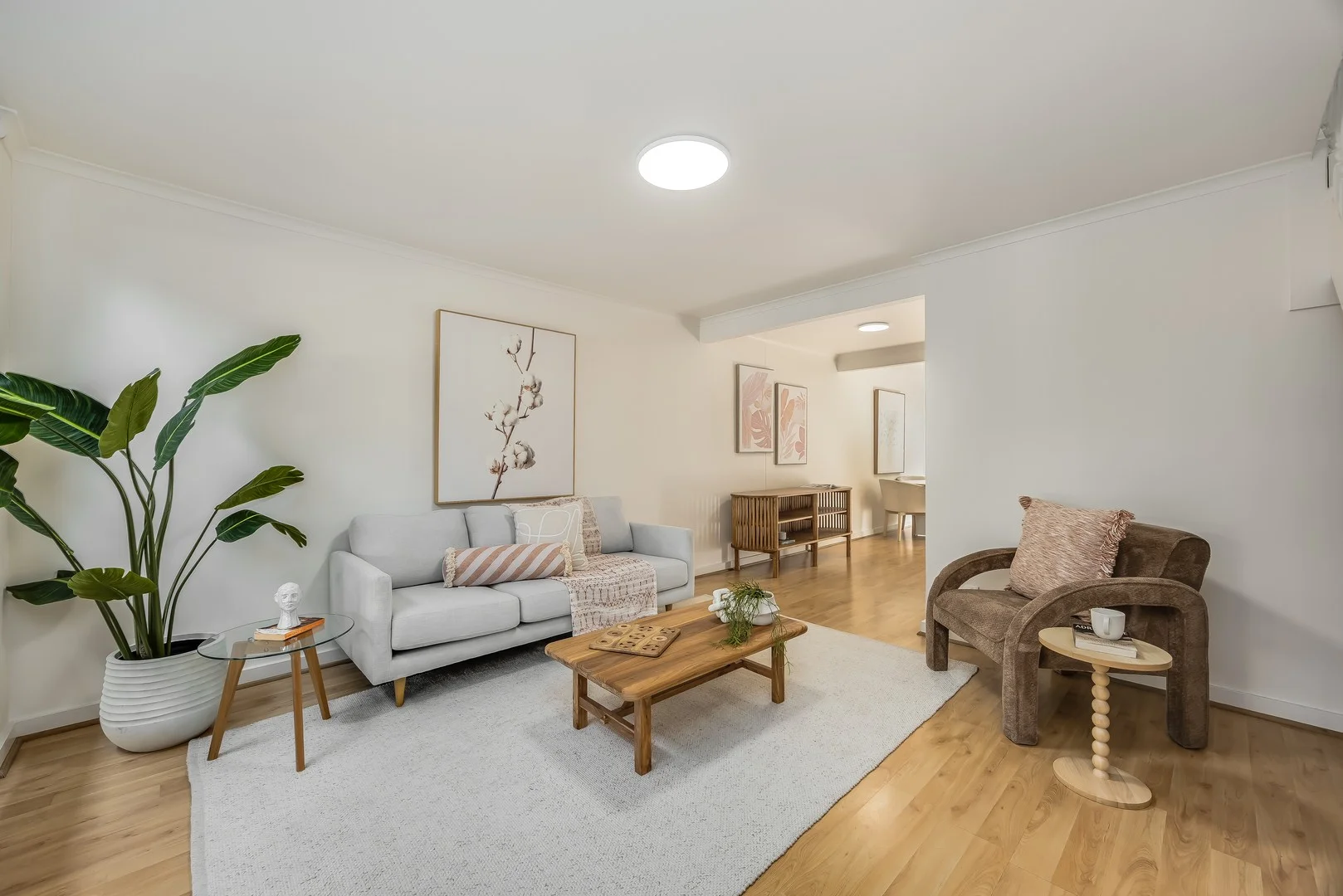 $775,000
House
$775,000
House
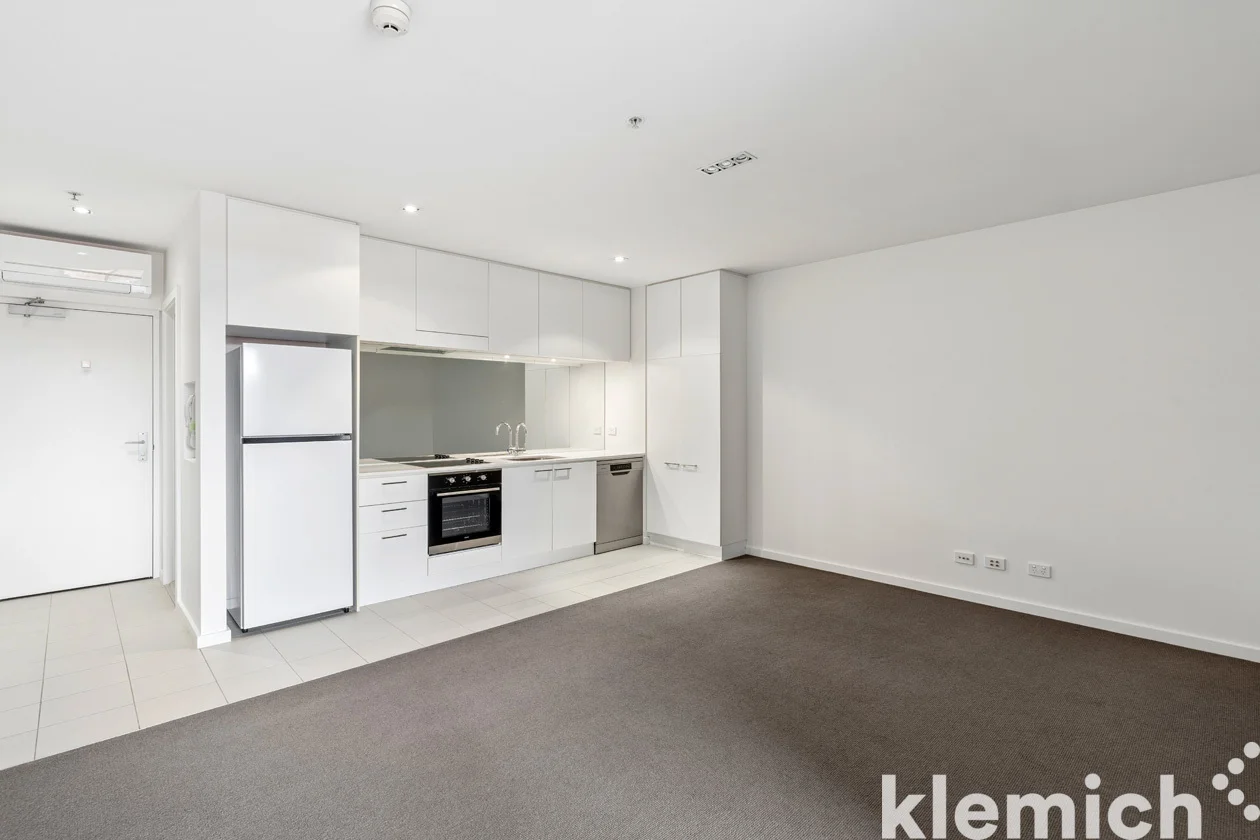 $440,000
Apartment / Unit / Flat
$440,000
Apartment / Unit / Flat
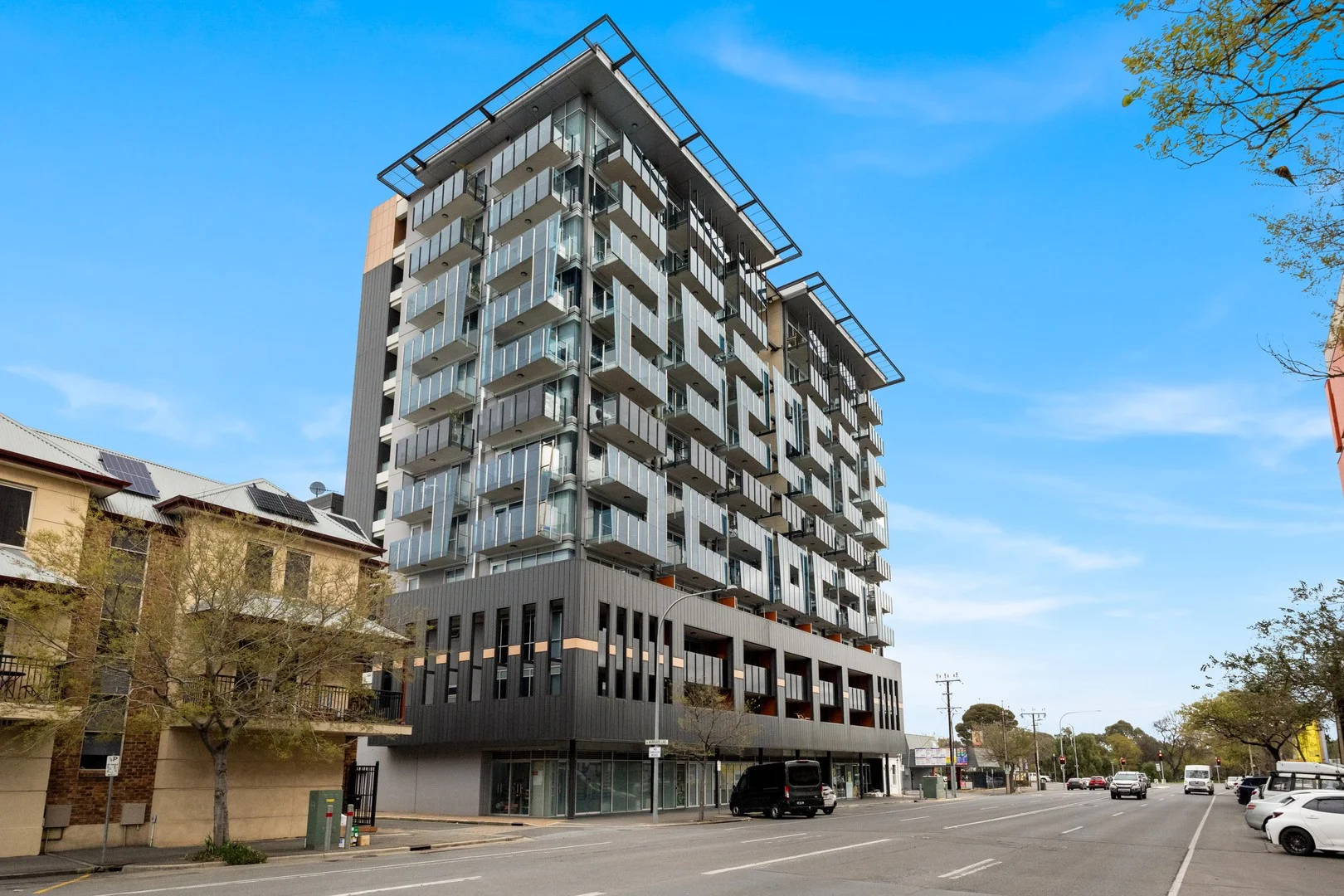 $1,100,000
Apartment / Unit / Flat
$1,100,000
Apartment / Unit / Flat
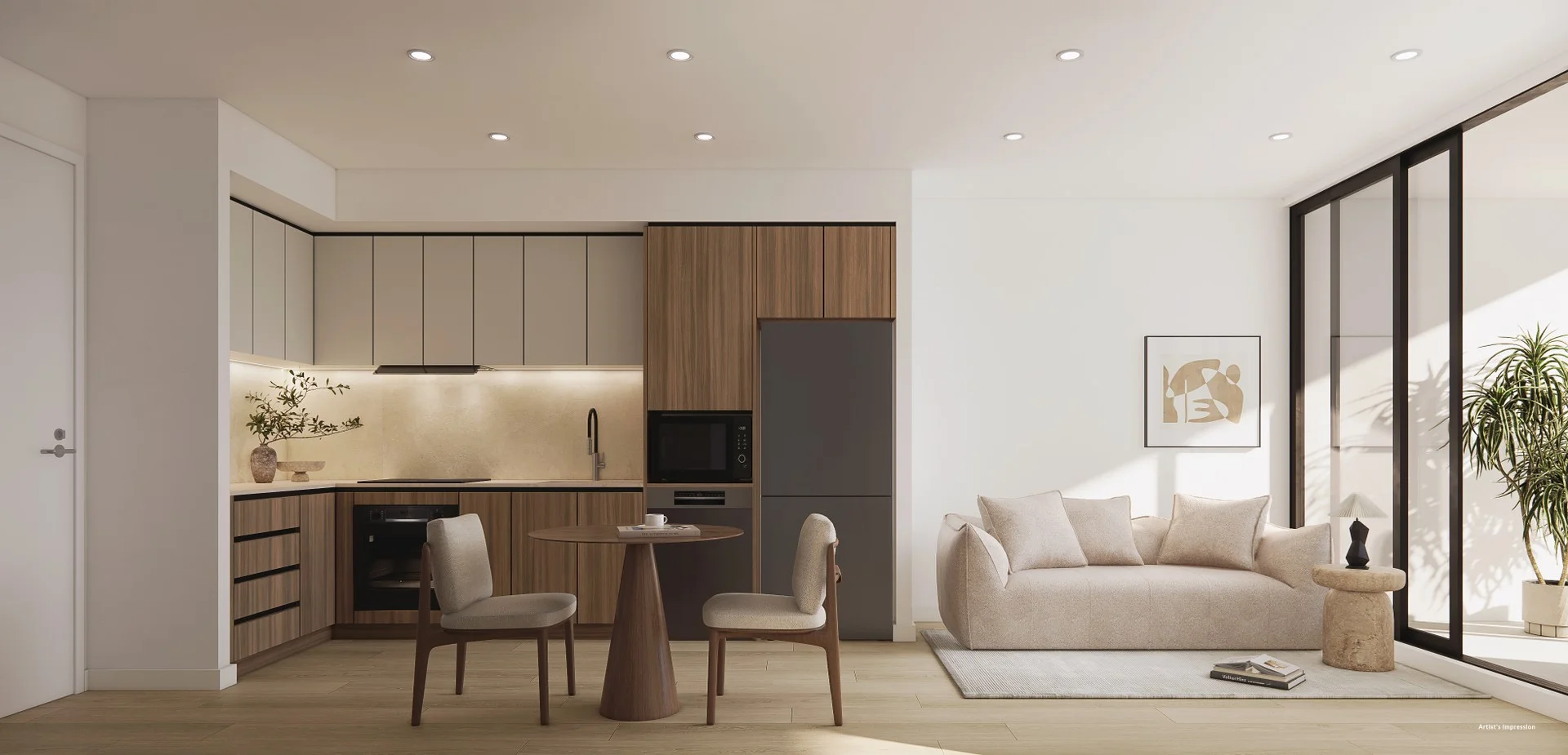 $588,000
Apartment / Unit / Flat
$588,000
Apartment / Unit / Flat
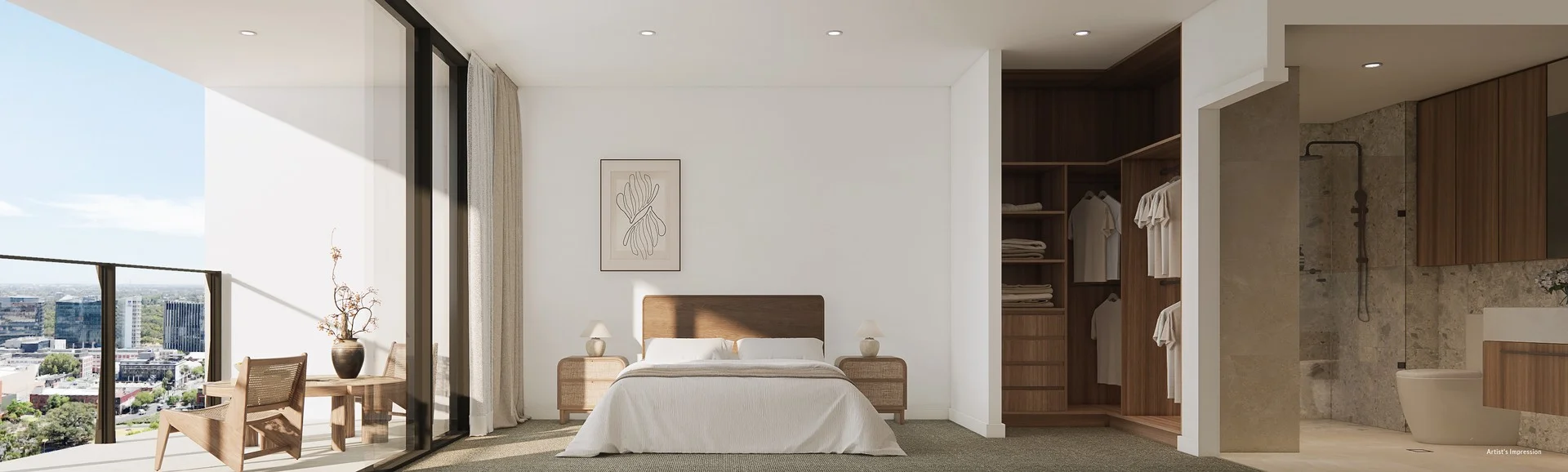 $1,056,000
Apartment / Unit / Flat
$1,056,000
Apartment / Unit / Flat
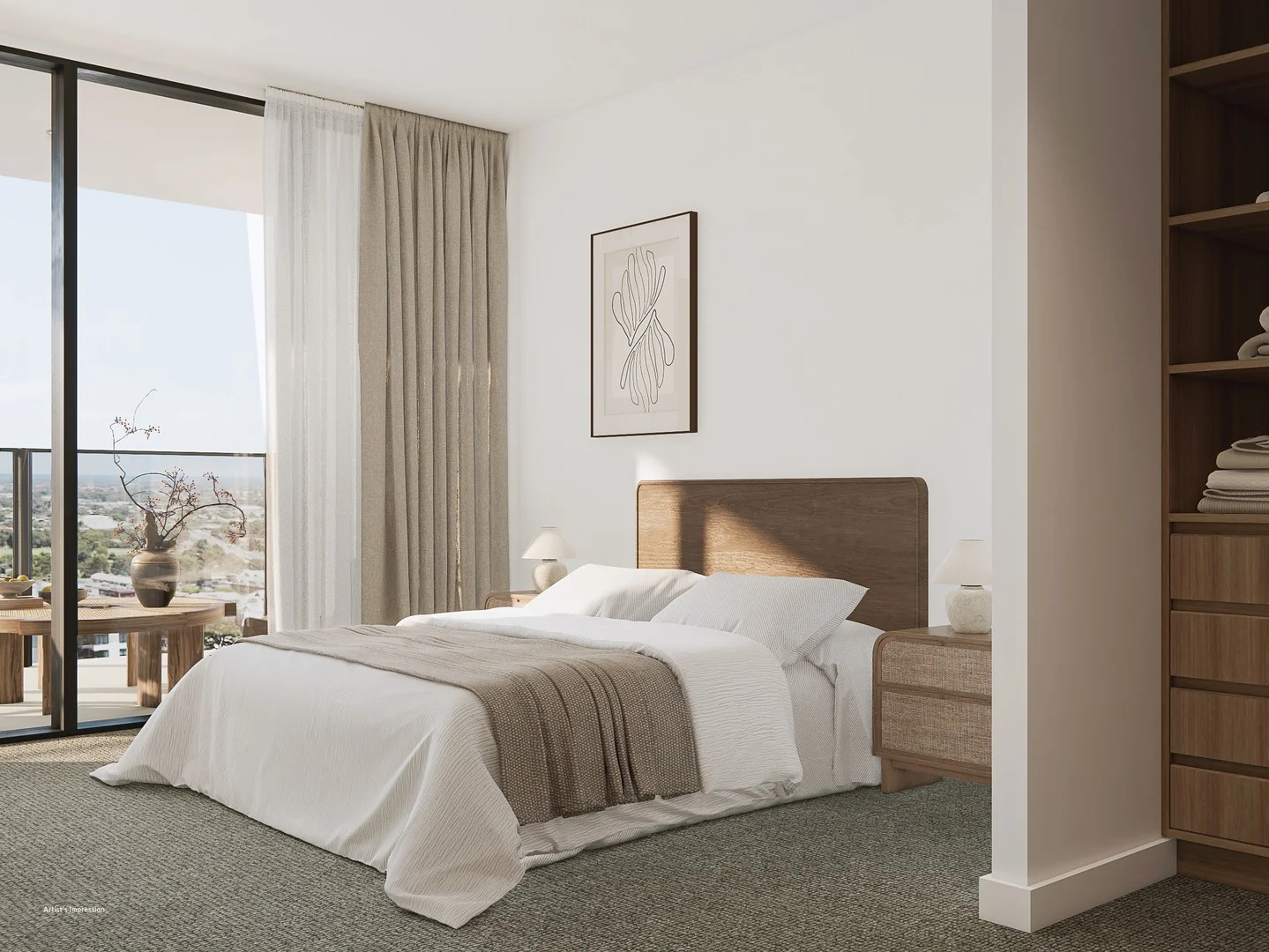 $935,000
Apartment / Unit / Flat
$935,000
Apartment / Unit / Flat
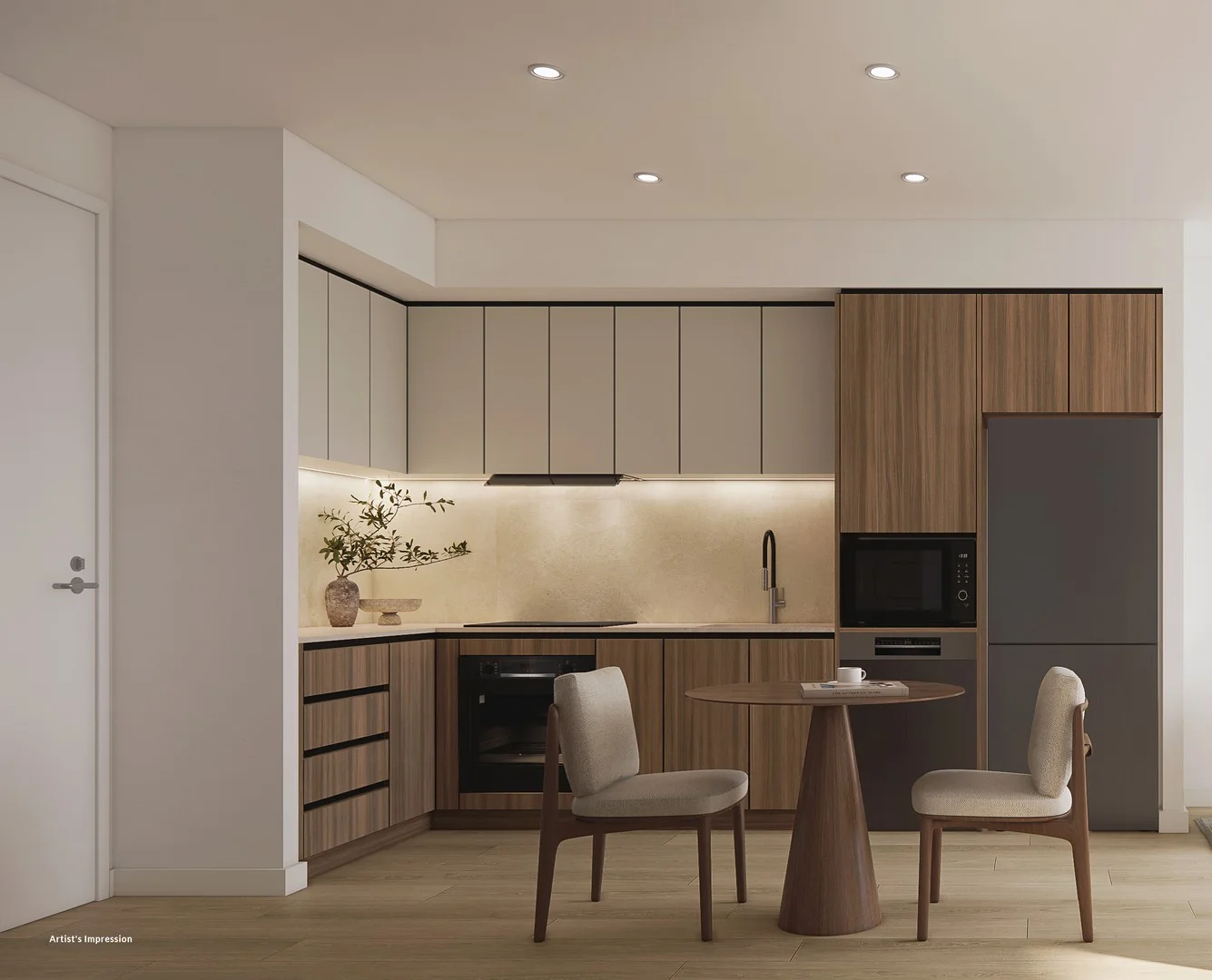 $557,000
Apartment / Unit / Flat
$557,000
Apartment / Unit / Flat
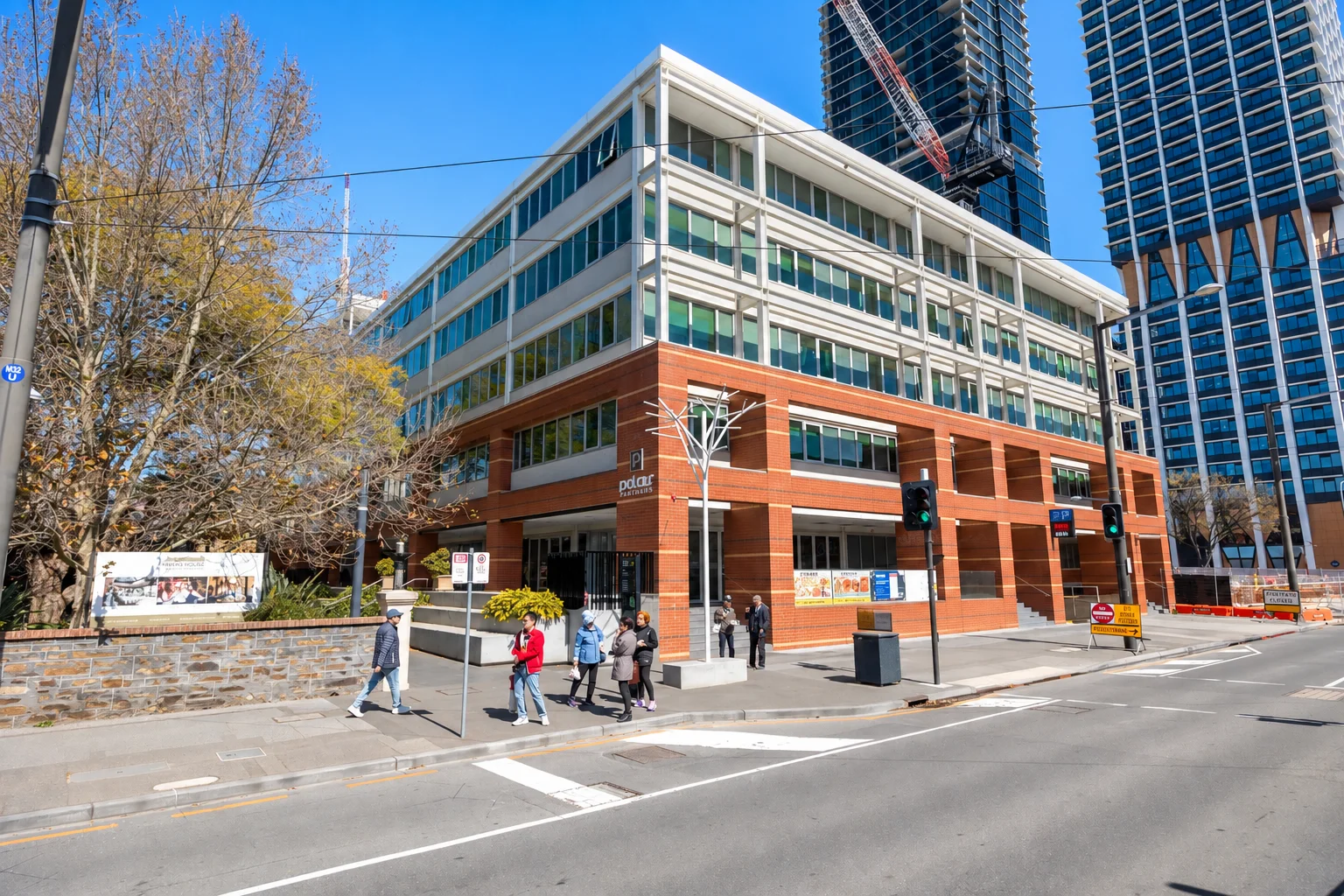 $545,000
Apartment / Unit / Flat
$545,000
Apartment / Unit / Flat