1. Overview
Independent/private co-educational school with a medium-sized community. The school focuses on delivering strong academic outcomes within a nurturing, inclusive environment that supports students’ personal and social development. Class sizes are kept to a level that allows individual attention and active student participation.
- School type: Independent/private
- School size: Medium
- Class size: Approximately 16–22 students
- Atmosphere/culture: Nurturing, academic, diverse, inclusive, sport-aware
2. Academics & Learning
Aims to balance rigorous academics with opportunities for creativity and leadership.
- Academic strengths: English, STEM (science, technology, engineering, maths), leadership development, languages
- Special programs: Gifted and Talented pathways, accelerated learning options, and technology-rich learning initiatives
- NAPLAN trends: Steady improvement and strong relative performance compared with state averages over recent years
- Student-teacher ratios: Around 1:12 (approximate)
- Support for diverse learners: EAL support, SEN support with individualized plans and adjustments
3. Sports & Extracurricular Strengths
A broad menu of activities designed to support physical development, teamwork and leadership.
- Sports offered: Soccer/football, netball, basketball, cricket, tennis, athletics, swimming
- Strong teams or achievements: Competitive senior and junior teams with ongoing participation in local and inter-school competitions
- Music, arts, drama programs: Active music program (ensembles, choir), drama, and performing arts opportunities
- Clubs: Robotics, chess, coding, debating, and other student-led interests
- Partnerships: Connections with local clubs, academies and inter-school competition circuits to broaden experiences
4. Wellbeing & Pastoral Care
Prioritises student wellbeing, safety and smooth transitions.
- Anti-bullying approach: Clear policies, proactive education and student-led supports
- House system: Structured house activities to promote belonging and healthy competition
- Counsellors / wellbeing officers: Access to school counsellors and wellbeing staff
- Transition support for new students: Orientation programs, buddy systems, and tailored onboarding
5. Facilities
Facilities designed to support learning across disciplines and enable performance and wellbeing.
- Sports grounds: Comprehensive outdoor playing fields and courts
- Libraries: Modern libraries with study spaces and digital resources
- Science labs: Well-equipped laboratories for hands-on experiments
- Music/performing arts centers: Dedicated spaces for music, drama and rehearsal
- Tech/innovation labs: Modern classrooms and makerspaces for coding, robotics and digital projects
- Cafeteria: On-site canteen or dining facilities
- Updated playgrounds: Safe, well-maintained outdoor play areas
6. School Values & Community Culture
Aims to develop responsible, respectful and curious students who contribute to the broader community.
- School values / mission: Respect, resilience, integrity, inclusion
- Leadership style: Collaborative and student-inclusive, with opportunities for student voice
- Behaviour expectations: Clear codes of conduct and positive behaviour support
- Community reputation: Positive standing within the local community and broader education networks
- Diversity & inclusion: Active commitment to inclusion and celebrating diverse backgrounds
7. School Logistics & Daily Operations
Practical details to help families plan around school life.
- School hours: Typical day starts in the morning and ends in the mid-afternoon
- Before/after school care: Available to support working families
- Uniform requirements: Required school uniform
- Transport: Bus routes and public transport options serving the school community
- Canteen availability: On-site canteen or food service
- Fees: Mid-to-high range for private independent schooling, with additional costs for uniforms, trips and activities
8. Enrolment & Admissions
11. What is the enrolment process and timeline?
- Online application with submission of required documents
- Invitation to meet with staff and/or participate in a short assessment or interview
- Notification of offer and conditional enrolment
- Enrolment agreement, payment of deposit, and confirmation of placement
- Orientation and transition activities scheduled before the start of the year
12. Is there a waiting list, and how does it work?
- Yes, there may be a waiting list depending on year level and vacancies
- Priority often given to siblings and to applicants who meet specific criteria
- Applicants are periodically reviewed and moved from waiting pool to active consideration as places become available
13. Are there any entry requirements, tests, or interviews?
- Typically required: previous school reports, birth certificate, and proof of identity
- Entrance assessment or interview to assess fit with the program and to understand learning needs
- English language proficiency considerations if applicable (for students for whom English is not a first language)
14. Does the school accept mid-year transfers?
- Yes, subject to vacancy and space in the year level
- Mid-year intake may include a transition plan with orientation and handover assistance
9. Frequently Asked Questions
- Why Parents Choose This School?
The school offers a balanced focus on academics, wellbeing, and personal development within a supportive community and modern facilities.
- What type of student thrives at this school?
Students who are motivated, collaborative, curious, and eager to participate in both academics and extracurricular activities tend to do well here.
- What opportunities are available for students to extend their skills (academics, sports, arts)?
There are accelerated or gifted pathways, leadership roles, sport teams, music/arts programs, and clubs such as robotics, coding, and debating.
- How does the school communicate with parents?
Regular newsletters, parent portals, parent-teacher meetings, and timely updates through digital platforms.
- What is the school’s approach to teaching and learning?
A student-centred approach that combines rigorous academic standards with applied learning, digital literacy, and opportunities for hands-on projects.
- How does the school support students who need extra academic help?
Targeted support through SEN services, EAL assistance, small-group tutoring, and personalised learning plans.
- What support is available for academic challenges?
Access to tutors, study skills coaching, and regular progress reviews to adapt learning plans.
- How does the school communicate with parents?
(Duplicated) Through multiple channels including parent portals, emails, meetings, and newsletters.
- What are the class sizes and how much individual attention do students receive?
Class sizes are kept small to moderate (approximately 16–22 students) with frequent teacher check-ins and targeted support.
- What extracurricular and sports opportunities are available?
A broad mix including sports teams, music and drama programs, and a range of clubs like robotics, chess, coding, and debating.
- What facilities does the school offer (sports, science, arts)?
Modern sports grounds, science labs, music/performing arts spaces, libraries, and tech/innovation labs.
- What is the school’s approach to technology and digital learning?
Integrated technology across the curriculum, coding and digital literacy, and access to modern devices and software.
- What transport and accessibility options are available?
School-provided or community transport options; convenient access via local bus routes and walking/cycling provisions where feasible.
- What are the typical school fees or additional costs?
Fees fall in the mid-to-high range for independent schooling, with additional costs for uniforms, travel, excursions, and some elective activities.
10. Short Pros & Cons list
- Pros
- Strong academic program with balanced emphasis on creativity and leadership
- Supportive, inclusive community and clear wellbeing focus
- Modern facilities and a broad range of extracurriculars
- Small to medium class sizes enabling individual attention
- Active student voice and leadership opportunities
- Cons
- Private school fees and related costs may be higher than public options
- Competitive environment in some programs might feel intense for some students
- Availability of places can be limited in certain year levels
- Mid-year transfers depend on vacancies and may require transitional adjustments
If you’d like, I can tailor this content further to align with any additional information you have about Highgate School SA (5063) or adjust the tone for a specific audience.








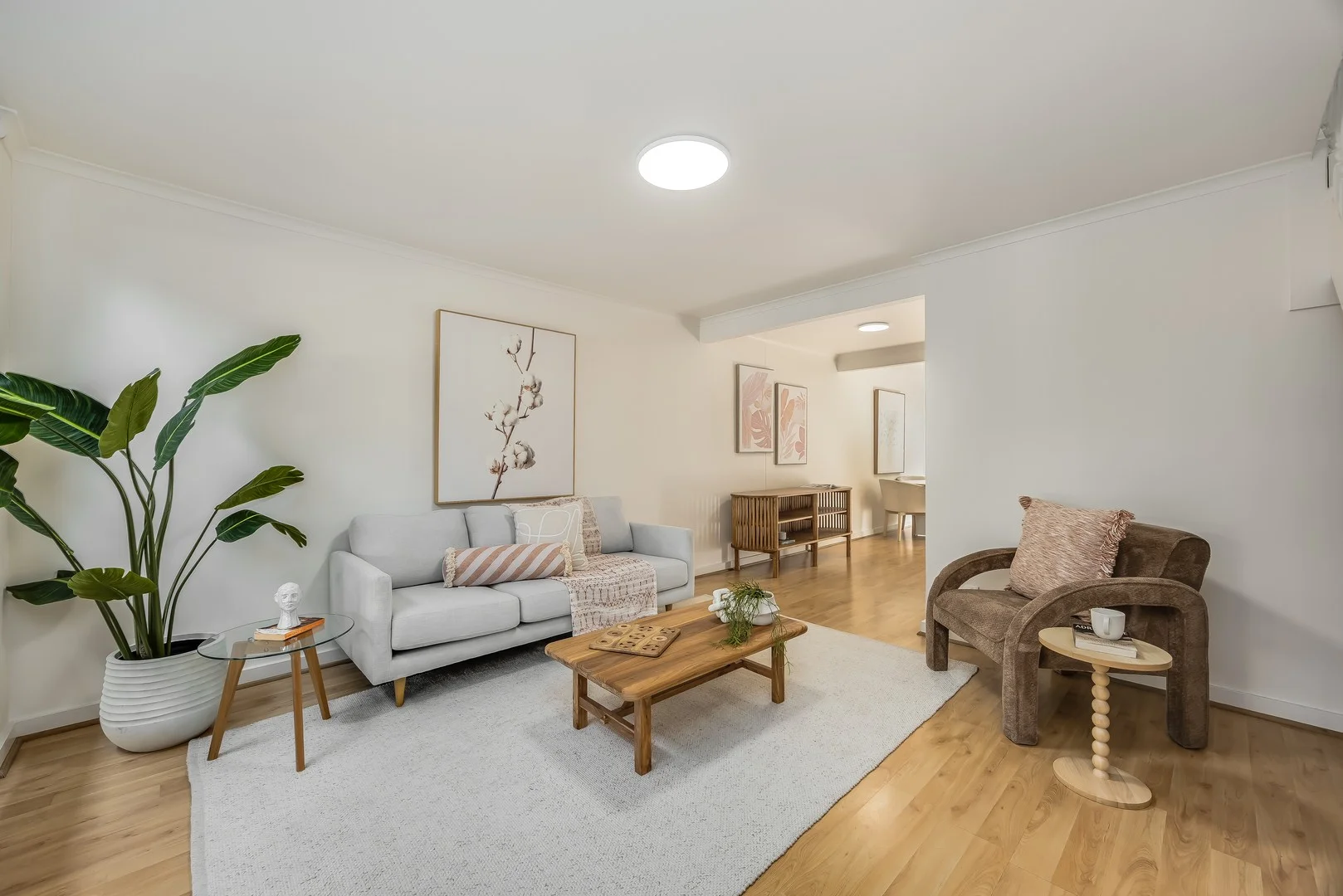 $775,000
House
$775,000
House
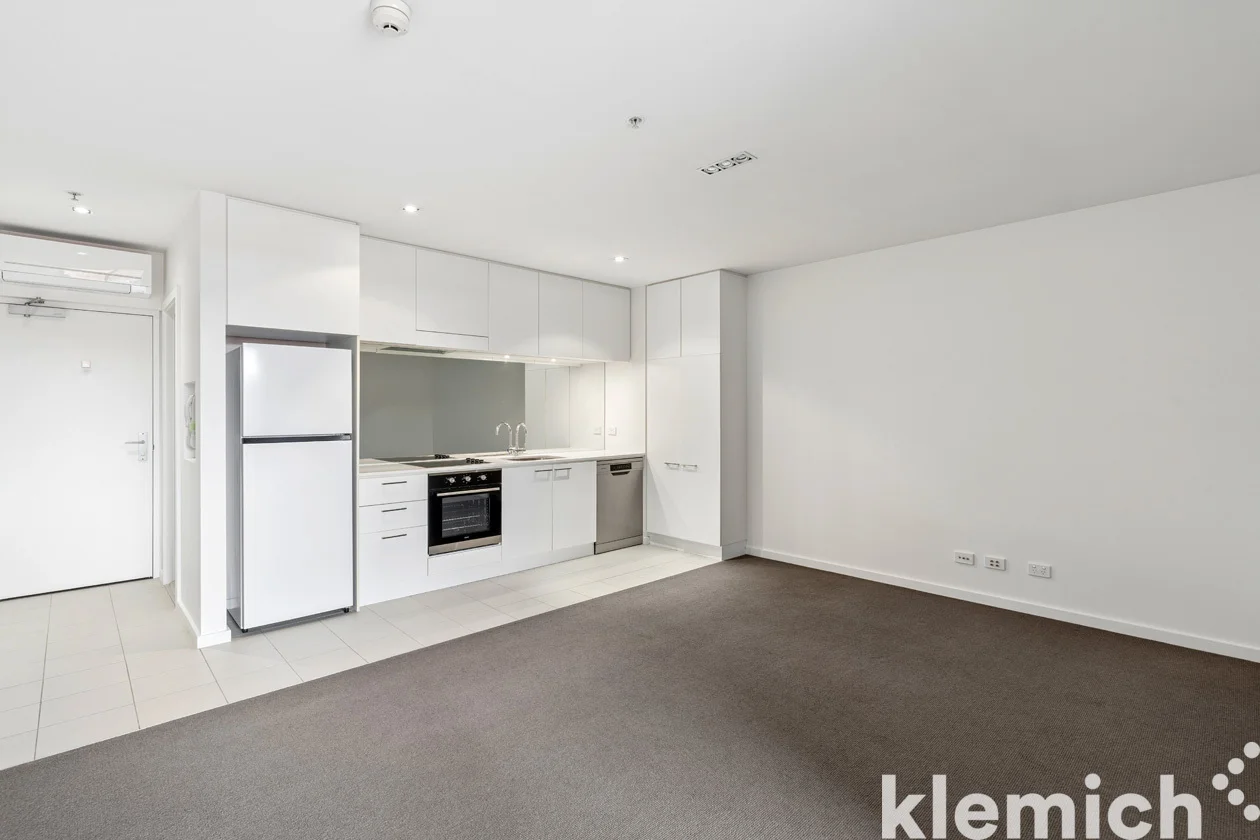 $440,000
Apartment / Unit / Flat
$440,000
Apartment / Unit / Flat
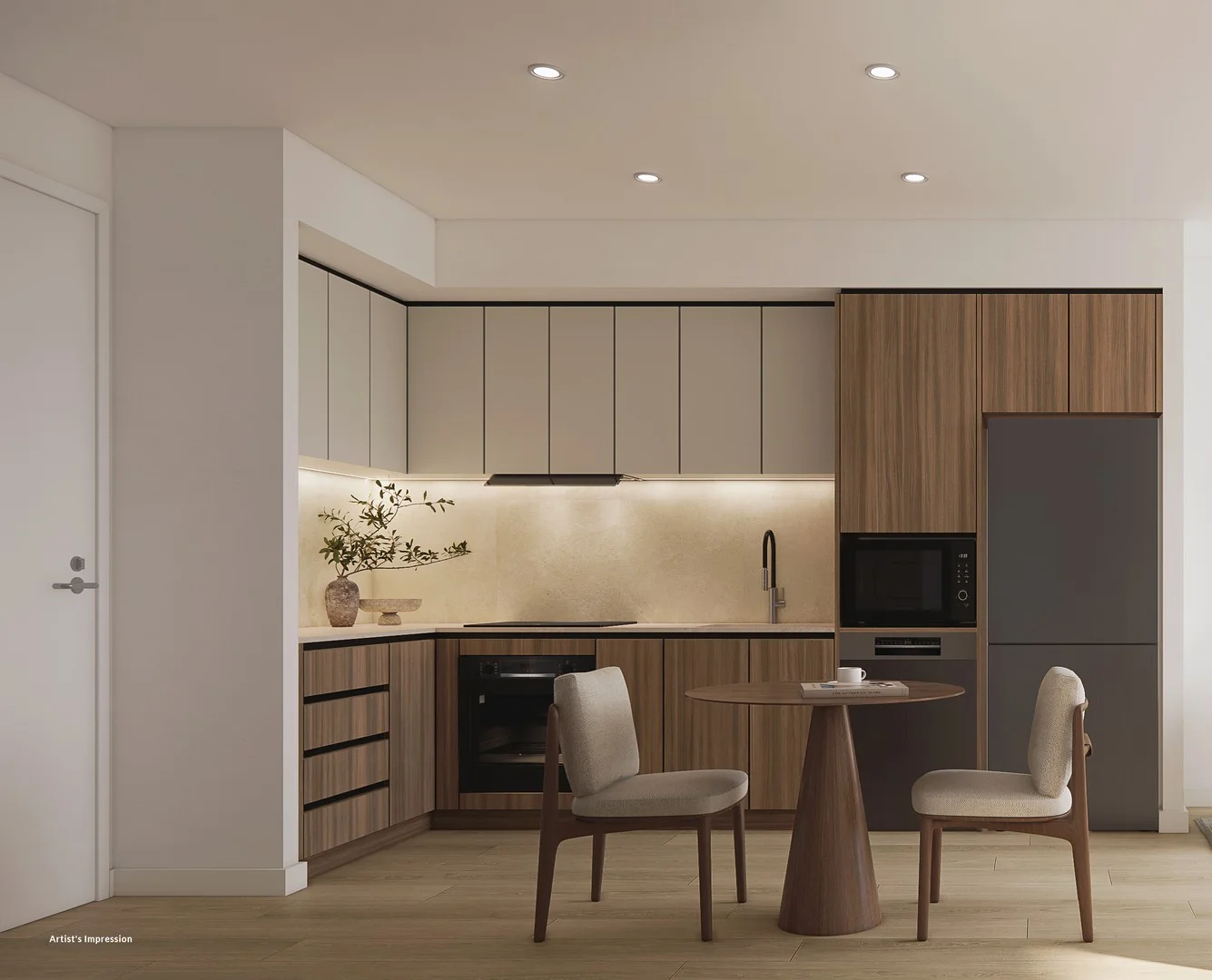 $557,000
Apartment / Unit / Flat
$557,000
Apartment / Unit / Flat
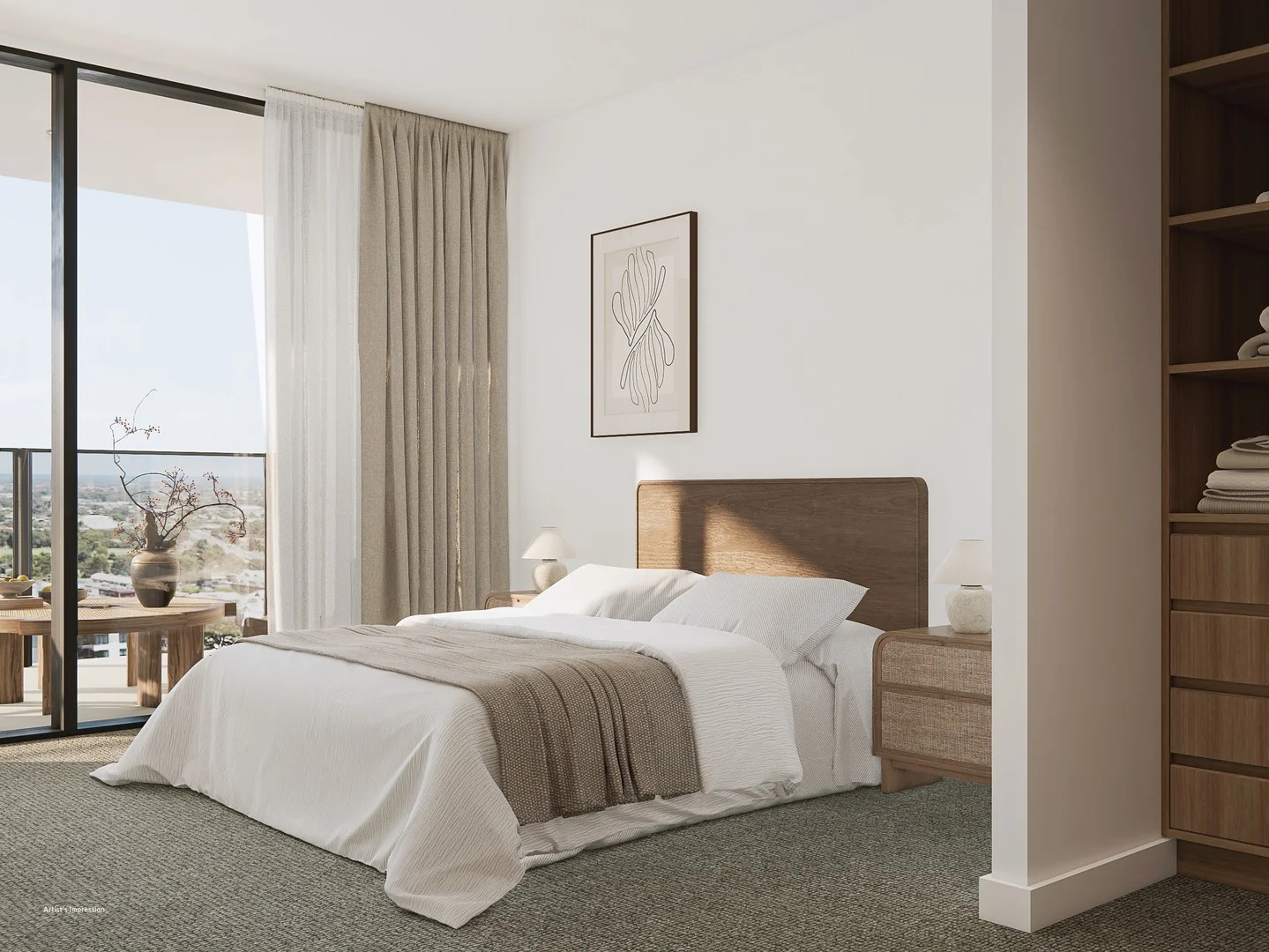 $935,000
Apartment / Unit / Flat
$935,000
Apartment / Unit / Flat
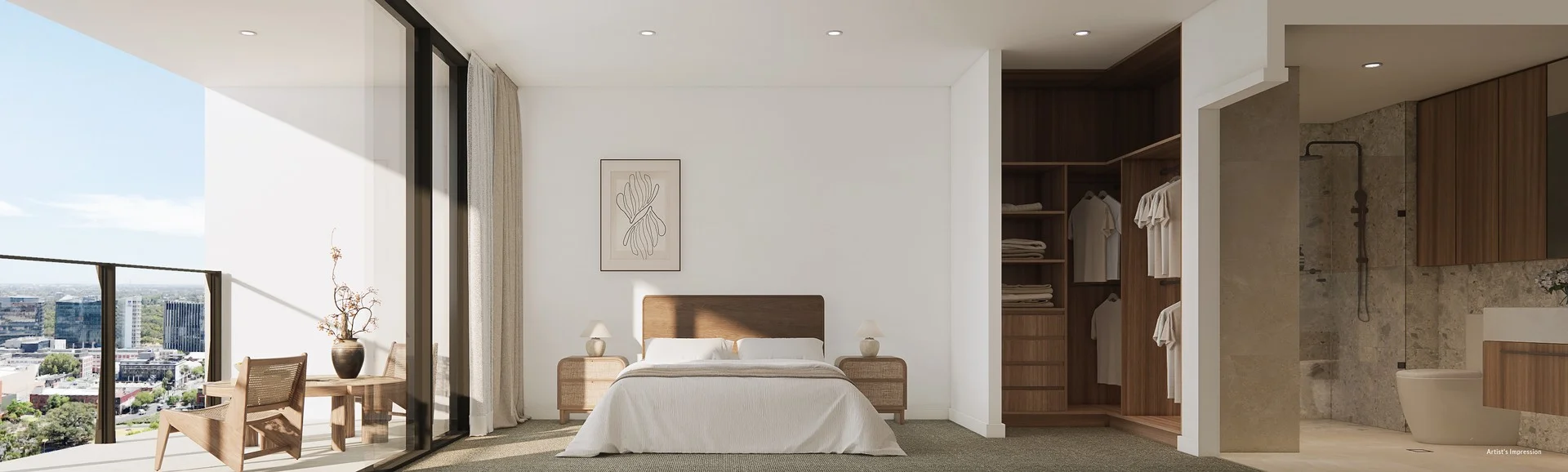 $1,056,000
Apartment / Unit / Flat
$1,056,000
Apartment / Unit / Flat
 $588,000
Apartment / Unit / Flat
$588,000
Apartment / Unit / Flat
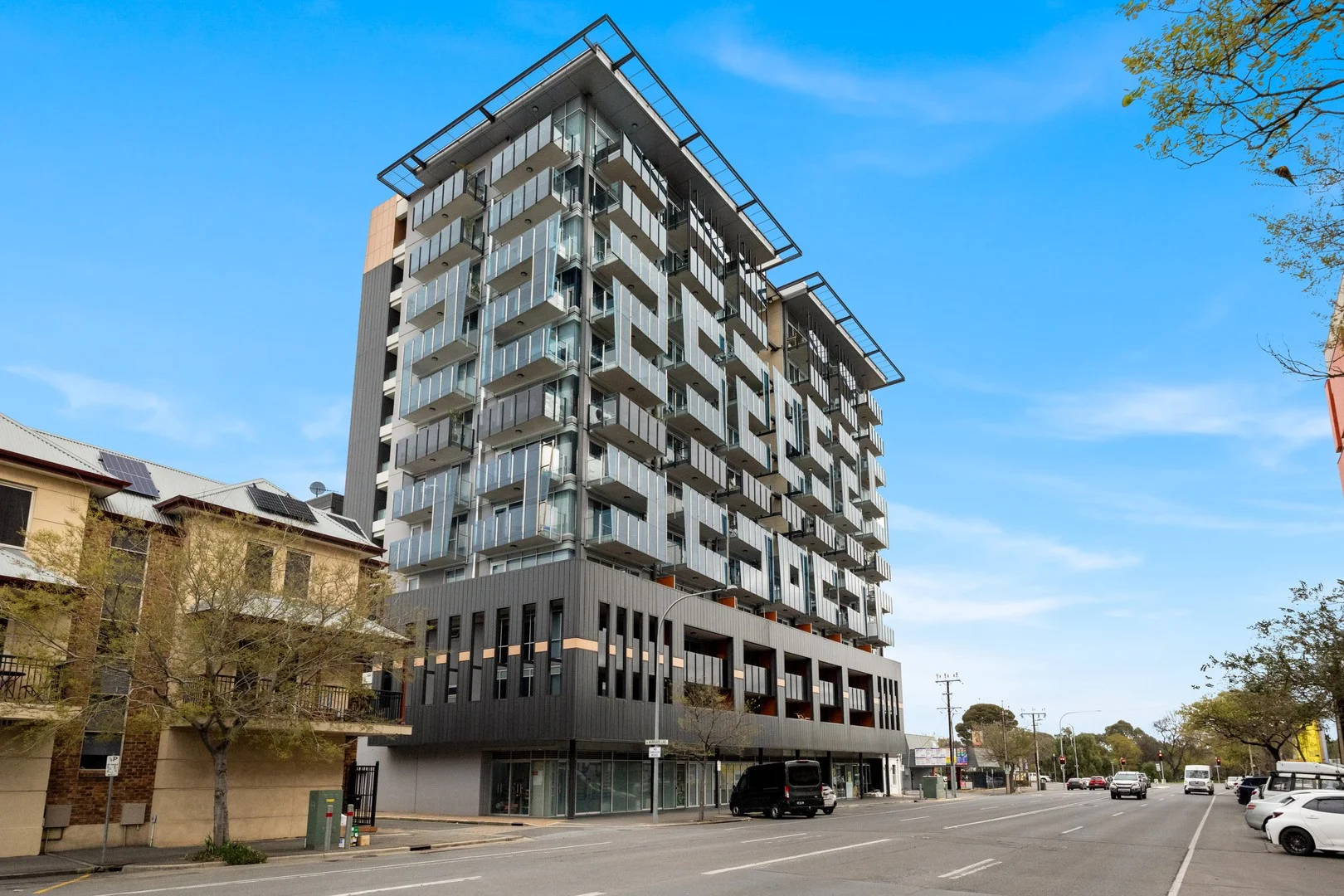 $1,100,000
Apartment / Unit / Flat
$1,100,000
Apartment / Unit / Flat
 $545,000
Apartment / Unit / Flat
$545,000
Apartment / Unit / Flat