## 1. Overview
- School type: Private/independent Lutheran primary school
- School size: Small
- Class size: Typically around 20 students per class (varying by year level)
- Atmosphere/culture: Nurturing, inclusive, community-focused with a values-driven environment
St John’s Lutheran Primary School fosters a faith-informed, supportive learning community where students are encouraged to grow academically, socially and personally. The school emphasises strong relationships, student well-being and a collaborative approach to learning.
---
## 2. Academics & Learning
- Academic strengths: Strong emphasis on literacy and numeracy, with value placed on STEM concepts, digital literacy and developing leadership skills. The school supports student curiosity and practical problem-solving across subjects.
- Special programs: Gifted and talented pathways and opportunities for accelerated learning may be available, plus programs designed to integrate faith-based learning with core curriculum.
- NAPLAN / trends: Trends over recent years show stable performance with areas of gradual improvement in core literacy and numeracy strands; trends can vary by cohort.
- Student-teacher ratios: Generally low-to-moderate ratios for effective instruction; typical classroom environments aim to provide meaningful, targeted teacher attention.
- Support for diverse learners: Inclusive education approach with support for diverse learners, including assistance for students who require additional learning support (SEN) and access to English language supports where needed.
---
## 3. Sports & Extracurricular Strengths
- Sports offered: A range of team and individual sports common to primary schools (e.g., soccer, netball, cricket, AFL-style activities, athletics, swimming) with opportunities for competitive and non-competitive participation.
- Strong teams or achievements: Competitive school teams participate in inter-school contests and local fixtures; emphasis on teamwork, fair play and personal bests.
- Music, arts, drama programs: Active programs in music and performing arts, with opportunities to participate in choir, musical ensembles and drama productions.
- Clubs: Robotics, chess, coding, debating and other clubs are typically available to extend learning beyond the classroom.
- Partnerships: Connections with local sports clubs, arts groups and inter-school competitions to broaden experiences beyond the classroom.
---
## 4. Wellbeing & Pastoral Care
- Anti-bullying approach: Clear anti-bullying policies and a culture that promotes respect, empathy and responsible digital citizenship.
- House system: House-based activities and competitions help foster belonging, teamwork and healthy rivalry.
- Counsellors / wellbeing officers: Access to school-based wellbeing support and guidance for students and families.
- Transition support for new students: Structured orientation, buddy programs and pastoral care to support smooth transition for new arrivals.
---
## 5. Facilities
- Sports grounds: On-site playing fields or courts for ball games, training and school carnivals.
- Libraries: Dedicated library space supporting reading and research skills.
- Science labs: Practical science facilities to support hands-on learning.
- Music/performing arts centers: Dedicated spaces for music practice, rehearsal and performances.
- Tech/innovation labs: Facilities for digital learning, coding and technology projects.
- Cafeteria: On-site dining or canteen facilities for students.
- Updated playgrounds: Safe, engaging outdoor play spaces for recreation and physical activity.
---
## 6. School Values & Community Culture
- School values / mission: Faith-informed education grounded in Lutheran traditions; emphasis on service, integrity, respect and responsibility.
- Leadership style: Compassionate leadership that values student voice, collaboration with families and community involvement.
- Behaviour expectations: Clear code of conduct focusing on respect, responsibility and kindness; consistent routines and restorative approaches.
- Community reputation: Reputable community within the Lutheran and broader school networks; emphasis on welcoming families and fostering belonging.
- Diversity & inclusion: Commitment to an inclusive environment that respects individual differences and supports all learners.
---
## 7. School Logistics & Daily Operations
- School hours: Regular school day with start and finish times typical of primary schools; adjustments for assemblies and special events as needed.
- Before/after school care: Availability of before/after school care or supervision during those times.
- Uniform requirements: Uniforms consistent with school guidelines; dress code designed for daily learning and events.
- Transport (train/bus routes): School may offer or coordinate transport options; detailed routes and schedules available from the administration.
- Canteen availability: On-site or school-approved canteen or lunch program.
- Fees (low/medium/high ranges): Tuition and fees typical of private/independent primary schools; specifics vary by year level and programs.
---
## 8. Enrolment & Admissions
11. What is the enrolment process and timeline?
- Inquiry and information session
- Application submission with required documents
- Round(s) of assessment/interview (as applicable)
- Offer of place and acceptance
- Orientation and enrollment confirmation
- Timeline varies by cohort and year level; families are advised to contact the school for current timelines.
12. Is there a waiting list, and how does it work?
- Waiting lists are common; priority may be given to siblings and families connected with the school or Lutheran community, then applications are processed as vacancies arise.
13. Are there any entry requirements, tests, or interviews?
- Entry may involve an interview or meeting with leadership and teaching staff, and may include assessments relevant to year level. Immunisation and enrolment documentation are typically required.
14. Does the school accept mid-year transfers?
- Mid-year transfers are considered subject to vacancies and a smooth transition plan for the new student, including collaboration with current and incoming teachers.
---
## 9. Frequently Asked Questions
- Why Parents Choose This School?
- A values-based, community-focused environment that emphasises individual growth, wellbeing and strong academic foundations within a Lutheran framework.
- What type of student thrives at this school?
- Students who value a supportive, inclusive community, opportunities to participate in small-class learning and a balanced focus on academics, faith, and extra-curriculars.
- What opportunities are available for students to extend their skills (academics, sports, arts)?
- Broad program access across literacy, numeracy, STEM and digital learning; sports teams and athletic programs; music, drama and arts; and clubs such as robotics, coding, chess and debating.
- How does the school communicate with parents?
- Regular updates through newsletters, parent portals, meetings and events; open channels with teachers and school leadership.
- What is the school’s approach to teaching and learning?
- A student-centred approach that combines core academic instruction with hands-on learning, differentiation for diverse learners and opportunities for student leadership.
- How does the school support students who need extra academic help?
- Targeted learning support, intervention strategies and access to additional resources to assist students who require extra help.
- What support is available for academic challenges?
- Early identification, personalised support plans and collaboration with families to implement effective strategies.
- How does the school communicate with parents? (Repeated)
- See above: regular updates, meetings and accessible channels for timely information.
- What are the class sizes and how much individual attention do students receive?
- Class sizes are typically around 20 students, with teacher plans designed to provide targeted instruction and opportunities for individual feedback.
- What extracurricular and sports opportunities are available?
- A range of sports, music/arts programs, and clubs such as robotics, coding, chess and debating; inter-school events and local competitions.
- What facilities does the school offer (sports, science, arts)?
- Sports grounds, libraries, science labs, music/performing arts facilities, tech/innovation labs, canteen and updated playgrounds.
- What is the school’s approach to technology and digital learning?
- Integrating digital literacy across the curriculum with appropriate technology for learning, coding and problem-solving skills.
- What transport and accessibility options are available?
- Transport options may include school buses or arrangements with local routes; specific routes and accessibility details can be provided by the school.
- What are the typical school fees or additional costs?
- Fees reflect private/independent schooling and may include additional costs for activities, excursions and resources; exact figures are provided by the school on request.
---
## 10. Short Pros & Cons
- Pros
- Values-based education in a supportive Lutheran community
- Small class sizes with opportunities for individual attention
- Broad program across academics, arts, sports and clubs
- Positive emphasis on wellbeing, inclusivity and character development
- Strong sense of community and family involvement
- Cons
- As a private/independent school, tuition is higher than public options
- Limited geographic catchment may require commuting for some families
- Availability of places may be subject to year-level demand and waiting lists
---
If you’d like, I can tailor the content more precisely once you share any specific figures or details from the school page (for example exact class size ranges, any named programs, current enrolment numbers, or particular facilities the school highlights).








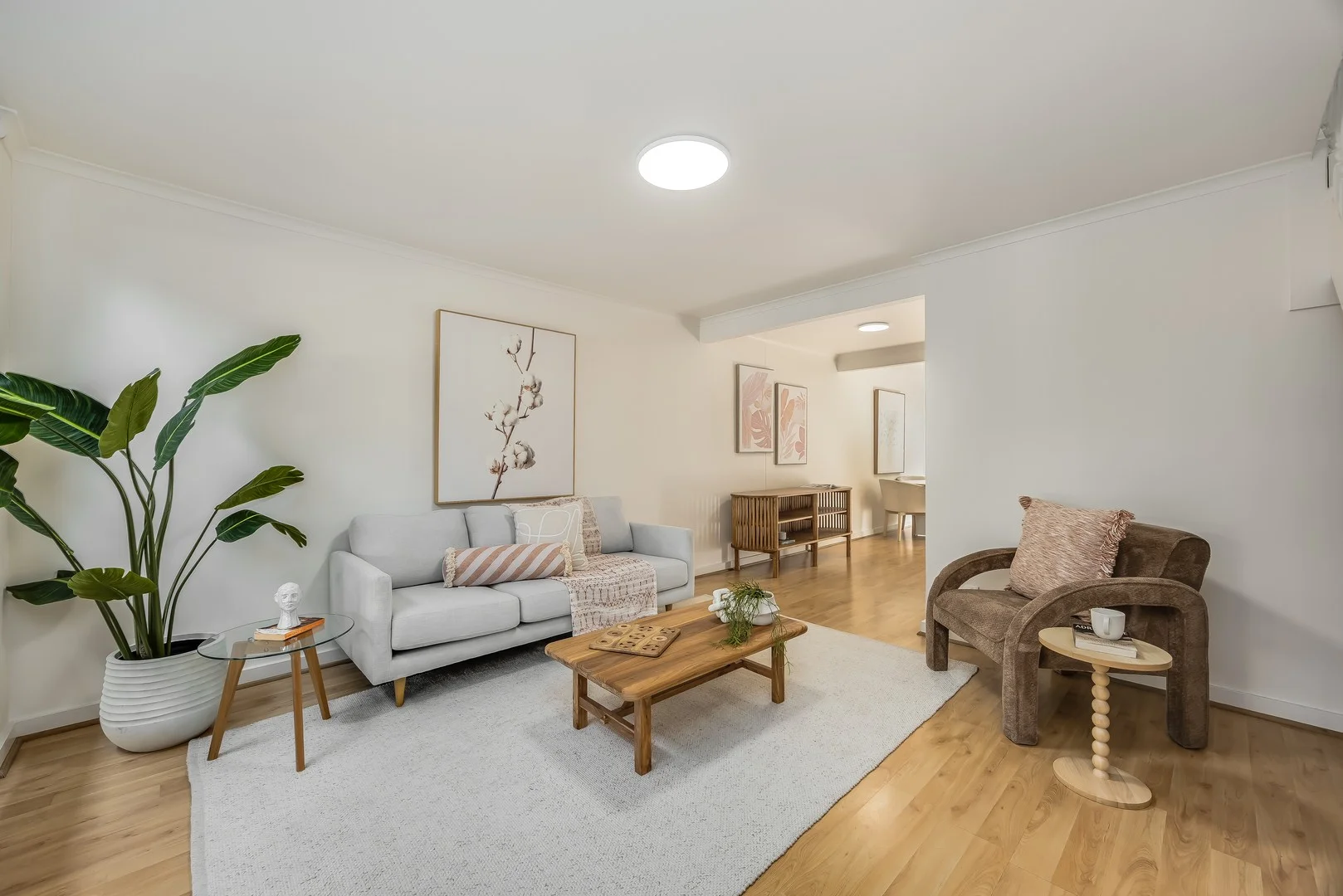 $775,000
House
$775,000
House
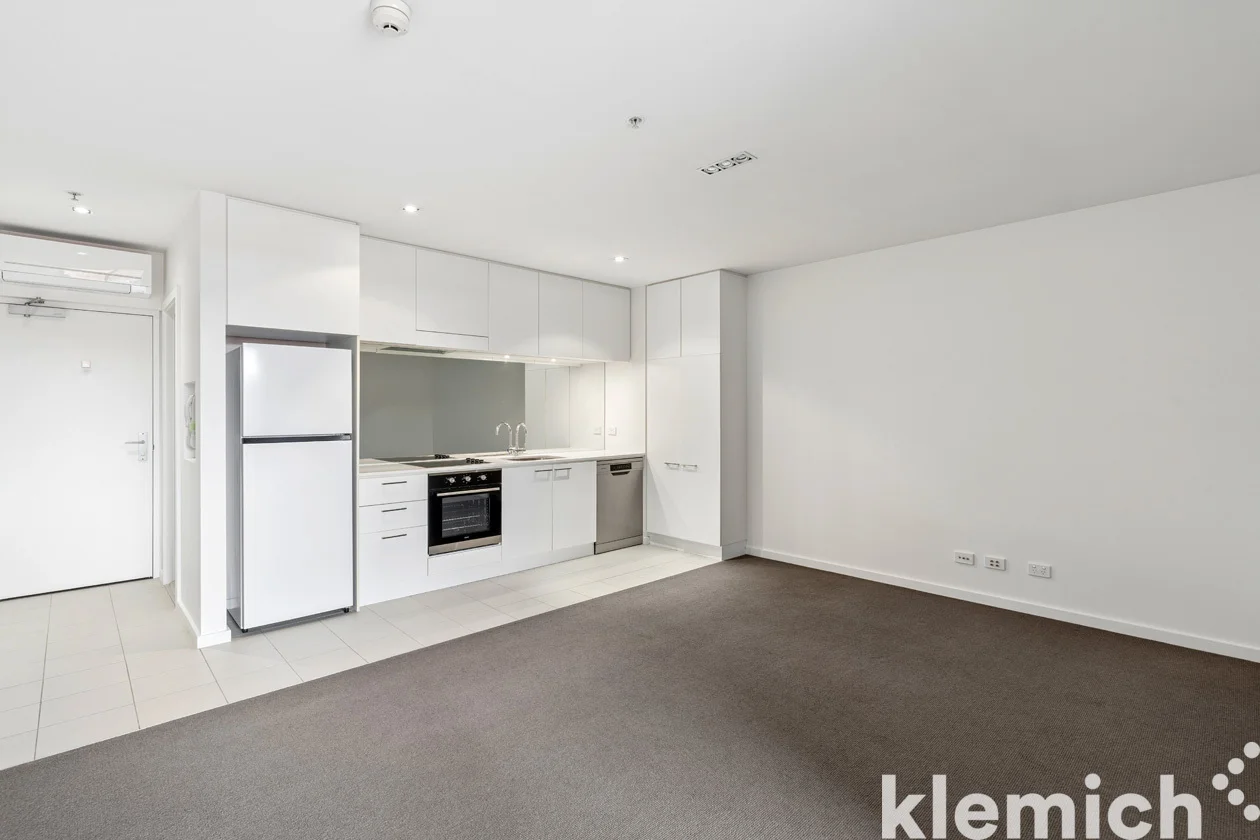 $440,000
Apartment / Unit / Flat
$440,000
Apartment / Unit / Flat
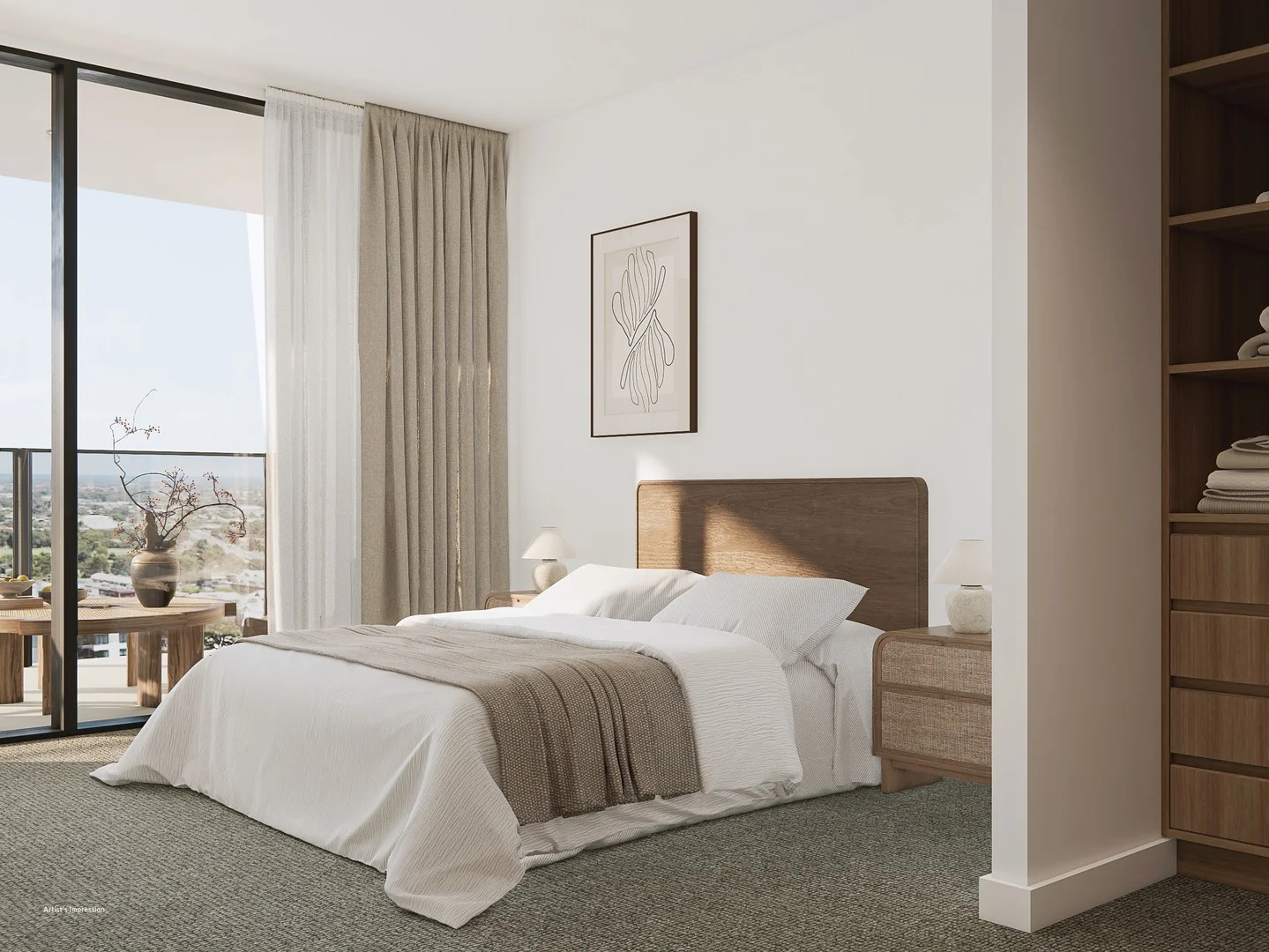 $935,000
Apartment / Unit / Flat
$935,000
Apartment / Unit / Flat
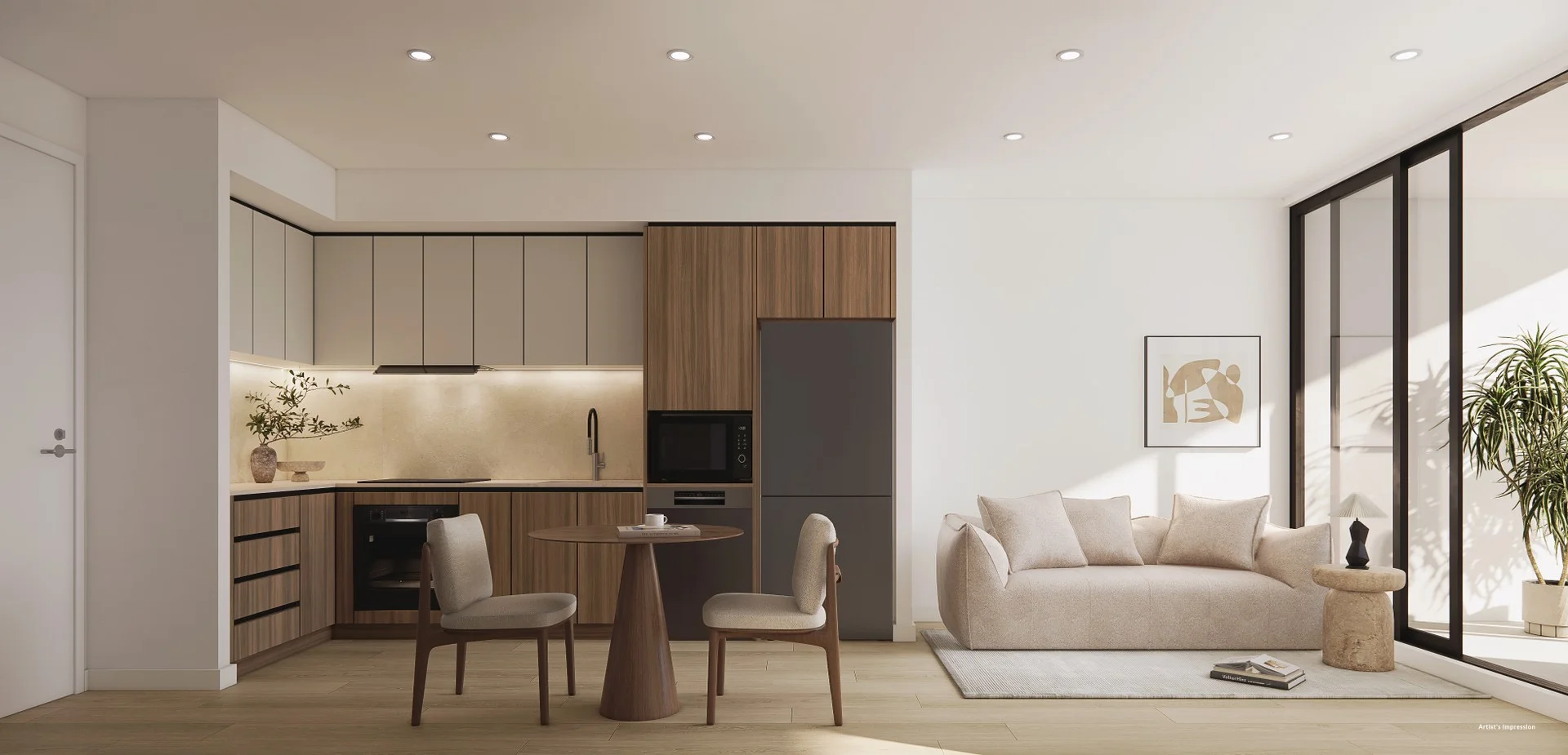 $588,000
Apartment / Unit / Flat
$588,000
Apartment / Unit / Flat
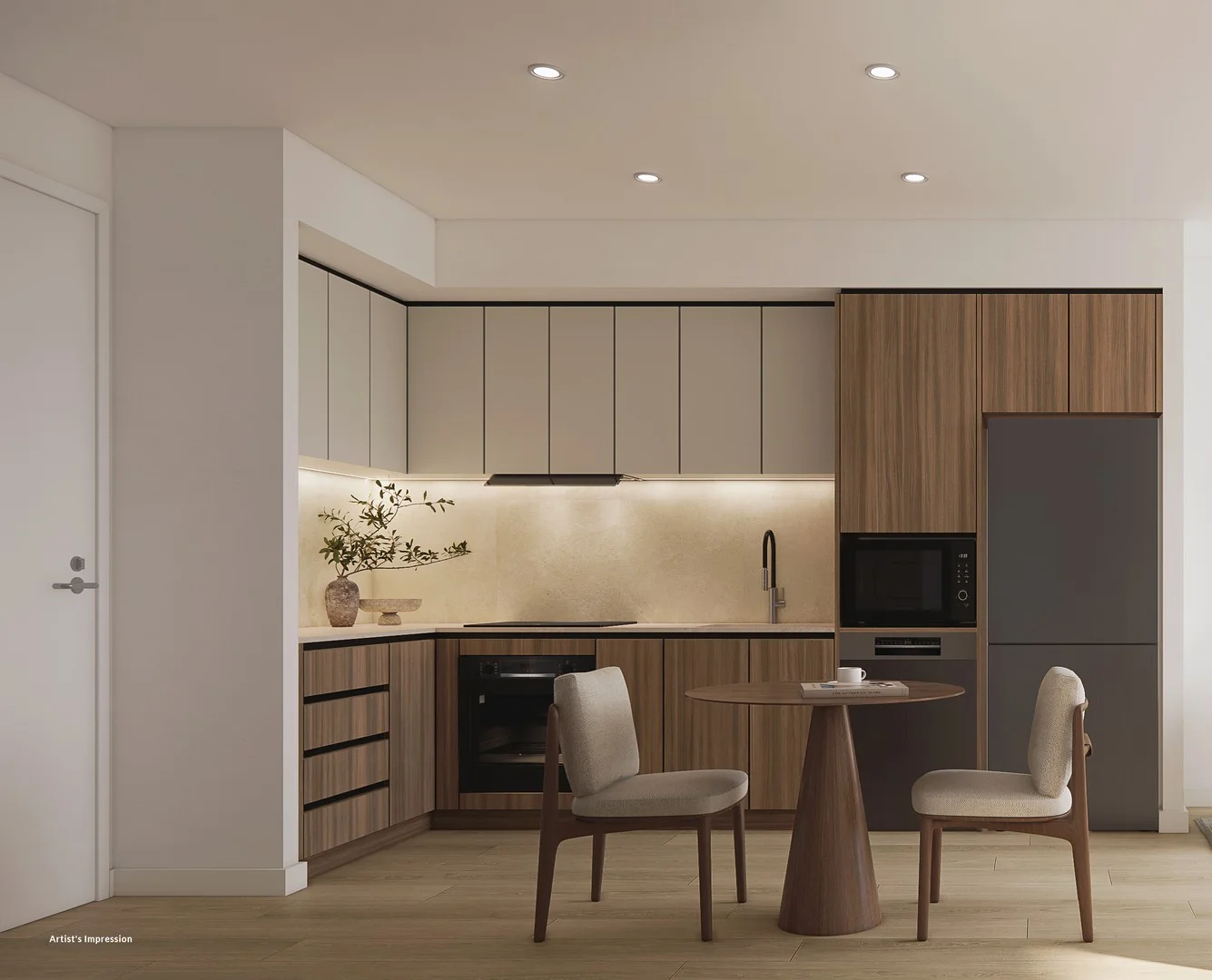 $557,000
Apartment / Unit / Flat
$557,000
Apartment / Unit / Flat
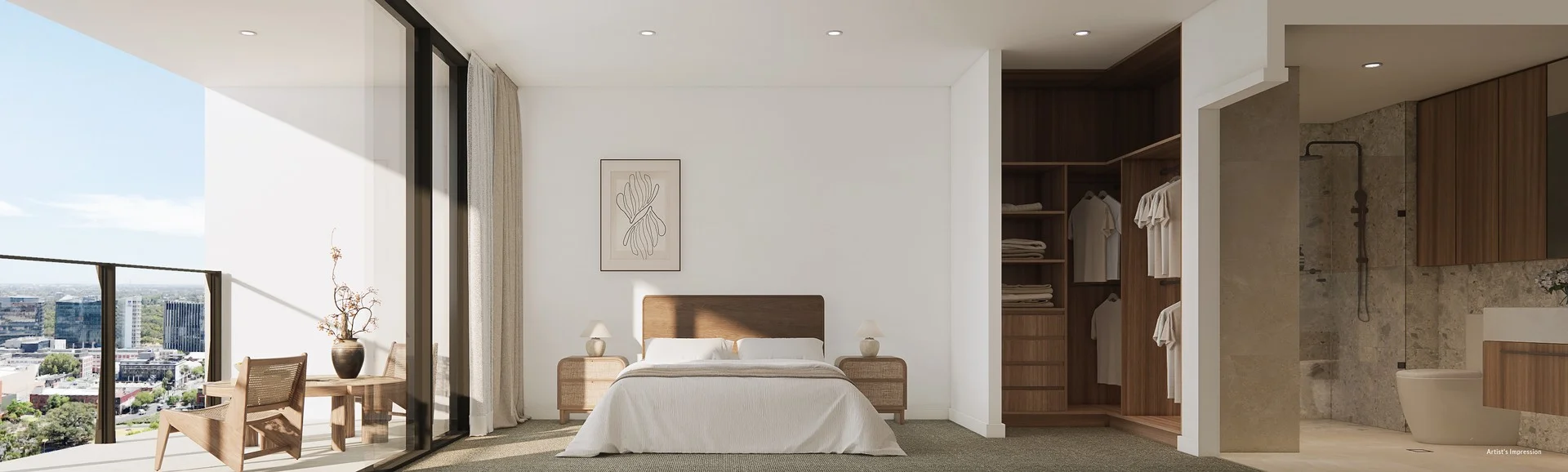 $1,056,000
Apartment / Unit / Flat
$1,056,000
Apartment / Unit / Flat
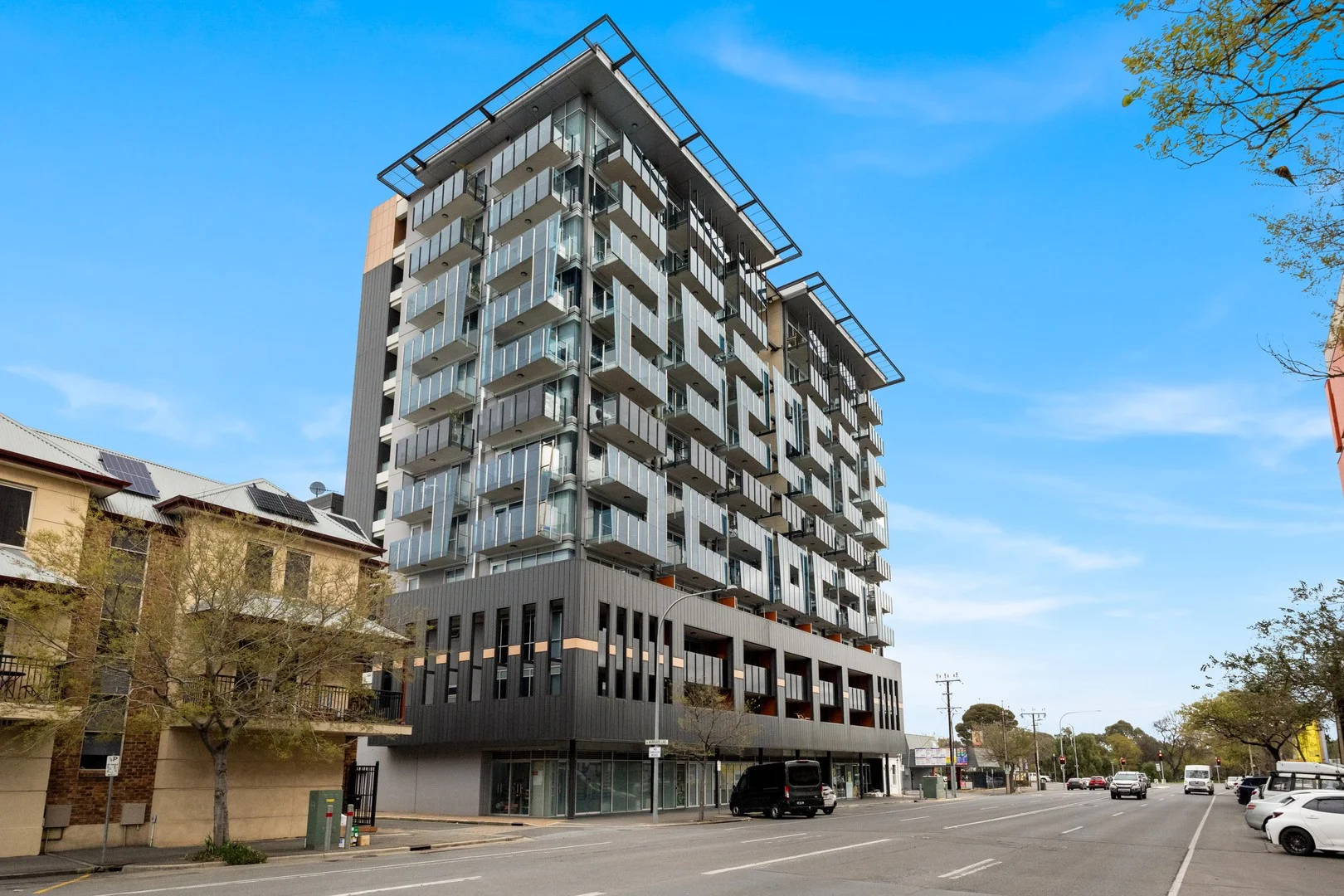 $1,100,000
Apartment / Unit / Flat
$1,100,000
Apartment / Unit / Flat
 $545,000
Apartment / Unit / Flat
$545,000
Apartment / Unit / Flat