## 1. Overview
Concordia College in Highgate is an independent private school offering a co-educational, day school experience in Adelaide, SA. The college focuses on academic attainment alongside strong pastoral care, aiming to develop well-rounded students who are resilient and community-minded.
- School type: private/independent
- School size: medium
- Class size: typically around 20–24 students per class (varies by year level)
- Atmosphere/culture: inclusive, supportive, academically focused, with emphasis on community and extracurricular involvement
## 2. Academics & Learning
- Academic strengths: typically noted for strong English, STEM, and language programs, with a focus on leadership skills and holistic development.
- Special programs: may include accelerated learning options and gifted/talented programs; some cohorts may offer opportunities for advanced coursework.
- NAPLAN / Ofsted trends: schools generally report stable to improving performance across year levels over time; trends should be verified with the latest school data.
- Student-teacher ratios: commonly around 1:9–1:15 depending on year group and program.
- Support for diverse learners: EAL, SEN support typically available, with tailored assistance, inclusive classrooms, and access to specialist staff as needed.
## 3. Sports & Extracurricular Strengths
- Sports offered: a range of team and individual sports (e.g., football/soccer, basketball, cricket, netball, tennis, swimming) with opportunities across junior, middle, and senior years.
- Strong teams or achievements: school may have competitive interschool teams and regional/league participation with notable local results.
- Music, arts, drama programs: robust programs often include choir, instrumental ensembles, theatre/drama, and visual arts electives.
- Clubs: robotics, chess, coding, debating and other interest clubs commonly available to students.
- Partnerships: potential connections with local sports academies, arts programs, and inter-school competitions for broader opportunities.
## 4. Wellbeing & Pastoral Care
- Anti-bullying approach: proactive programs, clear behaviour expectations, and a culture of respect and inclusion.
- House system: commonly used to promote belonging, leadership opportunities, and healthy competition.
- Counselors / wellbeing officers: access to school counselors or wellbeing staff to support mental health and personal development.
- Transition support for new students: orientation programs, buddy systems, and targeted induction to help new students settle in.
## 5. Facilities
- Sports grounds: on-site fields or courts for multiple sports.
- Libraries: dedicated library facilities with study spaces.
- Science labs: well-equipped science laboratories for practical learning.
- Music/performing arts centers: spaces for rehearsals, performances, and productions.
- Tech/innovation labs: computer labs and maker spaces for digital learning, coding, and STEM projects.
- Cafeteria: on-site canteen or dining facilities.
- Updated playgrounds: modern outdoor play areas for younger students and recreation.
## 6. School Values & Community Culture
- School values / mission: focus on respect, integrity, excellence, service, and community.
- Leadership style: typically collaborative and student-centered, with leadership opportunities across year levels.
- Behaviour expectations: clear codes of conduct promoting respect, responsibility, and safety.
- Community reputation: built on academic achievement, pastoral care, and involvement in local communities.
- Diversity & inclusion: emphasis on creating an inclusive environment with opportunities for students from varied backgrounds.
## 7. School Logistics & Daily Operations
- School hours: generally include morning start times with a structured timetable across the day; precise timings vary by year level.
- Before/after school care: often available through on-site programs or partner providers.
- Uniform requirements: standard uniform policy with seasonal adjustments; details provided by the school.
- Transport (train/bus routes): school may offer bus transport options or guidance on public transport and access routes.
- Canteen availability: canteen or food service available on-site.
- Fees (low/medium/high ranges): as a private/independent school, fees typically fall in the medium-to-high range; exact figures require confirmation from the school’s admissions materials.
## 8. Enrolment & Admissions
11. What is the enrolment process and timeline?
- Steps typically include submitting an application, providing academic records, and completing any required assessments or interviews; timelines vary by intake year and term.
12. Is there a waiting list, and how does it work?
- Many independent schools maintain a waiting list; placement often depends on availability, year level, and meeting entry requirements. Contact the admissions office for specifics.
13. Are there any entry requirements, tests, or interviews?
- Entry may involve an application, potential testing or assessment, and an interview process to assess fit with the school’s program and values.
14. Does the school accept mid-year transfers?
- Mid-year transfers are sometimes possible, subject to space and alignment with the curriculum; consult the admissions team for current policy and timing.
## 9. Frequently Asked Questions
- Why Parents Choose This School?
- Families often value a private/independent education with strong academic programs, supportive pastoral care, and active involvement in extracurricular activities.
- What type of student thrives at this school?
- Students who are curious, motivated, collaborative, and eager to participate in a balanced program of academics, sport, arts, and community life tend to thrive.
- What opportunities are available for students to extend their skills (academics, sports, arts)?
- Opportunities typically span advanced coursework, leadership roles, competitive sports teams, music and drama programs, robotics and coding clubs, debating, and other enrichment activities.
- How does the school communicate with parents?
- Regular newsletters, parent-teacher meetings, digital learning platforms, and progress updates are common channels; specifics depend on the school’s chosen systems.
- What is the school’s approach to teaching and learning?
- A student-centered approach emphasizing critical thinking, collaboration, and real-world application; differentiation and support for diverse learners are usually integrated.
- How does the school support students who need extra academic help?
- Targeted assistance through tutoring, small-group support, EAL/SEN services, and access to specialist staff as needed.
- What support is available for academic challenges?
- Additional tutoring, learning plans, and ongoing monitoring of progress help students address challenges and build strategies for success.
- How does the school communicate with parents? (duplicated question)
- See above; typical channels include digital portals, meetings, and updates from teachers and coordinators.
- What are the class sizes and how much individual attention do students receive?
- Class sizes commonly range from 18–24, with additional opportunities for individual support through targeted intervention or advising sessions.
- What extracurricular and sports opportunities are available?
- A broad mix including sports, music, drama, robotics, coding, chess, debating, and other clubs; competitive teams and inter-school events are typical.
- What facilities does the school offer (sports, science, arts)?
- Sports facilities, libraries, science labs, performing arts spaces, tech/innovation labs, canteen, and well-maintained playgrounds.
- What is the school’s approach to technology and digital learning?
- Integration of digital learning tools, coding and ICT across the curriculum, and ensuring students develop digital literacy and responsible use.
- What transport and accessibility options are available?
- Bus routes or guidance on public transport options; access for students with disabilities or mobility needs; check current arrangements with the school.
- What are the typical school fees or additional costs?
- Fees for private/independent schooling vary; there may be additional costs for uniforms, activities, camps, and elective programs. Confirm current figures with the admissions team.
## 10. Short Pros & Cons list
- Pros
- Private/independent setting with a focus on academics and wellbeing
- Balanced program across academics, arts, and sports
- Supportive pastoral care and inclusive culture
- Range of enrichment activities and clubs
- Modern facilities and dedicated learning spaces
- Cons
- Tuition fees are higher than public options
- Class sizes can be larger in certain year levels; selective programs may have limited spaces
- Enrolment may involve a waitlist depending on year level and intake
- Transportation and commuting considerations if living farther from campus
Notes:
- The above content is a draft framework intended to help parents understand the typical offerings and structure of Concordia College in Highgate. For precise, current details (specific programs, exact class sizes, current facilities, fees, and enrolment timelines), please refer to the school’s official admissions material or contact their admissions team.






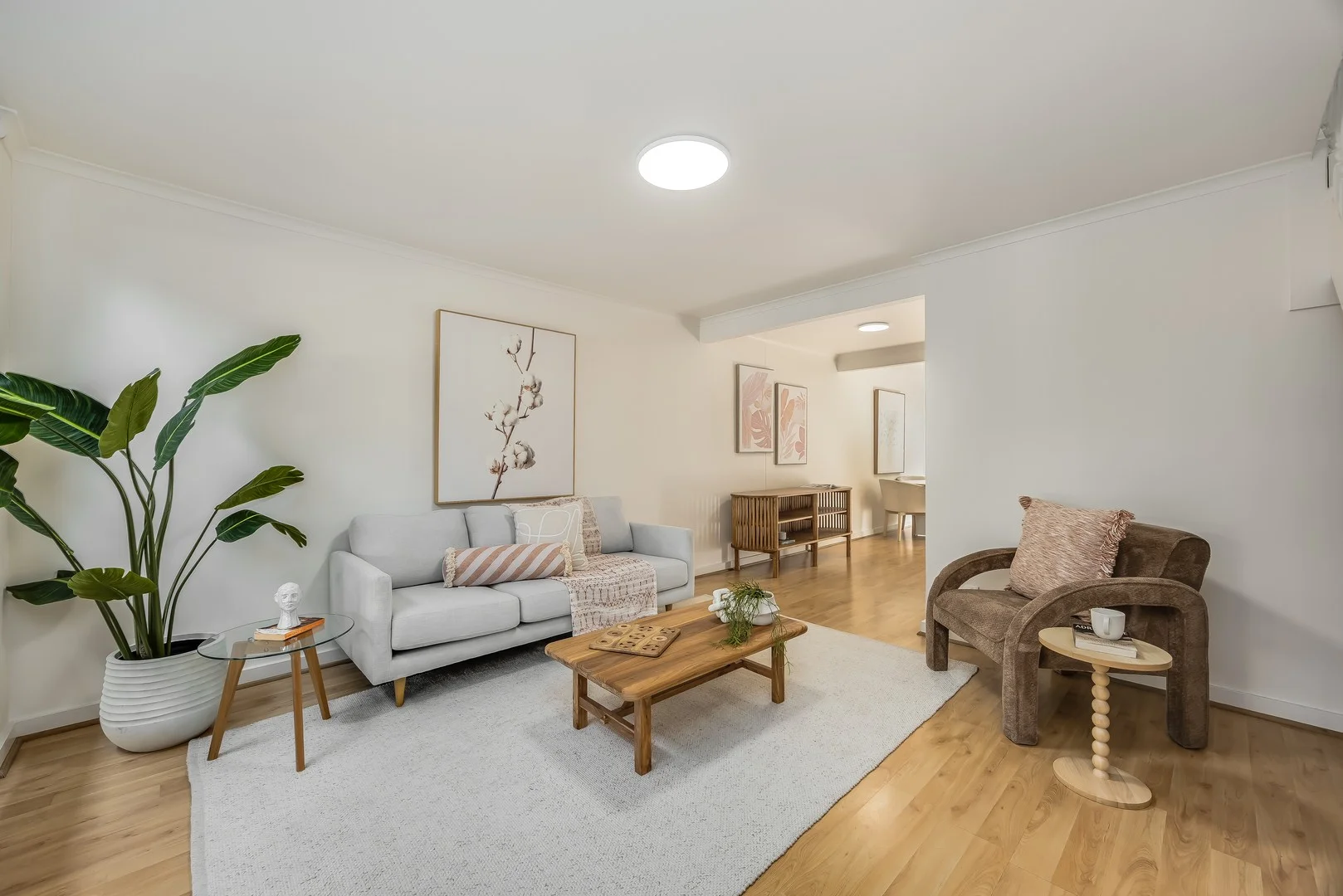 $775,000
House
$775,000
House
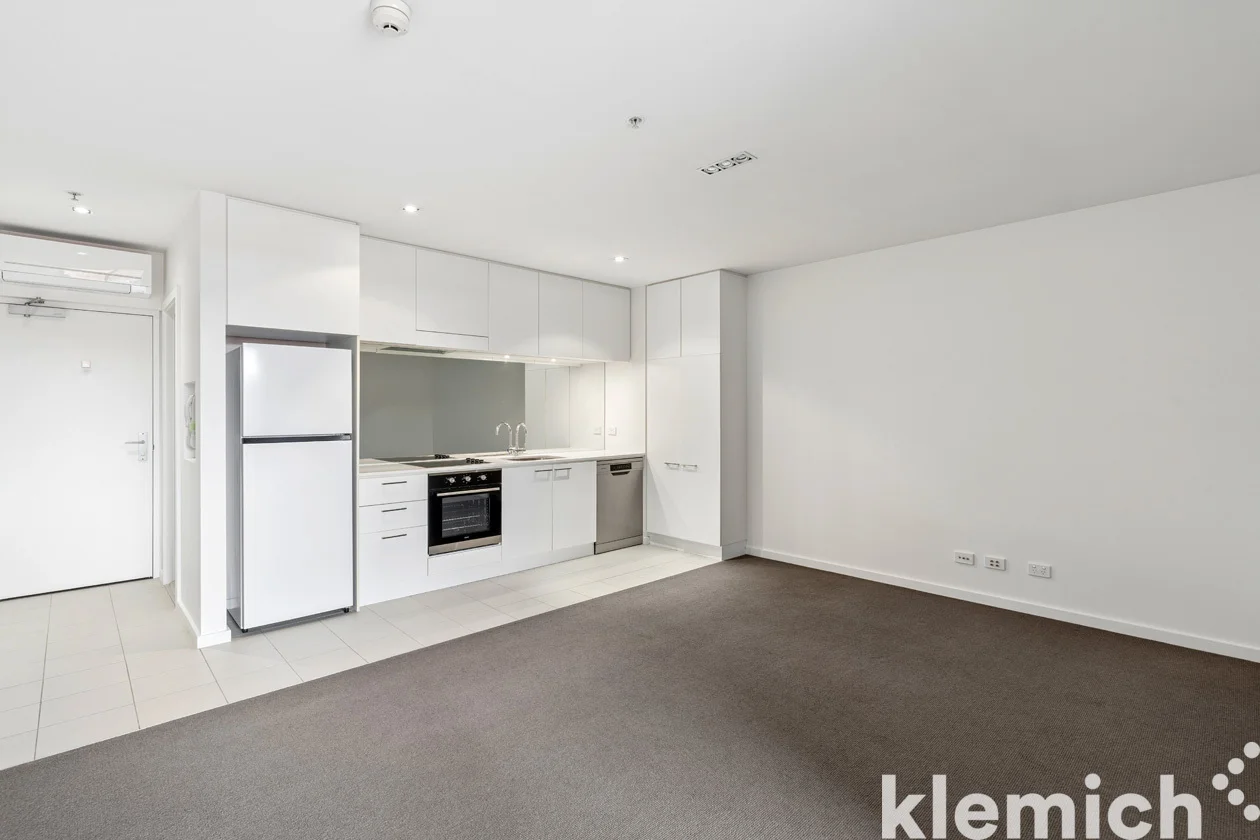 $440,000
Apartment / Unit / Flat
$440,000
Apartment / Unit / Flat
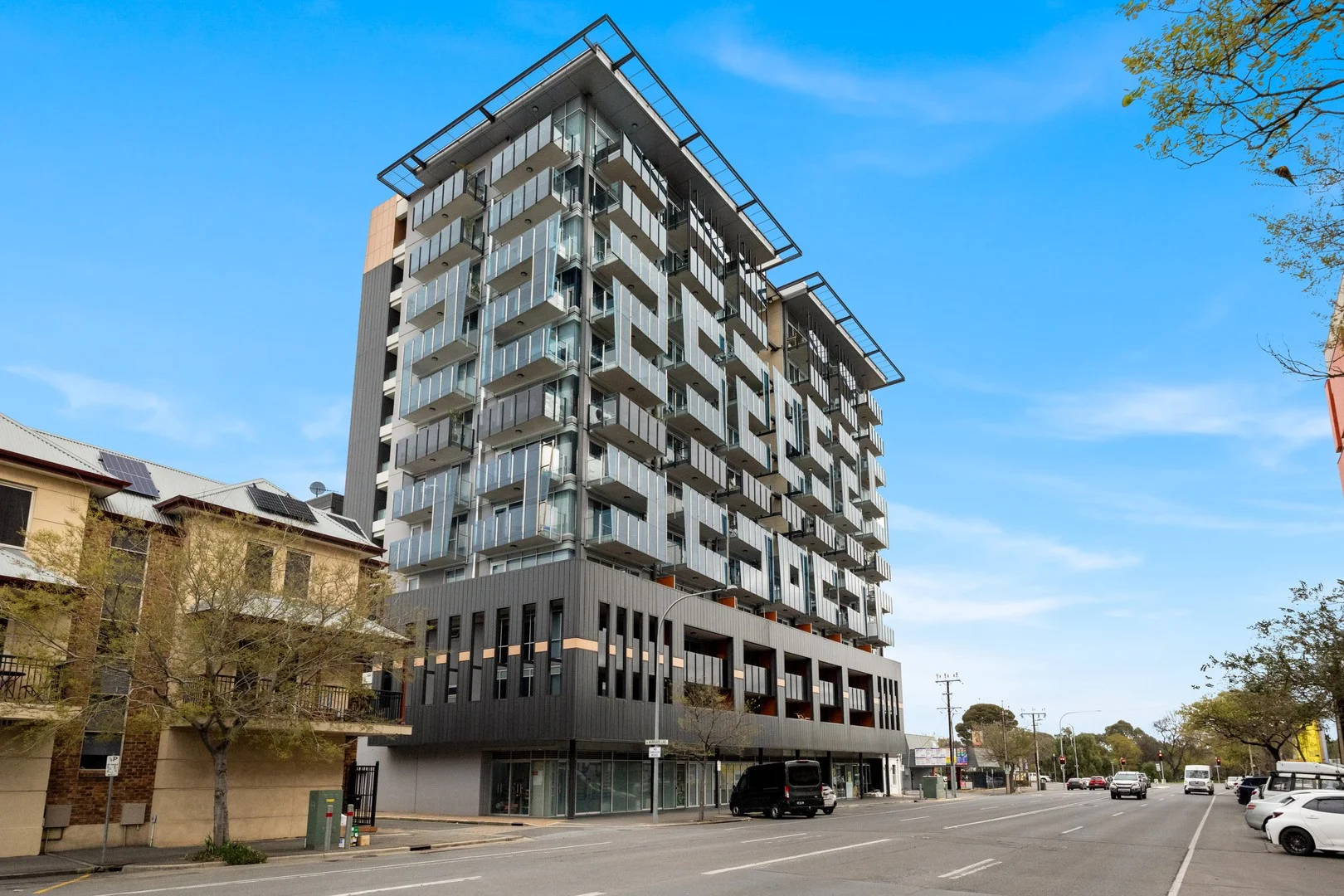 $1,100,000
Apartment / Unit / Flat
$1,100,000
Apartment / Unit / Flat
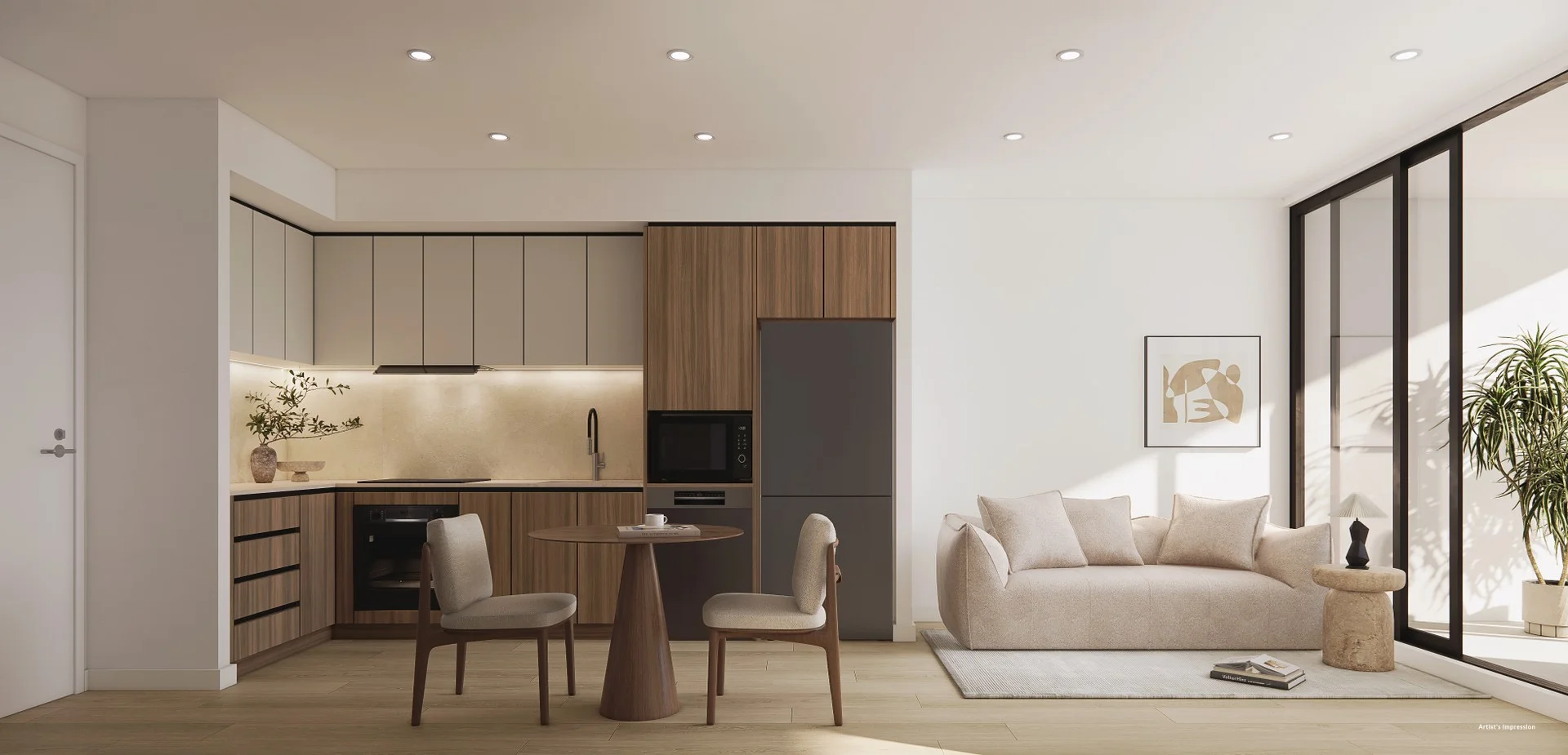 $588,000
Apartment / Unit / Flat
$588,000
Apartment / Unit / Flat
 $557,000
Apartment / Unit / Flat
$557,000
Apartment / Unit / Flat
 $1,056,000
Apartment / Unit / Flat
$1,056,000
Apartment / Unit / Flat
 $935,000
Apartment / Unit / Flat
$935,000
Apartment / Unit / Flat
 $545,000
Apartment / Unit / Flat
$545,000
Apartment / Unit / Flat