# Overview
Lockleys Primary School is a public, co-educational primary school serving students from Reception to Year 7. The school is medium-sized, with class sizes typically in the 20–25 student range, allowing for attentive teaching and student engagement. The atmosphere is welcoming and inclusive, with a focus on student wellbeing, strong literacy and numeracy foundations, and developing digital literacy. The school emphasizes a respectful, community-minded culture where students are encouraged to strive for personal best.
# Academics & Learning
- Academic strengths: strong emphasis on literacy and numeracy, with opportunities in STEM, digital technologies, and leadership development.
- Special programs: opportunities for accelerated learning and enrichment; consideration of gifted and talented pathways where available.
- NAPLAN / trends: data trends over recent years show steady improvement in key areas such as Reading and Numeracy, aligned with state-wide expectations.
- Student-teacher ratios: generally around 1:20–1:25, enabling some level of individual attention within a public primary setting.
- Support for diverse learners: dedicated support for EAL students and targeted SEN assistance to help students access learning and participate fully.
# Sports & Extracurricular Strengths
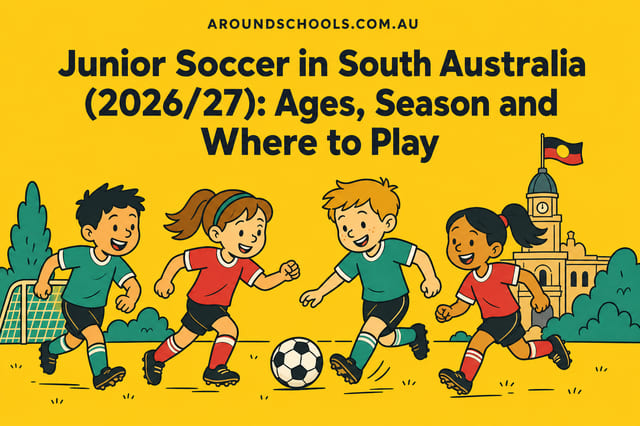
- Sports offered: a broad program including AFL, soccer, cricket, netball, basketball, athletics, swimming and other school-level activities.
- Strong teams or achievements: participation in inter-school and district events with opportunities for students to contribute to teams and individual successes.
- Music, arts, drama: active music programs and performing arts opportunities that showcase student talents.
- Clubs: robotics, coding, chess, debating, environmental or sustainability clubs and other enrichment activities.
- Partnerships: connections with local clubs and community organizations to support competitions, clinics, and specialist programs.
# Wellbeing & Pastoral Care
- Anti-bullying approach: positive behaviour support and inclusive practices aimed at preventing bullying and promoting respect.
- House system: a house-based framework that supports school spirit, collaboration, and healthy competition.
- Counsellors / wellbeing officers: access to wellbeing staff and guidance supports to assist with social, emotional, and personal development.
- Transition support for new students: orientation activities, buddy programs, and targeted supports to help new entrants settle in smoothly.
# Facilities
- Sports grounds: on-site spaces for physical education and extracurricular sport.
- Libraries: a dedicated library with access to a range of reading materials and learning resources.
- Science labs: dedicated spaces for science experiments and inquiry-based learning.
- Music/performing arts centers: facilities for music tuition, rehearsals, and performances.
- Tech/innovation labs: computer and technology spaces to support digital learning and coding activities.
- Cafeteria: a canteen or meal service providing light meals and snacks.
- Updated playgrounds: modern, safe outdoor play spaces for recreation and active learning.
# School Values & Community Culture
- School values / mission: a focus on respect, resilience, curiosity, inclusion, and collaboration.
- Leadership style: student voice and leadership opportunities alongside teacher and leadership teams.
- Behaviour expectations: clear, positive behaviour guidelines that promote responsibility and mutual respect.
- Community reputation: recognized for a friendly, family-friendly environment with engaged families and supportive staff.
- Diversity & inclusion: commitment to an inclusive environment that welcomes students from diverse backgrounds and needs.
# School Logistics & Daily Operations
- School hours: typical start around mid-morning to early afternoon; primary-school day usually runs roughly 8:30–9:00 am to 3:00–3:30 pm (adjust for term dates).
- Before/after school care: OSHC or similar arrangements available to support families outside school hours.
- Uniform requirements: school uniform expected, with details provided by the school to ensure compliance.
- Transport: accessible by local transport; bus routes and proximity to train or bus services are considered for families.
- Canteen availability: on-site canteen or lunch facilities offering registered daily options.
- Fees: public schools generally have low to moderate voluntary contributions and optional charges for activities and materials; exact fees vary by year and program.
# Enrolment & Admissions
- 11. What is the enrolment process and timeline?
- Submit an online or paper enrolment form with required documents (birth certificate, immunisation records, proof of address, and custody or care documentation if relevant). The school or the local district will outline the timeline for applications, typically with intake periods aligned to the school year.
- 12. Is there a waiting list, and how does it work?
- Waiting lists may apply when year levels reach capacity. Priorities are generally guided by catchment rules and space availability; families on the list are contacted if space becomes available.
- 13. Are there any entry requirements, tests, or interviews?
- Public primary schools typically do not require entry tests. Some schools may conduct informal orientation or conversations to understand student needs, but formal testing is uncommon for general enrolment.
- 14. Does the school accept mid-year transfers?
- Mid-year transfers are considered based on space and availability; families seeking mid-year entry should contact the school promptly to discuss options and required documentation.
# Frequently Asked Questions
- Why Parents Choose This School?
- A balanced focus on academic development, wellbeing, inclusive culture, and strong community involvement. Families value supportive teachers, clear expectations, and a welcoming environment for their children.
- What type of student thrives at this school?
- Students who respond well to a collaborative, respectful, and steady learning environment, with enthusiasm for literacy, numeracy, and participation in sports and clubs.
- What opportunities are available for students to extend their skills (academics, sports, arts)?
- Enrichment and extension through STEM activities, leadership and classroom responsibilities, sports teams, music and performing arts, and clubs such as robotics, chess, coding, and debating.
- How does the school communicate with parents?
- Regular communications via newsletters, emails, parent portals, and scheduled parent-teacher conferences; teachers and leadership are available for ongoing updates.
- What is the school’s approach to teaching and learning?
- A balanced, student-centered approach focusing on core literacy and numeracy while integrating digital technologies, inquiry-based learning, and opportunities for collaboration.
- How does the school support students who need extra academic help?
- Targeted intervention, EAL and SEN support, differentiated learning plans, and additional tutoring or in-class adjustments where required.
- What support is available for academic challenges?
- Access to specialist staff, ongoing assessment, and tailored strategies to help students catch up and progress.
- How does the school communicate with parents?
- See above; multi-channel communications with timely updates and opportunities for involvement.
- What are the class sizes and how much individual attention do students receive?
- Typical class sizes around 20–25 students, with teacher time and planning designed to allow some level of individual attention and differentiation.
- What extracurricular and sports opportunities are available?
- Broad sport programs plus clubs in robotics, coding, chess, debating, and arts-focused activities; opportunities to participate in inter-school events.
- What facilities does the school offer (sports, science, arts)?
- Modern facilities including sports grounds, library, science labs, music/performing arts spaces, tech/innovation labs, a canteen, and updated playgrounds.
- What is the school’s approach to technology and digital learning?
- Integration of digital technologies into the curriculum with access to computer labs and appropriate devices to support learning and skill development.
- What transport and accessibility options are available?
- Access to local transport options; bus and potential train connections nearby; the school community can help with information on routes and accessibility.
- What are the typical school fees or additional costs?
- Public primary schools generally have low to moderate voluntary contributions; there may be optional fees for activities or materials.
# Short Pros & Cons list
- Pros
- Public, inclusive environment with a focus on wellbeing and student support
- Balanced academics with emphasis on literacy, numeracy, and digital literacy
- Broad sports and extracurricular options, including clubs and performing arts
- Strong community feel with parent involvement and clear communication
- Support for diverse learners (EAL and SEN)
- Cons
- Class sizes typical for public primary schools may limit one-on-one time during peak periods
- Enrolment capacity can lead to waiting lists at certain year levels and years
- Uniforms and school policies require adherence and ongoing compliance
- Availability of some enrichment programs may depend on funding and resources in a given year
- Transport options depend on local routes and may require planning for families who live farther away






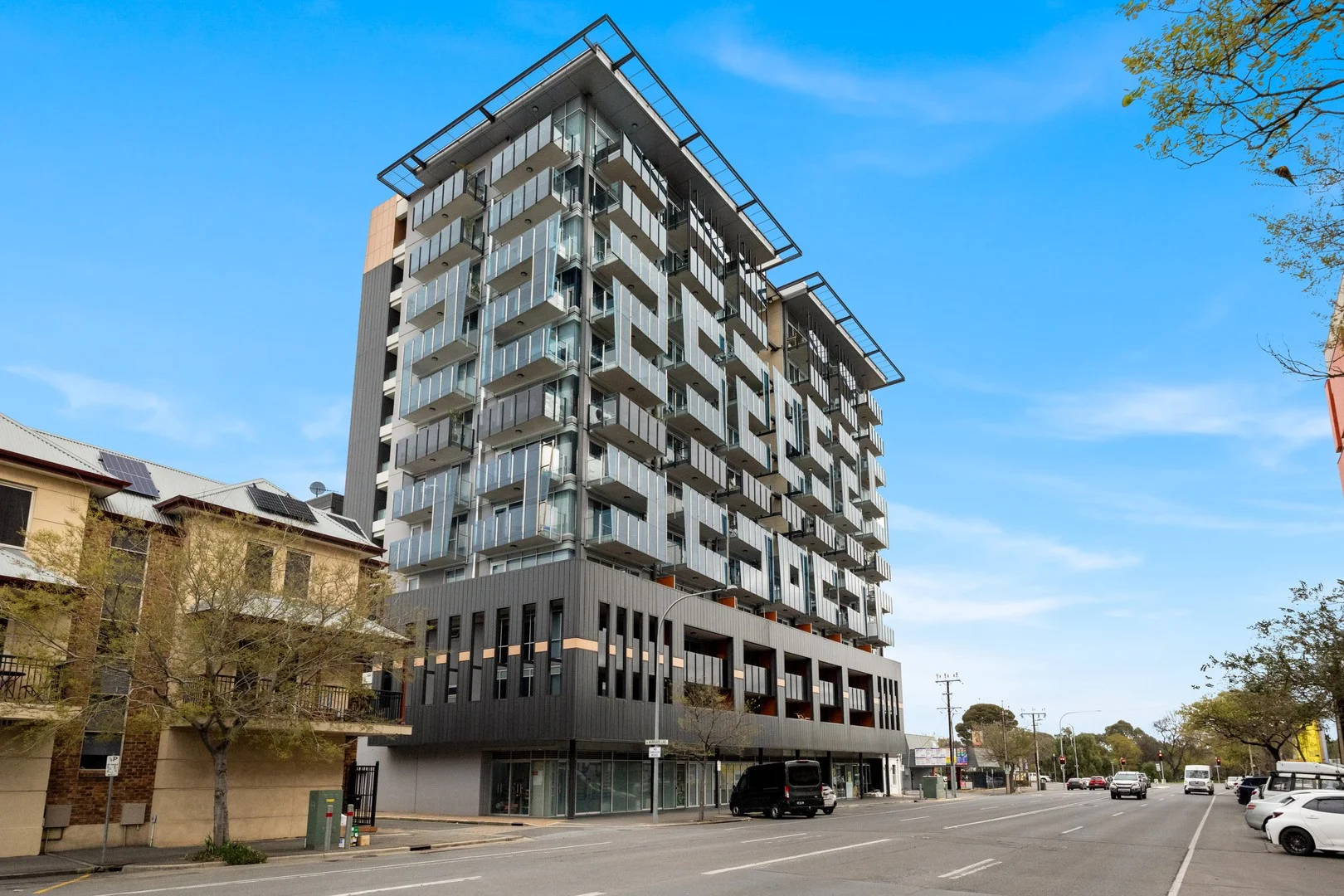 $1,100,000
Apartment / Unit / Flat
$1,100,000
Apartment / Unit / Flat
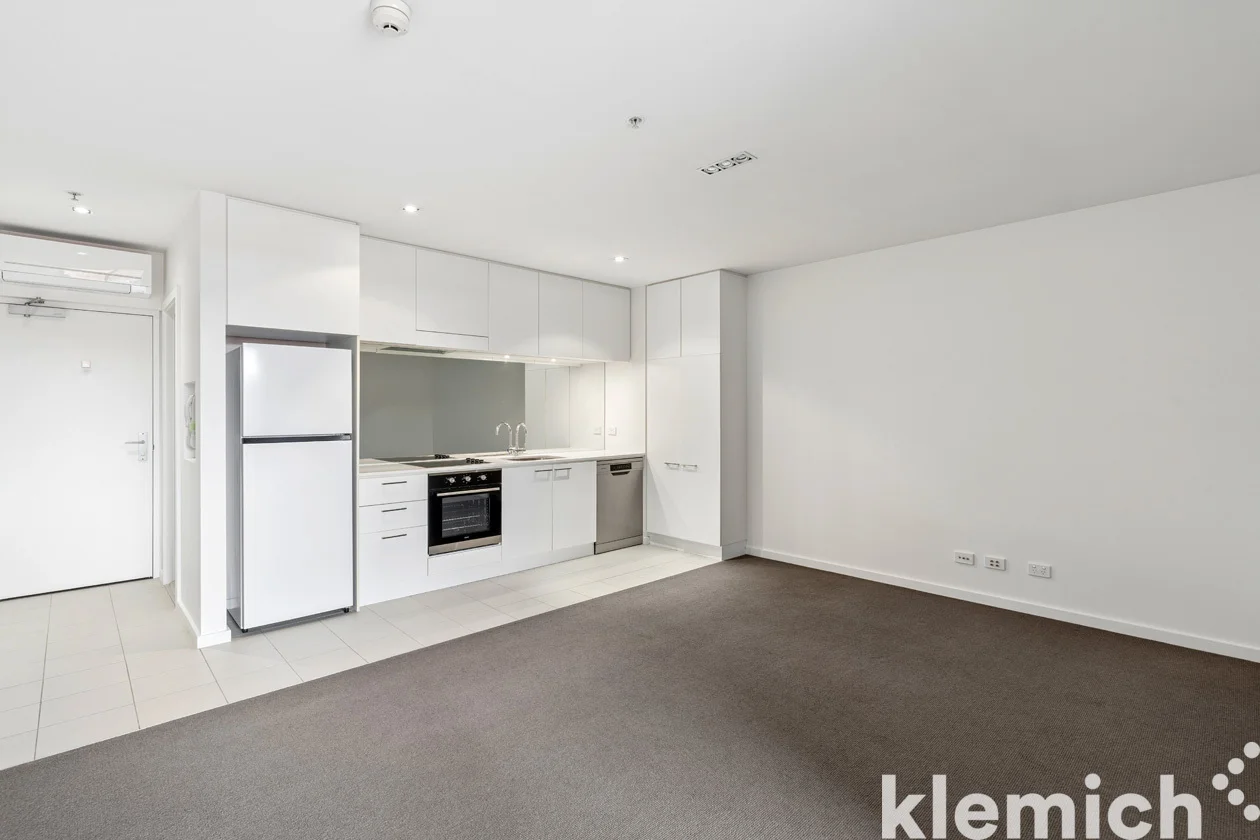 $440,000
Apartment / Unit / Flat
$440,000
Apartment / Unit / Flat
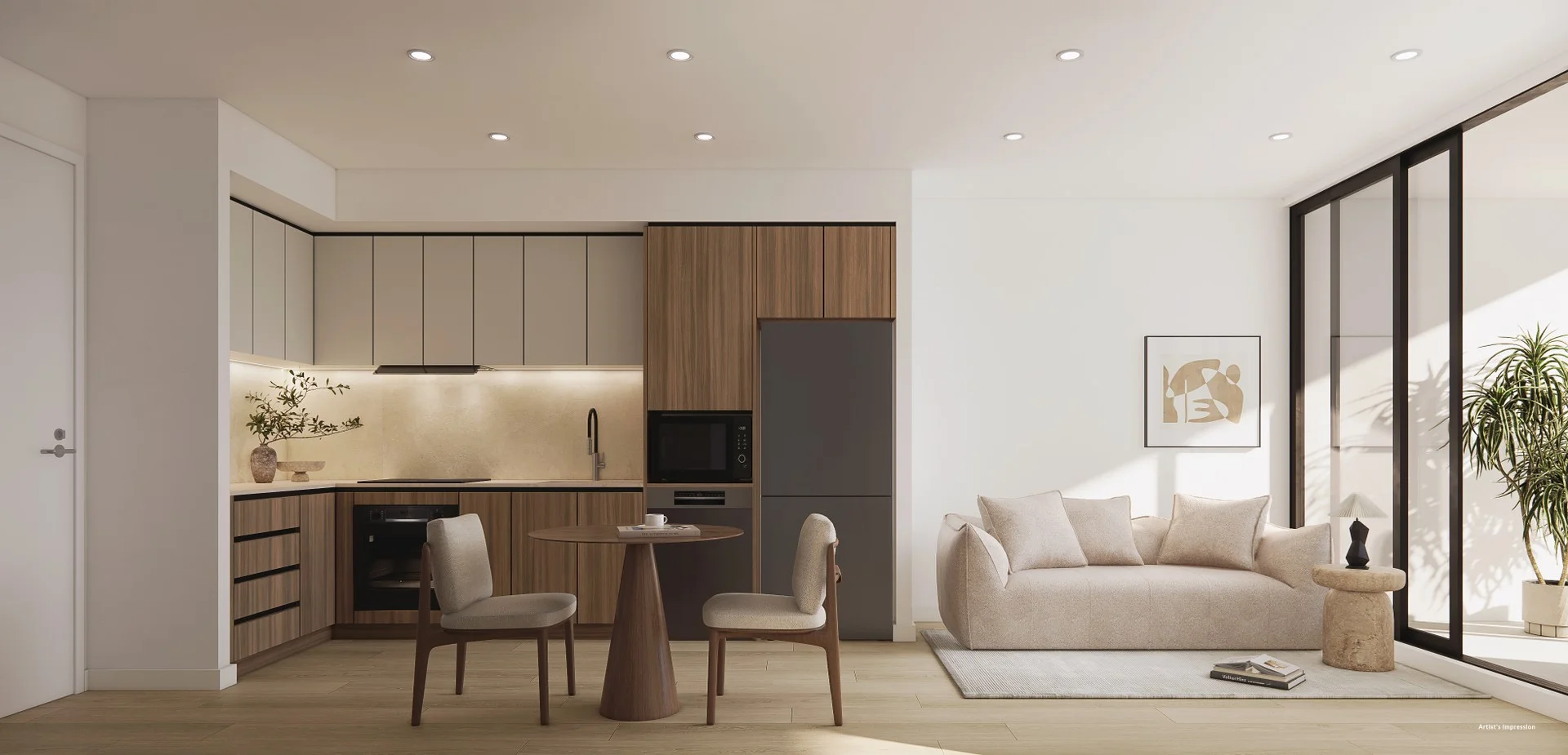 $588,000
Apartment / Unit / Flat
$588,000
Apartment / Unit / Flat
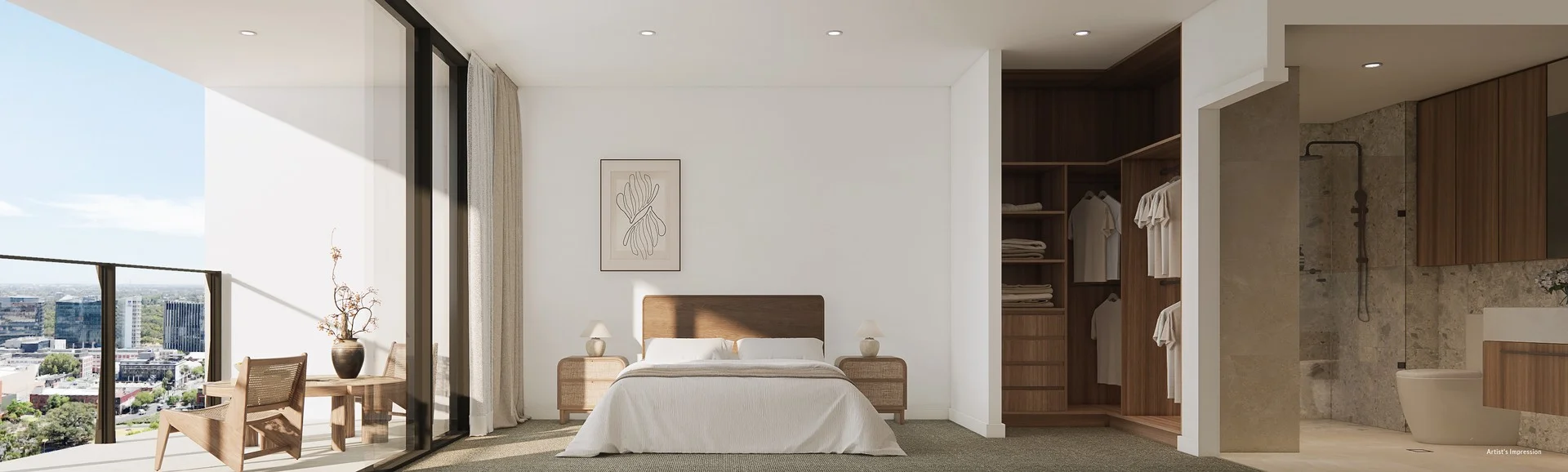 $1,056,000
Apartment / Unit / Flat
$1,056,000
Apartment / Unit / Flat
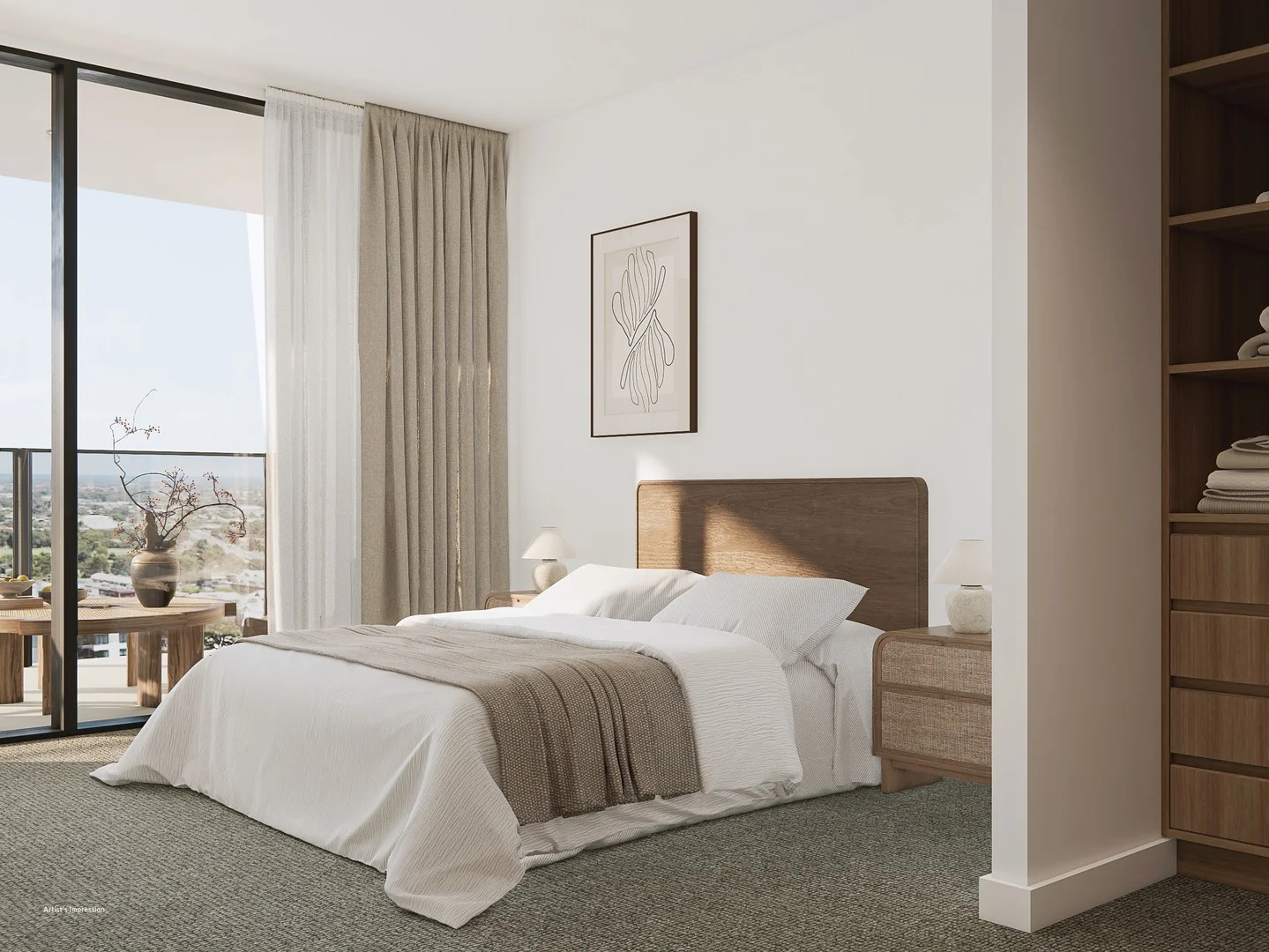 $935,000
Apartment / Unit / Flat
$935,000
Apartment / Unit / Flat
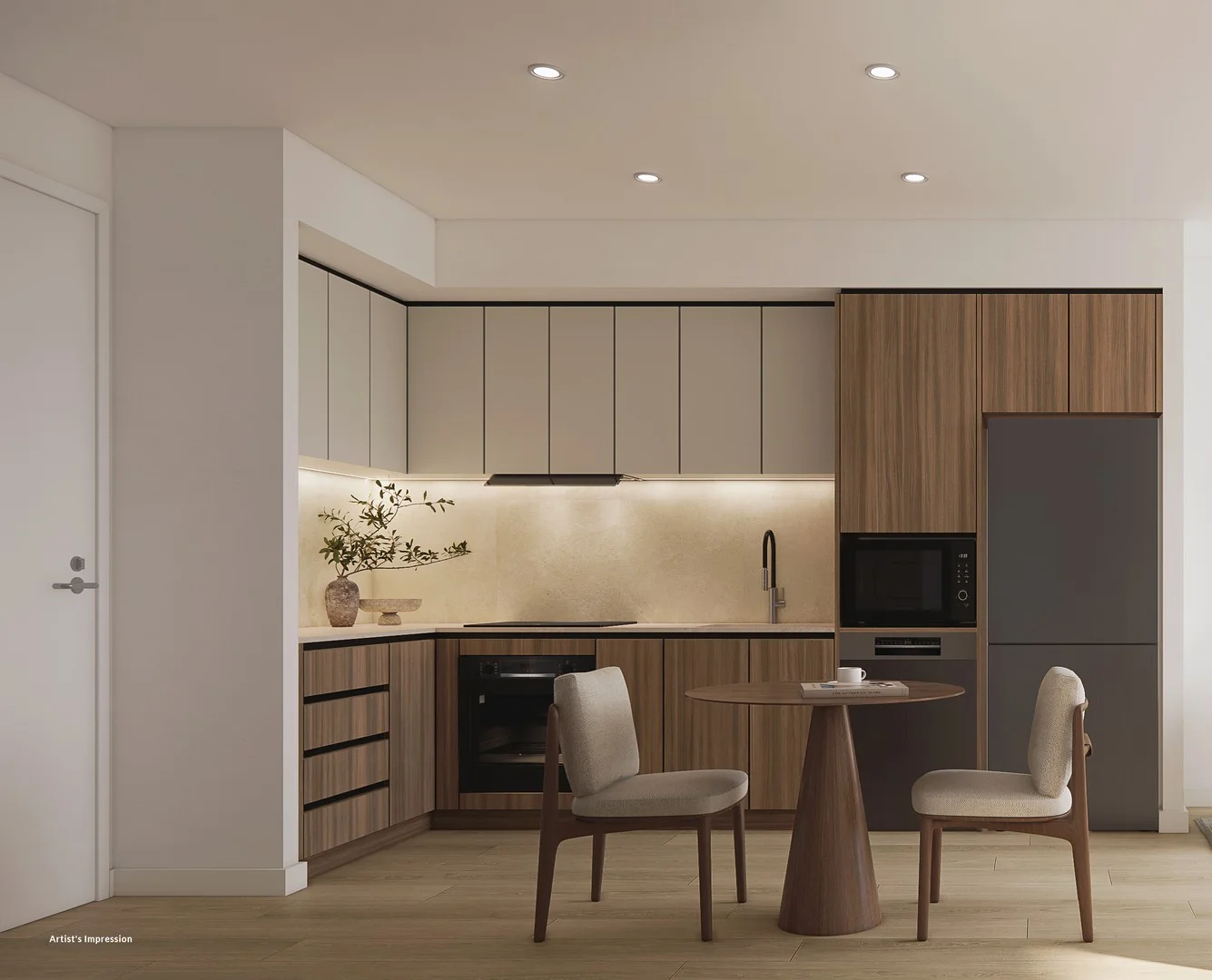 $557,000
Apartment / Unit / Flat
$557,000
Apartment / Unit / Flat
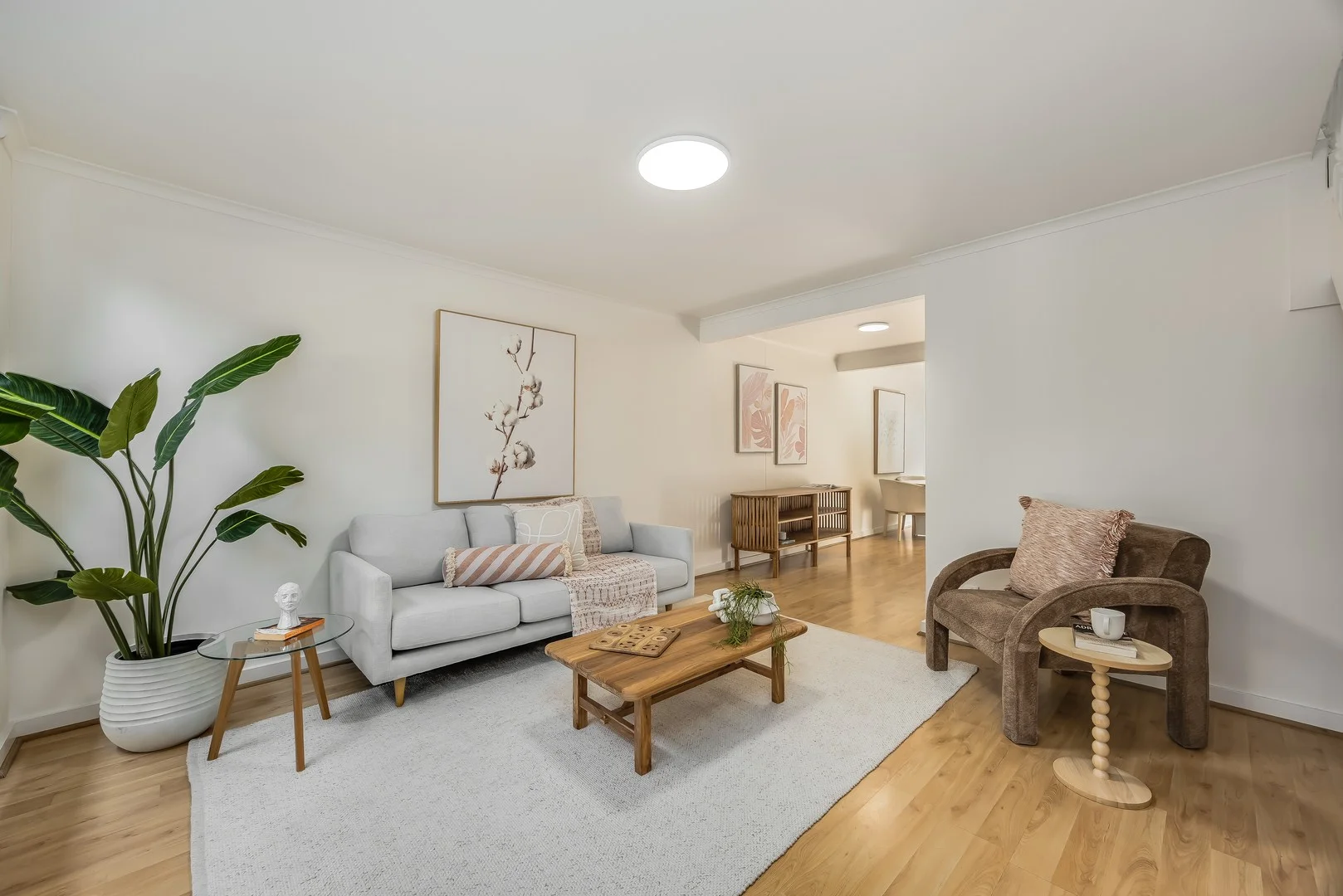 $775,000
House
$775,000
House
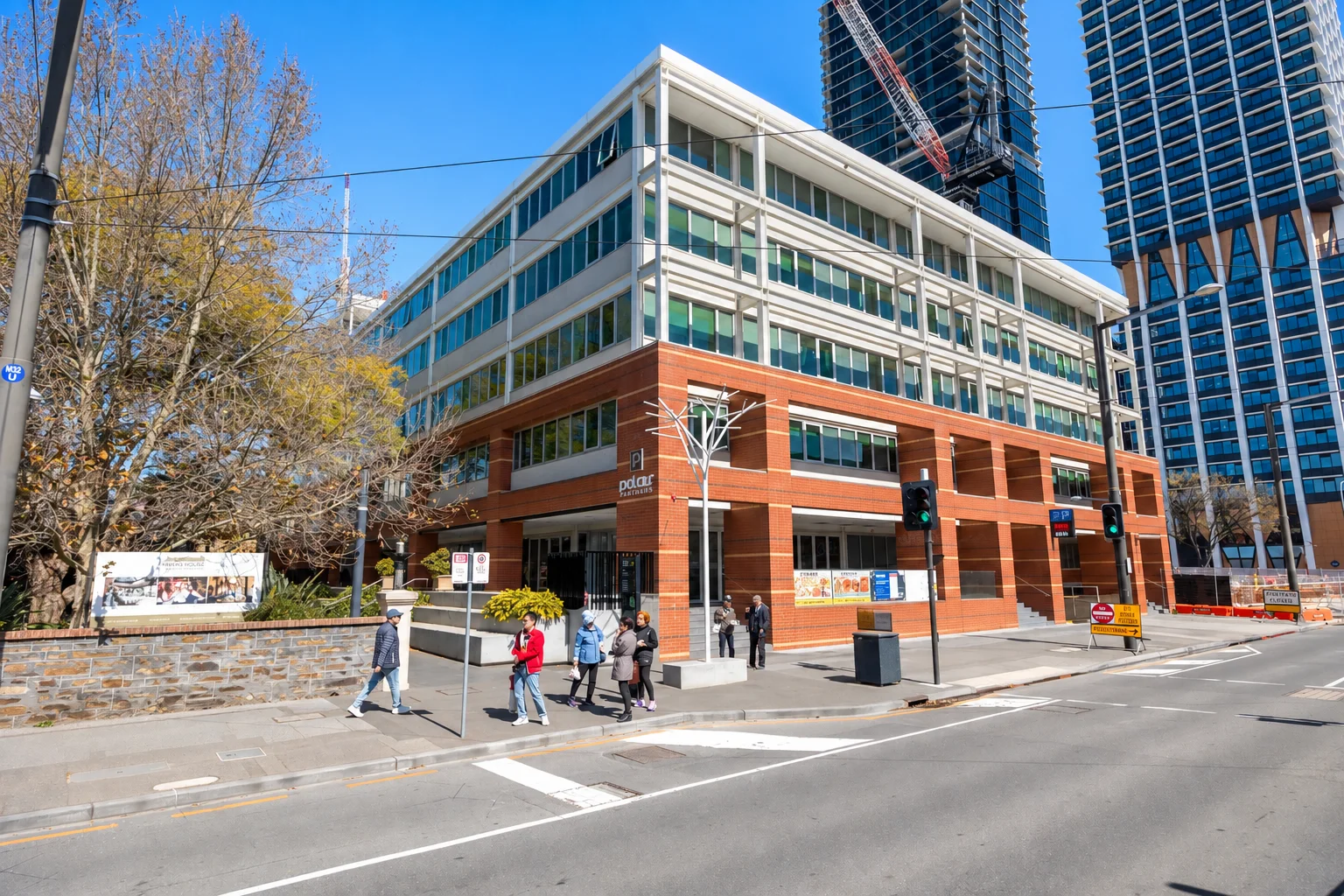 $545,000
Apartment / Unit / Flat
$545,000
Apartment / Unit / Flat