## Overview
St Francis School, Lockleys is a Catholic school in Adelaide’s western suburbs, offering a values‑based education within the Catholic Education SA network. The community is small to medium in size, with class structures that emphasise individual attention and supportive learning. The atmosphere is nurturing and inclusive, with a faith-informed approach that encourages respect, service and active participation across academic and co‑curricular life.
Students are encouraged to develop as responsible, engaged learners who contribute to their school and wider community. The school supports holistic development through faith formation, strong relationships, and a broad range of academic and extracurricular opportunities.
⸻
## Academics & Learning
- Academic strengths: emphasis on strong literacy and numeracy foundations, with a focus on STEM, leadership development and language learning.
- Special programs: opportunities for gifted and talented learners and accelerated pathways where appropriate.
- NAPLAN trends: data and trends are typically reported to show progress and alignment with state benchmarks over time, rather than a focus on single-year scores.
- Student-teacher ratios: designed to support small‑group and individualized learning within a classroom setting.
- Support for diverse learners: dedicated EAL support and SEN coordination to assist students needing additional academic or learning adjustments.
⸻
## Sports & Extracurricular Strengths
- Sports offered: a range of ball sports and gym/athletics programs, with participation in local interschool events.
- Strong teams or achievements: students often participate in regional competitions with competitive teams across various sports.
- Music, arts, drama programs: robust opportunities in music, drama and visual arts integrated into the curriculum.
- Clubs: robotics, chess, coding, debating and other interest-based clubs support inquiry and creative thinking.
- Partnerships: connections with local community clubs and interschool competitions enhance opportunities outside the classroom.
⸻
## Wellbeing & Pastoral Care
- Anti-bullying approach: proactive, evidence-based strategies focused on prevention, restorative practices and a positive school climate.
- House system: a house structure that supports belonging, healthy competition and pastoral support.
- Counsellors / wellbeing officers: access to wellbeing staff to support mental health, social-emotional learning and resilience.
- Transition support for new students: structured buddy programs, orientation activities and ongoing pastoral check-ins to ease transitions.
⸻
## Facilities
- Sports grounds: on-site facilities supporting active, outdoor education and team sport.
- Libraries: inviting spaces for reading, research and quiet study.
- Science labs: dedicated laboratories for practical experiments and STEM learning.
- Music/performing arts centers: dedicated spaces for music, drama and performance.
- Tech/innovation labs: contemporary spaces for coding, robotics and digital projects.
- Cafeteria: canteen services providing healthy meal options.
- Updated playgrounds: modern play areas that support active, supervised play and recreation.
⸻
## School Values & Community Culture
- School values / mission: grounded in Catholic faith, service, integrity, and respect; emphasis on character and community contribution.
- Leadership style: collaborative leadership that values teacher-student relationships and student voice within a supportive framework.
- Behaviour expectations: clear codes of conduct and consistent expectations aligned with a positive, respectful school culture.
- Community reputation: generally viewed as a welcoming, faith-centered community with strong parent involvement.
- Diversity & inclusion: commitment to an inclusive environment that recognises and respects diverse backgrounds and needs.
⸻
## School Logistics & Daily Operations
- School hours: typical daytime schedule with start and finish times aligned to primary education routines.
- Before/after school care: arrangements may be available to support working families.
- Uniform requirements: clearly defined school uniform policy for daily wear and any formal occasions.
- Transport (train/bus routes): accessible by local transport options with school-arranged or recommended routes.
- Canteen availability: on-site canteen or lunch options focusing on healthy choices.
- Fees (low/medium/high ranges): fees fall within a mid-range band for Catholic independent schooling in the area; families may qualify for government assistance where applicable.
⸻
## Enrolment & Admissions
- What is the enrolment process and timeline?
- Start with an expression of interest or inquiry, followed by an application form and submission of required documents (birth certificate, immunisation records, any school transcripts if transferring). The school may request interviews or family information sessions, after which offers are made subject to vacancy. The timeline varies by intake year and enrolment period, with notifications typically issued within a defined admissions window.
- Is there a waiting list, and how does it work?
- If the school is at capacity, applicants may be placed on a waitlist. Waitlist position is usually determined by date of application and denomination of place availability, with priority given to siblings or specific eligibility categories as defined by the school.
- Are there any entry requirements, tests, or interviews?
- Entry often involves an information session, family interview, and may include a readiness assessment or academic screening for certain year levels. Religious education expectations and consent may also be part of the process.
- Does the school accept mid-year transfers?
- Mid-year transfers are considered when space is available, subject to the school’s assessment of transcripts, current enrolment needs, and suitability for a smooth transition.
⸻
## Frequently Asked Questions
- Why Parents Choose This School?
- A values-based Catholic education with a focus on community, care, and character; supportive staff; opportunities across academics, faith formation, and extracurricular activities.
- What type of student thrives at this school?
- Students who respond well to a nurturing, inclusive environment with strong pastoral care, a sense of community, and engagement in both academics and service.
- What opportunities are available for students to extend their skills (academics, sports, arts)?
- Access to enhanced learning programs (gifted and talented pathways), a range of sports, music and performing arts, coding/robotics clubs, debating and other enrichment activities.
- How does the school communicate with parents?
- Regular updates through newsletters, parent portals or communication apps, formal parent-teacher interviews, and scheduled information sessions.
- What is the school’s approach to teaching and learning?
- A balanced approach combining strong literacy and numeracy with inquiry-based learning, collaboration, and values education aligned with Catholic ethos.
- How does the school support students who need extra academic help?
- EAL support, SEN coordination, targeted interventions and access to wellbeing staff to support academic persistence and achievement.
- What support is available for academic challenges?
- Individual or small-group supports, differentiated instruction, and collaborations between teachers, specialists and families to design appropriate plans.
- How does the school communicate with parents? (Note: covered above)
- See above for typical channels and frequency.
- What are the class sizes and how much individual attention do students receive?
- Class sizes are designed to be manageable with opportunities for frequent teacher-student interaction and small-group support.
- What extracurricular and sports opportunities are available?
- A broad offering across sports, music, arts and clubs such as robotics, chess, coding, and debating.
- What facilities does the school offer (sports, science, arts)?
- Modern sports facilities, libraries, science labs, performing arts spaces, and technology/innovation labs.
- What is the school’s approach to technology and digital learning?
- Integration of digital literacy across learning areas, with safe use policies, coding and hands-on tech experiences.
- What transport and accessibility options are available?
- Local transport options and possible school-organised arrangements; accessibility considerations addressed in facility planning.
- What are typical school fees or additional costs?
- Fees are positioned in the mid-range for the sector, with transparency around additional costs for trips, activities and resources; information about government rebates or subsidies is typically available through the school.
⸻
## Short Pros & Cons list
- Pros
- Nurturing, faith-centered learning environment
- Strong pastoral care and sense of community
- Inclusive approach with support for diverse learners
- Balanced focus on academics, faith formation and extracurriculars
- Modern facilities and broad range of clubs and activities
- Cons
- As a faith-based school, there may be a stronger emphasis on religious education and values alignment
- Class sizes and resources may vary by year level and intake
- Availability of certain electives or advanced programs may depend on staffing and enrollment numbers
- Transportation options could be impacted by location and service availability
- Fees and contributions are common in non-government schooling, which may require budgeting considerations
If you’d like, I can tailor this further with more precise language or adapt it to a specific year level (primary vs. secondary) once you confirm the exact student cohort and any particular programs you want highlighted.









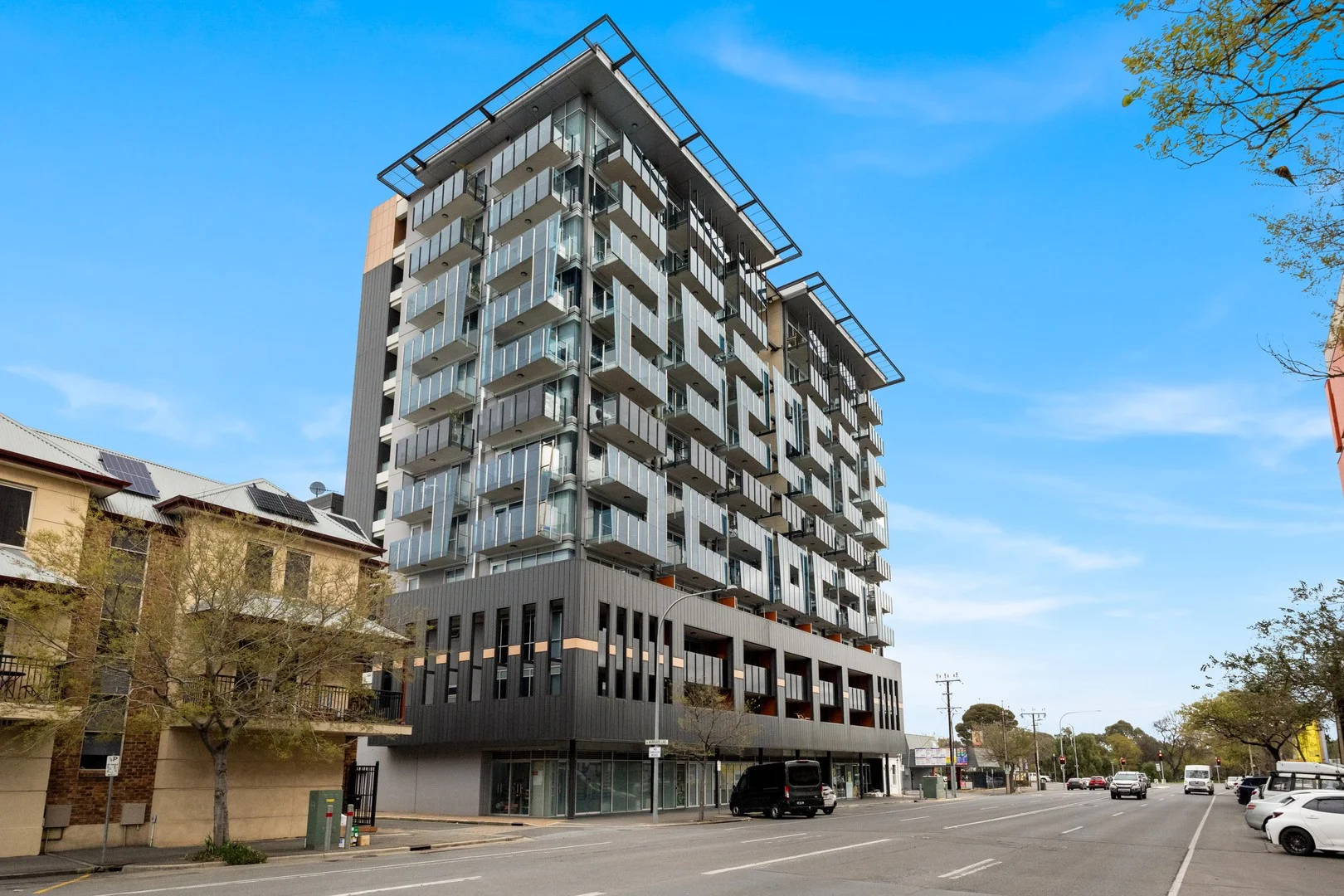 $1,100,000
Apartment / Unit / Flat
$1,100,000
Apartment / Unit / Flat
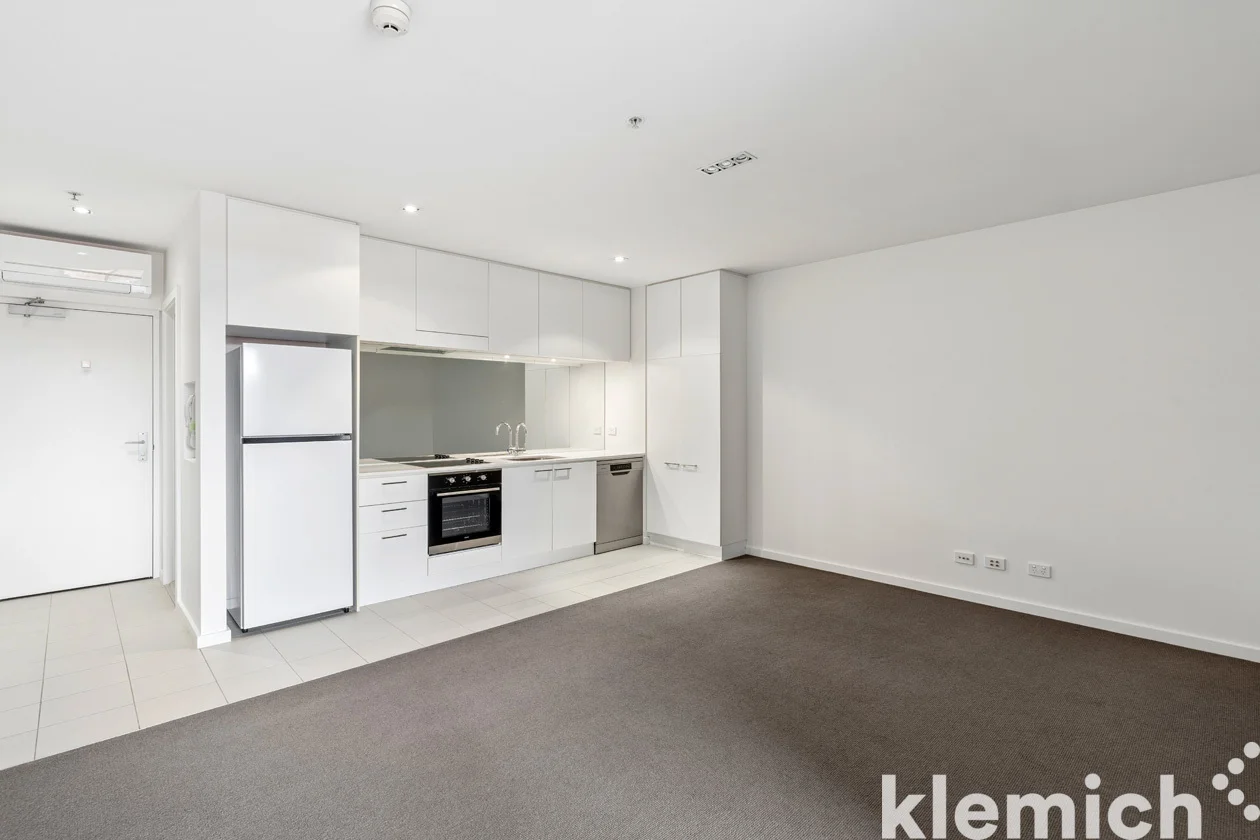 $440,000
Apartment / Unit / Flat
$440,000
Apartment / Unit / Flat
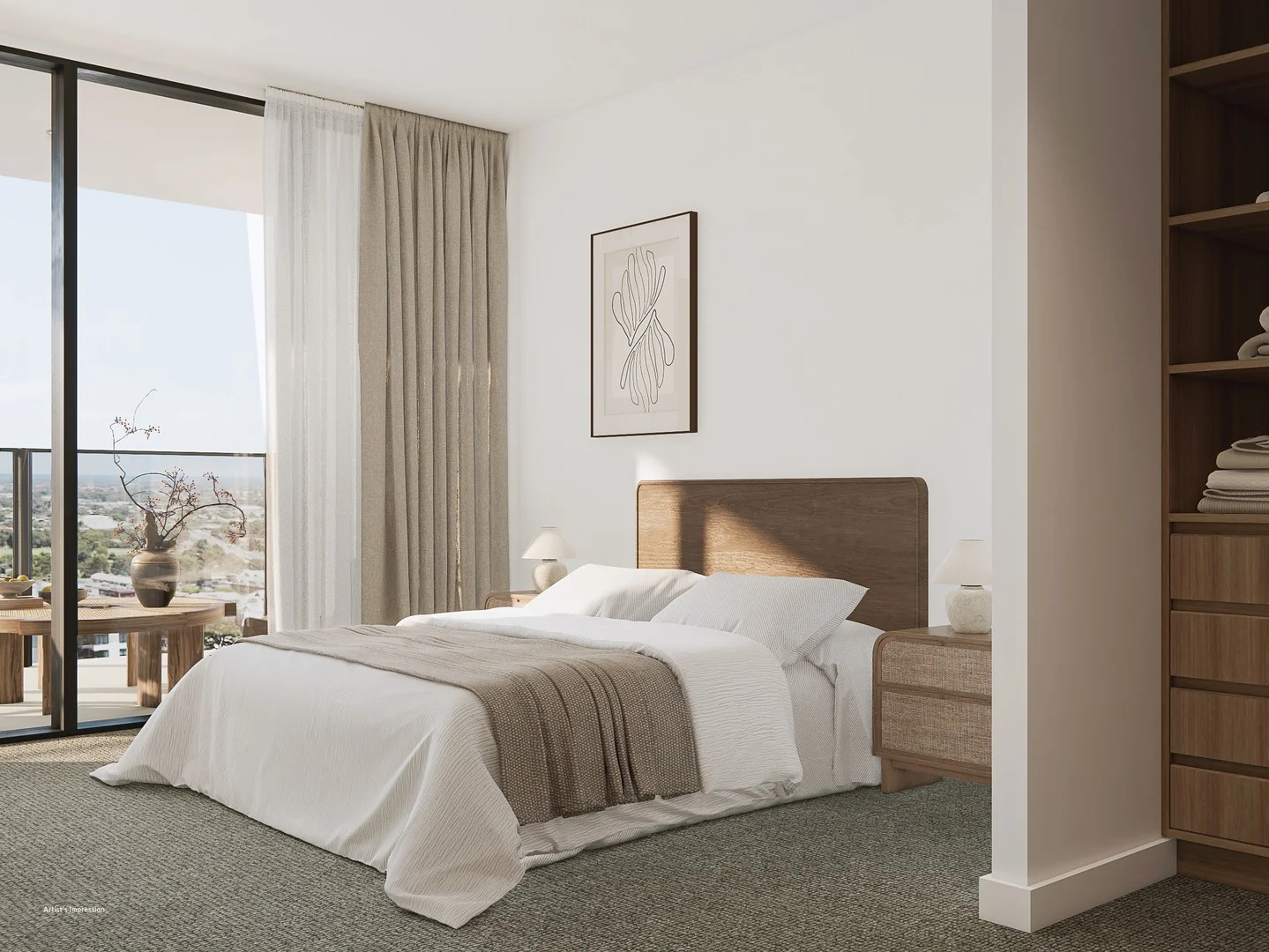 $935,000
Apartment / Unit / Flat
$935,000
Apartment / Unit / Flat
 $1,056,000
Apartment / Unit / Flat
$1,056,000
Apartment / Unit / Flat
 $588,000
Apartment / Unit / Flat
$588,000
Apartment / Unit / Flat
 $557,000
Apartment / Unit / Flat
$557,000
Apartment / Unit / Flat
 $775,000
House
$775,000
House
 $545,000
Apartment / Unit / Flat
$545,000
Apartment / Unit / Flat