1. Overview
Allambie Heights Public School is a public, co-educational primary school serving families in Allambie Heights and surrounding areas. As a NSW public school, it follows the state curriculum and emphasizes an inclusive, supportive learning environment where students from diverse backgrounds can thrive. The school aims to build a sense of belonging through community engagement, strong student–teacher relationships, and a focus on core literacy and numeracy.
The school is typically described as medium-sized, with class configurations that foster close student-teacher interactions. Class sizes are generally around the NSW public-school range, supporting personalised learning and classroom involvement. The atmosphere is commonly described as nurturing, inclusive, and community-oriented, with a balanced emphasis on academics, wellbeing, and participation in school life.
⸻
2. Academics & Learning
- Academic strengths: Emphasis on literacy and numeracy within a well-rounded Australian Curriculum program, with opportunities to engage in STEM-related activities, creative arts, and leadership development across year levels.
- Special programs: Possible Gifted & Talented (GT) extensions and targeted acceleration within year groups; strong emphasis on inclusive education with EAL/D and SEN support integrated into mainstream classes.
- NAPLAN / trends: NSW public primary schools typically show stable or improving trends over recent years in reading, writing, and numeracy, with ongoing focus on progress and foundational skills across cohorts.
- Student-teacher ratios: Common NSW primary ranges around 1:20 to 1:25, with variations by year level and class structure to support targeted instruction and individual attention.
- Support for diverse learners: Dedicated learning support teams, EAL/D assistance, and inclusive practices to help students with differing abilities access the curriculum and achieve their learning goals.
⸻
3. Sports & Extracurricular Strengths
- Sports offered: A broad program often includes soccer, netball, cricket, athletics, rugby league, basketball, swimming, and cross-country events, with opportunities to compete in inter-school carnivals and district events.
- Strong teams or achievements: Participation in local inter-school competitions and district-level meetings, with scope for recognition in team sports and individual athletic achievements.
- Music, arts, drama programs: Active musical and performing arts activities, including choir, music lessons, and school productions or dramatic performances.
- Clubs: Robotics, coding, chess, debating, and other technology or academic clubs are commonly available to extend interests beyond core subjects.
- Partnerships: Connections with local community clubs and regional competitions, plus opportunities for participation in science/tech events and other external programs.
⸻
4. Wellbeing & Pastoral Care
- Anti-bullying approach: Whole-school wellbeing framework and anti-bullying initiatives designed to promote respectful behavior, safe learning environments, and inclusive culture.
- House system: House groups used to foster belonging, leadership, teamwork, and participation in school events and competitions.
- Counsellors / wellbeing officers: Access to school wellbeing staff, including student welfare support and guidance services as part of the pastoral care model.
- Transition support for new students: Orientation activities, buddy programs, and transition support to help new students settle into the classroom and school community.
⸻
5. Facilities
- Sports grounds
- Libraries
- Science labs
- Music/performing arts centers
- Tech/innovation labs
- Cafeteria
- Updated playgrounds
Facilities are designed to support a broad curriculum, hands-on learning, and vibrant co-curricular life, with spaces that enable collaboration, experimentation, and creative expression.
⸻
6. School Values & Community Culture
- School values / mission: Core values such as respect, responsibility, resilience, and inclusion underpin daily learning and interactions.
- Leadership style: A collaborative leadership approach that encourages student voice, teacher collaboration, and parent engagement through the P&C and school councils.
- Behaviour expectations: Clear codes of conduct and consistent expectations across classrooms, with restorative approaches to discipline and ongoing reinforcement of positive behaviours.
- Community reputation: A welcoming, family-friendly school with strong parental involvement and a supportive local community.
- Diversity & inclusion: Commitment to an inclusive environment where students from diverse backgrounds feel valued and supported.
⸻
7. School Logistics & Daily Operations
- School hours: Typically a daytime schedule with start and finish times aligned to NSW public primary norms; supervision before/after school may be available through on-site or approved providers.
- Before/after school care: Often available through before/after care programs or external providers; check current arrangements for exact options and timings.
- Uniform requirements: NSW public schools generally require a standard uniform, with guidelines for seasonal wear and sport/school activities.
- Transport (train/bus routes): Local bus services and walking/cycling options commonly used; use your local transport planner to confirm current routes and timetables.
- Canteen availability: On-site/ school canteen or lunch-order options are typical, with healthy meal choices and regular menu updates.
- Fees (low/medium/high ranges): Public schooling usually involves minimal compulsory charges; optional contributions or activities may require small fees or voluntary contributions.
⸻
8. Enrolment & Admissions
11. What is the enrolment process and timeline?
- Enrolment is typically initiated by checking catchment eligibility, completing the online or paper enrolment form, and submitting required documents (birth certificate, immunisation records, proof of address, and other NSW Department of Education requirements). Offers and placement timelines vary by term and space availability; it is common to start the process several months before the intended start date.
12. Is there a waiting list, and how does it work?
- Waiting lists can occur when demand exceeds available places. Priority is generally given to residents within the school’s local catchment, with spaces allocated as they become available. Length of wait times varies by year and intake period.
13. Are there any entry requirements, tests, or interviews?
- For a standard NSW public primary enrolment, there are no entry tests or interviews required. Immunisation records, proof of age, and proof of address are typically requested. Some programs or special circumstances may involve additional considerations, but routine enrolments do not involve testing.
14. Does the school accept mid-year transfers?
- Yes, mid-year transfers are possible subject to space and relevant documentation. Families should contact the school to discuss availability, secure a place, and arrange the transfer of student records.
⸻
9. Frequently Ask Questions
- Why Parents Choose This School?
Parents value the public, inclusive environment, strong sense of community, dedicated staff, and alignment with NSW curriculum and assessment practices.
- What type of student thrives at this school?
Students who are curious, collaborative, resilient, and engaged in both academic and co-curricular activities tend to flourish in this setting.
- What opportunities are available for students to extend their skills (academics, sports, arts)?
Opportunities include GT extensions or accelerated work where available, a range of clubs (robotics, coding, chess, debating), inter-school sports, music and drama programs, and broader arts initiatives.
- How does the school communicate with parents?
Regular communication typically occurs via newsletters, emails, a parent portal, parent-teacher meetings, and school events; there is often active engagement through the P&C.
- What is the school’s approach to teaching and learning?
The approach centres on the NSW Curriculum with a focus on literacy, numeracy, inquiry-based learning, differentiation to meet diverse needs, and opportunities for student voice and collaboration.
- How does the school support students who need extra academic help?
Support includes a learning support team, targeted small-group instruction, EAL/D assistance, SEN services, and progress monitoring to tailor interventions.
- What support is available for academic challenges?
Additional tutoring or remediation options may be available through school programs, with referrals to support services when needed.
- How does the school communicate with parents?
See above; ongoing channels include newsletters, emails, portals, and meetings to keep families informed about student progress and events.
- What are the class sizes and how much individual attention do students receive?
Class sizes are typically in the NSW primary range (roughly 20–25 students per class), with teachers differentiating instruction to meet individual learning needs and provide targeted support.
- What extracurricular and sports opportunities are available?
A broad selection including sports teams, music and drama programs, and clubs such as robotics, coding, chess, and debating.
- What facilities does the school offer (sports, science, arts)?
Facilities include sports grounds, libraries, science labs, music/performing arts centers, tech/innovation labs, a cafeteria, and updated playgrounds.
- What is the school’s approach to technology and digital learning?
Emphasis on digital literacy, responsible technology use, and integration of digital tools to support learning across the curriculum.
- What transport and accessibility options are available?
Local transport options (bus routes) and accessible facilities support student mobility; specifics should be confirmed with the school and local transport providers.
- What are the typical school fees or additional costs?
Public schooling involves minimal compulsory fees; optional contributions or activity costs may apply for certain programs or excursions.
⸻
10. Short Pros & Cons list
Pros
- Public, inclusive learning environment
- Medium-sized school with strong community feel
- Solid focus on literacy and numeracy
- Broad range of extracurriculars (sports, arts, clubs)
- Support for diverse learners (EAL/D, SEN)
- Active parent and community involvement
Cons
- Wait lists can occur during high-demand intake years
- Parking and drop-off areas may be busy during peak times
- Availability of some advanced programs may depend on year level and staffing
- Exact uniform and elective costs vary by year and program
⸻






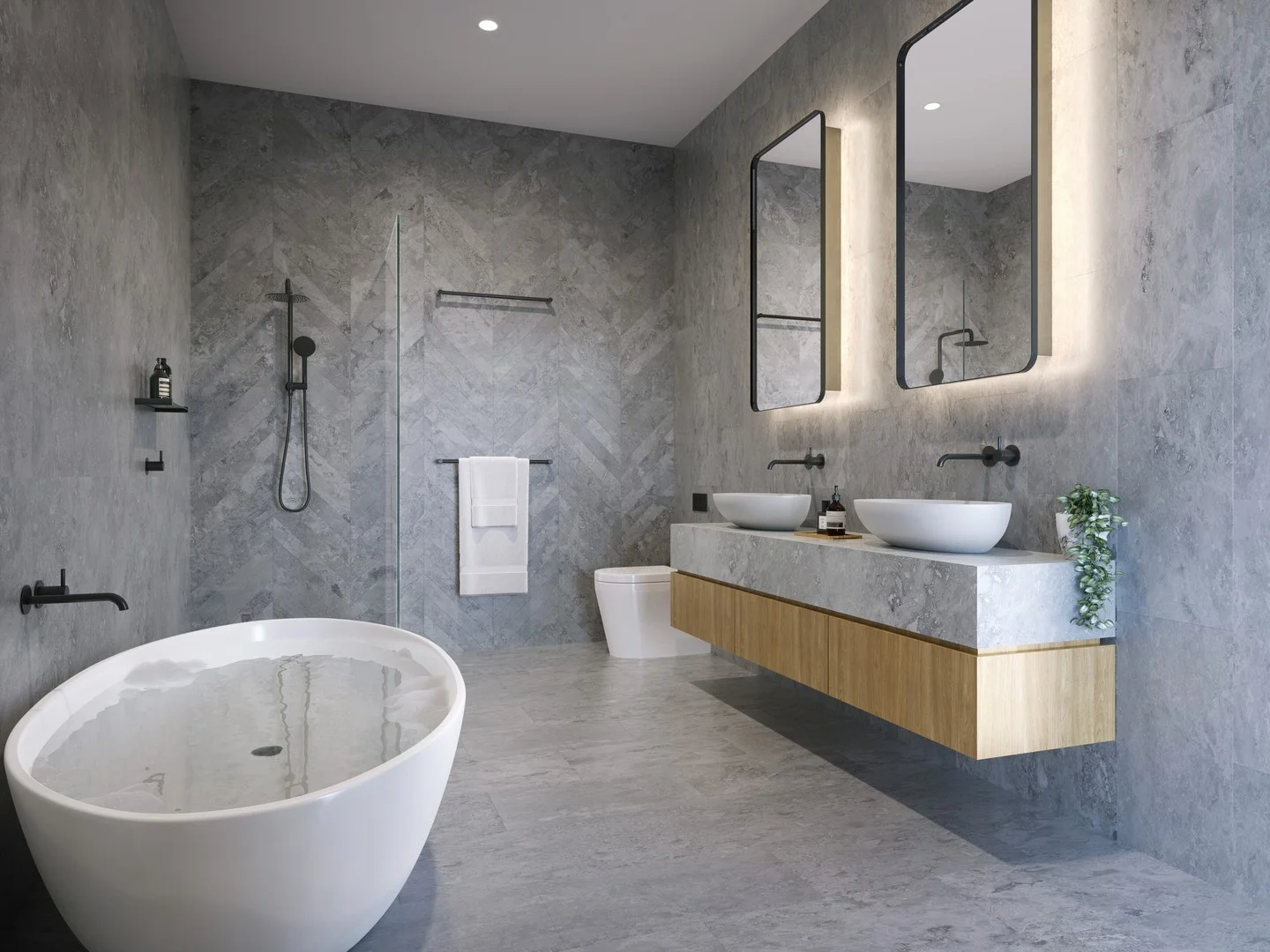 $2,824,000
Apartment / Unit / Flat
$2,824,000
Apartment / Unit / Flat
 $26,550,000
propertyType.NEW APARTMENTS / OFF THE PLAN
$26,550,000
propertyType.NEW APARTMENTS / OFF THE PLAN
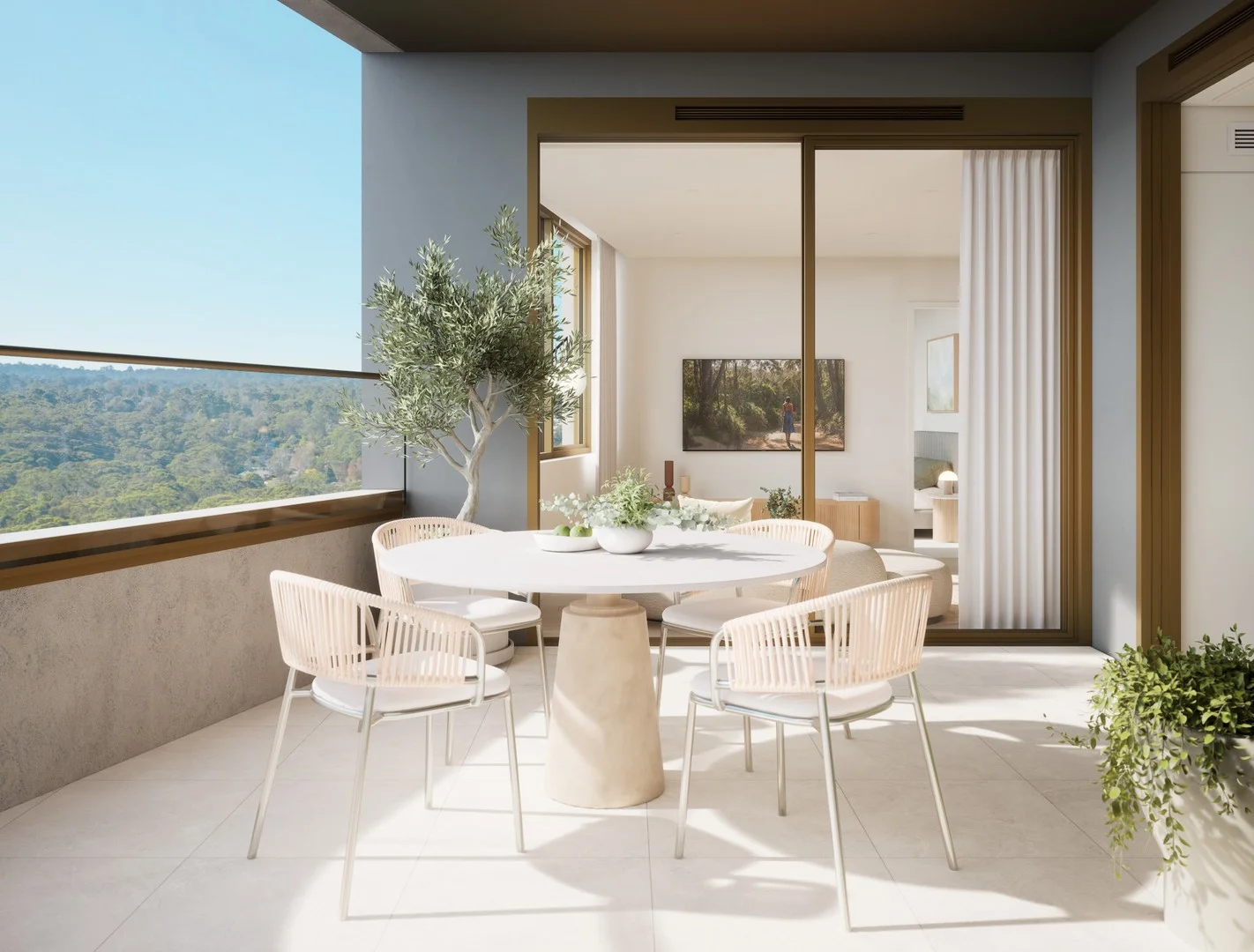 $1,525,000
Apartment / Unit / Flat
$1,525,000
Apartment / Unit / Flat
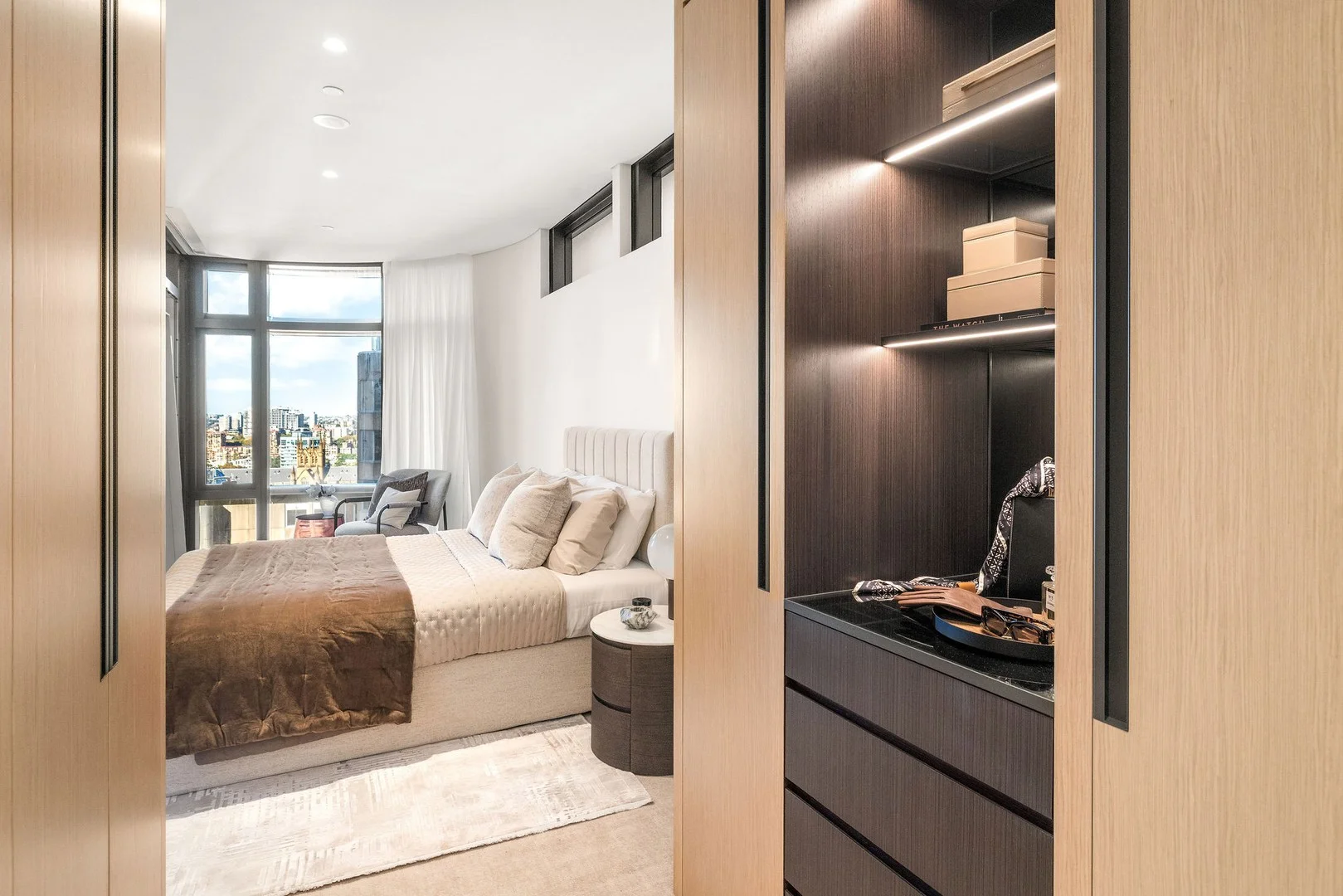 $2,745,000
propertyType.NEW APARTMENTS / OFF THE PLAN
$2,745,000
propertyType.NEW APARTMENTS / OFF THE PLAN
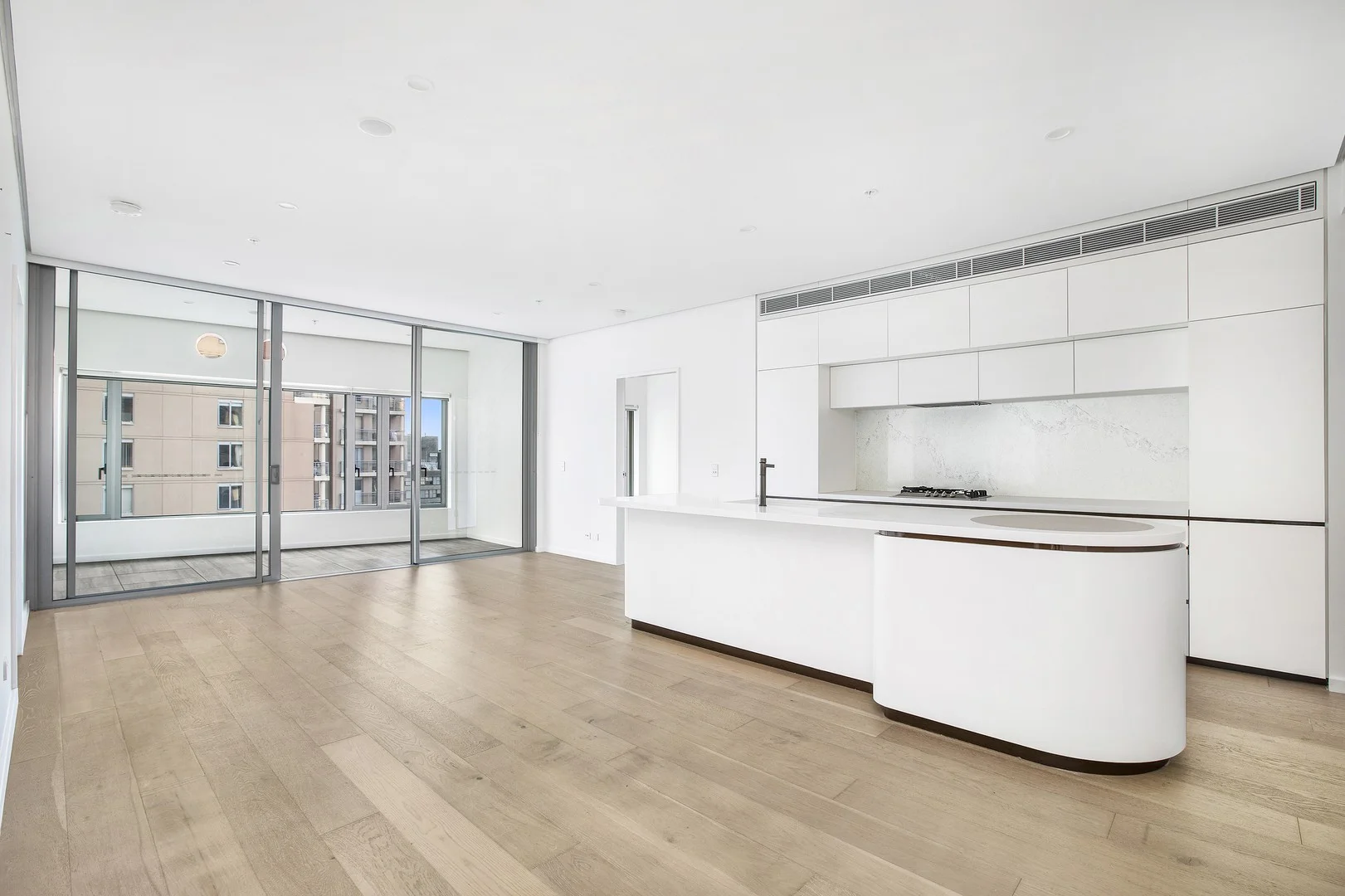 $2,250,000
Apartment / Unit / Flat
$2,250,000
Apartment / Unit / Flat
 $12,980,000
propertyType.NEW APARTMENTS / OFF THE PLAN
$12,980,000
propertyType.NEW APARTMENTS / OFF THE PLAN
 $8,630,000
propertyType.NEW APARTMENTS / OFF THE PLAN
$8,630,000
propertyType.NEW APARTMENTS / OFF THE PLAN
 $6,225,000
propertyType.NEW APARTMENTS / OFF THE PLAN
$6,225,000
propertyType.NEW APARTMENTS / OFF THE PLAN
 $9,020,000
propertyType.NEW APARTMENTS / OFF THE PLAN
$9,020,000
propertyType.NEW APARTMENTS / OFF THE PLAN


