## 1. Overview (1–2 paragraphs max)
Brookvale Public School is a public, co-educational primary school serving families in the Brookvale area. As a NSW public school, it focuses on creating an inclusive, supportive learning community where every child can develop foundational literacy, numeracy, and wellbeing skills. The school aims to foster curiosity, collaboration, and resilience in a climate that mixes academic growth with strong pastoral care.
The school size is medium, with class sizes typically aligned with NSW public education guidelines. The atmosphere is welcoming and inclusive, emphasizing student wellbeing, respect, and a positive school culture that supports diverse learners and families.
⸻
## 2. Academics & Learning
- Academic strengths: Literacy and numeracy are core priorities, with emphasis on reading comprehension, writing, and critical thinking. There are opportunities to engage with STEM activities and cross-curricular projects to build problem-solving and creative thinking.
- Special programs: Gifted and Talented education and enrichment opportunities; EAL/D support for students learning English; digital learning and hands-on inquiry experiences.
- NAPLAN trends: Public information indicates trends of steady performance with year-to-year variation; schools in this area commonly show improvements in reading and numeracy through targeted teaching and assessment cycles.
- Student-teacher ratios: Typical NSW public primary class structures, with student-teacher ratios commonly around the mid-teens (roughly 1:15 to 1:20), enabling some individualized support within classrooms.
- Support for diverse learners: Strong focus on inclusive education, with EAL/D support, additional learning support plans, and targeted intervention programs to assist students across a range of needs.
⸻
## 3. Sports & Extracurricular Strengths
- Sports offered: Regular participation in district-level sports and intra-school events; common offerings include soccer, netball, basketball, cricket, athletics, and cross-country activities.
- Strong teams or achievements: Involvement in inter-school carnivals and district competitions; opportunities to develop teamwork, leadership, and competitive spirit.
- Music, arts, drama programs: Active music programs and performances; school choirs and drama productions that showcase student creativity and confidence.
- Clubs: Robotics, coding, chess, debating, and other activity clubs aimed at building problem-solving, strategic thinking, and collaborative skills.
- Partnerships: Connections with local community groups and clubs for additional opportunities, coaching, and coordinated competitions.
⸻
## 4. Wellbeing & Pastoral Care
- Anti-bullying approach: Proactive wellbeing programs and clear anti-bullying policies; emphasis on a safe, respectful school climate.
- House system: House-based activities and events to encourage belonging, friendly competition, and leadership roles.
- Counsellors / wellbeing officers: Access to school wellbeing staff or counsellors to support social-emotional learning, mental health, and pastoral care.
- Transition support for new students: Welcome programs, buddy systems, and orientation activities to help new students settle in smoothly and build connections.
⸻
## 5. Facilities
- Sports grounds: On-site playing fields and courts for physical education and outdoor activities.
- Libraries: On-site library for reading, research, and classroom programs.
- Science labs: Practical science spaces to support inquiry-based learning.
- Music/performing arts centers: Dedicated spaces or rooms for music and drama activities.
- Tech/innovation labs: Computer labs or makerspace-style areas to support digital learning and STEM projects.
- Cafeteria: On-site canteen or lunch facilities offering healthy options.
- Updated playgrounds: Modern play equipment and outdoor learning areas for breaks and active play.
⸻
## 6. School Values & Community Culture
- School values / mission: Emphasis on respect, responsibility, resilience, inclusivity, and a growth mindset.
- Leadership style: Collaborative and student-centered, with opportunities for student voice through leadership roles and student councils.
- Behaviour expectations: Clear codes of conduct and positive behaviour support to promote a safe and respectful learning environment.
- Community reputation: Generally seen as a supportive, engaged local school with active family involvement and a focus on wellbeing and belonging.
- Diversity & inclusion: Commitment to welcoming students from diverse backgrounds and providing supports to promote equitable access to learning opportunities.
⸻
## 7. School Logistics & Daily Operations
- School hours: Typical day runs from morning arrival to afternoon dismissal (e.g., 9:00 am–3:00 pm; exact times may vary by year level).
- Before/after school care: Availability of supervision or approved outside providers for before/after school care to support working families.
- Uniform requirements: School uniform is required, with guidelines on acceptable attire and footwear.
- Transport (train/bus routes): Access to public transport options and local bus routes; proximity to stops and routes will depend on the local network and year level.
- Canteen availability: Canteen or canteen service available on-site on select days, offering healthy meal and snack options.
- Fees (low/medium/high ranges): Public schools typically involve no tuition fees; there are voluntary contributions and occasional small costs for activities, supplies, or excursions. Check current school communications for exact figures.
⸻
## 8. Enrolment & Admissions
- 11. What is the enrolment process and timeline?
- Enrolment generally involves submitting documentation to the NSW Department of Education via the school's intake process, providing proof of identity, address, immunisation, and citizenship/residency details. The timeline varies by year level and availability of places; catchment areas influence offers, with orientation information provided by the school.
- 12. Is there a waiting list, and how does it work?
- Some year levels may have waitlists when vacancies are limited. Waitlists are typically managed by the school and the DoE, with priority given to local catchment families. Reapplication may be required if spaces become available.
- 13. Are there any entry requirements, tests, or interviews?
- For primary enrolments, there are usually no entrance tests or formal interviews. Schools may request standard documentation and immunisation records. Some schools may conduct an informal welcome chat, but testing is not common for typical primary entry.
- 14. Does the school accept mid-year transfers?
- Mid-year transfers are possible where space allows. Families should contact the school early to discuss availability and the transfer process, including documentation and transition planning.
⸻
## 9. Frequently Asked Questions
- Why Parents Choose This School?
- A welcoming, inclusive environment with a focus on literacy, numeracy, wellbeing, and strong community involvement.
- What type of student thrives at this school?
- Students who respond well to a supportive, collaborative learning culture that values effort, curiosity, and personal growth.
- What opportunities are available for students to extend their skills (academics, sports, arts)?
- Enrichment through gifted and talented programs, leadership opportunities, district sports, music and drama, robotics, coding, and debating clubs.
- How does the school communicate with parents?
- Regular notices, newsletters, emails, and parent-teacher meetings; active involvement through the P&C and school events.
- What is the school’s approach to teaching and learning?
- A balanced approach combining literacy and numeracy focus with inquiry-based learning, digital literacy, and differentiating instruction to meet diverse needs.
- How does the school support students who need extra academic help?
- Targeted intervention programs, EAL/D support, and learning support plans within inclusive classrooms.
- What support is available for academic challenges?
- Access to teachers, support staff, and wellbeing professionals; additional tutoring or remediation as part of targeted programs.
- How does the school communicate with parents? (Repeated)
- See above: newsletters, notices, emails, meetings, and digital platforms for ongoing updates.
- What are the class sizes and how much individual attention do students receive?
- Class sizes are typical for NSW public primary schools, with a focus on providing adequate teacher time for differentiation and feedback.
- What extracurricular and sports opportunities are available?
- A range of sports through district activities, plus clubs in robotics, coding, chess, debating, and performing arts.
- What facilities does the school offer (sports, science, arts)?
- Sports grounds, library, science labs, music/performing arts spaces, tech/innovation labs, canteen, and updated playgrounds.
- What is the school’s approach to technology and digital learning?
- Integration of digital tools and devices to support learning, with a focus on data literacy, safe use, and project-based activities.
- What transport and accessibility options are available?
- Public transport access with nearby bus routes and stops; transport options tailored to families’ needs and the local network.
- What are the typical school fees or additional costs?
- Public schooling involves no tuition; families may incur voluntary contributions and occasional costs for activities, excursions, and materials.
⸻
## 10. Short Pros & Cons list
- Pros
- Inclusive, supportive learning community with strong wellbeing focus
- Balanced academics with literacy, numeracy, and enrichment opportunities
- Wide range of extracurriculars including sports, arts, and clubs
- Active parent involvement through the P&C and community partnerships
- Access to diverse supports for EAL/D and diverse learners
- Cons
- Class sizes and resource levels align with NSW public norms, which may mean variable specialist program availability
- Transport options depend on local network; some families may rely on walking/bus routes
- Mid-year transfers depend on space; enrolment may be subject to catchment constraints
⸻









 $2,824,000
Apartment / Unit / Flat
$2,824,000
Apartment / Unit / Flat
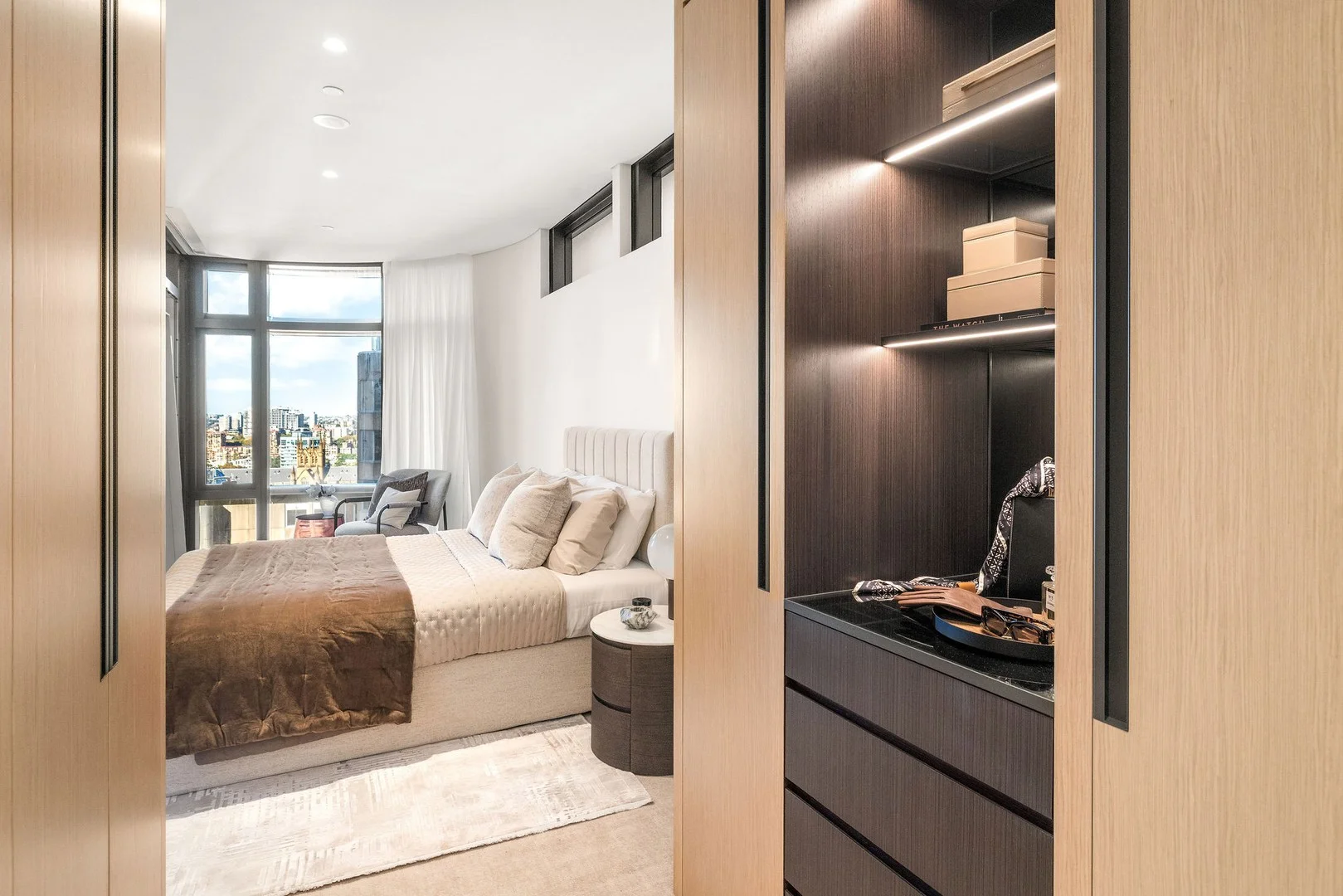
 $26,550,000
propertyType.NEW APARTMENTS / OFF THE PLAN
$26,550,000
propertyType.NEW APARTMENTS / OFF THE PLAN
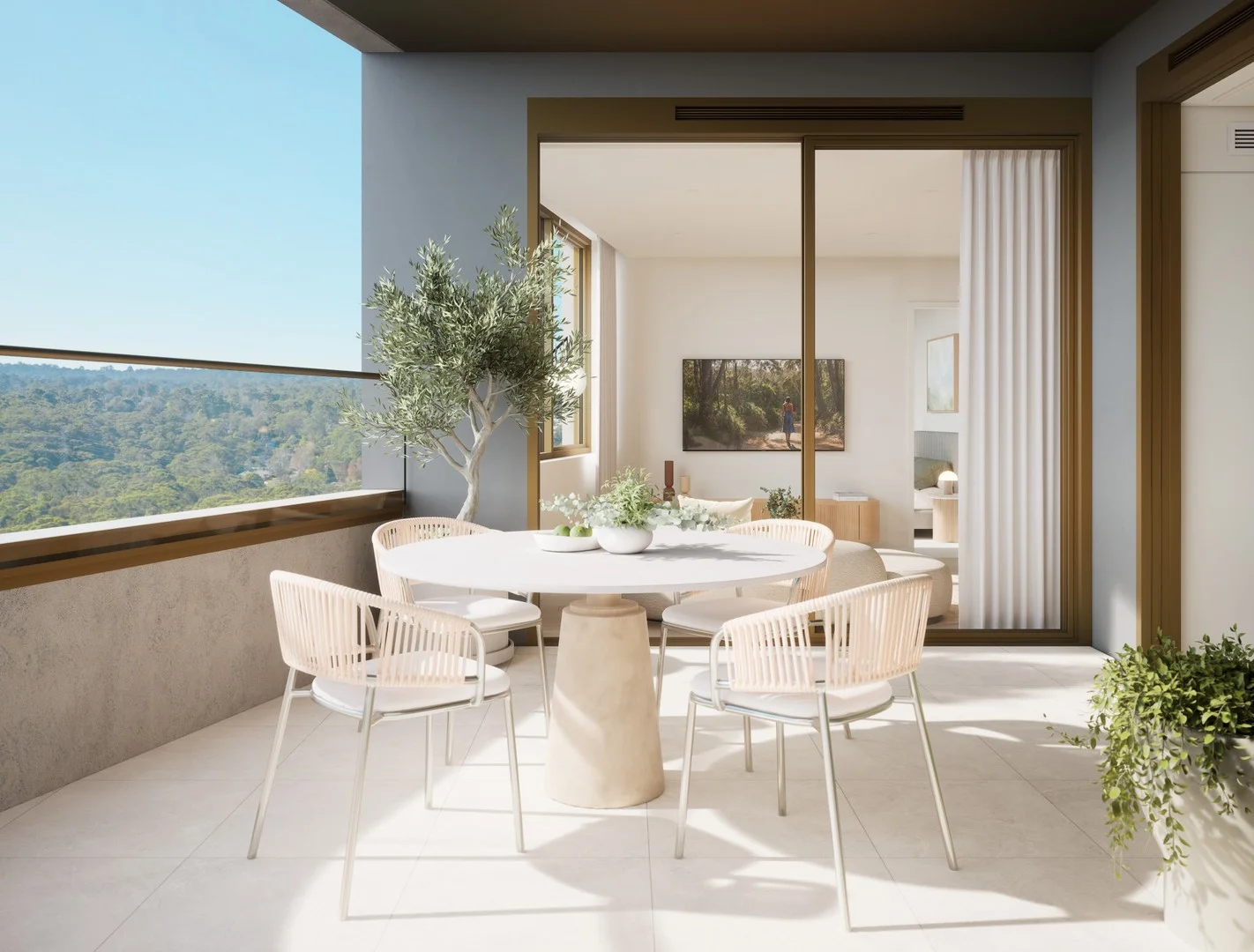
 $2,745,000
propertyType.NEW APARTMENTS / OFF THE PLAN
$2,745,000
propertyType.NEW APARTMENTS / OFF THE PLAN
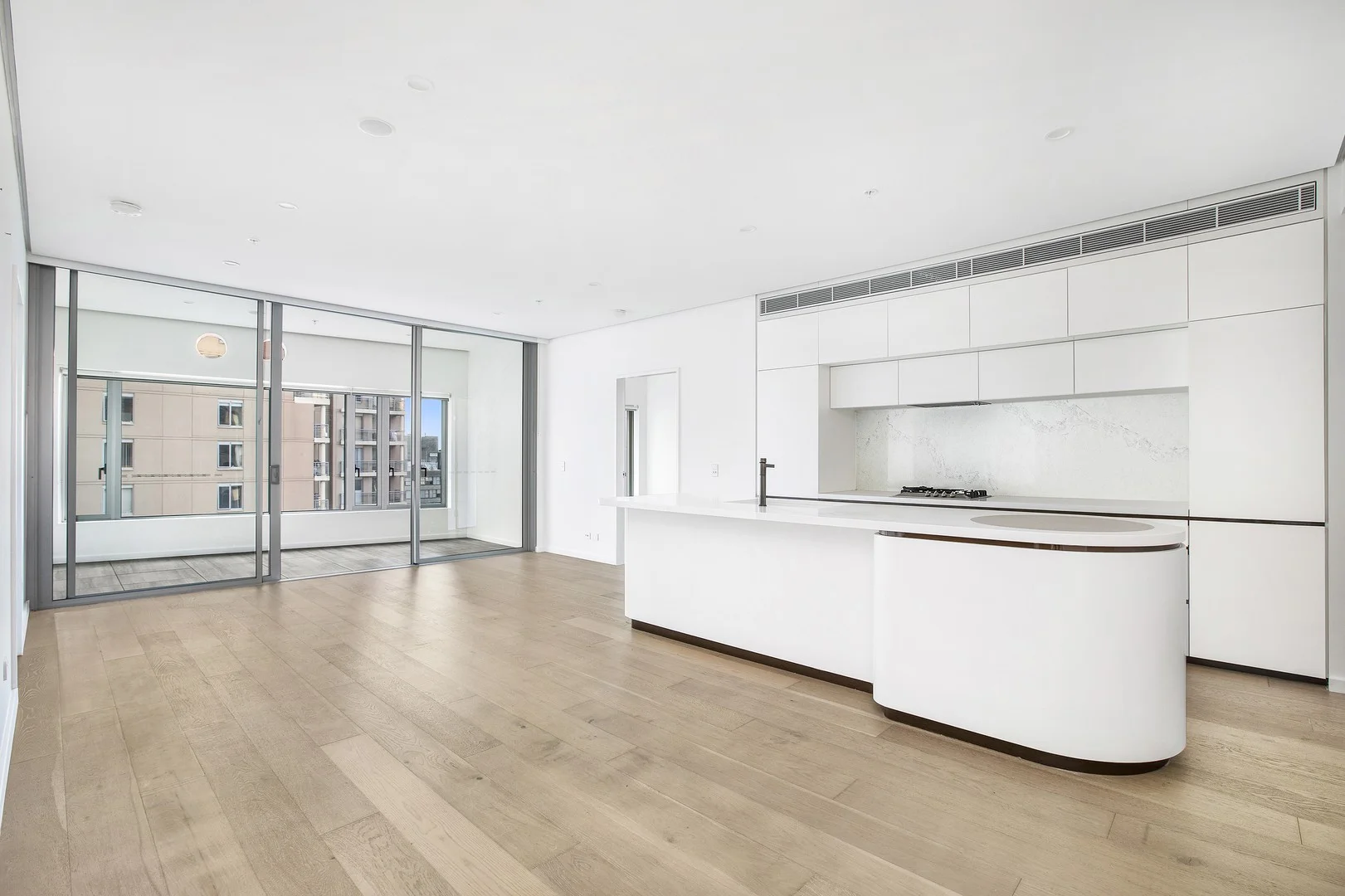
 $1,525,000
Apartment / Unit / Flat
$1,525,000
Apartment / Unit / Flat
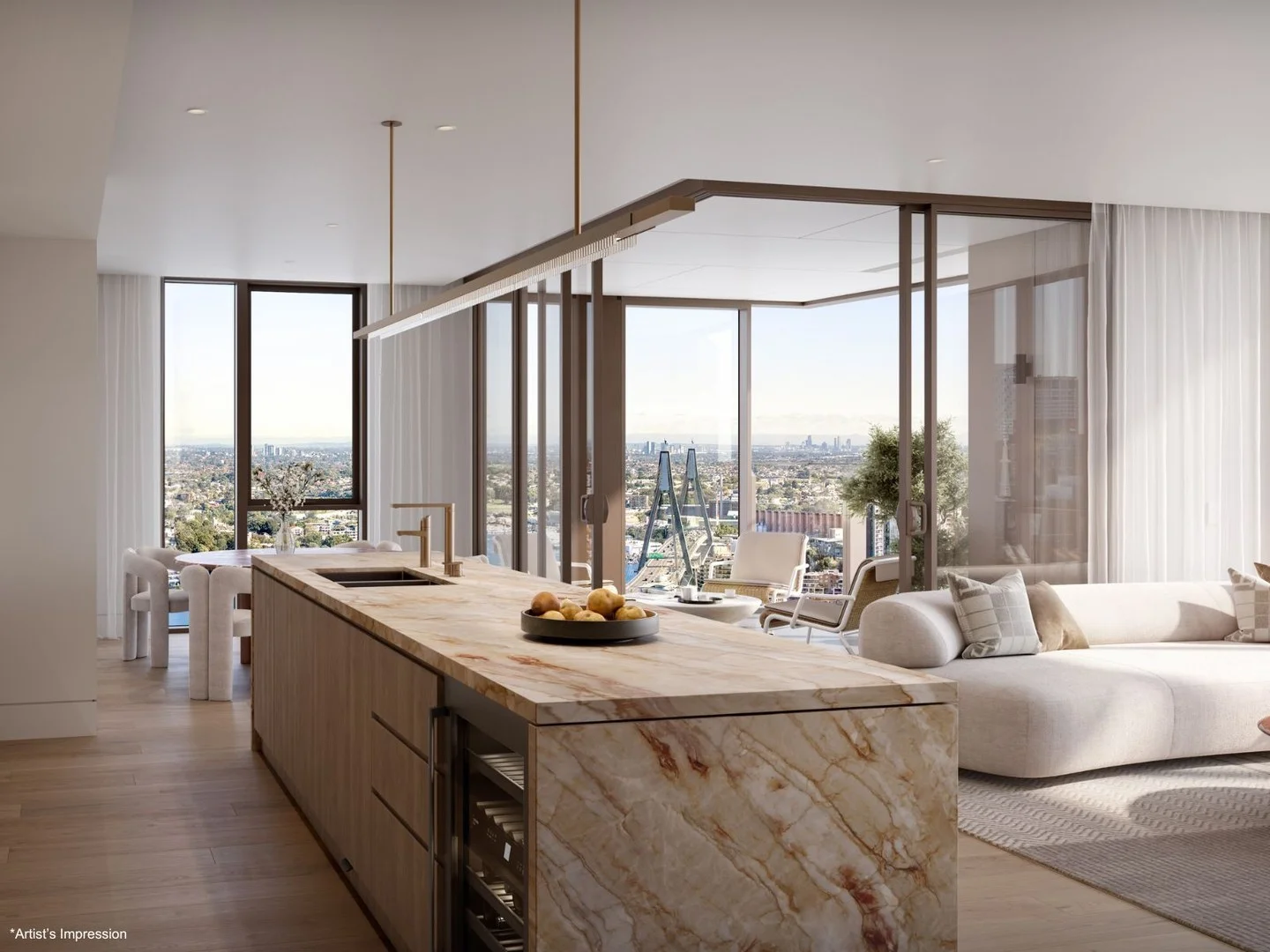
 $2,250,000
Apartment / Unit / Flat
$2,250,000
Apartment / Unit / Flat
 $9,020,000
propertyType.NEW APARTMENTS / OFF THE PLAN
$9,020,000
propertyType.NEW APARTMENTS / OFF THE PLAN
 $8,630,000
propertyType.NEW APARTMENTS / OFF THE PLAN
$8,630,000
propertyType.NEW APARTMENTS / OFF THE PLAN
 $12,980,000
propertyType.NEW APARTMENTS / OFF THE PLAN
$12,980,000
propertyType.NEW APARTMENTS / OFF THE PLAN
 $6,225,000
propertyType.NEW APARTMENTS / OFF THE PLAN
$6,225,000
propertyType.NEW APARTMENTS / OFF THE PLAN


