1. Overview
Aquinas College is a Catholic independent secondary day school located in Salter Point, Western Australia. It serves secondary students in Years 7–12 and combines faith-informed education with a focus on academic achievement, personal development and community service. The school fosters a welcoming, supportive culture where students are encouraged to grow, lead and contribute to their communities. Class sizes are designed to support personalized learning, and the atmosphere aims to balance high expectations with pastoral care and a strong sense of belonging.
⸻
2. Academics & Learning
- Academic strengths: Strong foundations in English and STEM, with opportunities for leadership development and a language program to broaden communication skills.
- Special programs: ATAR pathway support, opportunities for accelerated or enriched learning, and pathways into vocational education and training (VET) where available.
- NAPLAN trends: Steady to improving trends in Reading and Numeracy over recent years, with continued emphasis on student progress and benchmark attainment.
- Student-teacher ratios: Typical ratios around 1:14 to 1:18, supporting more targeted teaching and available classroom assistance.
- Support for diverse learners: Dedicated support for EAL and SEN through a learning support team, targeted intervention programs and inclusive practices to help all students succeed.
⸻
3. Sports & Extracurricular Strengths
- Sports offered: Rugby, cricket, Australian rules football, basketball, soccer, athletics, swimming and coaching across multiple levels.
- Strong teams or achievements: Competitive interschool teams with regional and state-level participation and accolades typical of a high-performing sports program.
- Music, arts, drama programs: Active music ensembles, choir and drama productions with opportunities for performance and collaboration.
- Clubs: Robotics, chess, coding, debating and various interest-based clubs to broaden technical and critical-thinking skills.
- Partnerships: Engagement with local sport academies and participation in interschool competitions and festivals, helping students test and extend their talents.
⸻
4. Wellbeing & Pastoral Care
- Anti-bullying approach: Clear policies and programs to promote safe, respectful environments; proactive education and reporting mechanisms.
- House system: A house-based framework to build belonging, teamwork and leadership opportunities through school events and mentoring.
- Counsellors / wellbeing officers: Access to school counsellors and wellbeing staff to support emotional, social and mental health needs.
- Transition support for new students: Induction programs, buddy systems and tailored transition activities to help new students settle in smoothly.
⸻
5. Facilities
- Sports grounds: On-site facilities to support team training and school-wide events.
- Libraries: Well-resourced library spaces to support reading, research and study.
- Science labs: Modern science laboratories for practical work and experiments.
- Music/performing arts centers: Dedicated spaces for music tuition, rehearsals and performances.
- Tech/innovation labs: Dedicated spaces for digital learning, coding, robotics and creative projects.
- Cafeteria: On-site dining facilities offering a range of meals and healthy options.
- Updated playgrounds: Safe, practical outdoor spaces for recreation and activity.
⸻
6. School Values & Community Culture
- School values / mission: A focus on faith, service, integrity, responsibility and respect; leadership development embedded in daily life.
- Leadership style: Collaborative and student-centered, with opportunities for student voice through councils, peer mentoring and leadership roles.
- Behaviour expectations: Clear code of conduct emphasizing respect, accountability and responsibility.
- Community reputation: Strong involvement with local communities and service initiatives; recognised for balancing academic effort with pastoral care.
- Diversity & inclusion: Commitment to inclusive education, respect for diverse backgrounds and equal access to opportunities.
⸻
7. School Logistics & Daily Operations
- School hours: Typical day runs from morning start through mid-afternoon with structured lessons and breaks.
- Before/after school care: Availability of supervised care or programs before and after school hours.
- Uniform requirements: Formal school uniform policy with guidance on dress codes for daily wear and special events.
- Transport (train/bus routes): Access to bus services and public transport routes serving the area and surrounding suburbs.
- Canteen availability: On-site canteen offering meal options and snacks for students.
- Fees (low/medium/high ranges): Fees are in the higher end of the spectrum for private Catholic education, with typical additional costs for activities and resources; exact figures available on request.
⸻
8. Enrolment & Admissions
11. What is the enrolment process and timeline?
- Applicants typically complete an enrolment form and submit required documents (birth/identity, past reports, immunisation).
- Schools often hold information sessions or open days; an initial expression of interest is followed by assessment and interview where applicable.
- The timeline can vary by year level and intake, with offers issued according to availability and priority criteria.
12. Is there a waiting list, and how does it work?
- Waiting lists are common in popular intake years. Applications placed on the waiting list are considered when vacancies arise, with offers made in order of application and any relevant intake priorities.
13. Are there any entry requirements, tests, or interviews?
- Entry requirements may include an application, interview, and where appropriate an assessment or a review of previous academic records. Catholic schools may ask for documentation related to eligibility or faith formation and may consider sibling priority or parish affiliation as part of placement.
14. Does the school accept mid-year transfers?
- Mid-year transfers are possible if a vacancy exists and if the enrolling student can meet entry requirements, provide appropriate academic records, and participate in the school’s orientation and onboarding process.
⸻
9. Frequently Asked Questions
- Why Parents Choose This School?
- A values-driven education that blends faith, character formation and strong academic standards with a supportive pastoral framework.
- What type of student thrives at this school?
- Students who value balance: commitment to academics, participation in sport or the arts, involvement in service to others and engagement in a caring school community.
- What opportunities are available for students to extend their skills (academics, sports, arts)?
- Extended learning through ATAR pathways, accelerated or enriched courses, sports teams, music ensembles, drama productions, robotics, coding and debating clubs, and leadership opportunities.
- How does the school communicate with parents?
- Regular newsletters, parent portals, emails and meetings; parent-teacher interviews and updates on student progress.
- What is the school’s approach to teaching and learning?
- Student-centered, differentiated instruction, integration of technology, evidence-based practices and ongoing assessment to support growth.
- How does the school support students who need extra academic help?
- Targeted interventions, learning support staff, EAL and SEN programs, and tailored plans to assist progress.
- What support is available for academic challenges?
- Access to tutors, counsellors, and learning support teams; proactive planning and monitoring of student progress.
- How does the school communicate with parents? (Repeated)
- See above: newsletters, portals, meetings, and direct updates on student progress.
- What are the class sizes and how much individual attention do students receive?
- Class sizes in the low-to-mid 20s, with additional teacher support and small-group intervention where needed.
- What extracurricular and sports opportunities are available?
- A broad range including team sports (rugby, cricket, basketball, football, etc.), arts, drama, robotics, chess, coding and debating clubs.
- What facilities does the school offer (sports, science, arts)?
- Modern facilities across sports grounds, libraries, science labs, performing arts spaces, tech/innovation labs and a convenient on-site canteen.
- What is the school’s approach to technology and digital learning?
- Integration of digital learning tools, access to devices and applicable software to support coursework and project-based learning.
- What transport and accessibility options are available?
- Bus routes and public transport options serve the area; on-site canteen and accessible facilities for daily operations.
- What are typical school fees or additional costs?
- Fees reflect a private Catholic education with annual costs plus potential extras for activities; specific figures available on request.
⸻
10. Short Pros & Cons list
Pros
- Strong faith-based environment with pastoral care and community ethos
- Balanced emphasis on academics, sport, arts and leadership
- Supportive learning environments for diverse learners
- Wide range of extracurricular activities and clubs
- Modern facilities that support science, technology and performing arts
Cons
- Fees are higher than public schools; costs can be a consideration for some families
- High demand may lead to waiting lists for certain year levels
- Competition for places in popular programs and teams
⸻











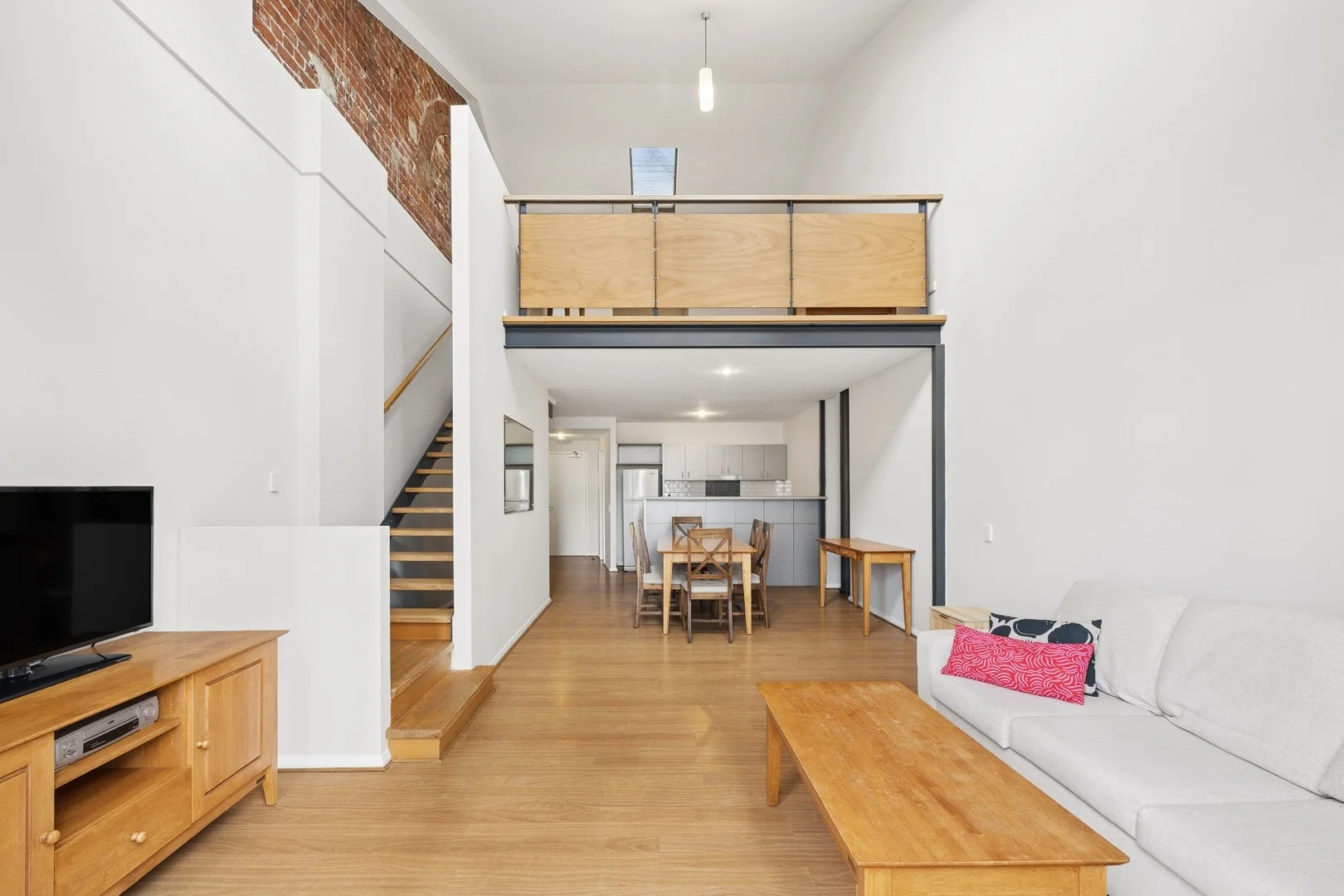 $549,000
Apartment / Unit / Flat
$549,000
Apartment / Unit / Flat
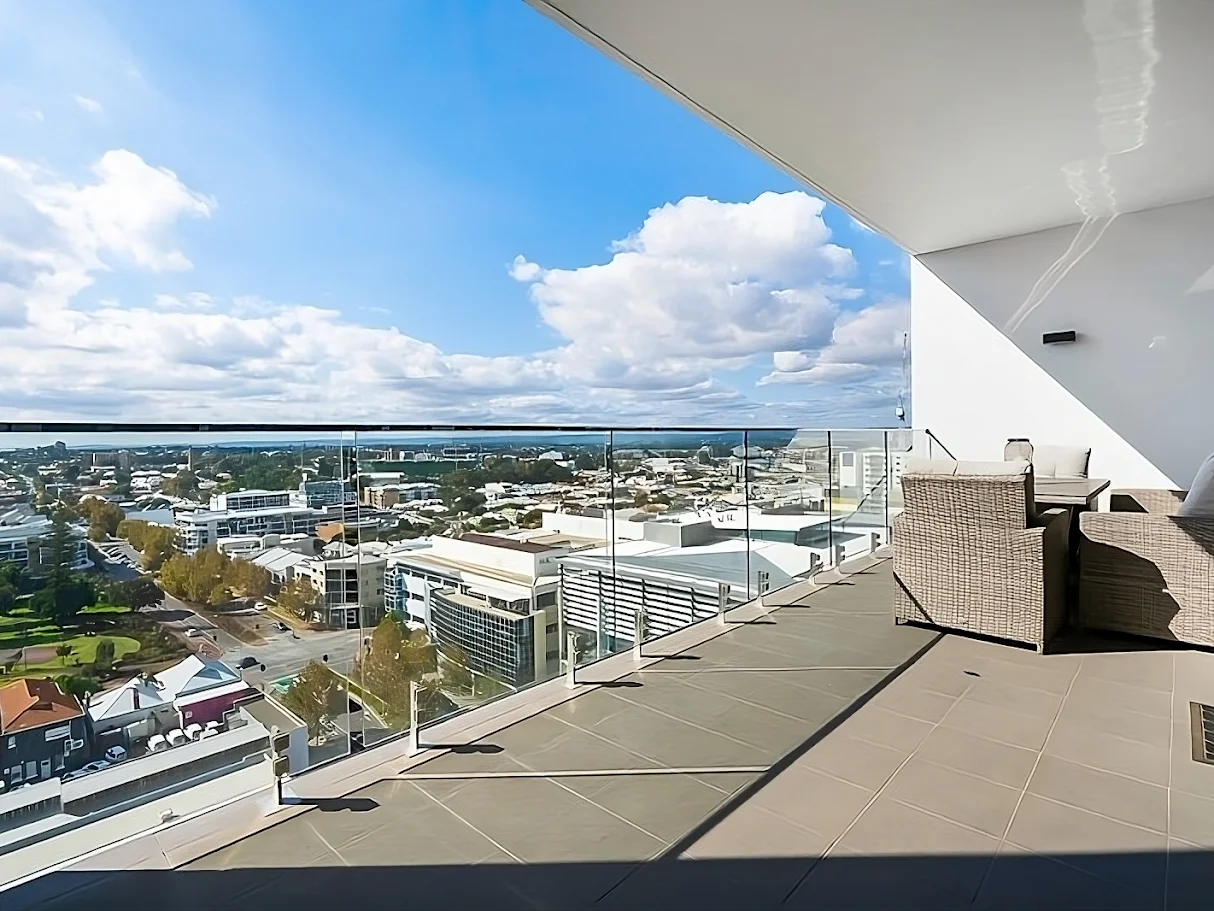 $580,000
Apartment / Unit / Flat
$580,000
Apartment / Unit / Flat
 $700,000
Apartment / Unit / Flat
$700,000
Apartment / Unit / Flat


