## 1. Overview
Como Secondary College is a public high school in the Como area of Perth, Western Australia, serving students in the upper primary to secondary range typical of WA public schools. As a Department of Education school, it focuses on delivering quality teaching and learning in a supportive, inclusive environment with access to a broad range of programs and facilities.
The school is medium to large in size, offering a diverse and vibrant learning community. Class sizes are typically within the mid-20s, enabling teachers to provide substantial instruction and support. The atmosphere blends strong academic ambition with a values-driven culture that emphasises inclusion, wellbeing, participation in sport and the arts, and student leadership.
---
## 2. Academics & Learning
- Academic strengths: Strong emphasis on STEM and English, with dedicated programs in maths, science, humanities, and language learning. Leadership development and opportunities across year levels are available to students pursuing broader skill-building.
- Special programs: Gifted and Talented opportunities, VET (Vocational Education and Training) options, and pathways that support students aiming for university entrance or technical/vocational routes. Enrichment and acceleration options are available where appropriate.
- NAPLAN trends: Public data typically show stable performance with gradual improvements in key literacy and numeracy areas over recent years, reflecting ongoing school-wide focus on fundamentals and targeted support.
- Student-teacher ratios: Generally favorable ratios that support classroom discussion and teacher access outside class time; typical secondary class sizes are in the low-to-mid 20s.
- Support for diverse learners: Strong EAL/D assistance and SEN support, with inclusive practices, learning support plans, and targeted interventions to help students progress.
---
## 3. Sports & Extracurricular Strengths
- Sports offered: A broad program including team sports such as basketball, football (soccer and Australian rules football where offered), cricket, netball, soccer, athletics, swimming, and cross-country.
- Strong teams or achievements: Competitive school teams participate in regional and state-level events; opportunities for students to contribute to successful squads across multiple sports.
- Music, arts, drama programs: Active music ensembles, choirs, and regular drama productions; strong performing arts presence and opportunities to participate in productions and concerts.
- Clubs: Robotics, coding, chess, debating, STEM clubs, languages clubs, and other student-led or teacher-facilitated groups.
- Partnerships: Engagements with local community groups, regional sport and arts bodies, and inter-school competitions to broaden experiences beyond the classroom.
---
## 4. Wellbeing & Pastoral Care
- Anti-bullying approach: Clear anti-bullying policies and programs, with proactive education and reporting mechanisms to create a safe school environment.
- House system: A house-based structure to foster belonging, leadership, teamwork, and friendly competition across year groups.
- Counsellors / wellbeing officers: A dedicated wellbeing team, including school counsellors and wellbeing staff, to support student mental health, transition, and everyday wellbeing.
- Transition support for new students: Induction programs, buddy systems, and orientation activities to help students settle into the school community smoothly.
---
## 5. Facilities
- Sports grounds: On-site playing fields and appropriate sport facilities to support a wide range of activities.
- Libraries: A library with resources to support learning, study, and reading for pleasure.
- Science labs: Modern science laboratories for biology, chemistry, physics, and related experiments.
- Music/performing arts centers: Dedicated spaces or facilities to practice, rehearse, and perform.
- Tech/innovation labs: Areas for technology, coding, robotics, and design projects.
- Canteen: On-site canteen offering a variety of healthy meal and snack options.
- Updated playgrounds: Well-maintained outdoor spaces for recreation and socialising.
---
## 6. School Values & Community Culture
- School values / mission: A culture anchored in respect, responsibility, inclusion, and excellence, with a focus on student growth and community contribution.
- Leadership style: Student-centred and collaborative, with opportunities for student voice and leadership through councils, clubs, and project work.
- Behaviour expectations: Clear codes of conduct and positive behaviour frameworks that recognise achievement and correct missteps constructively.
- Community reputation: Strong relationships with families and the local community, with a reputation for supportive staff and engaged student cohorts.
- Diversity & inclusion: Commitment to welcoming students from diverse backgrounds and ensuring equitable access to programs and opportunities.
---
## 7. School Logistics & Daily Operations
- School hours: Day typically runs from early morning through mid-afternoon, with start and finish times aligned to WA Department of Education schedules.
- Before/after school care: Options for before/after school care may be available through OSHC services or school-based arrangements.
- Uniform requirements: School uniform is required, with details provided by the school and uniform suppliers; uniforms help create a sense of belonging and school pride.
- Transport (train/bus routes): Accessible by public transport, with bus routes and nearby stops; guidance on transport options is provided by the school and DoE Transport authorities.
- Canteen availability: On-site canteen offering a range of meals and snacks during the school day.
- Fees (low/medium/high ranges): As a public school, there is no tuition fee; typical costs relate to uniforms, stationery, excursions, and additional program or activity fees.
---
## 8. Enrolment & Admissions
11. What is the enrolment process and timeline?
- Enrolment is managed through the WA Department of Education system and the school’s administration. Parents typically submit required documentation (proof of identity, residency, immunisation records) and complete the school’s enrolment forms. Timelines vary by intake and year level; early submission is encouraged and may be necessary for mid-year placements. Contact the school for current timelines and required documents.
12. Is there a waiting list, and how does it work?
- Some year levels may have waiting lists when capacity is reached. If a place becomes available, families on the waiting list may be offered enrolment based on priority, order of submission, and eligibility. Availability can fluctuate, so check with the school for the latest status.
13. Are there any entry requirements, tests, or interviews?
- Generally, WA public high schools do not require entrance tests. In some cases, there may be brief conversations or information gathering to support a smooth transition, especially for students transferring from another jurisdiction or for specific programs. Immunisation records and residency documentation are typically part of the enrolment process.
14. Does the school accept mid-year transfers?
- Mid-year transfers are considered where spaces exist. Applications for mid-year placement are assessed in consultation with the DoE and the receiving school, and timing depends on available capacity.
---
## 9. Frequently Asked Questions
- Why Parents Choose This School?
- A welcoming, inclusive community with strong academic programs, dedicated staff, and broad opportunities in sport, arts, and leadership.
- What type of student thrives at this school?
- Curious, motivated, and collaborative students who value both academics and wellbeing, and who seek involvement in clubs, teams, and leadership opportunities.
- What opportunities are available for students to extend their skills (academics, sports, arts)?
- STEM and English excellence tracks, Gifted & Talented options, VET pathways, university/ATAR preparation, sports teams, music ensembles, drama, debating, robotics, coding, and more.
- How does the school communicate with parents?
- Through newsletters, emails, a parent portal or information system, and regular parent-teacher interviews or information evenings.
- What is the school’s approach to teaching and learning?
- Student-centred, differentiated instruction, use of technology, project-based and inquiry learning to build critical thinking and problem-solving.
- How does the school support students who need extra academic help?
- Targeted learning support, tutoring programs, EAL/D assistance, SEN services, and intervention plans as needed.
- What support is available for academic challenges?
- Access to counselling, learning support staff, and referral pathways to external services if required.
- How does the school communicate with parents? (Repeats a common question)
- See above: newsletters, portals, emails, and parent-teacher conversations.
- What are the class sizes and how much individual attention do students receive?
- Class sizes are typically in the low-to-mid 20s, with teacher availability for feedback, guidance, and targeted support outside class time.
- What extracurricular and sports opportunities are available?
- A wide range of sports, music, arts, and clubs including robotics, coding, chess, debating, and more.
- What facilities does the school offer (sports, science, arts)?
- Sports grounds, libraries, science labs, music/performing arts spaces, tech/innovation labs, canteen, and updated outdoor facilities.
- What is the school’s approach to technology and digital learning?
- Integration of digital tools, online resources, and technology-rich teaching to enhance learning and digital literacy.
- What transport and accessibility options are available?
- Public transport access (bus routes and nearby stops), guidance on travel options, and accessible facilities.
- What are the typical school fees or additional costs?
- Public education has no tuition fees; costs relate to uniforms, stationery, trips, and optional extra-curricular activities.
---
## 10. Short Pros & Cons list
- Pros
- Public school with inclusive culture and broad program choices
- Strong academics across STEM, English, and leadership pathways
- Diverse extracurriculars (sports, arts, robotics, debating, etc.)
- Supportive wellbeing and pastoral care
- Modern facilities across science, tech, and performing arts
- Cons
- Large school environment can mean less personalised attention for some students
- Uniforms and some activity costs are required (as with many public schools)
- Availability of some programs may vary by year or intake and can involve waitlists
- Transport options require planning around public service schedules in the area
If you’d like, I can tailor any section with more specific language or reorganize content to fit a particular page layout.

 $23+
$23+









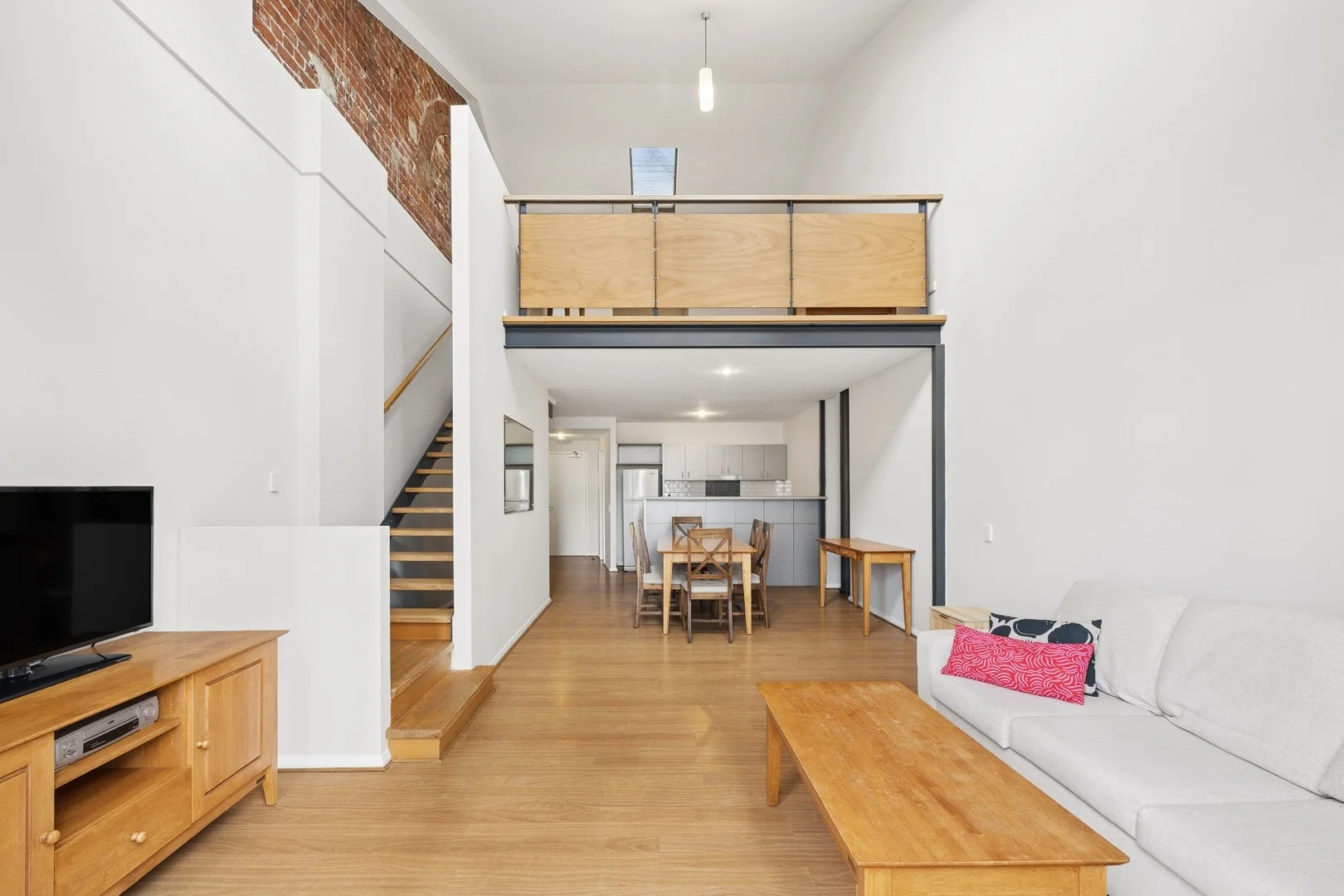 $549,000
Apartment / Unit / Flat
$549,000
Apartment / Unit / Flat
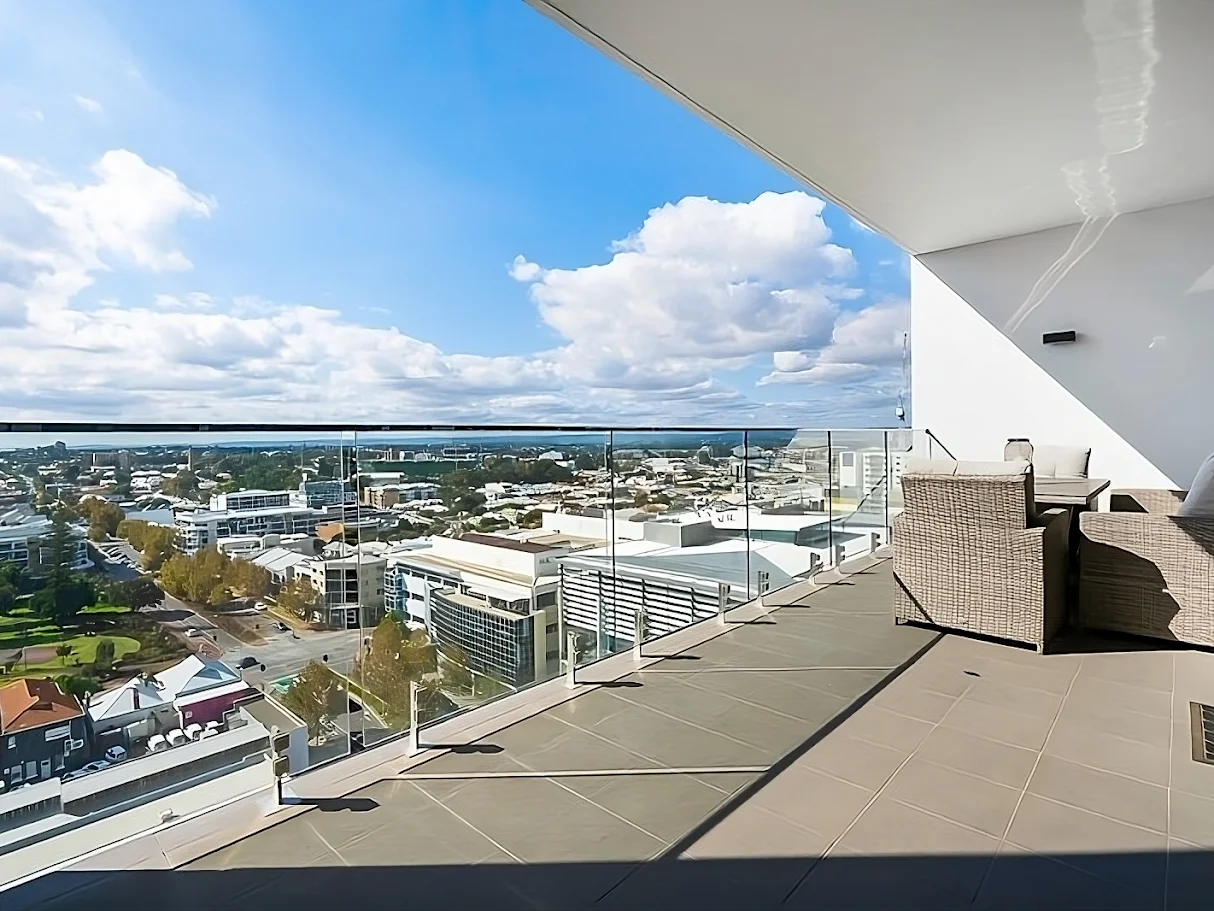 $580,000
Apartment / Unit / Flat
$580,000
Apartment / Unit / Flat
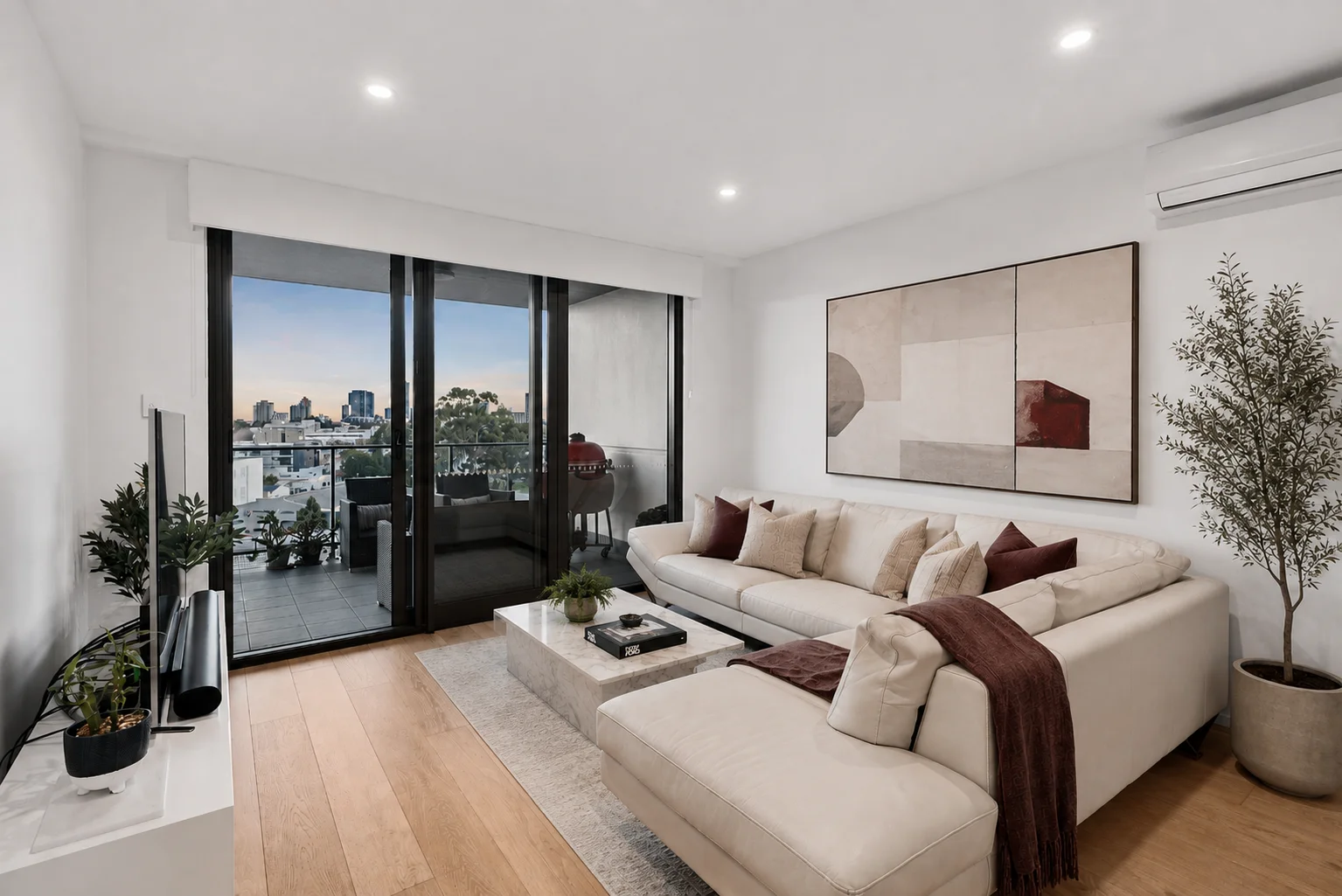 $700,000
Apartment / Unit / Flat
$700,000
Apartment / Unit / Flat