## 1. Overview
Manning Primary School is a public (government) primary school delivering a middle-sized, community-focused education in Manning, Western Australia. The school emphasises a safe, inclusive, and supportive environment where students are encouraged to participate and try new things.
- School type: Public
- School size: Medium
- Class size: Typically mid-20s (approximately 23–28 students per class)
- Atmosphere/culture: Inclusive, nurturing, and academically engaged with a strong sense of community
---
## 2. Academics & Learning
Manning Primary School aims to build strong foundations in literacy and numeracy while offering opportunities across STEM, arts, and languages. The school supports student voice and leadership through targeted programs and classroom practices.
- Academic strengths: Literacy and numeracy foundations; emphasis on STEAM, reading, writing, and critical thinking; opportunities to develop leadership and student voice
- Special programs: Gifted and Talented (where available), targeted extension activities, and initiatives to support creativity and inquiry
- NAPLAN / trends: Public records generally show year-to-year consistency and gradual improvement in literacy and numeracy across cohorts; the school monitors progress to tailor supports
- Student-teacher ratios: Around 1:20–1:26 in typical classrooms, with additional support staff for targeted programs
- Support for diverse learners: EAL support, SEN provisions, and differentiated teaching to meet varied learning needs
---
## 3. Sports & Extracurricular Strengths
Manning Primary offers a broad set of activities to engage students beyond the classroom, with a focus on teamwork, skill-building, and personal growth.
- Sports offered: Soccer/football, netball, cricket, basketball, athletics, swimming, and general physical education activities
- Strong teams or achievements: Active participation in interschool events with varying year-to-year success; emphasis on teamwork, participation, and sportsmanship
- Music, arts, drama: Instrumental music programs, choir or ensemble opportunities, school drama and performance activities
- Clubs: Robotics, chess, coding, debating and other interest-based clubs
- Partnerships: Connections with local clubs, community programs, and interschool competitions to extend learning and competition opportunities
---
## 4. Wellbeing & Pastoral Care
Wellbeing is a core focus to help students feel safe, respected, and motivated to learn.
- Anti-bullying approach: Whole-school strategies, respectful relationships education, and restorative practices to address issues
- House system: House groups to foster belonging, friendly competition, and community spirit
- Counsellors / wellbeing officers: Access to wellbeing support staff and coordinated wellbeing programs
- Transition support for new students: Orientation activities, buddy programs, and targeted support to ease transitions between year levels or from other schools
---
## 5. Facilities
Manning Primary School provides practical spaces designed to support learning, creativity, and physical activity.
- Sports grounds and outdoor spaces
- Libraries
- Science labs or dedicated science spaces
- Music/performing arts facilities
- Tech/innovation spaces or makerspaces
- Canteen or lunch facilities
- Updated playgrounds and outdoor learning areas
---
## 6. School Values & Community Culture
The school fosters a values-driven culture with clear expectations and a positive learning environment.
- School values / mission: Focus on respect, responsibility, inclusion, and resilience
- Leadership style: Distributed leadership with opportunities for student voice and teacher collaboration
- Behaviour expectations: Clear guidelines, restorative approaches, and consistent application across environments
- Community reputation: Strong connections with families and the broader Manning community
- Diversity & inclusion: Welcoming environment for students and families from diverse backgrounds
---
## 7. School Logistics & Daily Operations
Practical daily operations help families plan and participate in school life.
- School hours: School days run through the morning to mid/late afternoon with breaks; specifics are published by the school each year
- Before/after school care: OSHC or local providers commonly available to support families
- Uniform requirements: School uniform is required; details provided by the school
- Transport: Access to public transport routes and school-related transport options as available
- Canteen availability: On-site or nearby canteen services on designated days
- Fees: Public school fees are generally low to moderate (voluntary contributions and charges for certain activities or materials)
---
## 8. Enrolment & Admissions
11. What is the enrolment process and timeline?
- Submit an enrolment form with required documents (birth certificate, proof of address, immunisation records, etc.)
- Provide previous school reports or student records if transferring
- Complete any local placement or registration steps and attend any information sessions or orientation
12. Is there a waiting list, and how does it work?
- Some year levels or programs may have waiting lists depending on capacity and catchment rules
- Placement priorities are typically based on eligibility, proximity, and available vacancies
13. Are there any entry requirements, tests, or interviews?
- Entry tests are uncommon for standard enrolment; interviews may occur for specific programs or to discuss student needs and transition plans
14. Does the school accept mid-year transfers?
- Mid-year transfers are possible when vacancies exist; parents should contact the school to arrange records transfer and admissions steps
---
## 9. Frequently Asked Questions
- Why Parents Choose This School?
- A welcoming, inclusive community with a focus on core literacy and numeracy, supported by a range of programs and activities tailored to student growth.
- What type of student thrives at this school?
- Students who engage in a structured learning environment, enjoy teamwork, and participate in a variety of academic, sporting, and creative activities.
- What opportunities are available for students to extend their skills (academics, sports, arts)?
- Core extension through gifted and talented initiatives (where available), enrichment in STEAM, music programs, drama, coding and robotics clubs, and interschool sports.
- How does the school communicate with parents?
- Regular notices, newsletters, parent-teacher conferences, and digital communications to keep families informed about events and student progress.
- What is the school’s approach to teaching and learning?
- Student-centered learning with differentiated instruction, a focus on literacy and numeracy, and opportunities for inquiry, collaboration, and hands-on activities.
- How does the school support students who need extra academic help?
- Targeted interventions, small-group support, and access to specialist staff to assist with reading, writing, numeracy, and other needs.
- What support is available for academic challenges?
- Additional tutoring or tailored support plans, based on assessment and teacher recommendations.
- How does the school communicate with parents? (Repeated)
- See above: regular updates through newsletters, emails, and parent-teacher meetings.
- What are the class sizes and how much individual attention do students receive?
- Class sizes in the mid-20s are typical, with teacher differentiation and targeted support to meet individual needs.
- What extracurricular and sports opportunities are available?
- A broad range including sports (soccer, netball, basketball, athletics, etc.), music programs, drama, robotics, chess, coding, and debating clubs.
- What facilities does the school offer (sports, science, arts)?
- Sports grounds, libraries, science spaces, music/performing arts facilities, technology/innovation spaces, and a canteen.
- What is the school’s approach to technology and digital learning?
- Emphasis on digital literacy, integrated technology in learning, and opportunities for coding and digital projects.
- What transport and accessibility options are available?
- Public transport options and school-related transport arrangements where available; accessibility considerations addressed as part of school planning.
- What are the typical school fees or additional costs?
- Fees are generally modest for a public school; some elective activities and materials may incur costs.
---
## 10. Short Pros & Cons list
- Pros
- Public, family-focused environment with inclusive policies
- Solid literacy and numeracy foundations
- Broad range of extracurriculars and clubs
- Support for diverse learners and wellbeing
- Active parent-community connections
- Cons
- Class sizes, while typical for public primary schools, can vary by year level
- Availability of some programs may depend on yearly staffing and funding
- Some facilities access or program options may depend on grants or partnerships













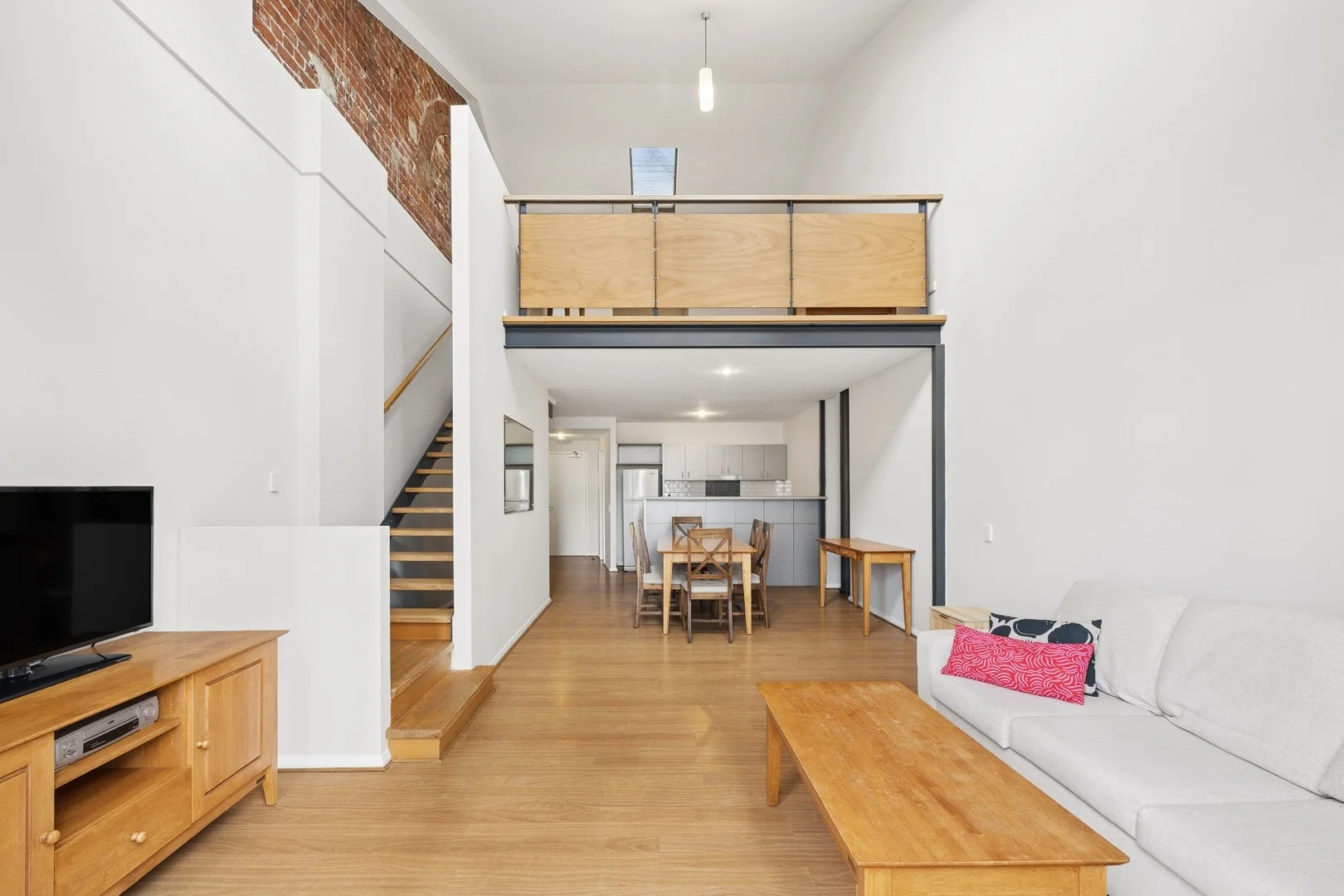 $549,000
Apartment / Unit / Flat
$549,000
Apartment / Unit / Flat
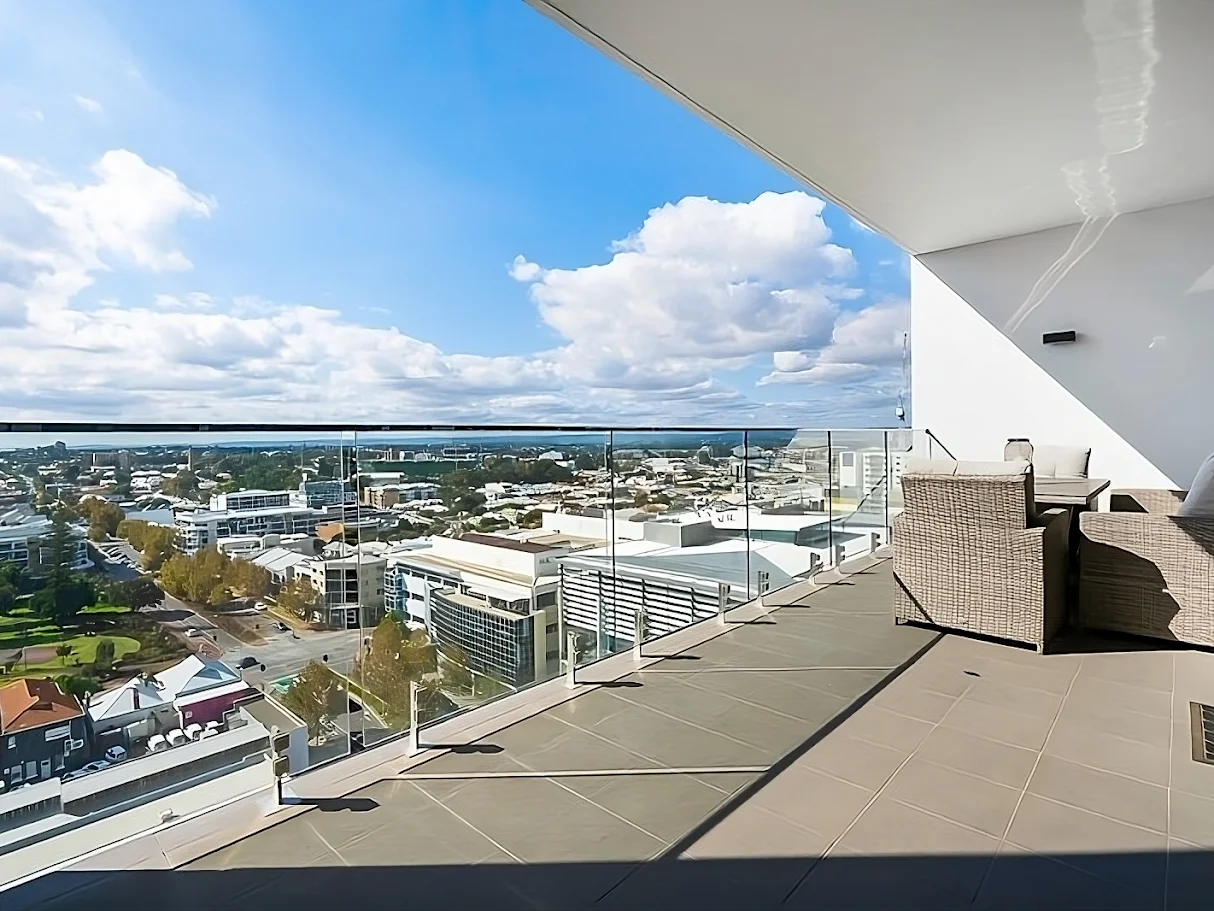 $580,000
Apartment / Unit / Flat
$580,000
Apartment / Unit / Flat
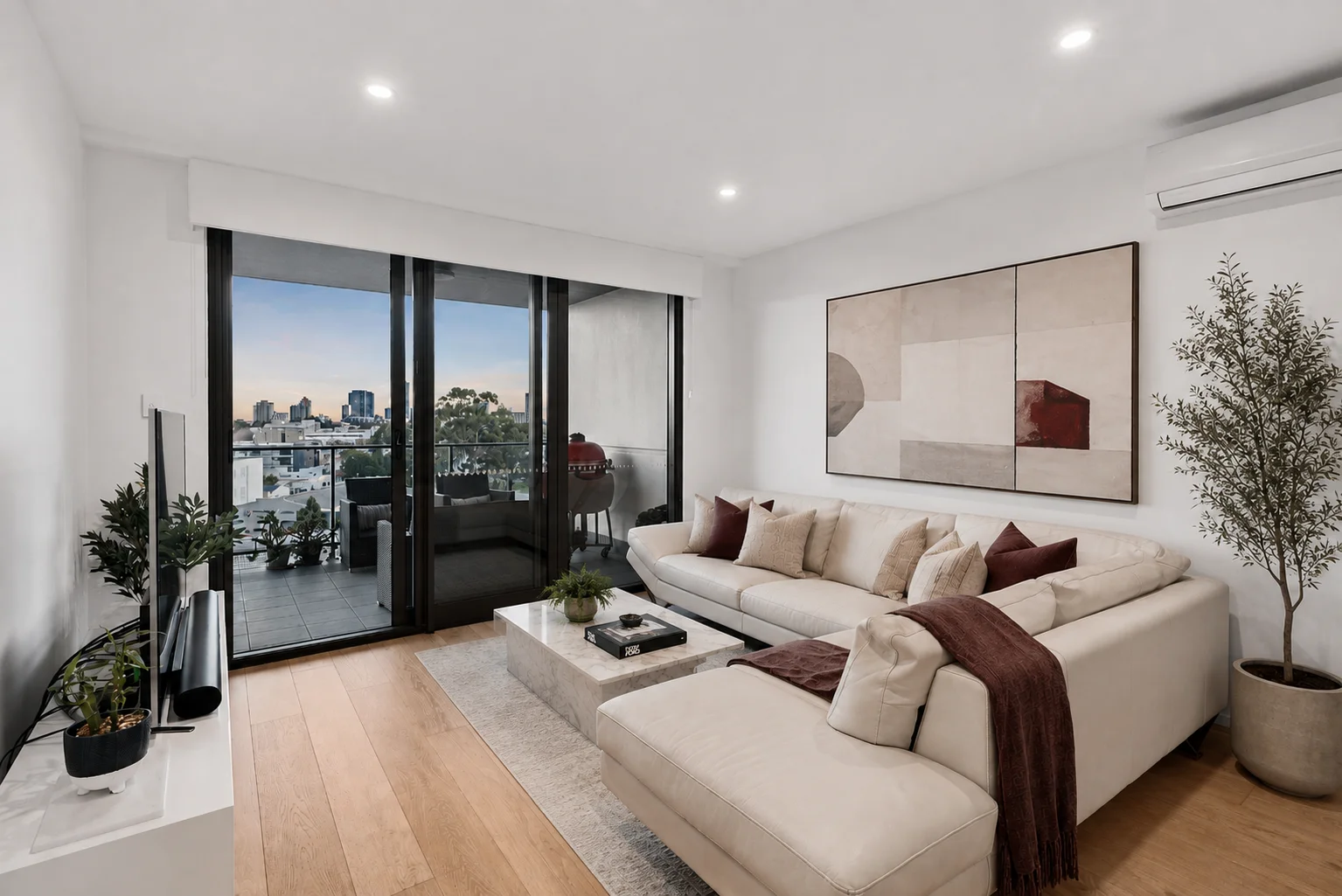 $700,000
Apartment / Unit / Flat
$700,000
Apartment / Unit / Flat


