## 1. Overview
St Pius X School is a Catholic (private) primary school that typically serves boys and girls in the early years through to the upper primary grades. The school is medium-sized, offering a close-knit community where families, staff, and students work together to support learning and faith formation. Class sizes are generally in the mid-20s, supporting a nurturing yet academically focused atmosphere. The culture emphasizes inclusivity, faith-based values, and a collaborative approach to education, with an emphasis on character development, service, and school spirit.
## 2. Academics & Learning
- Academic strengths: The school tends to prioritise strong literacy and numeracy foundations, with opportunities to engage in STEM activities, the arts, and digital learning. Religious education is integrated with the broader curriculum to reinforce values-based learning and character development.
- Special programs: The school may offer gifted and talented or accelerated-learning options and leadership opportunities as part of a broader curriculum. Parents should check the current offerings for a given year.
- NAPLAN / trends: Public data on trends is not always publicly published here; in many WA Catholic schools, trends show steady progress in reading and numeracy over multiple years. For exact trend information, contact the school directly.
- Student-teacher ratios: Typically, the ratio falls in the vicinity of 1:18 to 1:22, varying by year level and staffing.
- Support for diverse learners: The school usually provides support for diverse learners, including EAL (English as an Additional Language) and SEN (Special Educational Needs) through learning support staff, targeted interventions, and inclusive practices.
## 3. Sports & Extracurricular Strengths
- Sports offered: The school commonly offers a range of primary-level sports such as soccer, netball, basketball, and athletics, with inclusion for swimming programs and cross-country events where applicable.
- Strong teams or achievements: There are active intra- and inter-school programs; participation in local competitions and events is typical, with opportunities for team-based achievements and representative selections where available.
- Music, arts, drama programs: A strong performing arts and music program is often available, including school ensembles, choir, and opportunities to participate in drama and productions.
- Clubs: Robotics, coding, chess, debating, and other after-school clubs are commonly offered to extend learning beyond the classroom.
- Partnerships: The school may engage with local community organisations, sports academies, and inter-school competitions to provide broader opportunities for students.
## 4. Wellbeing & Pastoral Care
- Anti-bullying approach: A proactive wellbeing framework with anti-bullying education and restorative practices helps foster a safe environment.
- House system: A house structure supports belonging, leadership, and healthy competition among students.
- Counsellors / wellbeing officers: Access to wellbeing staff or school counsellors to support student mental health and wellbeing is typical.
- Transition support for new students: Orientation programs, buddy systems, and targeted transition support help new students settle in smoothly.
## 5. Facilities
- Sports grounds: Well-maintained playing fields or courts for outdoor activity.
- Libraries: A school library supporting literacy and inquiry-based learning.
- Science labs: Dedicated spaces for science experiments and hands-on learning.
- Music/performing arts centers: Facilities to support music education and drama activities.
- Tech/innovation labs: spaces for digital learning, coding, and creative projects.
- Cafeteria: On-site canteen or lunch facilities.
- Updated playgrounds: Modernized play areas to support active play and recreation.
## 6. School Values & Community Culture
- School values / mission: Catholic faith-based values such as respect, compassion, service, integrity, and social responsibility are central to school life.
- Leadership style: A student-inclusive leadership approach with teacher guidance, student voice opportunities, and a collaborative culture.
- Behaviour expectations: A positive-behaviour framework emphasizes respect, responsibility, and kindness.
- Community reputation: The school typically enjoys a supportive, faith-filled community with active parental involvement and a welcoming atmosphere.
- Diversity & inclusion: The school aims to be inclusive, welcoming students from diverse backgrounds and needs.
## 7. School Logistics & Daily Operations
- School hours: Standard primary school hours with the school day starting in the morning and finishing in the afternoon.
- Before/after school care: After-school supervision or care options are commonly available, sometimes via in-house programs or partnerships.
- Uniform requirements: School uniform guidelines apply, with clear expectations for daily wear and any required accessories.
- Transport (bus routes): Transport options, including school buses or public transport routes, are typically available or accessible depending on local networks.
- Canteen availability: A canteen or lunch program is usually available on school days.
- Fees (low/medium/high ranges): Fees are in the medium range for many WA Catholic primary schools, with additional costs for camps, activities, and electives. Exact amounts vary by year and program.
## 8. Enrolment & Admissions
11) What is the enrolment process and timeline?
- The process generally involves submitting an enrolment application, providing required documents (e.g., birth certificate, baptism certificates where relevant, immunisation records), and completing any school-specific forms. There is typically a feedback period during which families are kept informed about availability, interviews, or tours. Timelines vary by year level and enrolment demand, so it’s best to contact the school’s enrolments office for a current timeline.
12) Is there a waiting list, and how does it work?
- Many WA Catholic schools maintain a waiting list when year levels are full. Families can register their interest, and places are offered based on availability, date of application, sibling attendance, and parish or community considerations. The length of time on a waiting list can vary.
13) Are there any entry requirements, tests, or interviews?
- Entry often involves an interview or informal meeting, school tour, or assessment to understand readiness and fit. Some programs (e.g., gifted and talented, language support) may have additional requirements. Religious affiliation may involve parish-related confirmations; however, mainstream enrolment typically focuses on academic readiness and fit.
14) Does the school accept mid-year transfers?
- Mid-year transfers are sometimes possible if vacancies exist, subject to the school’s enrolment policies and readiness of the receiving class. Families seeking a mid-year transfer should contact the enrolments office promptly to discuss options and required steps.
## 9. Frequently Asked Questions
- Why Parents Choose This School?
- A combination of faith-based values, a supportive community, solid academics, and a well-rounded program with opportunities in sports, arts, and clubs.
- What type of student thrives at this school?
- Students who are engaged, community-minded, respectful, and curious, with a willingness to participate in both academics and co-curricular activities.
- What opportunities are available for students to extend their skills (academics, sports, arts)?
- Access to extended learning through clubs (robotics, coding, chess, debating), music and drama programs, sports teams, leadership opportunities, and possibly gifted/accelerated options.
- How does the school communicate with parents?
- Through regular newsletters, a parent portal or app, emails, and scheduled information evenings or meetings. Some schools use online systems to share updates, reminders, and student progress.
- What is the school’s approach to teaching and learning?
- A balanced, student-centered approach that integrates faith-based values with core academics, inquiry-based learning, differentiated instruction, and opportunities for collaboration.
- How does the school support students who need extra academic help?
- Targeted learning support, EAL assistance, reading or numeracy intervention, and in-class differentiation guided by specialists or trained staff.
- What support is available for academic challenges?
- Access to learning support staff, tutoring or remediation programs, and collaboration with families to create individualized support plans.
- How does the school communicate with parents? (Repeated)
- See above: newsletters, portals, emails, and parent evenings.
- What are the class sizes and how much individual attention do students receive?
- Class sizes typically range in the low-to-mid 20s, with teachers differentiating instruction and providing targeted support; some year levels may have additional aides.
- What extracurricular and sports opportunities are available?
- A range of sports (e.g., soccer, netball, basketball, athletics), music and drama programs, and clubs such as robotics, coding, chess, and debating.
- What facilities does the school offer (sports, science, arts)?
- Sports grounds or courts, library, science labs, music/performing arts facilities, tech/innovation spaces, a canteen, and updated playgrounds.
- What is the school’s approach to technology and digital learning?
- A focus on digital literacy and responsible use, with access to devices, interactive learning tools, and integrated technology in lessons where appropriate.
- What transport and accessibility options are available?
- Information on bus routes or public transport access, along with convenient drop-off/pick-up options and parking; accessibility considerations are typically addressed in orientation materials.
- What are the typical school fees or additional costs?
- Fees are generally in the medium range for WA Catholic primary schools, with additional costs for camps, excursions, and elective or specialist programs. Exact figures vary by year and program; confirm with the school for current amounts.
## 10. Short Pros & Cons list
- Pros
- Strong faith-based community with values-based learning
- Moderate class sizes fostering individual attention
- Broad range of co-curriculars (sports, arts, clubs)
- Supportive wellbeing and pastoral care
- Inclusive learning environment with diverse learners
- Cons
- As a private Catholic school, tuition fees apply
- Availability of specific programs (e.g., gifted and talented) may vary by year
- Some specialty programs or activities may have limited places or require waitlists
Note: The details provided reflect typical features of St Pius X School in this region and are intended as a guide for prospective families. For current, exact specifics—enrolment steps, class sizes, facilities, fees, and program offerings—please consult the school directly or visit their official communications.
 $23+
$23+











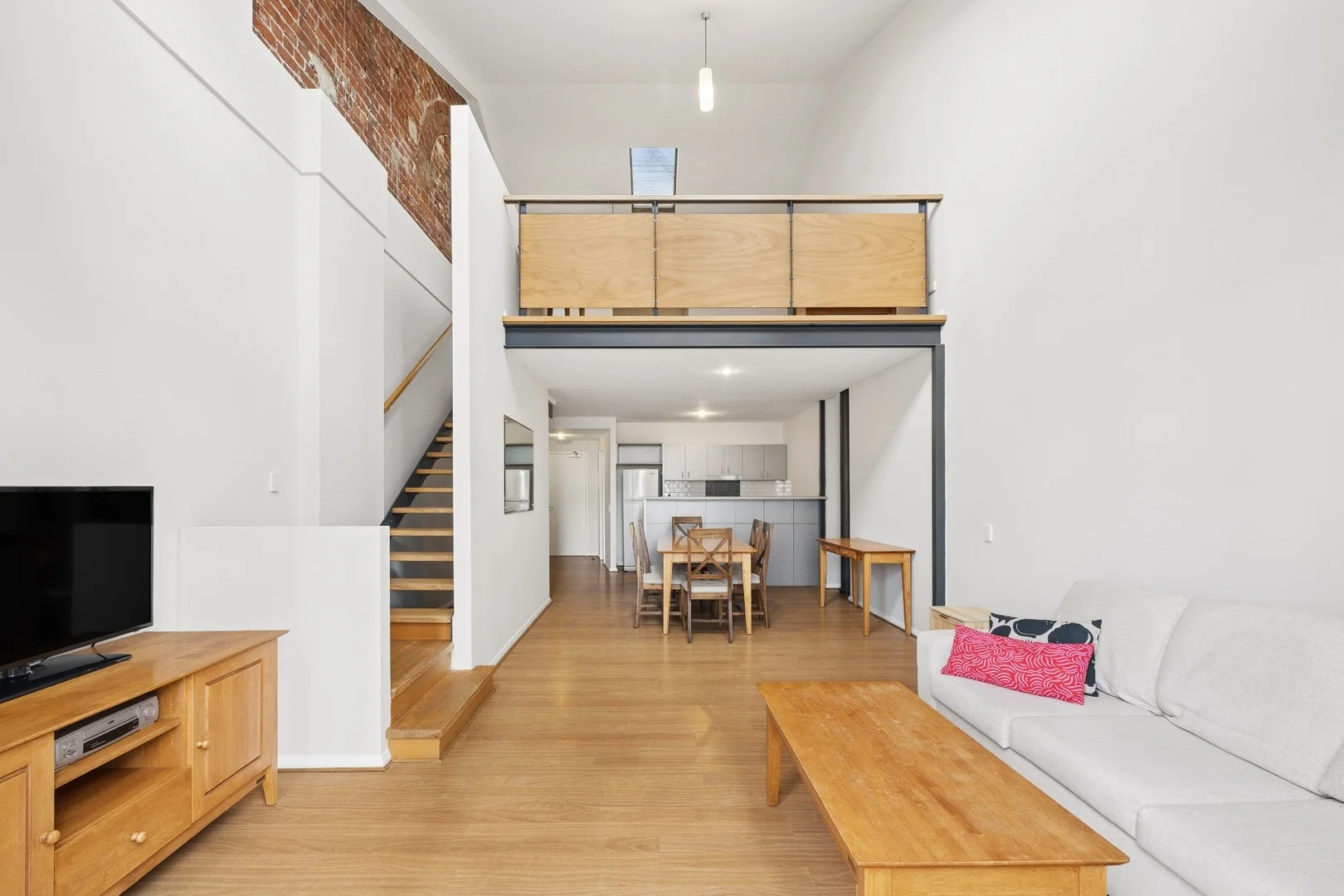 $549,000
Apartment / Unit / Flat
$549,000
Apartment / Unit / Flat
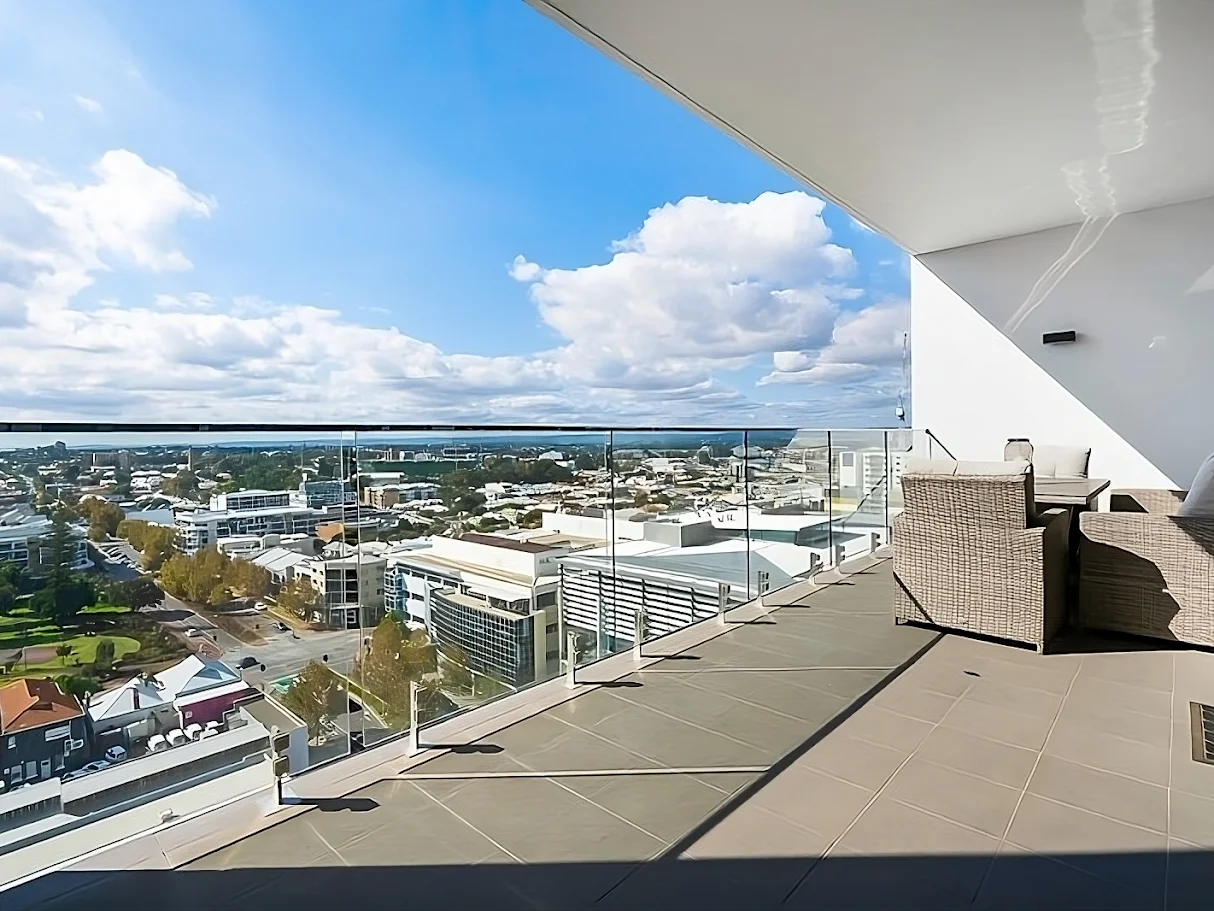 $580,000
Apartment / Unit / Flat
$580,000
Apartment / Unit / Flat
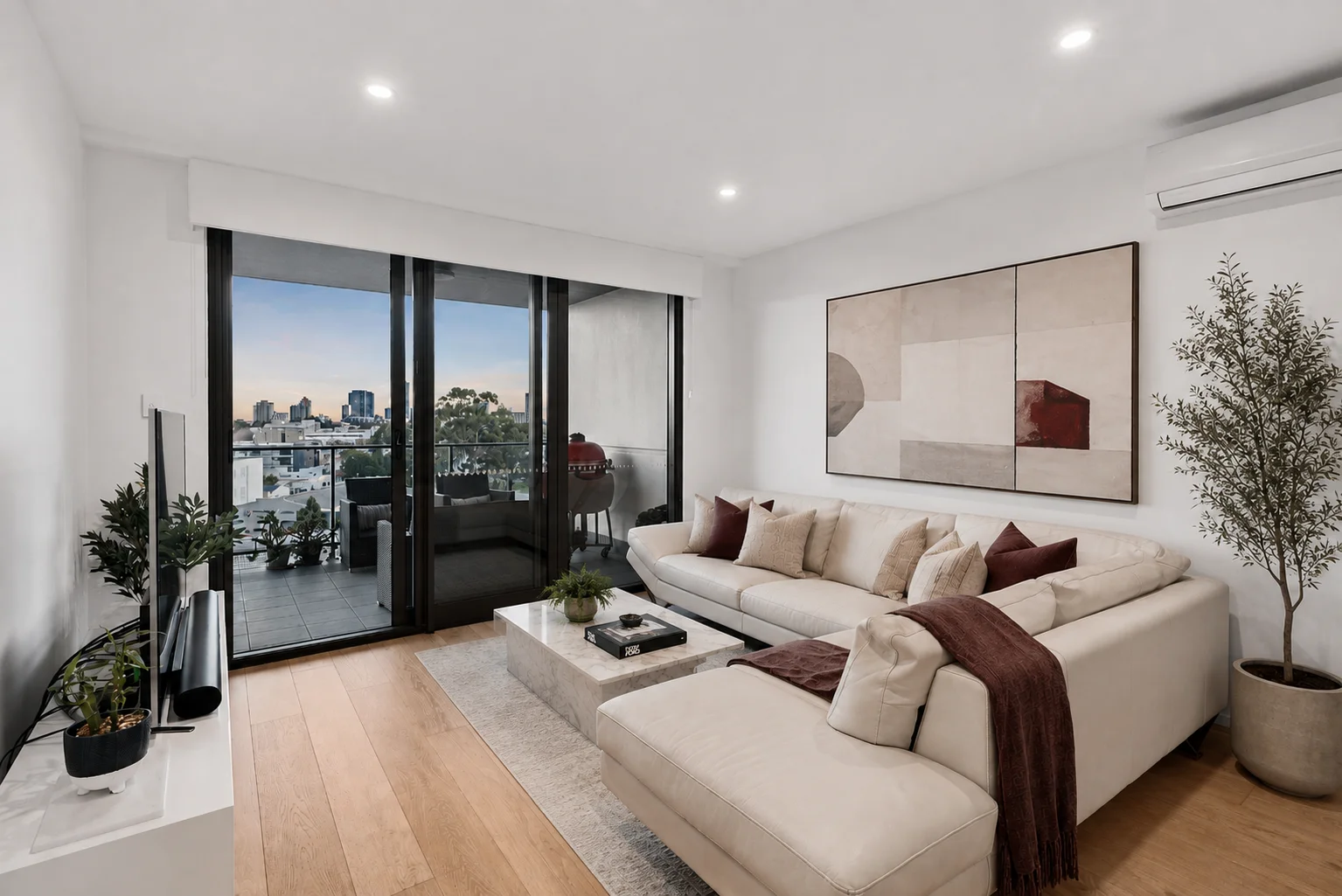 $700,000
Apartment / Unit / Flat
$700,000
Apartment / Unit / Flat


