## 1. Overview
Belmont Primary School is a public, co-educational primary school serving the Belmont community in Victoria. The school is a medium-sized campus with a diverse student body, focused on delivering solid literacy and numeracy foundations in a supportive environment. Class sizes are typically around the mid-20s, allowing teachers to give students individual attention while enabling collaborative learning.
The atmosphere at Belmont Primary is inclusive and nurturing, balancing academic expectations with strong emphasis on student wellbeing, community involvement, and practical learning experiences.
---
## 2. Academics & Learning
- Academic strengths: Strong literacy and numeracy foundations, with a growing emphasis on STEM and digital technologies. English and mathematics are core strengths, supported by enquiry-based science and integrated learning opportunities.
- Special programs: Leadership opportunities for students, STEM/tech initiatives, and extension activities for gifted and talented students where available.
- NAPLAN trends: Over recent years, the school has shown steady improvement in reading and numeracy, with consistent performance in writing and overall trends moving upward or remaining strong across year levels.
- Student-teacher ratios: Approximately 1:20 to 1:23 across the school, with variations by year level to support targeted instruction.
- Support for diverse learners: EAL support and SEN coordination are available, with individualized learning plans and inclusive education approaches to help diverse learners succeed.
---
## 3. Sports & Extracurricular Strengths
- Sports offered: Athletics, cricket, soccer, netball, basketball, Australian rules football, swimming and other district-relevant activities are typically part of the program.
- Strong teams or achievements: Interschool competition participation with opportunities to compete at district level; some teams achieve medals or advance in regional events.
- Music, arts, drama programs: School choir or vocal groups, instrumental lessons, and regular arts or drama performances and concerts as part of the yearly calendar.
- Clubs: Robotics, chess, coding, and debating are common extracurricular options to extend student interests beyond core learning.
- Partnerships: Connections with local clubs, sporting and arts organizations, and regional competitions to broaden scope beyond the classroom.
---
## 4. Wellbeing & Pastoral Care
- Anti-bullying approach: Clear anti-bullying policies, whole-school programs, and restorative practices, with regular assemblies and peer-support initiatives.
- House system: A house-based structure to foster belonging, teamwork, and healthy competition through events and activities.
- Counsellors / wellbeing officers: On-site wellbeing staff or access to school-based support services to help students with social, emotional, and mental health needs.
- Transition support for new students: Orientation sessions, buddy programs, and targeted supports to help new students settle in smoothly.
---
## 5. Facilities
- Sports grounds
- Libraries
- Science labs
- Music/performing arts centers
- Tech/innovation labs
- Cafeteria
- Updated playgrounds
Facilities are designed to support a balanced curriculum with spaces for active learning, creative arts, and digital learning, while providing safe, well-maintained environments for students.
---
## 6. School Values & Community Culture
- School values / mission: Emphasis on respect, resilience, inclusion, and integrity as guiding principles for student behavior and learning.
- Leadership style: Collaborative and distributed, with opportunities for student voice and teacher leadership to influence school initiatives.
- Behaviour expectations: Clear codes of conduct and positive behavior support systems that reinforce respectful, responsible, and safe conduct.
- Community reputation: Generally regarded as a welcoming, family-friendly school with a focus on wellbeing, inclusion, and active parent involvement.
- Diversity & inclusion: Commitment to welcoming students from diverse backgrounds and providing supports to families with different needs or language backgrounds.
---
## 7. School Logistics & Daily Operations
- School hours: Typical day runs from around 9:00 am to 3:30 pm, with supervision and preparatory times before school.
- Before/after school care: Availability of after-school care through school-supported programs or approved providers.
- Uniform requirements: Uniforms are typically required; seasonal options and sports uniform on designated days.
- Transport (train/bus routes): Access to local bus routes and walking/biking options; specifics depend on the surrounding transport network and annual routes.
- Canteen availability: Canteen services or lunch orders are usually available, with daily or on-site options.
- Fees (low/medium/high ranges): As a public school, fees are generally in the low-to-medium range, with additional costs for excursions, special programs, or extra activities.
---
## 8. Enrolment & Admissions
11. What is the enrolment process and timeline?
- Check eligibility and obtain the school’s current enrolment information.
- Submit an application along with required documents (proof of residency, birth certificate/immunisation records, etc.).
- The timeline typically includes intake for Prep at the start of the school year; for other year levels, enrolments are processed as vacancies arise.
- Offers of placement are made in line with space and policy priorities; orientation sessions are held for new families.
12. Is there a waiting list, and how does it work?
- Waiting lists are common when the school is at capacity. Places are allocated based on space availability and enrolment policies, with priority given to eligible families and other defined categories.
13. Are there any entry requirements, tests, or interviews?
- Most primary schools in Victoria do not require formal entrance exams. Some readiness checks or short conversations may occur for transitional purposes, but there is typically no rigid testing for entry.
14. Does the school accept mid-year transfers?
- Mid-year transfers are possible subject to space and eligibility. Parents should contact the school early to discuss availability and required documentation.
---
## 9. Frequently Asked Questions
- Why Parents Choose This School?
- A welcoming, inclusive culture with a focus on wellbeing, strong literacy and numeracy foundations, solid teacher support, and a range of engaging programs.
- What type of student thrives at this school?
- Students who engage in a balanced approach to learning, enjoy collaborative activities, and respond well to a supportive, well-being–focused environment.
- What opportunities are available for students to extend their skills (academics, sports, arts)?
- Access to leadership roles, STEM/tech initiatives, extended learning opportunities, sport teams, music and drama programs, and various clubs such as robotics, chess, coding, and debating.
- How does the school communicate with parents?
- Regular newsletters, emails, parent-teacher meetings, and digital platforms for updates on learning progress, events, and school notices.
- What is the school’s approach to teaching and learning?
- A student-centered, evidence-informed approach that emphasizes literacy and numeracy, inquiry-based learning, and differentiated instruction to meet diverse needs.
- How does the school support students who need extra academic help?
- Targeted literacy and numeracy interventions, EAL and SEN support, and learning plans tailored to individual student needs.
- What support is available for academic challenges?
- Access to specialist staff, small-group and one-on-one instruction, and collaboration with families to implement effective supports.
- How does the school communicate with parents? (Duplicate)
- See above; via newsletters, emails, meetings, and digital platforms.
- What are the class sizes and how much individual attention do students receive?
- Class sizes typically in the low-to-mid 20s, with teacher planning and small-group work to provide individualized attention and supports.
- What extracurricular and sports opportunities are available?
- A range of sports (e.g., athletics, team sports, swimming), plus clubs in robotics, chess, coding, debating, and arts programs.
- What facilities does the school offer (sports, science, arts)?
- Sports grounds, libraries, science labs, music/performing arts spaces, tech/innovation labs, canteen, and updated playgrounds.
- What is the school’s approach to technology and digital learning?
- Integration of digital technologies to support learning, with access to devices and targeted tech programs as part of the curriculum.
- What transport and accessibility options are available?
- Local bus routes and walking/biking access, with school facilities designed to be accessible to all students.
- What are the typical school fees or additional costs?
- Public school base fees are generally modest; additional costs may include excursions, clubs, and some equipment or activity fees.
---
## 10. Short Pros & Cons list
- Pros
- Inclusive, wellbeing-focused culture with strong community engagement
- Solid literacy and numeracy foundations with varied learning supports
- Wide range of extracurriculars (sports, arts, clubs)
- Strong emphasis on student leadership and inclusive education
- Access to modern facilities and practical learning spaces
- Cons
- Enrollment can be competitive; waiting lists may apply
- Class sizes mid-range rather than small
- Uniform and certain activity costs can add to yearly expenses
- Transport options depend on local routes and may require planning for families




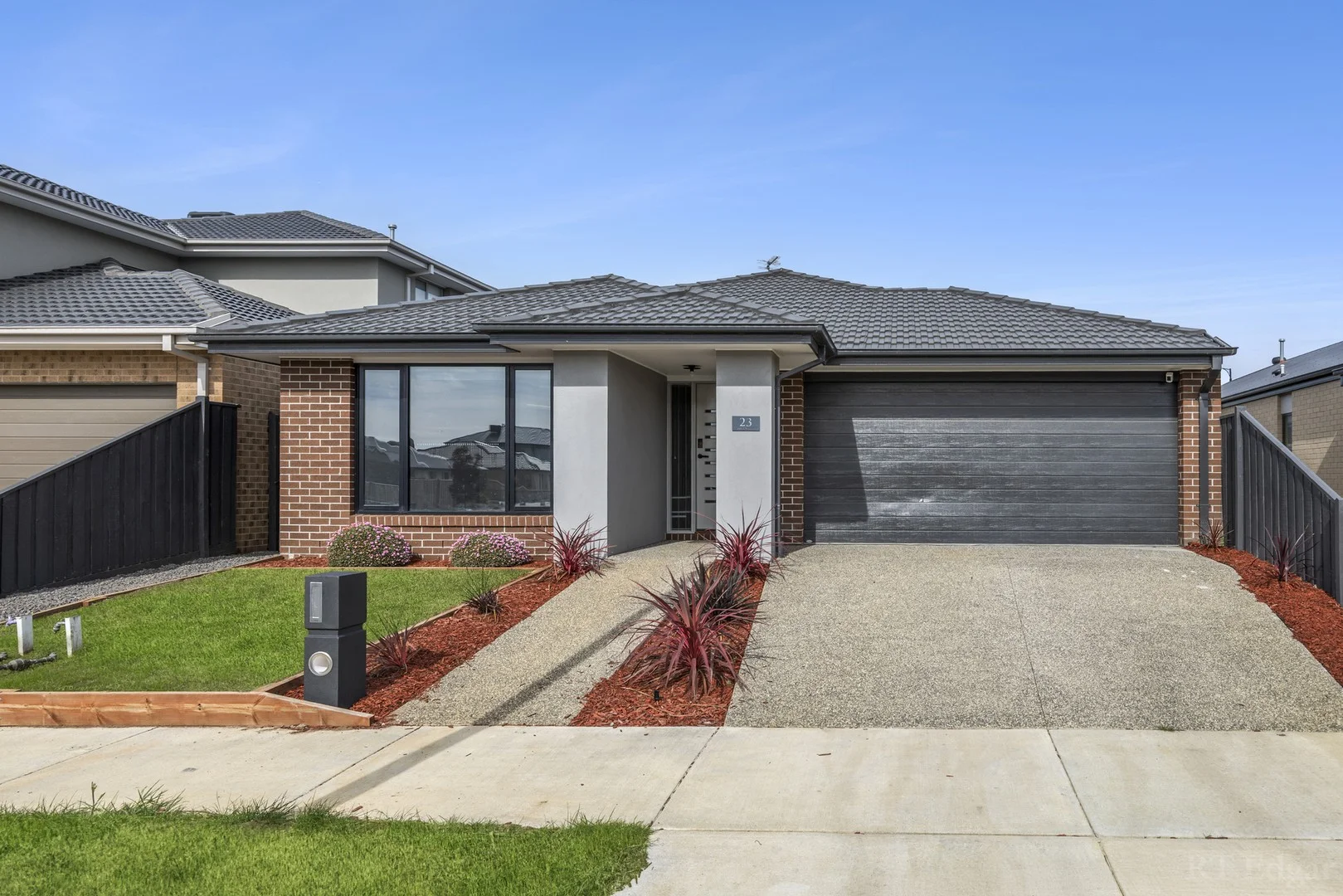 $599,000 - $658,900
House
$599,000 - $658,900
House
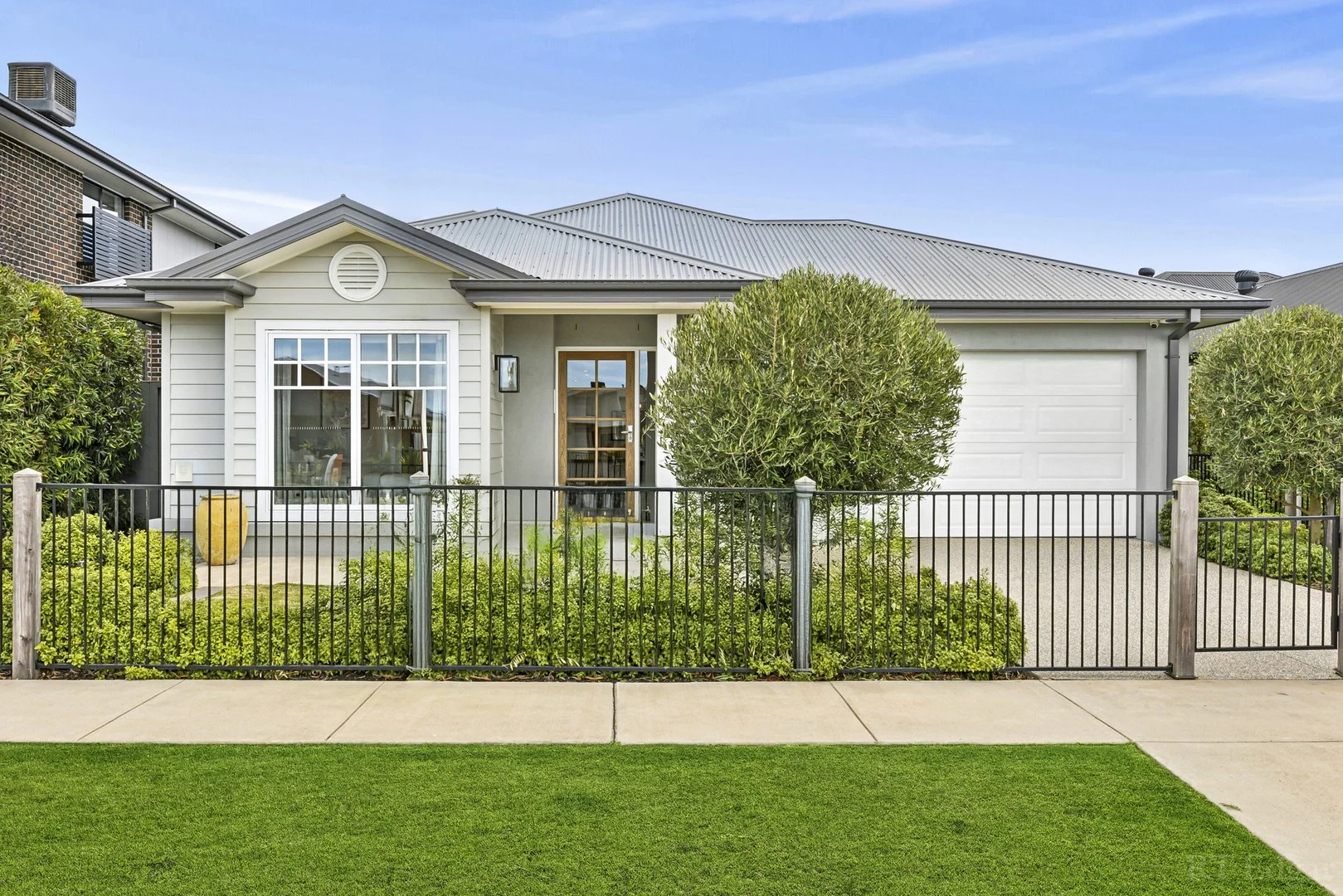 $877,800 - $965,580
House
$877,800 - $965,580
House
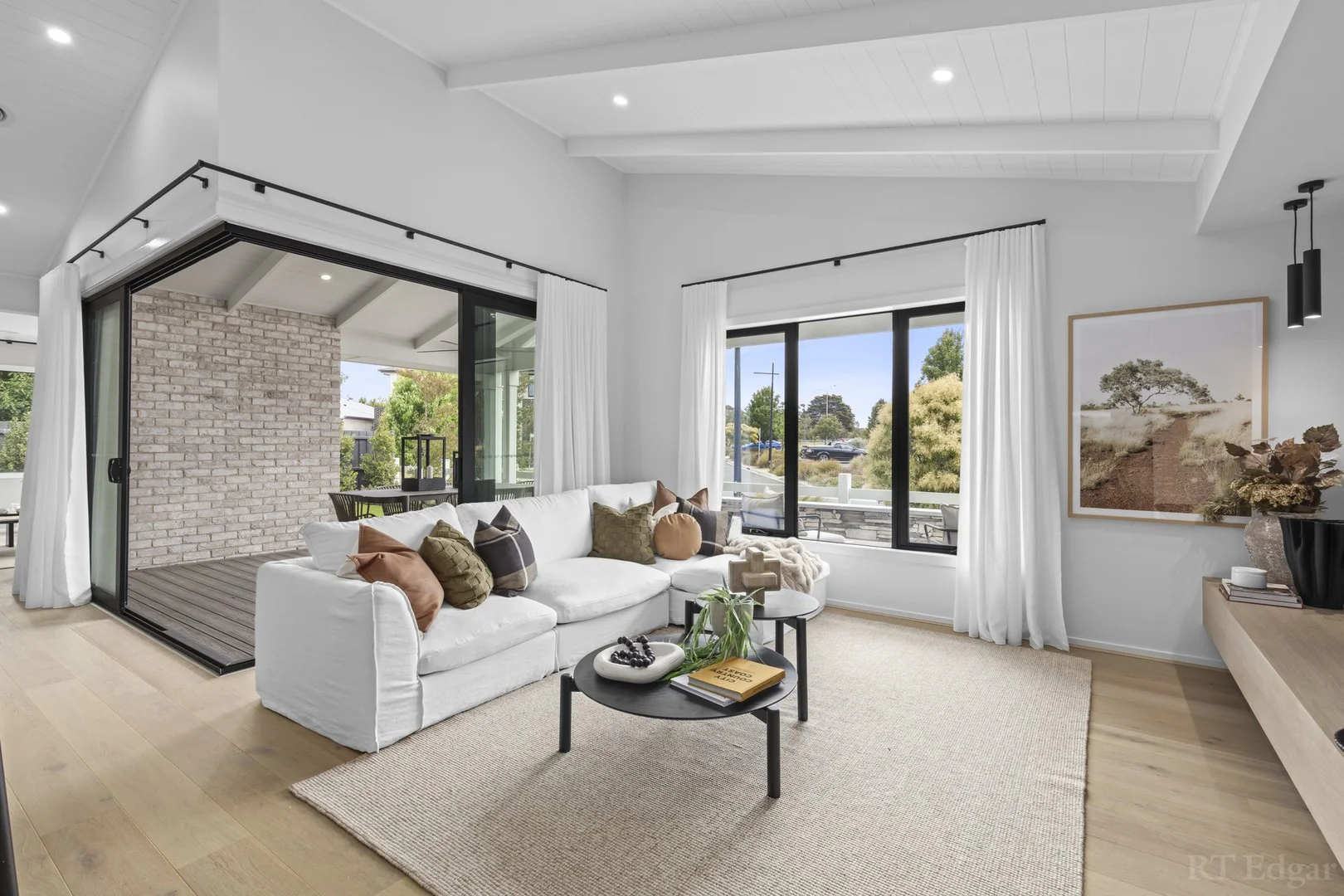 $1,022,295 - $1,124,524
House
$1,022,295 - $1,124,524
House
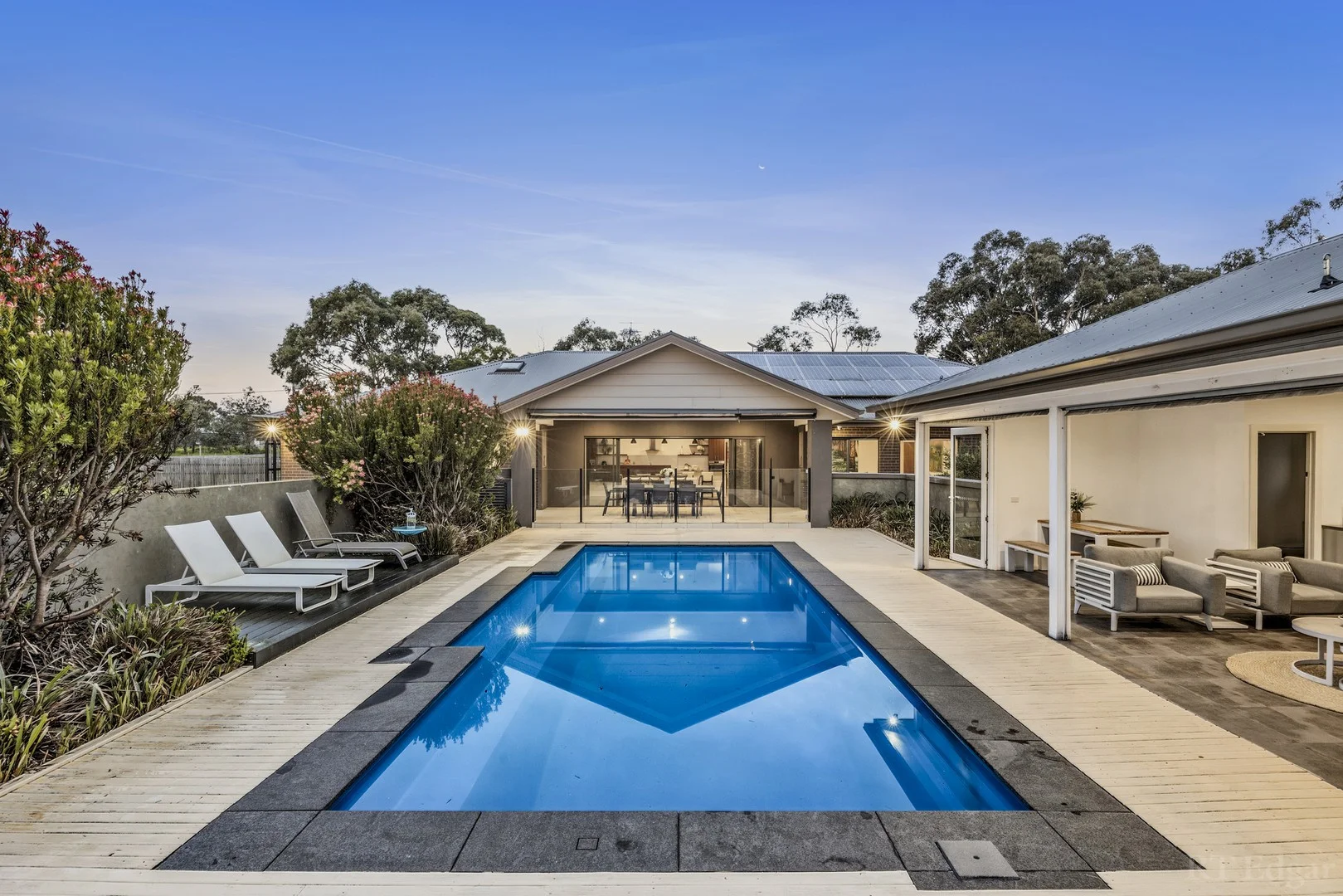 $3,006,750 - $3,307,425
House
$3,006,750 - $3,307,425
House
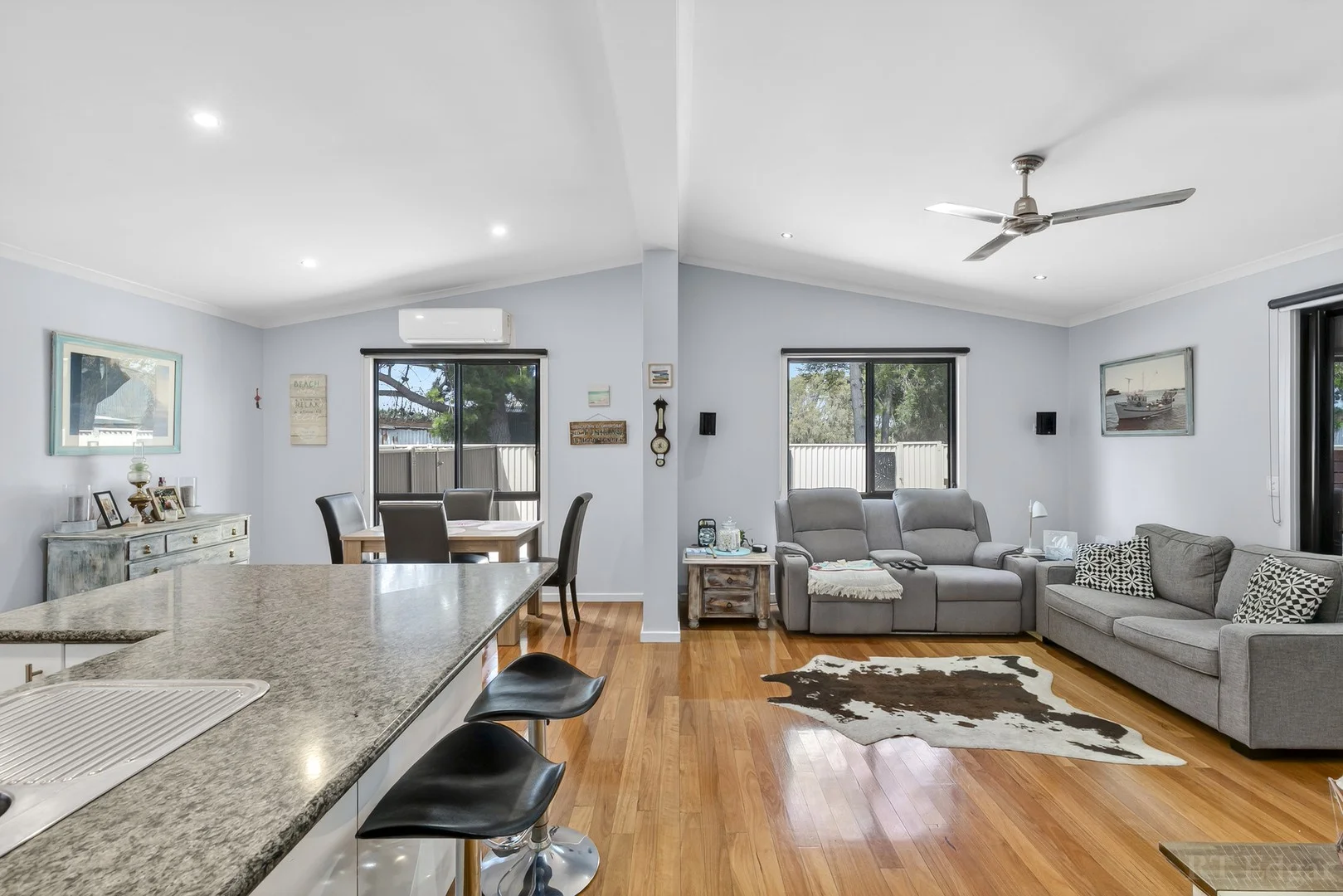 $538,175 - $591,992
Apartment / Unit / Flat
$538,175 - $591,992
Apartment / Unit / Flat
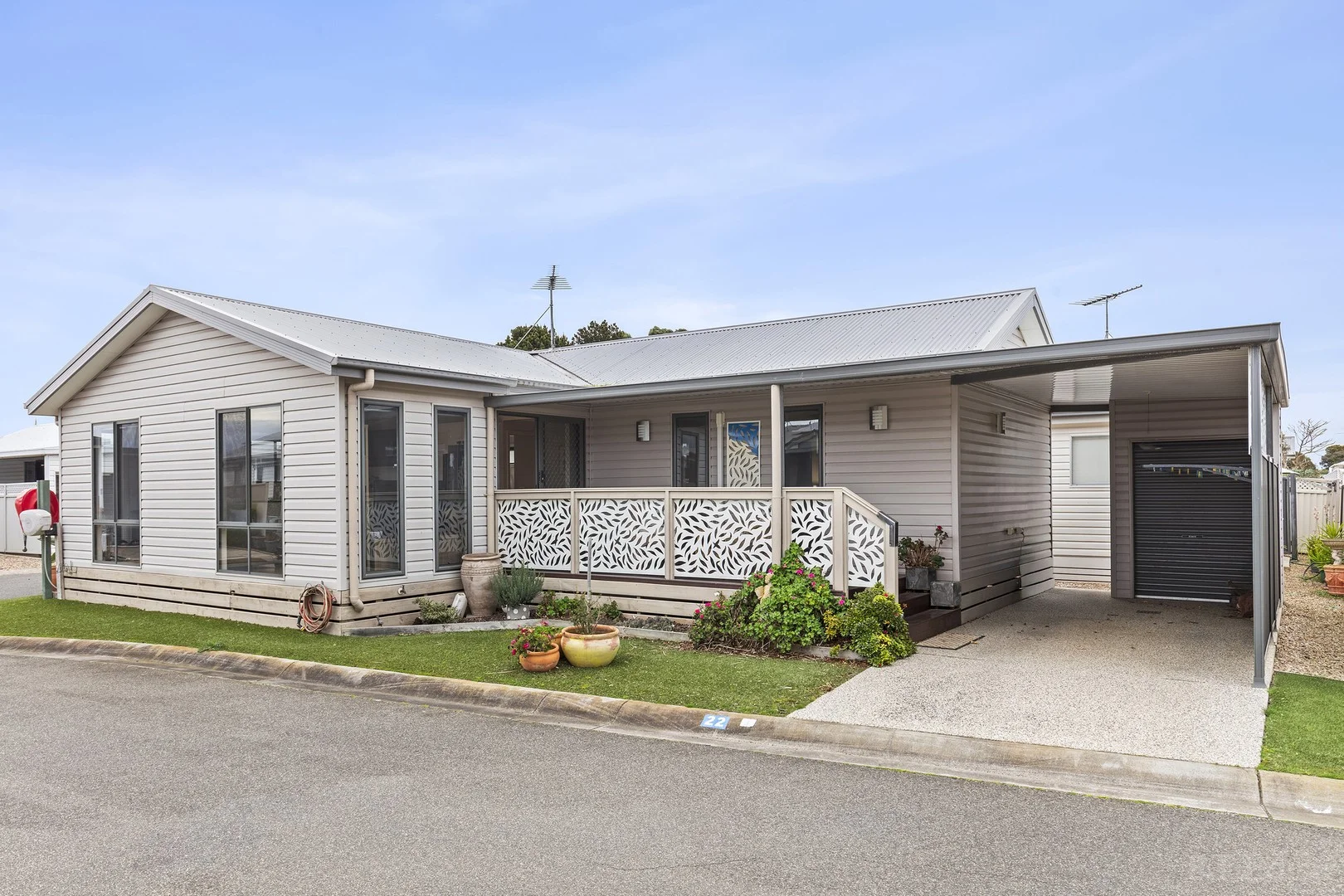 $428,450 - $471,295
House
$428,450 - $471,295
House
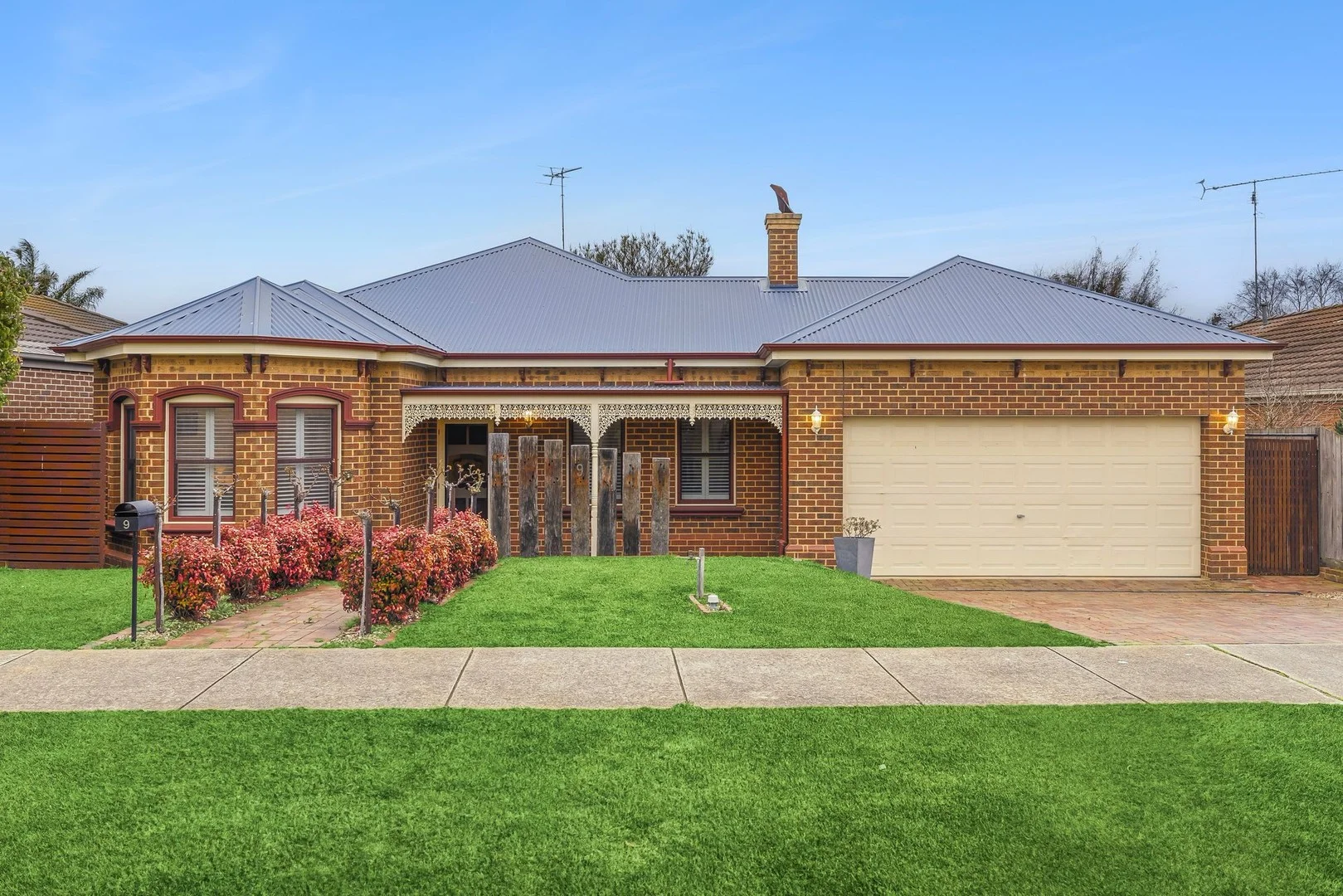 $830,000 - $890,000
House
$830,000 - $890,000
House
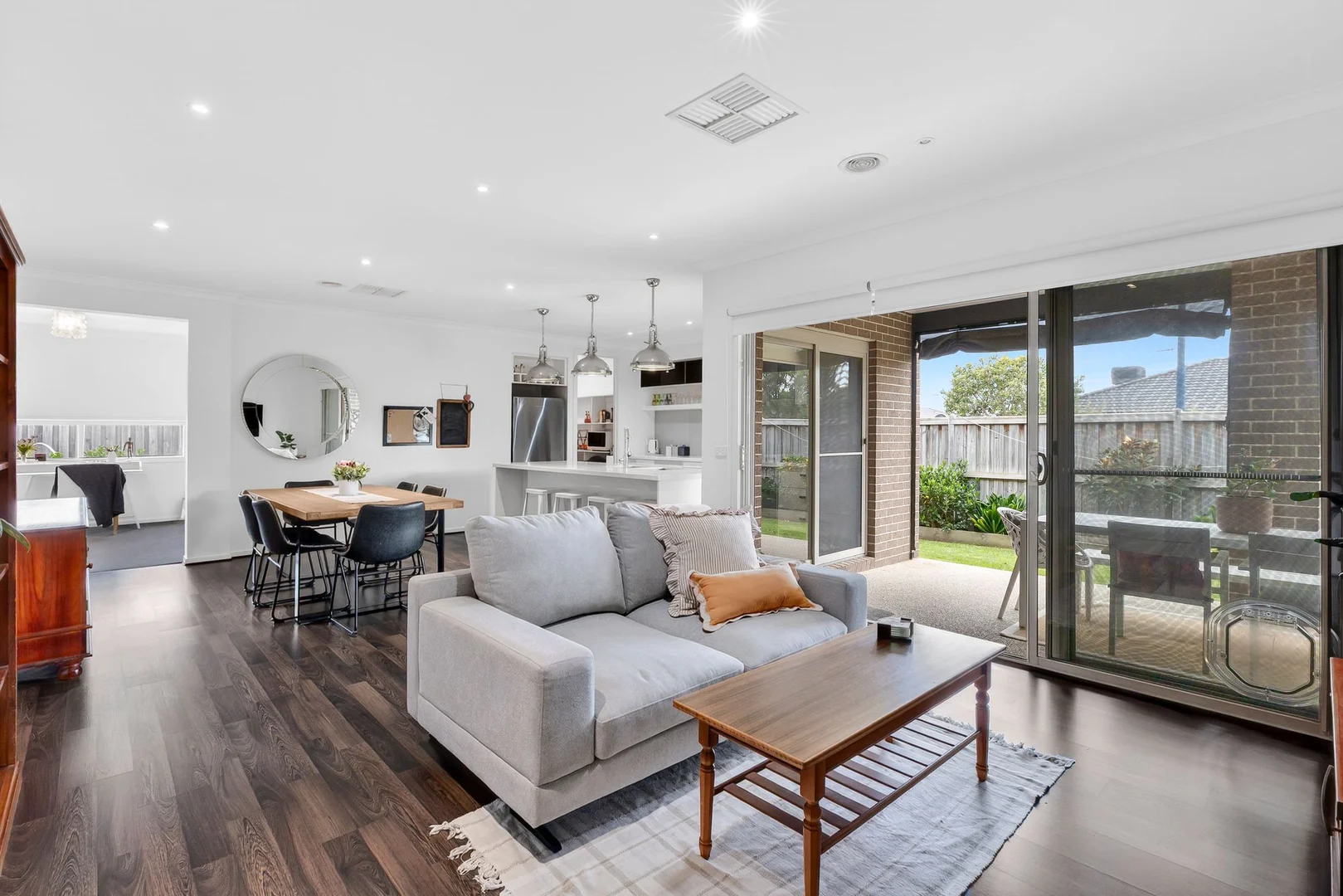 $840,000 - $880,000
House
$840,000 - $880,000
House
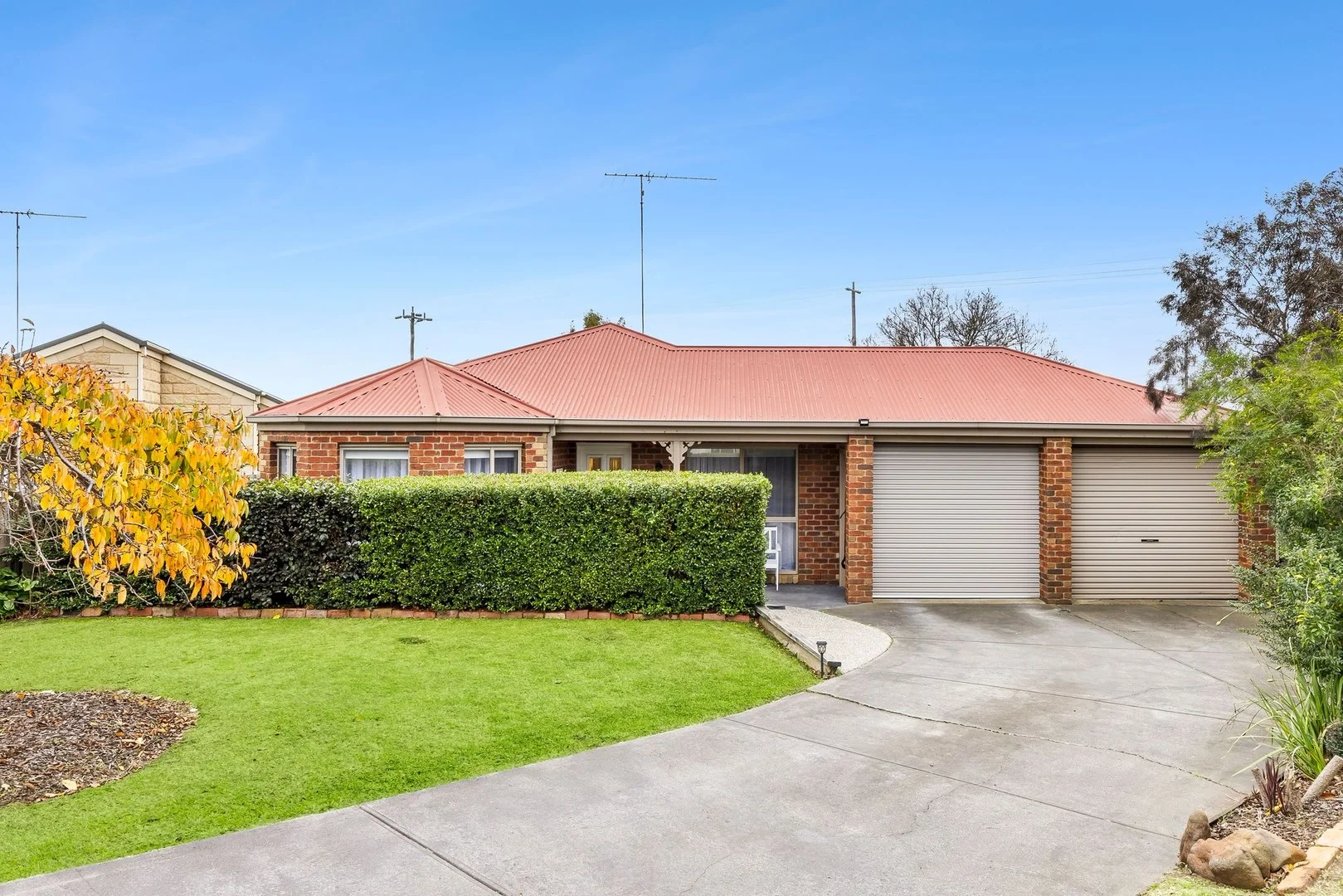 $810,000
House
$810,000
House


