## 1. Overview
Wangala Primary School is a public (government) primary school serving families in Belmont, Victoria. As a public school, it focuses on accessible, inclusive education with strong links to the local community. The school aims to foster a supportive environment where students can develop academically, socially and physically.
The school size is medium, with class sizes typically in the range that supports individual attention and collaborative learning. The atmosphere is nurturing and inclusive, balancing a respectful, achievement‑oriented culture with opportunities for students to explore sport, arts and creative pursuits.
⸻
## 2. Academics & Learning
- Academic strengths: emphasis on literacy and numeracy foundations, with opportunities to explore STEM concepts, critical thinking and problem solving. English development and reading comprehension are often prioritized alongside numeracy skills to build a solid academic base.
- Special programs: availability of English as an Additional Language (EAL) support and provisions for diverse learners, with potential Gifted and Talented (G&T) or accelerated learning options where appropriate.
- NAPLAN / trends (not scores — trends): typical trends in regional public primary settings show steady or gradual improvements in reading and numeracy over time, with ongoing attention to writing and comprehension. Specific school year-to-year trends should be confirmed from the school’s published reports.
- Student-teacher ratios: relatively small to medium class sizes supporting closer student-teacher interaction; the school aims to maintain manageable ratios to facilitate individual attention and targeted instruction.
- Support for diverse learners (EAL, SEN): structured support for students requiring additional language assistance and those with special educational needs, including targeted interventions and access to appropriate resources.
⸻
## 3. Sports & Extracurricular Strengths
- Sports offered: common primary‑level programs include football (soccer), cricket, netball, basketball, and athletics, with opportunities to participate in school teams and inter-school events.
- Strong teams or achievements: notable achievements typically emerge through student participation in district or regional events; schools often celebrate teamwork, sportsmanship and personal bests.
- Music, arts, drama programs: regular opportunities for music, drama and visual arts, with performances or showcases that involve the wider school community.
- Clubs: robotics, coding, chess, debating and other interest-based clubs may be available, encouraging STEM curiosity, strategic thinking and creative expression.
- Partnerships: connections with local community clubs, sporting associations or regional competitions that broaden access to extra-curricular activities and friendly competition.
⸻
## 4. Wellbeing & Pastoral Care
- Anti-bullying approach: proactive, whole‑school strategies to promote respectful behavior, with clear procedures for reporting and resolving issues and a focus on social‑emotional learning.
- House system: a house or team structure that supports belonging, healthy competition and student leadership opportunities.
- Counsellors / wellbeing officers: access to school wellbeing staff who provide counseling, wellbeing check-ins and resilience-building activities, along with classroom strategies to support mental health.
- Transition support for new students: orientation activities, buddy programs and gradual transition plans to help students settle into routines, friendships and learning expectations.
⸻
## 5. Facilities
- Sports grounds: outdoor play areas and sports fields suitable for a range of physical activities.
- Libraries: a school library supporting reading for pleasure, research and classroom learning.
- Science labs: dedicated spaces for hands-on science experiences and inquiry-based learning.
- Music/performing arts centers: spaces for music rehearsals, drama and performances.
- Tech/innovation labs: computer or STEM suites that support coding, robotics and digital literacy.
- Cafeteria: on‑site canteen or cafeteria providing various lunch/snack options.
- Updated playgrounds: modern play areas designed for active play and outdoor learning.
⸻
## 6. School Values & Community Culture
- School values / mission: a focus on respect, responsibility, resilience, inclusivity and collaboration; school mission typically emphasises preparing students for lifelong learning and active citizenship.
- Leadership style: inclusive leadership with opportunities for student voice, peer mentoring and leadership roles within classrooms and school activities.
- Behaviour expectations: clear codes of conduct emphasizing courteous behavior, honesty, safety and accountability; consistent implementation across the school.
- Community reputation: generally built on relationships with families, local partnerships and a commitment to supporting a broad range of learners.
- Diversity & inclusion: emphasis on creating an inclusive environment where all students feel they belong and can participate fully in learning and school life.
⸻
## 7. School Logistics & Daily Operations
- School hours: typical primary school day often runs from around 9:00 am to 3:30 pm, with supervision or activities available before and after school in some cases.
- Before/after school care: available or arranged through outside providers or school-based programs in partnership with families.
- Uniform requirements: standard school uniform policy with guidelines about acceptable attire for daily wear, events and physical education.
- Transport (train/bus routes): transport options commonly include local bus services; school bus routes may be available in some areas or through regional transport authorities.
- Canteen availability: on-site canteen or lunch program offering meals or snacks; arrangements may vary by school.
- Fees (low/medium/high ranges): public schools typically have low to moderate voluntary contributions, materials levies or similar ancillary costs; exact amounts vary by year and program.
⸻
## 8. Enrolment & Admissions
11. What is the enrolment process and timeline?
- Parents typically begin with an expression of interest or enrolment application through the school or regional education authority. The school will communicate key dates, deadlines for enrolment, and any required documentation. Timelines can vary by year and by whether the family is within the local catchment.
12. Is there a waiting list, and how does it work?
- Waiting lists may operate when a year level reaches capacity. The school or the regional authority will advise on how the list is established, how priority is determined (often by catchment or specific criteria), and expected wait times.
13. Are there any entry requirements, tests, or interviews?
- Entry requirements typically include proofs of residence, birth dates and prior school records. Some programs or year levels may require brief assessments or discussions, but many primary enrollments do not require formal testing.
14. Does the school accept mid-year transfers?
- Mid-year transfers can be possible subject to vacancies and the regional authority’s policies. Families should contact the school as early as possible to understand available places and required documentation.
⸻
## 9. Frequently Asked Questions
- Why do parents choose this school?
- Aiming for a welcoming, inclusive environment with strong literacy and numeracy foundations, supportive staff, and balanced emphasis on academics, wellbeing and extra-curriculars.
- What type of student thrives at this school?
- Students who enjoy a community-based setting, value collaboration, and engage in both academic and co-curricular activities often thrive here.
- What opportunities are available for students to extend their skills (academics, sports, arts)?
- Access to a range of clubs (robotics, coding, chess, debating), sports programs, music and drama activities, and differentiated learning opportunities.
- How does the school communicate with parents?
- Regular updates through newsletters, emails, a school website or portal, and parent-teacher meetings. Some schools also use apps or messaging platforms for timely communication.
- What is the school’s approach to teaching and learning?
- A focus on foundational literacy and numeracy, inquiry-based learning where appropriate, differentiation to meet diverse needs, and opportunities for student voice and leadership.
- How does the school support students who need extra academic help?
- Targeted interventions, EAL support, SEN support, small-group or one-on-one sessions, and progress monitoring to tailor assistance.
- What support is available for academic challenges?
- Additional tutoring or in-class supports, assessment reviews, and collaboration with families to set achievable goals.
- How does the school communicate with parents? (Repeat)
- See above: newsletters, portals, meetings, and digital communications.
- What are the class sizes and how much individual attention do students receive?
- Class sizes are designed to be small-to-medium, enabling closer teacher attention and targeted instruction within the classroom.
- What extracurricular and sports opportunities are available?
- A range of sports, music, drama and clubs (robotics, coding, chess, debating) with opportunities for participation in inter-school events or local competitions.
- What facilities does the school offer (sports, science, arts)?
- Sports grounds, library, science labs, music/performing arts facilities, technology/innovation labs, canteen, and updated outdoor playgrounds.
- What is the school’s approach to technology and digital learning?
- Emphasis on digital literacy, access to computers or devices, coding and STEM activities, and use of digital tools to support learning.
- What transport and accessibility options are available?
- Local bus routes or transport options coordinated with regional authorities; information available from the school or local transport providers.
- What are the typical school fees or additional costs?
- Public primary schools usually have low to moderate voluntary contributions or materials costs; exact figures vary by year and program.
⸻
## 10. Short Pros & Cons list
- Pros
- Public, inclusive environment with a focus on core academic foundations.
- Moderate class sizes supporting individual attention.
- Broad wellbeing, pastoral care, and student support services.
- Range of extracurriculars, including sports, arts and clubs.
- Practical facilities that support science, technology, music and physical activity.
- Cons
- As a public school, resources and program depth can vary year to year.
- Availability of certain programs (e.g., specific gifted/talented options) may depend on staffing and funding.
- Commute or transport options depend on local infrastructure and may require planning.
- Waiting lists or mid-year transfer constraints can affect entry timing.
⸻





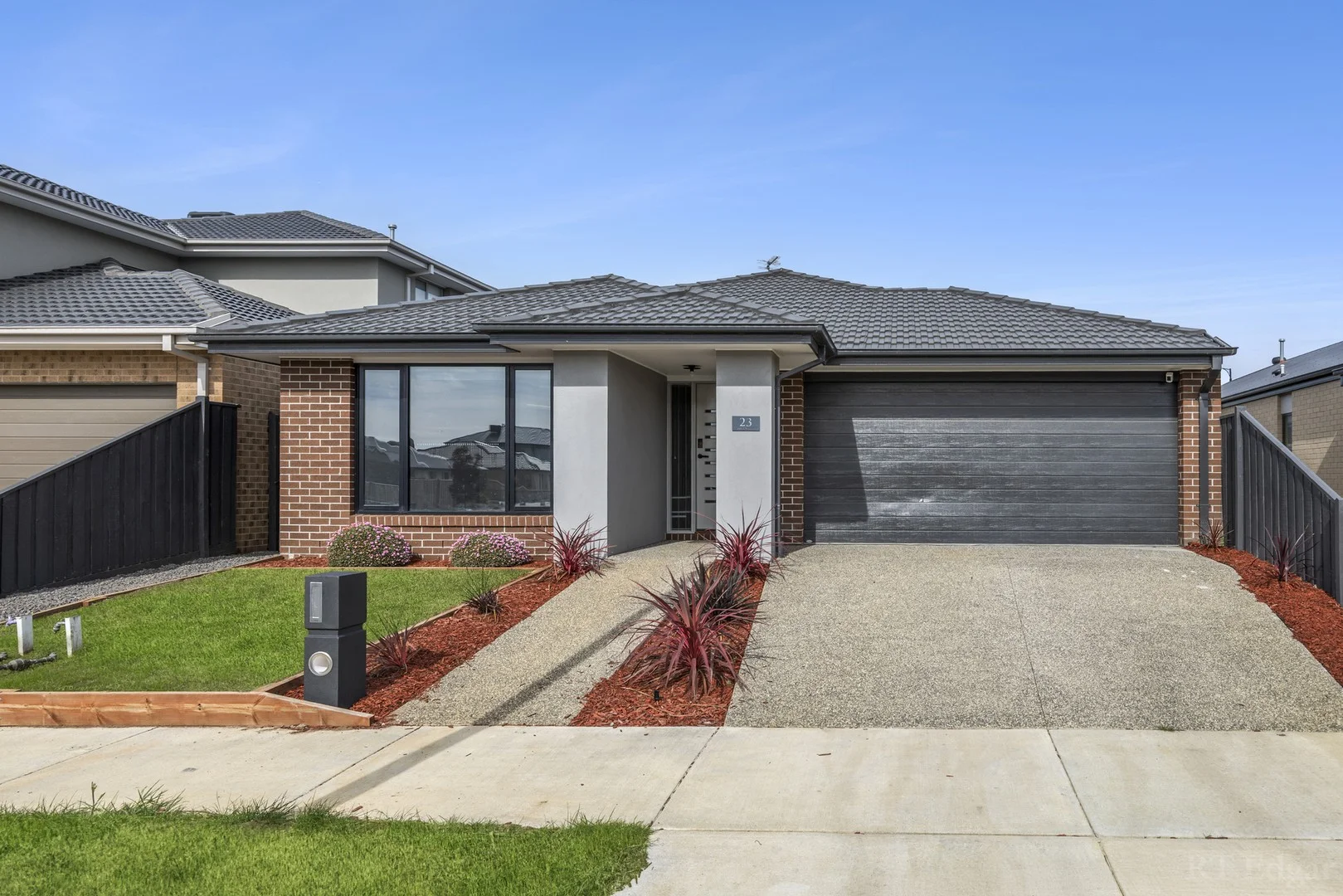 $599,000 - $658,900
House
$599,000 - $658,900
House
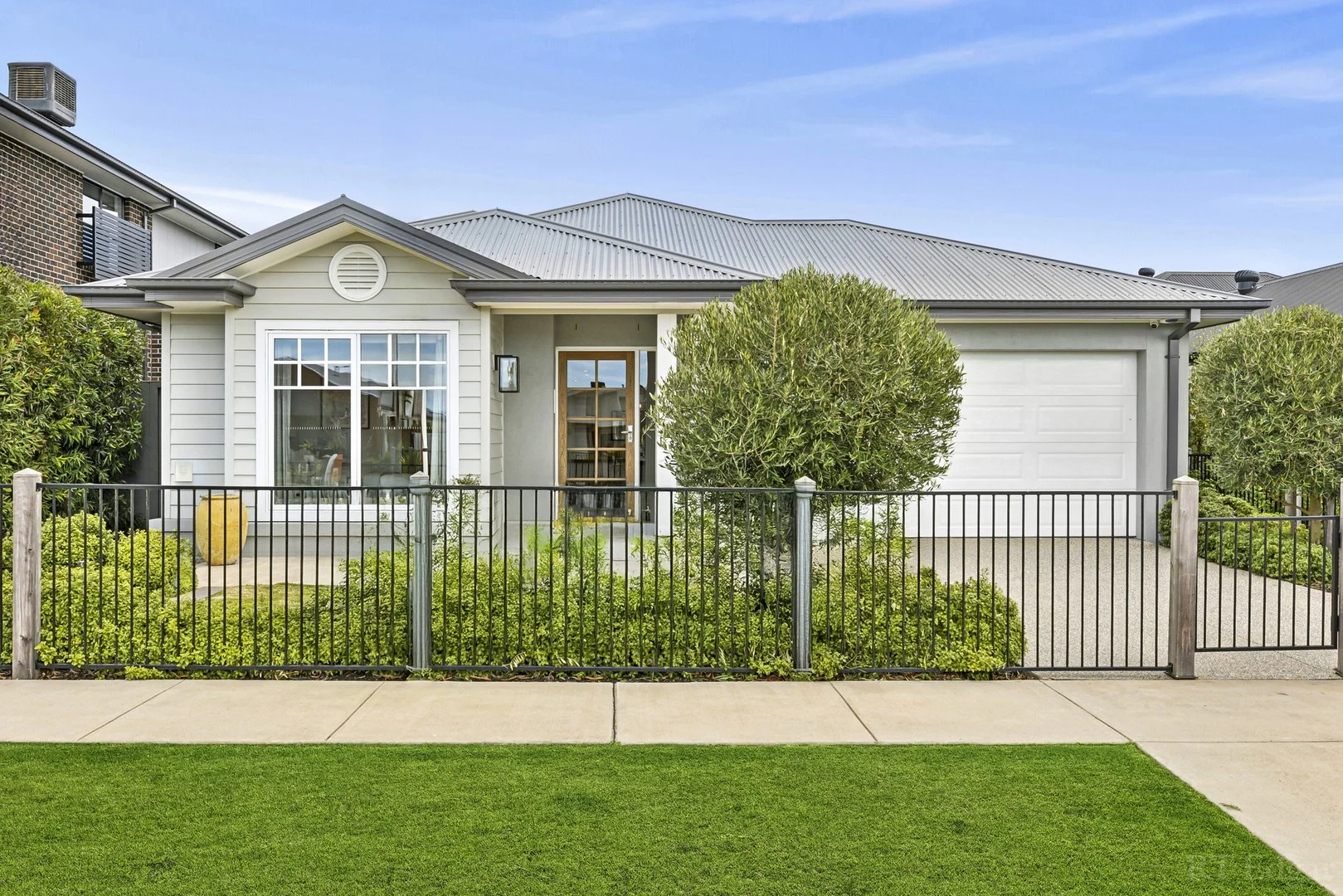 $877,800 - $965,580
House
$877,800 - $965,580
House
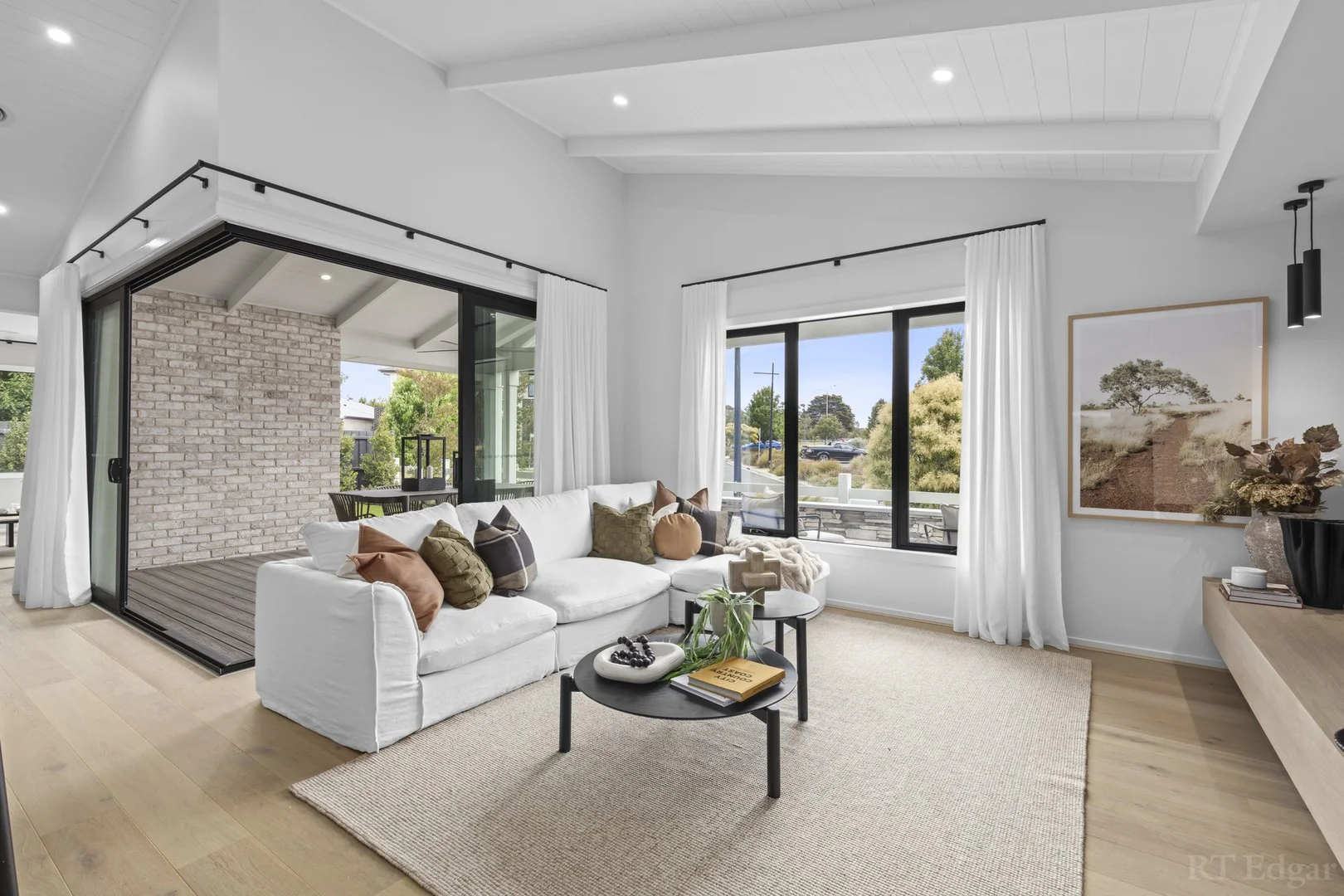 $1,022,295 - $1,124,524
House
$1,022,295 - $1,124,524
House
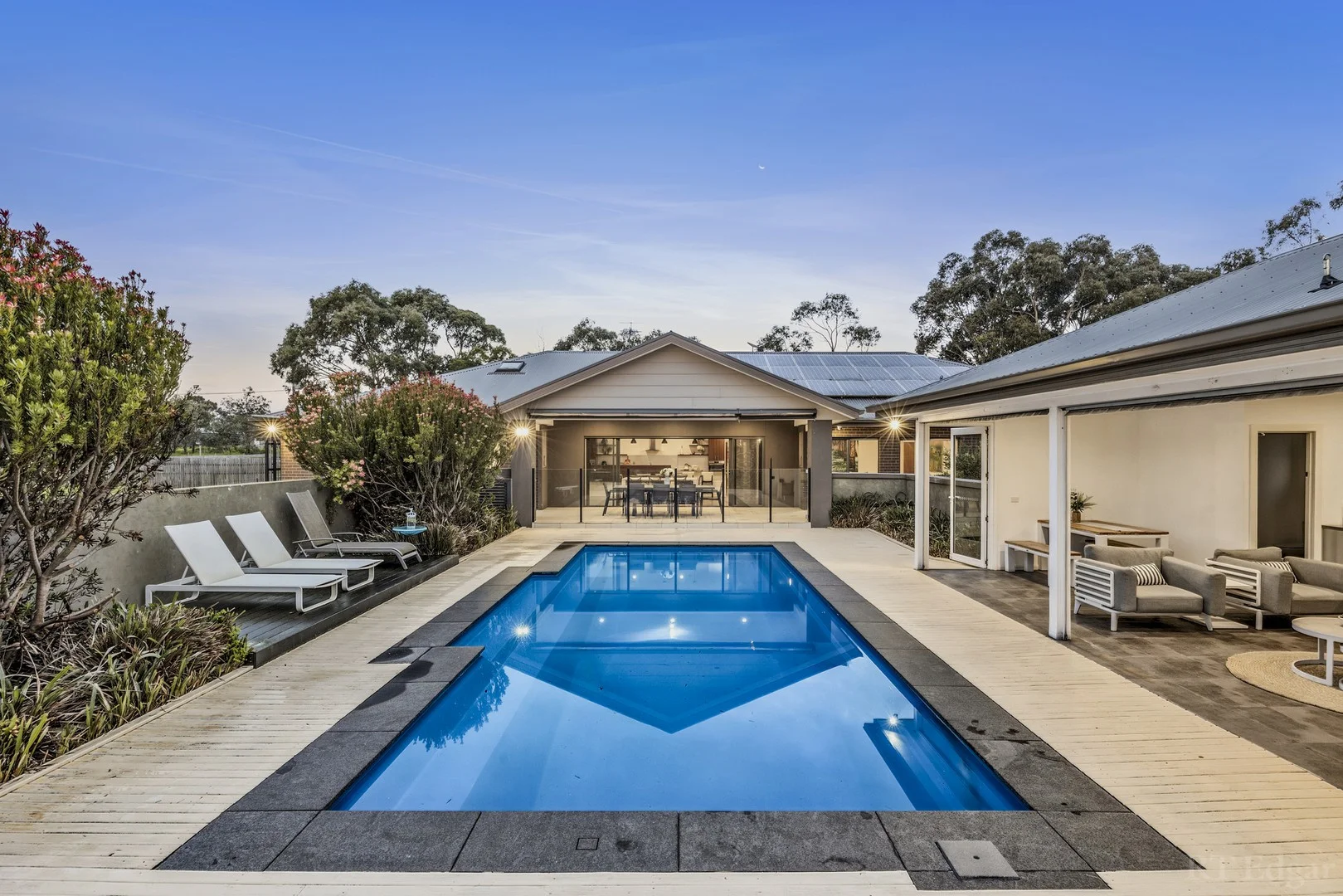 $3,006,750 - $3,307,425
House
$3,006,750 - $3,307,425
House
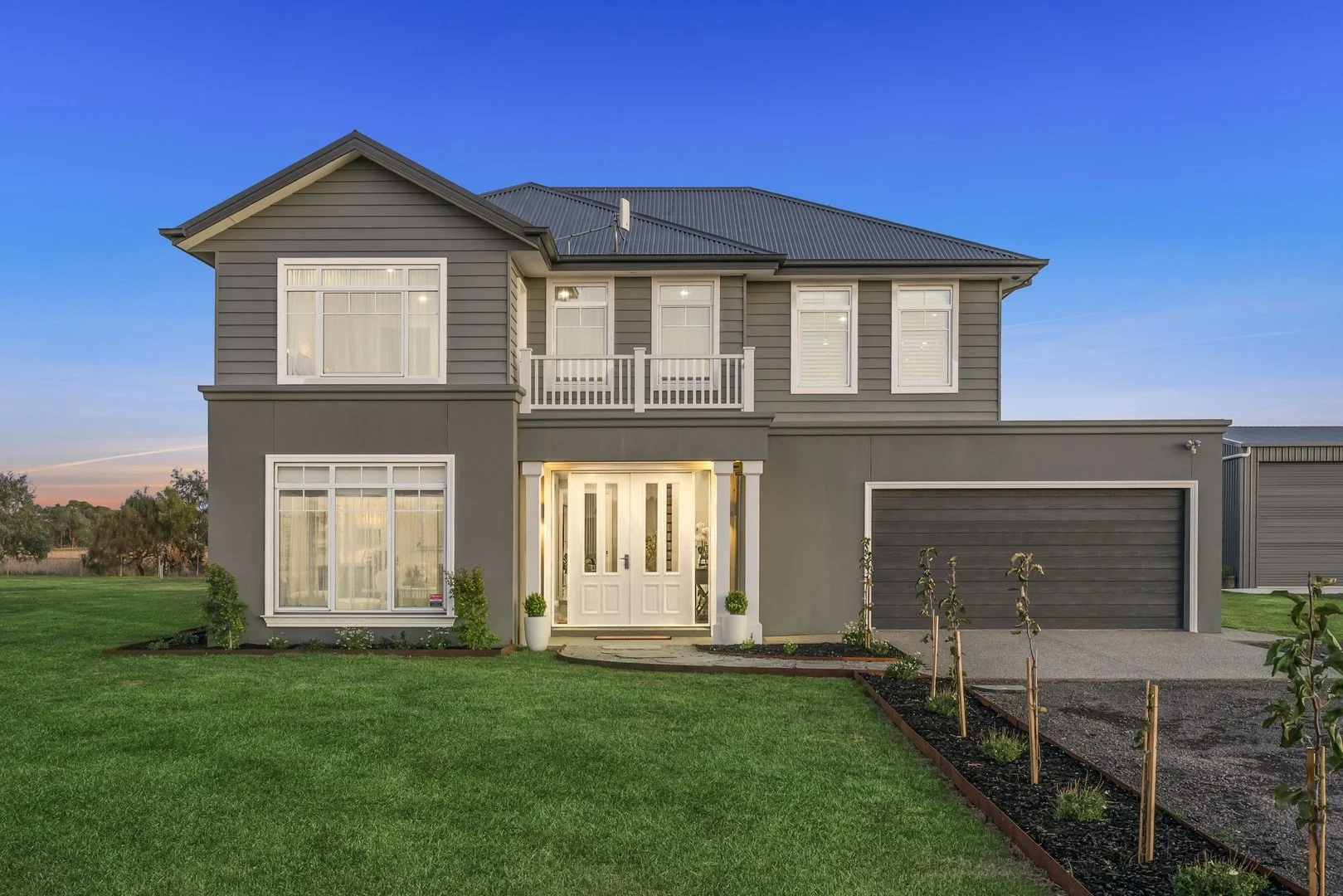 $2,150,000 - $2,350,000
propertyType.ACREAGE / SEMI-RURAL
$2,150,000 - $2,350,000
propertyType.ACREAGE / SEMI-RURAL
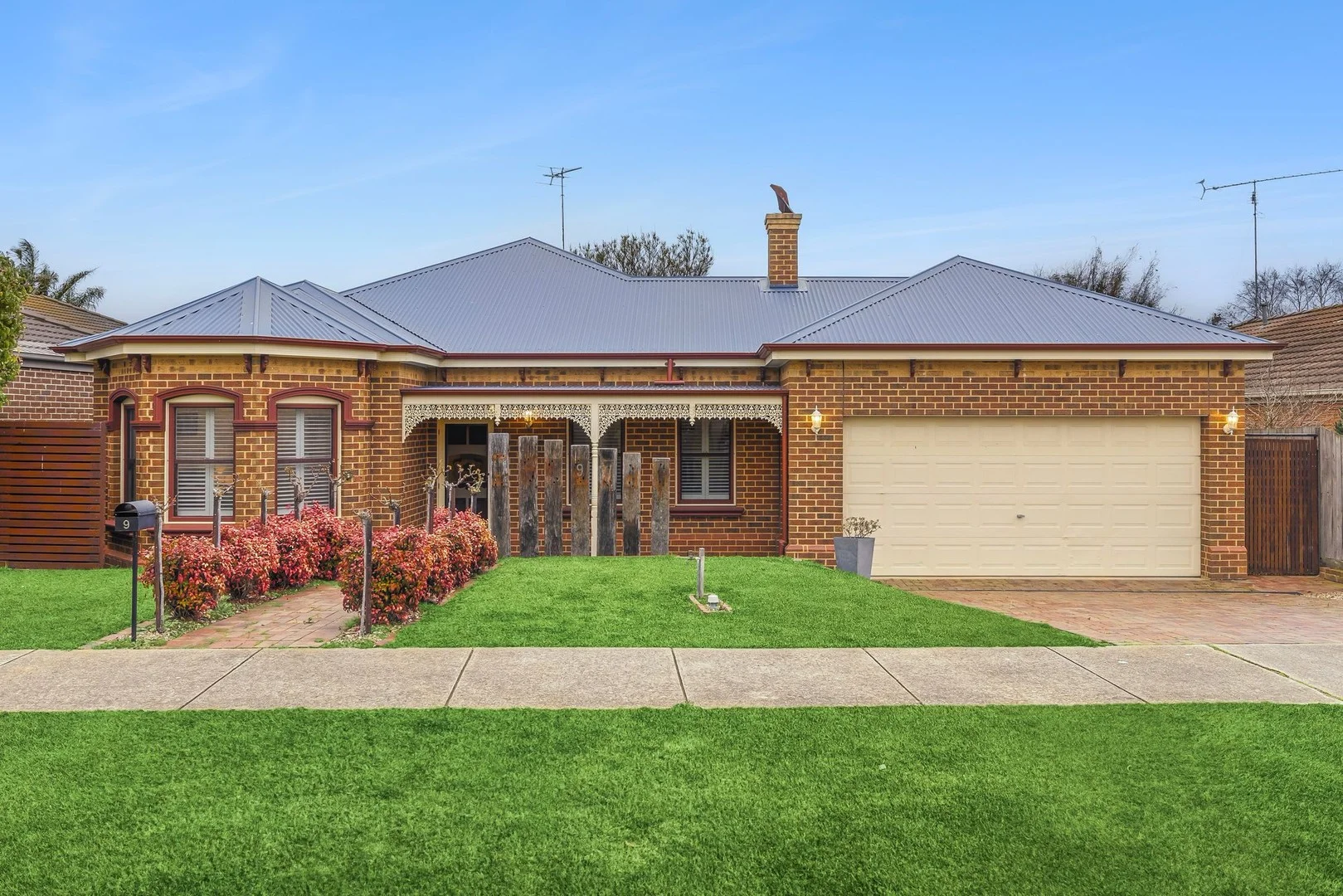 $830,000 - $890,000
House
$830,000 - $890,000
House
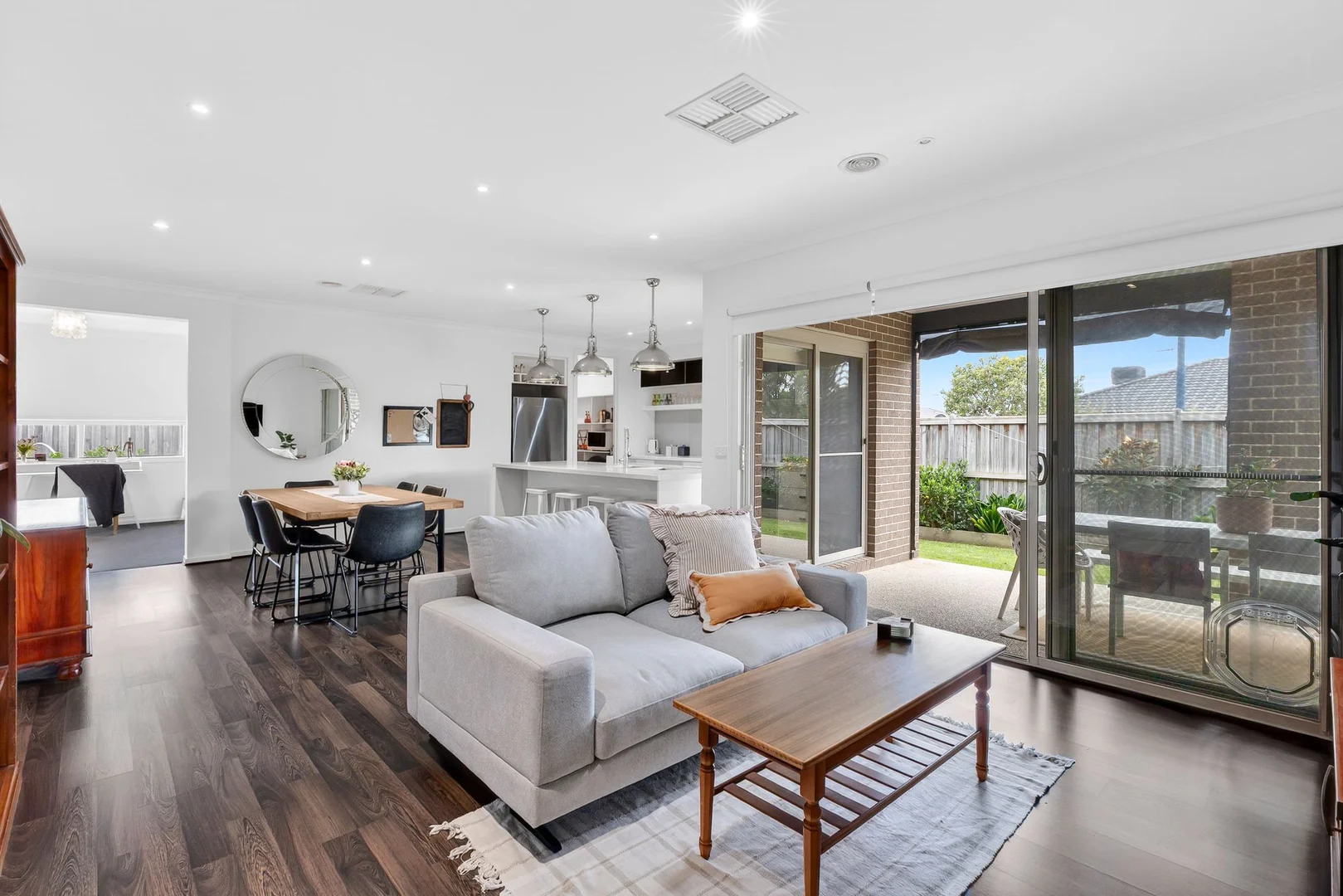 $840,000 - $880,000
House
$840,000 - $880,000
House
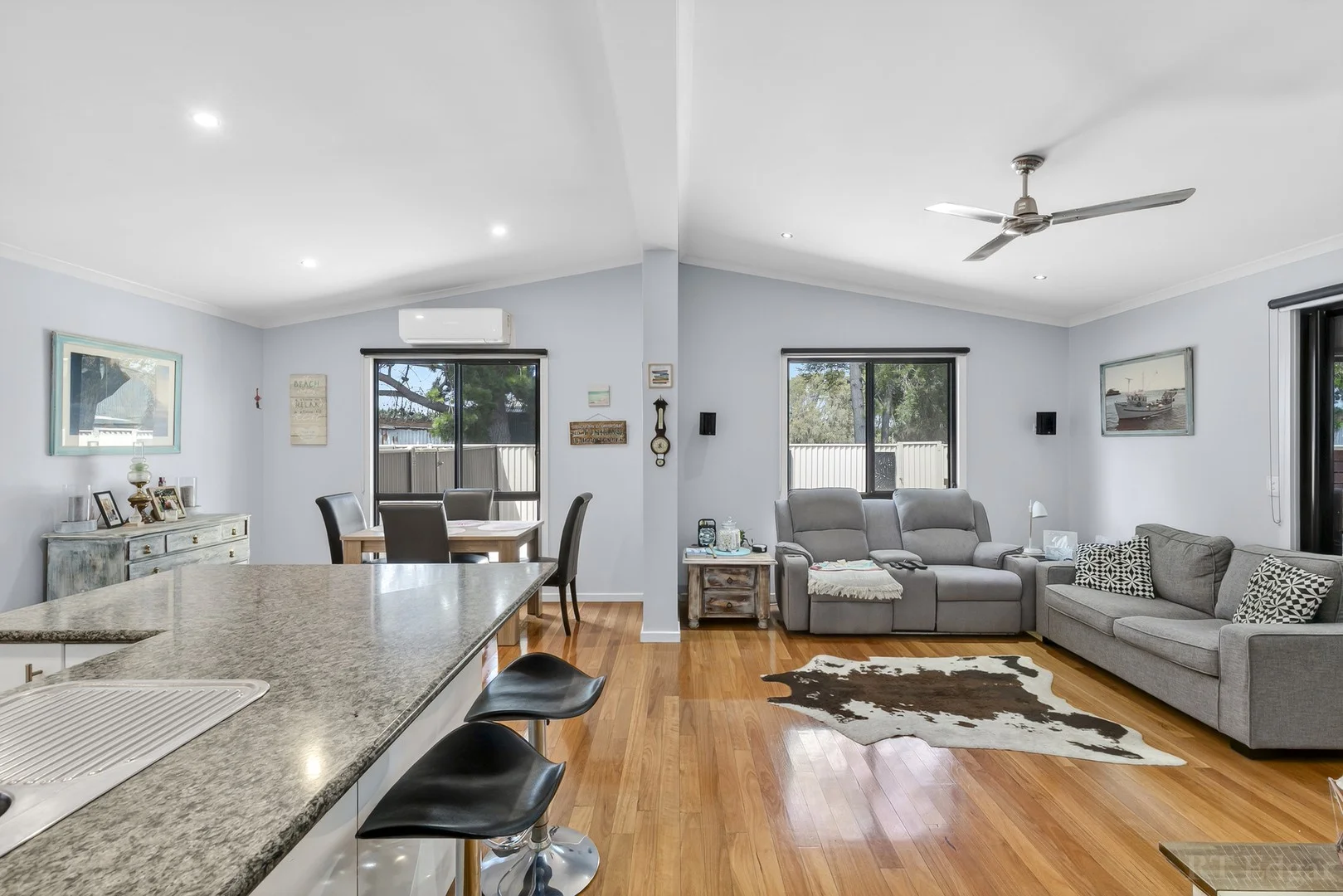 $538,175 - $591,992
Apartment / Unit / Flat
$538,175 - $591,992
Apartment / Unit / Flat
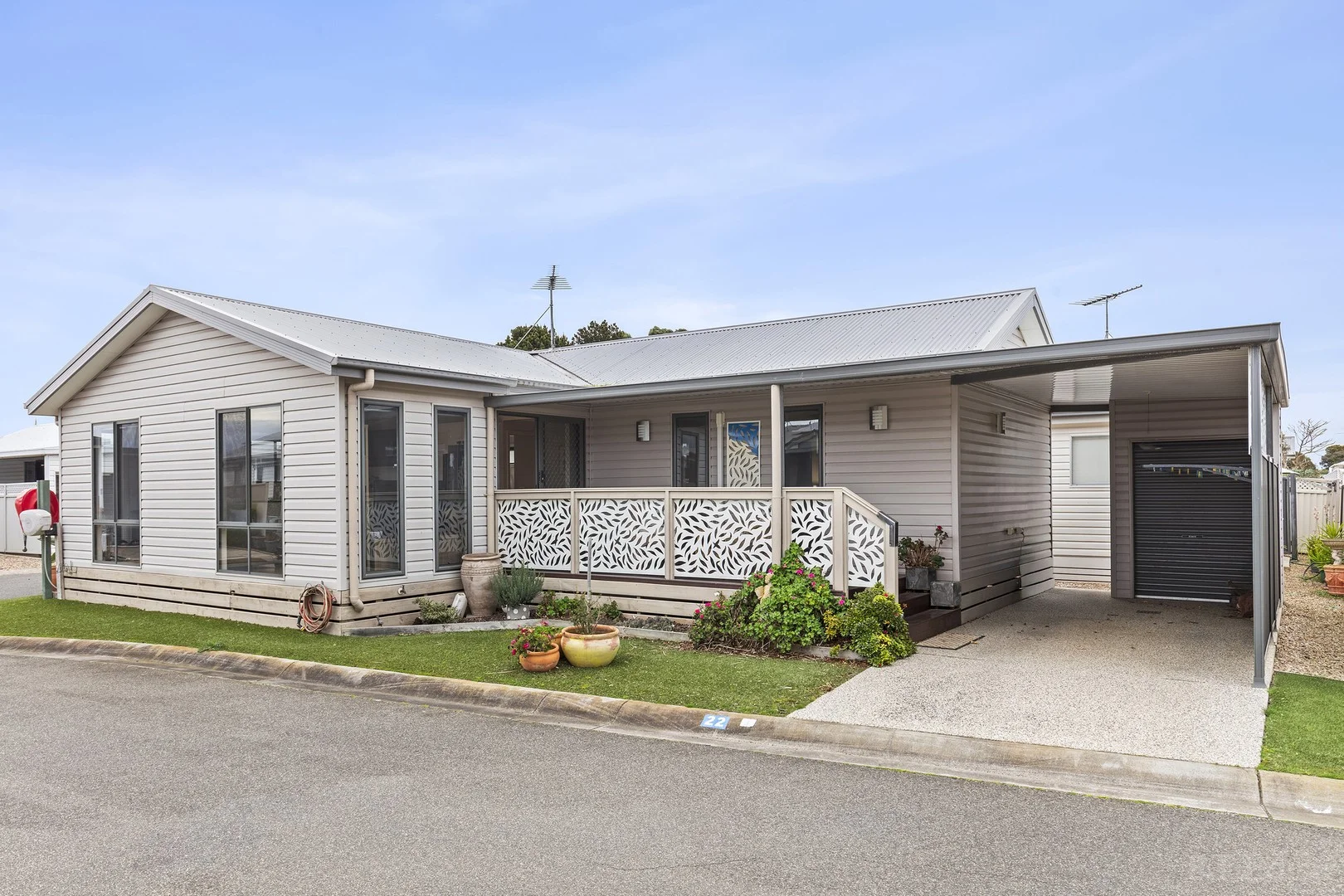 $428,450 - $471,295
House
$428,450 - $471,295
House


