## 1. Overview
Oberon Primary is a public (government) primary school serving families in Belmont, VIC. It provides a medium-sized school community with a focus on inclusive learning and strong links between students, families and staff. Class sizes are typically in the low-to-mid 20s, allowing teachers to support students with individualised attention within a collaborative, nurturing environment. The atmosphere emphasises a balanced, whole-child approach, valuing effort, respect, and positive relationships.
The school fosters a diverse, welcoming culture where students are encouraged to participate in a wide range of learning experiences. The environment aims to be inclusive and supportive, with a clear emphasis on student wellbeing, community involvement, and everyday opportunities to develop academic, social and personal skills.
## 2. Academics & Learning
- Academic strengths: Literacy and numeracy foundation are central, with emphasis on reading comprehension, writing, and mathematical reasoning. There is also a focus on STEM-related thinking and digital literacy to prepare students for a rapidly changing world.
- Special programs: Enrichment opportunities and targeted learning supports are offered within the school’s broader curriculum. Gifted and talented pathways or accelerated learning options may be available through school or local cluster programs.
- NAPLAN trends: Public reporting typically tracks year-by-year trends across domains such as reading, writing and numeracy. The school works to identify gaps and implement strategies for ongoing improvement; detailed scores and trends are not provided here.
- Student-teacher ratios: Ratios vary by year level but generally reflect a supportive classroom environment where teachers can provide targeted instruction and small-group support.
- Support for diverse learners: Dedicated support for EAL (English as an Additional Language) students and SEN (Special Educational Needs) supports are available, with pathways for inclusive education and tailored interventions.
## 3. Sports & Extracurricular Strengths
- Sports offered: A broad range of school sports typical for Australian primary schools, including team and individual activities such as cricket, netball, basketball, soccer, and athletics. Inter-school sport participation is encouraged.
- Strong teams or achievements: The school participates in district-level competitions and events, with opportunities for students to contribute to school teams and representative selections as appropriate.
- Music, arts, drama programs: A music program and regular performing arts opportunities (e.g., concerts, assemblies) support student creativity and performance skills.
- Clubs: Robotics, coding, chess, debating, and other STEM or academic clubs are commonly available to extend learning beyond core subjects.
- Partnerships: Involvement with local clubs and district/area competitions helps students access extra opportunities in sport, robotics/tech, and the arts.
## 4. Wellbeing & Pastoral Care
- Anti-bullying approach: A proactive, whole-school approach to student wellbeing with clear expectations, student mentoring, and responsive support for concerns.
- House system: A house or team-based structure to promote belonging, teamwork and healthy competition.
- Counsellors / wellbeing officers: Access to wellbeing staff or coordinators to support social-emotional learning, mental health, and transition periods.
- Transition support for new students: Orientation activities, buddy programs and targeted support to help new students settle in smoothly.
## 5. Facilities
- Sports grounds: On-site sports facilities and play spaces for variety of activities.
- Libraries: A library with resources to support reading, researching and independent learning.
- Science labs: Access to science learning spaces that support hands-on inquiry.
- Music/performing arts centers: Dedicated spaces or rooms for music and drama activities.
- Tech/innovation labs: Computer labs or digital learning spaces for coding, robotics and ICT projects.
- Cafeteria: On-site canteen or cafeteria supporting healthy meal options.
- Updated playgrounds: Modern, safe outdoor play areas and playground equipment.
## 6. School Values & Community Culture
- School values / mission: A clear set of values centered on respect, responsibility, resilience and teamwork; a mission focused on holistic development and inclusive education.
- Leadership style: Collaborative leadership with opportunities for student voice and family involvement (e.g., through school council or committees).
- Behaviour expectations: Positive-behaviour framework with consistent expectations and restorative practices.
- Community reputation: Known for a welcoming, family-friendly environment and strong school–home partnerships.
- Diversity & inclusion: Emphasis on including students from diverse backgrounds and ensuring equitable access to learning opportunities.
## 7. School Logistics & Daily Operations
- School hours: Typical start and finish times align with local school timetables; day includes structured learning blocks and breaks.
- Before/after school care: Availability of after-school programs or care through external providers or school-based options.
- Uniform requirements: A school uniform policy with approved attire for daily wear and possible dress-down days for special events.
- Transport (train/bus routes): Bus services and public transport options commonly used by families; walking or cycling to school encouraged where feasible, with safe routes and bike racks.
- Canteen availability: Canteen or lunch options available on certain days; healthy meal choices promoted.
- Fees (low/medium/high ranges): Public primary schools generally have no tuition fees, but there may be voluntary contributions and costs for excursions, materials, and activities. These vary by year and activity.
## 8. Enrolment & Admissions
- 11. What is the enrolment process and timeline?
- Enrolment is typically handled through the Victorian Department of Education process. Parents usually start by checking catchment eligibility, then submitting a completed enrolment form with required documents (proof of identity, proof of residence, immunisation status or immunisation history statement, and birth certificate). Timelines vary by year, with enrolments often opening for the following school year in the months leading up to the start of term. Orientation and transition activities may be offered for new families.
- 12. Is there a waiting list, and how does it work?
- Some year levels or capacity-limited classes may have a waiting list. Allocation tends to prioritise local catchment placement, with spaces offered according to date of application and availability. Out-of-area applications may be considered if there is space.
- 13. Are there any entry requirements, tests, or interviews?
- For most public primary enrollments, there are no entry tests or interviews. Some schools offer tours or an informal introductory meeting to help families and students prepare for the transition.
- 14. Does the school accept mid-year transfers?
- Yes, subject to space and meeting enrolment requirements. Prospective mid-year transfers should contact the school to discuss availability and required documentation.
## 9. Frequently Ask Questions
- Why Parents Choose This School?
- A welcoming community, strong emphasis on wellbeing, supportive staff, solid literacy/numeracy foundations, and opportunities across sports, arts and clubs.
- What type of student thrives at this school?
- Curious, cooperative, respectful and resilient students who engage with both academics and community activities tend to thrive in this inclusive environment.
- What opportunities are available for students to extend their skills (academics, sports, arts)?
- Access to enrichment activities in literacy and numeracy, STEM and coding clubs, arts and drama programs, and a range of sports and inter-school competitions.
- How does the school communicate with parents?
- Regular newsletters, email updates, SMS/district apps, parent-teacher meetings, and local school council channels are commonly used.
- What is the school’s approach to teaching and learning?
- Student-centered, evidence-based teaching with explicit instruction, differentiation, and opportunities for inquiry-based learning.
- How does the school support students who need extra academic help?
- Targeted small-group interventions, remedial programs in reading and math, EAL support, and SEN support plans where appropriate.
- What support is available for academic challenges?
- Diagnostic assessments, tailored intervention plans, and progress monitoring to adjust supports as needed.
- How does the school communicate with parents? (duplicate)
- See above: newsletters, apps, meetings, and direct teacher contact.
- What are the class sizes and how much individual attention do students receive?
- Typical class sizes are in the low-to-mid 20s, with teachers able to provide targeted instruction and some level of individual support within the classroom and in small groups.
- What extracurricular and sports opportunities are available?
- A variety of sports (e.g., cricket, netball, basketball, soccer, athletics), plus clubs in robotics, coding, chess and debating, along with arts and performing opportunities.
- What facilities does the school offer (sports, science, arts)?
- Comprehensive facilities including sports grounds, a library, science labs, music/performing arts spaces, tech/ICT labs, a canteen, and updated playgrounds.
- What is the school’s approach to technology and digital learning?
- Integrated digital learning across year levels, with access to computer labs and devices, plus safe internet use and digital citizenship education.
- What transport and accessibility options are available?
- Local bus services, walking/biking routes where feasible, and information on transport options and accessibility through the school or Department of Education.
- What are typical school fees or additional costs?
- Public primary schools do not charge tuition; there may be voluntary contributions and fees for certain activities, excursions, or materials. Costs vary by year and program.
## 10. Short Pros & Cons list
- Pros
- Public, community-focused environment with a clear wellbeing emphasis.
- Inclusive culture with support for diverse learners.
- Range of academics, arts, sport, and clubs to suit many interests.
- Moderate class sizes that support personalised attention.
- Strong family engagement and school-community connections.
- Cons
- Some programs and facilities may vary in availability year to year based on funding and capacity.
- Space can be limited in certain year levels; waiting lists can occur for popular classes or streams.
- As a public school, certain specialised programs may require enrolment in catchment areas or external partnerships.






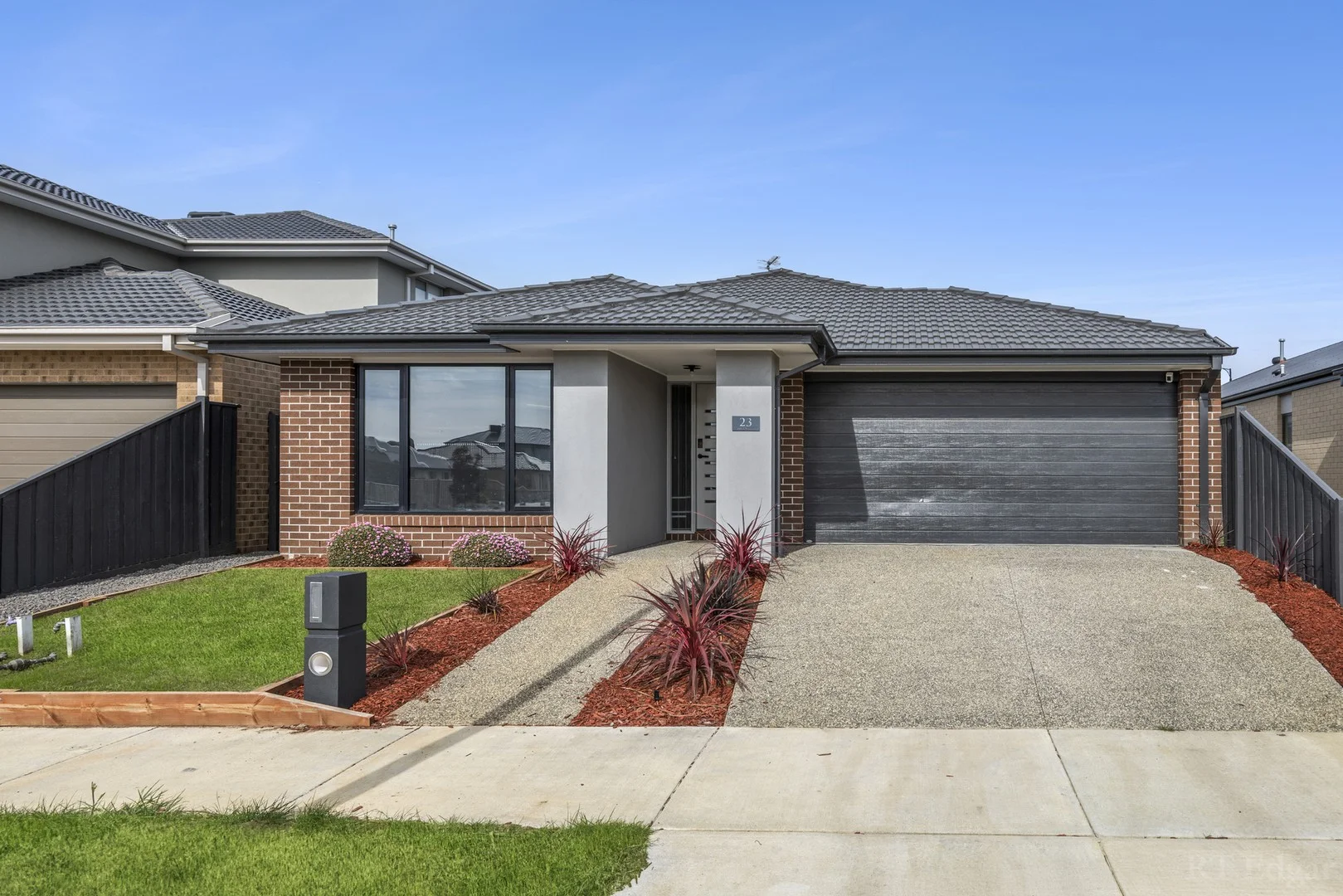 $599,000 - $658,900
House
$599,000 - $658,900
House
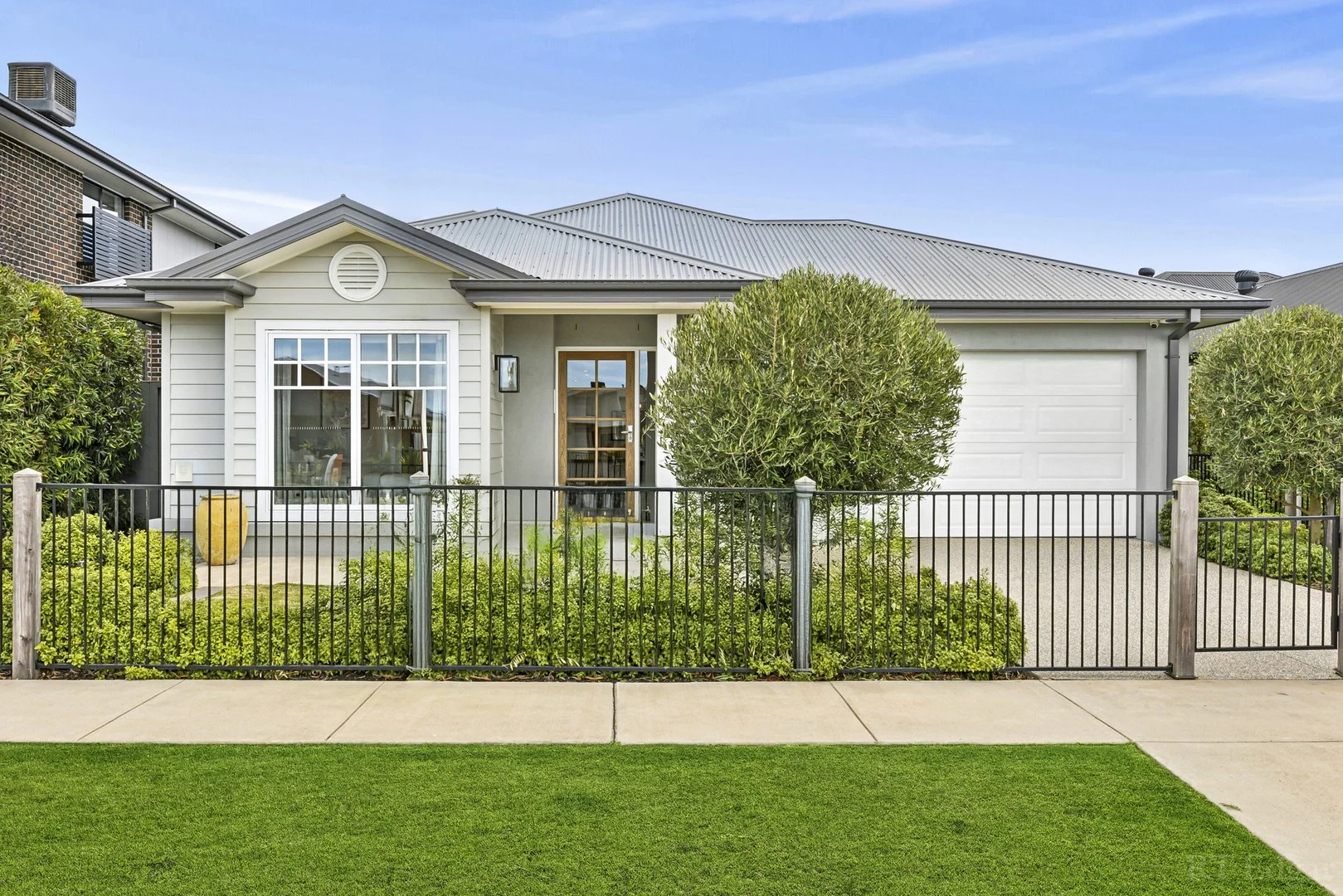 $877,800 - $965,580
House
$877,800 - $965,580
House
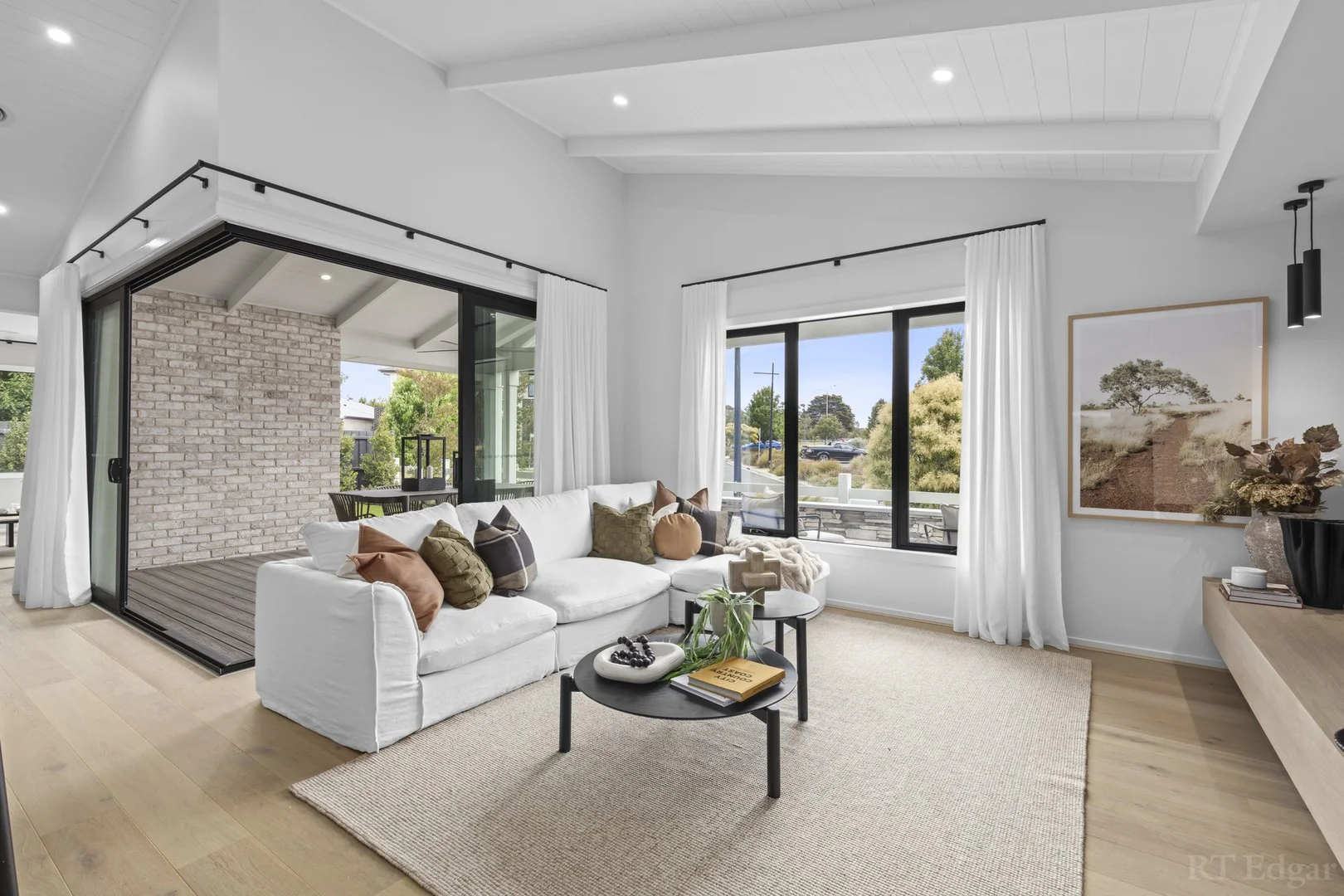 $1,022,295 - $1,124,524
House
$1,022,295 - $1,124,524
House
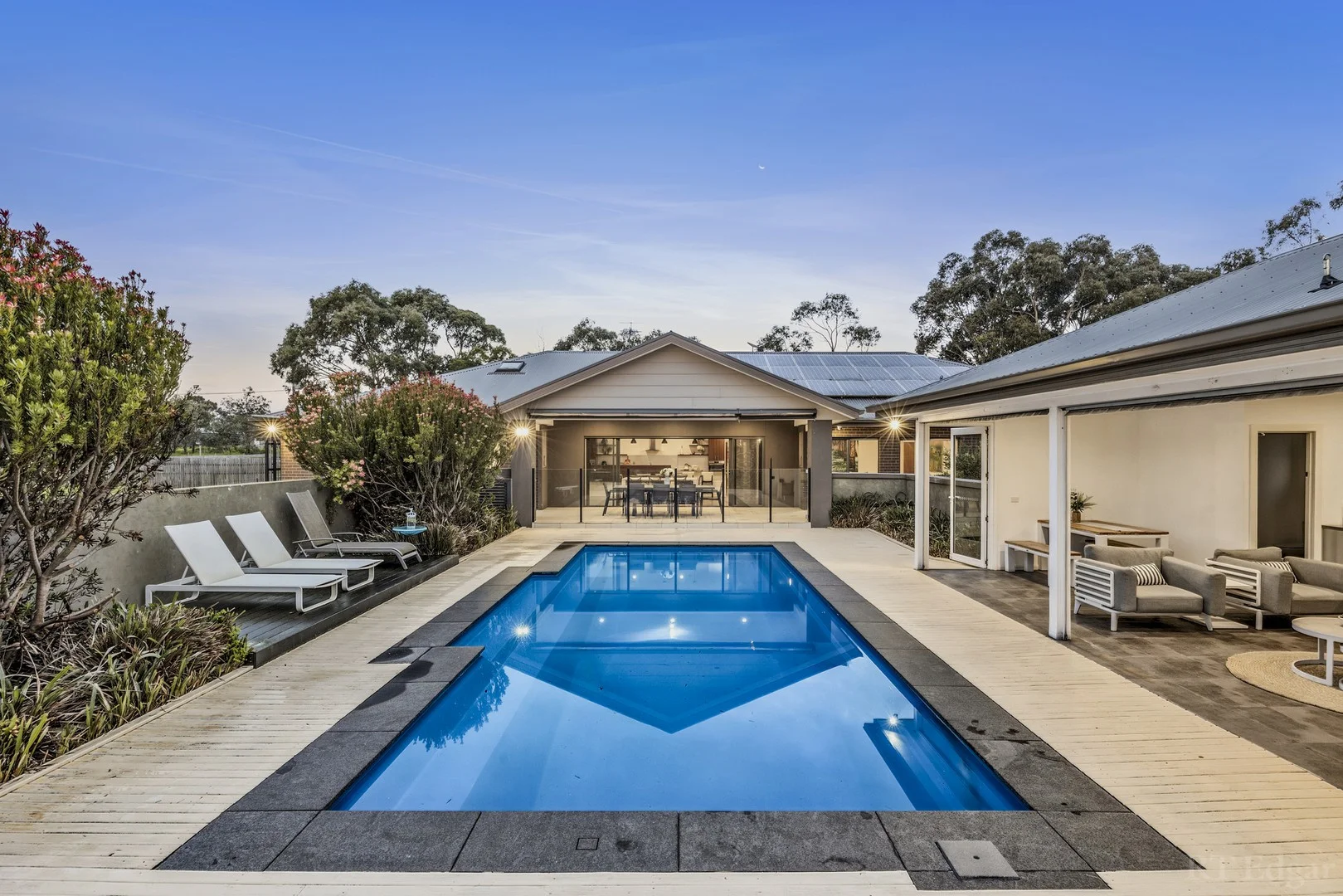 $3,006,750 - $3,307,425
House
$3,006,750 - $3,307,425
House
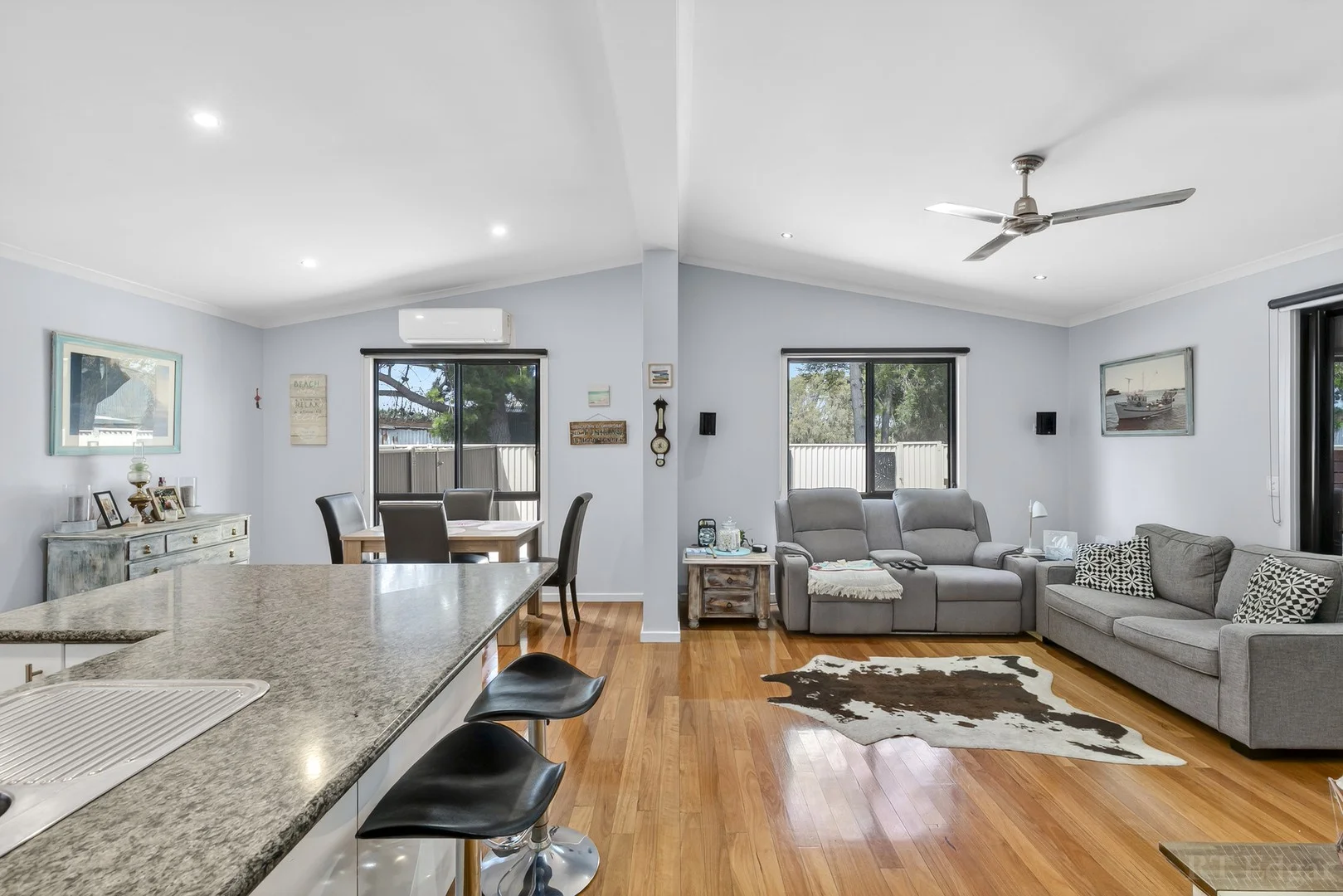 $538,175 - $591,992
Apartment / Unit / Flat
$538,175 - $591,992
Apartment / Unit / Flat
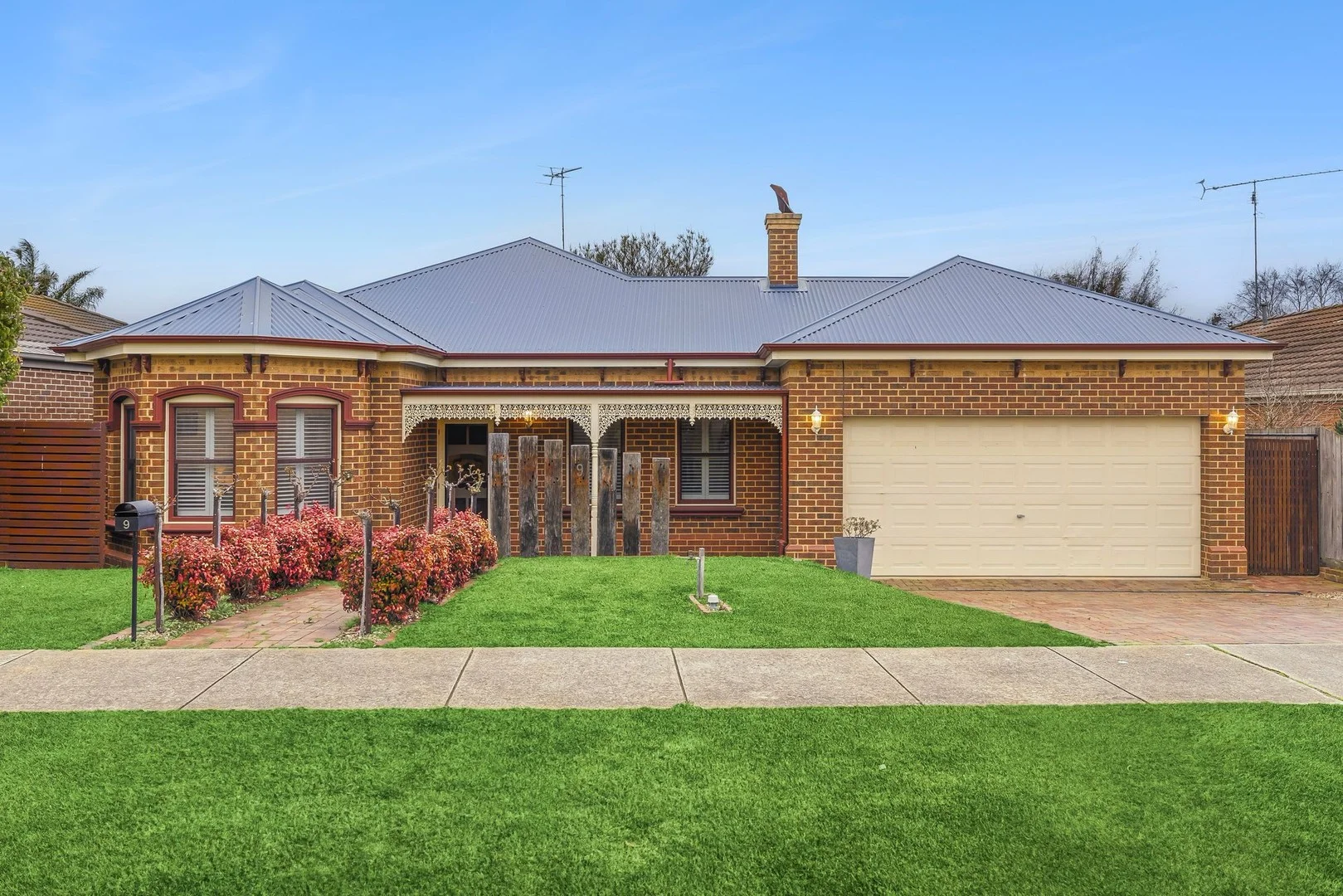 $830,000 - $890,000
House
$830,000 - $890,000
House
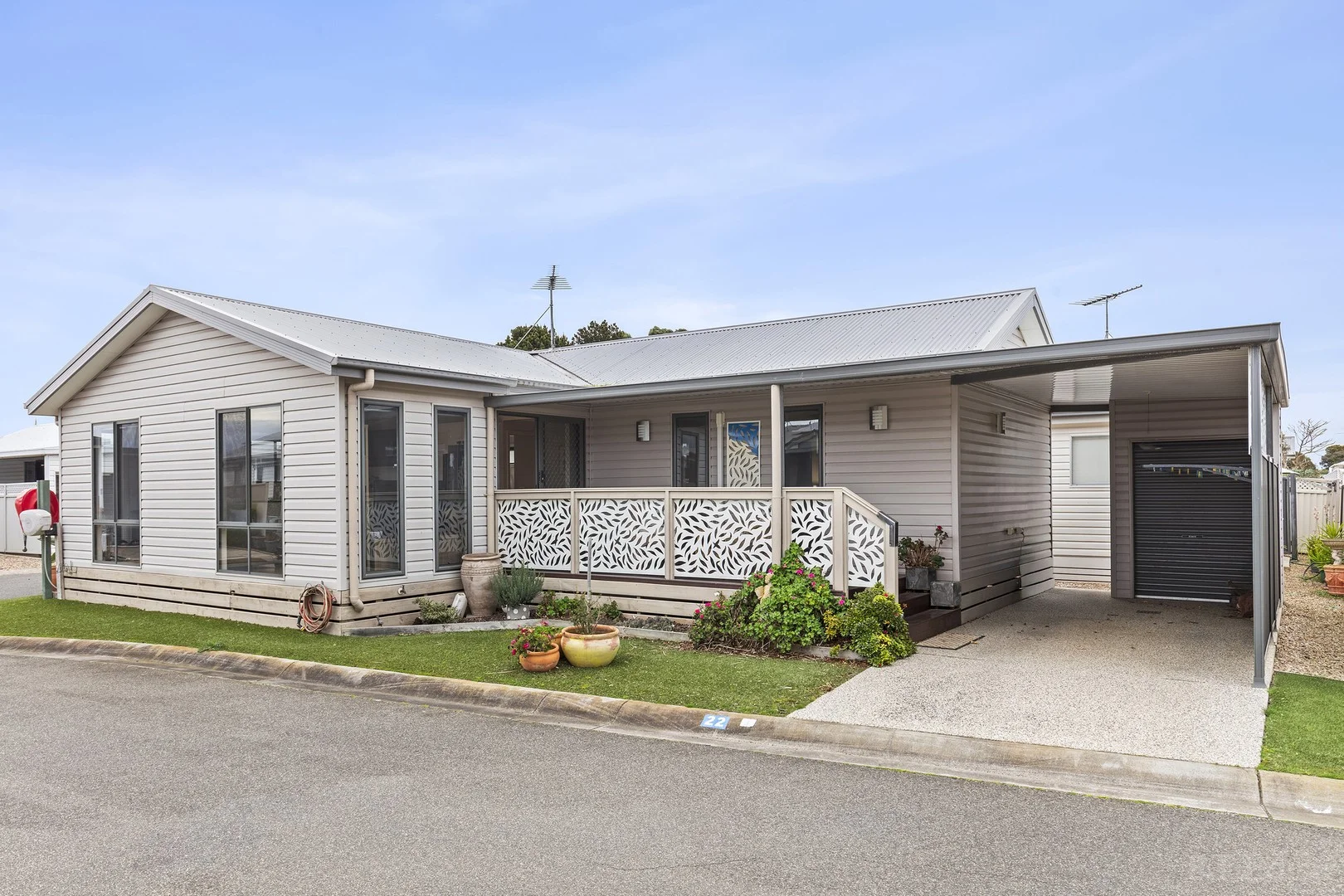 $428,450 - $471,295
House
$428,450 - $471,295
House
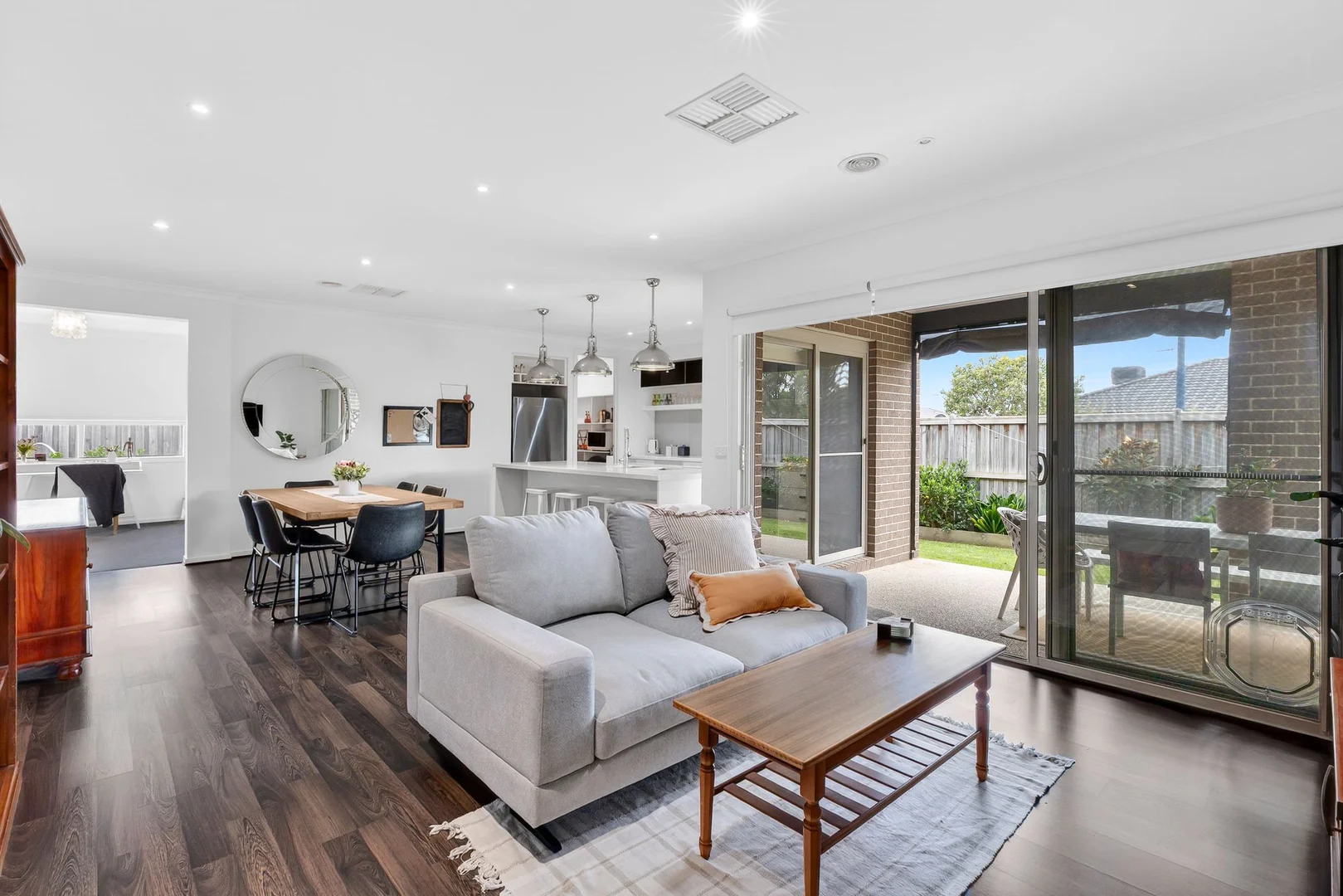 $840,000 - $880,000
House
$840,000 - $880,000
House
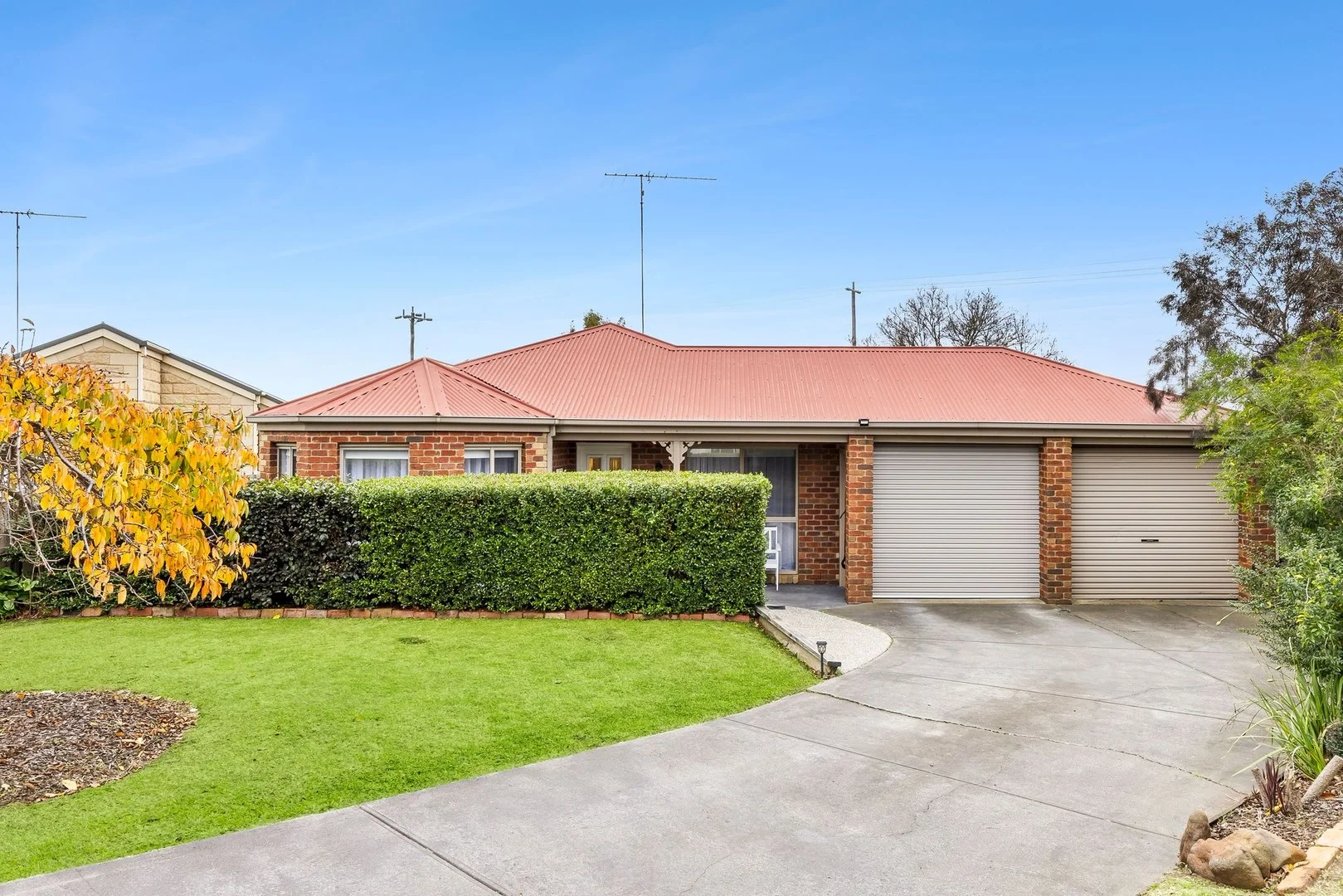 $810,000
House
$810,000
House


