1. Overview
Belmont High School is a public secondary school serving students from Belmont and surrounding areas. The school focuses on delivering a broad, student-centered education with pathways to VCE and vocational programs, supporting a wide range of interests and abilities.
- School type: Public
- School size: Medium-to-large
- Class size: Typically mid-20s
- Atmosphere/culture: Inclusive, nurturing, diverse, academically focused with strong emphasis on wellbeing and community involvement
2. Academics & Learning
Belmont High School offers a broad curriculum designed to support students across academic, vocational and creative pursuits, with opportunities to tailor learning through different pathways.
- Academic strengths: STEM, English, languages, leadership development and pathways to senior study (VCE/VCAL)
- Special programs: VCE and VCAL pathways; Vocational Education and Training (VET) options; coordinated student leadership and possible performance arts/music pathways
- NAPLAN trends: Historically steady to improving trends in reading and numeracy over recent years
- Student-teacher ratios: Typical classroom size supports a favorable teacher-to-student ratio (around the mid-teens to mid-20s per class)
- Support for diverse learners: EAL support, SEN support, literacy/numeracy intervention, inclusive education practices
3. Sports & Extracurricular Strengths
A strong emphasis on both sport and the arts, with opportunities to participate in teams, clubs and performance programs.
- Sports offered: Football, soccer, netball, basketball, cricket, athletics, swimming, tennis and more depending on season
- Strong teams or achievements: Active participation in regional competitions with many teams regularly competing
- Music, arts, drama programs: School ensembles, choir, drama and performing arts opportunities
- Clubs: Robotics, chess, coding, debating, and other interest clubs
- Partnerships: Local school and community partnerships, regional competitions and cooperative events
4. Wellbeing & Pastoral Care
Wellbeing is a central focus, with systems to support students’ personal and social development.
- Anti-bullying approach: Whole-school policies and restorative practices to address issues
- House system: House-based activities and student leadership opportunities
- Counsellors / wellbeing officers: Access to school counseling and wellbeing staff
- Transition support for new students: Orientation programs, buddy systems and transition assistance
5. Facilities
Facilities are designed to support a balanced learning experience across academics, arts and sport.
- Sports grounds
- Libraries
- Science labs
- Music/performing arts centers
- Tech/innovation labs
- Cafeteria
- Updated playgrounds
6. School Values & Community Culture
Belmont High School promotes a values-driven culture with strong community ties and student leadership opportunities.
- School values / mission: Respect, resilience, inclusivity and responsibility
- Leadership style: Student voice through student council, house leaders and teacher-student collaboration
- Behaviour expectations: Clear code of conduct with restorative and supportive practices
- Community reputation: Positive standing as an engaged, inclusive local school
- Diversity & inclusion: Commitment to a diverse and welcoming environment
7. School Logistics & Daily Operations
Practical details to help families plan around school life.
- School hours: Typical daytime schedule (start and finish times align with Victorian secondary norms)
- Before/after school care: Often available via external providers connected to the school community
- Uniform requirements: Standard school uniform policy
- Transport (bus routes): Public bus options and local transport connections; proximity to major suburbs
- Canteen availability: On-site canteen or cafeteria services
- Fees (low/medium/high ranges): Voluntary contributions and materials fees typical for public schools; overall affordable with possible fundraising activities
8. Enrolment & Admissions
11. What is the enrolment process and timeline?
- Applications are submitted through the Victorian Department of Education process. Families should prepare proof of residency, student records, and any relevant supporting documents. Offers are typically made in line with enrolment periods and capacity.
12. Is there a waiting list, and how does it work?
- Waiting lists may apply if year levels are at capacity. Admissions generally follow residential priority or established enrolment criteria; places are allocated as vacancies arise.
13. Are there any entry requirements, tests, or interviews?
- For most public secondary enrolments, there are no entry exams. Some programs (e.g., music or performing arts) may require auditions or portfolios. An interview or discussion may occur as part of program-specific pathways or to discuss prior schooling.
14. Does the school accept mid-year transfers?
- Mid-year transfers are possible if places are available. Families should contact the enrolments office to discuss current vacancies and required documentation.
9. Frequently Asked Questions
- Why Parents Choose This School?
- A commitment to inclusive education, strong wellbeing supports, broad academic and vocational pathways, and active community involvement.
- What type of student thrives at this school?
- Students who value a balanced environment with academic options, hands-on learning, and opportunities to participate in sport, arts, and clubs.
- What opportunities are available for students to extend their skills (academics, sports, arts)?
- Core subjects plus VCE/VCAL pathways, VET programs, music/arts ensembles, sports teams, debate, robotics, coding and other clubs.
- How does the school communicate with parents?
- Regular updates via newsletters, parent portals, meetings, and targeted communications from year coordinators and subject teachers.
- What is the school’s approach to teaching and learning?
- A mix of classroom instruction, project-based learning, and targeted support, with emphasis on student engagement and real-world problem solving.
- How does the school support students who need extra academic help?
- Timely interventions, literacy/numeracy support, EAL/SEN assistance, and personalised learning pathways where appropriate.
- What support is available for academic challenges?
- Access to tutors, counselor involvement, progress monitoring, and adjustment of learning plans as needed.
- How does the school communicate with parents? (Repeated)
- See above: newsletters, portals, meetings, and direct updates from staff.
- What are the class sizes and how much individual attention do students receive?
- Typical class sizes are mid-20s, with teacher support and targeted interventions available where needed.
- What extracurricular and sports opportunities are available?
- A range of sports teams, music/arts programs, and clubs such as robotics, chess, coding, and debating.
- What facilities does the school offer (sports, science, arts)?
- Sports grounds, libraries, science labs, music/performing arts centers, tech/innovation labs, canteen and updated student spaces.
- What is the school’s approach to technology and digital learning?
- Integration of digital tools across subjects, with access to devices and software supporting modern learning.
- What transport and accessibility options are available?
- Public bus services and local transport connections; school grounds are accessible to students with mobility needs.
- What are the typical school fees or additional costs?
- Public school fees are generally modest, with optional or subject-related costs for materials or activities; families may contribute via voluntary contributions.
10. Short Pros & Cons list
Pros
- Public, inclusive environment with broad pathways
- Strong wellbeing and pastoral care
- Balanced emphasis on academics, sport, arts and clubs
- Active student leadership and community engagement
- Support for diverse learners (EAL, SEN)
Cons
- Class sizes mid-20s, which some families may view as not fully individualized
- Waiting lists possible during peak intake years
- Some programs (e.g., auditions for specific arts programs) may require extra steps
- Availability of before/after care can depend on external providers
This draft is designed to help parents get a quick sense of Belmont High School’s identity, strengths, and practical considerations. If you’d like, I can tailor any sections further with more specific or updated details you provide or confirm with the school’s recent information.





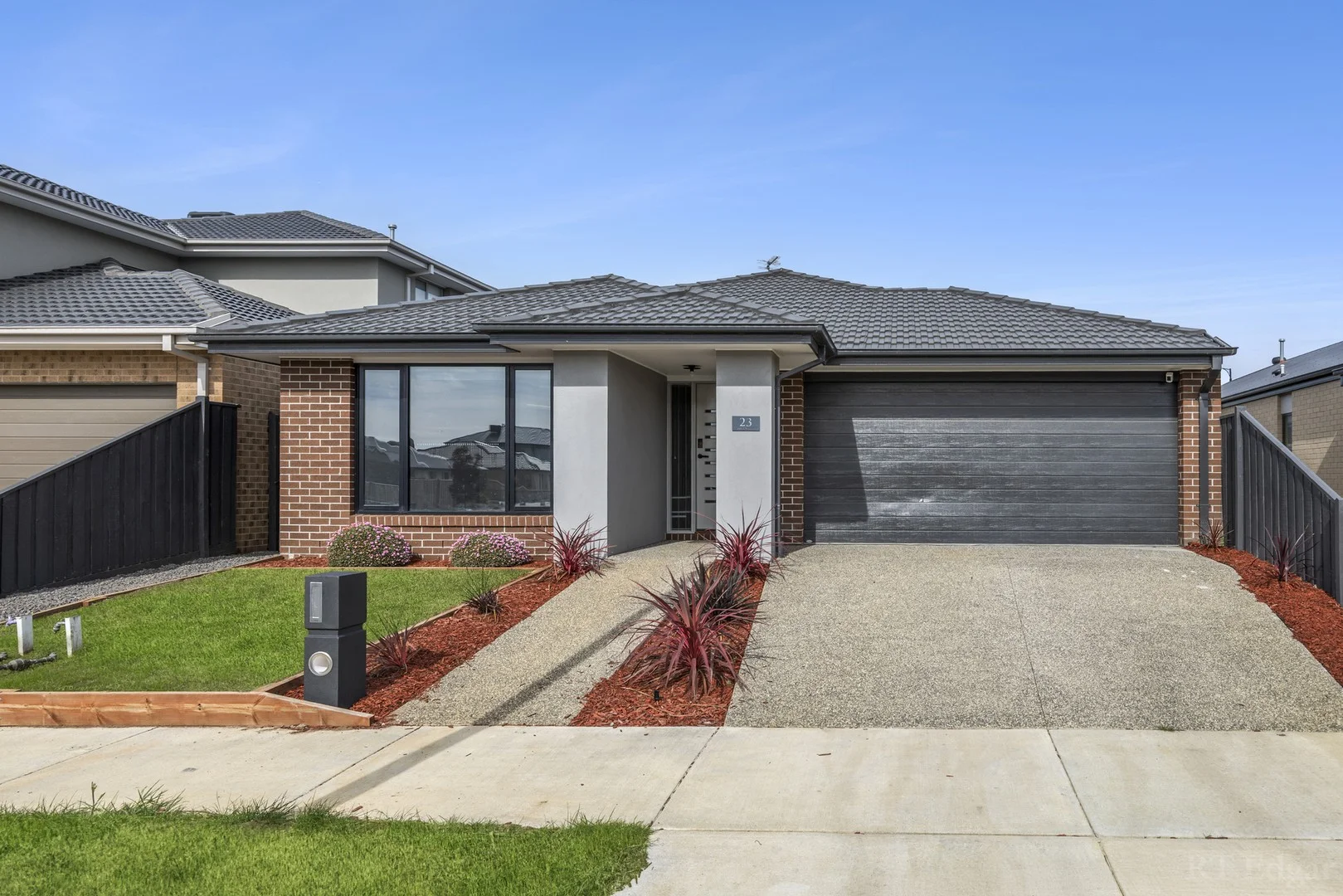 $599,000 - $658,900
House
$599,000 - $658,900
House
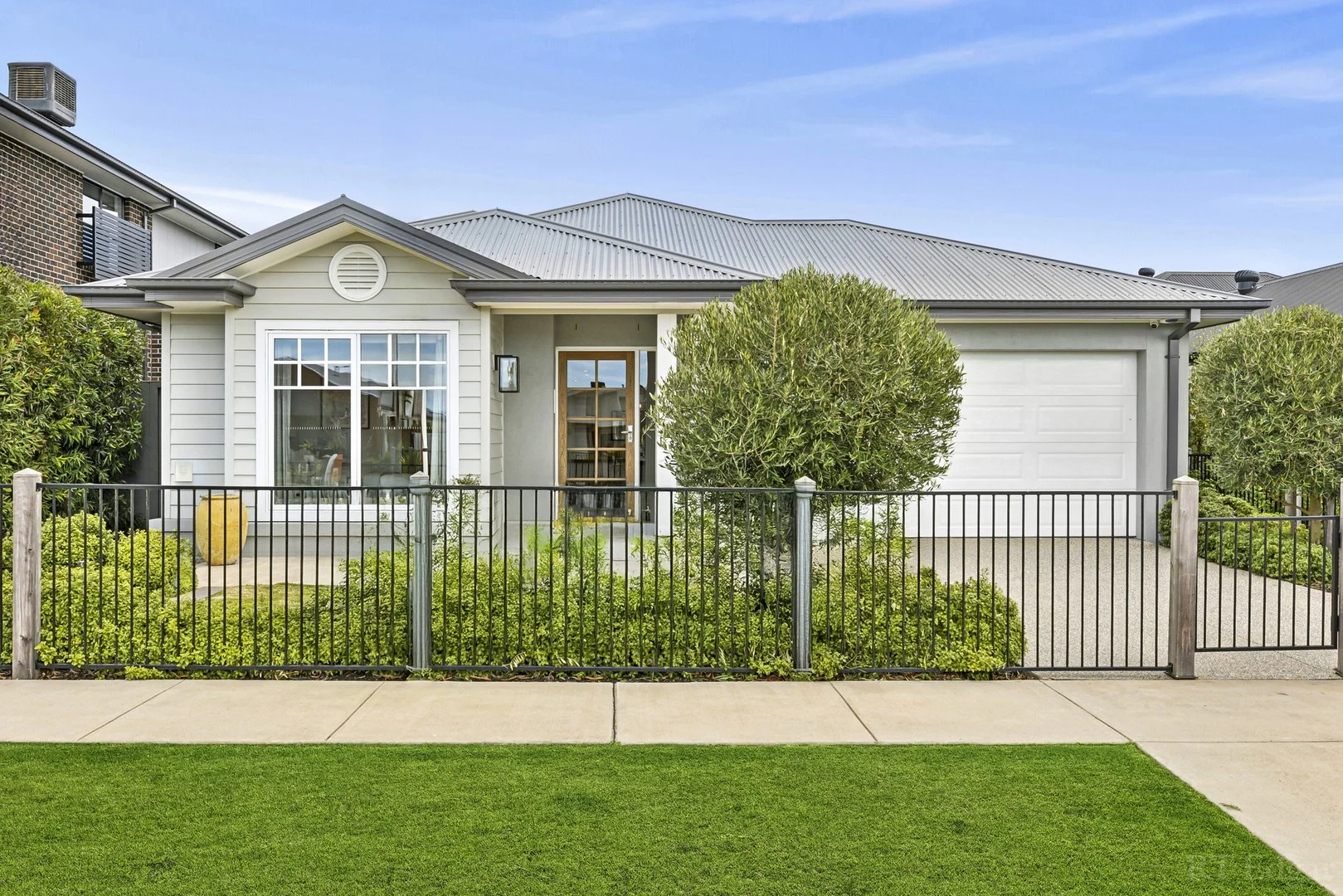 $877,800 - $965,580
House
$877,800 - $965,580
House
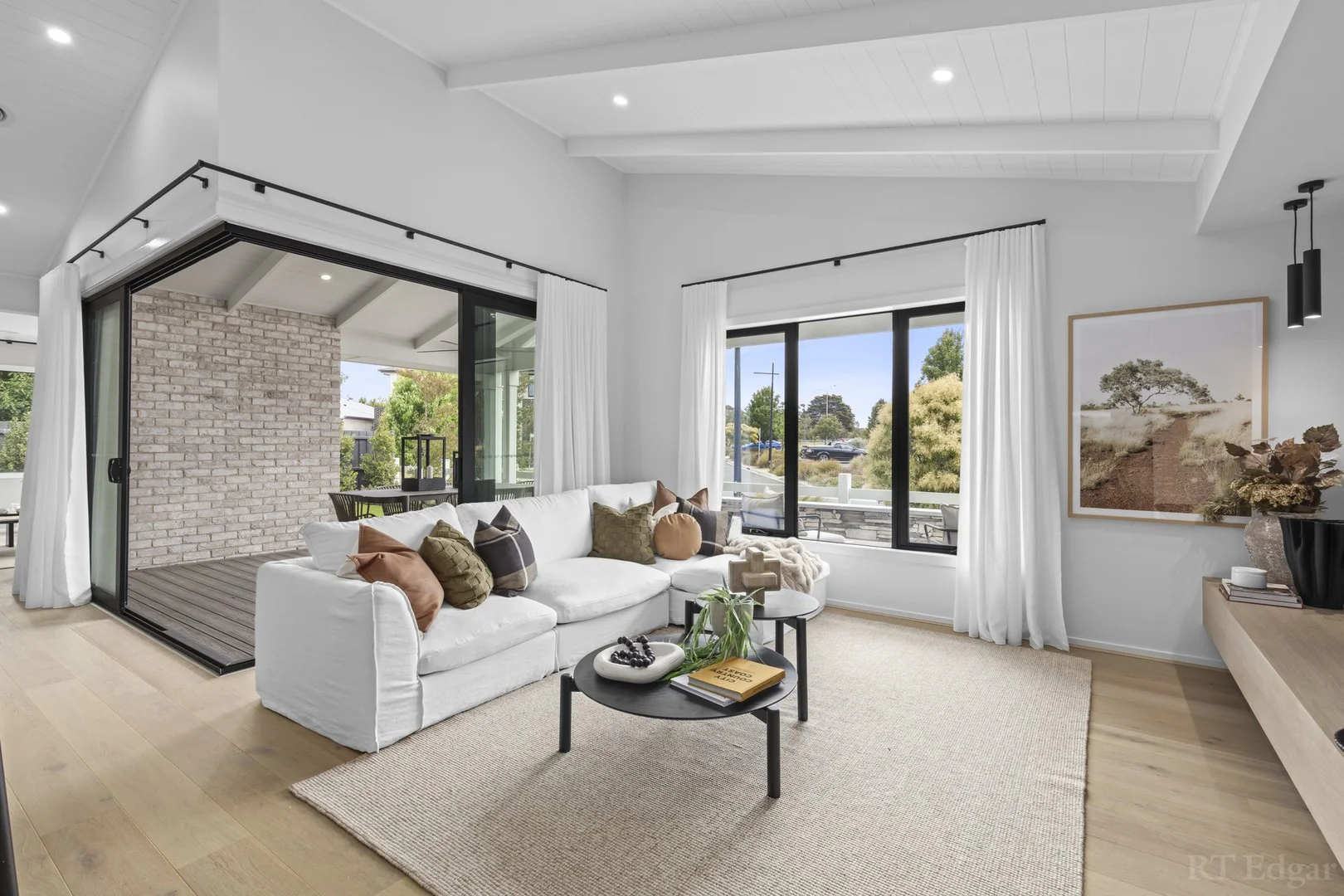 $1,022,295 - $1,124,524
House
$1,022,295 - $1,124,524
House
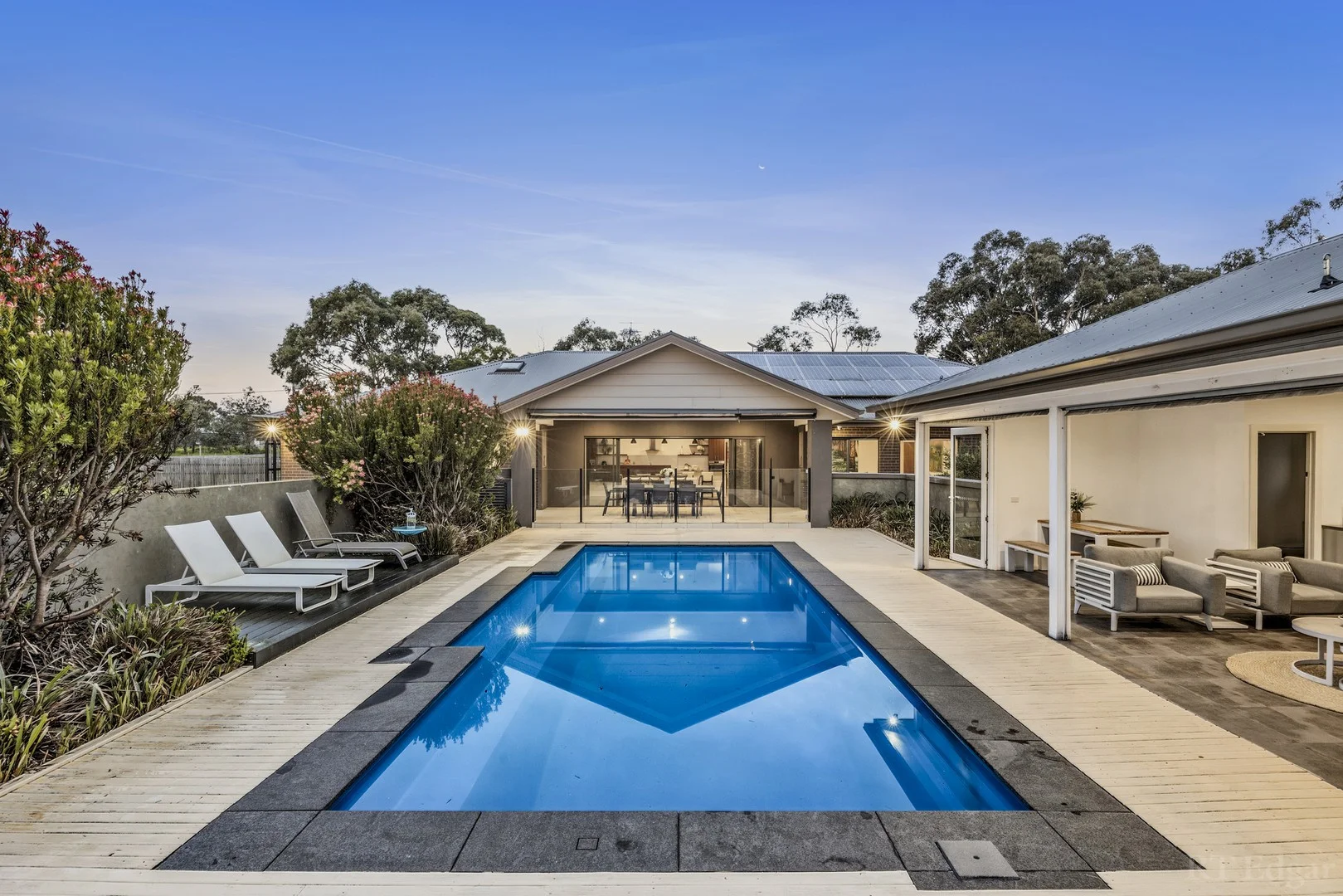 $3,006,750 - $3,307,425
House
$3,006,750 - $3,307,425
House
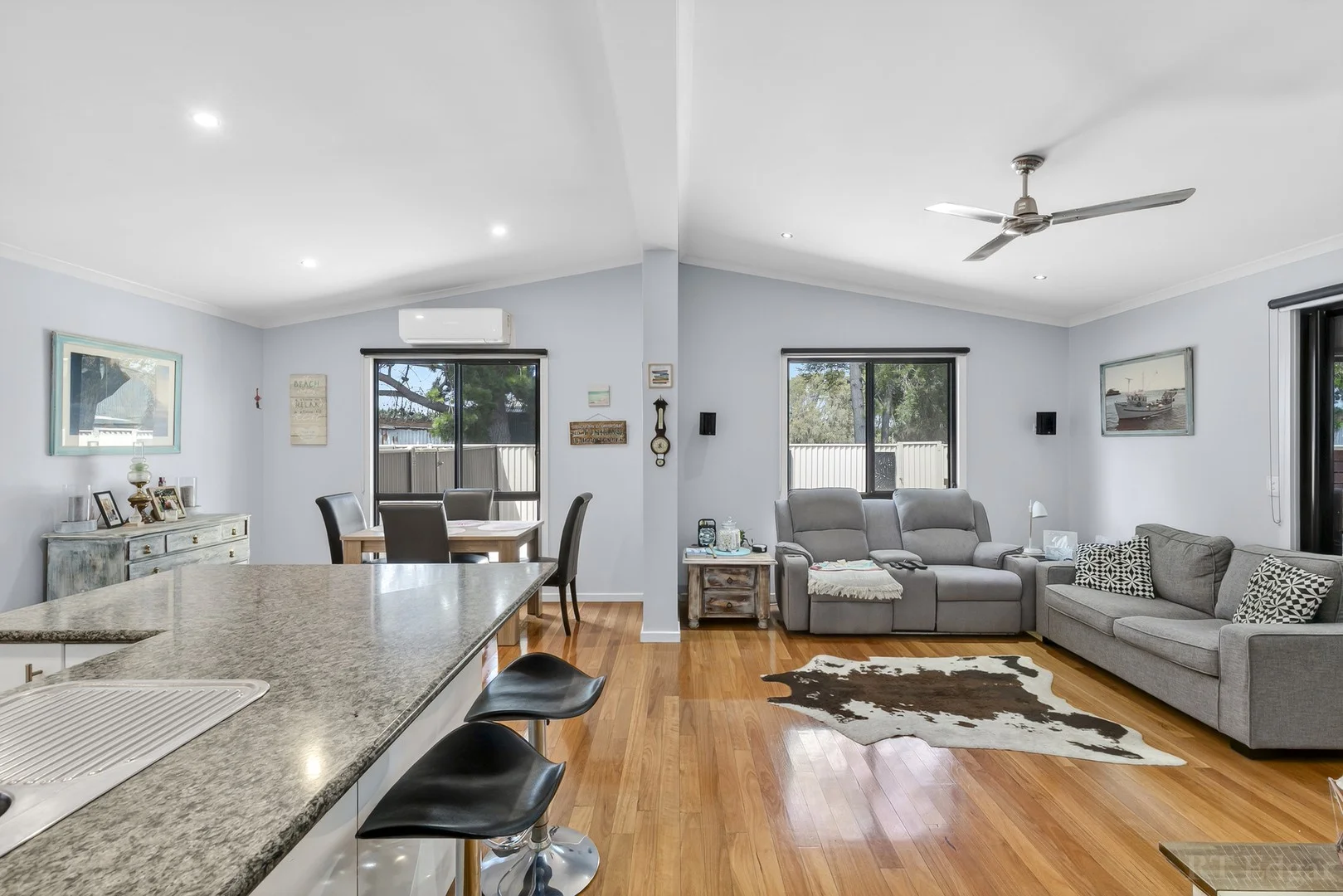 $538,175 - $591,992
Apartment / Unit / Flat
$538,175 - $591,992
Apartment / Unit / Flat
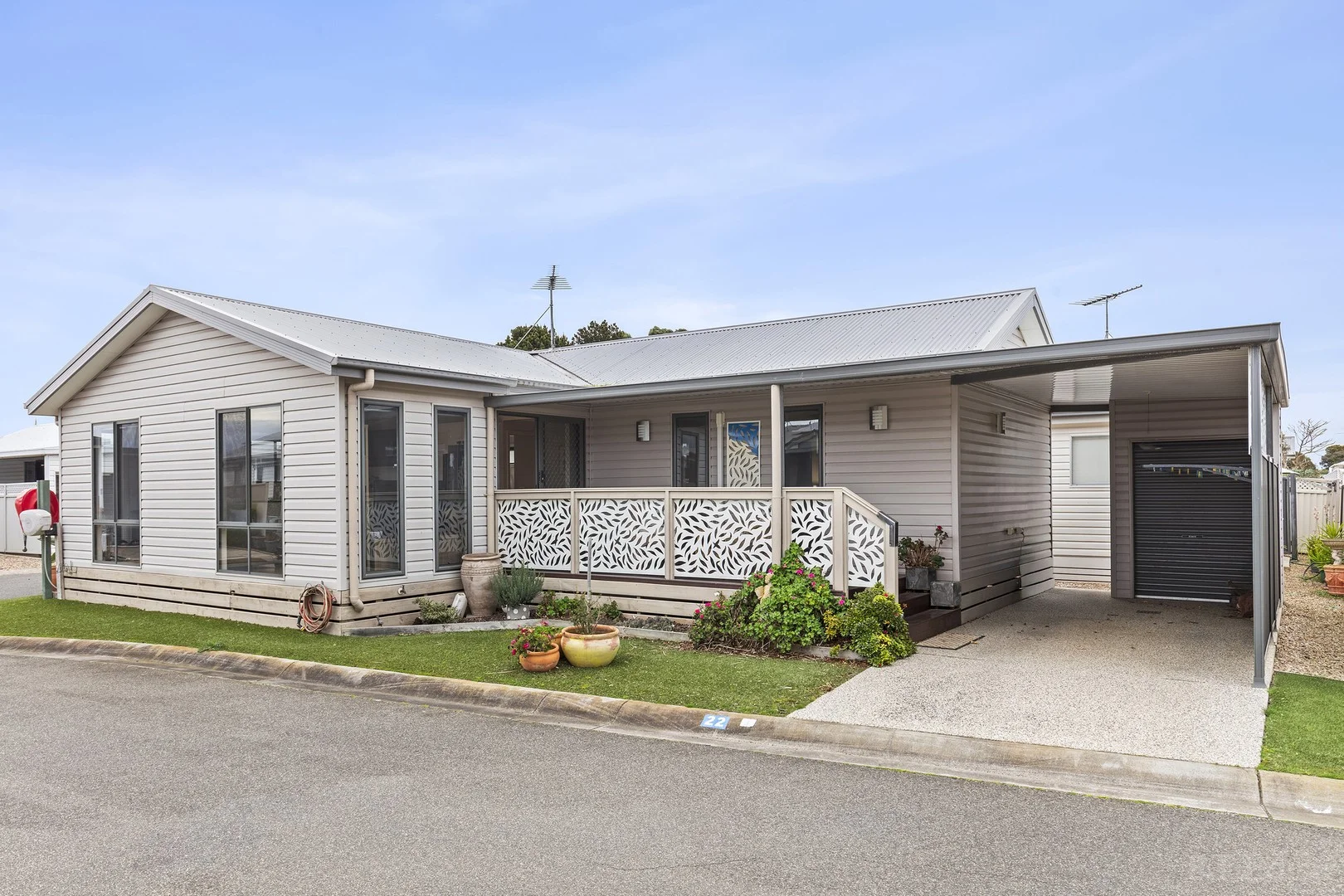 $428,450 - $471,295
House
$428,450 - $471,295
House
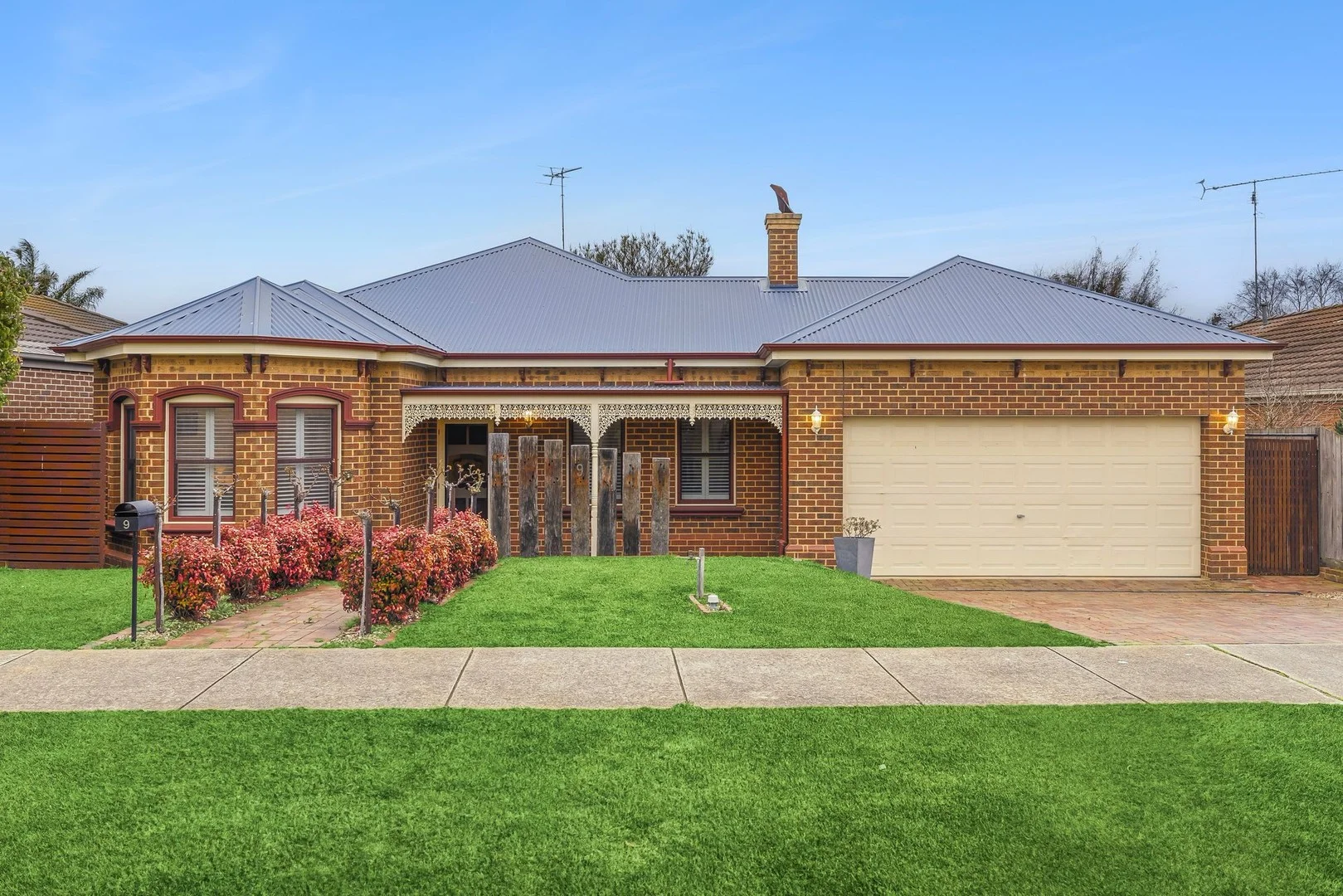 $830,000 - $890,000
House
$830,000 - $890,000
House
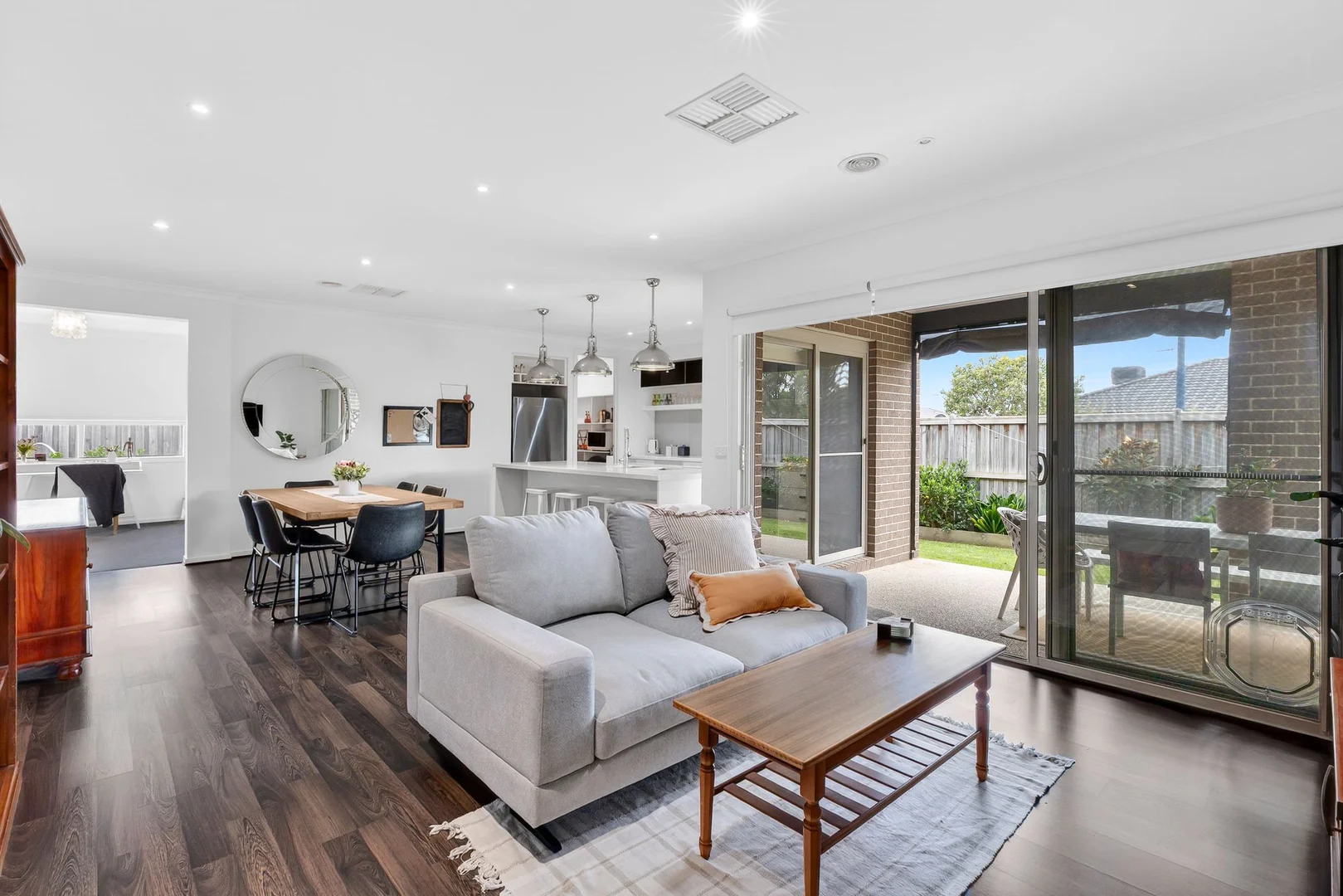 $840,000 - $880,000
House
$840,000 - $880,000
House
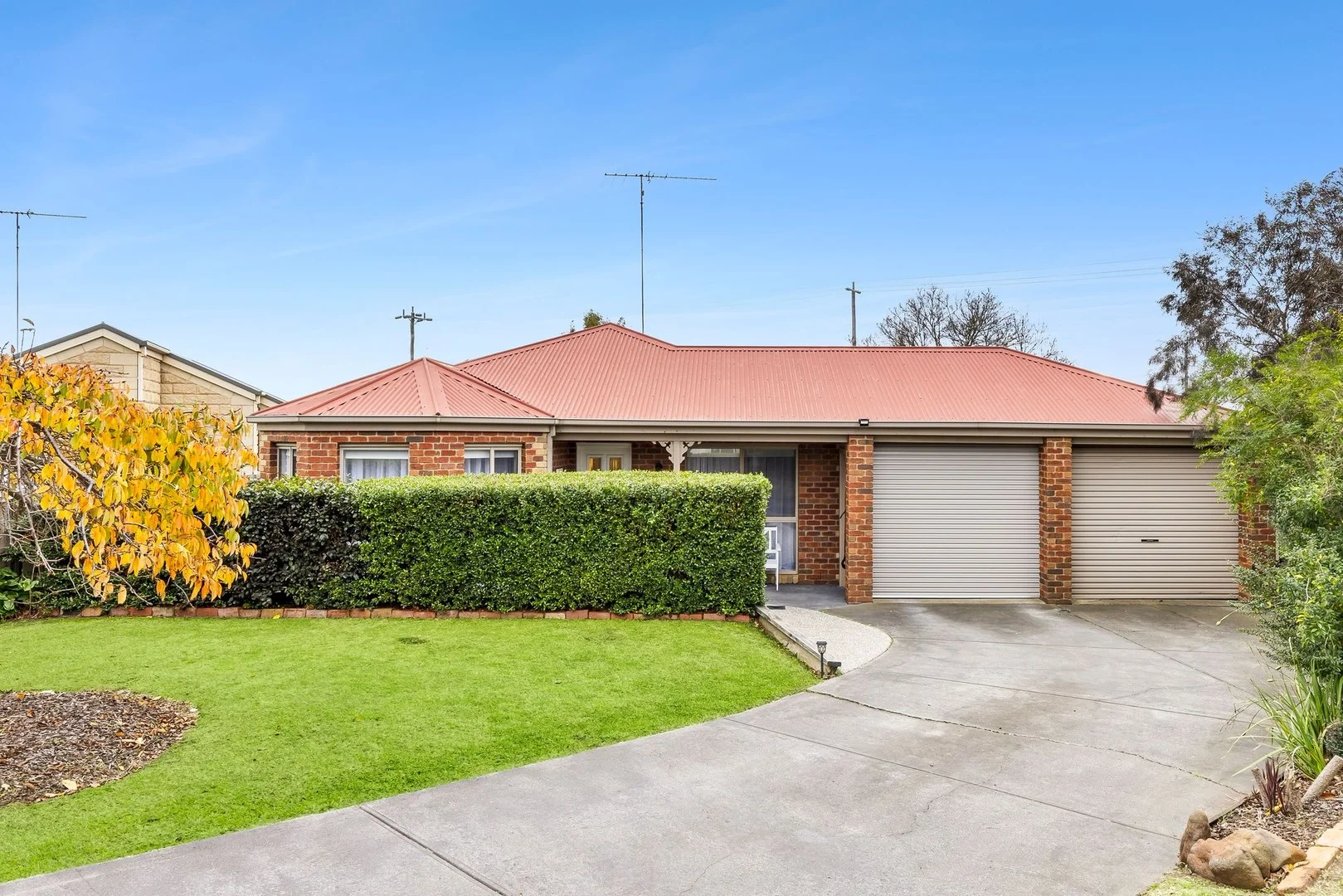 $810,000
House
$810,000
House


