1. Overview
Roslyn Primary School is a public, co-educational primary school serving families in Belmont and surrounding inner-Geelong communities. The school emphasizes a safe, inclusive, and supportive learning environment with a focus on wellbeing, community involvement, and strong student-teacher relationships.
- School type: Public
- School size: Medium
- Class size: Typically around 20–25 students per class
- Atmosphere/culture: Nurturing, inclusive, and community-driven, with a focus on active participation and student wellbeing
⸻
2. Academics & Learning
Roslyn Primary School aims to deliver a well-rounded Victorian curriculum with opportunities for students to develop foundational literacy and numeracy skills alongside inquiry-based learning in STEM and the digital world.
- Academic strengths: Literacy and numeracy, integrated STEM and digital technologies, development of critical thinking and problem-solving, and emphasis on reading comprehension and writing.
- Special programs: In-school extension and enrichment opportunities; access to gifted and talented pathways or cluster programs where available.
- NAPLAN / trends: Over recent years, trends show steady progress and alignment with state-level trajectories; school reports generally reflect ongoing improvement and consistency with regional averages.
- Student-teacher ratios: Typically around 1:18–1:22 depending on year level and class structure.
- Support for diverse learners: EAL/D support, inclusive education practices, and targeted support for students with additional learning needs.
⸻
3. Sports & Extracurricular Strengths
Roslyn Primary supports a broad range of activities to promote physical health, creativity, and teamwork.
- Sports offered: Soccer, netball, AFL-inspired programs, cricket, athletics, and school-level swimming/carnival activities.
- Strong teams or achievements: Regular participation in inter-school and district sports, with opportunities for representative selection and team recognition through ongoing participation.
- Music, arts, drama programs: School music program, choir or instrumental opportunities, and occasional drama/performing arts activities and productions.
- Clubs: Robotics, coding, chess, debating, and other STEM/creative clubs as available.
- Partnerships: Connections with local clubs, community organizations, and regional competitions to broaden experiences and opportunities for competitions and showcases.
⸻
4. Wellbeing & Pastoral Care
Prioritizing student wellbeing and positive school culture helps Roslyn Primary support all learners.
- Anti-bullying approach: Whole-school positive behavior frameworks, anti-bullying initiatives, and restorative practices to resolve conflicts and build respectful relationships.
- House system: House groups to foster belonging, healthy competition, leadership opportunities, and school spirit.
- Counsellors / wellbeing officers: Access to school wellbeing staff and external supports as needed to assist students and families.
- Transition support for new students: Orientation activities, buddy programs, and gradual transition processes to help new students settle in smoothly.
⸻
5. Facilities
Roslyn Primary offers a range of facilities designed to support learning, creativity, and physical activity.
- Sports grounds
- Libraries
- Science labs
- Music/performing arts centers
- Tech/innovation labs
- Canteen
- Updated playgrounds
⸻
6. School Values & Community Culture
Roslyn Primary aims to cultivate responsible, respectful, and engaged learners within a welcoming community.
- School values / mission: Focus on respect, integrity, resilience, and inclusion as core guiding principles.
- Leadership style: Collaborative leadership with opportunities for student voice and staff collaboration in decision-making.
- Behaviour expectations: Clear code of conduct with positive reinforcement and restorative approaches to behavior.
- Community reputation: Strong, active parent and community involvement with a reputation for warmth and support.
- Diversity & inclusion: Committed to celebrating diversity and providing inclusive opportunities for all students.
⸻
7. School Logistics & Daily Operations
Practical information helps families plan and participate in school life.
- School hours: Typically 9:00 am–3:30 pm (subject to official school calendar and occasional adjustments).
- Before/after school care: On-site or nearby after-school care options (OSHC or approved providers) available.
- Uniform requirements: Formal school uniform; details provided in enrolment materials.
- Transport (train/bus routes): Local bus routes and walking/cycling options; school maps and travel guidance provided by the school.
- Canteen availability: Canteen services available with a range of lunch options.
- Fees (low/medium/high ranges): Public school fees are generally modest; families may incur voluntary contributions, book packs, and excursion costs as applicable.
⸻
8. Enrolment & Admissions
11. What is the enrolment process and timeline?
- Check catchment eligibility and school placement options for the upcoming year.
- Submit an enrolment application for Prep (or transfer request if moving from another school) following the Victorian Department of Education timelines.
- Provide required documentation (birth certificate or proof of age, immunisation status, proof of residence, and any special needs information).
- The school will confirm placement or provide next steps if more information is needed; timelines vary by year and vacancy availability.
12. Is there a waiting list, and how does it work?
- Some year levels may have limited vacancies, resulting in a waiting list.
- Priorities are typically determined by local catchment rules and enrolment policies; both in-catchment and out-of-catchment requests are considered.
- Families on the waiting list are updated as vacancies arise and as new information becomes available.
13. Are there any entry requirements, tests, or interviews?
- Generally, public primary schools in Victoria do not require entrance tests or formal interviews for placement.
- Some transition assessments or discussions may occur to understand individual needs, along with standard immunisation verification and identity documentation.
14. Does the school accept mid-year transfers?
- Mid-year transfers are possible if places are available.
- Families should contact the school administration promptly to discuss vacancy status, required documentation, and transition arrangements.
⸻
9. Frequently Ask Questions
- Why Parents Choose This School?
- A strong, supportive community with a focus on wellbeing, inclusive education, and positive relationships between staff, students, and families.
- What type of student thrives at this school?
- Students who benefit from a caring, collaborative environment, strong literacy and numeracy foundations, and opportunities to explore sports, arts, and STEM within an inclusive setting.
- What opportunities are available for students to extend their skills (academics, sports, arts)?
- Enrichment within the classroom, clubs (robotics, coding, chess, debating), sports teams and inter-school events, music and performing arts opportunities, and technology-integrated learning.
- How does the school communicate with parents?
- Regular updates through newsletters, parent portals or communications apps, parent-teacher meetings, and open lines of communication with teachers and administration.
- What is the school’s approach to teaching and learning?
- A student-centered approach aligned with the Victorian curriculum, with emphasis on literacy, numeracy, inquiry-based learning, digital literacy, and inclusive practices.
- How does the school support students who need extra academic help?
- Targeted in-class supports, small-group or one-on-one assistance, EAL/D services, and referrals to specialist staff or external supports when needed.
- What support is available for academic challenges?
- Assessment-based planning, individualized learning goals, and ongoing monitoring to adjust supports and ensure progress.
- How does the school communicate with parents? (duplicate addressed above)
- What are the class sizes and how much individual attention do students receive?
- Class sizes typically around 20–25 students, with teachers providing differentiated instruction and opportunities for individual check-ins.
- What extracurricular and sports opportunities are available?
- A range of sports (soccer, netball, AFL-inspired activities, cricket, athletics), music and arts options, and clubs (robotics, coding, chess, debating).
- What facilities does the school offer (sports, science, arts)?
- Sports grounds, library, science labs, music/performing arts spaces, tech/innovation labs, canteen, and updated playgrounds.
- What is the school’s approach to technology and digital learning?
- Integration of digital literacy across the curriculum, access to devices and coding activities, and a focus on safe, responsible technology use.
- What transport and accessibility options are available?
- Local transport options and walking/biking routes; school guidance on travel planning and accessibility considerations.
- What are the typical school fees or additional costs?
- Public school standard fees are modest; costs may include voluntary contributions, book packs, and optional excursions.
⸻
10. Short Pros & Cons list
Pros
- Strong sense of community and supportive staff
- Inclusive learning environment with focus on wellbeing
- Broad range of academics, arts, and sports opportunities
- Accessible facilities (libraries, labs, performing arts spaces)
- Active parent involvement and local partnerships
Cons
- As a public school, class sizes and resources can vary by year and cohort
- Some specialised programs may depend on annual funding and district availability
- Extracurricular activities and facilities can vary by year depending on scheduling and capacity
⸻






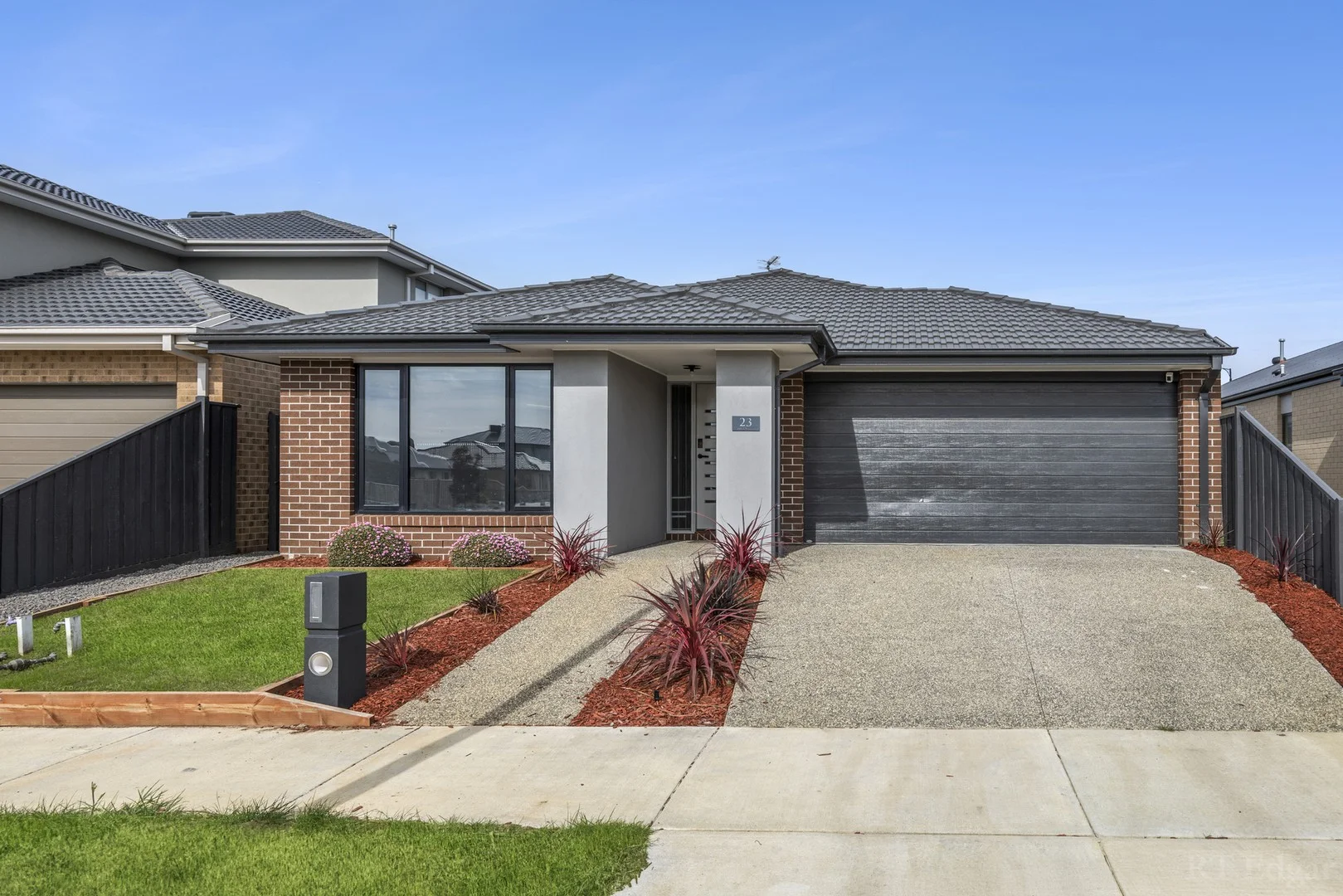 $599,000 - $658,900
House
$599,000 - $658,900
House
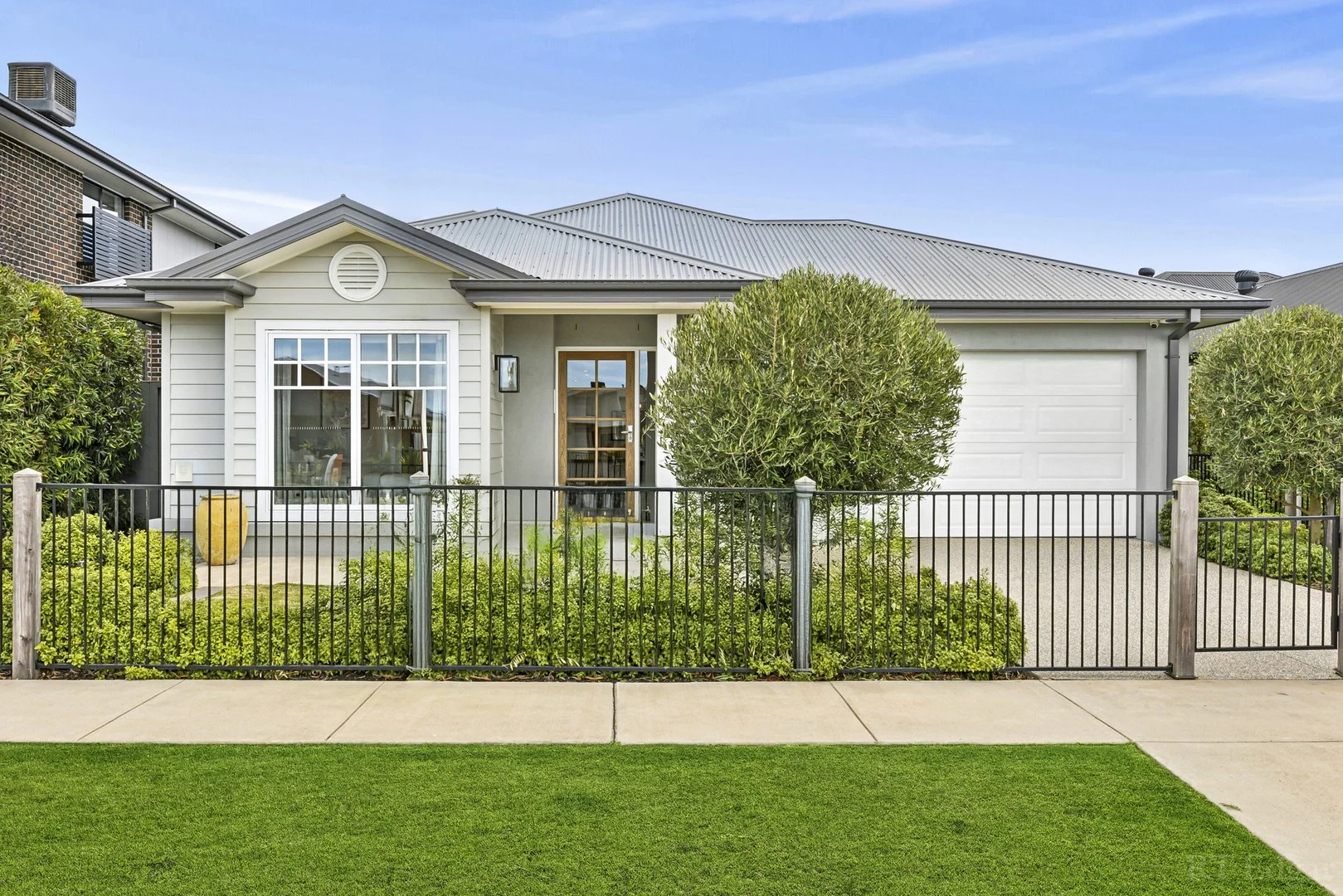 $877,800 - $965,580
House
$877,800 - $965,580
House
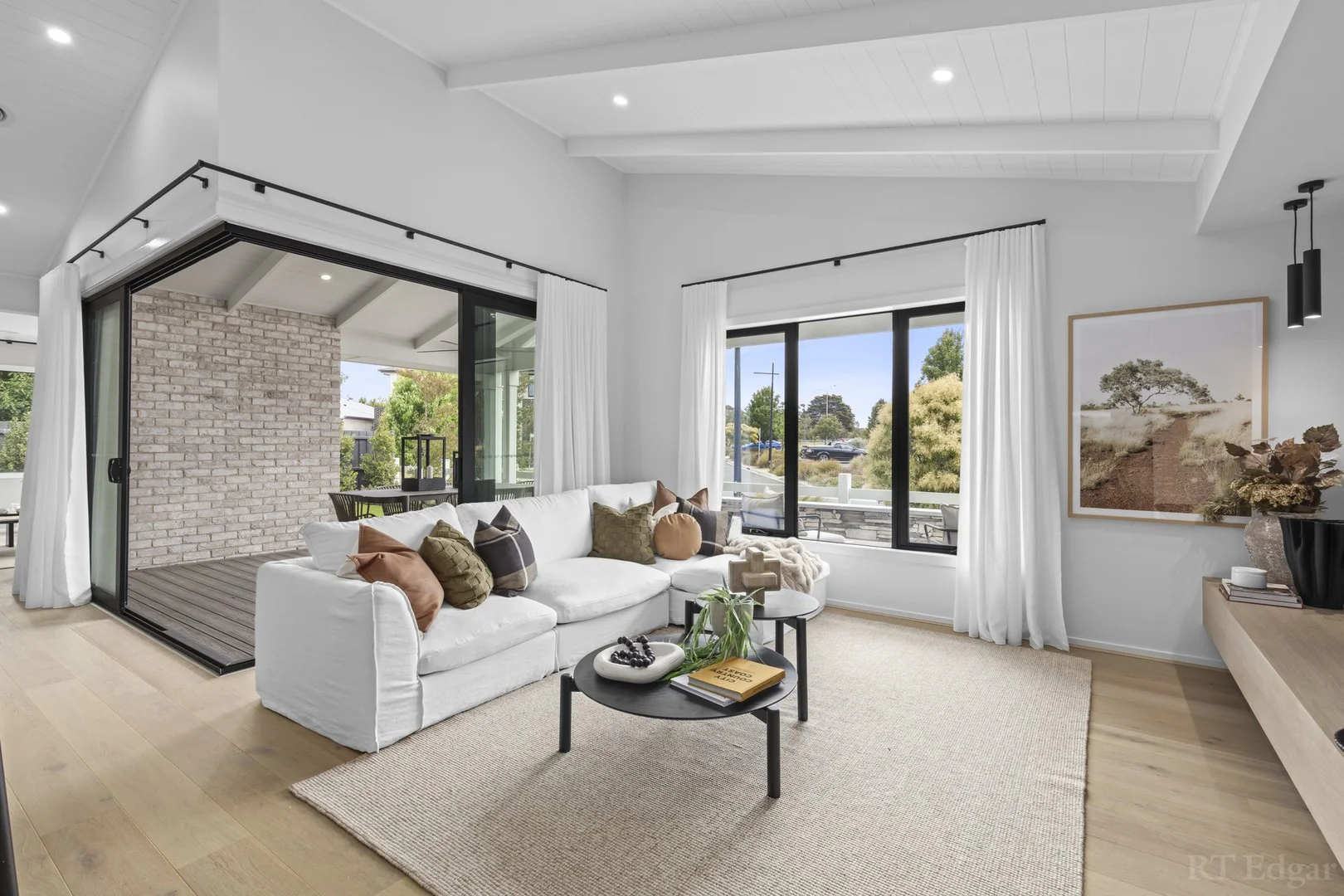 $1,022,295 - $1,124,524
House
$1,022,295 - $1,124,524
House
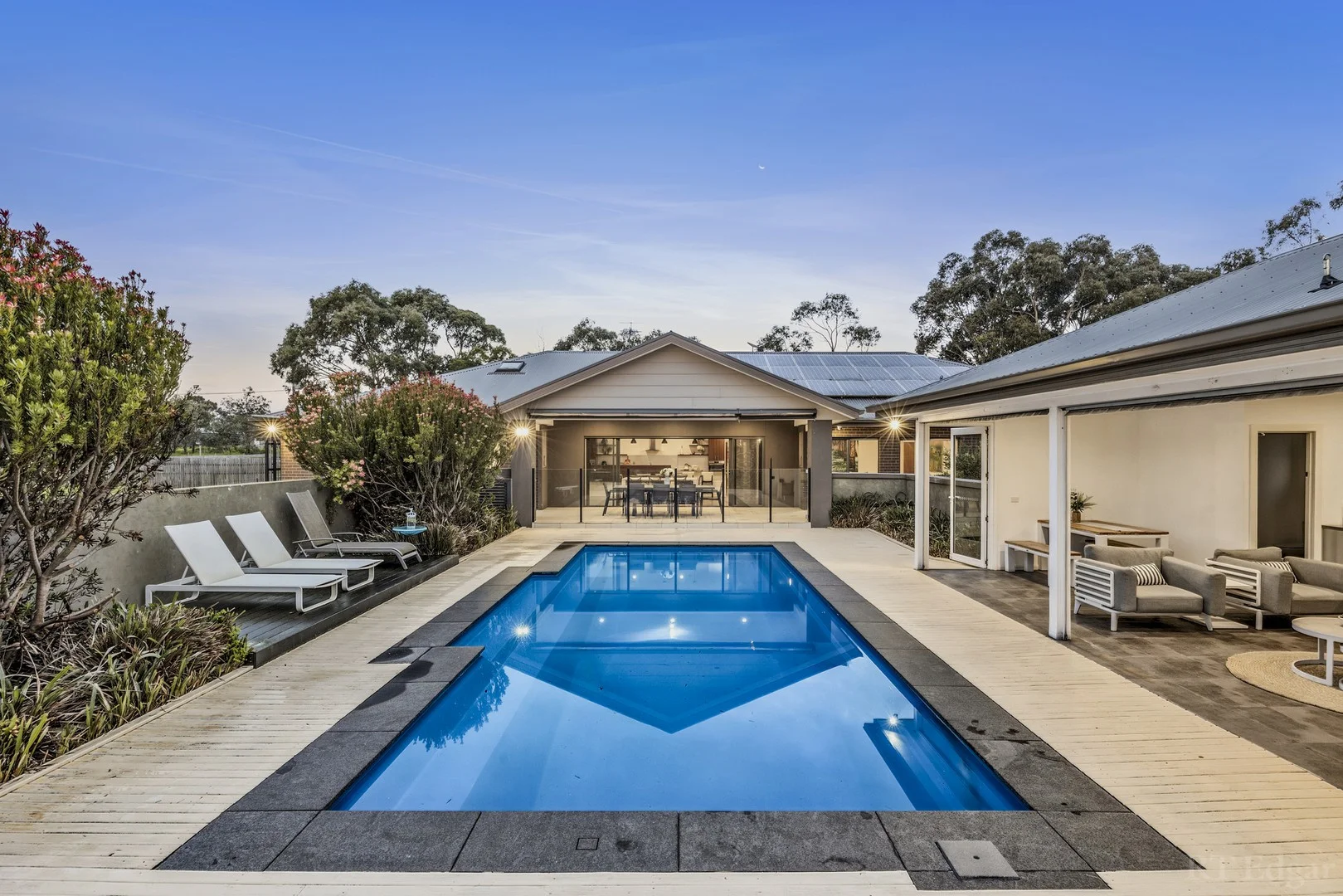 $3,006,750 - $3,307,425
House
$3,006,750 - $3,307,425
House
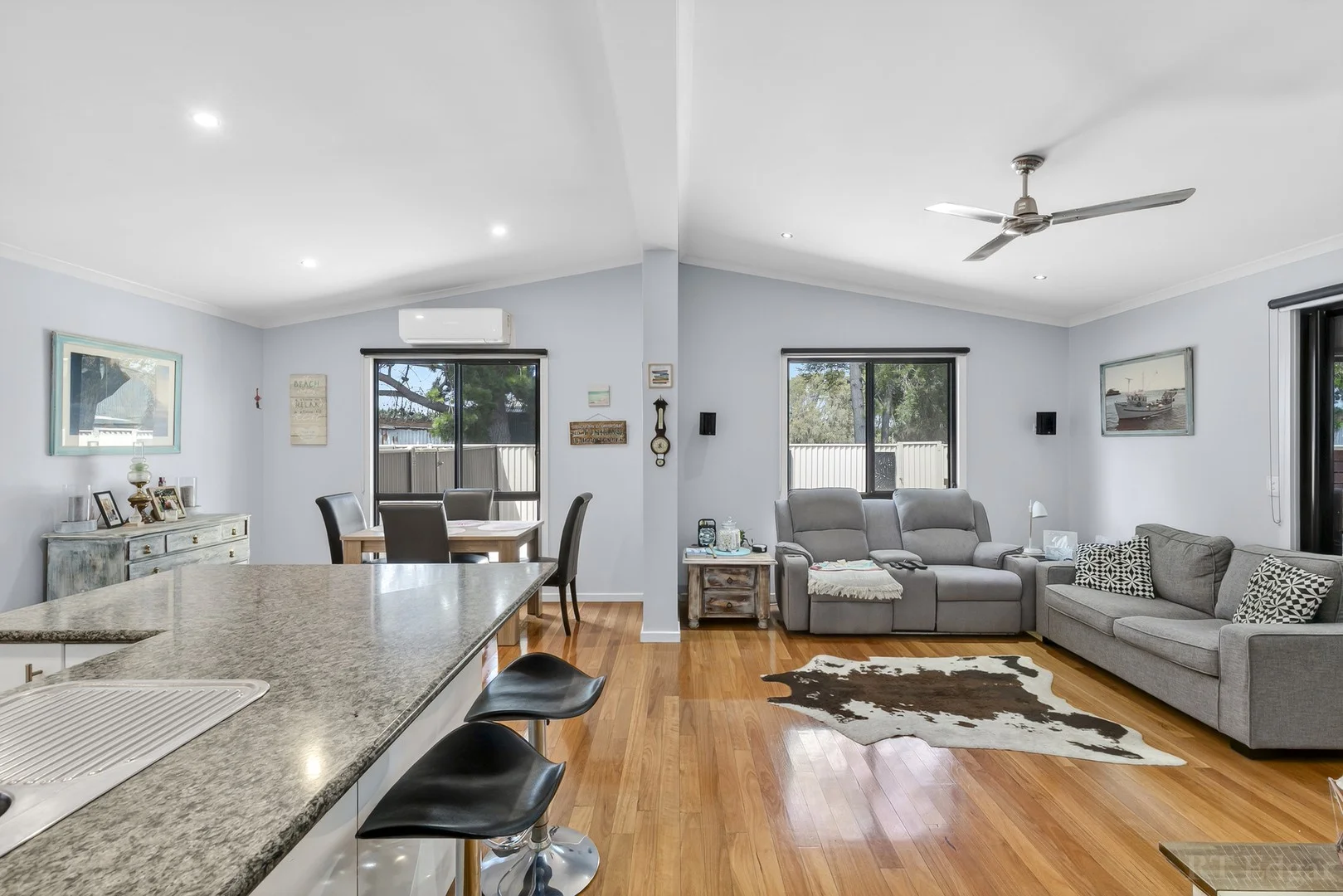 $538,175 - $591,992
Apartment / Unit / Flat
$538,175 - $591,992
Apartment / Unit / Flat
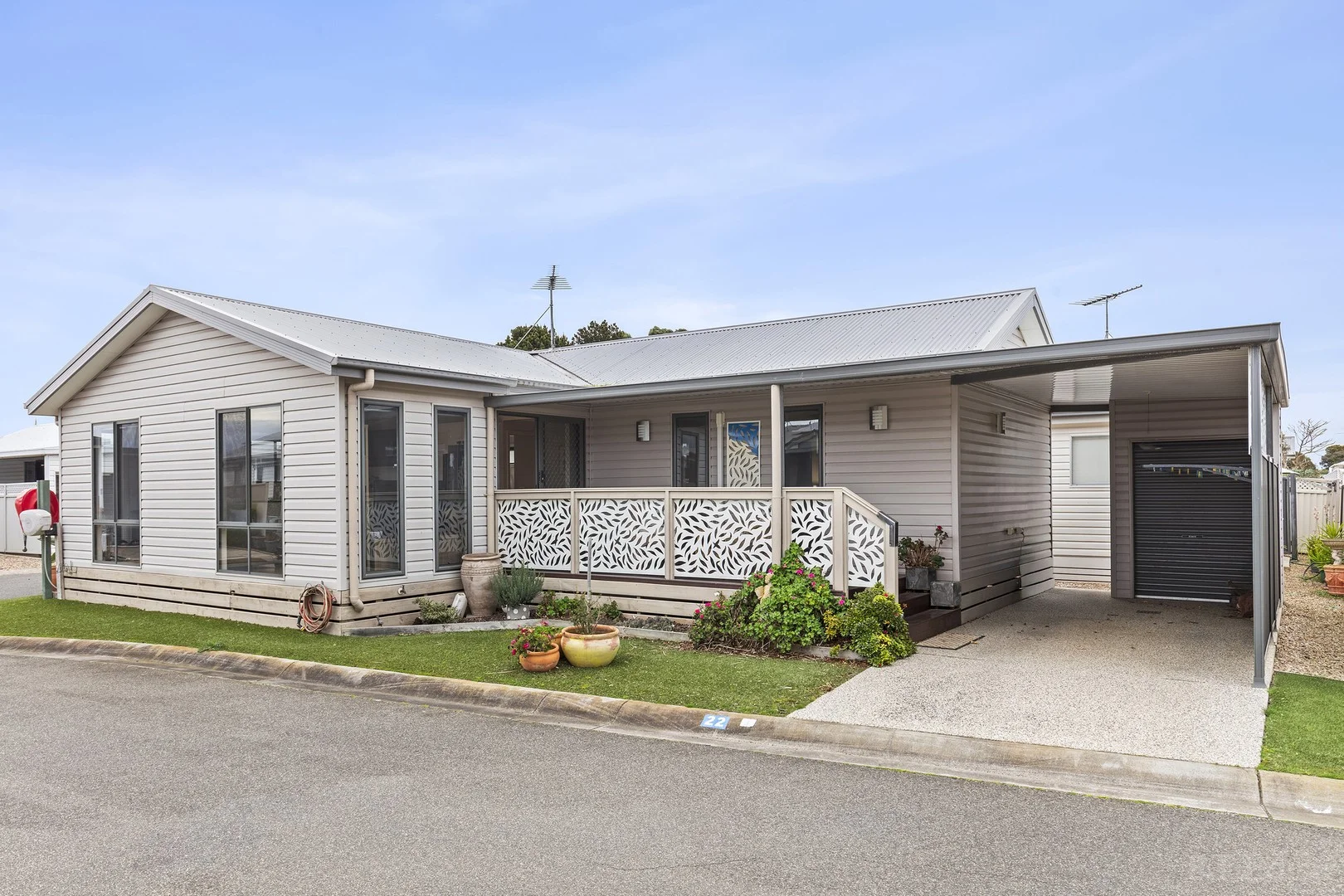 $428,450 - $471,295
House
$428,450 - $471,295
House
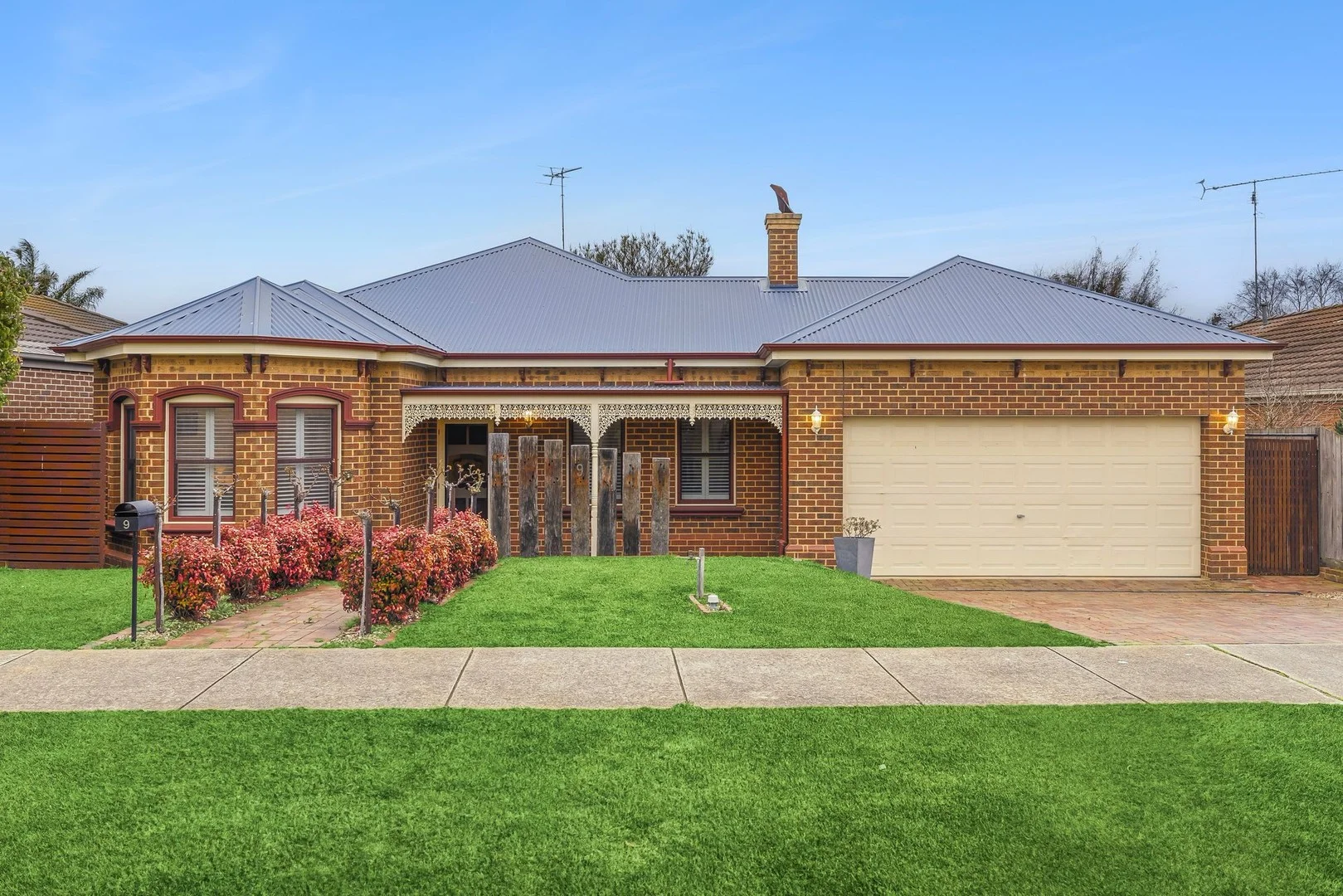 $830,000 - $890,000
House
$830,000 - $890,000
House
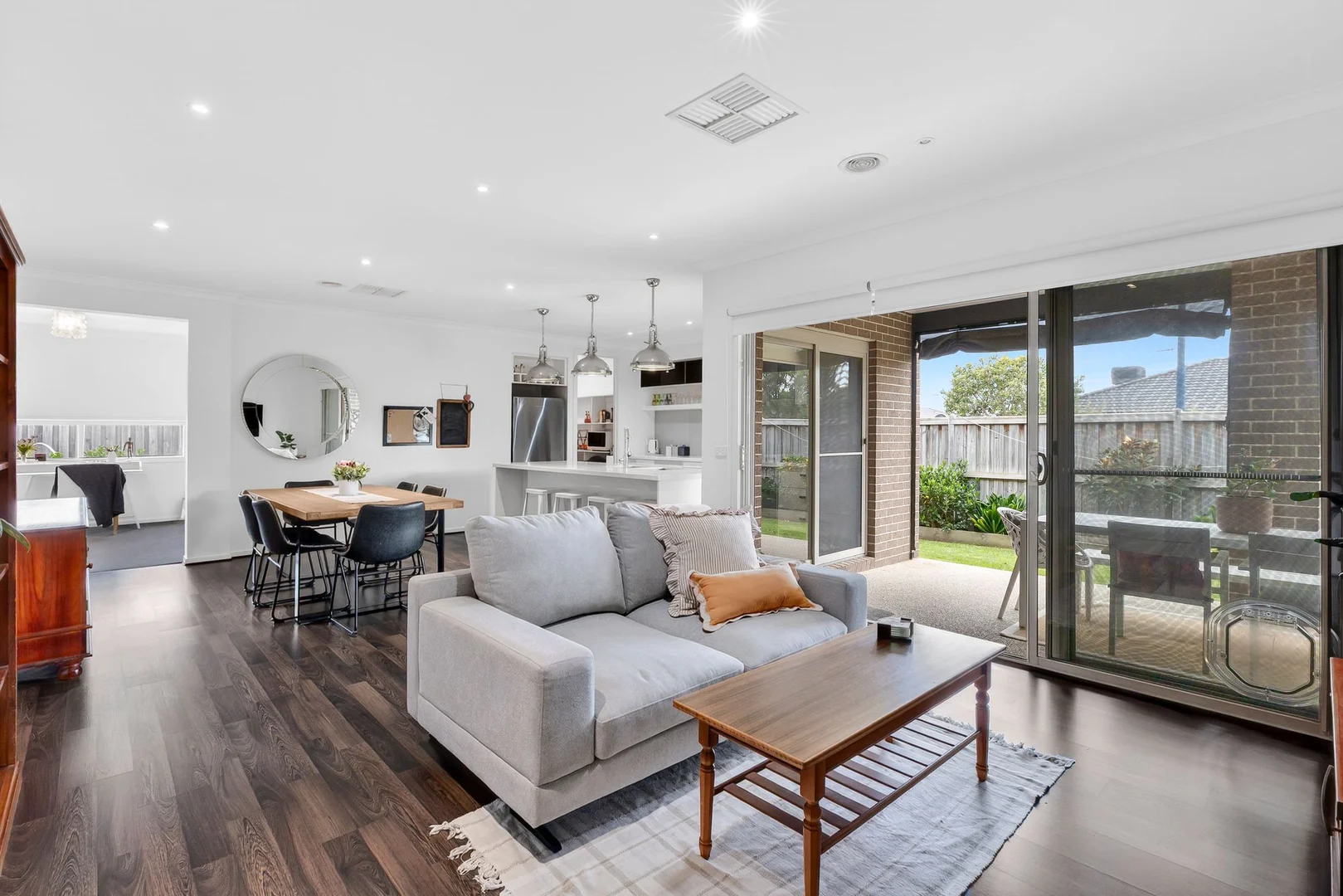 $840,000 - $880,000
House
$840,000 - $880,000
House
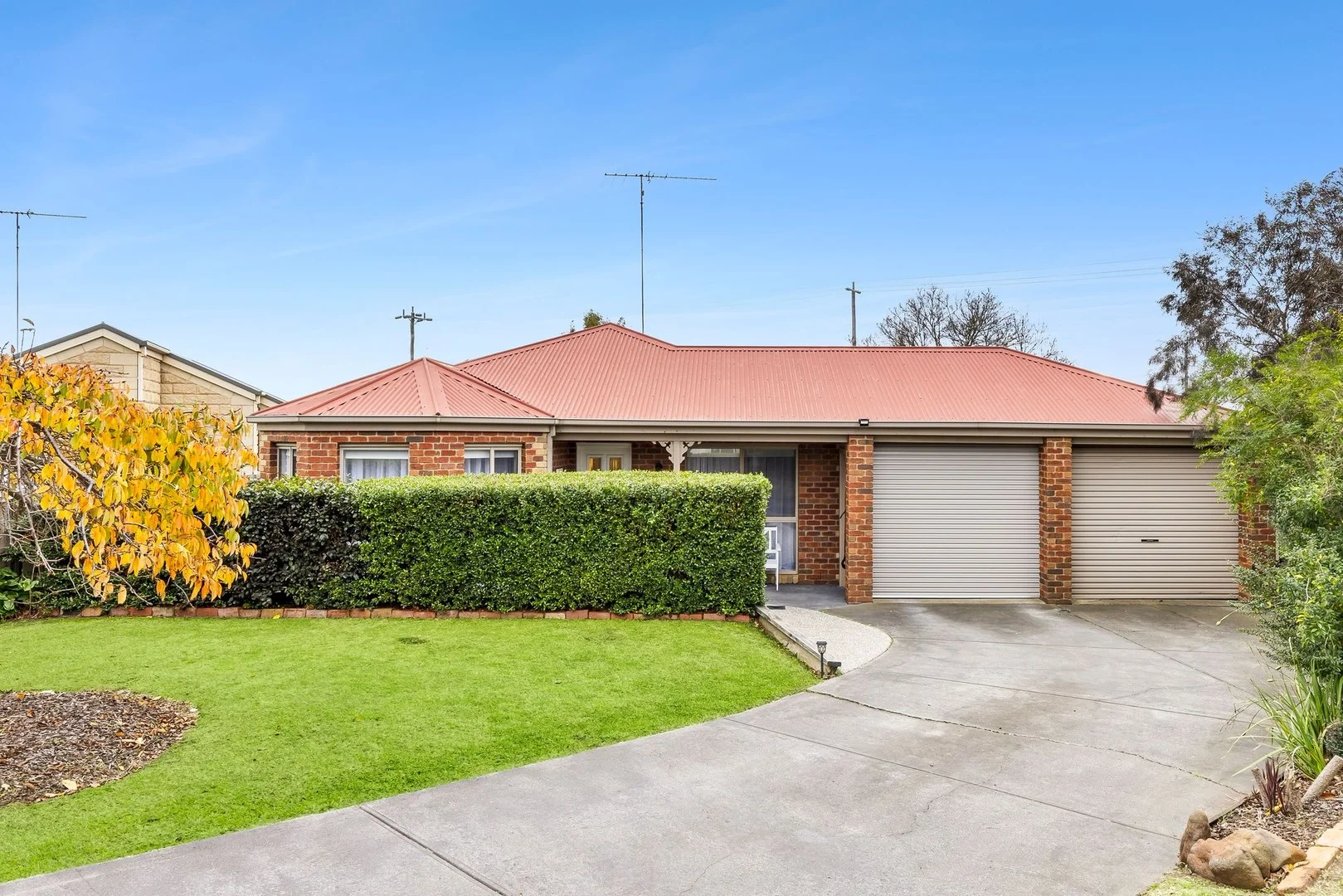 $810,000
House
$810,000
House


