1. Overview
Eden Hills Primary School is a public, co-educational primary school serving the Eden Hills community. It is a medium-sized school that focuses on creating a supportive and inclusive atmosphere where students can grow across academics, kindness, and personal development.
- School type: Public
- School size: Medium
- Class size: Typically around 20–25 students per class
- Atmosphere/culture: Nurturing, inclusive, with an emphasis on strong literacy and numeracy foundations
⸻
2. Academics & Learning
Eden Hills Primary School aims to deliver a well-rounded education with a focus on core literacy and numeracy, alongside opportunities to explore science, technology, and the arts.
- Academic strengths: English/literacy, mathematics, science and digital technologies; opportunities to develop leadership and inquiry-based learning
- Special programs: Possible targeted enrichment and support programs; potential coding/robotics and arts initiatives; information may vary by year
- NAPLAN / Ofsted trends: Public data for SA primary schools suggests ongoing focus on improving literacy and numeracy; trends often show steady progress over cohorts (consult the school’s annual reports for specifics)
- Student-teacher ratios: Moderate ratios typical of public primary schools; examples often around 1:20–1:25 range
- Support for diverse learners: EAL/SEN support available; inclusive education practices to assist students with diverse learning needs
⸻
3. Sports & Extracurricular Strengths
This section highlights what families often look for in Aussie and UK contexts: opportunities beyond the classroom.
- Sports offered: A range of in-school and inter-school activities (e.g., athletics, cricket, netball, football, soccer); participation focused on development and teamwork
- Strong teams or achievements: Participation in local inter-school competitions; achievements can vary by year
- Music, arts, drama programs: Involvement in music and performing arts; opportunities to participate in concerts and school productions
- Clubs: Robotics, coding, chess, debating; enrichment opportunities may be available through after-school clubs
- Partnerships: Possible connections with local clubs, community groups, and competitions to broaden experience
⸻
4. Wellbeing & Pastoral Care
Wellbeing and pastoral support are central to building a positive school experience.
- Anti-bullying approach: Clear policies and proactive programs to promote respectful relationships
- House system: House groups used to foster belonging, teamwork, and healthy competition
- Counsellors / wellbeing officers: Access to school-based wellbeing staff or support services
- Transition support for new students: Orientation activities, buddy systems, and targeted transition support to help new entrants settle in
⸻
5. Facilities
Facilities are a key factor for many families. Eden Hills Primary School offers a range of spaces to support learning and activity.
- Sports grounds: Outdoor play and activity spaces for physical education and recreation
- Libraries: Library space supporting literacy and independent learning
- Science labs: Facilities to support science learning and hands-on experiments
- Music/performing arts centers: Spaces for music, drama, and performances
- Tech/innovation labs: Areas for digital learning and project-based activities
- Cafeteria: On-site catering or canteen facilities to support student meals and snacks
- Updated playgrounds: Well-maintained play areas and outdoor learning spaces
⸻
6. School Values & Community Culture
Parents often want to know the kind of community the school fosters and how leadership works.
- School values / mission: Emphasis on respect, resilience, inclusion, and responsibility
- Leadership style: Collaborative, with opportunities for student voice and leadership roles
- Behaviour expectations: Clear codes of conduct and positive behaviour supports
- Community reputation: Built on a history of steady engagement with families and local communities
- Diversity & inclusion: Commitment to welcoming and supporting students from diverse backgrounds
⸻
7. School Logistics & Daily Operations
Practical information helps families plan around school life.
- School hours: Align with SA public-school schedules; typical day starts in the morning and ends in the afternoon
- Before/after school care: Often available through external providers or school-supported programs
- Uniform requirements: School uniforms are typically required
- Transport (train/bus routes): Public transport accessibility with local bus routes and nearby stops; check the school’s enrolment page for current details
- Canteen availability: Canteen or snack program available at times
- Fees (low/medium/high ranges): Public primary schools generally have low recurring costs with optional contributions for activities and materials
⸻
8. Enrolment & Admissions
11. What is the enrolment process and timeline?
- Submit an enrolment application through the school (and/or Department for Education processes as required)
- Provide required documents (proof of address, birth certificate, immunisation records) and complete any enrolment forms
- Complete any scheduled orientation or information sessions
- Receive confirmation of enrolment and any next steps for enrolment
12. Is there a waiting list, and how does it work?
- Waiting lists may apply if the school has limited spaces; priority is often given to eligible students within the school’s designated zone, with space available for non-zoned applicants depending on capacity
13. Are there any entry requirements, tests, or interviews?
- Typically, there are no entrance exams; some schools may conduct tours or brief interviews for transition planning or gifted/talented pathways if offered; immunisation and eligibility requirements apply
14. Does the school accept mid-year transfers?
- Mid-year transfers can be possible if there is space; late applications are usually reviewed in relation to current enrolments and capacity
⸻
9. Frequently Asked Questions
- Why Parents Choose This School?
- A welcoming, inclusive environment with a focus on core learning and student wellbeing.
- What type of student thrives at this school?
- Students who respond well to a balanced curriculum, supportive teachers, and opportunities to participate in clubs and sports.
- What opportunities are available for students to extend their skills (academics, sports, arts)?
- A range of enrichments such as literacy/numeracy support, STEM activities, clubs (robotics, coding, chess, debating), and performing arts.
- How does the school communicate with parents?
- Regular updates through newsletters, email, notices, and information sessions; opportunities to meet teachers during formal and informal events.
- What is the school’s approach to teaching and learning?
- A balanced, inclusive approach with a focus on literacy, numeracy, inquiry-based learning, and digital literacy.
- How does the school support students who need extra academic help?
- Targeted interventions, small-group support, and access to specialist staff as needed.
- What support is available for academic challenges?
- Additional tutoring, SEL/wellbeing support, and collaboration with families to create personalised plans.
- How does the school communicate with parents?
- See above; expectations for timely and clear communication.
- What are the class sizes and how much individual attention do students receive?
- Class sizes are typically in the 20–25 student range, with teachers providing ongoing feedback and differing levels of individual support.
- What extracurricular and sports opportunities are available?
- Sports, music, arts, and a range of clubs (robotics, coding, chess, debating) depending on the year.
- What facilities does the school offer (sports, science, arts)?
- Sports grounds, libraries, science labs, music/drama spaces, tech/innovation labs, canteen, and updated playgrounds.
- What is the school’s approach to technology and digital learning?
- Integration of digital technologies in learning; access to devices and coding/robotics activities where available.
- What transport and accessibility options are available?
- Local bus routes and general public transport access; check current routes for the school’s area.
- What are the typical school fees or additional costs?
- Public primary schools have low recurring costs, with optional fees for activities and materials as applicable.
⸻
10. Short Pros & Cons list
Pros
- Nurturing, inclusive culture with a focus on wellbeing
- Balanced curriculum emphasizing literacy, numeracy, and digital learning
- Broad extracurricular options (sports, arts, clubs)
- Structured transition support for new students
- Clear behavior expectations and supportive pastoral care
Cons
- Class sizes may not be extremely small; individual attention varies by year
- Availability of advanced programs (e.g., gifted tracks) can depend on cohort and year
- Public transport options depend on local routes; families may need to plan around commute
- Specific facilities and programs can vary year to year based on funding and staffing
- Some costs are optional and may arise from excursions and material needs
⸻
If you’d like, I can tailor these sections further with exact details from Eden Hills Primary School’s current documentation or annual reports. Just share any specific data you want included (enrolment numbers, official class size ranges, or confirmed programs), and I’ll update the content accordingly.
 $40+
$40+



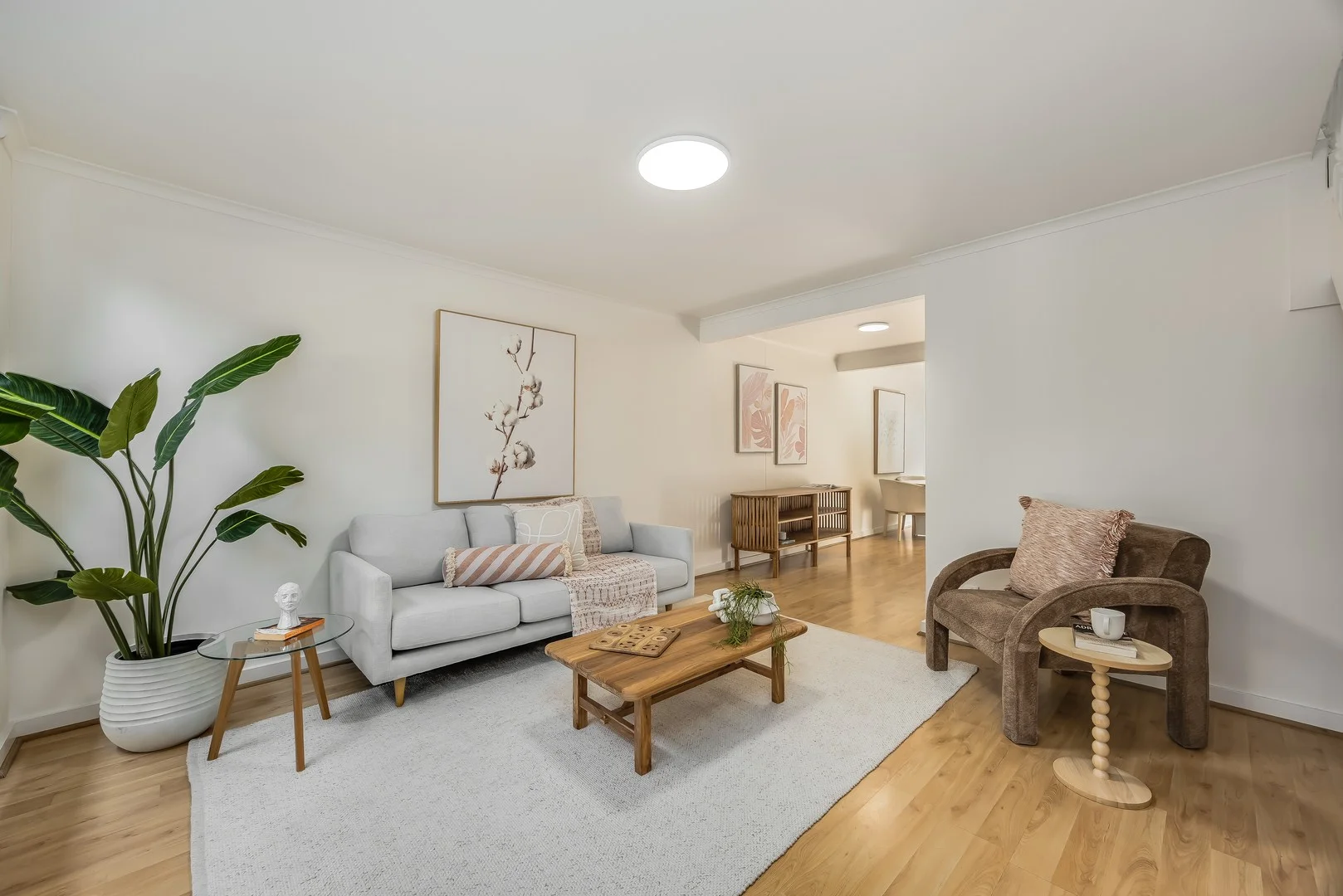 $775,000
House
$775,000
House
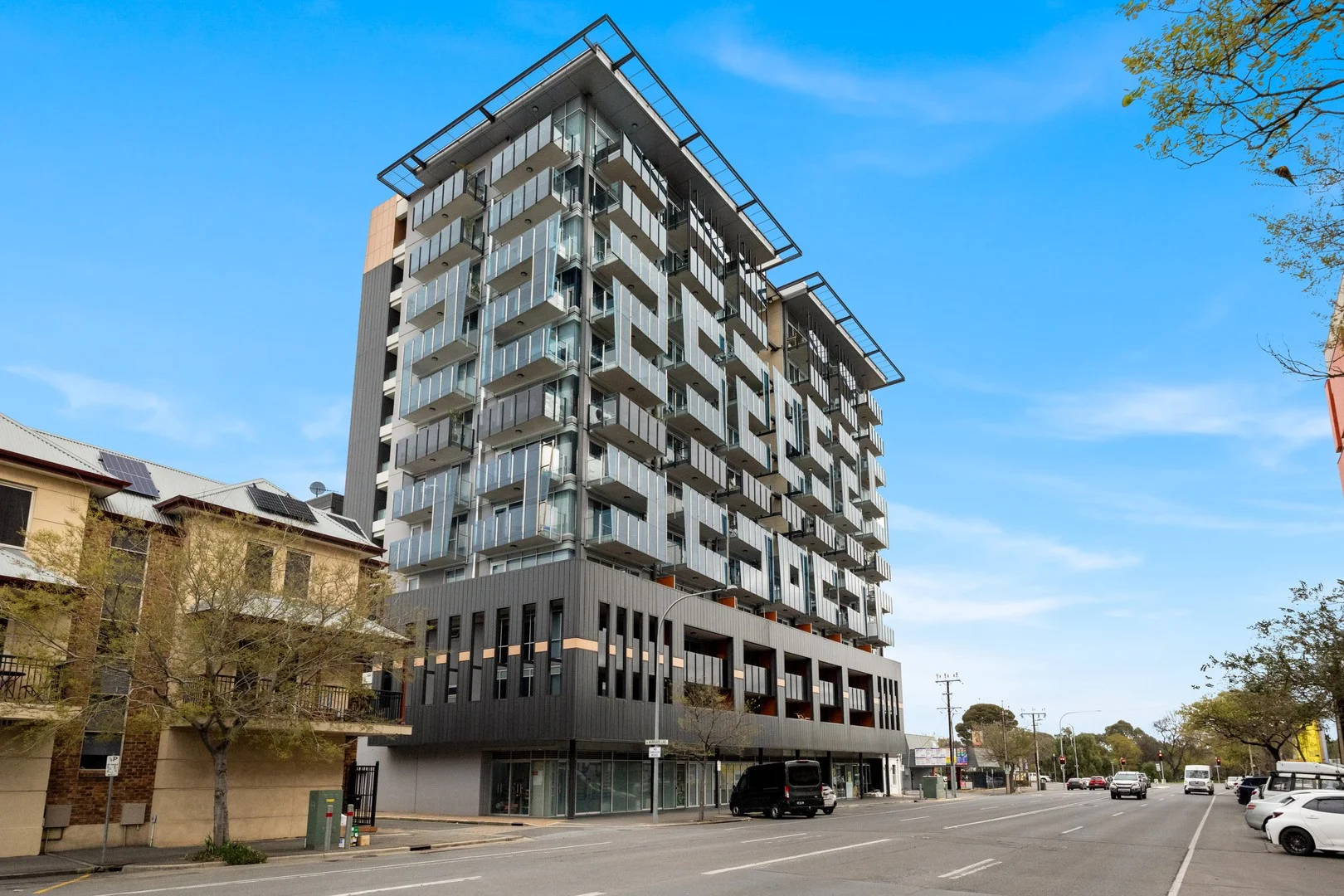 $1,100,000
Apartment / Unit / Flat
$1,100,000
Apartment / Unit / Flat
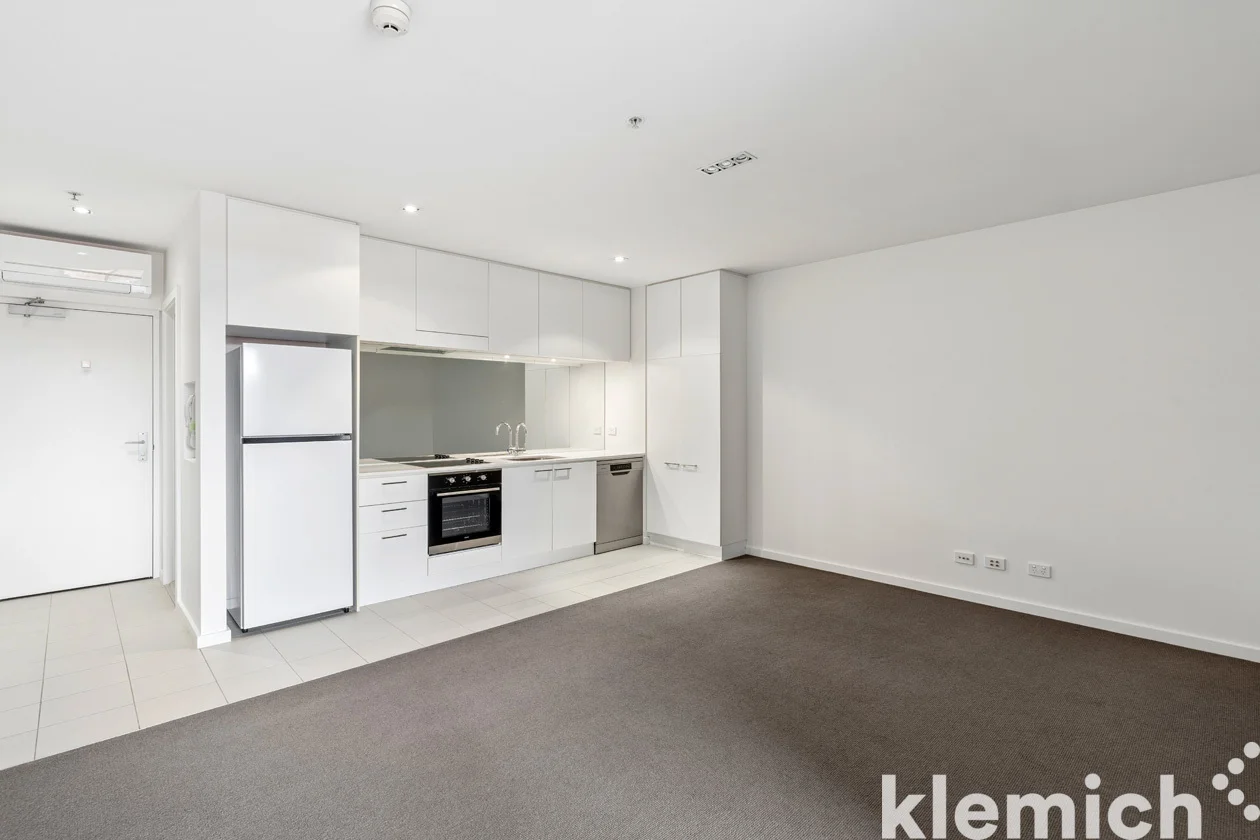 $440,000
Apartment / Unit / Flat
$440,000
Apartment / Unit / Flat
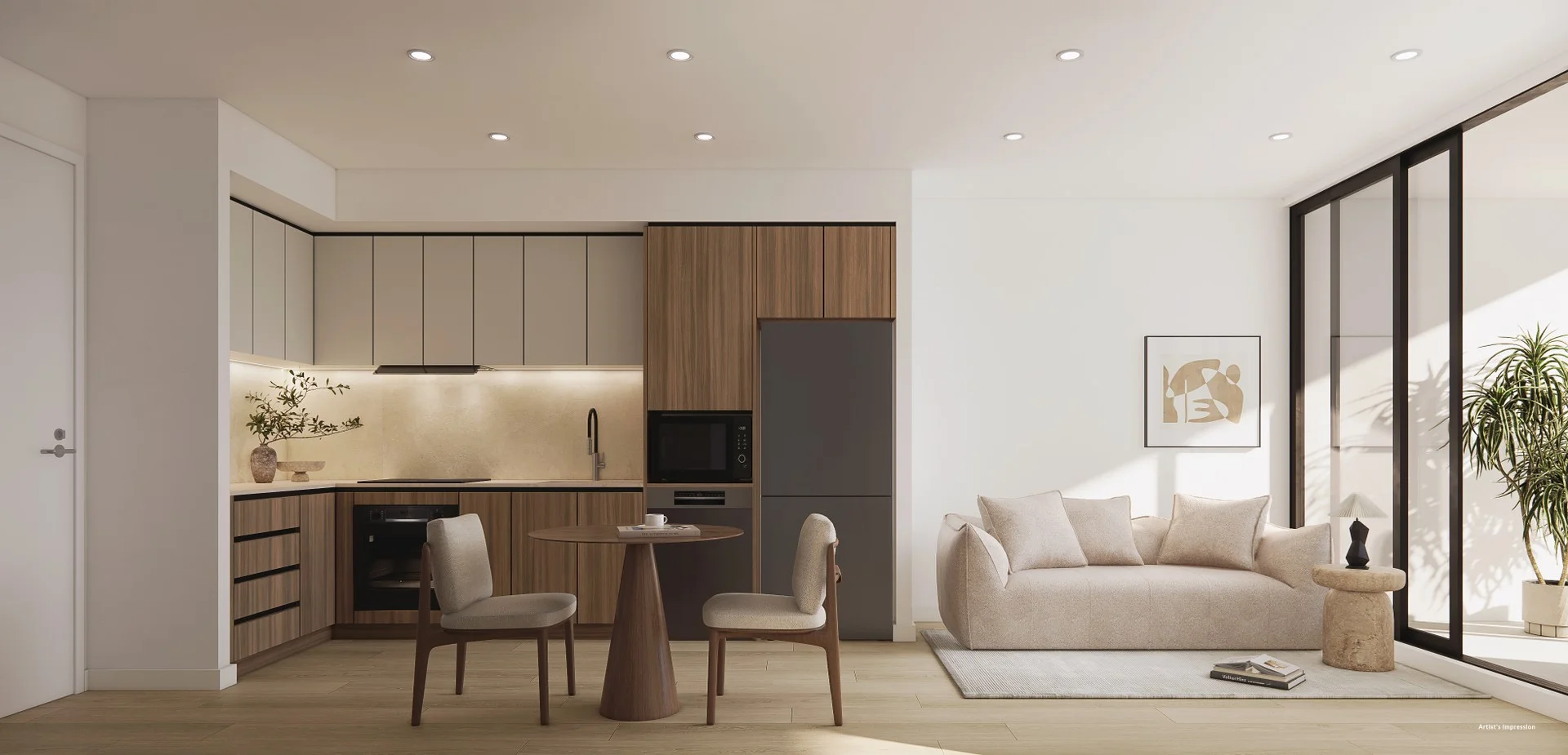 $588,000
Apartment / Unit / Flat
$588,000
Apartment / Unit / Flat
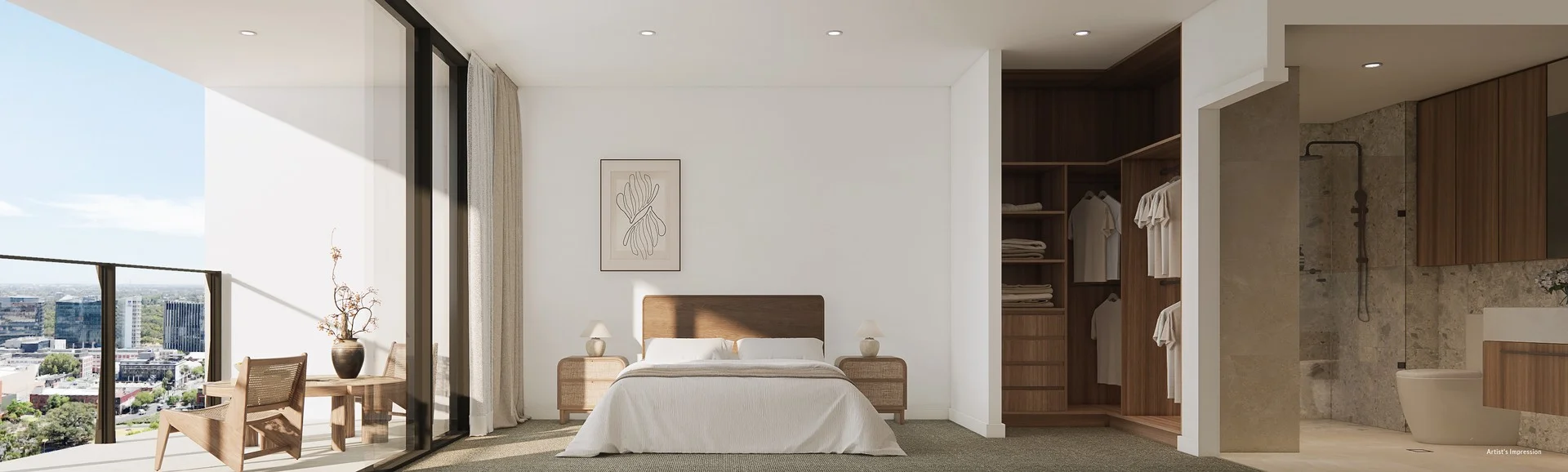 $1,056,000
Apartment / Unit / Flat
$1,056,000
Apartment / Unit / Flat
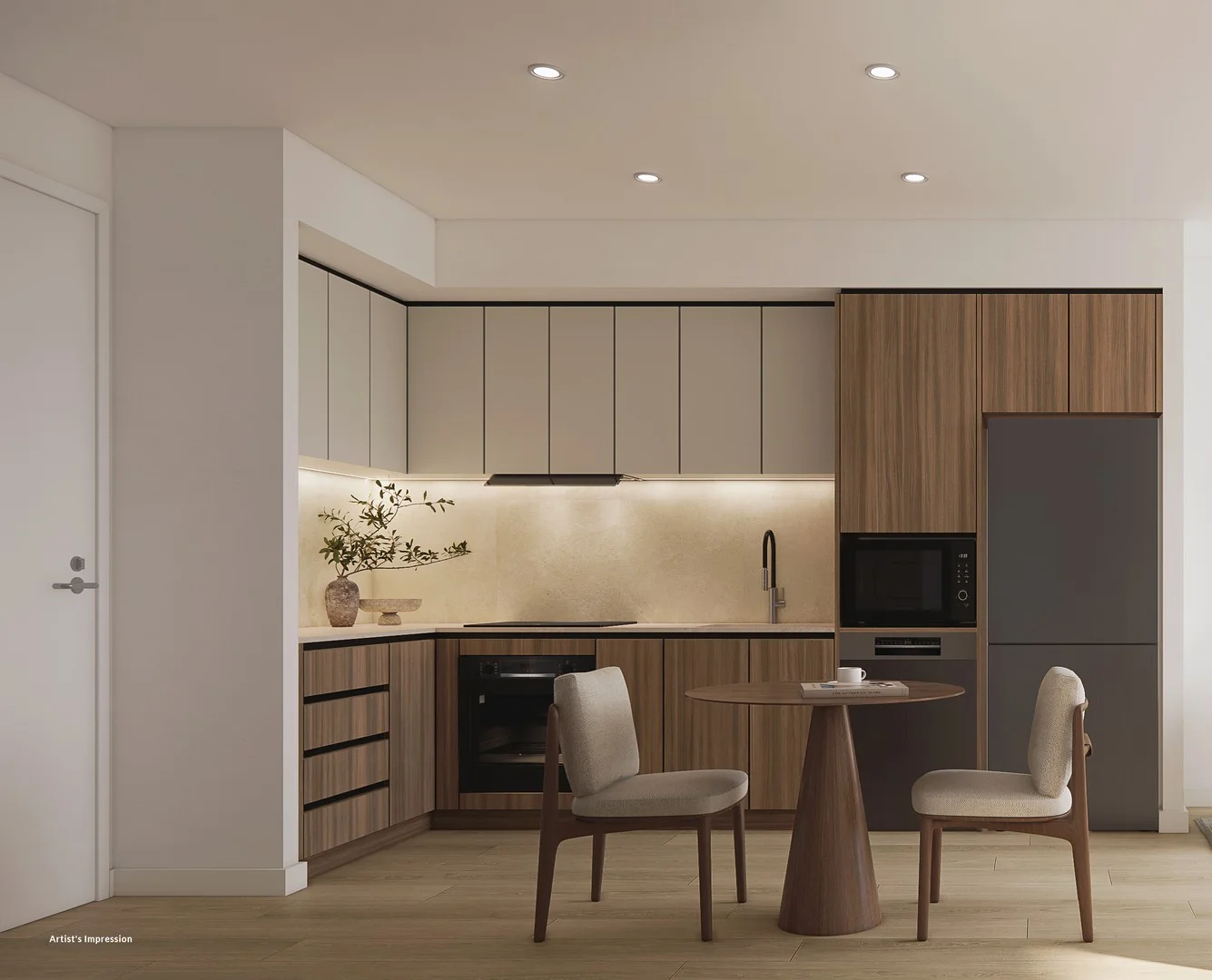 $557,000
Apartment / Unit / Flat
$557,000
Apartment / Unit / Flat
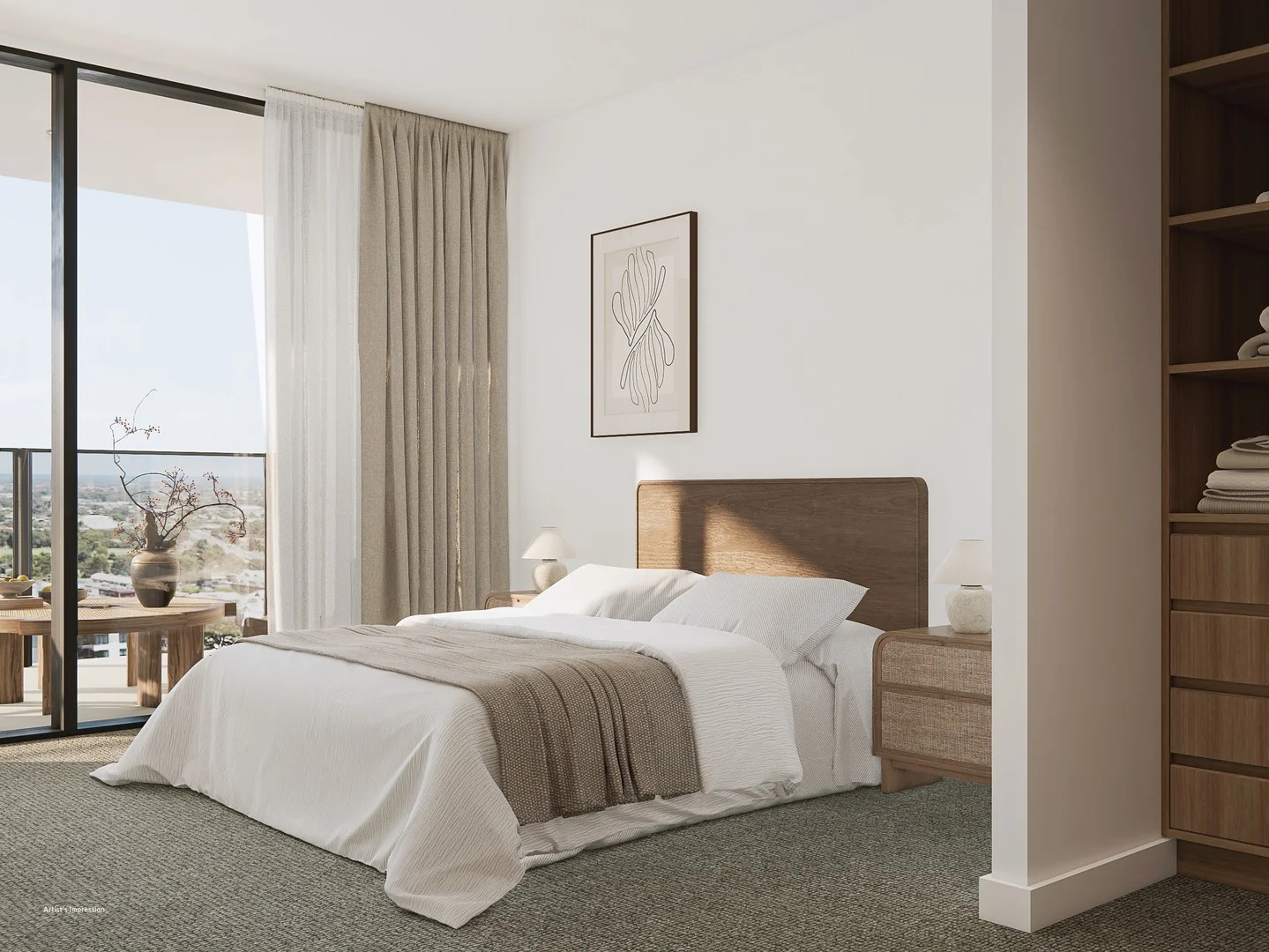 $935,000
Apartment / Unit / Flat
$935,000
Apartment / Unit / Flat
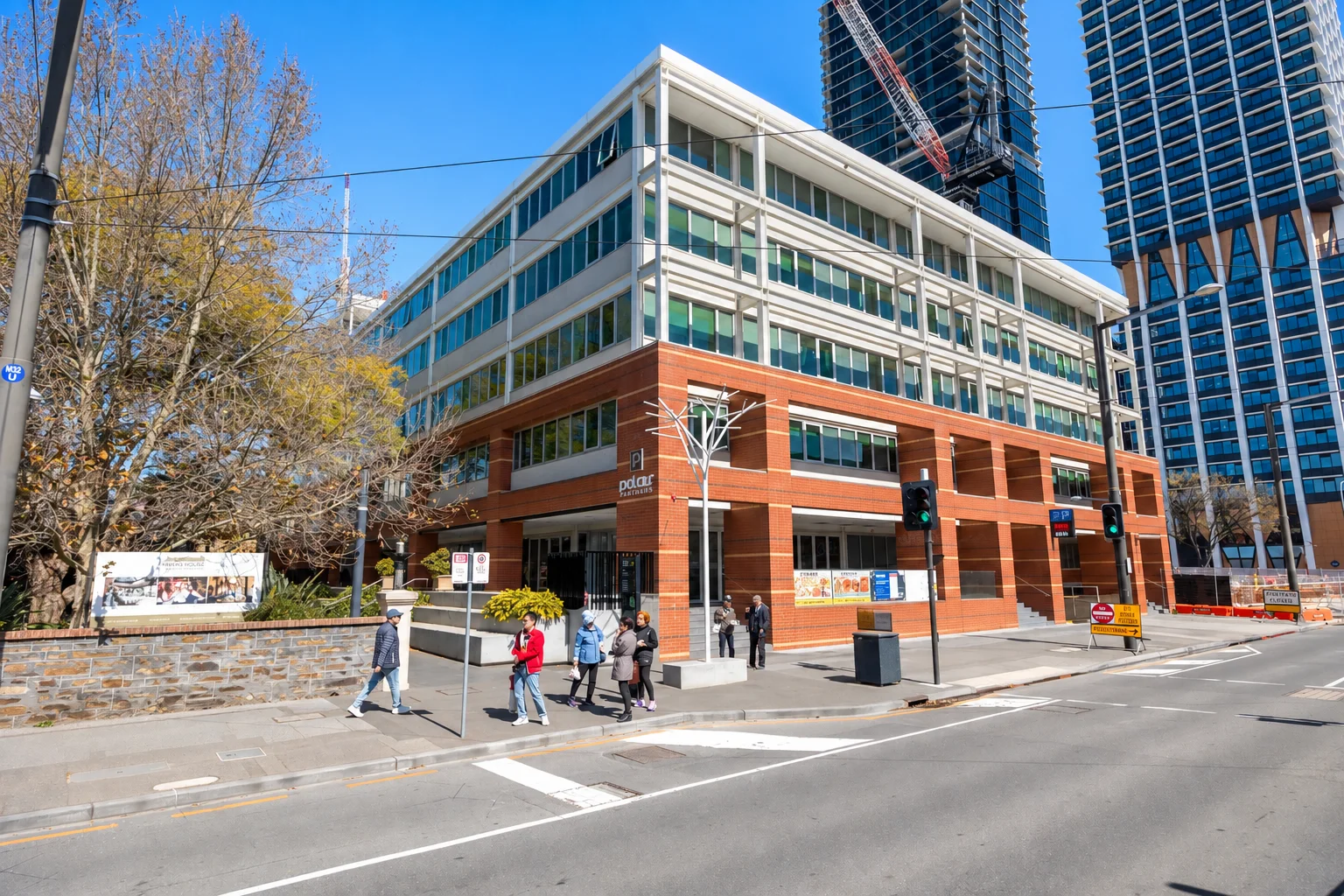 $545,000
Apartment / Unit / Flat
$545,000
Apartment / Unit / Flat