## 1. Overview
Mascot Public School is a public, co-educational primary school serving students in NSW. The school is medium-sized, with a diverse community and a focus on inclusive, well-rounded education that supports both academic achievement and personal development. Class sizes are typically in the low-to-mid 20s, allowing for relatively close teacher attention and student collaboration.
The atmosphere at Mascot Public School is nurturing and community-centered, with an emphasis on respect, effort, and participation. The culture values inclusivity, teamwork, and practical learning that helps students build confidence across academics, sport, and the arts.
---
## 2. Academics & Learning
- Academic strengths: English and Mathematics are central, with strong emphasis on reading development, numeracy foundations, and literacy across the curriculum. STEM activities are integrated into regular learning, with opportunities for creativity and problem-solving.
- Special programs: Gifted and Talented programs where available, EAL/D support for students learning English, and targeted literacy/numeracy support as part of an inclusive learning approach. Occasional accelerated learning opportunities may be offered in upper primary.
- NAPLAN trends: Trends show stable performance with gradual improvements in reading and numeracy over time, and consistent results in writing aligned with district expectations.
- Student-teacher ratios: Typical class sizes range from about 20–25 students, with teachers and specialist staff providing targeted support to maximise individual attention.
- Support for diverse learners: Strong EAL/D support, dedicated SEN/inclusion staff, and a team approach to ensuring students with different learning needs can access appropriate adjustments and resources.
---
## 3. Sports & Extracurricular Strengths
- Sports offered: Soccer, netball, cricket, rugby league, athletics, and swimming are commonly available, with opportunities for inter-school competition in local zones.
- Strong teams or achievements: Participation in district and zone competitions with some teams reaching finals or achieving notable placements; a culture of participation and teamwork.
- Music, arts, drama programs: School ensembles (choir and possibly bands), school productions, and opportunities to engage in drama and visual arts as part of the curriculum and after-school activities.
- Clubs: Robotics, chess, coding, debating, and other enrichment clubs are offered to broaden skills beyond core academics.
- Partnerships: Collaborations with local clubs and community organisations to provide additional coaching, competitions, and enrichment experiences.
---
## 4. Wellbeing & Pastoral Care
- Anti-bullying approach: Clear anti-bullying policies, restorative practices, buddy systems, and ongoing wellbeing education to promote a safe and respectful school climate.
- House system: A house-based structure supports friendly competition, teamwork, and shared responsibility across year levels.
- Counsellors / wellbeing officers: Access to school wellbeing staff and/or a school counsellor to support social-emotional development and mental health.
- Transition support for new students: Orientation activities, buddy programs, and targeted supports to help new students settle into the school community.
---
## 5. Facilities
- Sports grounds: On-site playing fields or courts suitable for a range of sports and physical education activities.
- Libraries: A well-stocked library supporting reading for pleasure and research across year levels.
- Science labs: Dedicated science learning spaces to support hands-on experiments and inquiry.
- Music/performing arts centers: Access to spaces for music practice, rehearsals, and performances.
- Tech/innovation labs: Basic STEM and coding resources to support digital literacy and project-based learning.
- Cafeteria: On-site canteen offering lunch options on designated days.
- Updated playgrounds: Modern and safe play areas to encourage active breaks and outdoor learning.
---
## 6. School Values & Community Culture
- School values / mission: A focus on respect, responsibility, inclusion, resilience, and teamwork as guiding principles for everyday learning and behaviour.
- Leadership style: Distributed leadership with opportunities for student leadership, teacher collaboration, and parent involvement; decision-making supports a strong sense of community.
- Behaviour expectations: Clear codes of conduct based on respect, safety, and responsibility, with positive reinforcement and restorative approaches.
- Community reputation: Known locally as a welcoming, family-friendly school with active parent involvement and a supportive culture for students.
- Diversity & inclusion: Commitment to diversity and inclusive education, with supports for students from varied backgrounds and needs.
---
## 7. School Logistics & Daily Operations
- School hours: Typical school day runs from morning to afternoon with structured teaching blocks and breaks; supervision is provided before and after school where available.
- Before/after school care: OSHC or other approved providers often offer programs before and after school hours.
- Uniform requirements: School uniform is compulsory, with practical options for everyday wear and designated sports days; seasonal adjustments may apply.
- Transport (train/bus routes): Public transport access and school bus routes are commonly available in the area; families should check local timetables and routes.
- Canteen availability: Canteen or lunch program available on specific days or as arranged; healthy options encouraged.
- Fees (low/medium/high ranges): Public schools typically have low to moderate voluntary contributions and additional costs for some activities or programs; uniform and book packs may incur standard charges.
---
## 8. Enrolment & Admissions
11. What is the enrolment process and timeline?
- Check catchment eligibility and contact the school for current enrolment timelines.
- Complete the enrolment form (online or in-person) and prepare required documents (proof of identity, proof of address, immunisation records, birth certificate, etc.).
- Submit documents by the stated deadlines; there may be processing time before an offer is made.
- If a place is available, you’ll receive an offer of enrolment; families confirm acceptance to secure the place.
- Some orientation or information sessions may be offered before the start of the year.
12. Is there a waiting list, and how does it work?
- Some years may experience high demand and a waiting list. Priority typically goes to local catchment families.
- If placed on a waiting list, you’ll be kept informed about the likelihood of a place and any changes in the school’s capacity or policies.
- Waiting lists are managed in line with Department guidelines and local enrolment processes.
13. Are there any entry requirements, tests, or interviews?
- Public primary schools generally do not require entrance tests or academic interviews for enrolment.
- Some schools may conduct brief information sessions or meet-and-greet opportunities with families.
- Immunisation requirements and proof of identity/address are typically requested.
14. Does the school accept mid-year transfers?
- Yes, subject to availability of places and appropriate alignment with year level intake.
- Families should provide student records, transcripts (if applicable), and any relevant documentation to facilitate a smooth transition.
- Transfer and placement decisions are coordinated with the NSW Department of Education processes and the receiving year level.
---
## 9. Frequently Asked Questions
- Why Parents Choose This School?
- A welcoming community, strong wellbeing support, and a balanced focus on academics, sport, and the arts. Parents often cite a nurturing environment and approachable staff.
- What type of student thrives at this school?
- Students who are curious, collaborative, and engaged in a range of activities—academic, sporting, and creative—titting well with an inclusive, supportive culture.
- What opportunities are available for students to extend their skills (academics, sports, arts)?
- Extra-curricular clubs (robotics, chess, coding, debating), sports teams and competitions, music and drama opportunities, and targeted learning supports or enrichment activities.
- How does the school communicate with parents?
- Regular communications via newsletters, emails, a school portal or app, notices for events, and parent information sessions. Face-to-face meetings with teachers are encouraged as needed.
- What is the school’s approach to teaching and learning?
- A balanced, student-centered approach that integrates literacy and numeracy with inquiry-based learning, supported by specialist staff and inclusive practices for diverse learners.
- How does the school support students who need extra academic help?
- Targeted literacy/numeracy support, EAL/D assistance, SEN/inclusion services, and small-group or in-class adjustments as part of an inclusive education plan.
- What support is available for academic challenges?
- Additional tutoring or in-class supports, access to wellbeing staff, and regular progress checks to adjust learning plans as needed.
- How does the school communicate with parents? (duplicate)
- See above: regular updates, parent-teacher meetings, and digital communications via the school system.
- What are the class sizes and how much individual attention do students receive?
- Class sizes typically range around 20–25 students, with teachers aiming to provide meaningful individual feedback and support within lessons.
- What extracurricular and sports opportunities are available?
- A range of sports (soccer, netball, cricket, etc.), music and drama programs, and clubs such as robotics, chess, coding, and debating.
- What facilities does the school offer (sports, science, arts)?
- Sports grounds, library, science labs, music/performing arts spaces, tech/innovation resources, a canteen, and updated playgrounds.
- What is the school’s approach to technology and digital learning?
- Integration of age-appropriate technology, coding and digital literacy activities, and safe, responsible use of digital tools as part of the curriculum.
- What transport and accessibility options are available?
- Nearby bus routes and public transport options; school ensure access and supports for families; start/end times structured to align with transport availability.
- What are the typical school fees or additional costs?
- Public school costs are generally low, with potential voluntary contributions and expenses for uniforms, book packs, and optional programs.
---
## 10. Short Pros & Cons list
- Pros:
- Public, inclusive, community-focused environment
- Balanced emphasis on academics, wellbeing, sport, and arts
- Support for diverse learners (EAL/D and SEN)
- Moderate class sizes and opportunities for student leadership
- Access to a range of extracurriculars and facilities
- Cons:
- At times, limited capacity may lead to waiting lists
- Some specialised programs or facilities vary by year level and funding
- Uniform and additional costs can add up for families
- Transport options depend on local infrastructure and routes
- Public schools may have fewer selective program options compared with independent schools








 $990
Apartment / Unit / Flat
$990
Apartment / Unit / Flat
 $933,000
Apartment / Unit / Flat
$933,000
Apartment / Unit / Flat
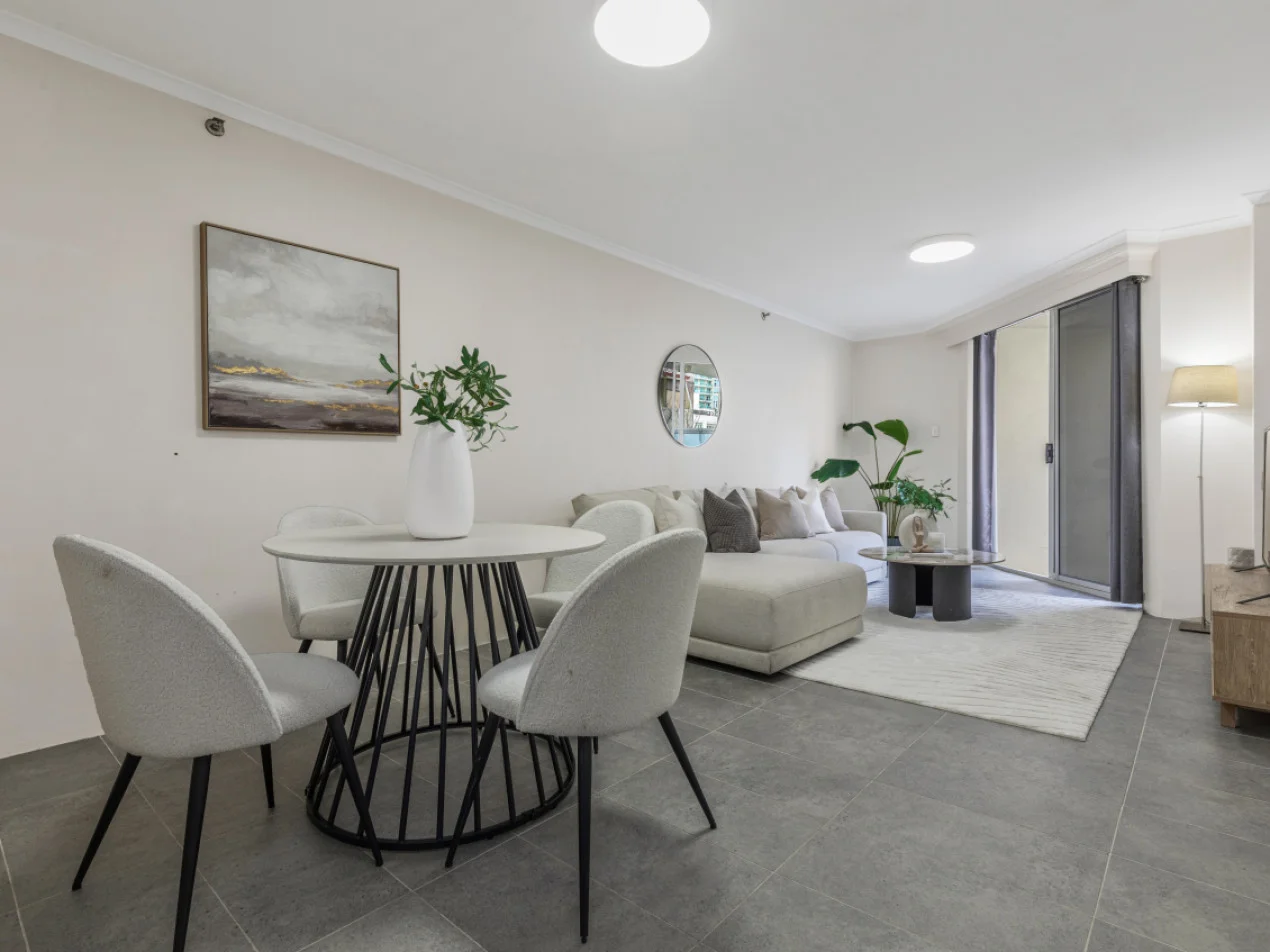 $640,000 - $675,000
Apartment / Unit / Flat
$640,000 - $675,000
Apartment / Unit / Flat
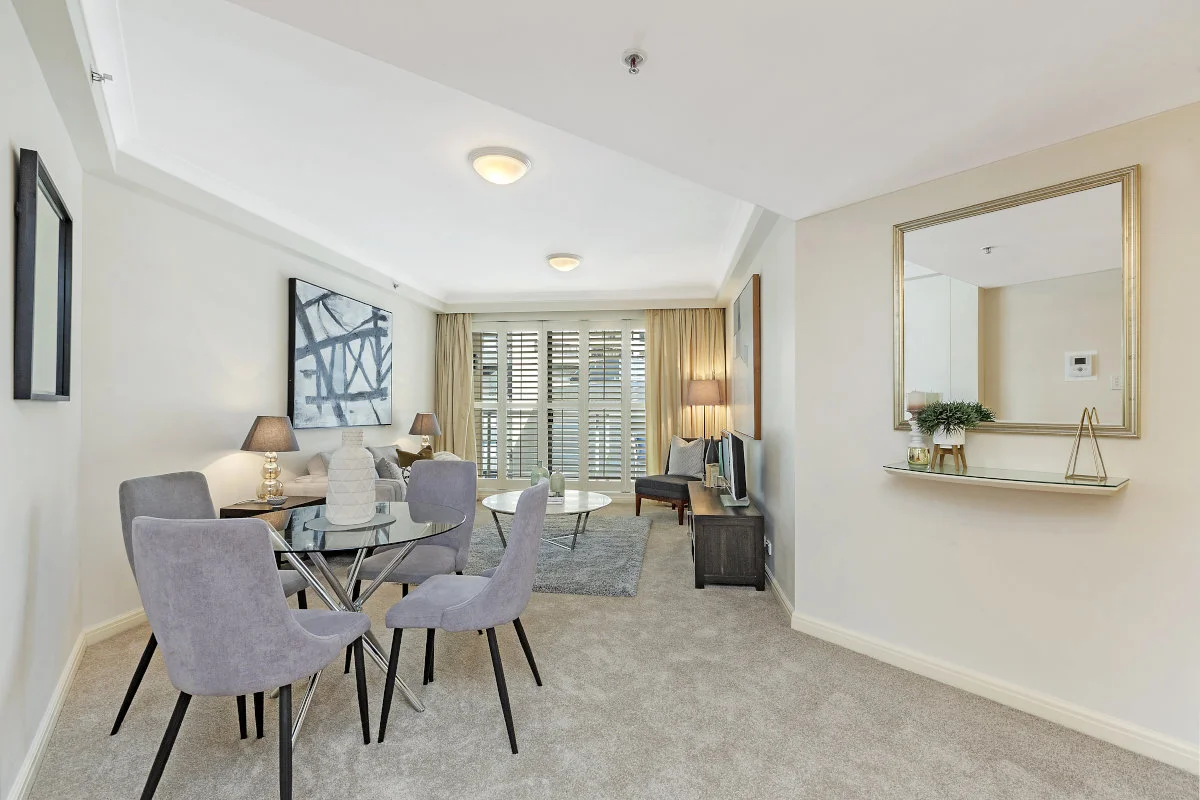 $660,000 - $725,000
Apartment / Unit / Flat
$660,000 - $725,000
Apartment / Unit / Flat
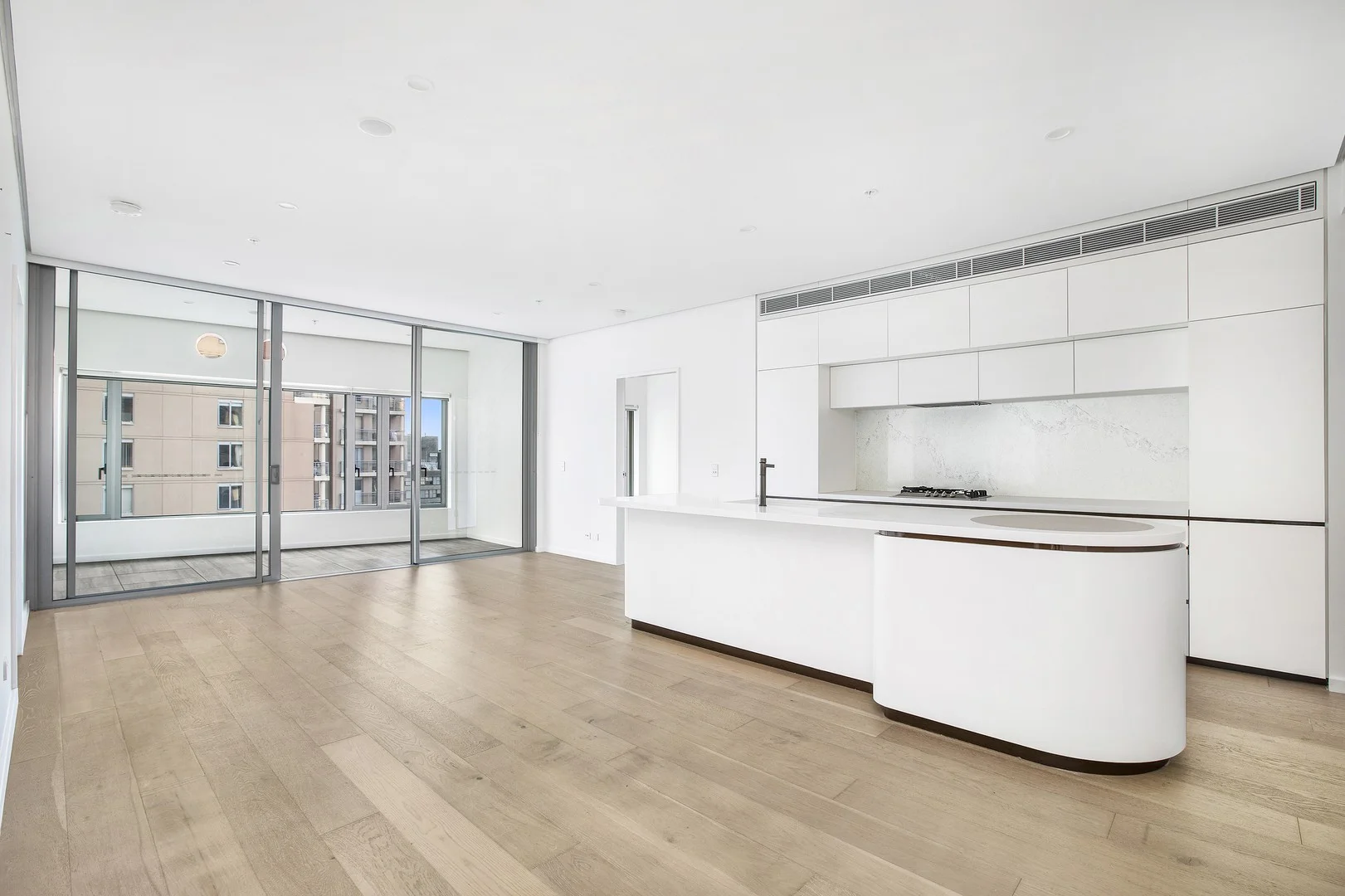 $2,250,000
Apartment / Unit / Flat
$2,250,000
Apartment / Unit / Flat
 $6,225,000
propertyType.NEW APARTMENTS / OFF THE PLAN
$6,225,000
propertyType.NEW APARTMENTS / OFF THE PLAN
 $9,020,000
propertyType.NEW APARTMENTS / OFF THE PLAN
$9,020,000
propertyType.NEW APARTMENTS / OFF THE PLAN
 $12,980,000
propertyType.NEW APARTMENTS / OFF THE PLAN
$12,980,000
propertyType.NEW APARTMENTS / OFF THE PLAN
 $8,630,000
propertyType.NEW APARTMENTS / OFF THE PLAN
$8,630,000
propertyType.NEW APARTMENTS / OFF THE PLAN


