1. Overview
McAuley Community School is a Catholic school in Hove, South Australia, providing a faith-informed learning environment within a moderate-sized community. The school focuses on developing the whole child through values-based education and strong pastoral care.
- School type: Catholic
- School size: Medium
- Class size: Approximately 20–25 students per class (varying by year level)
- Atmosphere/culture: Nurturing, inclusive, and academically focused with an emphasis on community and service
⸻
2. Academics & Learning
- Academic strengths: Core literacy and numeracy with a solid emphasis on STEM, languages, and the arts; opportunities for academic growth across key subjects.
- Special programs: Gifted and talented/enrichment options, accelerated learning pathways where appropriate, plus faith formation and wellbeing programs.
- NAPLAN / trends: Public information indicates stable performance with gradual improvement in key bands over recent years; check the latest school report for current trends.
- Student-teacher ratios: Generally in the mid-teens to low-twenties per class, with teachers providing targeted support and differentiation.
- Support for diverse learners: EAL/D support, SEN support, and inclusive education practices with learning support staff and tailored plans where needed.
⸻
3. Sports & Extracurricular Strengths
- Sports offered: A range of team and individual sports typical to the region (e.g., soccer, netball, basketball, cricket, athletics).
- Strong teams or achievements: Active participation in local inter-school competitions; emphasis on teamwork, sportsmanship, and student leadership.
- Music, arts, drama programs: Music program with ensembles or choir, drama/theatre opportunities and performing arts activities.
- Clubs: Robotics, chess, coding, debating, and other clubs that foster inquiry and practical skill development.
- Partnerships: Connections with local clubs and community organizations to support competitions, coaching, and development programs.
⸻
4. Wellbeing & Pastoral Care
- Anti-bullying approach: Clear anti-bullying policies, education, and restorative practices to promote a safe climate.
- House system: House structures to support leadership, collaboration, and school spirit.
- Counsellors / wellbeing officers: Access to school counsellors or wellbeing staff for student support.
- Transition support for new students: Orientation programs, buddy schemes, and transition planning to help new students settle in.
⸻
5. Facilities
- Sports grounds
- Libraries
- Science labs
- Music/performing arts centers
- Tech/innovation labs
- Cafeteria
- Updated playgrounds
⸻
6. School Values & Community Culture
- School values / mission: Catholic faith-based education emphasizing service, compassion, integrity, and personal growth.
- Leadership style: Student voice and participatory leadership; opportunities for student leadership roles.
- Behaviour expectations: Clear codes of conduct with emphasis on respect, responsibility, and restorative approaches.
- Community reputation: Strong ties with families and local parishes; supportive school-community relationships.
- Diversity & inclusion: Inclusive culture with active efforts to welcome students from diverse backgrounds.
⸻
7. School Logistics & Daily Operations
- School hours: Approximately 8:30 am–3:15 pm (variations by year level).
- Before/after school care: Available options or coordinated programs.
- Uniform requirements: School uniform is required, with guidance provided by the school.
- Transport (train/bus routes): Access to bus routes and public transport; parking arrangements available.
- Canteen availability: On-site canteen or available food service options.
- Fees (low/medium/high ranges): Fees fall within a medium range for Catholic systemic schools; exact amounts vary by year level and program and are best confirmed with the admissions team.
⸻
8. Enrolment & Admissions
11. What is the enrolment process and timeline?
- Submit an application with required documents, attend information sessions or open days if offered, and complete any year-specific steps. Offers are issued in cycles aligned with intake periods; timelines can vary by year level.
12. Is there a waiting list, and how does it work?
- Yes, waiting lists may apply if demand exceeds vacancies. Priority often given to siblings and parish-based applicants; placement on the wait list is typically based on date of application and category.
13. Are there any entry requirements, tests, or interviews?
- Some year levels may involve an interview or meeting with families. Entrance tests are not routinely required for all year levels; specifics depend on year and intake.
14. Does the school accept mid-year transfers?
- Mid-year transfers are sometimes possible, subject to vacancies and a smooth transition plan; families should contact the admissions team to discuss availability and requirements.
⸻
9. Frequently Asked Questions
- Why Parents Choose This School?
Parents choose for faith-based values, a supportive community, strong pastoral care, and a balanced focus on academics, sport, and the arts.
- What type of student thrives at this school?
Students who are engaged, respectful, curious, cooperative, and committed to service and their own growth tend to flourish.
- What opportunities are available for students to extend their skills (academics, sports, arts)?
Enrichment programs in STEM, languages, and the arts; diverse sports; clubs such as robotics, coding, debating; performing arts opportunities; leadership and competition experiences.
- How does the school communicate with parents?
Regular newsletters, email updates, parent portals, parent-teacher interviews, and information evenings.
- What is the school’s approach to teaching and learning?
Student-centred, differentiated instruction with inquiry-based learning, collaborative projects, and integration of technology.
- How does the school support students who need extra academic help?
Learning support staff, targeted interventions, EAL/D and SEN support, and progress monitoring to tailor assistance.
- What support is available for academic challenges?
Early intervention, tutoring options, small-group support, and ongoing communication with families about progress and goals.
- How does the school communicate with parents?
See above (consistent use of multiple channels for two-way communication).
- What are the class sizes and how much individual attention do students receive?
Class sizes typically around 20–25 students, with teachers providing differentiated instruction and targeted support.
- What extracurricular and sports opportunities are available?
A broad range of sports and multiple clubs including robotics, chess, coding, debating, and performing arts activities.
- What facilities does the school offer (sports, science, arts)?
Sports grounds, libraries, science labs, music/performing arts centers, tech/innovation labs, canteen, and updated playgrounds.
- What is the school’s approach to technology and digital learning?
Integrated ICT across learning, with digital citizenship emphasis and appropriate device use and access.
- What transport and accessibility options are available?
Access to bus routes and public transport; parking and accessible facilities for students and families.
- What are the typical school fees or additional costs?
Fees are in the medium range for Catholic systemic schools; additional costs may apply for excursions, uniforms, and extracurricular activities.
⸻
10. Short Pros & Cons list
Pros
- Catholic values and faith-based education
- Supportive and inclusive community
- Balanced focus on academics, sport, and arts
- Strong wellbeing and pastoral care
- Wide range of clubs and extracurricular activities
- Moderate class sizes enabling individual attention
- Good facilities (libraries, labs, performing arts spaces)
Cons
- Fees apply (typical of non-government Catholic education)
- Not the largest school, so some specialist programs may be limited compared with larger institutions
- Availability of certain year-level entry might vary by intake period
- Specific details (timelines, uniform specifics, and transport options) should be confirmed with the school directly
⸻









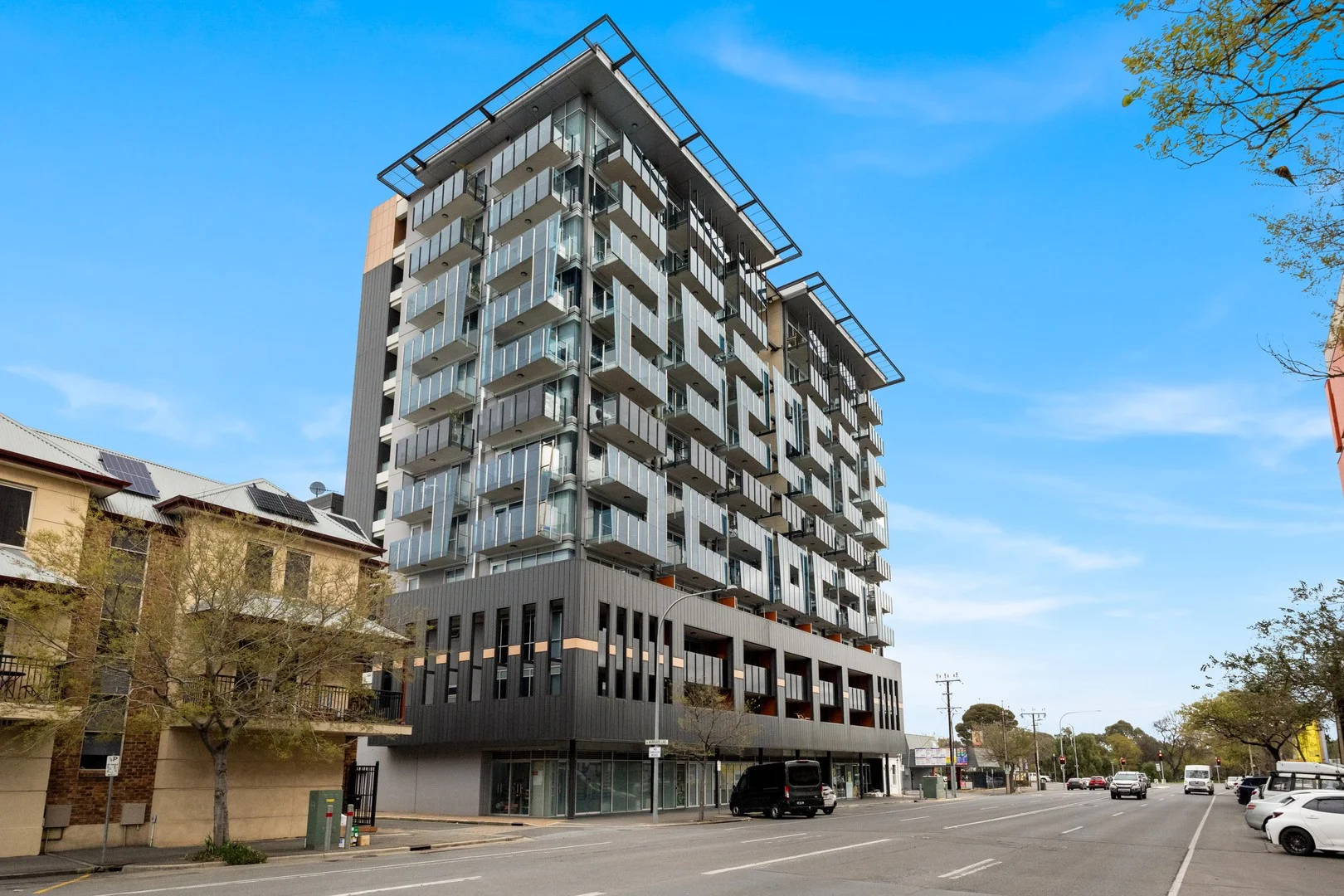 $1,100,000
Apartment / Unit / Flat
$1,100,000
Apartment / Unit / Flat
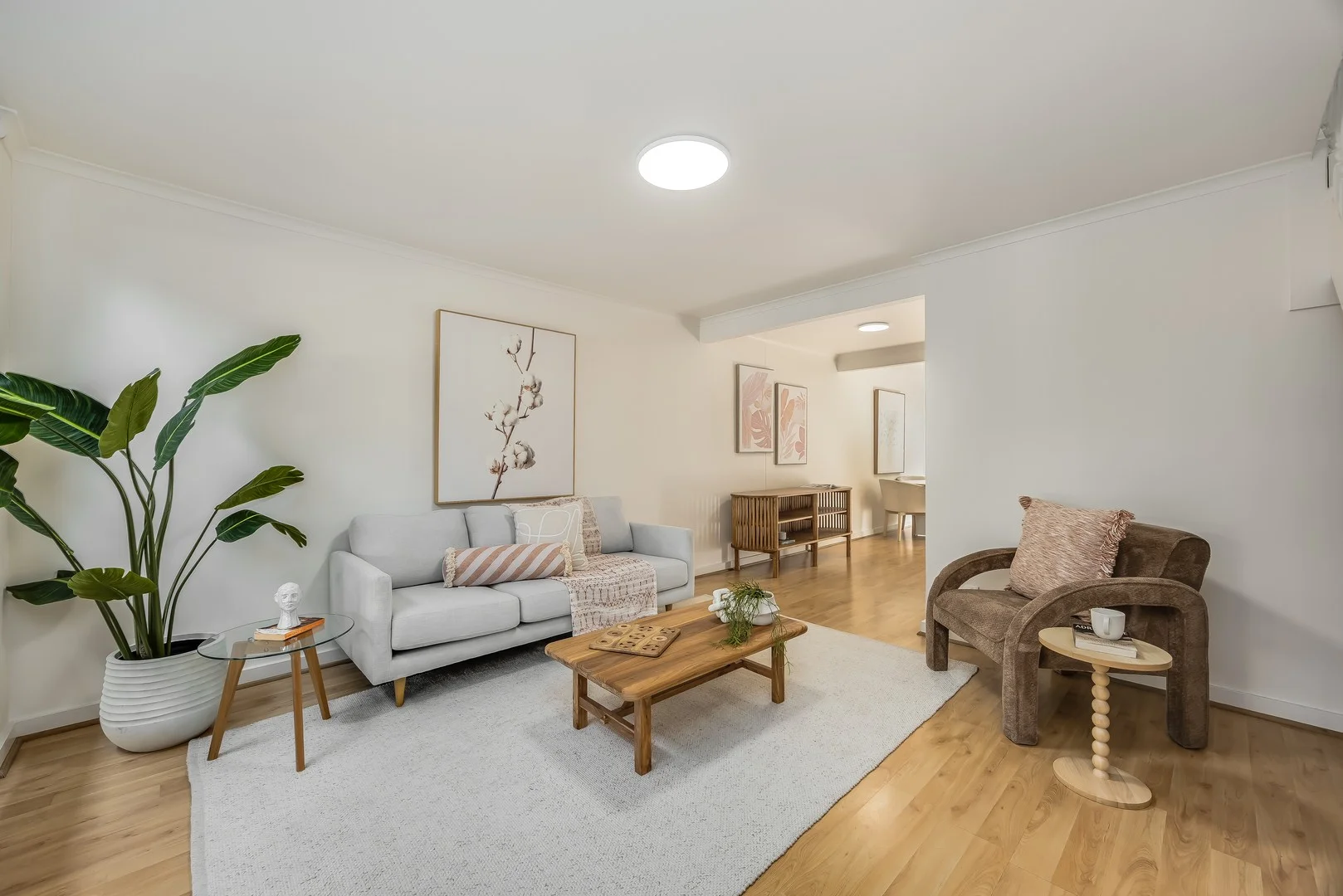 $775,000
House
$775,000
House
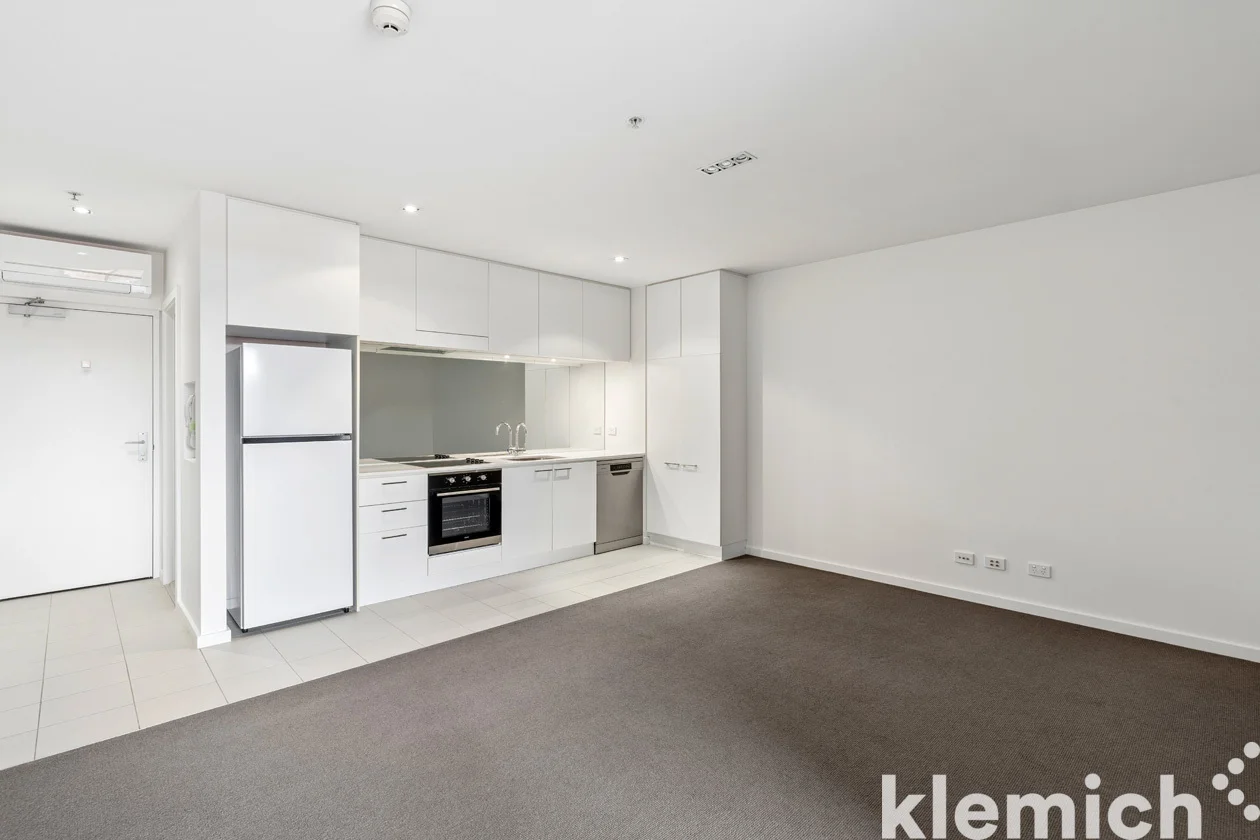 $440,000
Apartment / Unit / Flat
$440,000
Apartment / Unit / Flat
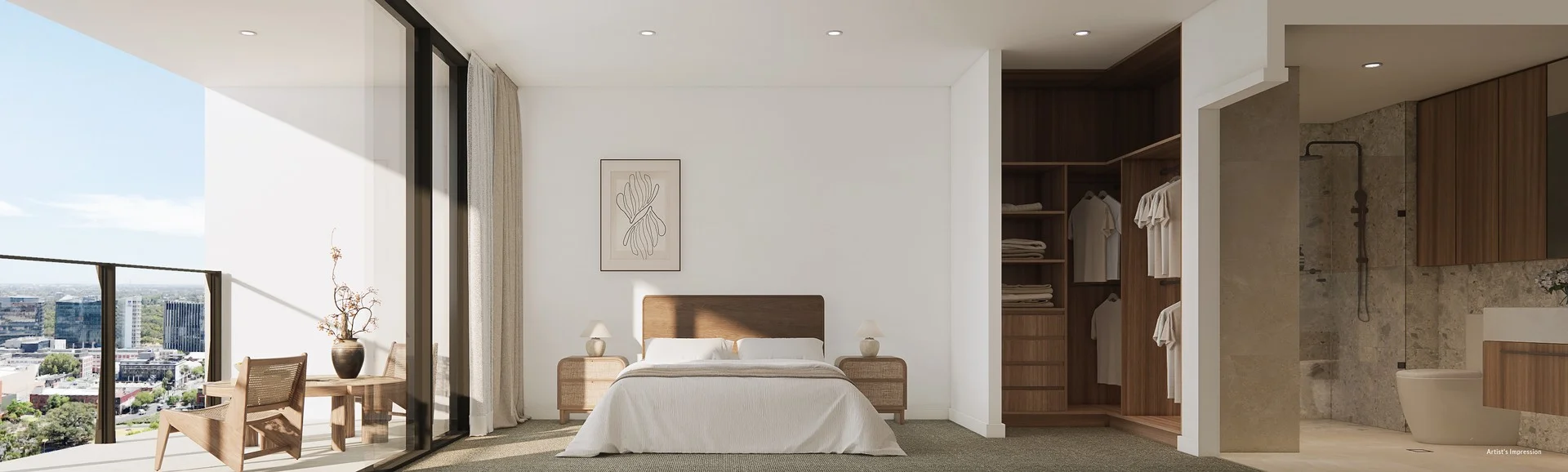 $1,056,000
Apartment / Unit / Flat
$1,056,000
Apartment / Unit / Flat
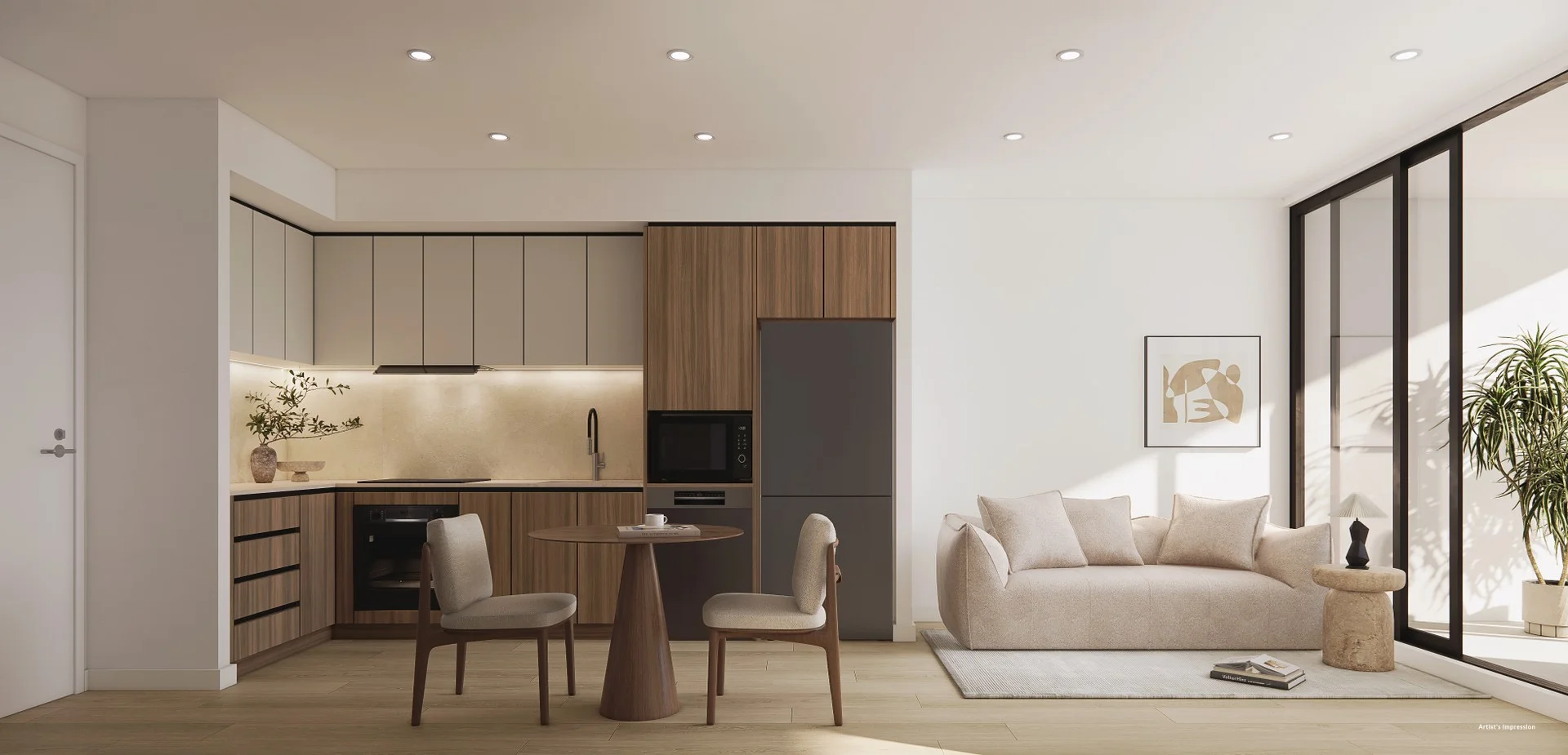 $588,000
Apartment / Unit / Flat
$588,000
Apartment / Unit / Flat
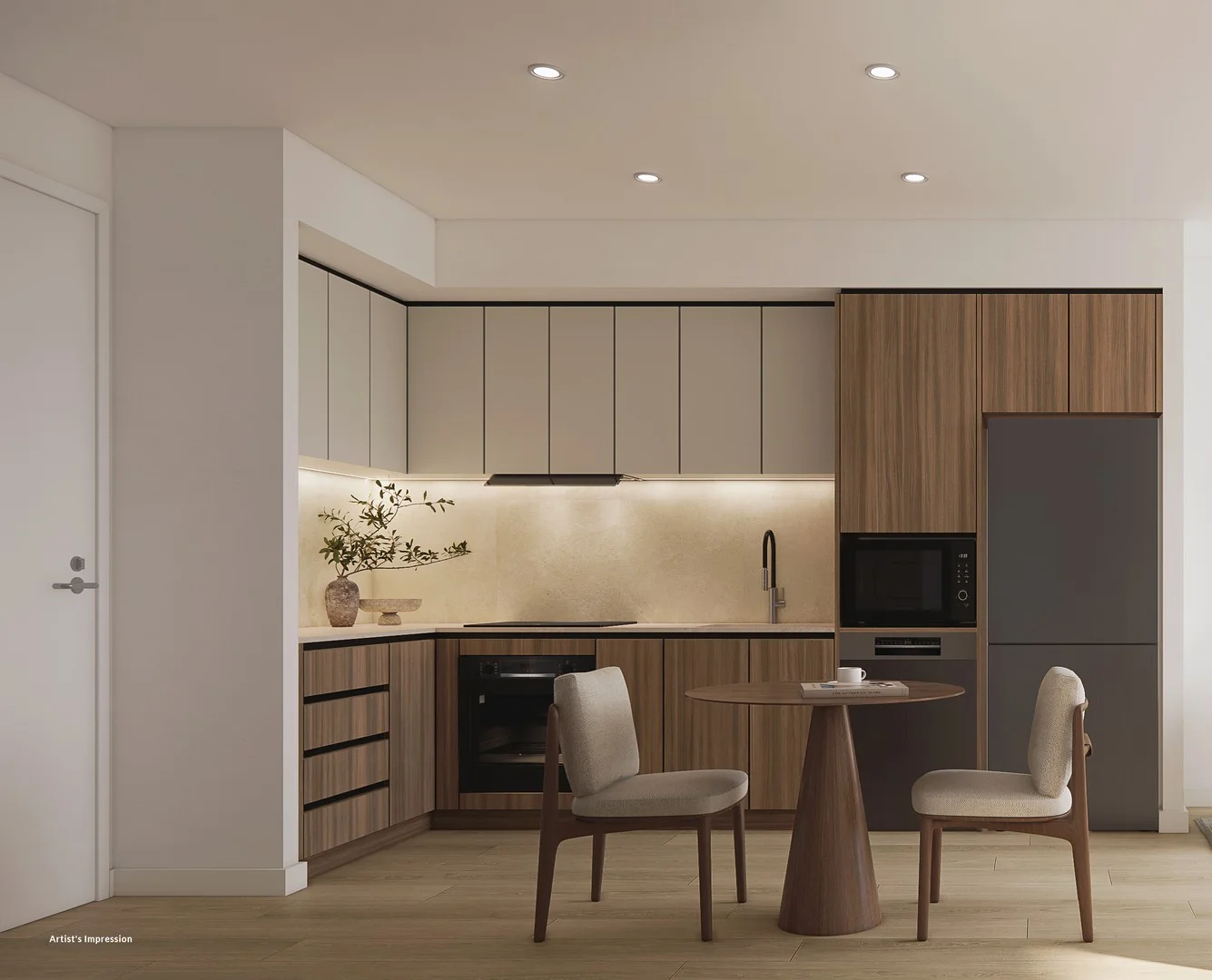 $557,000
Apartment / Unit / Flat
$557,000
Apartment / Unit / Flat
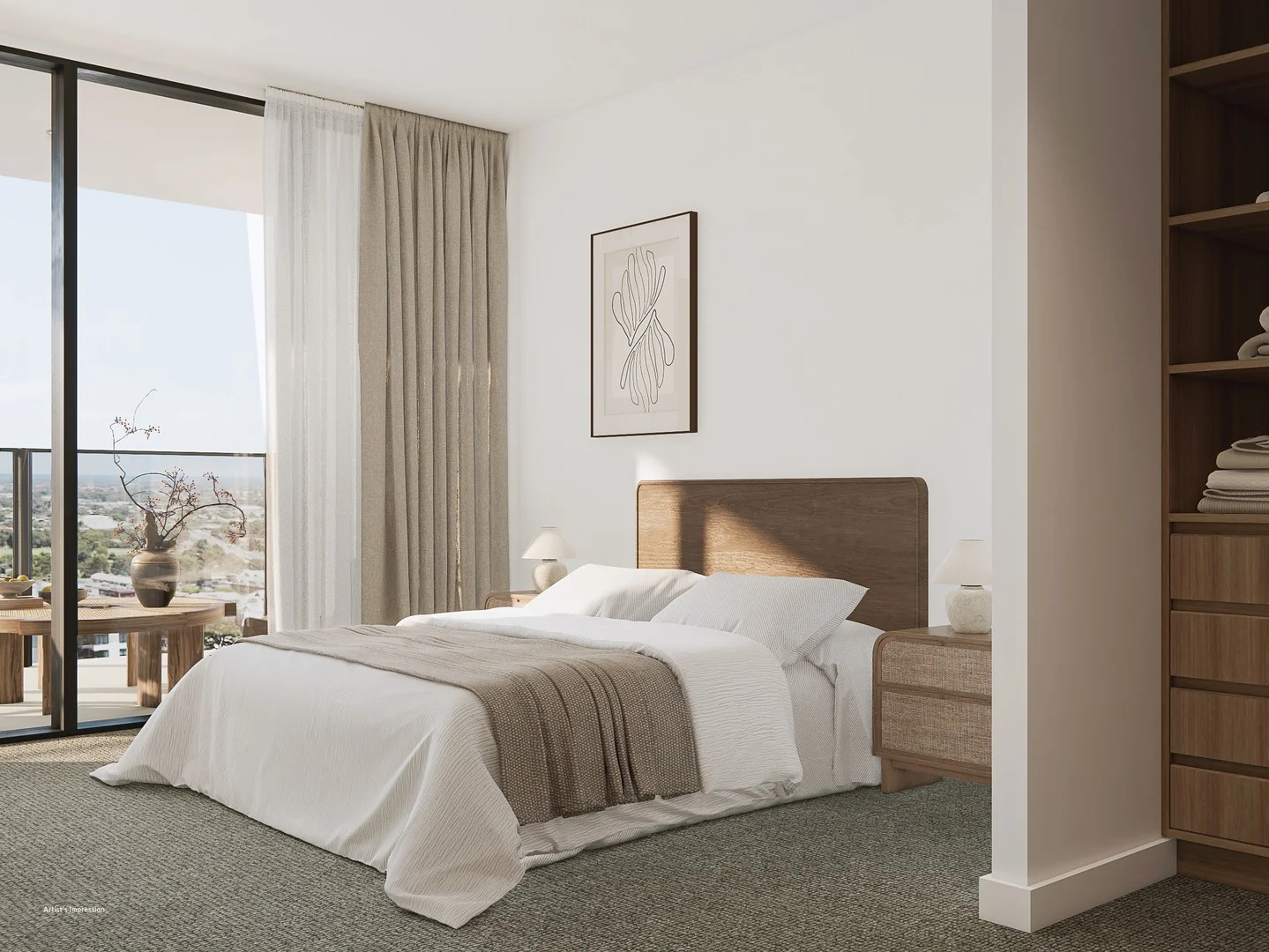 $935,000
Apartment / Unit / Flat
$935,000
Apartment / Unit / Flat
 $545,000
Apartment / Unit / Flat
$545,000
Apartment / Unit / Flat