1. Overview
Sacred Heart College Senior School in Somerton Park is a Catholic independent school for girls, offering a values-driven education within a caring, community-focused environment. The college blends strong academic standards with a commitment to service, character development and personal growth.
The school is medium-sized, delivering small-to-medium class sizes that foster close teacher-student relationships. The atmosphere is nurturing and inclusive, with a culture that encourages academic achievement, leadership, sport and the arts, while emphasising respect, resilience and community involvement.
⸻
2. Academics & Learning
- Academic strengths: English and literacy, mathematics and STEM subjects, strong humanities and languages, with leadership and service learning integrated across the curriculum.
- Special programs: opportunities for accelerated learning or enrichment, and pathways that support gifted and talented students; leadership development and community service embedded in coursework.
- NAPLAN trends: positive year-on-year trends in reading, writing and numeracy, with a focus on continuing improvement and higher attainment across year levels.
- Student-teacher ratios: typically around 1:12 to 1:15, enabling frequent teacher feedback and targeted support.
- Support for diverse learners: dedicated EAL and learning support staff, access to SEN support, accommodations and personalised plans where needed.
⸻
3. Sports & Extracurricular Strengths
- Sports offered: netball, basketball, soccer, hockey, tennis, athletics, swimming, rounders/cricket and other school-wide athletic activities.
- Strong teams or achievements: competitive school teams with regular participation in regional and interschool competitions; a track record of achievements and finals appearances.
- Music, arts, drama programs: robust music ensembles, vocal programs, drama productions and opportunities for performance and musical leadership.
- Clubs: robotics, coding, chess, debating, public speaking and other student-led clubs that build critical thinking and collaboration.
- Partnerships: connections with local sporting associations, arts networks, competitions and inter-school events that broaden opportunities beyond the classroom.
⸻
4. Wellbeing & Pastoral Care
- Anti-bullying approach: proactive programs and clear policies that promote a safe, respectful and inclusive environment; active student voice in addressing concerns.
- House system: house-based activities and pastoral care structures to foster belonging, mentorship and healthy competition.
- Counsellors / wellbeing officers: access to school counsellors and wellbeing staff to support mental health, stress management and transition needs.
- Transition support for new students: orientation programs, buddy systems, and targeted support to help new students settle in socially and academically.
⸻
5. Facilities
- Sports grounds: well-maintained sports fields, courts and gym facilities supporting a range of physical education and team sports.
- Libraries: modern, well-equipped library with print and digital resources.
- Science labs: up-to-date science laboratories for practical experimentation and practical learning.
- Music/performing arts centers: dedicated spaces for music studios, rehearsal rooms and performance venues.
- Tech/innovation labs: computer labs, STEM makerspaces and digital learning environments.
- Cafeteria: on-site canteen with healthy meal options and convenient catering for events.
- Updated playgrounds: safe, well-designed outdoor spaces and play areas for break times and informal activity.
⸻
6. School Values & Community Culture
- School values / mission: a Catholic faith-based mission emphasising respect, service, integrity and compassion; focus on character, leadership and social responsibility.
- Leadership style: collaborative and student-inclusive leadership; opportunities for student voice, mentoring and involvement in school decisions.
- Behaviour expectations: clear codes of conduct emphasising respect, responsibility and kindness; consistent routines and restorative approaches where appropriate.
- Community reputation: closely connected with families and the local community; known for a supportive, engaged network and a commitment to inclusive education.
- Diversity & inclusion: welcoming environment for students from diverse backgrounds; programs to support inclusion and equity across the school community.
⸻
7. School Logistics & Daily Operations
- School hours: typical start around 8:30–9:00am and finish around 3:00–3:45pm, with occasional after-school activities.
- Before/after school care: available or accessible via structured programs to support working families.
- Uniform requirements: formal school uniform with seasonal adjustments; guidelines on grooming and presentation.
- Transport (train/bus routes): multiple public transport options and school-organised transport arrangements where available.
- Canteen availability: on-site canteen offering a range of healthy options for students.
- Fees (low/medium/high ranges): fees are in the medium-to-high range for private Catholic independent schooling; details available through the admissions team.
⸻
8. Enrolment & Admissions
11. What is the enrolment process and timeline?
- Submit an expression of interest or application by the school's stated deadlines.
- Attend information evenings or student/parent information sessions.
- Complete required academic and family information forms; provide supporting documents.
- Participate in an interview or assessment (and possibly a short written task) as part of the selection process.
- Receive an offer if a place is available; complete enrolment formalities and pay any required fees.
- Timeline typically spans several months, with earlier applications often improving placement chances.
12. Is there a waiting list, and how does it work?
- Yes, waiting lists may operate when places are limited.
- Priority may be given to siblings and families already connected to the school; stand-alone applicants are placed on a waitlist and updated as spaces become available.
- Offers from the waitlist are made in order of availability and alignment with entry requirements.
13. Are there any entry requirements, tests, or interviews?
- Yes, entry often requires an interview or information session.
- Academic records, references and a demonstration of the school’s values or faith alignment may be requested.
- Language proficiency or EAL considerations may be assessed as part of the process.
- Depending on year level, additional tasks or assessments may be included.
14. Does the school accept mid-year transfers?
- Mid-year transfers may be possible subject to vacancy, readiness and alignment with the curriculum.
- Families should contact the admissions team promptly to discuss availability and the transfer process.
⸻
9. Frequently Asked Questions
- Why Parents Choose This School?
- A Catholic, values-based education with a focus on academic excellence, wellbeing and community involvement; strong teacher-student relationships and a welcoming, inclusive culture.
- What type of student thrives at this school?
- Motivated, curious learners who value collaborative learning, service, leadership and participation in both academics and co-curricular activities.
- What opportunities are available for students to extend their skills (academics, sports, arts)?
- Enrichment programs, accelerated coursework where appropriate, leadership opportunities, diverse sports, music ensembles, drama productions and a range of clubs and competitions.
- How does the school communicate with parents?
- Regular newsletters, parent portals, parent-teacher interviews, event notices and timely one-on-one meetings as needed.
- What is the school’s approach to teaching and learning?
- Student-centered, evidence-based teaching with clear learning objectives, continuous feedback, and opportunities for collaboration, critical thinking and real-world application.
- How does the school support students who need extra academic help?
- Targeted learning support, EAL or SEN services, small-group tutoring and access to counsellors or wellbeing staff as needed.
- What support is available for academic challenges?
- Diagnostic assessments, personalised learning plans, ongoing monitoring and adjustments to ensure appropriate challenge and support.
- How does the school communicate with parents?
- See above; includes digital platforms, notices, and scheduled communications from teachers and leaders.
- What are the class sizes and how much individual attention do students receive?
- Class sizes are kept small-to-medium (roughly 20–24 students per class) to enable regular teacher feedback and tailored support.
- What extracurricular and sports opportunities are available?
- A broad range of sports and arts, plus clubs such as robotics, coding, chess, debating and public speaking; performance and competition pathways in music and drama.
- What facilities does the school offer (sports, science, arts)?
- Comprehensive facilities including well-equipped science labs, music and performing arts spaces, libraries, tech/innovation labs, sports grounds and a canteen.
- What is the school’s approach to technology and digital learning?
- Integrated digital learning across subjects, access to up-to-date hardware and software, and opportunities to develop ICT literacy and coding skills.
- What transport and accessibility options are available?
- Multiple public transport options and school-arranged arrangements where available to support student access.
- What are the typical school fees or additional costs?
- Fees fall in the middle-to-high range for private Catholic independent education; specifics are provided by the admissions team and may include uniforms, excursions and activity costs.
⸻
10. Short Pros & Cons list
- Pros
- Catholic, values-based education with a strong sense of community
- Medium-sized school with small-to-medium class sizes
- Focus on wellbeing, inclusivity and student support
- Broad range of academics, sports, arts and clubs
- Clear pathways for leadership, enrichment and service
- Cons
- Fees are higher than public options and some other schools
- Limited year levels if you’re seeking co-educational or extremely large cohorts
- Availability of places may require timely application due to waiting lists
⸻








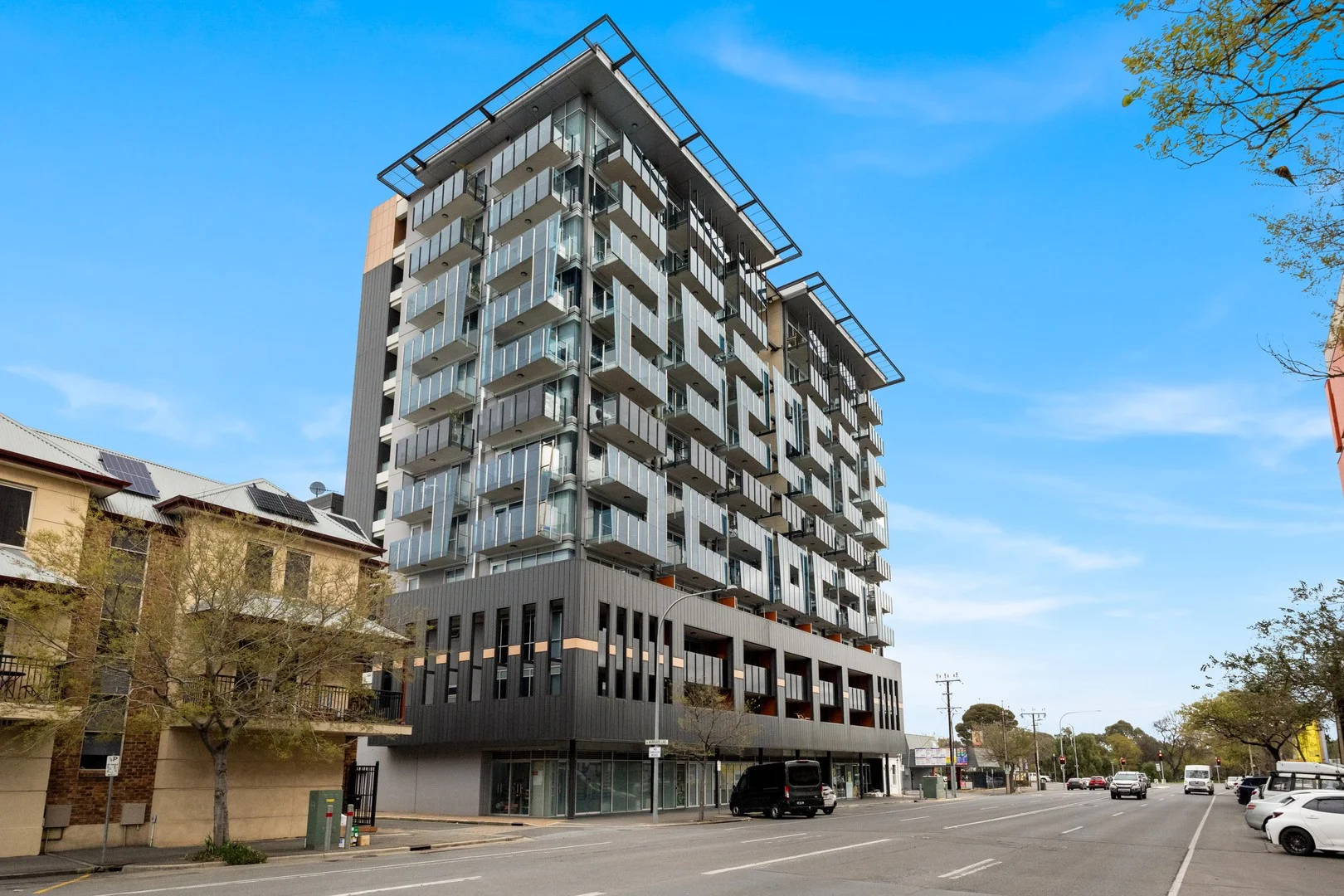 $1,100,000
Apartment / Unit / Flat
$1,100,000
Apartment / Unit / Flat
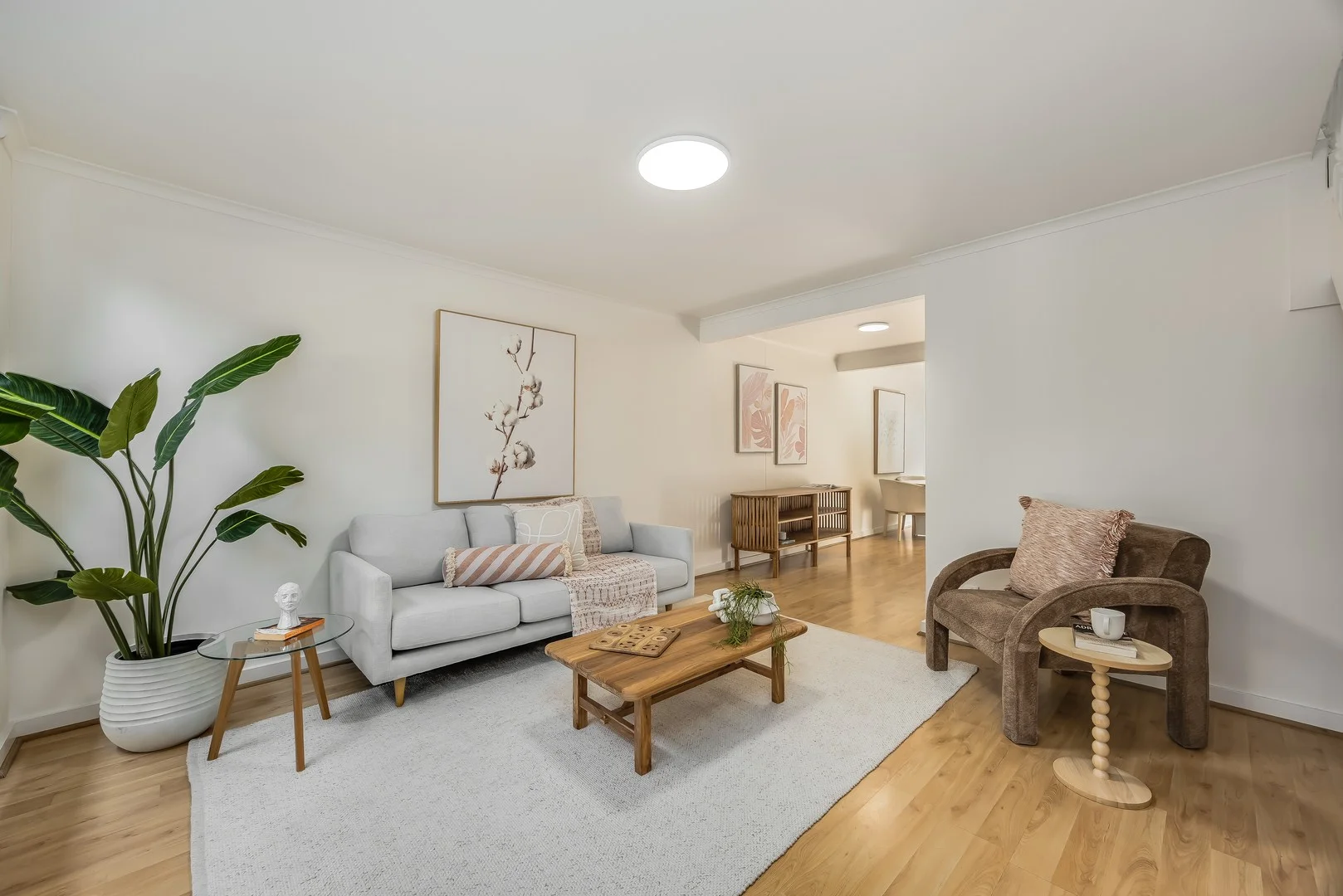 $775,000
House
$775,000
House
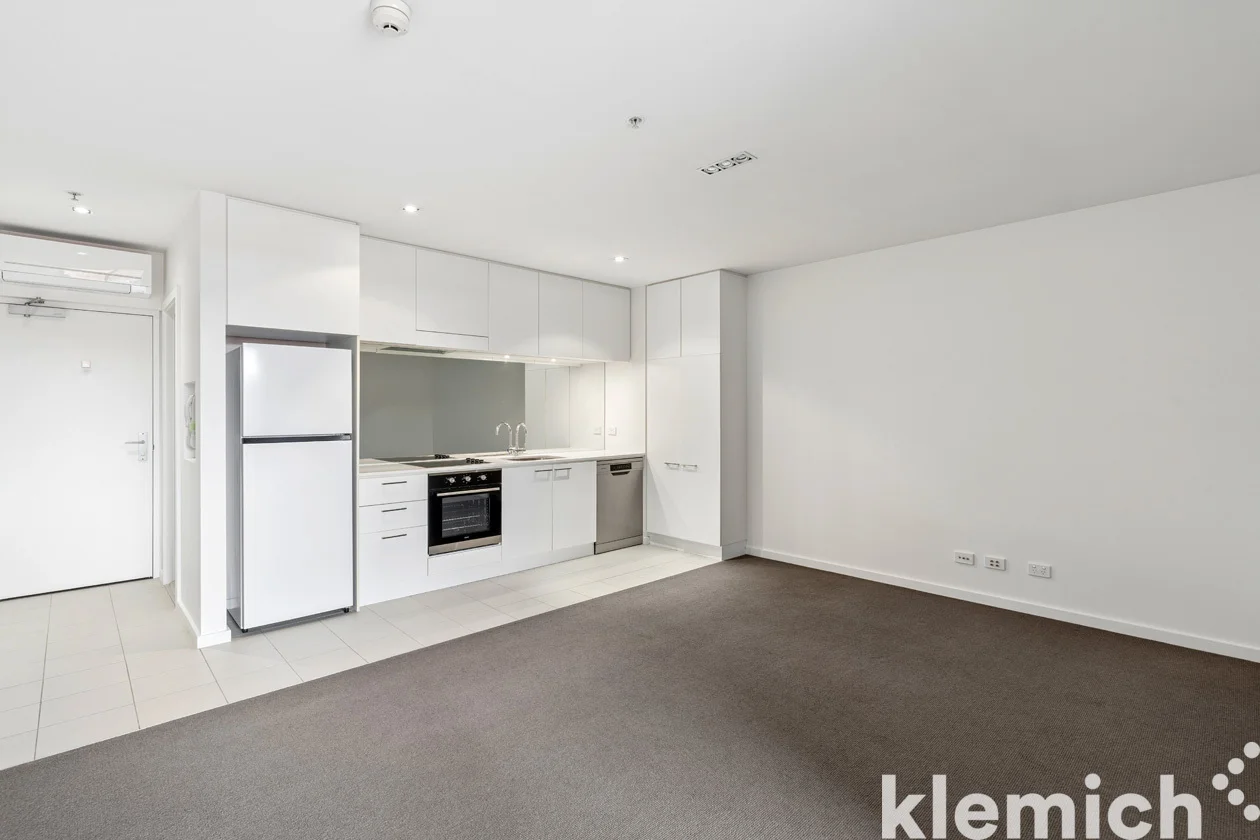 $440,000
Apartment / Unit / Flat
$440,000
Apartment / Unit / Flat
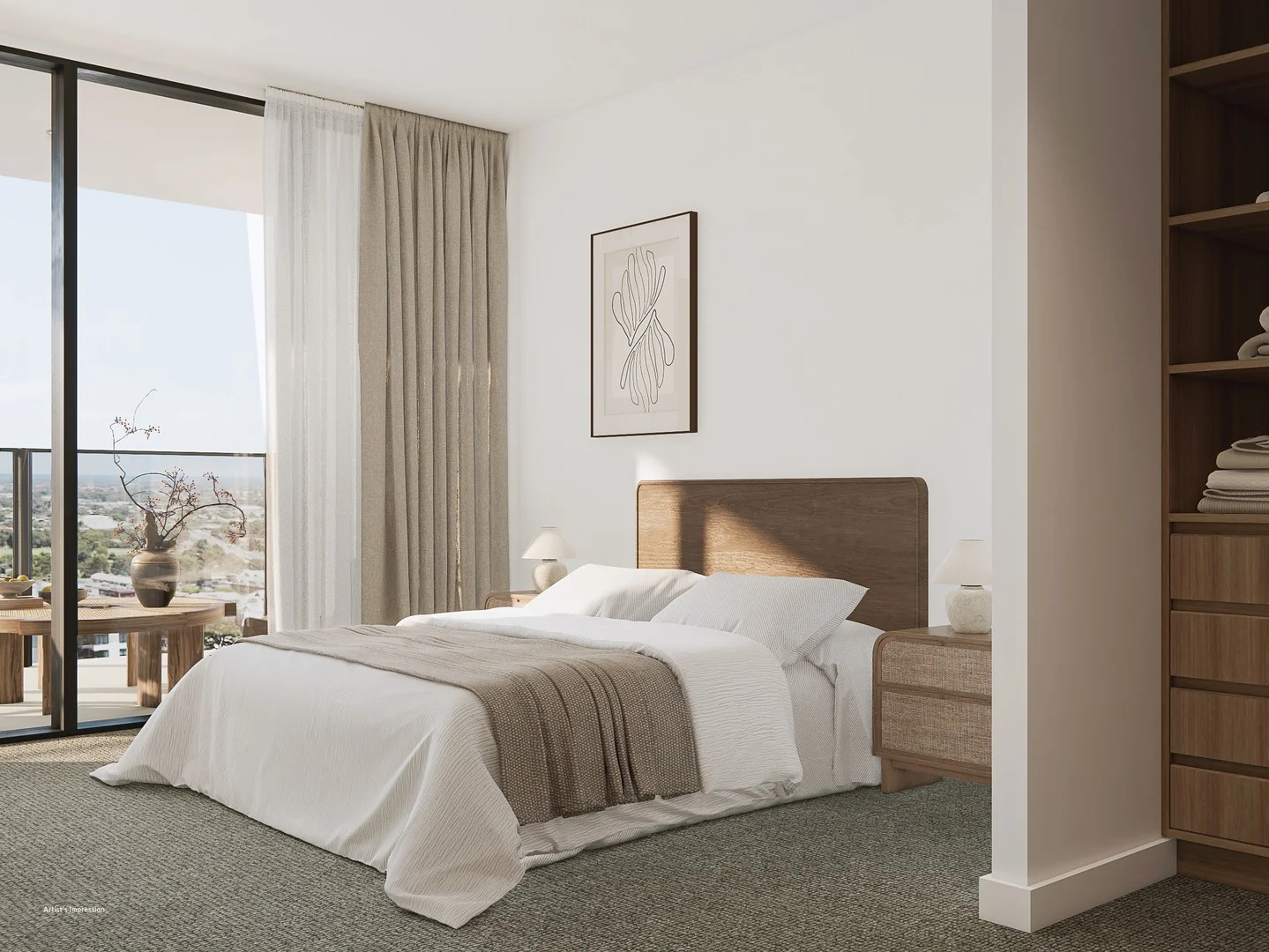 $935,000
Apartment / Unit / Flat
$935,000
Apartment / Unit / Flat
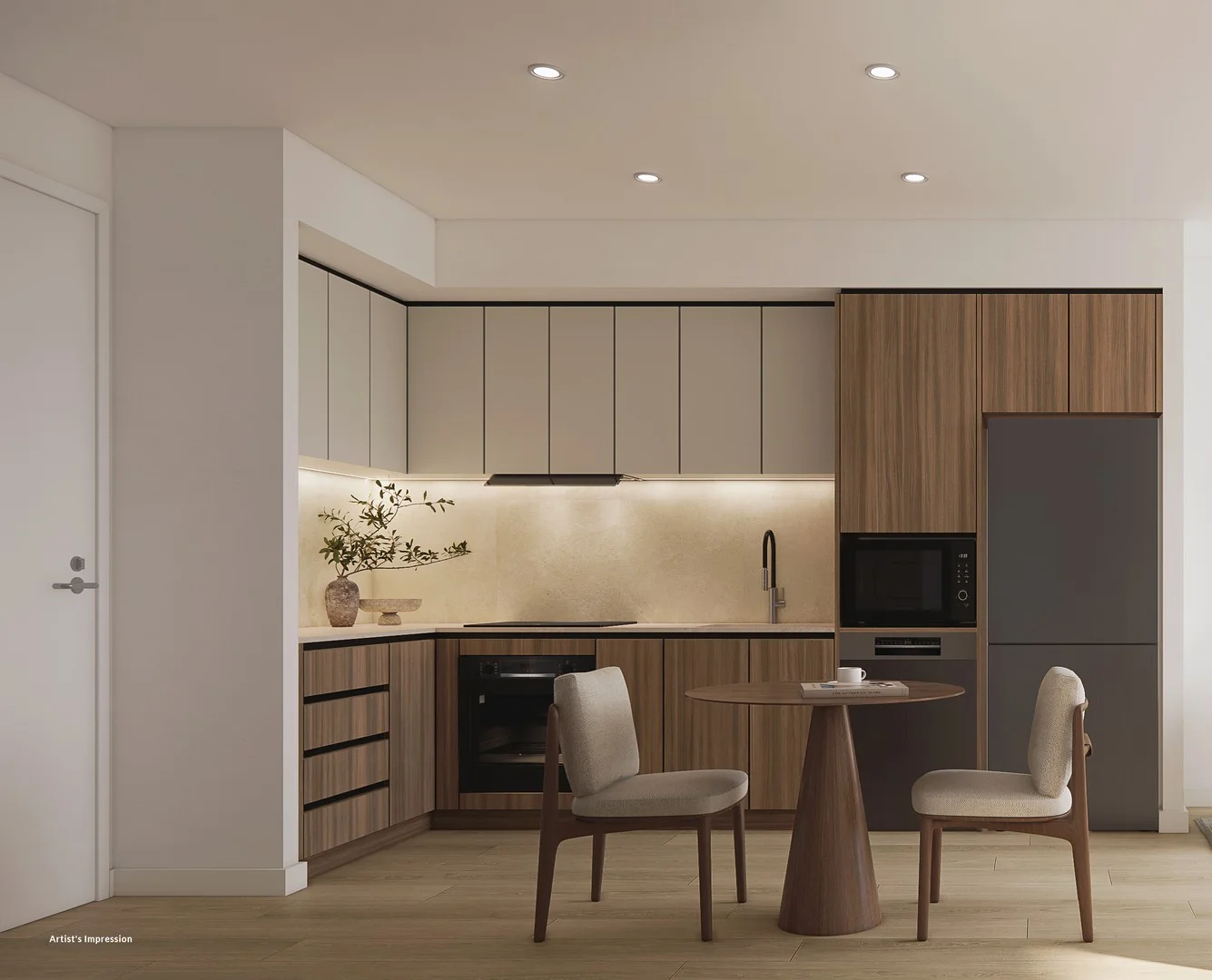 $557,000
Apartment / Unit / Flat
$557,000
Apartment / Unit / Flat
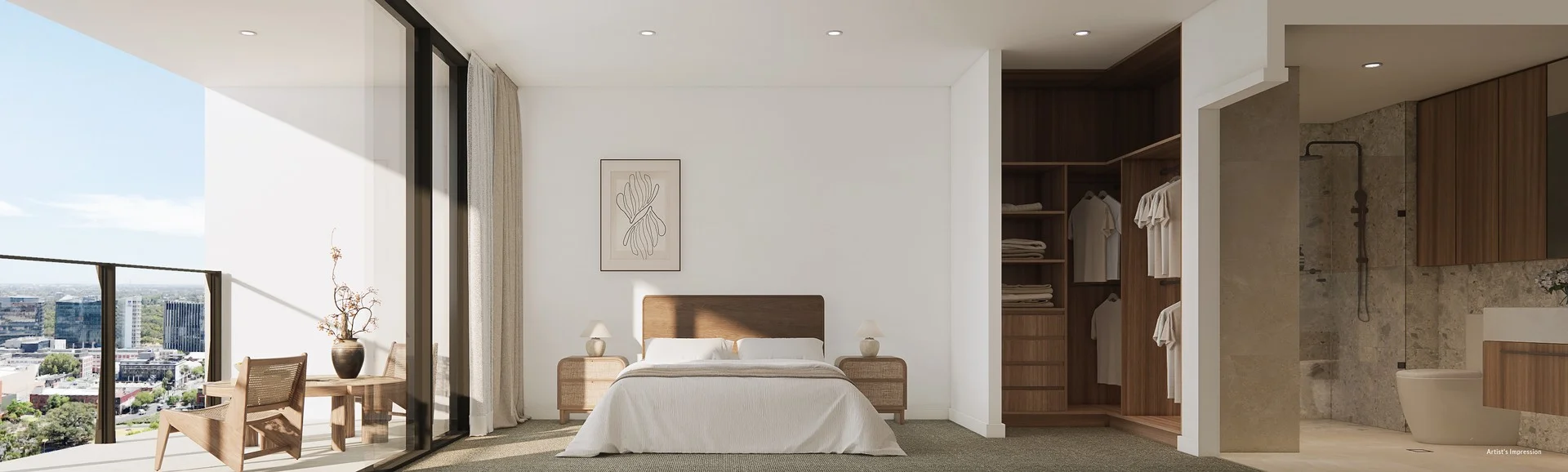 $1,056,000
Apartment / Unit / Flat
$1,056,000
Apartment / Unit / Flat
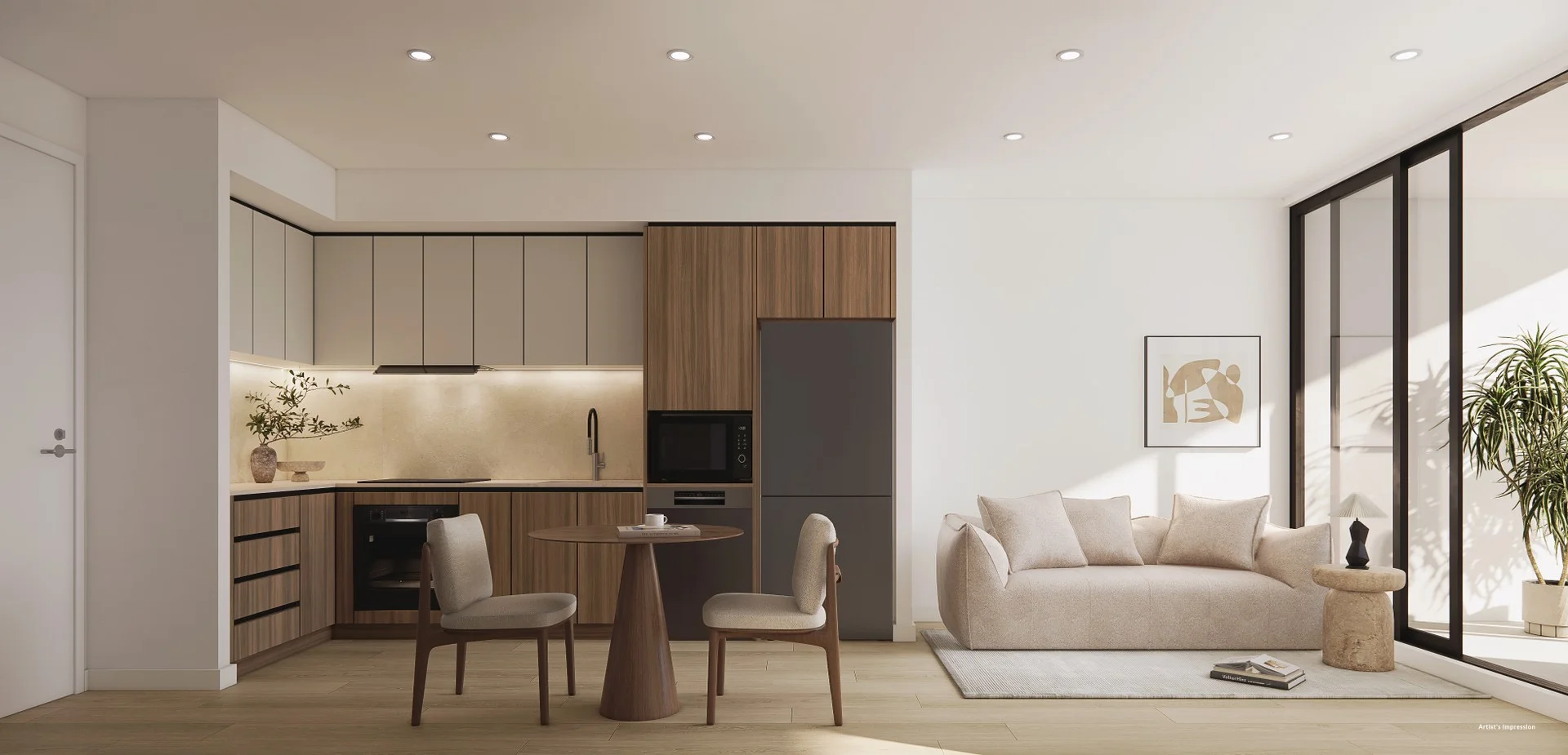 $588,000
Apartment / Unit / Flat
$588,000
Apartment / Unit / Flat
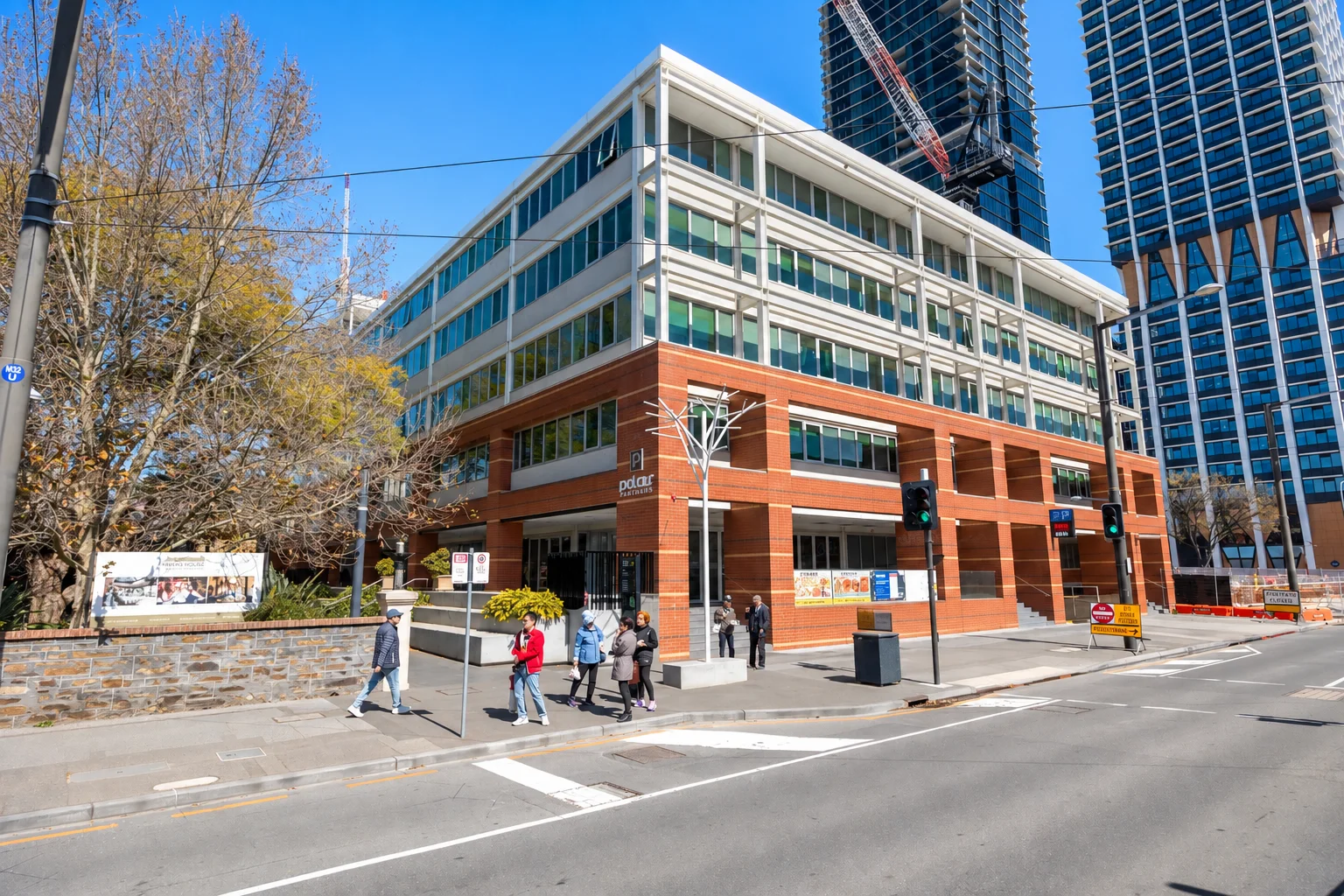 $545,000
Apartment / Unit / Flat
$545,000
Apartment / Unit / Flat