### 1. Overview
Callaghan College Jesmond Campus is a public secondary school in Jesmond, NSW, operating as part of the NSW Department of Education NSW state school system. As a large public high school within a multi-campus network, it serves a diverse student body with a broad range of curriculum options and activities. The school prioritises a supportive, inclusive culture that balances academic effort with sport, arts, and wellbeing.
School type: public. School size: large. Class size: typically around 20–25 students per class. Atmosphere/culture: diverse, inclusive, nurturing, with a strong emphasis on student wellbeing, teamwork, and participation across academics, sport, and the arts.
---
### 2. Academics & Learning
- Academic strengths: strong focus on English literacy and numeracy, STEM pathways, and leadership development; broad curriculum supports students across core subjects and elective interests.
- Special programs: opportunities for enrichment and extension through Gifted and Talented Education-type pathways; accelerated or extension options available where offered.
- NAPLAN trends: generally stable to improving across core domains over recent years, reflecting ongoing literacy/numeracy development and pedagogy adjustments.
- Student-teacher ratios: typically around 1:15 to 1:20, helping teachers provide relatively attentive support while managing larger classes.
- Support for diverse learners: robust support for EAL learners and students with additional learning needs, including targeted intervention and inclusive practices.
---
### 3. Sports & Extracurricular Strengths
- Sports offered: a wide range including team sports such as soccer, rugby league, basketball, cricket, netball, athletics, and tennis; clubs and teams participate in local and regional competitions.
- Strong teams or achievements: competitive participation across multiple sports with active senior and junior teams and district-level representation.
- Music, arts, drama programs: dedicated music and performing arts spaces; regular ensembles and productions; opportunities to participate in school and regional arts events.
- Clubs: robotics, coding, chess, debating, drama and theatre clubs, and other special-interest groups.
- Partnerships: connections with local clubs and regional competitions to provide extra curricular experiences and development opportunities for students.
---
### 4. Wellbeing & Pastoral Care
- Anti-bullying approach: explicit anti-bullying policies with restorative practices to promote a safe, respectful school environment.
- House system: house groups support pastoral care, events, and a sense of belonging across year levels.
- Counsellors / wellbeing officers: dedicated wellbeing staff and guidance services available to support student mental health and personal development.
- Transition support for new students: comprehensive transition activities for new students, including orientation and buddy programs to help Year 7 entrants settle in smoothly.
---
### 5. Facilities
- Sports grounds: on-site outdoor playing fields and courts for a range of sports.
- Libraries: well-stocked library with study spaces and access to learning resources.
- Science labs: modern science laboratories for chemistry, biology, physics, and experiments.
- Music/performing arts centers: dedicated spaces for music, drama, and performances.
- Tech/innovation labs: modern classrooms and project spaces for technology and design-led learning.
- Cafeteria: on-site canteen offering a range of healthy options.
- Updated playgrounds: well-maintained outdoor spaces for recreation and year-level break times.
---
### 6. School Values & Community Culture
- School values / mission: emphasis on respect, responsibility, excellence, and inclusive learning; focus on developing well-rounded, engaged citizens.
- Leadership style: collaborative and student-inclusive, with opportunities for student voice and leadership roles.
- Behaviour expectations: clear behavioural expectations supported by positive reinforcement and restorative approaches.
- Community reputation: strong sense of school community with active involvement from families and local partners.
- Diversity & inclusion: welcoming, inclusive environment that supports students from diverse backgrounds and needs.
---
### 7. School Logistics & Daily Operations
- School hours: typical school day runs from around 9:00 am to 3:00 pm (adjustments may apply to specific programs).
- Before/after school care: after-school supervision and care arrangements available through school-supported services or local providers.
- Uniform requirements: school uniform required; separate sports uniform for PE and extracurricular activities.
- Transport (train/bus routes): accessible by public transport with local bus routes and proximity to train services; details vary by catchment and year level.
- Canteen availability: on-site canteen offering daily meals and snacks.
- Fees (low/medium/high ranges): no tuition fees for public schooling; there are voluntary contributions and costs for certain activities, uniforms, and excursions.
---
### 8. Enrolment & Admissions
11. What is the enrolment process and timeline?
- Enrolment is handled through the NSW Department of Education process. Start by confirming your local intake area (catchment). Submit the required enrolment documents (proof of identity, proof of address, immunisation records, birth certificate, and any other school-specific forms) to the school. Year 7 intake typically follows Department timelines with offers communicated through the school and/or district processes; for other year levels, enrolments are considered subject to capacity and available places. Check with the school for exact deadlines and documents.
12. Is there a waiting list, and how does it work?
- Waiting lists may operate when the school is oversubscribed. Placement priorities usually prioritise students within the local intake area. When spaces become available, offers are made in order of waitlist position and Department guidelines.
13. Are there any entry requirements, tests, or interviews?
- For NSW public high schools, there are generally no selective entrance exams for standard enrolment. Some programs or pathways may involve information sessions or interviews; most enrolment decisions are based on eligibility, residence within the local intake area, and space availability.
14. Does the school accept mid-year transfers?
- Mid-year transfers are possible subject to space and the NSW Department of Education transfer processes. Parents should contact the school early to discuss availability and the required documentation.
---
### 9. Frequently Asked Questions
- Why Parents Choose This School?
Public education with a large, diverse community, strong wellbeing support, comprehensive academics and broad co-curricular options, plus solid facilities and local involvement.
- What type of student thrives at this school?
Students who are curious, collaborative, and motivated across academics, sport, and the arts; those who value inclusive environments and opportunities to participate in teams, clubs, and leadership.
- What opportunities are available for students to extend their skills (academics, sports, arts)?
Enrichment in STEM and English, leadership and citizenship programs, sports teams and district competitions, music ensembles, drama and arts productions, robotics and coding clubs, and debating.
- How does the school communicate with parents?
Regular emails, newsletters, school app or portal updates, parent-teacher meetings, and information evenings; supports two-way communication with families.
- What is the school’s approach to teaching and learning?
NSW syllabus-aligned curriculum with a focus on literacy, numeracy, critical thinking, and differentiated instruction to meet diverse learner needs; emphasis on student engagement and real-world learning.
- How does the school support students who need extra academic help?
Targeted student support services, Learning Support and EAL assistance, tutoring or catch-up programs, and access to dedicated counsellors and teachers for individualised plans.
- What support is available for academic challenges?
Individual or small-group interventions, SEN support, accommodations where appropriate, and referrals to wellbeing staff if academic stress intersects with wellbeing.
- How does the school communicate with parents? (duplicate)
See above: emails, portals, newsletters, meetings.
- What are the class sizes and how much individual attention do students receive?
Typical class sizes around 20–25 students; teachers provide feedback and guidance, with targeted support through learning assistance and small-group options where needed.
- What extracurricular and sports opportunities are available?
Broad range of sports, music and arts programs, robotics, coding, chess, debating clubs, and competitive teams across multiple disciplines.
- What facilities does the school offer (sports, science, arts)?
Sports grounds, libraries, science labs, music/performing arts spaces, tech/innovation labs, canteen, and well-maintained outdoor areas.
- What is the school’s approach to technology and digital learning?
Integrated digital learning across subjects with access to computer labs and devices; use of interactive tools and platforms to support modern pedagogy and student collaboration.
- What transport and accessibility options are available?
Access via local bus routes and public transport; ample parking and accessibility considerations for students with mobility needs where applicable.
- What are the typical school fees or additional costs?
No tuition for public schooling; costs relate to uniforms, activities, and occasional materials or excursions; schools often publish a schedule of expected contributions.
---
### 10. Short Pros & Cons list
- Pros
- Large, diverse public school with broad curriculum and activities
- Strong wellbeing and pastoral care framework
- Wide range of sports, arts, and clubs
- Support for EAL and students with extra needs
- Modern facilities and active community involvement
- Cons
- Large student population can mean less individualized attention in some classes
- Transport and travel times can vary depending on location and timetable
- Standard public school costs (uniforms, extras) can add up
If you’d like, I can tailor any section to focus more on a particular program (e.g., STEM, arts, or sports) or adjust the tone for different audiences (parents from local areas vs. new residents).




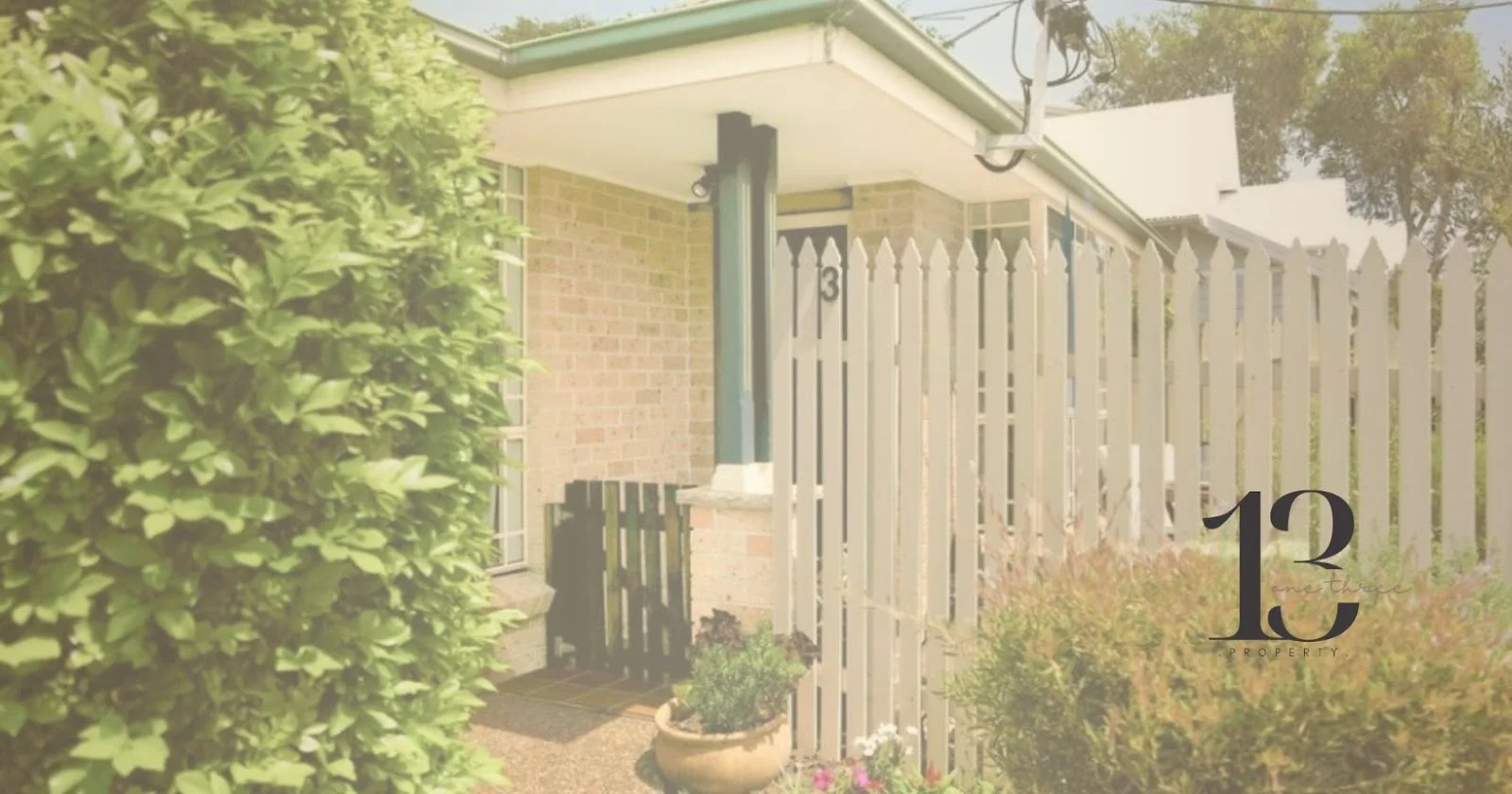 $795,000
Townhouse
$795,000
Townhouse
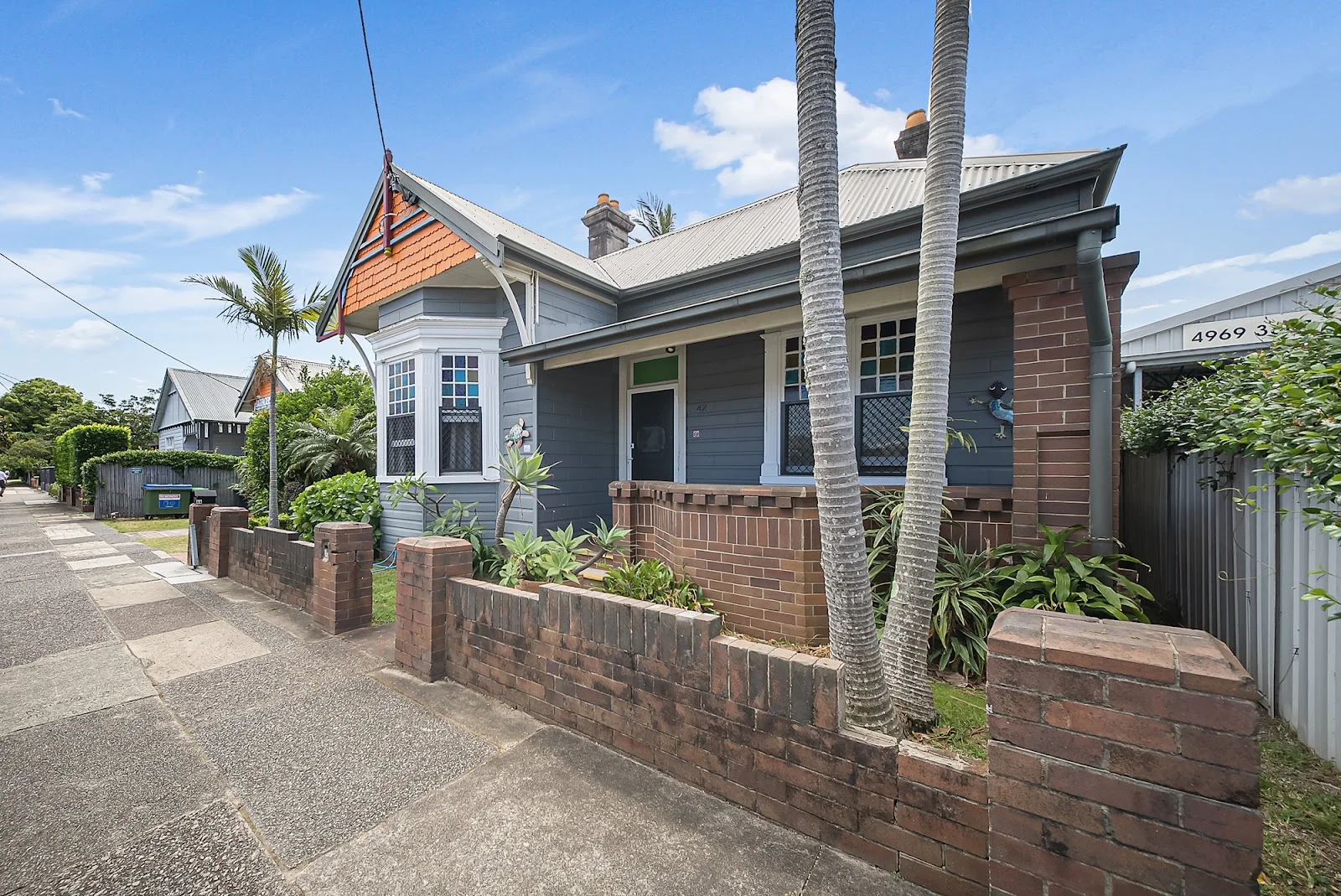 $2,000,000
propertyType.BLOCK OF UNITS
$2,000,000
propertyType.BLOCK OF UNITS
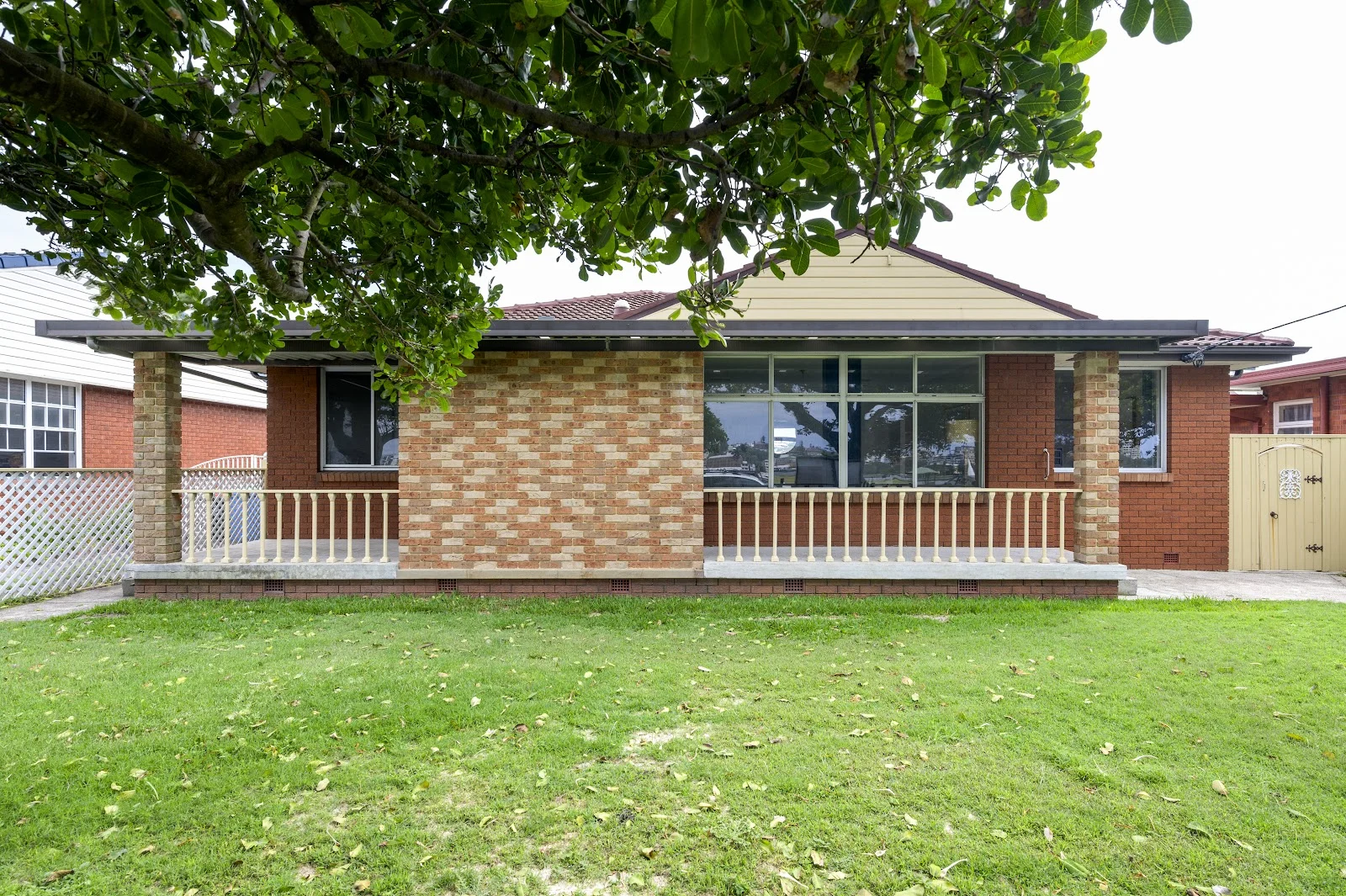 $2,500,000
House
$2,500,000
House
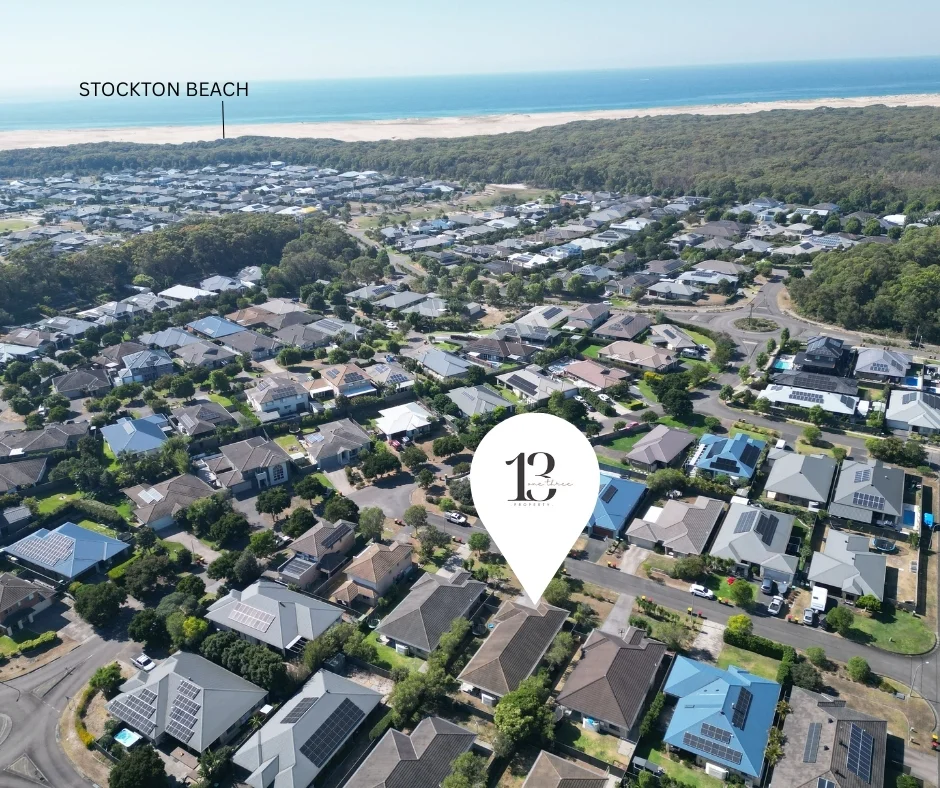 $900,000 - $990,000
House
$900,000 - $990,000
House


