1. Overview
St John’s Primary School, Lambton is a Catholic, community-focused primary school that emphasises faith-informed learning in a nurturing environment. The school supports a small to medium-sized school community where teachers know students well and families are welcomed as partners in education. Class sizes are kept deliberately intimate to encourage active participation, individual attention, and strong teacher–student relationships. The atmosphere is typically described as inclusive, supportive, and values-driven, with an emphasis on faith, respect, and personal growth.
As part of the NSW Catholic education system, the school combines academic formation with a strong sense of community, service, and belonging. Families are drawn to the school for its welcoming culture, opportunities for spiritual formation, and a focus on developing the whole child—mind, body, and character.
2. Academics & Learning
- Academic strengths: Strong emphasis on literacy and numeracy, with integrated STEM concepts and faith-based learning embedded across the curriculum. The school supports critical thinking, inquiry, and clear communication, helping students build solid foundational skills.
- Special programs: Religious education and liturgical programs form a core part of daily life. There are opportunities for student leadership, wellness activities, and enrichment options for capable learners within the school’s curriculum framework.
- NAPLAN trends: NSW Catholic schools typically show steady performance in literacy and numeracy with consistent year-to-year improvement or stability. For the most current picture, review the school’s latest published results and annual reports.
- Student–teacher ratios: Class sizes are designed to be small to medium, enabling strong teacher attention, personalized feedback, and differentiated instruction to meet diverse learner needs.
- Support for diverse learners: Inclusive education practices are in place, with support for EAL learners and students with additional learning needs. Access to specialists and support staff helps ensure all students can participate and progress.
3. Sports & Extracurricular Strengths
- Sports offered: A range of sports commonly available in NSW primary settings, including soccer, rugby league, cricket, basketball, netball, and athletics, with opportunities to participate in inter-school events and local competitions.
- Strong teams or achievements: The school participates in local inter-school activities and Catholic school sport events, providing pathways for teamwork, discipline, and achievement.
- Music, arts, drama programs: Active music and performing arts opportunities, including choir, instrumental groups, and school productions, contribute to a vibrant arts culture.
- Clubs: Robotics, coding, chess, debating, and other interest clubs are offered to extend learning beyond core subjects.
- Partnerships: Connections with local community and parish groups, as well as participation in regional academic and sporting events, enhance opportunities for students to compete, perform, and develop new skills.
4. Wellbeing & Pastoral Care
- Anti-bullying approach: A proactive anti-bullying policy and prevention programs are in place, with ongoing pastoral support and clear channels for reporting concerns.
- House system: A house-based structure fosters community, teamwork, and friendly competition during school events and activities.
- Counsellors / wellbeing officers: A pastoral care team, including wellbeing staff or a school counsellor, provides support for student wellbeing, resilience, and social-emotional development.
- Transition support for new students: Structured orientation for new students, buddy systems, and families’ information sessions help ease transitions into the school community.
5. Facilities
- Sports grounds: On-site playing fields or spaces suitable for outdoor activities and physical education.
- Libraries: A well-equipped library with access to books, digital resources, and reading programs.
- Science labs: Dedicated spaces or science teaching areas for hands-on experiments and inquiry-based learning.
- Music/performing arts centers: Facilities to support music lessons, rehearsals, and school productions.
- Tech/innovation labs: Dedicated areas for technology, coding, and digital learning projects.
- Cafeteria: On-site dining facilities or arrangements for lunch services and supervised meals.
- Updated playgrounds: Safe, well-maintained outdoor play spaces with age-appropriate equipment.
6. School Values & Community Culture
- School values / mission: A faith-centered mission focusing on respect, responsibility, resilience, and service within a Catholic framework.
- Leadership style: Collaborative and student-centered, encouraging student voice, teamwork, and opportunities to lead within the school community.
- Behaviour expectations: Clear codes of conduct, positive behaviour supports, and restorative practices to build a respectful learning environment.
- Community reputation: A close-knit, welcoming school community with active involvement from families and parish connections.
- Diversity & inclusion: Commitment to inclusion, welcoming families from diverse backgrounds, and support for EAL learners and diverse needs.
7. School Logistics & Daily Operations
- School hours: Start and finish times aligned with NSW primary school schedules, with structured periods for learning, breaks, and afternoon routines.
- Before/after school care: Wrap-around care options or after-school programs are available to support families’ needs.
- Uniform requirements: A school uniform policy with defined daily wear, including seasonal variations and sports attire for physical education.
- Transport (train/bus routes): Access to public transport options and recommended drop-off/pick-up arrangements to support safe and convenient commuting.
- Canteen availability: On-site or coordinated lunch/hot meal services for student lunches.
- Fees: The school operates within the typical range for NSW Catholic primary schools, with annual fees and related costs; families may have access to information on payment schedules, concessions, and potential assistance.
8. Enrolment & Admissions
11. What is the enrolment process and timeline?
- Applications are typically submitted through an admissions process that includes an information session, submission of forms, and documentation. There is usually a published timeline for intake periods (start of the school year and other intakes).
12. Is there a waiting list, and how does it work?
- Waiting lists may apply for some year levels depending on capacity. The school will advise on eligibility, how spots are allocated, and expected wait times.
13. Are there any entry requirements, tests, or interviews?
- Entry may involve a staff or family interview, and there may be documentation requirements. Some Catholic schools conduct simple assessments or form checks as part of the enrollment process.
14. Does the school accept mid-year transfers?
- Mid-year transfers may be possible if space permits. Families should contact the school’s admissions team to discuss availability and the required steps.
9. Frequently Asked Questions
- Why Parents Choose This School?
- A welcoming, faith-centered environment with small class sizes, strong teacher support, and active parental involvement; a focus on the holistic development of children.
- What type of student thrives at this school?
- Students who value a faith-based community, collaborative learning, and opportunities to participate in both academics and co-curricular activities.
- What opportunities are available for students to extend their skills (academics, sports, arts)?
- Enrichment in literacy/numeracy, STEM experiences, student leadership, arts programs, music, sports teams, and clubs such as robotics, coding, chess, and debating.
- How does the school communicate with parents?
- Regular updates via newsletters, notices, parent-teacher meetings, and digital platforms that provide information on learning progress and upcoming events.
- What is the school’s approach to teaching and learning?
- A student-centered, inquiry-based approach integrated with Catholic education values, focusing on literacy, numeracy, critical thinking, and social-emotional development.
- How does the school support students who need extra academic help?
- Targeted support within class, additional small-group instruction, and access to specialists and support staff as part of an inclusive education model.
- What support is available for academic challenges?
- Diagnostic assessments, differentiated instruction, and tailored learning plans to help students progress at their own pace.
- How does the school communicate with parents? (Repeated)
- See above; ongoing, transparent communication through multiple channels and regular updates.
- What are the class sizes and how much individual attention do students receive?
- Class sizes are designed to be small to medium to enable meaningful teacher–student interaction and personalized support.
- What extracurricular and sports opportunities are available?
- A range of sports, music/arts programs, and clubs such as robotics, coding, chess, and debating, with opportunities to participate in inter-school events.
- What facilities does the school offer (sports, science, arts)?
- Sports facilities, a library, science labs, music/performing arts spaces, tech/innovation labs, and a canteen, along with well-maintained outdoor areas.
- What is the school’s approach to technology and digital learning?
- Integration of technology across the curriculum with access to devices and digital learning platforms to build digital literacy and responsible use.
- What transport and accessibility options are available?
- Transport options include local bus/train access and coordinated drop-off/pick-up arrangements to support safe commuting.
- What are the typical school fees or additional costs?
- Fees are in line with NSW Catholic primary schools and may include standard charges for curriculum materials, activities, and facilities; information on concessions and payment options is provided by the school.
10. Short Pros & Cons list
Pros
- Catholic, values-based education in a welcoming, close-knit community
- Small to medium class sizes and attentive teaching
- Strong focus on literacy and numeracy with opportunities in STEM, arts, and sports
- Inclusive environment with support for diverse learners
- Wide range of extracurriculars, clubs, and performing arts
- Active pastoral care and transition support for new students
Cons
- As with many parish-based schools, admission can be competitive during peak intake times
- Some specialized programs or facilities may vary by year and cohort
- Fees apply (as with most non-public schools), with potential additional costs for activities and trips
Note: This overview is a general, school-facing summary intended to help families form initial impressions. For precise, up-to-date details on enrolment timelines, current programs, facilities, and fee structures, please refer to the school’s official communications and admissions office.





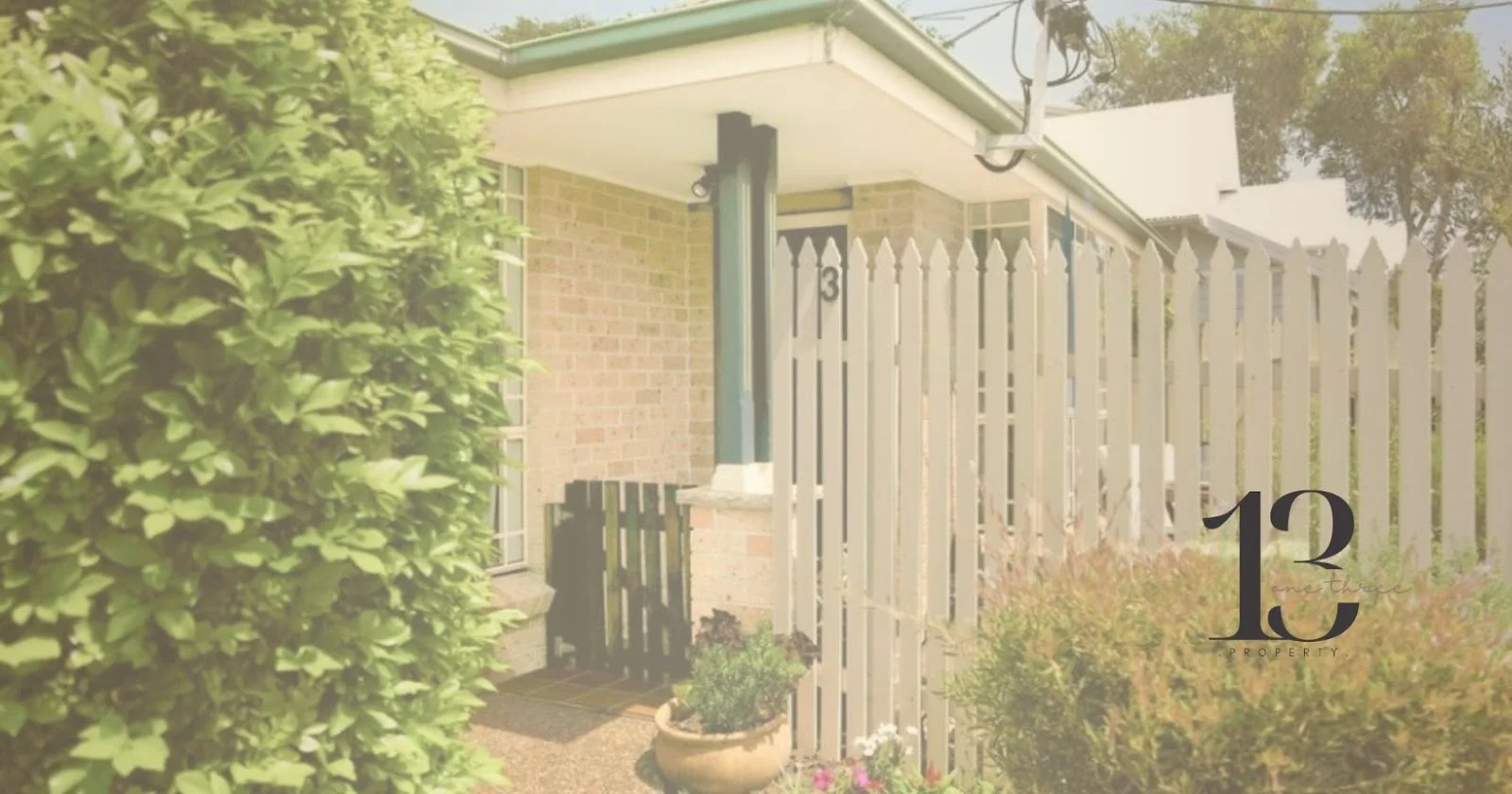 $795,000
Townhouse
$795,000
Townhouse
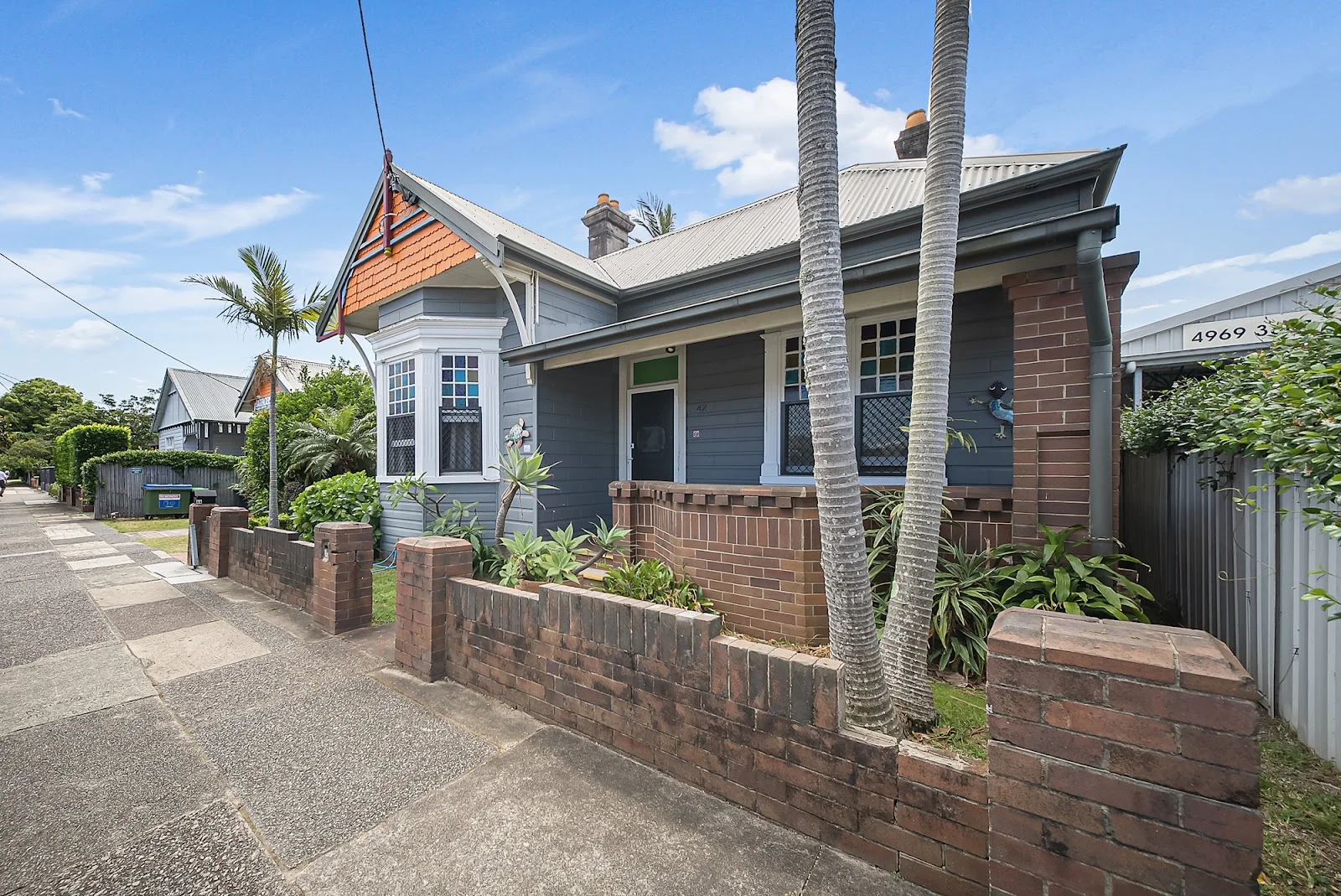 $2,000,000
propertyType.BLOCK OF UNITS
$2,000,000
propertyType.BLOCK OF UNITS
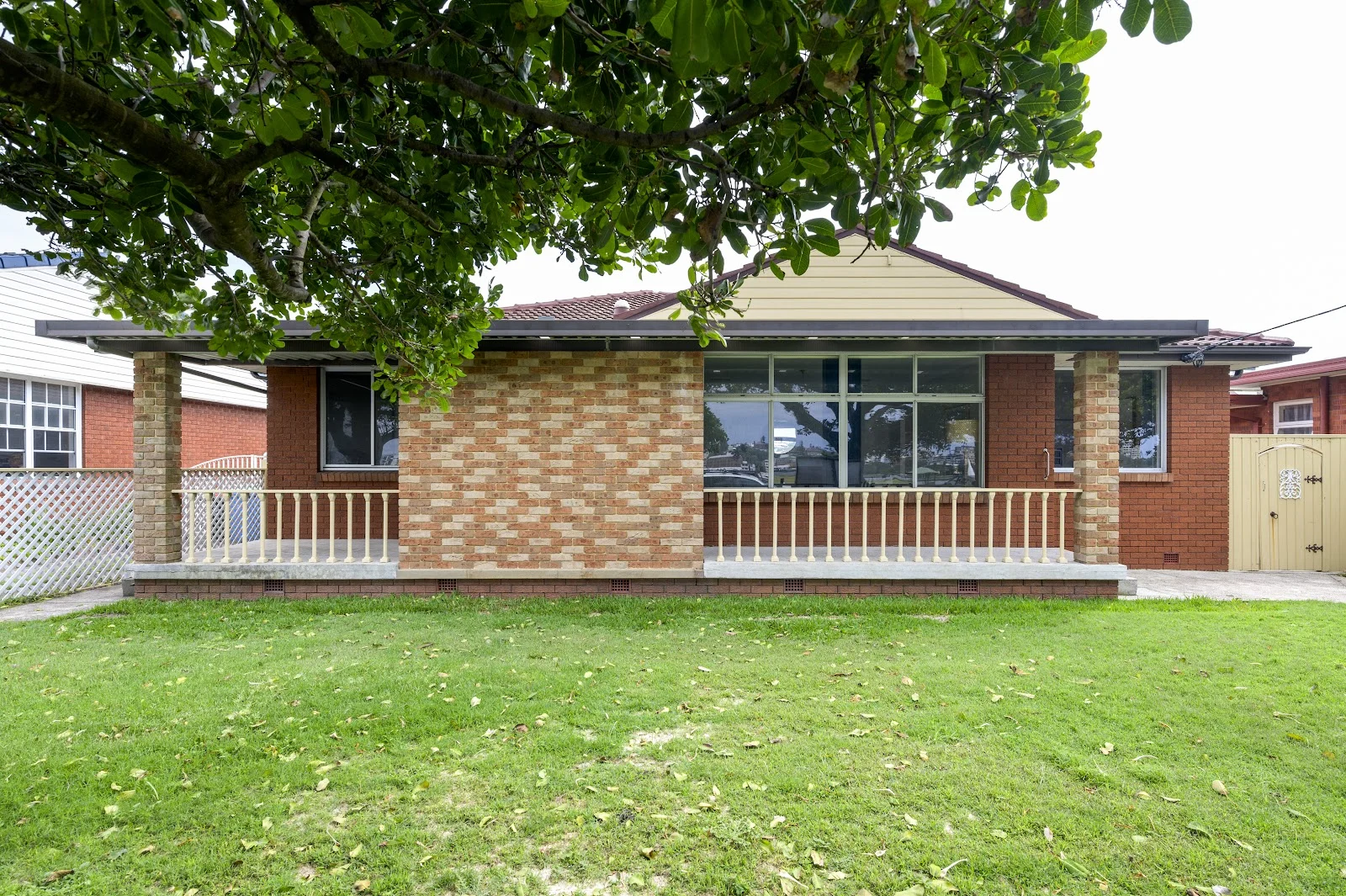 $2,500,000
House
$2,500,000
House
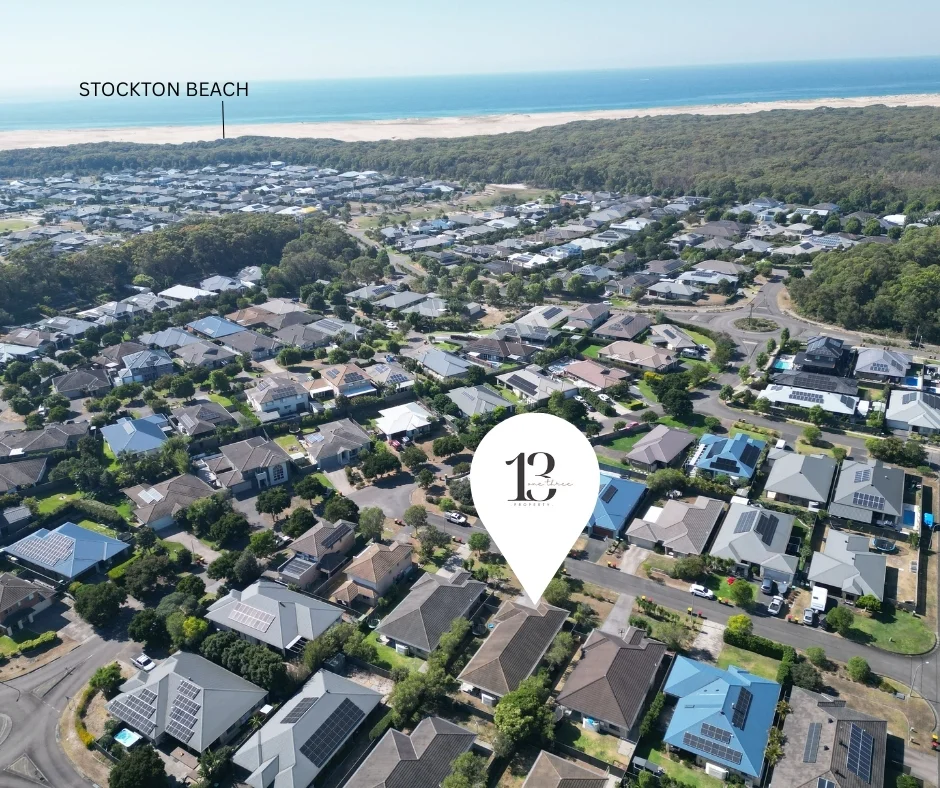 $900,000 - $990,000
House
$900,000 - $990,000
House


