## 1. Overview
Jesmond Public School is a public primary school serving families in the Newcastle area. As a NSW Department of Education school, it focuses on inclusive learning within a community that supports students to grow academically, socially, and emotionally. The school typically presents as a medium-sized campus with class sizes that aim to be manageable for effective teaching and learning, generally around 20–25 students per class. The atmosphere is described as nurturing and inclusive, with an emphasis on teamwork, respect, and student well-being alongside academic progress.
The school fosters a balanced culture that values sport, the arts, and hands-on learning. Students are encouraged to participate in a broad range of activities, develop leadership and collaboration skills, and engage with their local community in a positive, respectful way.
---
## 2. Academics & Learning
- Academic strengths: English, mathematics, literacy/numeracy foundations, and digital literacy; emphasis on developing strong core skills alongside opportunities in STEM and creative thinking.
- Special programs: Access to NSW Department of Education initiatives such as Gifted and Talented Education (GATE) pathways where available, plus targeted literacy and numeracy support to meet diverse learner needs.
- NAPLAN trends: Schools in this sector typically monitor year‑to‑year progress with a focus on steady or improving trends in reading, writing, and numeracy; progress is often featured in annual school reports.
- Student-teacher ratios: Common range around 1:18 to 1:22, dependent on cohort and year level.
- Support for diverse learners: EAL/D (English as an Additional Language/Dialect) support, SEN (special education needs) programs, and inclusive teaching practices to ensure access and participation for all students.
---
## 3. Sports & Extracurricular Strengths
- Sports offered: Team and individual sports across the NSW primary program, including soccer, netball, cricket, athletics, and rugby league-style activities; participation in district and inter-school events is common.
- Strong teams or achievements: School teams often compete in local and district competitions with opportunities for leadership roles and recognition in inter-school events.
- Music, arts, drama programs: Regular music and performing arts activities, school concerts, and opportunities to join choirs or instrumental ensembles.
- Clubs: Robotics, coding, chess, debating, and other lunchtime or after-school clubs help extend interests beyond core academics.
- Partnerships: Connections with local clubs and community organizations support competitions, coaching, and enrichment opportunities.
---
## 4. Wellbeing & Pastoral Care
- Anti-bullying approach: Clear anti-bullying policies, restorative practices, and student support systems to promote a safe and respectful environment.
- House system: A House system is typically in place to foster belonging, friendly competition, and peer mentoring among students.
- Counsellors / wellbeing officers: Access to school wellbeing staff or a designated counsellor to support emotional and social development.
- Transition support for new students: Buddy programs, orientation activities, and targeted induction to help students settle smoothly into the school community.
---
## 5. Facilities
- Sports grounds: On-site outdoor spaces suitable for a range of physical activities and school sport.
- Libraries: A school library with access to books and digital resources.
- Science labs: Dedicated spaces for hands-on science learning and experiments.
- Music/performing arts centers:rooms or spaces for music practice and small performances.
- Tech/innovation labs: Facilities or dedicated spaces for coding, robotics, and digital learning activities.
- Cafeteria: On-site canteen or tuck shop providing meals and snacks on school days.
- Updated playgrounds: Modern play areas and equipment to support active play and outdoor learning.
---
## 6. School Values & Community Culture
- School values / mission: Clear expectations around respect, responsibility, resilience, and inclusion, with a mission to develop capable, caring, and capable learners.
- Leadership style: Student voice is encouraged through leadership roles, prefects or captaincy, and opportunities to contribute to school decisions.
- Behaviour expectations: A defined student code of conduct aligned with NSW guidelines, promoting positive behavior and accountability.
- Community reputation: Strong relationships with families and local community groups, built on consistent communication and reliable support.
- Diversity & inclusion: A welcoming environment that recognises and values diverse backgrounds and abilities, with inclusive teaching practices.
---
## 7. School Logistics & Daily Operations
- School hours: Typically a mid-morning start with a midday finish; exact times are provided by the school each year.
- Before/after school care: After-school care or holiday programs may be offered through school or local providers.
- Uniform requirements: School uniform is standard; details provided by the school, with guidance on appropriate attire for different seasons.
- Transport (train/bus routes): Students may travel by bus routes or public transport depending on catchment and location; information on routes is shared by the school and local transport providers.
- Canteen availability: Canteen or canteen services operate on school days.
- Fees (low/medium/high ranges): NSW public schools do not charge tuition fees; there are voluntary contributions and optional costs for excursions or activities, typically categorized as low to moderate.
---
## 8. Enrolment & Admissions
- 11. What is the enrolment process and timeline?
- Check catchment eligibility and submit an enrolment application with required documentation (proof of address, immunisation records, birth certificate, etc.). The school will provide enrollment timelines, typically tied to start of the school year or term, with orientation information and any necessary school induction activities.
- 12. Is there a waiting list, and how does it work?
- Some out-of-area applicants may be placed on a waiting list if the school has limited capacity. Placement follows regional policy, with prioritisation given to in-catchment students. Updates are provided by the school as vacancies arise.
- 13. Are there any entry requirements, tests, or interviews?
- For non-selective NSW public schools, there are no entrance exams or interviews for standard enrolment. Proof of address, immunisation status, and age-appropriate documentation are typical requirements. If applying for any specialized или gifted programs, there may be separate processes coordinated by the NSW Department of Education.
- 14. Does the school accept mid-year transfers?
- Yes, mid-year transfers are considered if there is capacity. Parents should contact the school to discuss availability, transfer procedures, and required documentation.
---
## 9. Frequently Asked Questions
- Why Parents Choose This School?
- A supportive, inclusive learning environment with a strong focus on core academics, wellbeing, and opportunities across sport, arts, and clubs; positive community connections and a stable, caring culture.
- What type of student thrives at this school?
- Curious, cooperative, and motivated students who engage with teachers, participate in a range of activities, and show respect for peers and staff.
- What opportunities are available for students to extend their skills (academics, sports, arts)?
- Opportunities across extended literacy/numeracy support, gifted programs where available, sport teams and district competitions, music ensembles, drama, robotics, coding, debating, and other clubs.
- How does the school communicate with parents?
- Regular newsletters, email updates, school app or portal notifications, parent-teacher interviews, and information sessions throughout the year.
- What is the school’s approach to teaching and learning?
- NSW curriculum-aligned teaching with a focus on explicit instruction, differentiation to meet diverse needs, and a mix of direct teaching, collaborative learning, and hands-on activities.
- How does the school support students who need extra academic help?
- Targeted literacy and numeracy support, small-group or one-on-one assistance, EAL/D programs, and SEN support through a coordinated well-being and learning support framework.
- What support is available for academic challenges?
- Early identification, targeted intervention plans, and access to learning support staff, with ongoing progress monitoring and parental involvement.
- How does the school communicate with parents? ( duplicate Question)
- See above: newsletters, portals, calls, and meetings.
- What are the class sizes and how much individual attention do students receive?
- Class sizes typically around 18–25 students; teachers employ differentiated instruction to provide tailored support and ensure opportunities for individual feedback.
- What extracurricular and sports opportunities are available?
- A range of sports (team and individual), as well as clubs and arts programs such as robotics, coding, chess, debating, music, and drama.
- What facilities does the school offer (sports, science, arts)?
- Sports grounds, library, science labs, music/performing arts spaces, tech/innovation labs, canteen, and updated playgrounds.
- What is the school’s approach to technology and digital learning?
- Integrated digital literacy across the curriculum, use of devices and interactive tools, and teaching responsible use of technology.
- What transport and accessibility options are available?
- Bus routes and public transport options based on catchment area; accessible entry points and pedestrian access as per site design; information shared by the school and local transport providers.
- What are the typical school fees or additional costs?
- No tuition fees for public schooling; there are voluntary contributions and costs for excursions or optional activities.
---
## 10. Short Pros & Cons list
- Pros:
- Supportive, inclusive environment with focus on well-being and core academics
- Broad range of extracurriculars (sports, arts, clubs)
- Strong community connections and parent engagement
- Clear behavior expectations and student leadership opportunities
- Cons:
- As a public school, access may be limited by catchment and capacity
- Specific programs (e.g., gifted pathways) depend on district availability
- Uniform and additional activity costs can add up, though tuition remains free




 $795,000
Townhouse
$795,000
Townhouse
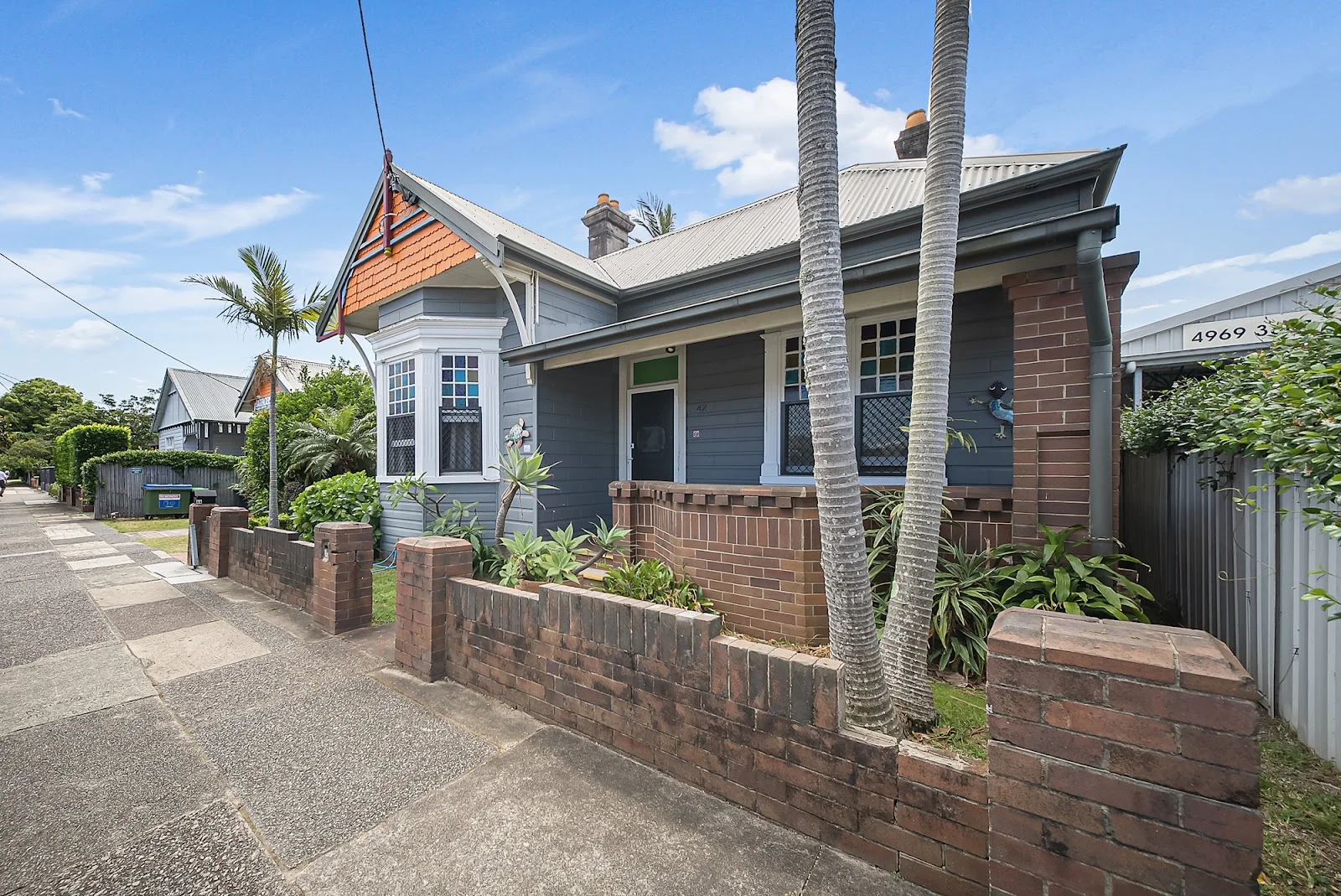 $2,000,000
propertyType.BLOCK OF UNITS
$2,000,000
propertyType.BLOCK OF UNITS
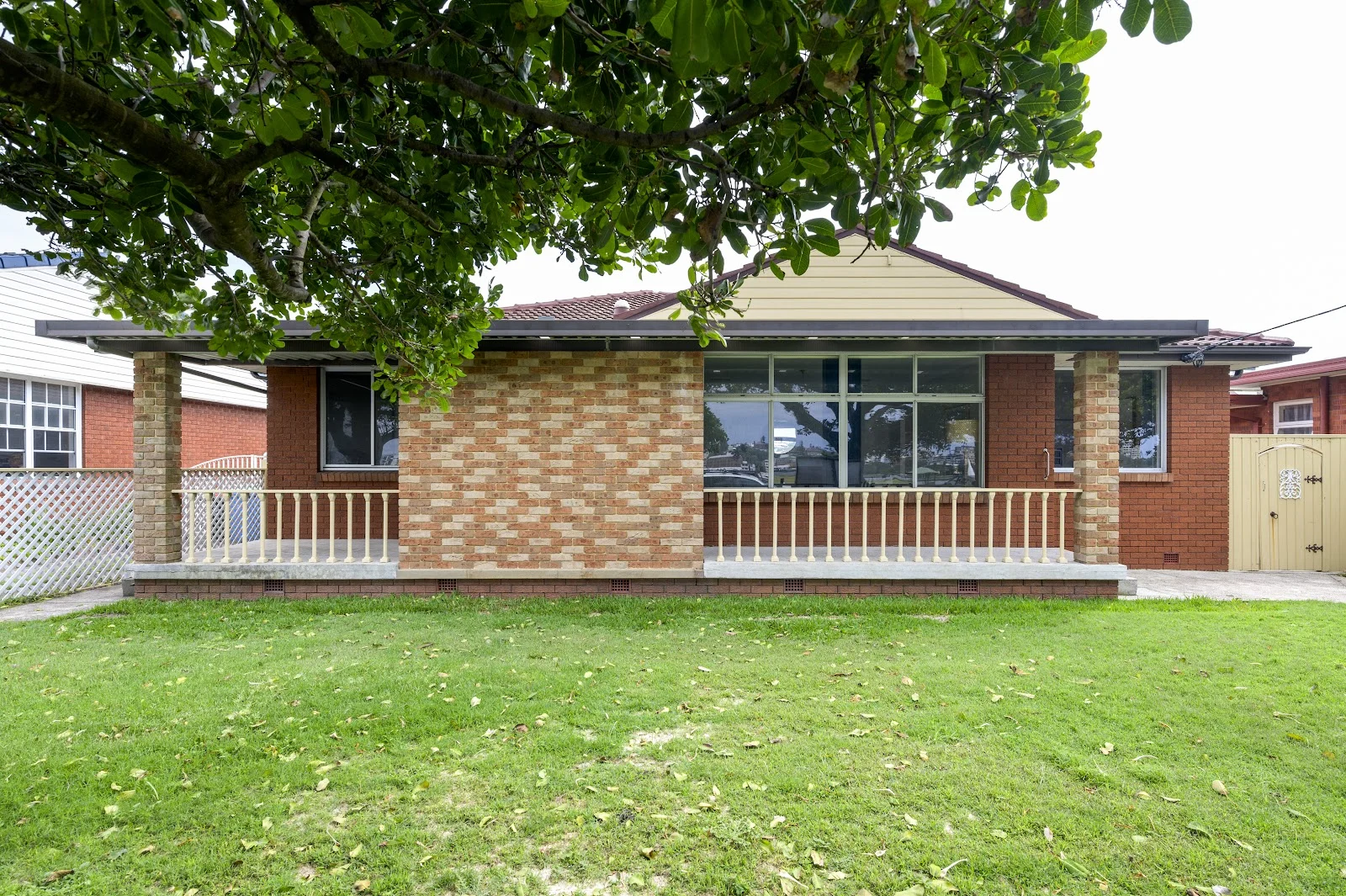 $2,500,000
House
$2,500,000
House
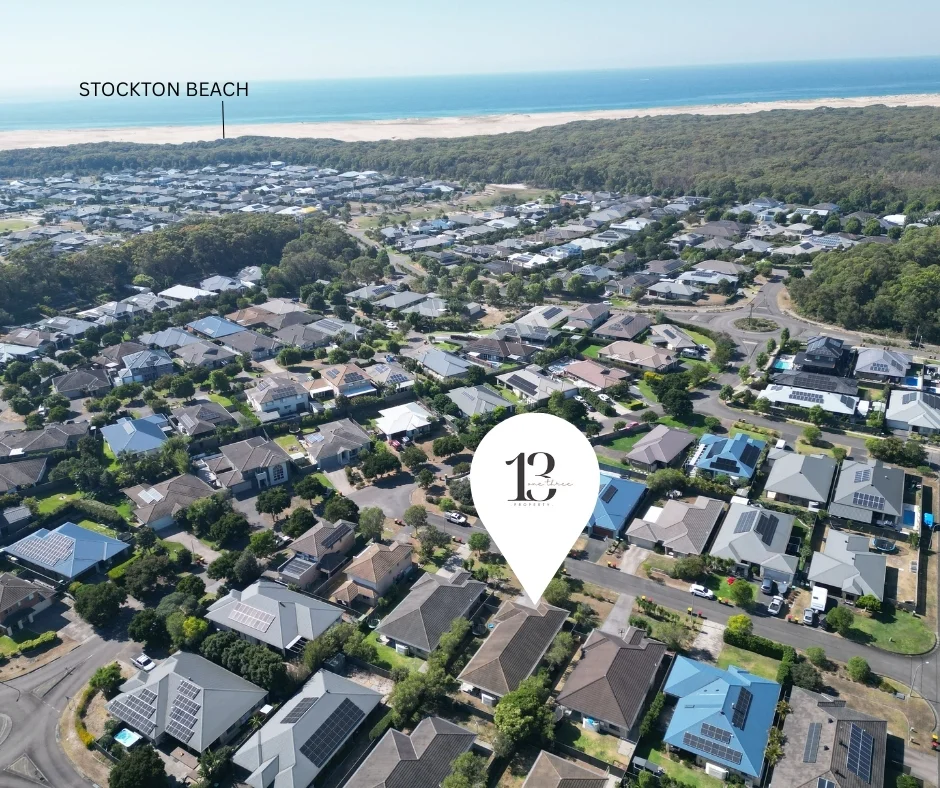 $900,000 - $990,000
House
$900,000 - $990,000
House


