## Overview
Waratah West Public School is a public, co-educational primary school serving students from Kindergarten to Year 6. It is a medium-sized school that aims to deliver a well-rounded education in a welcoming, inclusive environment. Class sizes typically range in the mid-20s, allowing teachers to give students regular individual attention and support. The atmosphere is nurturing and community-focused, with a strong emphasis on student wellbeing, respect, and collaborative learning.
## Academics & Learning
- Academic strengths: literacy and numeracy are foundational, with a clear emphasis on STEM, facilitated by hands-on learning and problem-solving activities. The school also supports leadership development and has opportunities to engage with a broad curriculum beyond core subjects.
- Special programs: Gifted and Talented extensions and targeted enrichment activities are available for qualified students, along with opportunities to participate in cross-curricular projects.
- NAPLAN / trends: trends over recent years show stable performance with gradual improvements in many domains, reflecting ongoing focus on core literacy and numeracy skills.
- Student-teacher ratios: generally around 1:18 to 1:25, depending on year level and class.
- Support for diverse learners: dedicated EAL/D support and inclusive education practices to help students with additional learning needs (SEN) participate fully in the curriculum.
## Sports & Extracurricular Strengths
- Sports offered: a broad range of team and individual sports, including soccer, rugby league, cricket, netball, and athletics, with opportunities to participate in interschool and district events.
- Strong teams or achievements: regular involvement in district carnivals and inter-school competitions, with some teams achieving podium finishes in various events.
- Music, arts, drama programs: active music and performing arts programs, school productions, and opportunities to participate in choirs or instrumental ensembles.
- Clubs: robotics, chess, coding, debating, and other enrichment clubs support students’ interests beyond the classroom.
- Partnerships: collaborations with local sporting clubs and community organizations to provide additional coaching, clinics, and competitive opportunities.
## Wellbeing & Pastoral Care
- Anti-bullying approach: whole-school approach with clear policies, restorative practices, and regular wellbeing education to promote respectful relationships.
- House system: four houses compete in inter-house events, fostering belonging and healthy competition.
- Counsellors / wellbeing officers: access to school counsellors or wellbeing staff to support student mental health, social-emotional learning, and transitions.
- Transition support for new students: orientation sessions, buddy programs, and targeted supports to help new students settle in smoothly.
## Facilities
- Sports grounds: well-maintained playing fields and hard-surface courts for a range of sports.
- Libraries: a functional library with resources to support reading for pleasure and research.
- Science labs: dedicated spaces for practical science activities and experiments.
- Music/performing arts centers: rooms and spaces for music practice, rehearsals, and small performances.
- Tech/innovation labs: computer and technology rooms to support digital literacy and coding activities.
- Cafeteria: on-site canteen or lunch service with options for daily meals or lunch orders.
- Updated playgrounds: modern, age-appropriate play areas and outdoor learning spaces.
## School Values & Community Culture
- School values / mission: a focus on respect, responsibility, resilience, inclusivity, and a commitment to high-quality learning.
- Leadership style: collaborative and distributed, with opportunities for student voice through student councils or leadership roles.
- Behaviour expectations: clear positive-behaviour for learning expectations and a consistent code of conduct supported by staff and families.
- Community reputation: known for a welcoming, family-friendly atmosphere and strong home–school partnerships.
- Diversity & inclusion: active commitment to diversity and inclusive practices to ensure all students feel valued and supported.
## School Logistics & Daily Operations
- School hours: regular school day with start and finish times aligned to NSW public primary schedules (check the current year timetable).
- Before/after school care: OSHC or similar programs are available to provide supervision outside traditional hours.
- Uniform requirements: school uniform policy in place (typical navy and/or blue tones with the school polo or shirt; sports uniform for PE days).
- Transport (train/bus routes): local bus routes and convenient drop-off/pick-up arrangements in the school vicinity; proximity to public transport options.
- Canteen availability: on-site or nearby lunch services/canteen with options for daily meals or lunch orders.
- Fees (low/medium/high ranges): public primary schools have modest, transparent costs with minimal compulsory fees; excursions and some activities may involve additional costs.
## Enrolment & Admissions
11. What is the enrolment process and timeline?
- Enrolment is typically managed through the school with the local education department. Parents submit an enrolment form and provide required documents (proof of age, proof of residency in the local catchment, immunisation records). Enrollment timelines align with NSW intake calendars, and families are kept informed of placement decisions and any orientation activities.
12. Is there a waiting list, and how does it work?
- Depending on local demand and catchment rules, there may be a waiting list for out-of-area enrollments or specific programs. Priority generally goes to in-catchment students. If you’re placed on a waitlist, you’ll be notified of space availability and next steps.
13. Are there any entry requirements, tests, or interviews?
- For a NSW public primary, there are typically no entrance tests or formal interviews for general enrolment. Some programs or supports may involve brief information-sharing sessions to understand student needs, but mainstream enrolment does not require testing.
14. Does the school accept mid-year transfers?
- Yes, mid-year transfers are possible if space is available. Families seeking a mid-year move should contact the school early to discuss space, enrolment paperwork, and transition supports for the new student.
## Frequently Asked Questions
- Why Parents Choose This School?
- A strong sense of community, supportive staff, focus on student wellbeing, balanced academic program, and wide range of extracurriculars.
- What type of student thrives at this school?
- Students who value a collegial, inclusive environment with solid academics, opportunities in sports and arts, and a supportive wellbeing framework.
- What opportunities are available for students to extend their skills (academics, sports, arts)?
- Enrichment programs (Gifted and Talented), STEM activities, coding and robotics clubs, music and performing arts, sports teams, inter-school competitions, and leadership opportunities.
- How does the school communicate with parents?
- Regular newsletters, a school information portal, email updates, scheduled meetings, and ongoing channels for feedback and questions.
- What is the school’s approach to teaching and learning?
- A mix of explicit instruction and inquiry-based learning, with a focus on literacy and numeracy, hands-on tasks, and cross-curricular projects.
- How does the school support students who need extra academic help?
- Targeted small-group supports, EAL/D assistance, SEN coordination, and targeted intervention programs to boost learning progress.
- What support is available for academic challenges?
- Quick-response interventions, one-on-one or small-group tutoring, and ongoing progress monitoring to adapt supports as needed.
- How does the school communicate with parents? (duplicate)
- See above: newsletters, portal, and direct contact with teachers and leadership.
- What are the class sizes and how much individual attention do students receive?
- Class sizes are typically in the mid-20s, with teachers providing regular opportunities for feedback and one-on-one or small-group support during the day.
- What extracurricular and sports opportunities are available?
- A wide range of sports, music and drama programs, robotics, chess, coding, debating clubs, and inter-school competitions.
- What facilities does the school offer (sports, science, arts)?
- Sports grounds, a library, science labs, music/performing arts spaces, tech/innovation labs, a canteen, and updated playgrounds.
- What is the school’s approach to technology and digital learning?
- Integrated digital learning across the curriculum, with computer/IT facilities and opportunities for students to use technology to enhance learning.
- What transport and accessibility options are available?
- Local bus services and convenient transport options, with accessible entry points and supervised drop-off/pick-up arrangements.
- What are the typical school fees or additional costs?
- Public primary schools have low to moderate costs, with some optional extras for excursions, activities, and materials; uniform purchases are required.
## Short Pros & Cons list
- Pros
- Strong sense of community and supportive staff
- Focus on student wellbeing and inclusive practices
- Balanced curriculum with solid literacy, numeracy, and STEM emphasis
- Wide range of extracurriculars (sports, arts, clubs)
- Modern facilities and resources to support learning
- Cons
- May have waitlists for out-of-area enrolments
- Some activities and excursions involve additional costs
- Space constraints can affect program capacity in peak times
- Transport and traffic around drop-off/pick-up times may be busy in the area


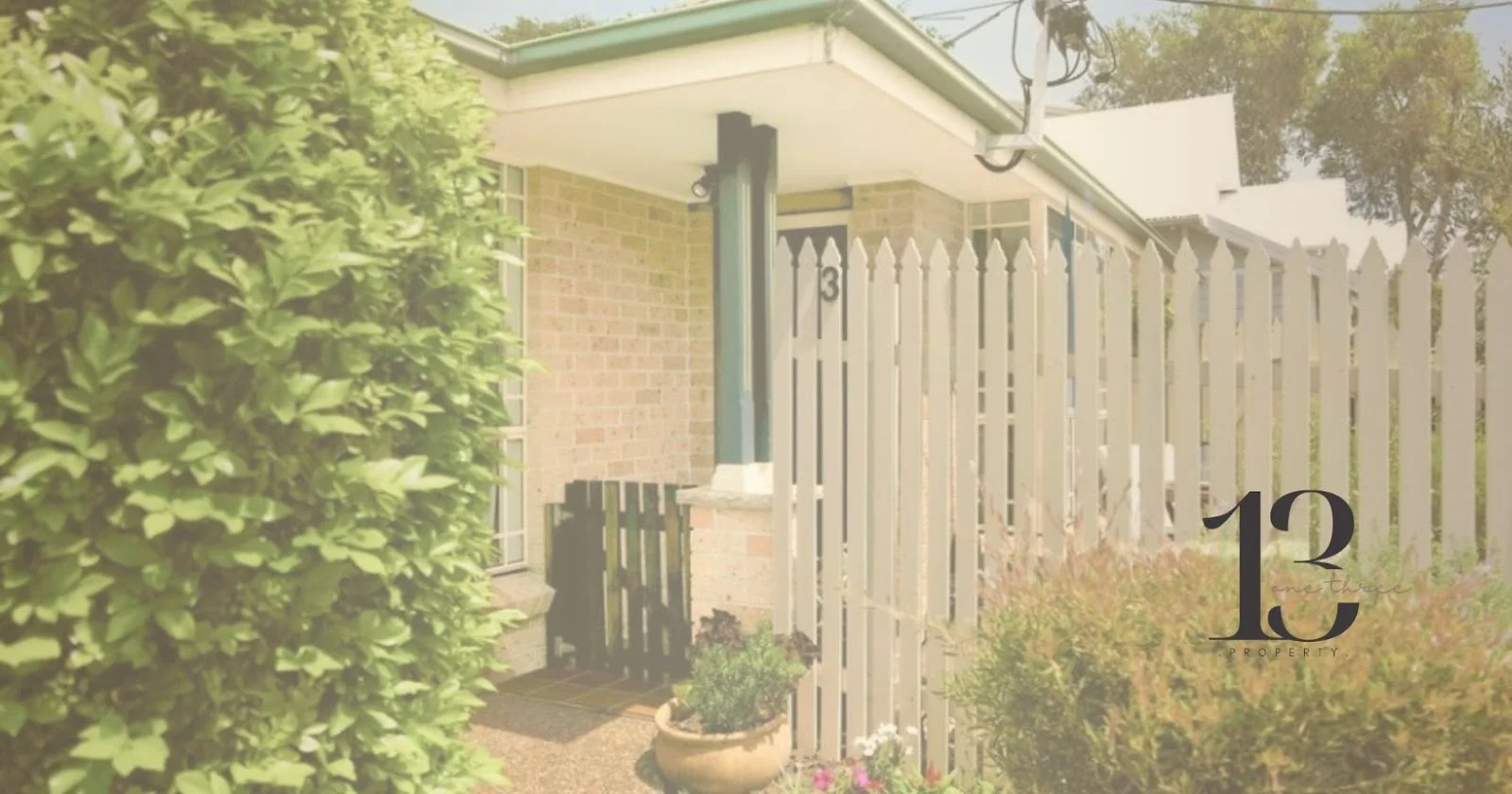 $795,000
Townhouse
$795,000
Townhouse
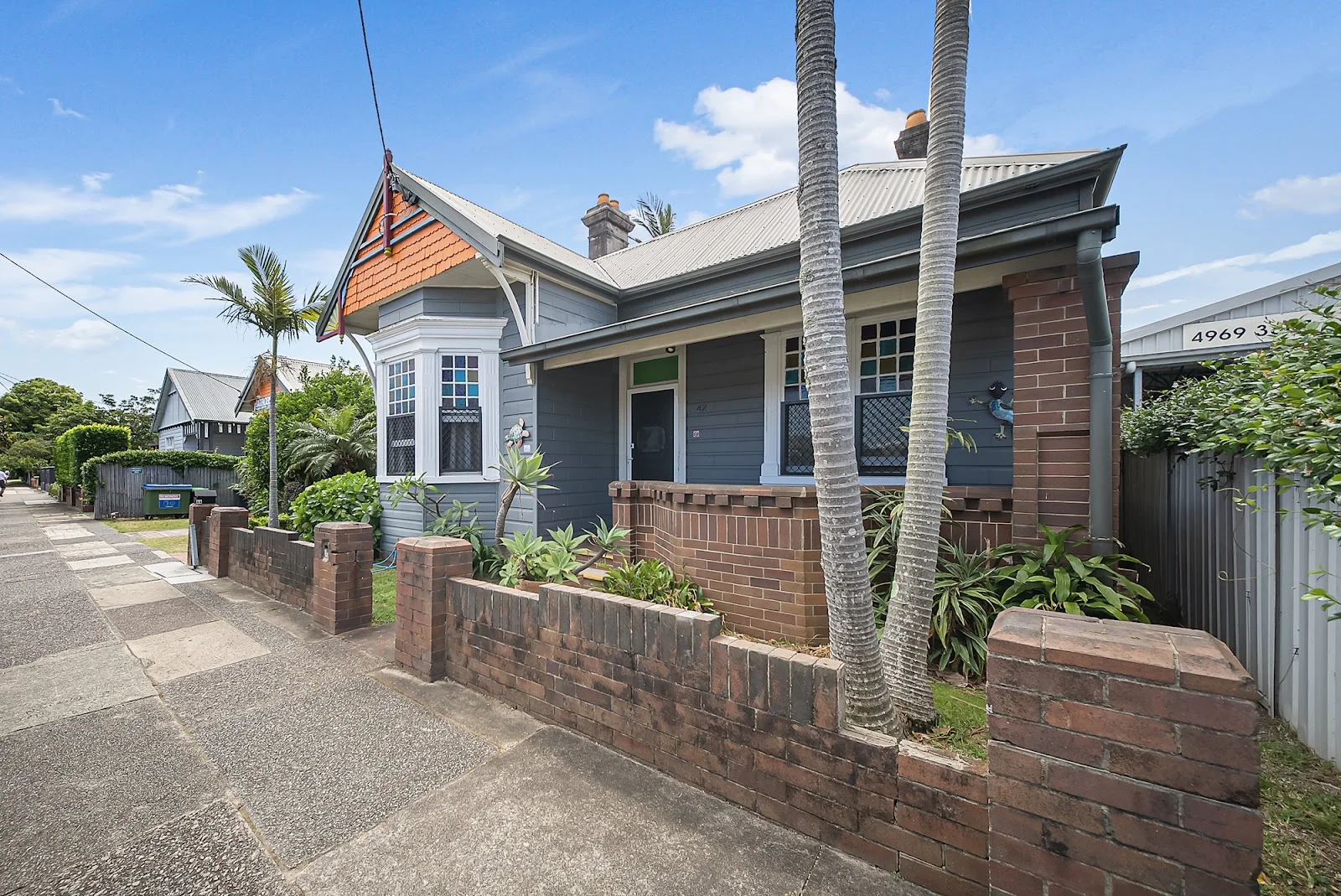 $2,000,000
propertyType.BLOCK OF UNITS
$2,000,000
propertyType.BLOCK OF UNITS
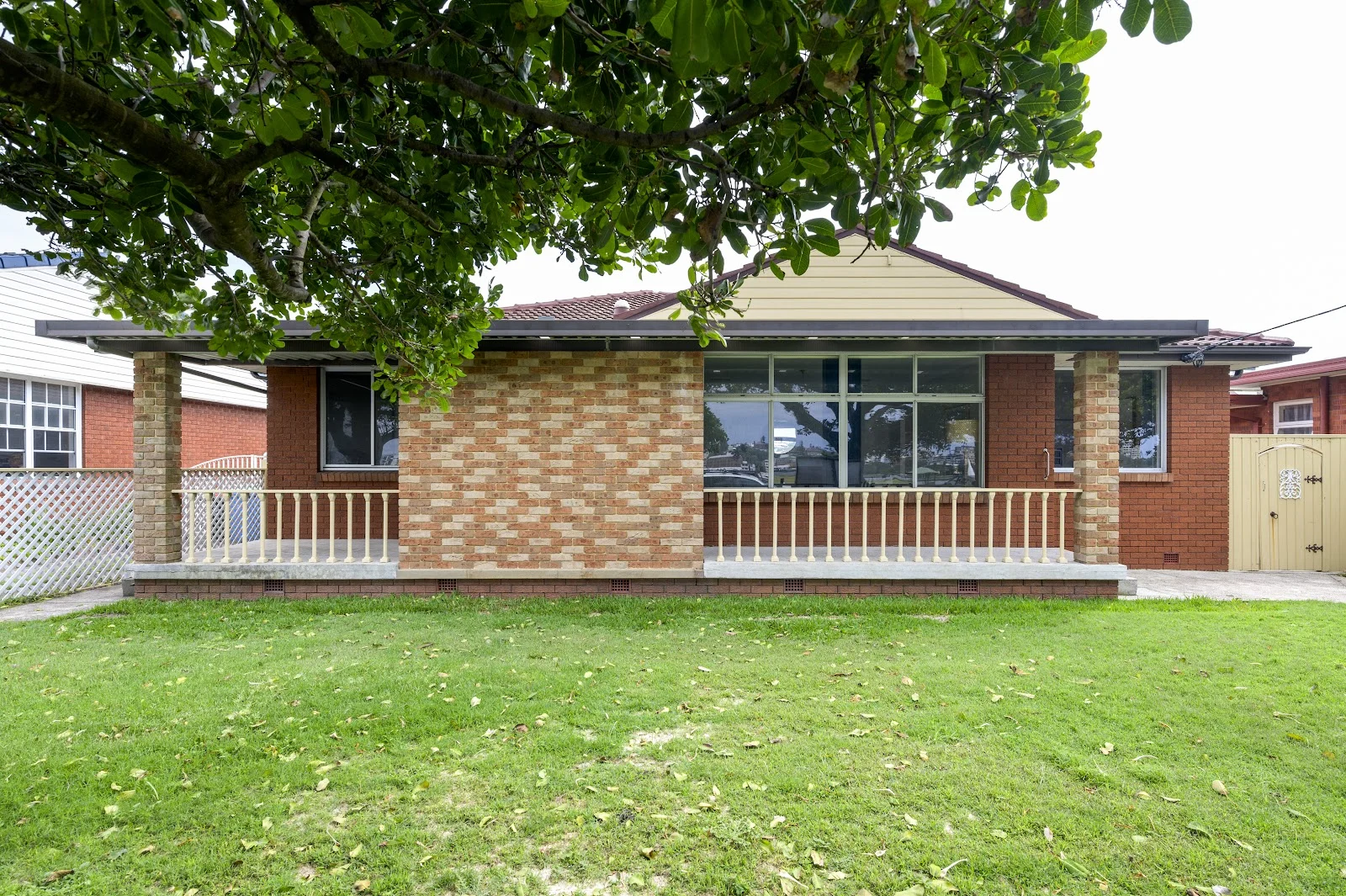 $2,500,000
House
$2,500,000
House
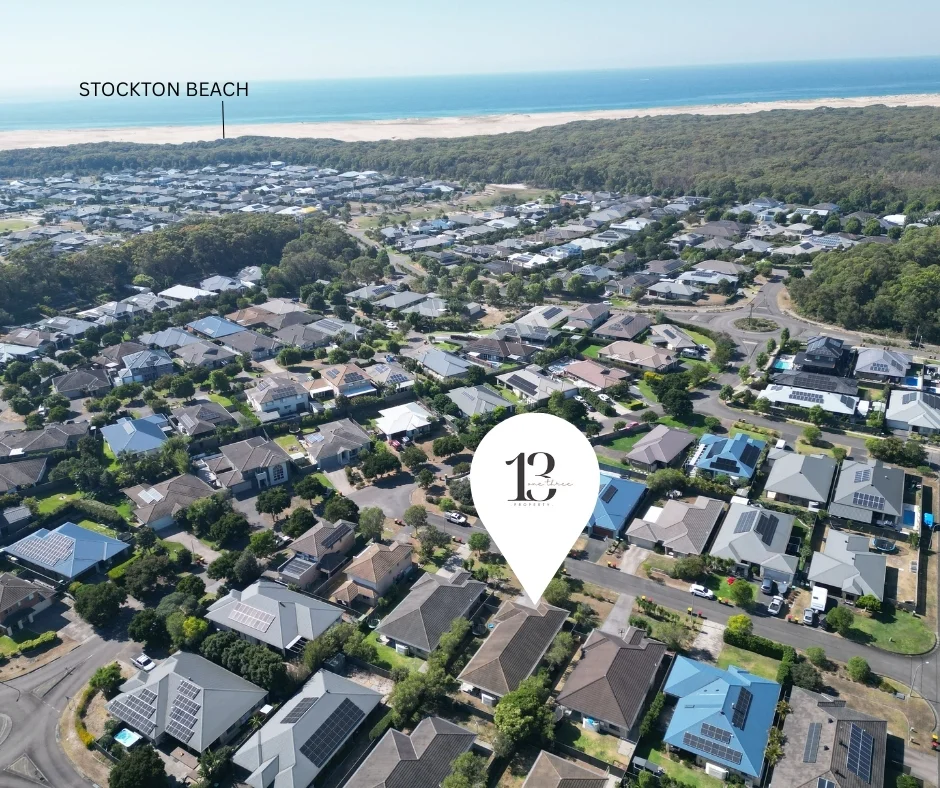 $900,000 - $990,000
House
$900,000 - $990,000
House


