# Overview
Our Lady of Victories Primary School (Shortland, NSW) is a Catholic primary school that focuses on values-based education within a nurturing, inclusive community. The school emphasizes a close-knit, family-like atmosphere where students are encouraged to grow academically, spiritually, and socially.
- School type: Catholic
- School size: Medium
- Class size: Approximately 20–25 students per class
- Atmosphere/culture: Nurturing, inclusive, faith-informed, with a focus on community and holistic development
---
# Academics & Learning
The school places strong emphasis on literacy and numeracy, with supportive programs to lift student outcomes and a faith-informed approach to learning.
- Academic strengths: English, Mathematics, Religious Education, and foundational STEM/technology integration; emphasis on critical thinking and clear communication
- Special programs: Gifted and Talented or enrichment opportunities where available; support for diverse learners; focus on inclusive education
- NAPLAN / trends: Steady engagement in NAPLAN with ongoing efforts to improve literacy and numeracy; trends show progress over recent years
- Student-teacher ratios: Generally around 1 teacher per 20–25 students, with additional support staff as needed
- Support for diverse learners: EAL/D support, learning support teachers, targeted interventions, and small-group assistive strategies
---
# Sports & Extracurricular Strengths
Aussie and UK parents often prioritise opportunities beyond academics, and the school offers a range of options.
- Sports offered: Athletics, soccer, cricket, rugby league, basketball, netball, and general fitness activities
- Strong teams or achievements: Regular participation in local school sports events; opportunities to compete in parish/diocesan-level competitions
- Music, arts, drama programs: Choir, school performances, music lessons, and opportunities in drama and performing arts
- Clubs: Robotics, coding, chess, debating, and other STEM/academic clubs as available
- Partnerships: Local community clubs and diocesan activities; opportunities for external competitions and events
---
# Wellbeing & Pastoral Care
Pastoral care is central to student success, with systems in place to support emotional and social development.
- Anti-bullying approach: Clear anti-bullying policy, restorative practices, and wellbeing education incorporated into the curriculum
- House system: House-based activities and competitions to build belonging and leadership
- Counsellors / wellbeing officers: Access to school counsellors or wellbeing leaders for student support
- Transition support for new students: Orientation activities, buddy systems, and gradual integration processes
---
# Facilities
Facilities are designed to support a well-rounded education with spaces for learning, creativity, and recreation.
- Sports grounds: External playing fields and courts
- Libraries: On-site library with a range of books and literacy programs
- Science labs: Dedicated spaces for hands-on science activities
- Music/performing arts centers: Music room and space for performances
- Tech/innovation labs: Computer/tech rooms for coding and digital learning
- Cafeteria: On-site canteen or meal service options
- Updated playgrounds: Safe, modern play areas for breaks and outdoor learning
---
# School Values & Community Culture
The school’s culture reflects its Catholic mission and a commitment to community, leadership, and inclusion.
- School values / mission: Faith-based learning with a focus on respect, responsibility, compassion, and service
- Leadership style: Collaborative, with opportunities for student voice and leadership roles
- Behaviour expectations: Clear codes of conduct aligned with school values; positive-behaviour supports
- Community reputation: Strong ties with parish and local families; supportive parent community
- Diversity & inclusion: Welcomes diverse families and strives to create an inclusive environment
---
# School Logistics & Daily Operations
Key daily logistics help families plan and participate in school life.
- School hours: Typical primary-school day (e.g., 9:00 am–3:00 pm) with possible before/after care options
- Before/after school care: OSHC or similar programs available
- Uniform requirements: School uniform policy (and sports uniform for certain days/activities)
- Transport (bus routes): Access via local bus routes and parent drop-off options; proximity to public transport
- Canteen availability: Canteen or lunch-order service available
- Fees (low/medium/high ranges): Fees are in the moderate range for Catholic primary schools; some costs for excursions and voluntary contributions
---
# Enrolment & Admissions
11. What is the enrolment process and timeline?
- Applications are submitted to the school or through the parish; information sessions may be offered; an enrollment interview or tour is commonly part of the process; confirmation of placement typically follows after documents and eligibility checks
12. Is there a waiting list, and how does it work?
- Some years may have a waiting list; priority often given to siblings, parishioners, and families with prior connections; families are notified by email or phone about their status
13. Are there any entry requirements, tests, or interviews?
- Typically includes an interview or tour; may require proof of immunisation, baptism status (depending on policies), and basic documentation; no formal standardized tests for primary-age entry, though literacy/numeracy snapshot activities may occur
14. Does the school accept mid-year transfers?
- Yes, subject to vacancy and placement availability; transfer requires documentation (academic records, immunisation status, and other parish/school forms) and may include a transition plan for the new student
---
# Frequently Ask Questions
- Why Parents Choose This School?
- A values-based Catholic education in a supportive, family-like community with a focus on holistic development and strong pastoral care.
- What type of student thrives at this school?
- Students who value a faith-informed, collaborative environment, and who respond well to a supportive learning culture with emphasis on literacy, numeracy, and social development.
- What opportunities are available for students to extend their skills (academics, sports, arts)?
- Enriched literacy and numeracy work, STEM and technology integration, music and performing arts, debating, robotics and coding clubs, and a range of sports teams and competitions.
- How does the school communicate with parents?
- Regular newsletters, emails, a school app or portal, and parent-teacher interviews; updates on events and student progress are common.
- What is the school’s approach to teaching and learning?
- A combination of explicit instruction and student-centered inquiry; differentiation to meet diverse needs; integration of faith-based perspectives into learning; emphasis on digital literacy and responsible use of technology.
- How does the school support students who need extra academic help?
- Access to learning support staff, targeted interventions, EAL/D support, and small-group tutoring or remediation where required.
- What support is available for academic challenges?
- Early identification, personalised learning plans, and collaboration with families to implement effective strategies and progress monitoring.
- How does the school communicate with parents?
- (Duplicate) See above: through newsletters, portals, and direct communication with teachers and leadership.
- What are the class sizes and how much individual attention do students receive?
- Class sizes typically around 20–25 students, with opportunities for individual feedback and small-group support from teachers and support staff.
- What extracurricular and sports opportunities are available?
- Wide range across sports, arts, robotics, coding, chess, debating, and other clubs; participation in local and parish competitions.
- What facilities does the school offer (sports, science, arts)?
- Sports grounds, library, science labs, music/performing arts spaces, technology/innovation labs, and rehearsal/performing areas.
- What is the school’s approach to technology and digital learning?
- Integrated digital literacy across the curriculum, use of interactive teaching tools, and appropriate supervision for technology use; opportunities in coding and media creation.
- What transport and accessibility options are available?
- Bus routes and local transport options; parent drop-off zones; accessible facilities where applicable.
- What are the typical school fees or additional costs?
- Fees are moderate for Catholic primary schools; some additional costs for excursions, voluntary contributions, and uniform items.
---
# Short Pros & Cons list
- Pros
- Values-based Catholic education within a supportive community
- Medium-sized school with a focus on individual attention and inclusivity
- Range of academic, sporting, arts, and STEM opportunities
- Strong wellbeing, pastoral care, and transition support
- Active parental engagement and parish connections
- Cons
- As a Catholic school, religious affiliation is a core aspect; families seeking secular education might prefer other options
- Enrolment capacity may be limited in certain year levels, potentially leading to waiting lists
- Additional costs for excursions, uniform, and activities beyond standard fees
- Availability of mid-year transfers depends on vacancies and may require adjustment for the new term







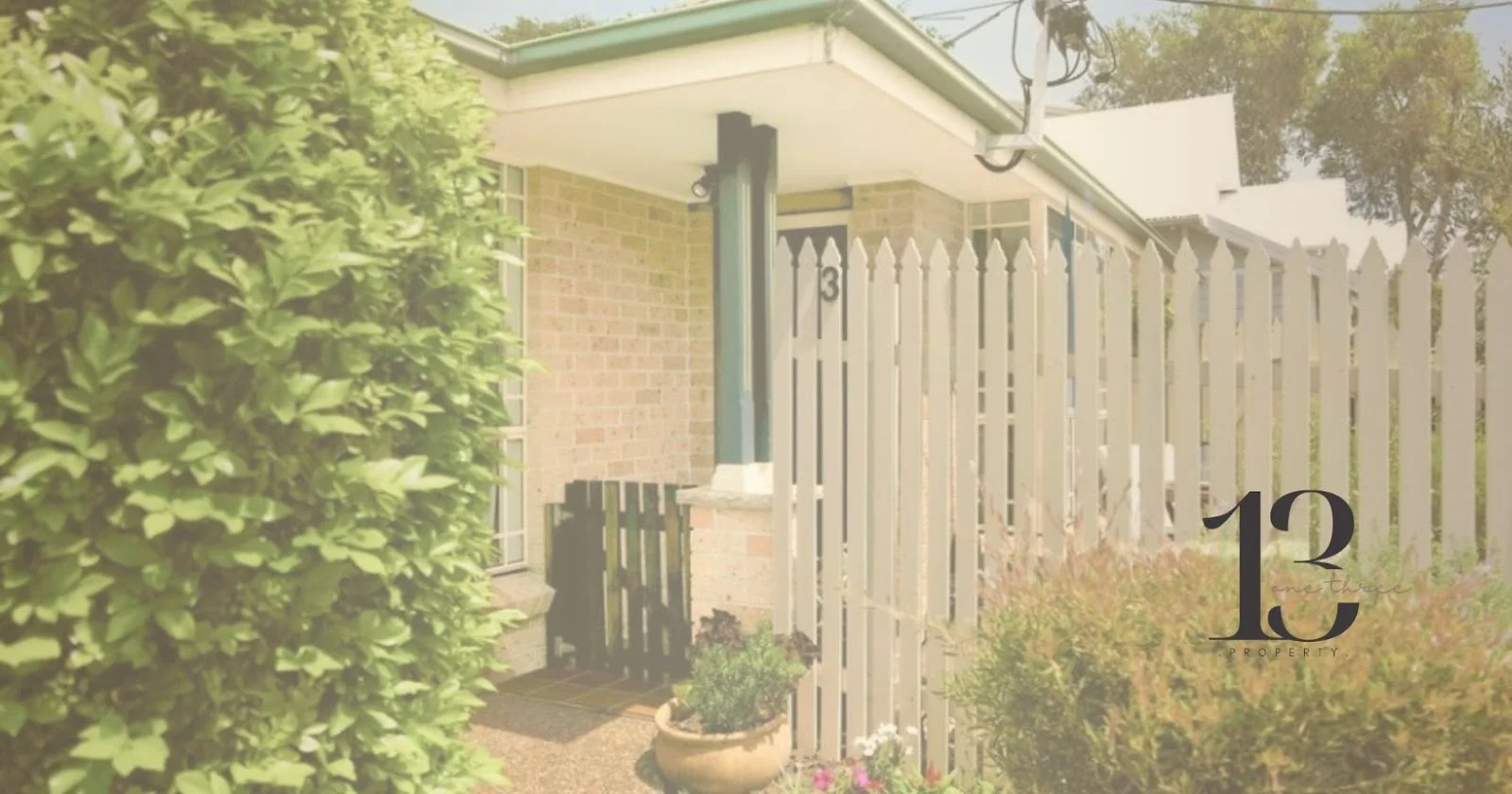 $795,000
Townhouse
$795,000
Townhouse
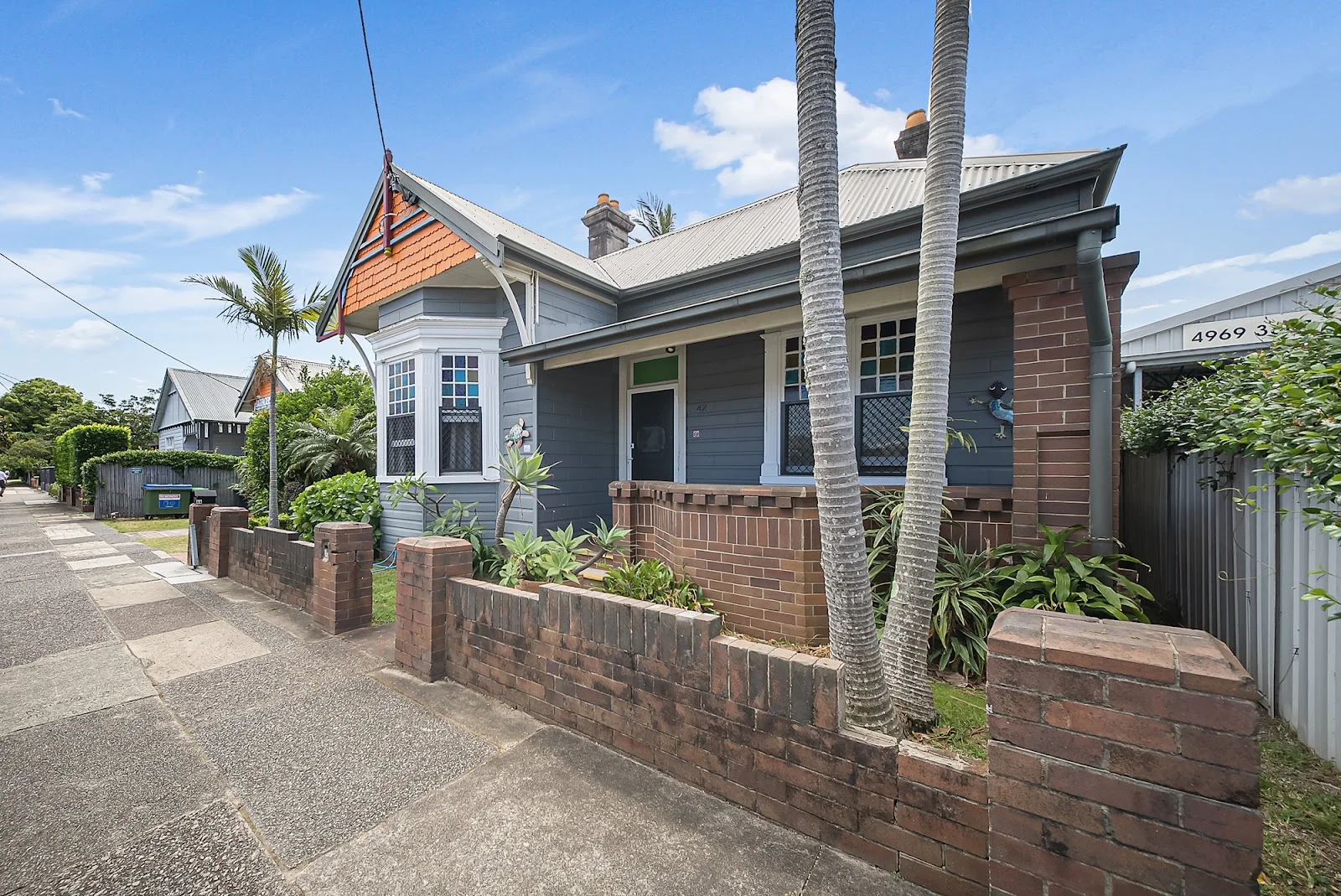 $2,000,000
propertyType.BLOCK OF UNITS
$2,000,000
propertyType.BLOCK OF UNITS
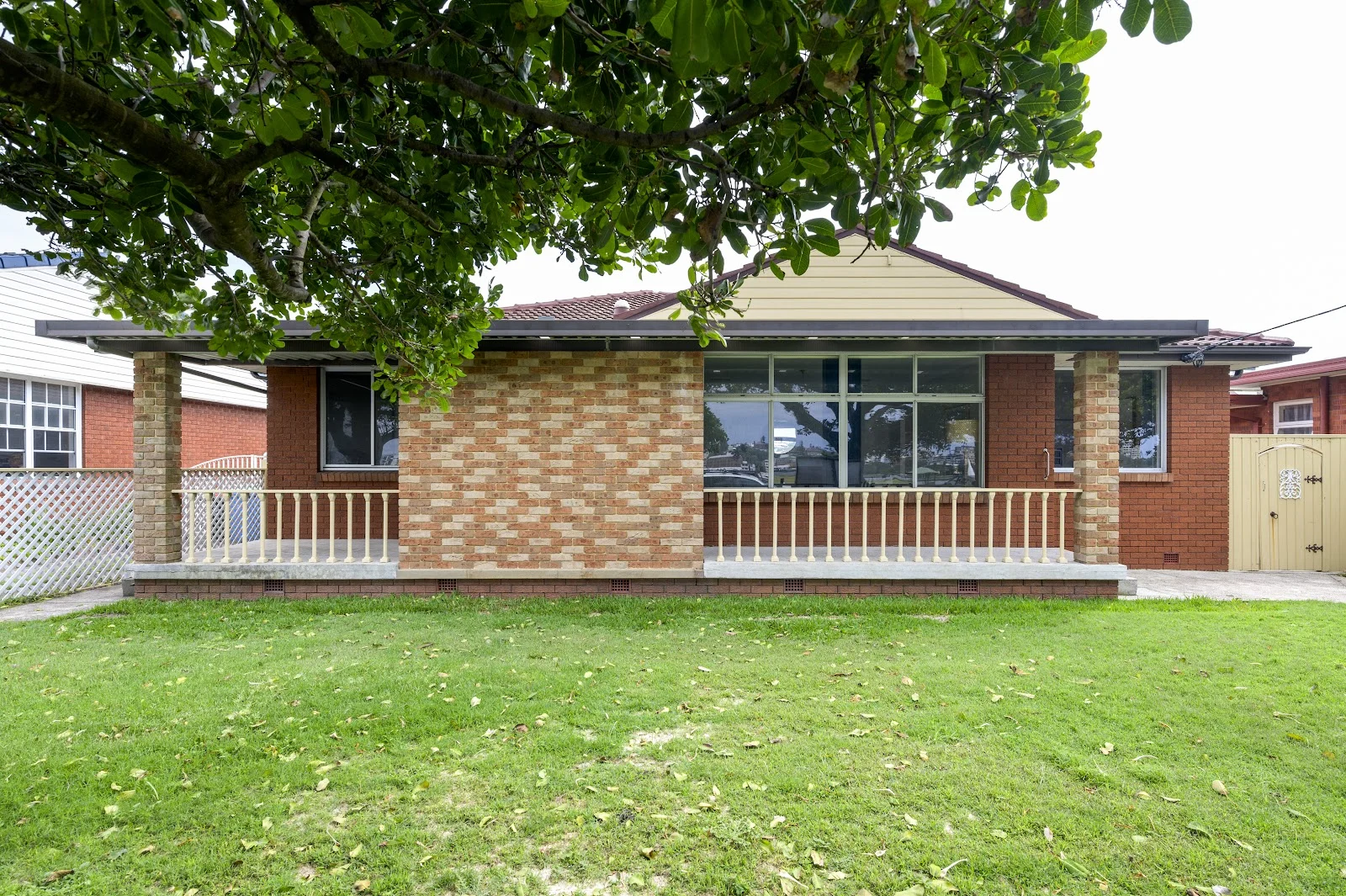 $2,500,000
House
$2,500,000
House
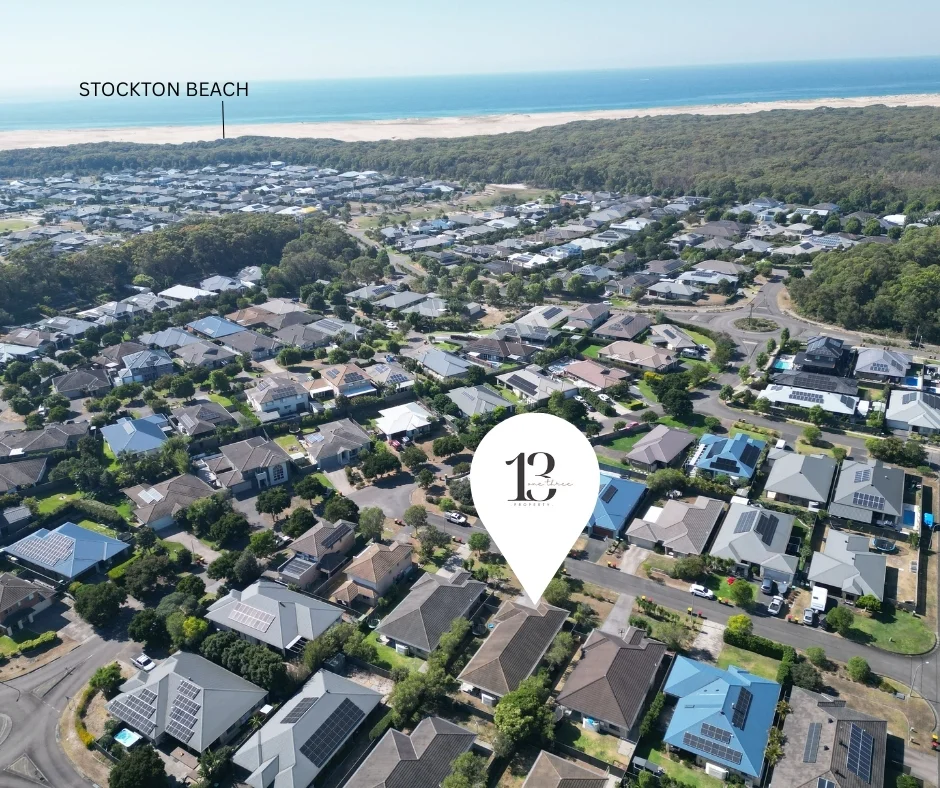 $900,000 - $990,000
House
$900,000 - $990,000
House


